Essential Innovations for Modern Healthcare Delivery
As healthcare continues to shift toward value-based models, ACOs are expected to deliver more with less. Providers face mounting pressure to hit performance targets, engage patients in meaningful ways, and manage complex care needs with limited resources. Meeting those demands requires more than clinical expertise; it calls for a digital infrastructure built for coordination, efficiency, and results. That’s where the right ACO tools for providers come in.
Not every platform delivers on its promise but the ones that do are redefining how care is delivered, measured, and improved across the continuum. This blog breaks down the essential digital innovations helping ACO providers meet today’s challenges and tomorrow’s goals.
The Digital Toolkit Powering High-Performing ACOs
The shift toward value-based care has transformed how accountable care organizations (ACOs) operate. To truly deliver better outcomes at lower costs, providers need more than just good intentions they need the right digital tools that streamline workflows, reduce variation, support team-based care, and engage patients.
Below are seven essential ACO tools for providers that are making the biggest impact across today’s high-performing ACOs.
1. Electronic Health Records (EHR)
Let’s start with the most foundational tool in any provider’s arsenal: the electronic health record. While EHRs are often criticized for their complexity, they’re also essential for enabling coordinated, team-based care across multiple providers and locations.
For ACOs, a well-integrated EHR can:
- Serve as the central hub for patient medical history
- Track care across specialists, hospitals, and post-acute settings
- Embed quality metrics aligned with value-based contracts
- Enable smoother transitions of care with discharge summaries and referrals
When EHR systems are connected across a network or better yet, across an entire region they support seamless data exchange. This reduces duplication, improves documentation, and helps providers measure performance against ACO benchmarks (Nyweide, 2025).
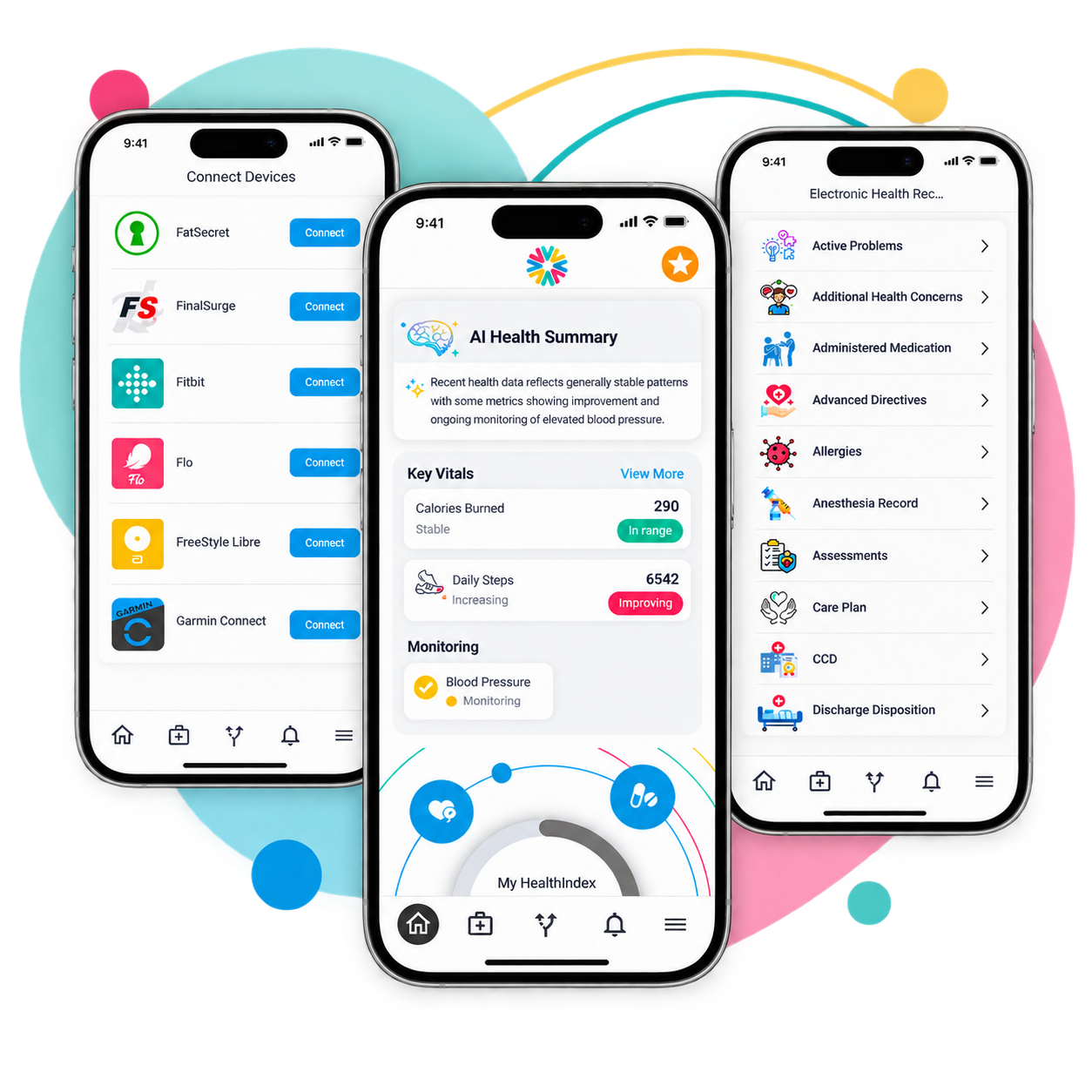
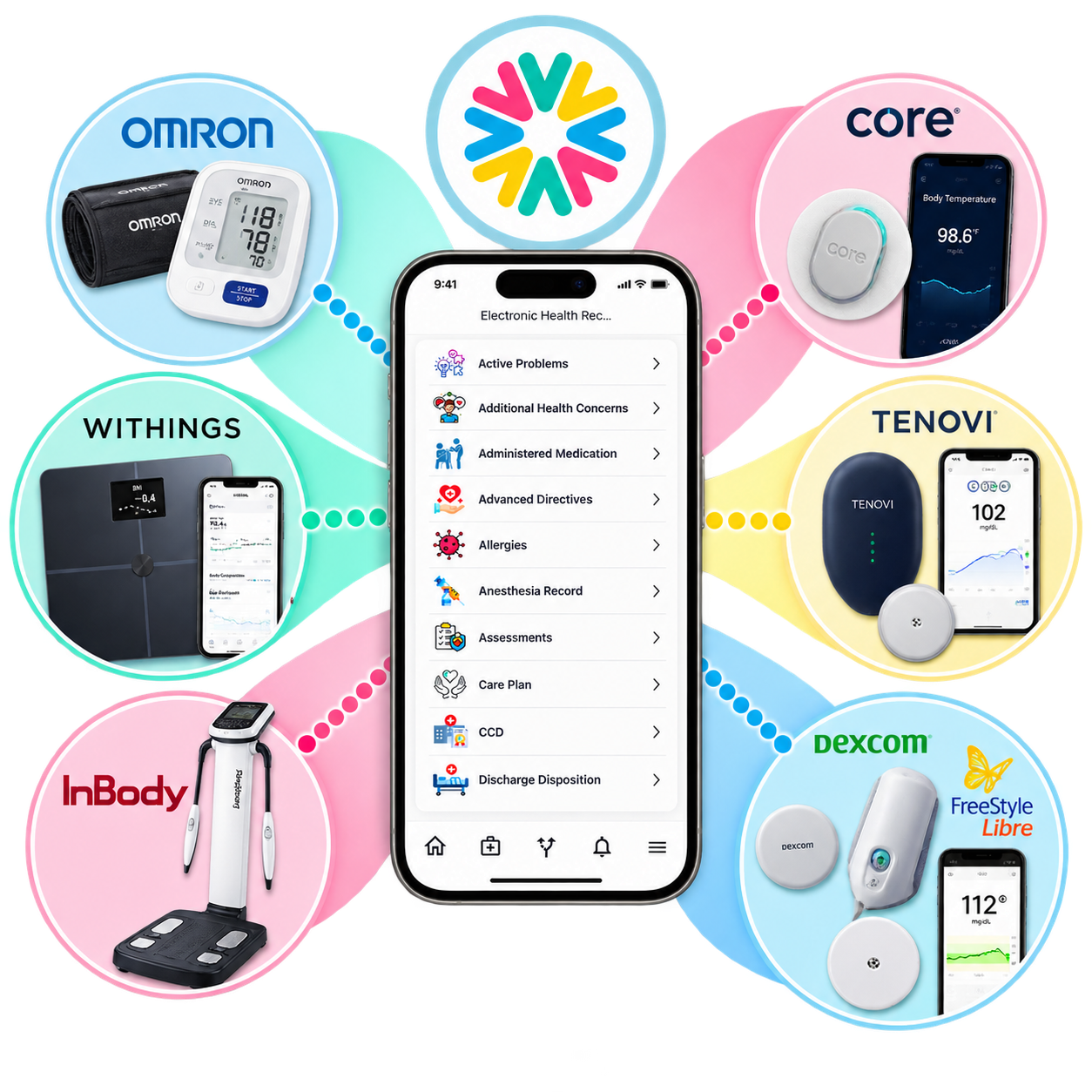
Tools like Calcium Core extend this functionality by pulling in EHR data alongside wearable, lab, and patient-reported inputs, giving providers a more complete picture of patient health.
2. Data Analytics & Real-Time Population Health Dashboards
Ever feel like you’re reacting to problems instead of preventing them? You’re not alone. Many ACOs struggle to identify high-risk patients before they end up in the ER or need high-cost interventions. That’s where data analytics and real-time dashboards key ACO tools for providers come in.
These tools turn raw data into actionable insights by:
- Stratifying patient risk based on age, comorbidities, and utilization patterns
- Tracking gaps in care, such as overdue screenings or missed labs
- Monitoring progress toward shared savings goals
- Providing predictive alerts that allow for early interventions
According to recent research on care variation within ACOs, the ability to track and address care inconsistencies in real-time is directly linked to improved quality and reduced costs (Burgon et al., 2019).
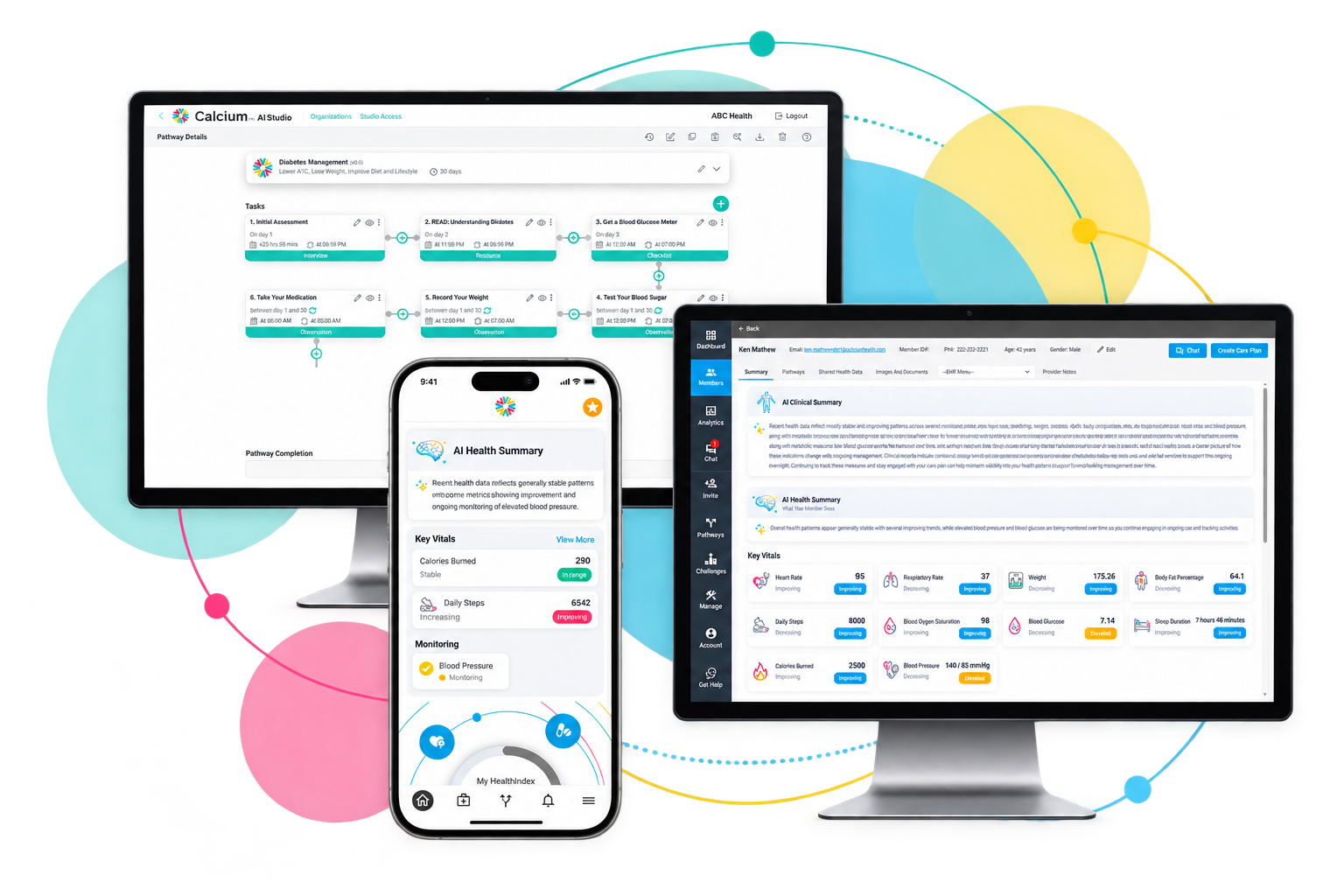
Calcium’s population health dashboard is built to do just that. It pulls data from EHRs, devices, and patient journals, and presents it in an intuitive dashboard for clinicians, case managers, and population health teams to act on immediately.
3. Clinical Decision Support Systems (CDSS)
Even the best providers can use a second opinion especially one powered by up-to-date guidelines and real-time data.
Clinical Decision Support Systems (CDSS) help reduce variability in care by offering context-specific prompts, alerts, and recommendations during the point of care. Whether it’s suggesting evidence-based treatment options or flagging potential medication interactions, these ACO tools for providers ensure decisions align with the latest standards.
In the ACO environment, CDSS tools:
- Improve adherence to evidence-based care
- Reduce unnecessary testing and procedures
- Assist in chronic disease management
- Promote preventive care compliance
Reducing clinical variation can save millions while improving outcomes, especially in conditions like diabetes and heart failure (Burgon et al., 2019). CDSS helps ACOs take the guesswork out of clinical decisions, supporting consistency across diverse care teams.
4. AI-Powered Digital Care Pathways
Now let’s talk about one of the most innovative ACO tools for providers: AI-powered digital care pathways.
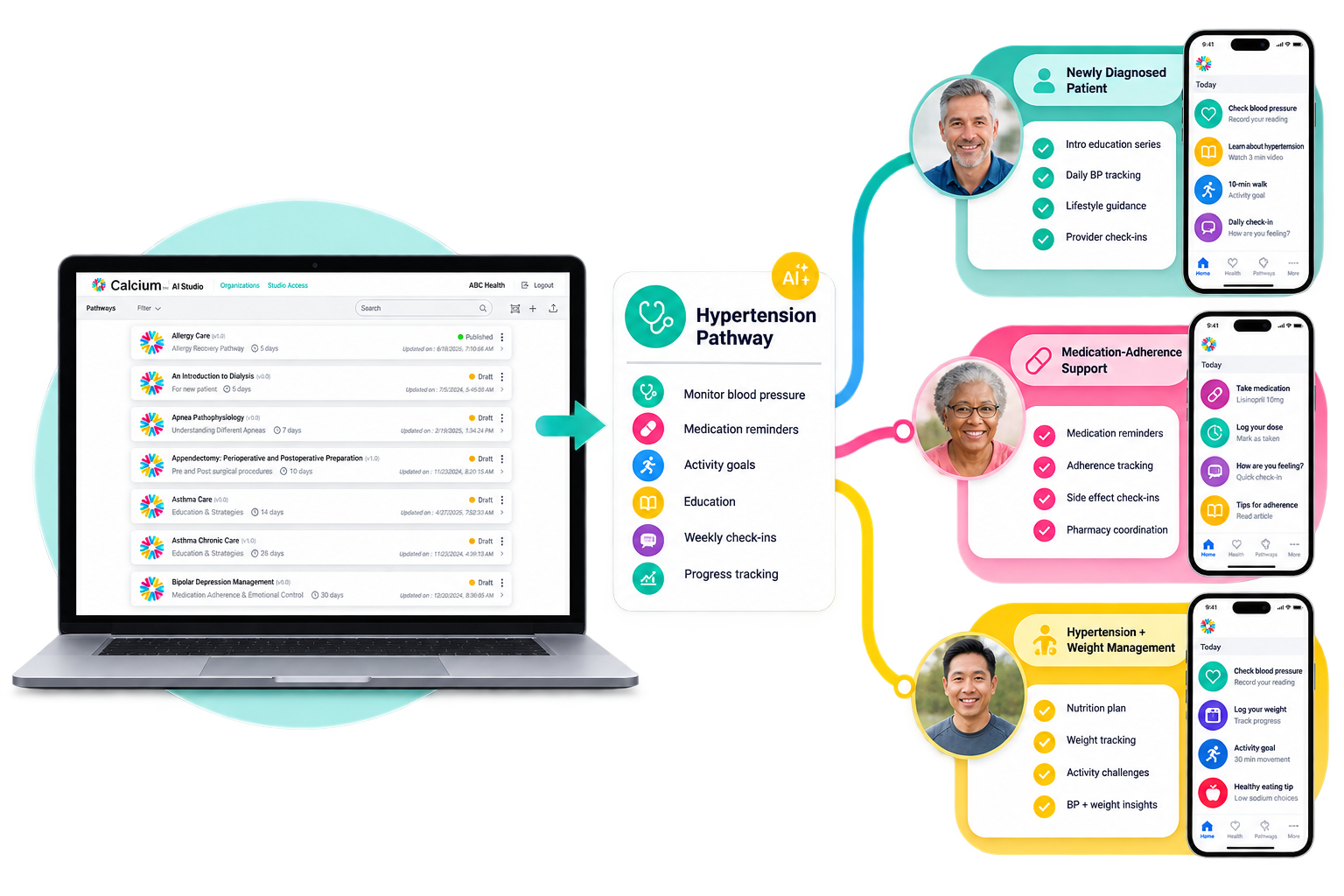
These interactive, adaptive care plans live inside patient apps or web portals and are tailored to each person’s unique needs, goals, and progress. Whether someone is recovering from surgery, managing chronic illness, or working on lifestyle changes, these pathways guide them step-by-step with reminders, educational content, and check-ins.
For providers, these tools offer:
- Automated monitoring of pathway compliance
- Real-time symptom tracking and alerts
- Data collection for quality reporting
- Integration with care teams via dashboards
Platforms like Calcium’s Super App deliver these pathways to patients in an engaging, user-friendly format while syncing with providers through the Calcium Core interface. Providers can assign, edit, or monitor pathways remotely saving time and improving care continuity.
AI takes it further by adjusting recommendations based on patient-reported data and wearable feedback, ensuring care remains personalized and responsive (Fraze et al., 2020).
5. Secure Messaging & Team Based Communication Tools
Coordinated care is the backbone of ACO success, but when communication is siloed or delayed, patients can easily fall through the cracks.
That’s why secure messaging platforms are essential.
These ACO tools for providers allow care teams to:
- Message each other and their patients securely in real-time
- Share test results, care plan updates, and educational materials
- Reduce reliance on fax, phone tag, and fragmented communication
- Document conversations for accountability and follow-up
In one major ACO study, physician-led organizations with collaborative communication tools saw higher engagement and better care delivery metrics (Gorbenko et al., 2016).
Calcium’s chat and collaboration features allow multi-disciplinary teams including PCPs, specialists, care coordinators, and behavioral health providers to stay in sync. Patients can also securely message their care team through the app, ensuring nothing gets lost in translation.
6. Patient Self-Monitoring via Wearables & Connected Devices
There’s a big gap between what happens in the clinic and what happens at home and for ACOs, closing that gap is critical. That’s where connected health devices come into play.
Wearables and remote monitoring tools allow patients to track:
- Heart rate, activity, and sleep patterns
- Blood pressure and glucose levels
- Oxygen saturation or weight fluctuations
- Medication adherence or symptoms
For providers, this data becomes a goldmine. When integrated into a centralized dashboard, it offers real-time feedback on a patient’s daily health allowing for early interventions before conditions escalate (Nyweide, 2025).
Calcium integrates with over 100 devices, syncing real-world data into care pathways and provider dashboards. Whether a diabetic patient’s glucose is spiking or a heart failure patient is gaining weight rapidly, the platform flags these trends so care teams can act fast.
7. Mobile Medication Adherence & Mental Health Support Apps
Finally, let’s not overlook two often-underestimated challenges in ACO performance: medication nonadherence and mental health.
Both are silent drivers of avoidable hospitalizations and poor outcomes.
Mobile adherence and mental wellness apps solve this by:
- Sending daily medication reminders
- Offering mood tracking and journaling tools
- Encouraging lifestyle changes with motivational messages
- Providing guided mental health support like CBT or mindfulness
These tools can be lifesavers literally. For example, the Calcium Super App combines medication tracking with mental health modules, allowing patients to manage physical and emotional well-being in one place.
This is particularly valuable for complex patients with multiple comorbidities, as behavioral health often plays a pivotal role in treatment adherence and disease progression (Fraze et al., 2020).
The Wrap
As ACOs continue to evolve, one thing is clear: the right digital tools can make or break your success.
From unifying patient data to guiding smarter decisions and empowering patients at home, these technologies aren’t just conveniences they’re necessities. Providers need solutions that reduce friction, increase efficiency, and deliver measurable results across the entire care journey. That’s where platforms like Calcium come in.
Built to support every layer of value-based care, the Calcium digital health platform brings together data integration, AI-powered pathways, behavioral health tools, and real-time dashboards, all in one place. If your ACO is ready to work smarter, not harder, now is the time to take action.
Reference
- Burgon, T. B., Cox-Chapman, J., Czarnecki, C., Kropp, R., Guerriere, R., Paculdo, D., & Peabody, J. W. (2019). Engaging Primary Care Providers to Reduce Unwanted Clinical Variation and Support ACO Cost and Quality Goals: A Unique Provider-Payer Collaboration. Population Health Management, 22(4), 321–329. https://doi.org/10.1089/pop.2018.0111
- Fraze, T. K., Beidler, L. B., Briggs, A. D. M., & Colla, C. H. (2020). Translating Evidence into Practice: ACOs’ Use of Care Plans for Patients with Complex Health Needs. Journal of General Internal Medicine, 36(1), 147–153. https://doi.org/10.1007/s11606-020-06122-4
- Ouayogodé, M. H., Liang, X., & Ferguson, S. K. (2025). Organizational Factors Associated With Variation in Primary Care Providers in ACOs. The American Journal of Managed Care, 31(4), e87–e94. https://doi.org/10.37765/ajmc.2025.89723
- Nyweide, D. J. (2025). The First Decade of ACO Model Evaluations in the Medicare Program: A Systematic Review. Medical Care Research and Review. https://doi.org/10.1177/10775587251325914
- Gorbenko, K. O., Fraze, T., & Lewis, V. A. (2016). Redesigning care delivery with patient support personnel: Learning from accountable care organizations. International Journal of Care Coordination, 19(3-4), 73–83. https://doi.org/10.1177/2053434516676080