What Rural and Critical Access Hospital Leaders Are Telling Us About Technology in 2026
What 38 rural and critical access hospital leaders reveal about workforce pressure, financial constraints, digital health priorities and the practical path to AI adoption.
Title tag:
Rural Hospital Technology & AI Trends in 2026 | CAH Survey
Meta description:
See what rural and critical access hospital leaders say about staffing, finances, digital health and AI adoption in Calcium’s 2026 CAH survey.
For rural and critical access hospital leaders, the technology conversation is changing. A few years ago, the question might have been, “What new digital tools should we be watching?” Today, a more useful question is, “What problem will this technology actually help us solve?”
That difference matters. Critical access hospitals operate with smaller teams, tighter budgets and communities that may depend on them as their primary source of local hospital care. New technology has to do more than look impressive during a demonstration. It has to fit the reality of rural healthcare.
That reality is what Calcium set out to explore in its 2026 Critical Access Hospital Survey. The findings form the foundation of our new whitepaper, The State of Technology & AI in Rural and Critical Access Hospitals: 2026. The results point toward an executive agenda shaped by workforce constraints, financial pressure, care continuity and a growing interest in digital health and artificial intelligence that remains grounded in practical concerns.
Why We Asked Rural Hospital Leaders About Technology
Technology strategy can easily become disconnected from the problems hospital leaders are trying to solve. Artificial intelligence, predictive analytics, remote patient monitoring and automation all attract attention, but a feature list tells you very little about whether a solution will work inside a small rural hospital. Before discussing what technology can do, we wanted to understand what leaders believe needs attention in the first place. That is why the survey started with operational pressures, care gaps and organizational priorities rather than asking respondents simply whether they wanted more technology.
Calcium invited rural and critical access hospital leaders to share their views on operational challenges, patient care gaps, technology adoption and AI. The public survey described its purpose as gathering input from CAH leaders about their most significant operational and care-delivery challenges (Calcium, 2026).
The cleaned analysis includes 38 retained responses. The sample is not a national estimate of all CAHs and should not be treated as one. Instead, it provides a useful window into how this group of rural hospital executives and managers thinks about the pressures surrounding digital health investment.
That distinction is important. A survey like this is less like a national census and more like a listening session with a structured scorecard. It helps us hear recurring concerns and identify questions worth investigating more deeply.
Workforce and Financial Pressure Set the Ground Rules
Before a rural hospital can debate advanced AI, it has to keep the organization functioning today. That context comes through clearly in the survey. Staffing shortages were the most frequently selected hospital challenge, appearing in 31 of 38 responses, or 81.6%. Financial pressures and margins followed closely at 30 responses, or 78.9%. These findings suggest that technology decisions are being made inside an environment where both people and dollars are already stretched.
Outside research reinforces the broader context. Chartis reported that 41.2% of rural hospitals were operating at a loss in its 2026 analysis, while its national median rural hospital operating margin was 2.0%. Those figures describe a broader rural hospital population rather than Calcium’s respondents, but they help illustrate why the financial consequences of implementation matter so much (Topchik et al., 2026).
Workforce constraints are equally tangible. The U.S. Government Accountability Office has documented shortages of healthcare professionals as one of the barriers facing rural communities and CAHs. In one CAH-focused report, officials from selected hospitals specifically cited shortages of behavioral health professionals and available inpatient psychiatric capacity (U.S. Government Accountability Office, 2023).
For an executive team, that means a technology proposal should answer more than, “What does the software cost?” It should also answer questions such as:
- How much staff time will implementation require?
- Does this replace work or simply move it to another person?
- How much integration and training are needed?
- Who maintains the workflow after the launch team leaves?
- What measurable benefit should justify the ongoing expense?
Those questions may sound less exciting than an AI demonstration. They are also much closer to the decisions that determine whether a digital health program survives.
Where Leaders See the Most Useful Role for Digital Health
Once you understand those constraints, the survey’s technology priorities become more interesting. Leaders were not simply asking for more automation. They placed strong value on capabilities that could help scarce teams focus their attention. Thirty-one respondents, or 81.6%, rated prioritizing rising-risk patients as very or extremely valuable. Identifying patient risk earlier was rated very or extremely valuable by 30 respondents, or 78.9%. Chronic-condition management and medication adherence received the same 78.9% rating.
That creates an important distinction between collecting information and making information useful.
A dashboard can show hundreds of signals. A small care team still has to decide what deserves attention at 9:15 on a Tuesday morning. In that sense, data without prioritization can resemble a fire alarm panel where every light is blinking at once. More information does not automatically create more capacity.
The potential value of digital health lies in helping connect information to action. That might mean identifying a patient who needs review, organizing follow-up, supporting outreach or tracking whether an agreed next step occurred.
AI may eventually play a role in that process, but interest does not equal readiness. In the cleaned survey, 50.0% described their organization as open but cautious about AI, while 23.7% were actively looking. Those results suggest curiosity paired with a desire for evidence, implementation fit and appropriate oversight.
That measured approach is consistent with current rural healthcare discussions. The American Hospital Association has highlighted targeted rural AI applications such as documentation support, analytics and operational automation rather than assuming every hospital needs an enterprise-wide AI transformation (American Hospital Association, 2026).
The Goal Is Useful Capacity, Not More Technology
A new digital tool can technically “work” and still fail the hospital. It may produce accurate information but require too much staff review. It may improve patient communication but sit outside the EHR workflow. It may automate one department’s work while creating another queue for nursing. That is why one of the clearest messages from the survey is that rural hospital technology should earn its place through practical value.
The adoption concerns make that point. Cost was selected by 86.8% of respondents, EHR integration by 71.1% and implementation challenges by 65.8%. These are not objections to innovation. They are reminders that rural healthcare technology lives inside an operating system made of people, workflows, budgets and existing technology.
GAO has found that small and rural providers have historically faced lower levels of electronic health information exchange than larger peers, with financial resources, technical capacity and broadband among the factors that can affect participation (U.S. Government Accountability Office, 2023).
That is why the whitepaper argues for useful capacity instead of technology for technology’s sake. Useful capacity means helping a team accomplish something it already needs to do better: prioritize a patient, coordinate follow-up, manage chronic disease, reduce repetitive work or extend care beyond the hospital.
The test is simple to state, even if it takes discipline to answer: What becomes measurably better because this technology is here?
What You’ll Find in the Full Whitepaper
A survey becomes most useful when it helps leaders ask better questions. The full whitepaper goes beyond reporting percentages by connecting the findings with practical evaluation frameworks for critical access hospitals. It also separates what respondents said from what outside research actually demonstrates, which matters in an industry where enthusiasm can sometimes outrun evidence.
Readers will find analysis of workforce constraints, post-discharge care, patient engagement, technology barriers, AI readiness and rural digital health implementation. The report also introduces tools for evaluating whether an application fits the hospital before expanding it.
Among the practical resources are frameworks for moving from a clinical signal to accountable action, evaluating AI readiness, examining hospital and patient readiness for care outside the hospital and reviewing technology investments across clinical, operational and financial dimensions.
The purpose is not to tell every CAH to follow the same technology roadmap. Rural hospitals differ in staffing, service mix, infrastructure and community needs. The goal is to give leaders a structured way to ask, “Would this work here?”
Technology Should Support the Work Rural Hospitals Actually Need to Do
The survey tells a fairly consistent story. Rural and critical access hospital leaders are dealing with workforce shortages and financial pressure while looking for better ways to prioritize patients, support chronic care and extend visibility beyond individual encounters. They are interested in digital health and AI, but cost, integration and implementation remain central concerns. That is a healthy tension. Innovation has the most value when enthusiasm meets accountability.
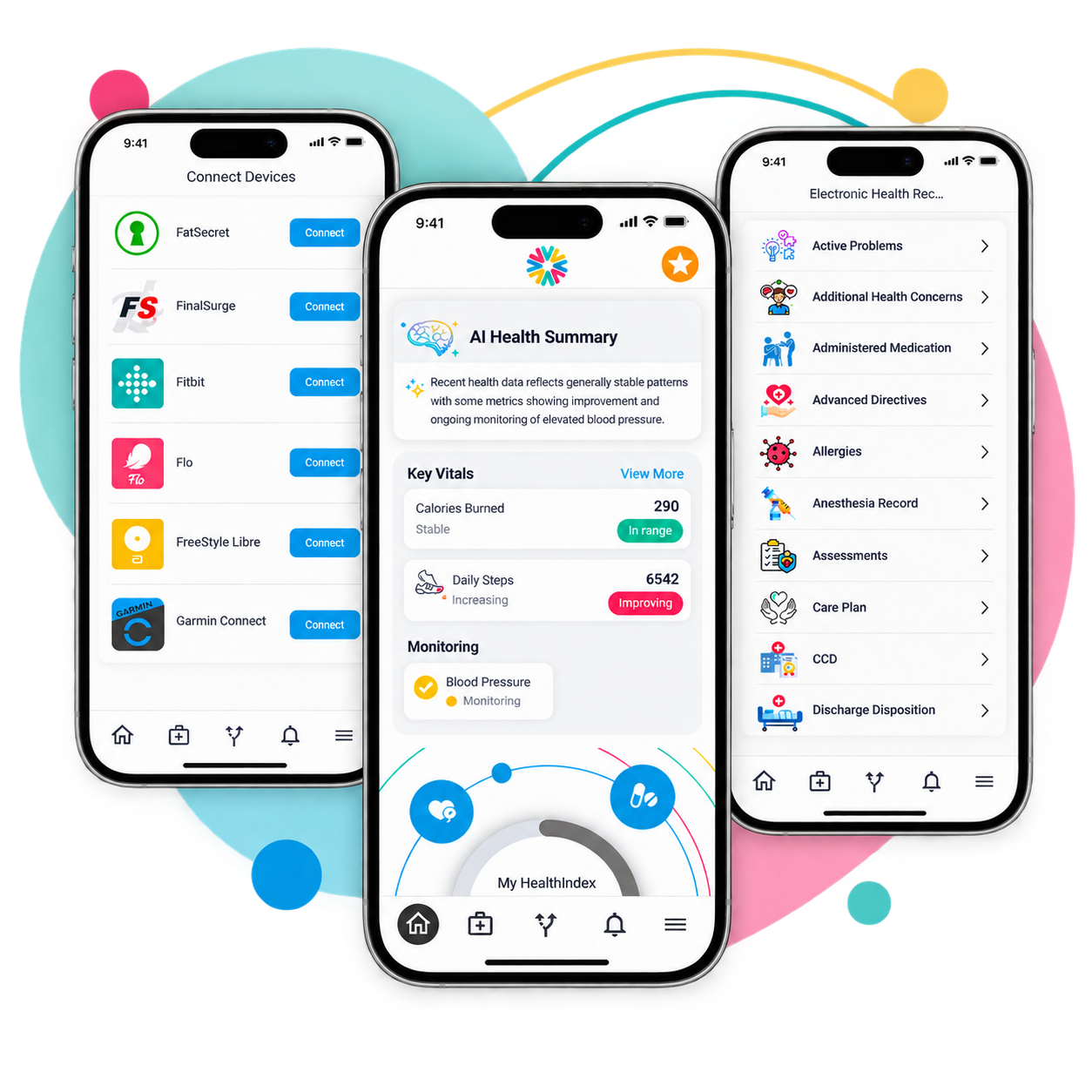
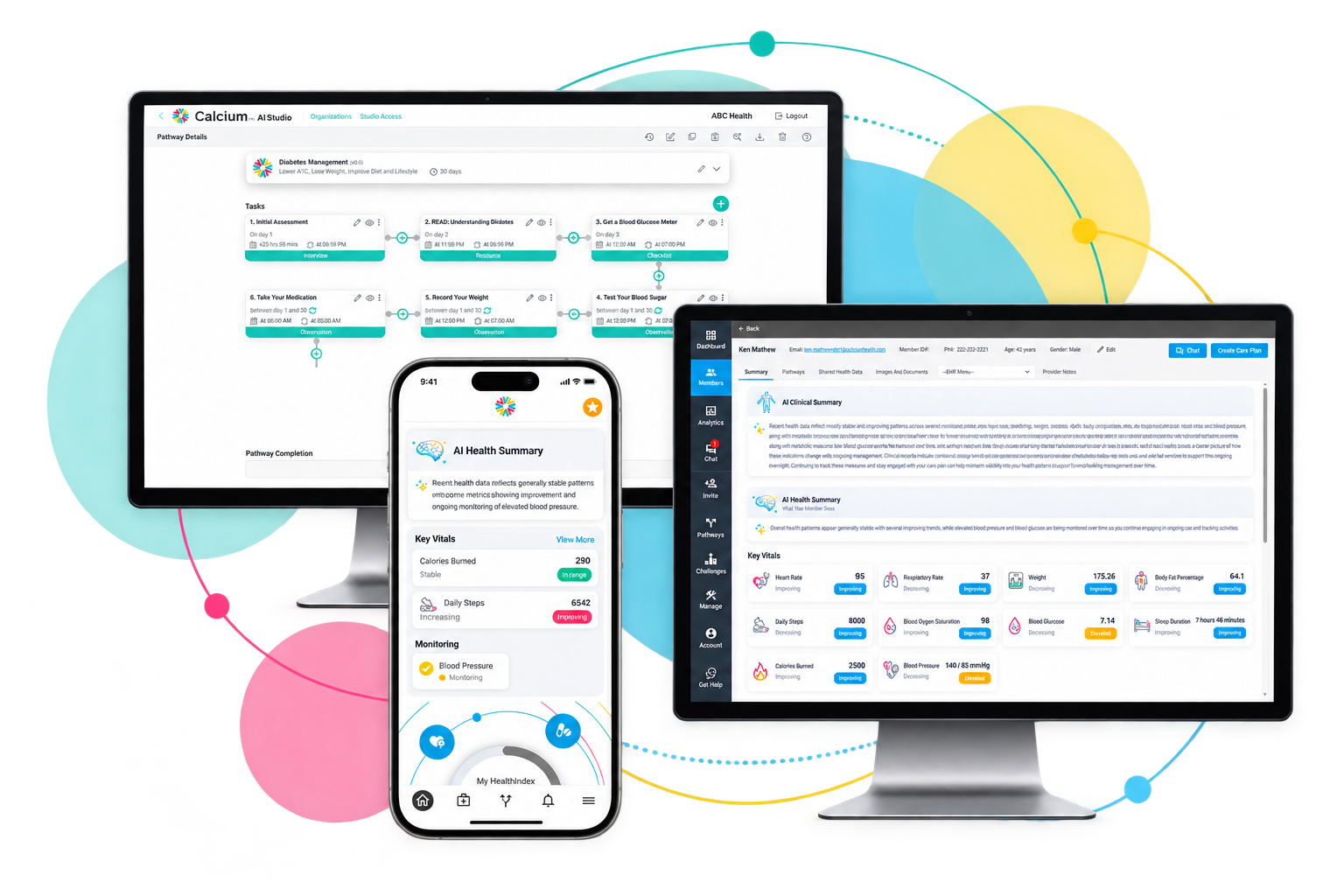
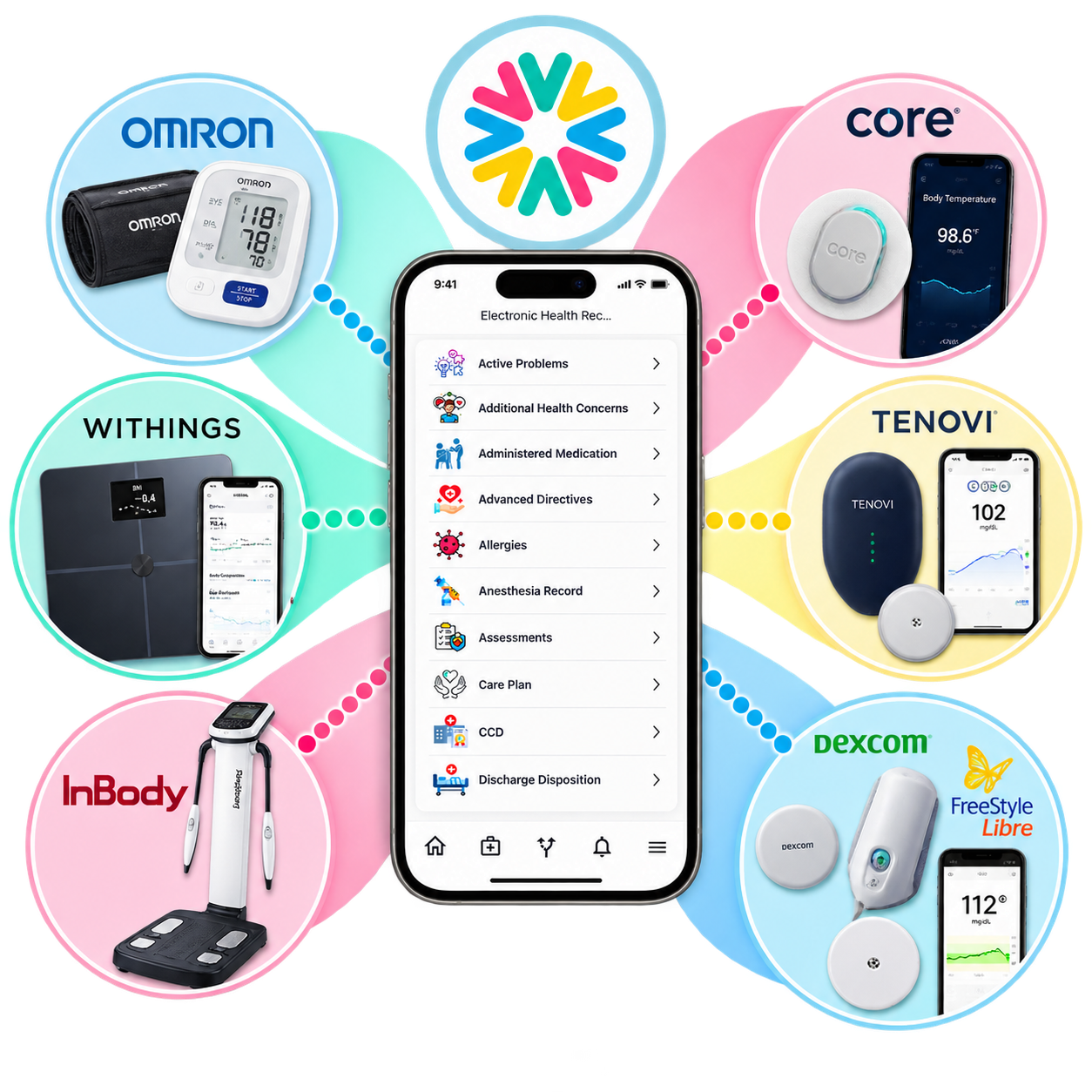
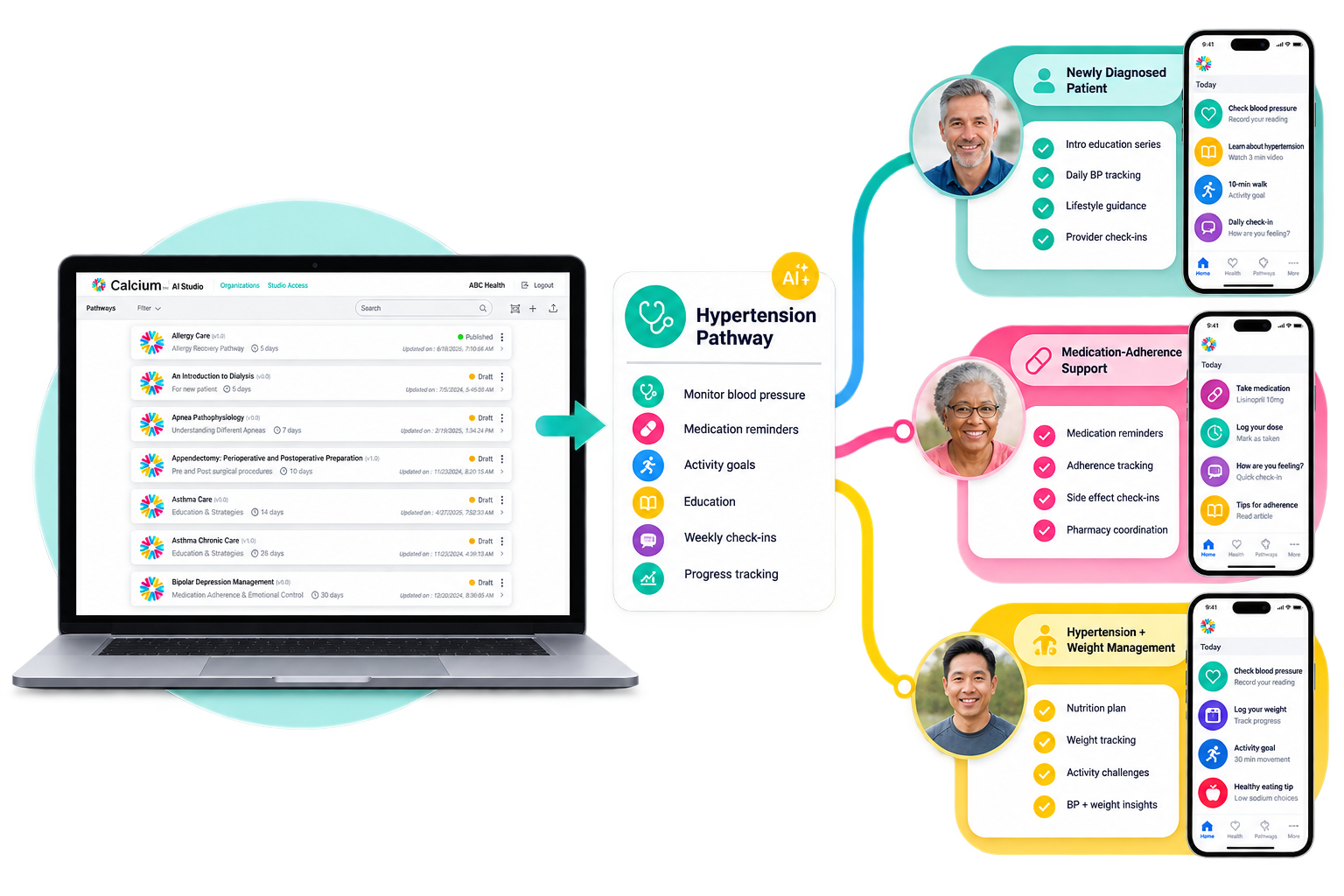
Calcium’s rural hospital platform is designed around many of these same operational questions. Its capabilities include patient risk prioritization, structured digital care pathways, post-discharge engagement, workflow orchestration and integration alongside existing EHR environments. Calcium also supports pilot-first deployment so hospitals can test a defined use case before considering broader expansion. These platform features complement the survey’s emphasis on prioritization, continuity and measurable workflow value rather than technology adoption as an end in itself (Calcium, 2026).
The next step is not to ask whether your hospital needs more sophisticated technology. Ask whether a particular technology can help your team solve a defined problem with the people, systems and resources you actually have.
Download The State of Technology & AI in Rural and Critical Access Hospitals: 2026 for the complete survey findings, executive analysis and practical evaluation frameworks for rural digital health and AI.
References
American Hospital Association. (2026, January 26). Rural hospitals and the AI advantage: Turning constraints into catalysts. American Hospital Association article
Topchik, M., Brown, T., Pinette, M., Balfour, B., Wiesse, A., & Burnham, R. (2026, February 10). 2026 rural health state of the state. Chartis. Chartis report
U.S. Government Accountability Office. (2023, April 21). Electronic health information exchange: Use has increased, but is lower for small and rural providers (GAO-23-105540). GAO report
U.S. Government Accountability Office. (2023, June 22). Critical access hospitals: Views on how Medicare payment and other factors affect behavioral health services (GAO-23-105950). GAO CAH report