
DIGITAL HEALTH FOR AMBULATORY SURGERY CENTERS
Better-Prepared Patients. More Efficient Surgery Centers.
Pre-Op Certainty. Post-Op Control.
Calcium helps connect the work surrounding surgery through personalized Digital Pathways, patient engagement, and care team visibility, supporting a more organized journey from preparation to recovery.
A MORE CONNECTED APPROACH
Connect Every Step Before and After Surgery
Guide patients, support staff, and strengthen continuity around the procedure.
Better surgical coordination does not have to begin with replacing core clinical systems. It can begin by giving patients a clearer sequence of preparation and recovery activities, while helping care teams review what patients complete or report.
Calcium combines configurable Digital Pathways, the Super App, and Calcium Core to support this shared process. The result is a practical approach to engagement around the care your ASC already provides.
Guide Every Patient Forward
Provide clinician approved instructions, education, reminders, and manageable preparation tasks through personalized Digital Pathways. Patients can see what comes next and respond to questions before the date of their scheduled procedure confidently.

Help Your Team Focus
Give authorized staff visibility into available pathway activity, reported questions, and incomplete steps. The team can review those signals and follow established protocols for personal outreach, clinical assessment, and necessary follow up.
Stay Connected After Discharge
Continue the journey with recovery education, scheduled check ins, and symptom questions delivered through the Super App. Care teams can review supported information and determine whether additional communication or assessment is appropriate.
THE CHALLENGE FACING TODAY'S ASC
When Patients Aren't Prepared, the Entire Surgery Day Feels It
Small preparation gaps can create major operational consequences.
Ambulatory Surgery Centers operate on tight schedules with lean teams and little room for avoidable surprises. A missed instruction, an unanswered question, or an unavailable record can create extra work before a procedure begins. Meanwhile, patients need support once they return home, and staff must respond without losing focus on those in the center. These pressures make patient preparation and connected follow up practical operational priorities.

Avoidable Surgery Day Disruptions
Patients may miss preparation instructions, misunderstand medication guidance, or arrive with unanswered questions. When problems surface too late, teams must revise plans under pressure, potentially leaving procedure time unused and creating inconvenience for patients, staff, and surgeons.
Growing Staff Coordination Burdens
Lean ASC teams manage calls, reminders, checklists, records requests, and follow up across busy schedules. Repeating basic instructions or tracking routine responses manually can consume time that nurses and coordinators need for complex patient questions every day.
Fragmented Patient Health Information
Patients often arrive through different referral networks, each with separate records and communication methods. Missing information about medications, histories, or recent care creates extra coordination work, while clinical staff remain responsible for verifying the information they use.
Limited Post-Op Recovery Visibility
After discharge, patients manage instructions and symptoms away from the facility. Without structured opportunities to report concerns or progress, teams may rely on incoming calls and scheduled visits to understand what is happening during recovery between appointments.
THE DIGITAL SURGICAL CARE JOURNEY
One Continuous Journey. From Pre-Op to Recovery
A repeatable workflow that connects patient action with accountable staff review.
Preparing for outpatient surgery involves a series of decisions and activities that unfold over days or weeks, not one appointment. Patients must understand what to do, while nurses and other clinicians need dependable ways to review outstanding questions and concerns.
A well designed Digital Pathway gives this process a recognizable structure. Calcium supports the journey, while your ASC retains responsibility for clinical assessment, decisions, and follow up.

1. Enroll And Establish Expectations
Assign an appropriate procedure pathway and confirm the patient understands how to access it. Establish clear ownership, approved instructions, consent requirements, and channels for urgent questions before digital engagement begins for everyone.
2. Guide Preparation Before Surgery
Deliver scheduled education, reminders, and preparation activities. Invite patients to acknowledge instructions or share relevant responses, while making clear that clinical questions and medication changes require direction from the surgical team consistently.
3. Review Responses and Exceptions
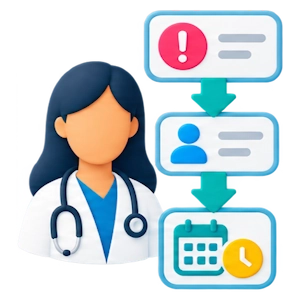
Allow authorized team members to review available activity, unanswered questions, and reported concerns. Apply local protocols to determine whether outreach, additional records, anesthesia input, or a separate clinical assessment is needed promptly.

4. Support Recovery After Discharge
Provide clinician approved discharge education, recovery reminders, and scheduled check ins. Give patients understandable directions for contacting the center, including how to recognize symptoms that warrant urgent medical attention or emergency services.
5. Learn From Patient Participation
Review enrollment, task completion, patient responses, follow up activity, and feedback. Compare changes with established baselines and refine pathway content, communication timing, and staff workflows as the ASC learns what works continuously.
WHAT CONNECTED SURGICAL CARE MAKES POSSIBLE
Better Preparation for Patients. More Control for Your Team.
Practical improvements that start with everyday workflow challenges.
The value of digital engagement becomes clear in ordinary operational moments: a patient completes an important preparation step, a nurse identifies an unanswered question, or a discharged patient knows where to find approved instructions.
Calcium is designed to help organize these moments across the patient journey. Its benefits are best evaluated through participation, workflow efficiency, and carefully measured changes in ASC performance rather than broad, unverified promises.
Support More Predictable Surgery Days
Help patients follow preparation steps and give staff earlier visibility into missing activities. Timely outreach may address avoidable issues before they disrupt the schedule, while clinical readiness decisions remain with qualified professionals.
Give Busy Staff Members Their Time Back
Move suitable instructions, routine reminders, and check ins into structured digital workflows. Staff can concentrate on concerns requiring human attention, with clear procedures for missed responses and patients needing alternative communication consistently.

Make Pre-Op Preparation Easier To Understand
Present clinician-approved guidance in manageable steps that match the procedure timeline. Patients can receive personalized reminders, revisit information and respond to questions, helping the team identify confusion before it affects preparation or follow up.

Bring Relevant Health Information Into Sharper View
Review supported clinical information and shared patient responses in the context of each surgical journey. Your care team will still verify missing details and maintain formal documentation within the ASC's designated clinical systems and workflows.

Extend Engagement Beyond Facility Discharge
Provide structured recovery education, symptom check ins, and opportunities to report questions at home. Authorized care teams can review available updates and respond according to established clinical protocols and staffing arrangements appropriately.
Adapt Workflows Across Different Specialties
Use configurable pathway templates to organize common preparation and recovery activities. Clinical owners can adjust content for different procedures, surgeon protocols, and locations while maintaining governance over each approved care experience consistently.
A PATIENT JOURNEY IN ACTION
See What a Better-Connected Surgery Day Could Look Like
Follow one patient from initial instructions through recovery at home.
Imagine a patient scheduled for an outpatient procedure who needs preparation guidance, clear expectations, and postoperative support. In a traditional process, information may arrive through scattered documents and calls, with staff tracking what has been completed.
With a configured Calcium pathway, that same journey can become easier to follow and review. The example below is illustrative: actual steps, timelines, and clinical responsibilities depend on your ASC's protocols.
Before The Scheduled Procedure Begins
A patient receives an assigned pathway containing approved instructions, educational material, and reminders. The patient reviews upcoming tasks, answers configured questions, and uses the Super App to understand what needs attention before arrival with confidence.

As The Surgery Date Approaches
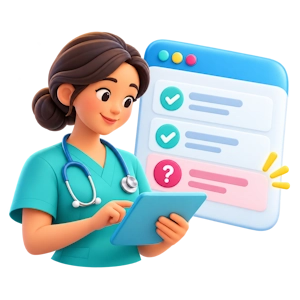
A nurse reviews available pathway activity and sees that a preparation question remains unanswered. Following the center's policy, the nurse contacts the patient, clarifies the requirement, and determines whether clinical review is needed before surgery.

On The Day Of Surgery
The patient arrives having had repeated opportunities to review instructions and raise questions. The ASC continues its normal check in, verification, anesthesia, and clinical readiness processes, using digital participation as supportive context only at arrival.
After The Patient Goes Home
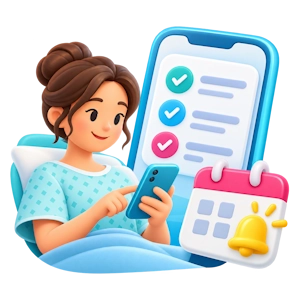
Recovery guidance and scheduled check ins continue through the assigned pathway. When a patient reports a concern, staff review the information under their established coverage process and determine whether further contact or assessment is appropriate.
MAKE MORE OF YOUR TEAM'S TIME
Automate the Routine. Focus on the Important.
Digital coordination that complements—not replaces—personal clinical attention.
Your nurses and coordinators bring expertise that is too valuable to spend entirely on repeating standard instructions or chasing every routine response. ASCs need a practical way to organize patient communication without creating a new monitoring burden.
Calcium can move suitable activities into structured Digital Pathways and make participation easier to review. The team still owns outreach, clinical interpretation, escalation, and exceptions that require human judgment.

Standardize Routine Patient Guidance Consistently
Use approved pathway templates to deliver consistent instructions, education, and reminders at meaningful points before and after a procedure. Reduce dependence on ad hoc communication while allowing clinicians to tailor content to individual circumstances.

Prioritize Meaningful Staff Followup Responsibly
Review patient responses, task participation, and configured signals in a provider environment. Direct personal attention toward concerns or missing steps according to local procedures, and define what happens when patients do not respond daily.

Measure Workflow Performance Over Time
Track practical indicators such as participation, completion, and response patterns. Combine those measures with operational data from existing systems to evaluate cancellations, staff workload, and follow up efficiency without assuming that association proves causation.
THREE CONNECTED TOOLS
ONE CONNECTED CALCIUM PLATFORM
Three complementary capabilities built around one coordinated care experience.
ASCs often have excellent clinical teams and established systems but lack an easy way to connect patient activities outside the facility with staff review. Calcium approaches that gap through three complementary products, each serving a distinct role. AI Studio supports pathway configuration, the Super App supports patient participation, and Core supports authorized provider visibility. Together they can complement your existing workflow, with integrations and data access confirmed during implementation.
Calcium Core
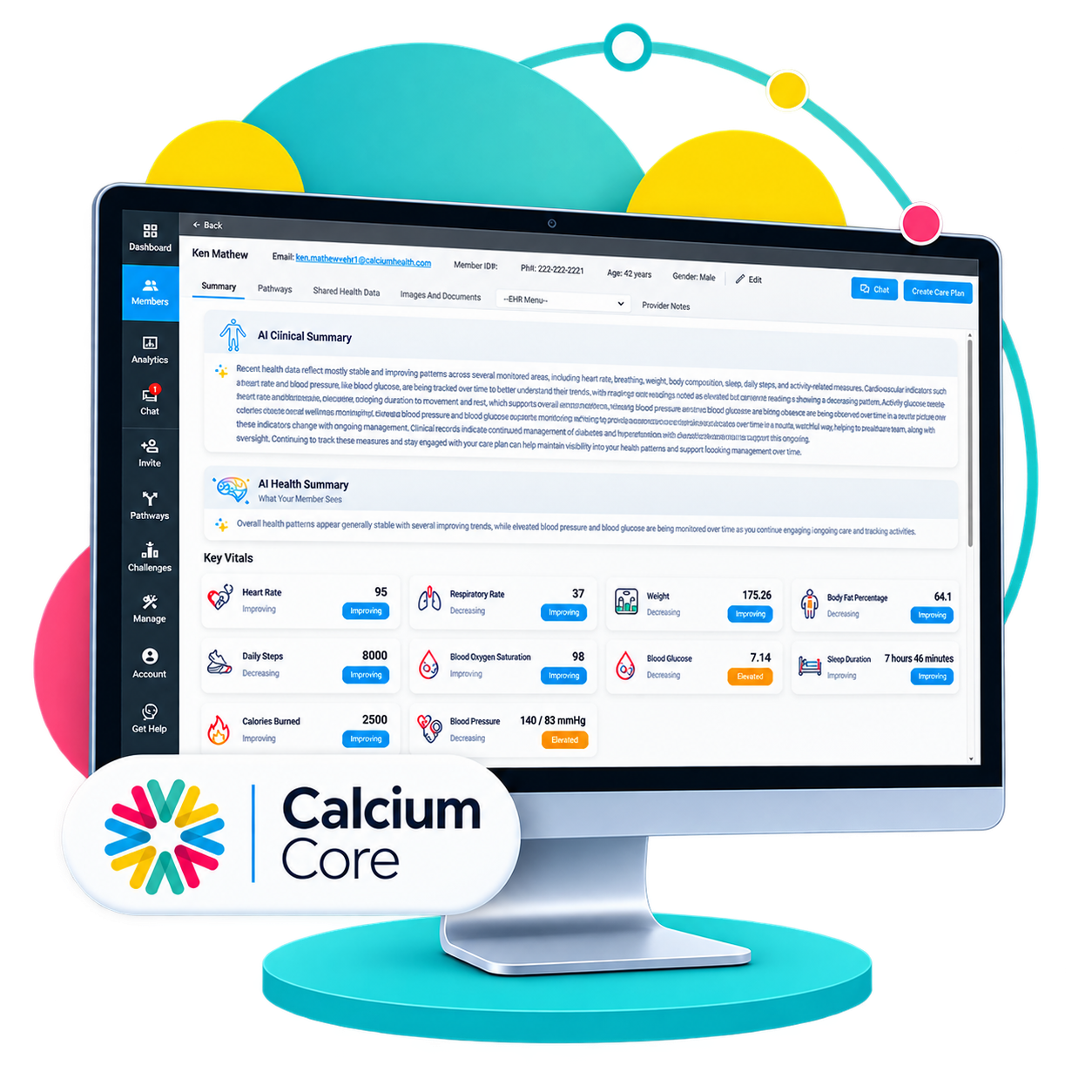
Bring available clinical information, shared patient updates, pathway responses, and supported health data into a provider facing experience. Authorized staff can review activity, coordinate communication, and use configured views to support established clinical review and follow up responsibilities.
Calcium AI Studio
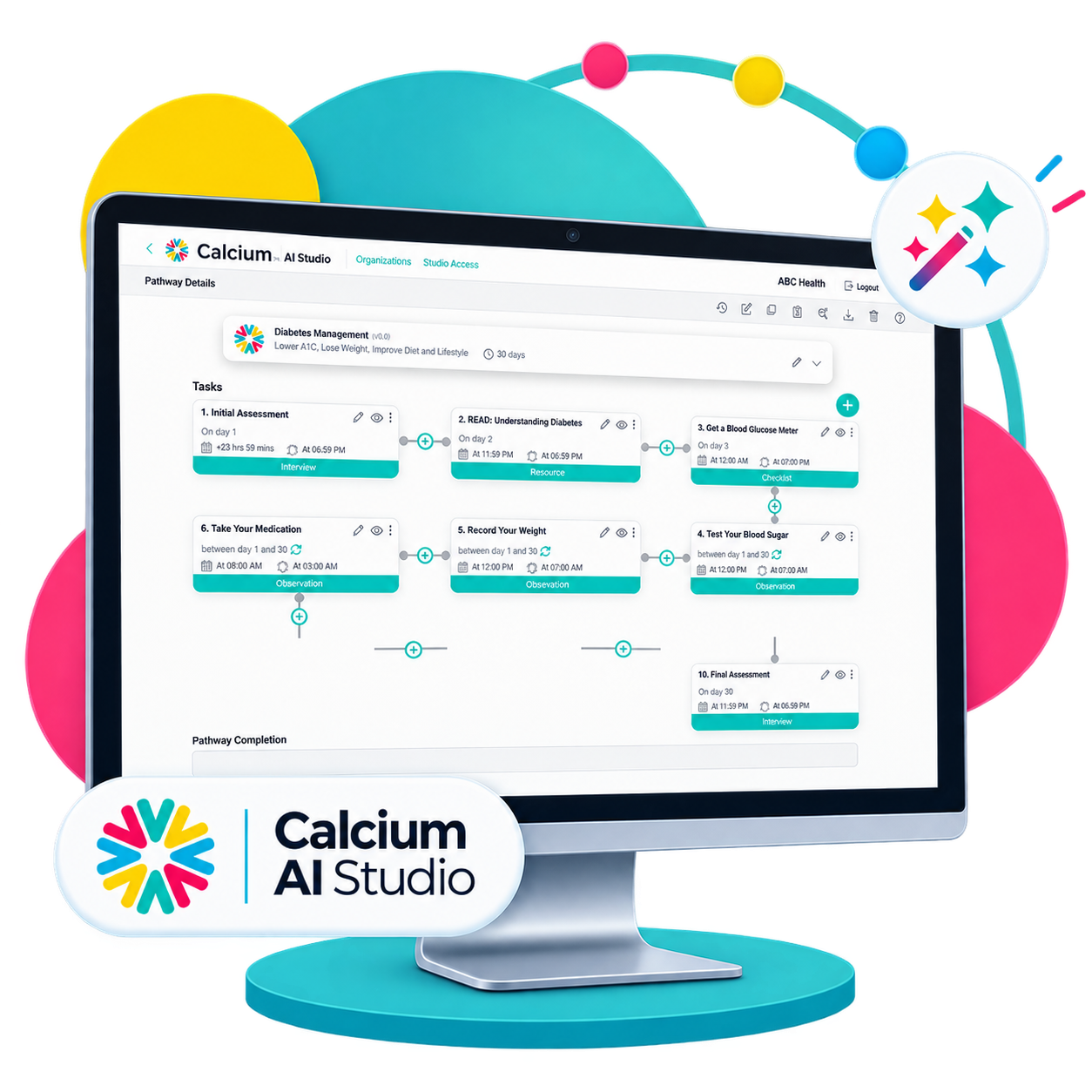
Create and manage configurable Digital Pathways with procedure specific education, tasks, reminders, questions, and timing. ASC clinical owners approve content, define appropriate response criteria, and determine how digital activities complement existing surgical and anesthesia workflows to support patients.
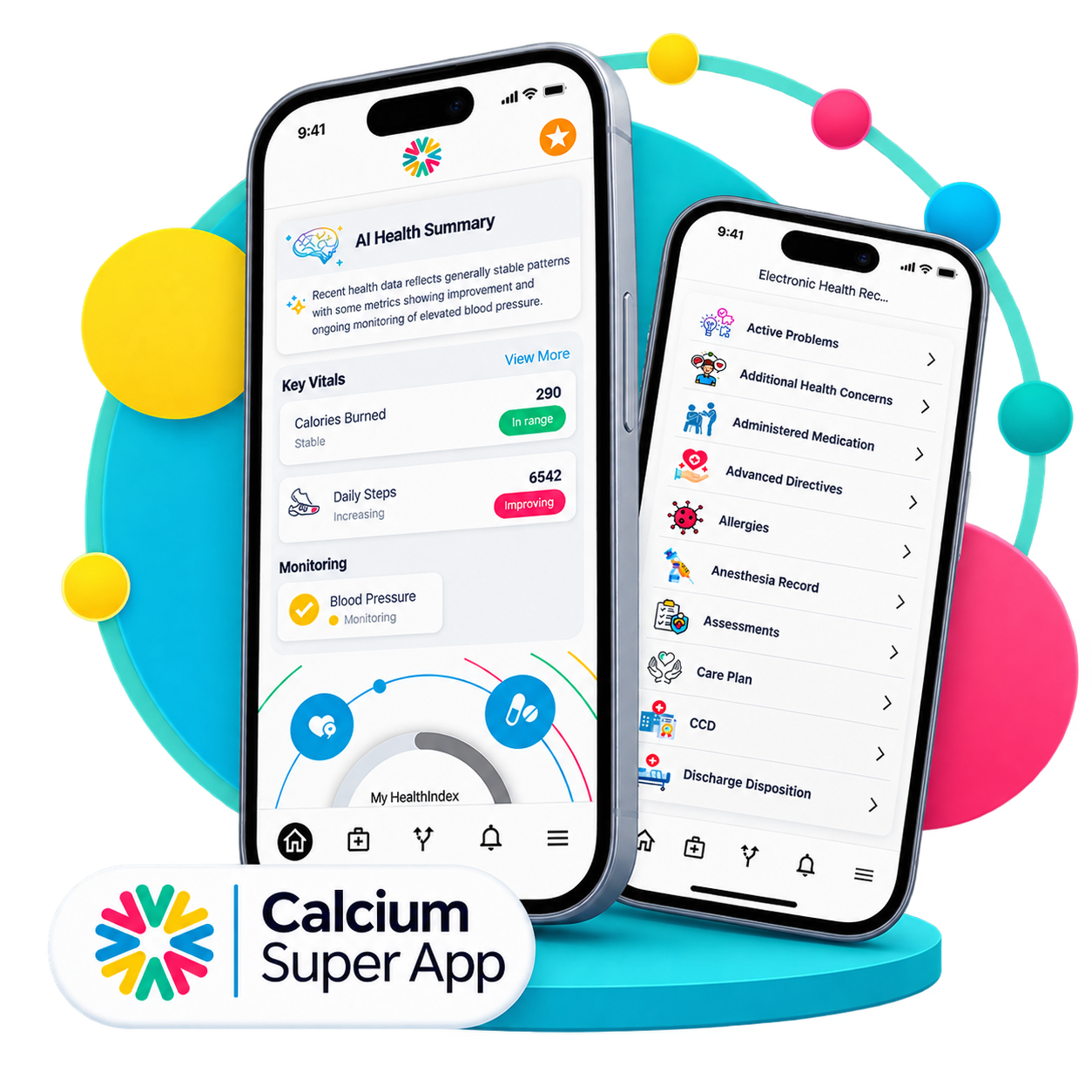
Calcium Super App
Give patients a place to access assigned pathways, preparation instructions, reminders, questions, and recovery activities. Through supported features, they can share information and engage with their care plan before and after the procedure. Teams review responses under protocols.
DIGITAL PATHWAYS BY PROCEDURE
Different Procedures. One Connected Approach.
Start with a common workflow and tailor it to your specialties.
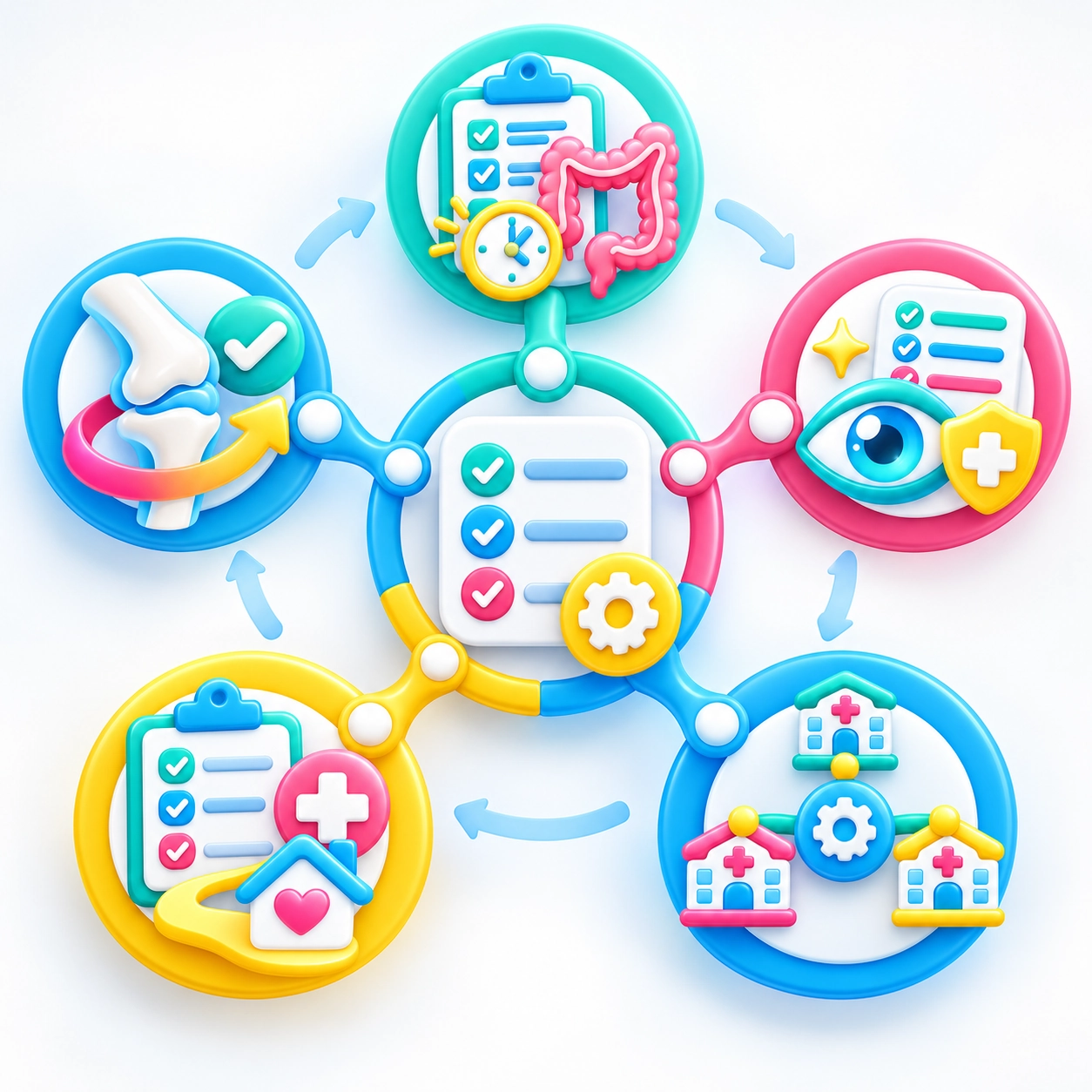
A colonoscopy patient has different preparation needs from someone undergoing a joint procedure or cataract surgery. A multi specialty ASC may also manage different surgeon preferences, instructions, and follow up schedules.
Calcium Digital Pathways can provide a configurable structure without assuming every patient requires the same guidance. Clinical teams approve the content, define review responsibilities, and adapt the steps to the procedures and populations they serve.
Endoscopy And Colonoscopy Preparation Pathways
Guide patients through approved diet, preparation, medication questions, arrival instructions, and timed reminders. Collect selected responses so staff can identify confusion or unfinished activities before the scheduled procedure as needed.

Orthopedics And Total Joint Recovery
Support more involved preparation and discharge education through procedure specific milestones, mobility guidance, and recovery check ins. Teams can review reported progress and concerns according to established follow up protocols.

Ophthalmology And Cataract Surgery Care
Deliver clear instructions for preparation, arrival, postoperative care, and follow up. Standardized pathways can reinforce approved guidance across high volume workflows while allowing clinicians to tailor content when needed postoperatively.
General Surgery Preparation and Recovery
Connect procedure specific education, preoperative questions, reminders, and discharge instructions into one guided journey. Patients can share relevant concerns while staff retain responsibility for clinical interpretation and necessary outreach appropriately.
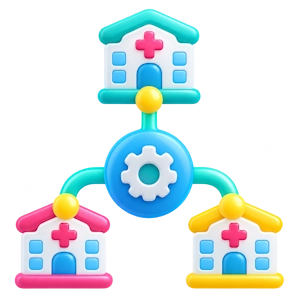
Multi-Specialty and Multisite Operations
Create shared pathway structures for multiple specialties and locations, then adjust content for local protocols. Assign ownership for clinical review, access permissions, ongoing updates, and performance measurement across participating teams.
WHY CALCIUM
More Than Reminders. A Connected Surgical Care Experience.
Unite patient participation, available information, and clinical follow up.
Sending an appointment reminder is useful, but it does not establish whether a patient understands preparation instructions or knows what to do after discharge. Calcium's opportunity is to connect those missing pieces through structured pathways, supported health information, and provider facing review.
Rather than promising to run every ASC operation, Calcium focuses on the patient engagement and coordination work surrounding surgical care, complementing the center's existing people and systems.
Go Beyond Appointment Reminders Today
Rather than sending isolated messages, Calcium can organize approved education, preparation activities, patient questions, and recovery check ins into a coherent procedure journey that continues beyond one appointment and remains visible to care teams.
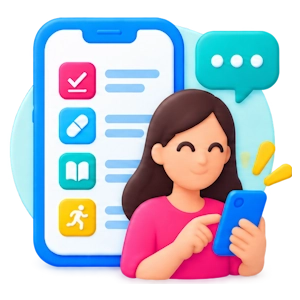
Give Patients Guided Digital Participation
The Super App offers patients a place to follow assigned steps and share relevant updates. This creates more opportunities for engagement than a static document alone, without replacing personal conversations or access accommodations when needed.
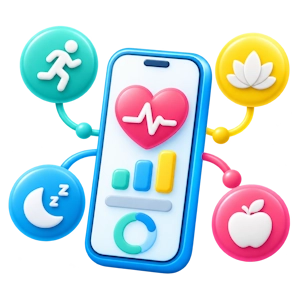
Connect Information with Clinical Review
Core can organize supported clinical context, pathway participation, and patient reported information for authorized users. The ASC determines who reviews each type of information, when outreach occurs, and where official documentation belongs under established workflows.

Configure Pathways Around Local Practice
AI Studio helps teams create and adjust Digital Pathways for procedures, clinicians, and locations. Clinical owners retain control over approved guidance, review protocols, and change management rather than delegating medical decisions to software and staffing.
PREHABILITATION & SURGICAL READINESS
Help Patients Build Better Health Before Surgery
Support weight management, blood pressure control, and healthier habits with personalized prehab pathways.
Not every patient is ready for surgery when the procedure is first discussed. Weight management, elevated blood pressure, and everyday health habits may require attention before the clinical team determines whether surgery can proceed.
Calcium can support this prehabilitation period with clinician-approved Digital Pathways that organize education, practical goals, reminders, and patient-reported progress. Care teams retain responsibility for individualized recommendations, monitoring, and surgical readiness decisions.
Support Healthy Weight Goals
Help patients work toward clinician-defined weight goals with structured education, nutrition guidance, activity reminders, and regular check-ins. Calcium Digital Pathways can reinforce the agreed plan and collect progress updates while the care team determines appropriate treatment and surgical timing.
Help Blood Pressure Readiness
Guide patients through clinician-approved hypertension education, medication adherence reminders, and supported blood pressure tracking before surgery. Patient-reported readings and questions can inform follow-up, while qualified clinicians evaluate elevated results, adjust treatment when appropriate, and decide whether surgery can proceed.
Build Habits for Post-Op Recovery
Support healthier routines before surgery with personalized guidance on movement, nutrition, and other clinician-selected preparation activities. Scheduled prompts and progress questions can encourage participation over time, while the surgical team adapts recommendations to each patient's health, procedure, and needs.
FAQ
1. What is Calcium for Ambulatory Surgery Centers?
Calcium is a digital health platform that helps ambulatory surgery centers organize patient preparation, engagement, and recovery around a surgical procedure. It combines configurable Digital Pathways, the patient facing Calcium Super App, and the provider facing Calcium Core environment. Patients can receive approved instructions, reminders, and check ins, while authorized care teams can review available information and pathway activity. Calcium supports existing clinical workflows rather than replacing the people or systems responsible for surgical care.
2. How can Calcium help reduce avoidable surgery cancellations?
Calcium can help ASCs address preparation problems that sometimes contribute to avoidable cancellations. Procedure specific pathways can deliver instructions, reminders, checklists, and questions before the scheduled date. Staff can review available responses and incomplete activities, then contact patients who may need additional guidance. Whether a procedure proceeds always depends on the ASC's clinical assessment, policies, and scheduling decisions. Actual cancellation improvements should be measured against a reliable baseline, rather than assumed solely from pathway adoption.
3. Does Calcium determine whether a patient is cleared for surgery?
No. Calcium should not be described as an autonomous surgical clearance system. Digital Pathways can gather responses and help organize available patient information so qualified staff have additional context for established preoperative processes. Decisions about medical readiness, anesthesia suitability, medication changes, and whether surgery can proceed belong to the ASC's credentialed clinicians. The center must define which responses require review, who responds, and how urgent or unanswered issues are handled before the scheduled surgical procedure.
4. Can Calcium reduce routine calls and administrative workload?
Calcium can support a more organized approach to work that might otherwise require repetitive phone calls or manual reminders. Teams can deliver scheduled guidance, patient questions, and follow up activities through Digital Pathways. Patients can review instructions and share responses through the Super App. Staff still need to handle nonresponses, clinical concerns, and patients who prefer other communication methods. The best way to assess time savings is to measure workflows before and after careful implementation.
5. How does Calcium support patients after discharge?
Calcium can extend clinician approved discharge guidance into a structured digital recovery pathway. Depending on the procedure and configuration, patients may receive educational content, activity reminders, symptom questions, and scheduled check ins. Their responses can provide additional information for authorized care teams to review using established protocols. The platform does not replace emergency services, clinician judgment, or required postoperative visits. ASCs should clearly tell patients when to call their care team or seek immediate care.
6. Can our ASC create pathways for different procedures?
Yes, absolutely! Calcium AI Studio supports the creation and configuration of Digital Pathways around different conditions, services, and care journeys. An ASC can develop procedure specific preparation and recovery experiences with approved education, questions, reminders, tasks, and schedules. Clinical leaders should review each pathway for accuracy and determine which instructions differ by surgeon or patient. A sensible implementation starts with one well defined workflow, tests participation and staff review, and expands after learning what works best.
7. Can Calcium support multiple surgeons or ASC locations?
Calcium's organization and pathway capabilities can support programs involving different teams, specialties, and locations. A multi site operator may begin with common preparation and follow up templates, then adapt content where surgeon preferences or clinical protocols require variation. Governance remains important: leaders should assign ownership for clinical content, local updates, access permissions, and follow up responsibilities. Any proposed cross site reporting, benchmarking, or administrative functionality should be confirmed against the agreed implementation scope and priorities.
8. Does Calcium replace our EHR or surgery scheduling software?
No. Calcium is best positioned as a complementary digital engagement and care coordination layer around existing ASC operations. It is not a replacement for the EHR, surgical scheduling, billing, or anesthesia documentation systems. Calcium Core may display supported clinical information and patient generated updates, depending on access, connections, and permissions. During a demonstration, teams should review which data sources are available, what integration work is required, and where documentation must remain in existing clinical systems.
9. What patient information can our staff review?
Subject to authorization, available connections, and configuration, Calcium Core can present selected clinical records, medications, diagnoses, laboratory information, vital signs, shared patient data, and Digital Pathway responses. Supported device or health application information may also be available when appropriately connected. These views can help staff prepare more focused conversations and follow up. Teams must still verify missing or conflicting information and maintain the official clinical record in their designated and approved clinical records management system.
10. How are questions or potential concerns escalated?
Calcium pathways can collect patient responses and support configured alerts or review processes, but the ASC must establish who monitors information and what happens next. Clinical leaders should define response criteria, review hours, patient instructions, escalation routes, and backup coverage for unanswered check ins. Urgent symptoms require clear directions for immediate assistance rather than reliance on an asynchronous digital message. During implementation, test representative scenarios so responsibilities and expectations are understood by staff and patients.
11. How can we measure whether the program works?
Begin with outcomes the ASC can observe reliably, such as pathway enrollment, preparation task completion, patient response rates, nurse outreach time, and reasons for day of surgery cancellations. Establish a baseline, then compare similar procedures and patient groups after initial launch. Separate operational activity from clinical outcomes; more completed checklists do not automatically prove fewer complications. Calcium can support visibility into program participation, while broader operational or financial analysis may require data from other systems.
12. Do patients need special devices or extensive training?
The Calcium Super App provides a patient facing place to access assigned pathways, reminders, questions, and supported health information. Many preparation and recovery workflows can focus on simple actions rather than specialized monitoring equipment. However, organizations should confirm device compatibility, accessibility requirements, language needs, and enrollment support for their patient population. Offer alternative outreach when patients cannot or do not wish to participate digitally. A successful rollout makes the experience understandable and practical for patients.
13. Can Calcium work for endoscopy and orthopedic procedures?
Both are promising starting points, although each needs appropriately reviewed clinical content. An endoscopy pathway might emphasize preparation timing, dietary guidance, medication questions, and arrival requirements. An orthopedic pathway might include preoperative education, discharge expectations, mobility milestones, and structured recovery check ins. Calcium provides the configurable delivery framework; the ASC supplies and approves procedure specific guidance. Demonstrations should show actual configured experiences, rather than imply that every specialty pathway is already available without additional setup.
14. How does Calcium approach patient privacy and security?
Calcium's deployment should be evaluated against your organization's security, privacy, access, and data governance requirements. During procurement, request current documentation addressing applicable safeguards, permissions, patient authorization, data handling, vendor obligations, and supported integrations. Do not assume that every proposed workflow or connection is automatically approved for your ASC. Clinical and IT stakeholders should also define who can view information and how communications, access changes, and records are managed within established organizational security and privacy policies.
15. How can our ASC get started with Calcium?
A practical first step is a focused demonstration using one of your common procedures and its current preparation and recovery workflow. Identify the clinical owner, the patient population, the instructions that need digitizing, and the measures that would indicate progress. Calcium can then help your team evaluate pathway configuration, patient enrollment, data access, and staff review needs. Start small, gather feedback, compare results with baseline performance, and expand only when the approach fits your organization.