
Empowering Rural Healthcare
Connected Care for Rural Hospitals and Clinics
Make the care plan work between visits
Calcium helps rural hospitals and clinics connect available patient information, deliver guided care pathways, and see who may need follow-up—supporting patients after discharge, through recovery, and between routine visits.
How Does Calcium Support Rural Hospitals and Clinics?
Calcium provides a digital health platform for rural hospitals, clinics, and care teams that need to support patients beyond the encounter. It combines patient information, digital care pathways, remote health updates, and provider oversight to help teams organize ongoing guidance and follow-up.
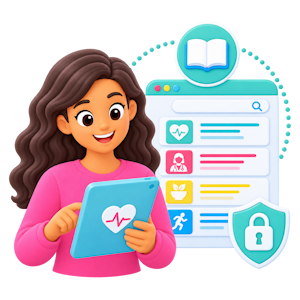
Patient Information
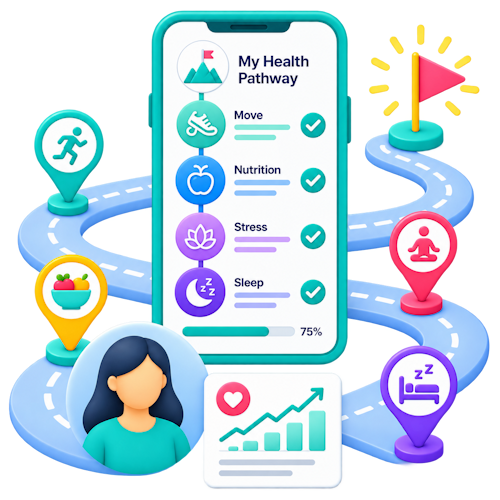
Guided Pathways
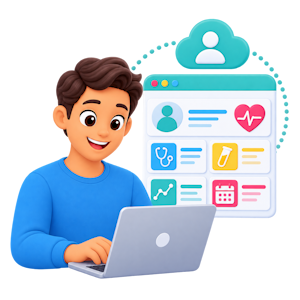
Patient Updates

Team Oversight
Give Your Rural Hospital, Clinic or Care Team More Reach
Rural healthcare asks a great deal of the people who deliver it. Your team balances broad responsibilities with the realities of distance, limited resources, and a community that depends on you. Technology should earn its place in that environment. Calcium offers a practical foundation for building care programs around your priorities, with flexibility to fit your staff, patients, and community.
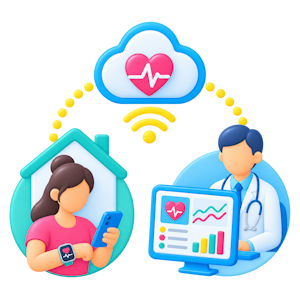
Focus Follow-Up
Guide the Next Step

Keep Recovery in View
Support Chronic Condition Care
Simplify Routine Outreach
Maintain Local Care Connection
Start With the Rural Care Program That Matters Most
Every rural healthcare organization has its own priorities, shaped by the people it serves, the resources it has, and the gaps its teams see every day. The right starting point is a program with a clear purpose, an accountable team, and a practical way to measure progress.
Calcium gives you a flexible foundation for turning that priority into an organized patient experience. Begin with a manageable group, adapt the approach to your existing workflows, and learn from participation and results. As your team gains experience, you can refine the program and expand support in ways that fit your community’s needs.
Post-Discharge & Post-ED Follow-Up
Help patients leave with a clear next step and stay connected when they return home. Calcium extends your discharge plan through guided instructions, medication reminders, symptom check-ins, and follow-up prompts. Your team can review patient responses, recognize concerns, and focus outreach where additional support may be needed.
For rural patients facing long travel distances, confusing instructions, or medication barriers, that connection can make follow-through easier. For your hospital and affiliated clinics, it creates a more organized approach to transitions of care. Support recovery, strengthen local follow-up, and address emerging needs before they become harder for patients and teams to manage.
Chronic Condition Support
Help patients leave with a clear next step and stay connected when they return home. Calcium extends your discharge plan through guided instructions, medication reminders, symptom check-ins, and follow-up prompts. Your team can review patient responses, recognize concerns, and focus outreach where additional support may be needed.
Bring available health information together to recognize changing needs and organize appropriate follow-up. Automate routine guidance so staff can focus more attention on patients who need personal support. Start with a defined population, reinforce the care plan, and build a sustainable approach to ongoing care across your community.
Surgical Readiness and Recovery
Help patients arrive better prepared and feel supported throughout recovery. Calcium turns clinician-approved surgical instructions into guided pathways with preparation tasks, reminders, readiness questions, and postoperative check-ins. Patients gain clearer direction, while your team gains visibility into reported concerns and incomplete steps that may require follow-up.
For rural surgical services, this creates opportunities to address preparation gaps earlier, reinforce recovery instructions, and coordinate support across hospital and clinic teams. Keep patients connected as they recover at home, even when travel is difficult. Support more consistent care before and after surgery while helping staff organize outreach around each patient’s changing needs.
Preventive Care & Community Health
Help patients take the next step toward better health before problems become more difficult to manage. Calcium helps rural hospitals and clinics deliver preventive care pathways with education, reminders, health assessments, and guided activities. Support recommended screenings, wellness visits, and healthier daily habits while helping patients understand what to do next.
Your team can review patient responses and pathway participation to identify questions, barriers, and needs for follow-up. Start with a focused initiative, such as screening reminders or tobacco cessation support, and extend practical guidance across your community. Strengthen patient engagement and help turn prevention recommendations into achievable everyday actions.
Predictive Prevention for Rural Hospitals
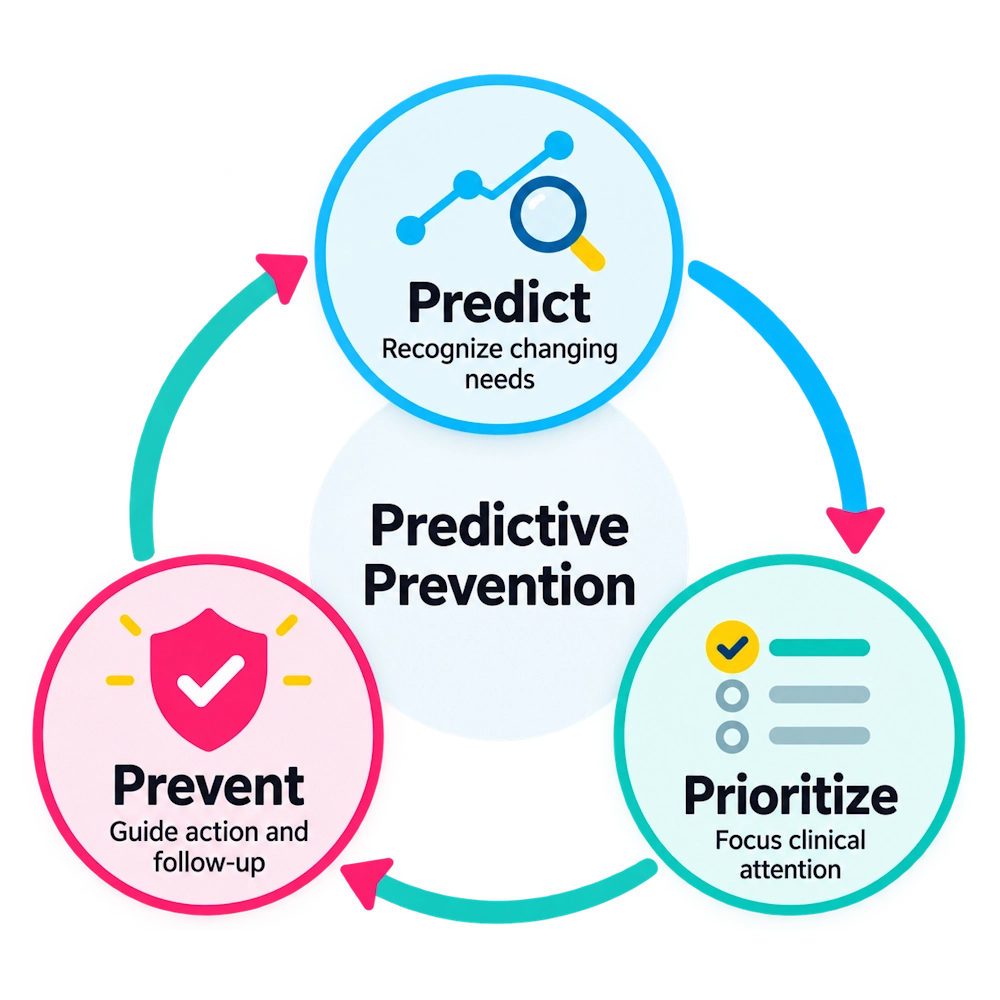
Calcium’s Predictive Prevention platform helps rural healthcare teams turn patient information into timely support, connecting care plans with what happens between visits.
-
Predict: Review available health data, symptoms, and patient updates to recognize emerging concerns earlier.
-
Prioritize: Organize follow-up around changing needs, actionable concerns, and clinical urgency, helping limited staff focus their attention.
-
Prevent: Deliver guided pathways, reminders, and appropriate outreach, then monitor progress to support follow-through and address problems before they become harder to manage across your rural community.
Together, these three stages help rural care teams close the gap between identifying a concern and addressing it. By connecting patient participation with accountable follow-up, Calcium supports a more proactive approach to care—helping teams extend their reach and keep patients connected to local support.
An Interactive, Automated Patient Journey
What Connected Rural Follow-Up Can Look Like
For rural patients, the distance between home and the hospital can make staying connected to care especially important. But a care plan only helps when it fits everyday life and gives patients a practical way to ask for support.
The following illustrative scenario shows how Calcium can support that connection, bringing patient participation and team accountability together within a workflow designed around each community’s local resources and real patient needs.

Start With a Connected Care Plan
Before the patient leaves, the care team enrolls them in an approved Calcium follow-up pathway aligned with their care plan. Staff explain how to participate, confirm the patient understands the next steps, and identify any help needed to get started. For rural patients returning home, this establishes a clear connection to ongoing support from their local providers. The team also defines who will review incoming information, giving the pathway an accountable owner from the beginning.

Guide the Next Step at Home
At home, the patient receives practical instructions and brief check-ins that reinforce the care plan. Clear guidance helps them understand what to do next, while simple questions invite updates about symptoms, medications, and recovery. This creates opportunities to share concerns between appointments, especially when traveling to the clinic is difficult. The pathway supports patient participation without assuming every person will respond consistently, making an agreed approach to missed check-ins an important part of the workflow.

Bring a Hidden Barrier Into View
During a check-in, the patient reports that they have not obtained a prescribed medication. That response brings a practical barrier into view, giving the care team information that might otherwise remain unknown until the next scheduled appointment. The report creates a starting point for understanding the problem, whether it involves transportation, cost, pharmacy availability, or confusing instructions. Identifying the barrier helps the team determine what support may be appropriate under the patient’s existing care plan.

Turn Patient Insight Into Action
The designated team reviews the patient’s report and follows its approved outreach protocol. A staff member contacts the patient to clarify the medication barrier, assess the situation within their role, and coordinate an appropriate next step. Depending on the need, that may involve the prescribing clinician, pharmacy, or available community resources. Calcium supports the flow of patient information, while the healthcare team remains responsible for clinical decisions, response timing, and the actions taken to help.

Close the Loop With Follow-Up
A subsequent check-in asks whether the patient obtained the medication and whether additional help is needed. The team reviews the update and continues follow-up according to its protocol if the problem remains unresolved. This step helps distinguish an outreach attempt from an addressed need. By checking what happened after the initial response, the program supports more reliable continuity and gives the team a clearer picture of the patient’s progress after returning home from the hospital.
Extend Your Reach. Keep Care Connected.
Three Connected Tools. One Foundation for Stronger Rural Care.
Rural healthcare works best when patients and providers can stay connected beyond the encounter. Calcium brings your team’s view of patient progress, pathway development, and everyday patient participation together in one platform. Give staff a practical foundation for coordinating care across settings while helping patients follow their plans at home. Start with the program your community needs, then build on that foundation as your priorities and care delivery needs evolve.
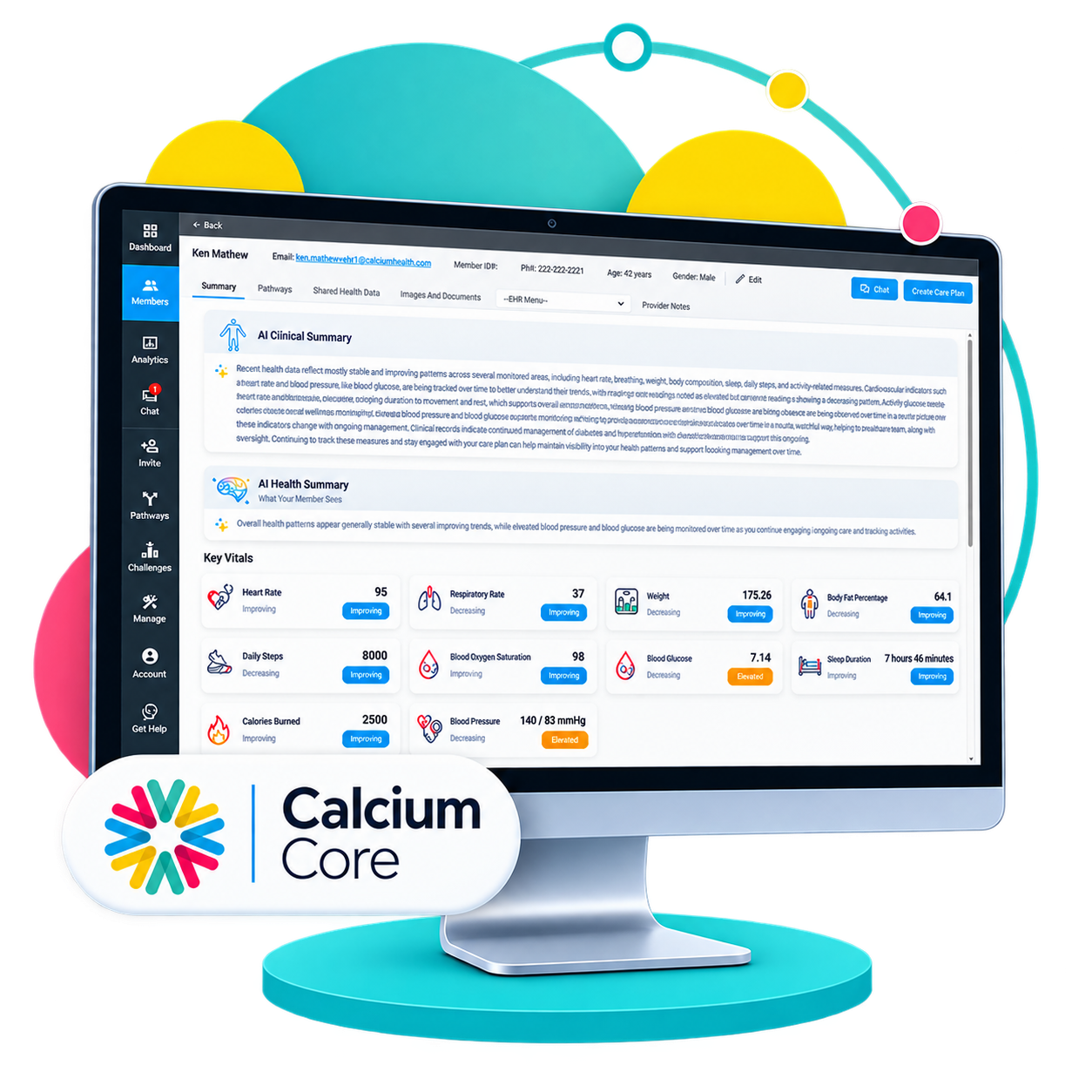
Calcium Core
Give your rural care team a clearer view of what happens between encounters. Calcium Core brings available clinical information, patient reports, and connected health measurements into a provider dashboard, helping staff review progress and identify needs for follow-up.
Across hospital and clinic programs, teams can use that visibility to organize outreach, support transitions, and maintain continuity for patients living far from care. With patient information and pathway participation easier to review, your staff can make more informed decisions about where personal attention is needed throughout each patient’s ongoing care journey.
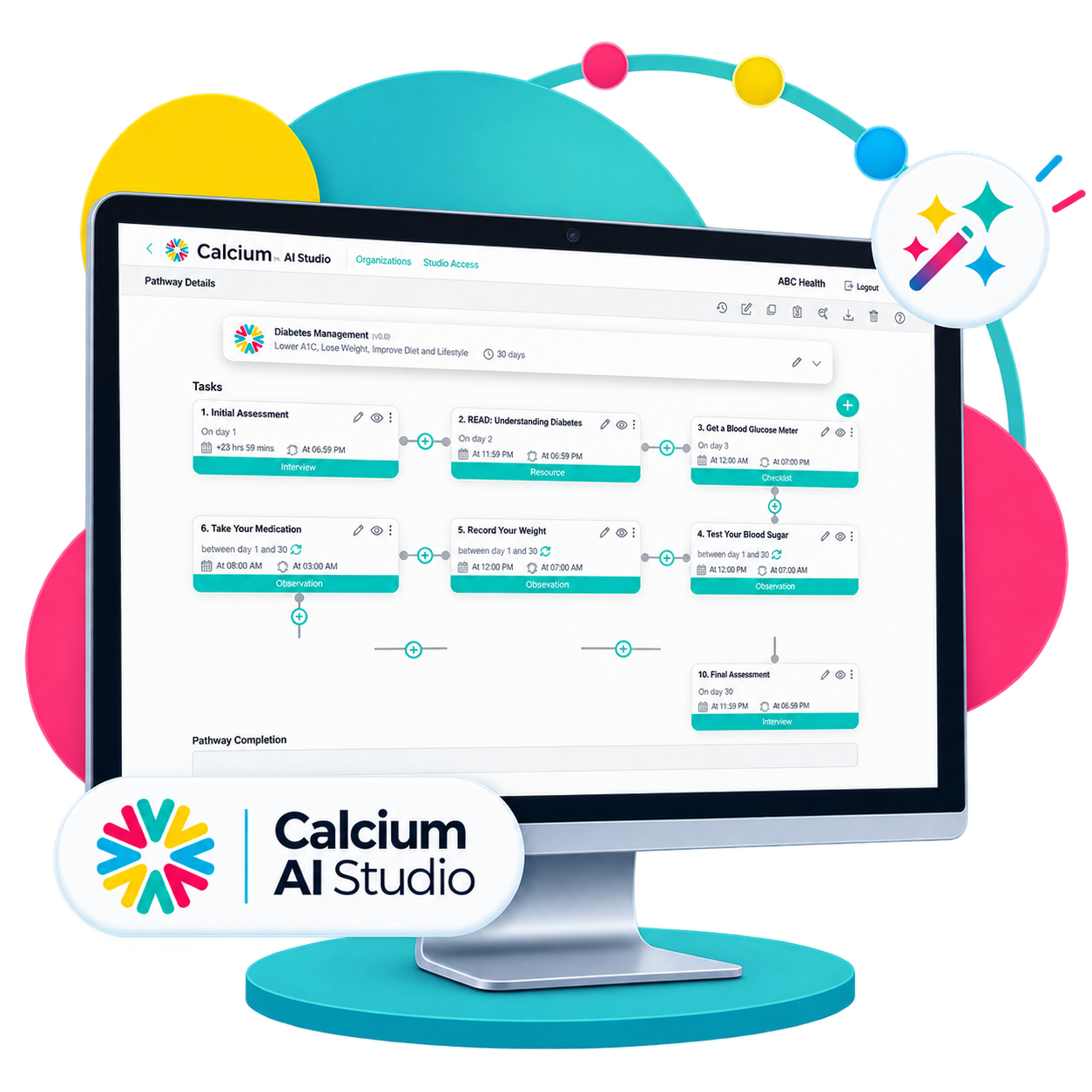
Calcium AI Studio
Turn your team’s clinical knowledge into practical guidance patients can follow at home. Calcium AI Studio helps rural healthcare providers create and customize care pathways with AI assistance, supporting a more efficient starting point for program development.
Adapt education, check-ins, and activities around your patient population, local resources, and care priorities. Clinicians review and approve the content before use, keeping professional oversight central. For hospitals and clinics with limited planning capacity, this offers a flexible way to develop consistent patient support and refine programs as needs change across your community.
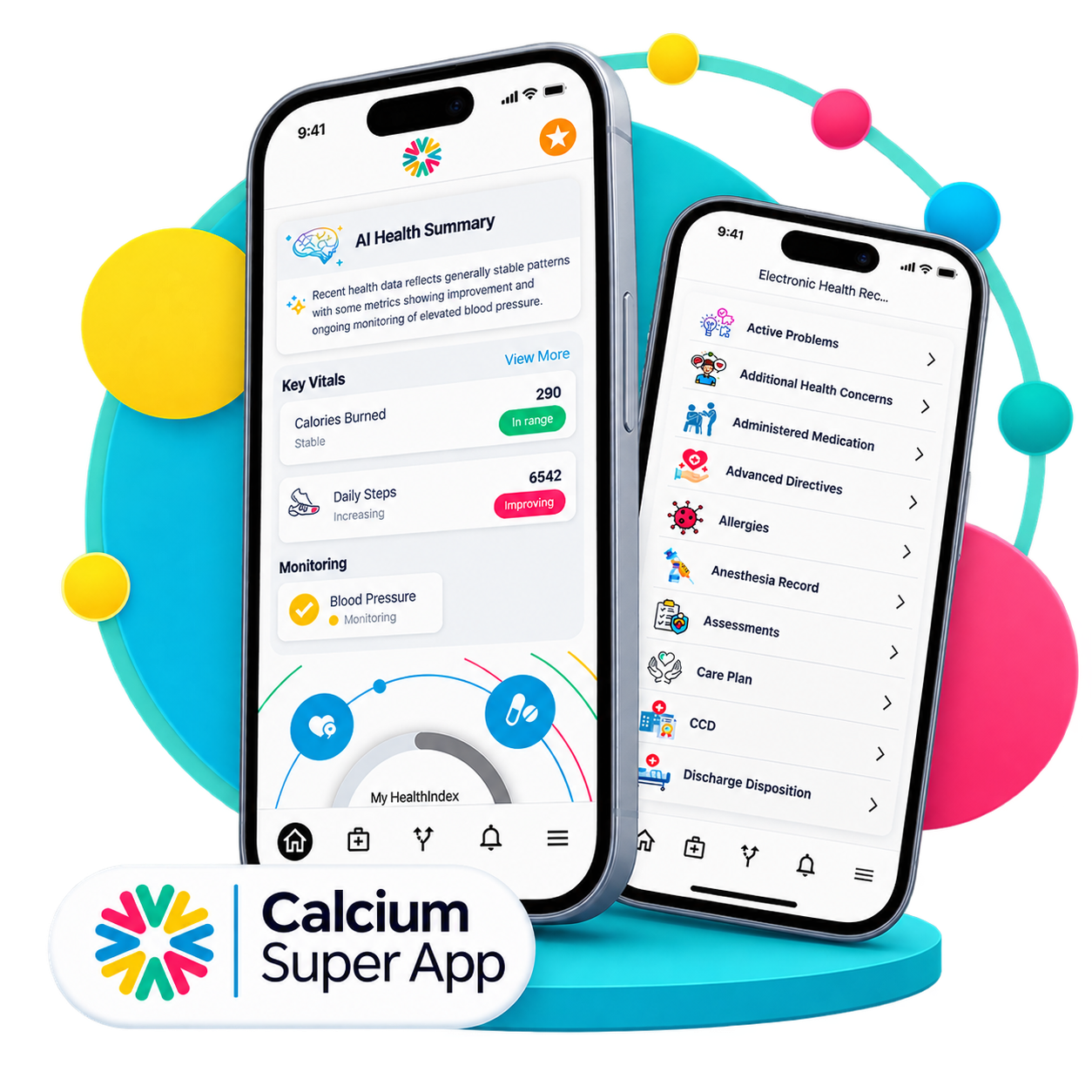
Calcium Super App
Help patients stay connected to their care wherever home may be. The Calcium Super App gives rural patients a place to access guided pathways, track health information, receive reminders, and communicate with their care team.
Patients can share symptoms, progress, and concerns between appointments, giving providers more context for appropriate follow-up. For people facing travel barriers, the app supports participation without requiring every update to happen in person. Paired with enrollment assistance and an established response workflow, it extends practical support beyond the hospital or clinic and into everyday life.
Why Calcium?
More Than Data. More Than Engagement. A Connected Health Intelligence Platform.
Healthcare organizations don’t need another disconnected point solution. Calcium brings together the information, intelligence and engagement capabilities required to support patients across their health journey.
One Longitudinal View of the Patient
Bring clinical records together with patient-generated information, pathway responses, connected devices, wearables and health app data to create a more complete picture of the patient. Calcium Core is designed as the provider’s insight hub, bringing together EHR information, pathway data, Calcium App information, medical-device data and health-app data.
Continuous Digital Care
Extend support beyond the appointment with configurable digital pathways that can educate patients, deliver reminders, collect health information, monitor progress and reinforce care plans. Calcium pathways can support medication and exercise reminders, vital-sign collection, patient feedback, automated interviews, education, compliance monitoring and pre- and post-procedure instructions.
From Data to Action
Health data becomes significantly more valuable when it helps someone make a better decision. Calcium’s intelligence and analytics capabilities are designed to help healthcare teams identify meaningful trends, changing conditions and risk signals—and translate those insights into action.
Built for Different Models of Care
Calcium’s configurable platform can support healthcare organizations across different specialties, populations and care models—from chronic disease and preventive medicine to surgical episodes, membership medicine and value-based care.
One Platform. More Ways to Support Rural Care.
Rural healthcare takes many forms, shaped by local needs, geography, and the resources available to each community. Calcium offers a flexible foundation that organizations can adapt to the people they serve and the work they do.
Explore where the platform could fit within your care setting, then build a program around your team’s priorities, capabilities, and goals for patient support.
Critical Access Hospitals (CAH)
Help a small critical access hospital (CAH) team maintain continuity beyond the hospital. Calcium supports guided follow-up after discharge, patient updates, and coordination with local care providers. Start with a focused population and clear staff responsibilities to make ongoing support more manageable, including when patients return home after receiving care at a regional facility.
Rural Hospitals & Medical Centers
Connect patient support across the services your community relies on. Calcium helps rural hospitals and medical centers organize pathways for recovery, chronic conditions, and prevention. Give teams greater visibility between encounters and build repeatable programs that can expand across departments as your organization gains experience and measures local results.
Rural Health & Medical Clinics
Extend the value of each appointment with practical guidance patients can use at home. Calcium helps clinics reinforce care plans through education, reminders, and check-ins. Review reported concerns and participation to organize follow-up, support ongoing condition management, and keep patients connected when distance or transportation makes frequent visits difficult.

Physician Practices
Give your practice more context for the next clinical conversation. Calcium brings available health information, patient reports, and connected measurements together while supporting guided activities between appointments. Help patients follow recommendations and use their updates to identify questions, medication barriers, or changing needs that deserve your team’s personal attention.
Urgent Care Centers
Help patients understand what comes next after an urgent care visit. Calcium can reinforce clinician-approved instructions, invite symptom updates, and prompt appropriate follow-up. A defined pathway gives your team a structured way to review reported concerns and support the transition back to primary care when ongoing attention is needed.
Ambulatory Surgery Centers (ASCs)
Support a more consistent patient experience before and after surgery. Calcium delivers preparation guidance, readiness questions, reminders, and recovery check-ins through approved pathways. Help staff identify incomplete steps and reported concerns, while giving rural patients clearer direction as they prepare at home and recover beyond the surgery center.
Community Health Centers
Support ongoing engagement across the populations your health center serves. Calcium helps deliver structured education and check-ins while giving teams visibility into reported needs and participation. Pair digital pathways with assisted enrollment and established outreach alternatives to build programs that reflect patients’ access, confidence, and practical barriers to care.
Specialty Clinics
Keep specialty care plans active between appointments. Calcium helps rural specialty teams guide condition-specific activities, collect patient updates, and review available measurements over time. Support patients who travel long distances for consultations, reinforce recommendations at home, and identify concerns that may require follow-up before the next scheduled visit.
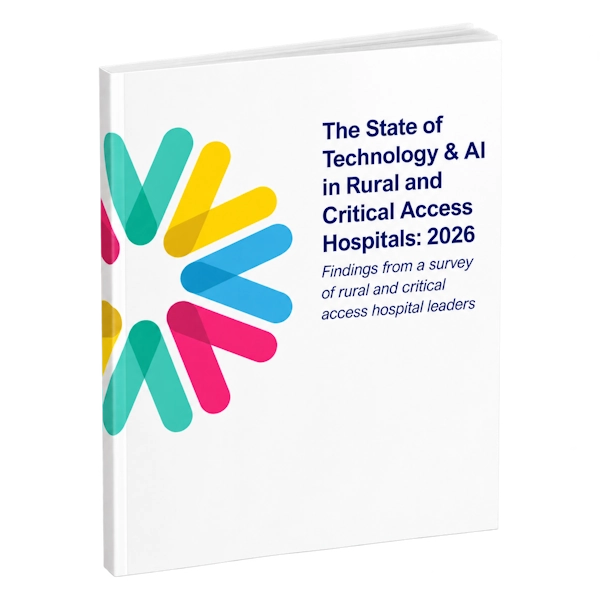
State of Technology and AI in CAH
What Are Rural Hospital Leaders Prioritizing Next?
Explore the pressures, care gaps and technology priorities shaping decisions at rural and critical access hospitals.
Your hospital’s next technology investment needs to address real operational challenges. Calcium surveyed 38 rural and critical access hospital leaders to understand where they see the greatest needs—and what they expect from digital health and AI. Among survey respondents:
- 81.6% identified staffing shortages as a leading organizational challenge.
- 55.3% identified care after discharge as a major perceived care gap.
- 50.0% described their organizations as open but cautious about AI.
Use the report to inform leadership discussions, sharpen evaluation criteria and identify questions to ask before your next technology investment.
FAQ
1. What is Calcium, and how can it help rural hospitals and clinics?
Calcium is a digital health platform that helps rural healthcare providers connect patient information, deliver guided care pathways, and support follow-up between visits. Calcium Core gives providers a dashboard for reviewing available health information, Calcium AI Studio supports pathway development, and the Calcium Super App helps patients participate from home. Together, these tools support a more connected approach to recovery, chronic conditions, and preventive care across your hospital and affiliated clinics.
2. How can Calcium improve follow-up after a hospital discharge or emergency department visit?
Calcium helps extend discharge instructions into an ongoing patient experience through guided activities, reminders, and short check-ins. Patients can report symptoms, medication difficulties, or other concerns after returning home, giving your team more information for appropriate follow-up. For rural organizations, this can help maintain a connection when travel is difficult or the next appointment is weeks away. Your team establishes the review and outreach process, including how to handle unanswered check-ins.
3. Can Calcium support chronic condition management and remote patient monitoring?
Yes. Calcium supports chronic condition programs by bringing together guided pathways, patient-reported information, medication tracking, and measurements from supported connected devices and apps. Rural teams can use this information to support patients managing conditions such as hypertension, diabetes, heart failure, and COPD. The benefit is greater visibility into daily progress and potential barriers between appointments. Your organization determines the appropriate measurements, review schedule, and clinical response process for each program.
4. How can Calcium help rural healthcare teams with limited staff?
Calcium can automate recurring patient guidance and check-ins while making patient responses and pathway participation available for review. This helps teams organize follow-up around reported concerns, incomplete steps, and changing needs. For rural staff covering multiple responsibilities, the opportunity is to reduce repetitive coordination and make outreach more focused. The program still requires people to enroll patients, review information, and respond; measuring those responsibilities helps determine whether the workflow creates additional capacity.
5. What does Predictive Prevention mean for rural healthcare?
Calcium’s Predictive Prevention framework connects three activities: recognizing emerging concerns, prioritizing appropriate follow-up, and putting the care plan into action. Available clinical information, patient reports, home measurements, and participation can help teams understand what may need attention. For rural providers, the practical benefit is a more proactive connection to patients between encounters. The framework supports clinical review and follow-through; AI-assisted pathway creation does not, by itself, establish validated prediction of future medical events.
6. Can our hospital and affiliated rural clinics use Calcium together?
Calcium can support programs spanning a hospital and its affiliated clinics, helping connect care that continues across settings. For example, a hospital discharge pathway can support ongoing participation while the local clinic manages subsequent follow-up. During implementation, your organization defines patient groups, staff responsibilities, access, and the information each team needs. This creates a practical foundation for continuity while allowing programs to reflect the different populations and workflows each location serves.
7. How does Calcium support surgical readiness and recovery?
Calcium helps turn clinician-approved surgical instructions into guided preparation and recovery pathways. Patients can receive reminders, complete readiness questions, and share postoperative updates, while staff review reported concerns and unfinished steps. For rural surgical programs, this creates opportunities to address preparation barriers before the procedure and maintain contact after patients return home. Teams can evaluate readiness completion, cancellations by cause, recovery participation, and follow-up needs to understand the program’s contribution.
8. Can Calcium help with preventive care and community wellness?
Yes. Rural hospitals and clinics can use Calcium pathways to reinforce recommended screenings, wellness visits, and everyday health activities. Education, reminders, and check-ins give patients practical ways to participate, while their responses can help staff recognize questions or barriers that warrant follow-up. Start with a focused local priority, such as screening participation or healthier habits, and measure engagement and completion. This helps turn broad prevention goals into an organized program your team can manage.
9. Does Calcium replace our electronic health record?
Calcium complements your EHR by supporting patient participation and visibility between encounters. It can bring available health records together with patient-reported information and data from supported devices and apps, giving staff additional context for follow-up. Your EHR remains part of your established clinical documentation workflow. During evaluation, confirm the available connections, data scope, and documentation requirements so your team understands how Calcium will fit into daily work.
10. What if our patients have limited internet access or need help using an app?
Patient access and confidence should shape your Calcium program from the beginning. Assisted enrollment, a clear explanation of the first task, and simple participation expectations can help patients get started. Your organization should also establish telephone or in-person alternatives for patients who cannot participate digitally. Calcium provides an additional connection for patients able to use its tools, while a thoughtful enrollment and follow-up process helps your team avoid treating missing responses as evidence that everything is fine.
11. Who reviews patient updates and responds when a concern appears?
Your organization identifies the responsible staff and establishes its review schedule, escalation rules, and outreach protocols. Calcium makes patient updates and pathway participation available to support that work, while clinical decisions and responses remain with your healthcare team. Defining these responsibilities before launch helps make follow-up more consistent. Patients should also understand when updates are reviewed, how to request help, and which existing channels to use for urgent concerns.
12. How does Calcium support patient privacy and appropriate information sharing?
Calcium includes patient data-sharing controls and secure communication capabilities to support collaboration between patients and their care teams. These features help patients participate while giving authorized providers access to information relevant to their care. During evaluation, your organization can review the applicable permissions, security documentation, agreements, and information-sharing requirements. Establishing those expectations early supports patient trust and gives hospital and clinic staff clearer guidance on using the platform within organizational policies.
13. How can a rural hospital or clinic get started with Calcium?
Start with one defined patient population and a workflow your team wants to improve. Together, identify the care pathway, responsible staff, patient enrollment process, information needs, and measures of success. Configure and review the program, prepare staff and patients, then evaluate participation and workload before expanding. A focused starting program makes implementation more manageable and helps your organization assess value in its own setting. A demonstration can clarify the appropriate scope, support, and pricing.
14. How can Calcium support the financial sustainability of rural care?
Calcium can support programs intended to improve appropriate follow-up, organize staff effort, strengthen surgical preparation, and extend ongoing care through rural clinics. The financial opportunity depends on your organization’s services, delivery costs, and payment arrangements. Some programs may support eligible reimbursable services or value-based care objectives, but software alone does not establish billing eligibility. Build the business case around benefits your organization can capture, and measure program costs alongside revenue, workload, and clinical performance.
15. Is Calcium suitable for Critical Access Hospitals as well as other rural providers?
Calcium can support Critical Access Hospitals, other rural hospitals, and affiliated clinics through programs adapted to their populations and available resources. A CAH might begin with discharge follow-up, chronic condition support, or continuity after a patient returns from regional care. The key is a manageable workflow with clear ownership and measurable goals. Program design and financial evaluation should reflect the hospital’s specific operating environment, rather than assuming every rural organization has the same needs or payment structure.