
DIGITAL HEALTH PLATFORM FOR MEDICAL GROUPS
Extend Your Care And Value Beyond the Visit
Connect patient information, Digital Pathways and continuous engagement to build a more proactive, scalable model of care.
See more of the patient. Guide them between appointments. Automate routine follow-up. Focus your team where human attention matters most.
BUILT FOR CONTINUOUS MEDICAL GROUP CARE
Connect the Patient, the Care Plan and the Care Team
Create a more connected care experience that continues long after the patient leaves your office.
Modern medical groups need more than another communication tool or source of patient data. They need a practical way to connect what providers recommend with what patients actually do between visits—and to bring useful information from that journey back to the care team. Calcium creates that connection through a provider platform, configurable Digital Pathways and a patient-facing Super App designed to support continuous participation throughout the patient’s health journey.
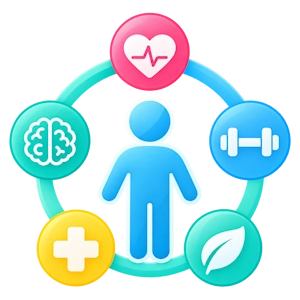
See the Whole Patient
Bring together available clinical records, patient-reported information, Digital Pathway activity, medications, vital signs and supported connected-health information to create richer longitudinal context around each patient.
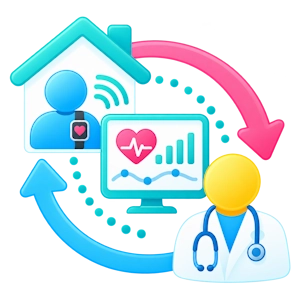
Guide Patients Between Visits
Extend clinician-directed guidance into everyday life through structured Digital Pathways that can provide education, reminders, questions, activities, tracking and other recurring patient interactions.
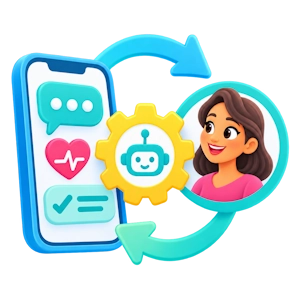
Automate Routine Follow-Up
Use digital workflows to support appropriate reminders, education, check-ins and information collection without requiring your staff to manually initiate every routine interaction.

Focus Your Team
Organize patient information, pathway responses, trends and configured alerts so care teams can concentrate their attention on the people and situations that may require follow-up.
THE MEDICAL GROUP CARE GAP
Healthcare Happens Every Day. Most Medical Infrastructure Still Revolves Around Appointments.
Medical groups are being asked to deliver increasingly continuous care through systems and workflows largely designed for episodic encounters.
A provider can develop an excellent treatment plan during an appointment, but most of that plan will be carried out somewhere else. Patients take medications, monitor symptoms, make lifestyle decisions, recover from procedures and manage chronic conditions at home. Meanwhile, medical groups face staffing pressure, fragmented information and growing expectations for access, prevention and outcomes.
Closing the space between the encounter and everyday patient life has become one of the defining operational challenges for modern medical groups.
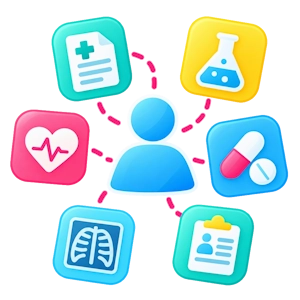
Patient Information Is Fragmented
A patient’s health story may extend across your EHR, outside health systems, specialists, labs, medications, connected devices, health applications and information reported by the patient.
The challenge isn’t simply obtaining more data. It is bringing useful information into a context where providers can understand the patient more efficiently.
Care Between Visits Creates More Work
Follow-up calls, reminders, education, questionnaires, monitoring and patient messages are effective and helpful. But they also generate significant workload as patient panels and care programs grow.
Continuous care for your patients cannot depend on staff manually performing every routine interaction.
Patient Engagement Is Difficult to Scale
Giving patients instructions once is not the same as helping them follow those instructions over days, weeks or months.
Medical groups need repeatable ways to translate care recommendations into manageable patient actions between encounters.

Your Team Cannot Watch Everyone Equally
Thousands of patients can generate thousands of data points, questions, responses and changing needs.
The objective should not be to give clinicians more information to monitor. It should be to organize useful information so teams can determine where their attention may be needed.
FROM EPISODIC TO CONTINUOUS CARE
Build a Care Model That Extends Beyond the Encounter
Connect clinical guidance, patient action and care-team visibility in a continuous cycle.
Extending care beyond the visit does not mean asking clinicians to be continuously available or giving staff another dashboard to watch. It means creating a structured connection between the plan established by the care team, the actions patients take in everyday life and the information providers use for follow-up. Calcium provides digital infrastructure for that cycle, helping medical groups translate clinical expertise into repeatable patient experiences while preserving clinical oversight and professional judgment.
1. Establish the Plan
Your clinical team determines the objectives, guidance, activities and review criteria appropriate for the care program.
2. Guide the Patient
Digital Pathways extend that guidance into everyday life through structured instructions, education, reminders, questions and other activities.
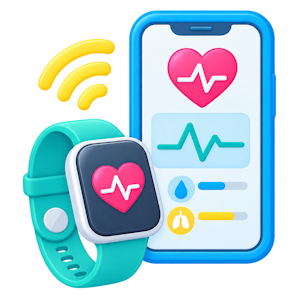
3. Capture What Happens
Patients can contribute relevant information through pathway responses, health tracking, journals and supported connected-health sources.
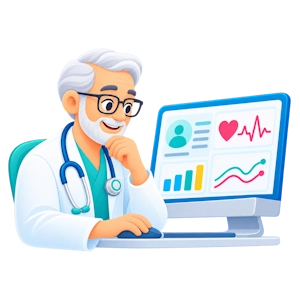
4. Review and Prioritize
Calcium Core provides authorized staff with an organized environment for reviewing available patient information, pathway participation, trends and configured alerts.
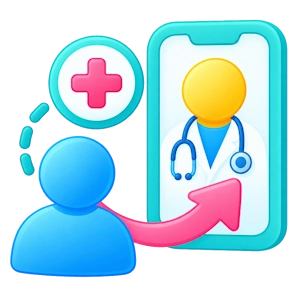
5. Follow Up
Your care team determines when outreach or clinical intervention is appropriate according to your organization’s workflows and protocols.
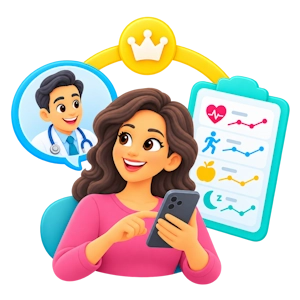
6. Refine the Experience
Update pathways, timing, content or program processes as your team learns what works for its patients and care model.
OPERATIONAL LEVERAGE FOR MEDICAL GROUPS
Give Patients More Support Without Making Every Interaction Manual
Automate the routine. Preserve your people for the moments that require human care.
High-touch care is difficult to scale when every reminder, educational message, status check and request for information requires staff action. The answer is not to remove people from healthcare. It is to use people more intentionally.
Calcium helps medical groups structure and automate appropriate recurring patient interactions while maintaining provider visibility, creating an opportunity to extend patient support without requiring staffing levels to increase in direct proportion to every new patient, program or digital touchpoint.
Reduce Repetitive Outreach
Use Digital Pathways to deliver appropriate recurring reminders, questions, educational content and other routine interactions.

Extend Staff Capacity
Give care managers, nurses and other team members a structured environment for supporting patient populations while preserving direct outreach for situations that require it.
Create More Consistent Follow-Up
Turn defined care processes into repeatable digital experiences that can be delivered more consistently across appropriate patient populations.
Improve Between-Visit Visibility
Give authorized teams access to pathway activity, patient responses and available health information that can add context between scheduled encounters.
Support Patient Self-Management
Provide patients with digital tools that help them participate in their care through pathways, health information, medication management and tracking.
Build Programs That Can Scale
Start with a focused population or workflow, refine the operating model and expand to additional conditions, specialties, locations or programs when appropriate.
THE CONTINUOUS CARE WORKFLOW
Keep Care Moving From One Interaction to the Next
Create a repeatable digital workflow around the care your medical group already wants to deliver.
Successful digital care should fit into a defined operating model rather than simply introduce another application. Calcium enables medical groups to start with a specific population, condition or care journey and build a structured workflow around it.
From patient enrollment and Digital Pathway assignment through ongoing participation, review and follow-up, the platform connects patient-facing activities with provider visibility so your team can establish a repeatable approach to care between scheduled encounters.
1. Identify and Enroll
Start with an individual patient, defined cohort, condition, specialty program or other population appropriate for your organization’s goals.
2. Assign the Care Experience
Select an existing Digital Pathway or create and customize pathways around your medical group’s own protocols and patient needs.
3. Guide Patients Between Visits
Deliver structured education, reminders, questions, activities, health tracking and recurring guidance through the Calcium Super App.
4. Collect Relevant Information
Bring pathway responses, patient-reported information and supported health data into the patient’s evolving digital health environment.
5. Review and Prioritize
Use Calcium Core to review connected patients, pathway participation, available health information, trends and configured signals.
6. Follow Up and Adjust
Your team applies clinical judgment, contacts patients when appropriate and updates the pathway or care process based on changing needs.
LONGITUDINAL PATIENT INTELLIGENCE
Stop Reconstructing the Patient Story One Encounter at a Time
More data isn’t the objective. Better context is.
Bring more of the patient’s health journey into view so your team can work from richer context.
Healthcare information rarely lives in one place. A patient may receive care from multiple organizations while generating additional information through medications, home measurements, connected devices, Digital Pathways and everyday health activities.
Calcium Core is designed to bring supported sources of patient information into a more longitudinal environment for providers. Instead of treating every encounter as an isolated snapshot, your team can gain additional context around what has happened before, between and after individual visits.
Clinical History
Review available clinical information such as encounters, diagnoses, medications, allergies, laboratory information and other supported health records.
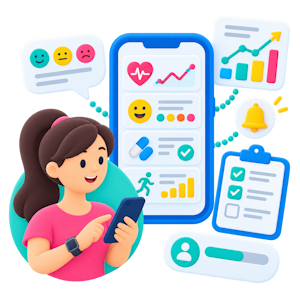
Patient-Generated Information
Add context through information patients contribute about symptoms, experiences, measurements and progress.
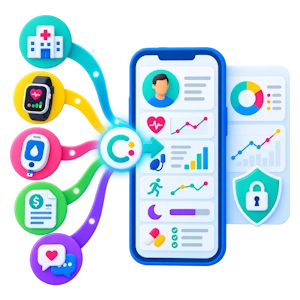
Connected Health Information
Incorporate supported information from connected medical devices, wearables and health applications where those connections are available and appropriate.
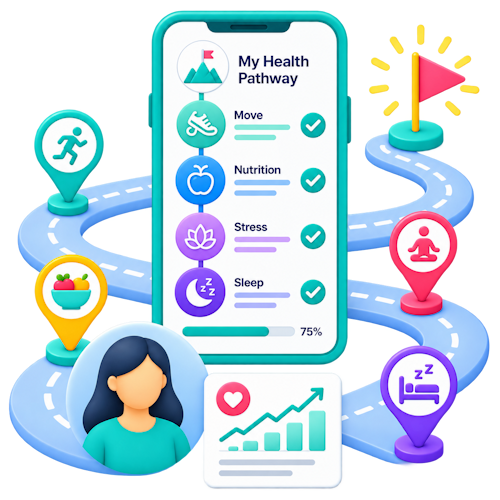
Digital Pathway Activity
See relevant pathway participation and responses alongside other patient information rather than isolating digital engagement in another disconnected tool.
DIGITAL CARE PATHWAYS
Turn Your Clinical Expertise Into Everyday Patient Action
Extend your recommendations beyond the office with structured guidance patients can follow between visits.
Your clinicians already know many of the actions they want patients to take after an appointment. The challenge is helping those actions continue after the patient walks out the door. Calcium Digital Pathways transform defined care guidance into structured digital experiences that can unfold over time.
Pathways can combine education, reminders, questions, tracking and other patient activities, giving medical groups a flexible way to reinforce appropriate care processes without relying exclusively on repeated manual outreach.
Build Faster
Use AI-assisted tools to accelerate development of structured Digital Pathways, helping your team transform clinical knowledge, protocols and program ideas into patient experiences more efficiently while reducing the time and effort traditionally required for pathway creation.
Customize To Your Care Model
Adapt Digital Pathways around your medical group’s protocols, populations and priorities by customizing content, questions, timing and activities, creating digital experiences that better reflect how your organization wants to guide and support patients between visits.
Maintain Oversight
Keep your clinical team in control by determining which Digital Pathways are appropriate, reviewing the guidance patients receive and establishing how staff monitor, evaluate and respond to patient information generated throughout each digital care experience.
Refine Over Time
Continuously improve Digital Pathways as programs evolve, patient needs change or your team identifies new opportunities, allowing content, activities and workflows to be updated over time while preserving a structured, repeatable approach to digital care.
Standardize Care Experiences
Transform your group’s established clinical protocols into structured Digital Pathways that help deliver more consistent education, guidance, activities and follow-up, creating repeatable patient experiences across appropriate populations, programs and specialties.

Scale Expertise Across More Patients
Extend your team’s clinical expertise beyond individual appointments by using Digital Pathways to automate recurring guidance, education and activities, helping your medical group support more patients without making every interaction dependent on more staff time.
Strengthen Patient Engagement
Use Digital Pathways to keep your patients actively connected to their care with timely education, questions, reminders and activities, creating more opportunities for participation and reinforcing care plans between appointments without relying entirely on manual outreach.
Expand Between-Visit Insight
Capture patient responses, pathway activity and available health info between appointments, giving care teams greater context for understanding progress, recognizing changing needs and making more informed decisions about appropriate follow-up or intervention.
ONE CONNECTED DIGITAL HEALTH PLATFORM
Three Integrated Solutions. One Platform for Connected Care.
Bring patient engagement, provider visibility and Digital Pathways together to extend care, standardize workflows and scale programs.
Medical groups need technology that connects patient engagement, clinical visibility and scalable workflows rather than creating another disconnected digital tool. Calcium brings these capabilities together in one integrated platform.
Calcium Core gives care teams visibility into connected patients and health information, the Calcium Super App extends structured support between visits, and Calcium AI Studio helps organizations build and customize Digital Pathways. Together, they help medical groups strengthen engagement, standardize care processes and scale digital programs more efficiently.
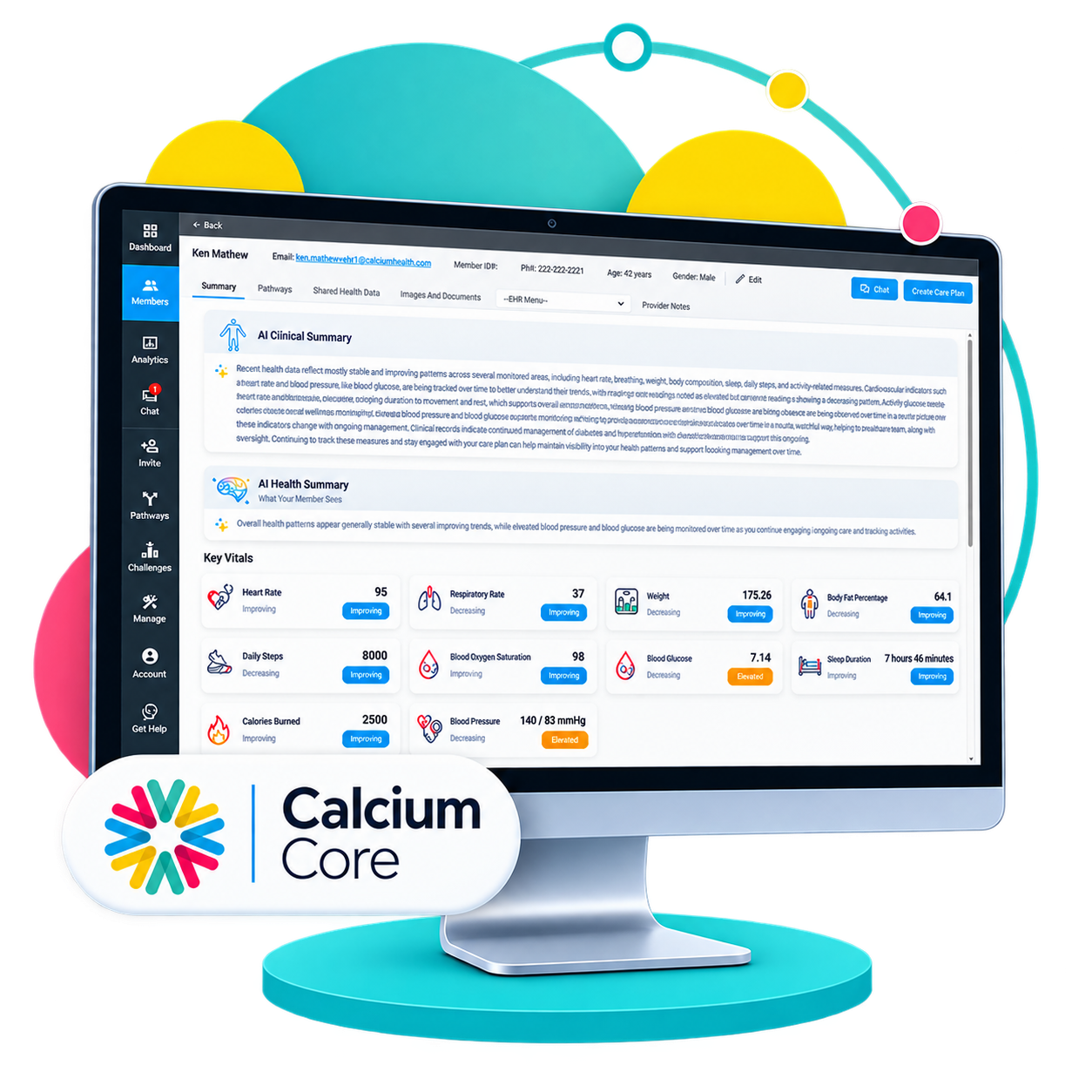
Calcium Core
A Whole-Patient View
Calcium Core gives medical groups a centralized provider dashboard to monitor patients, review pathway participation, connected health data, trends and alerts, prioritize outreach, and support more proactive, coordinated care across populations without adding unnecessary workflow complexity.
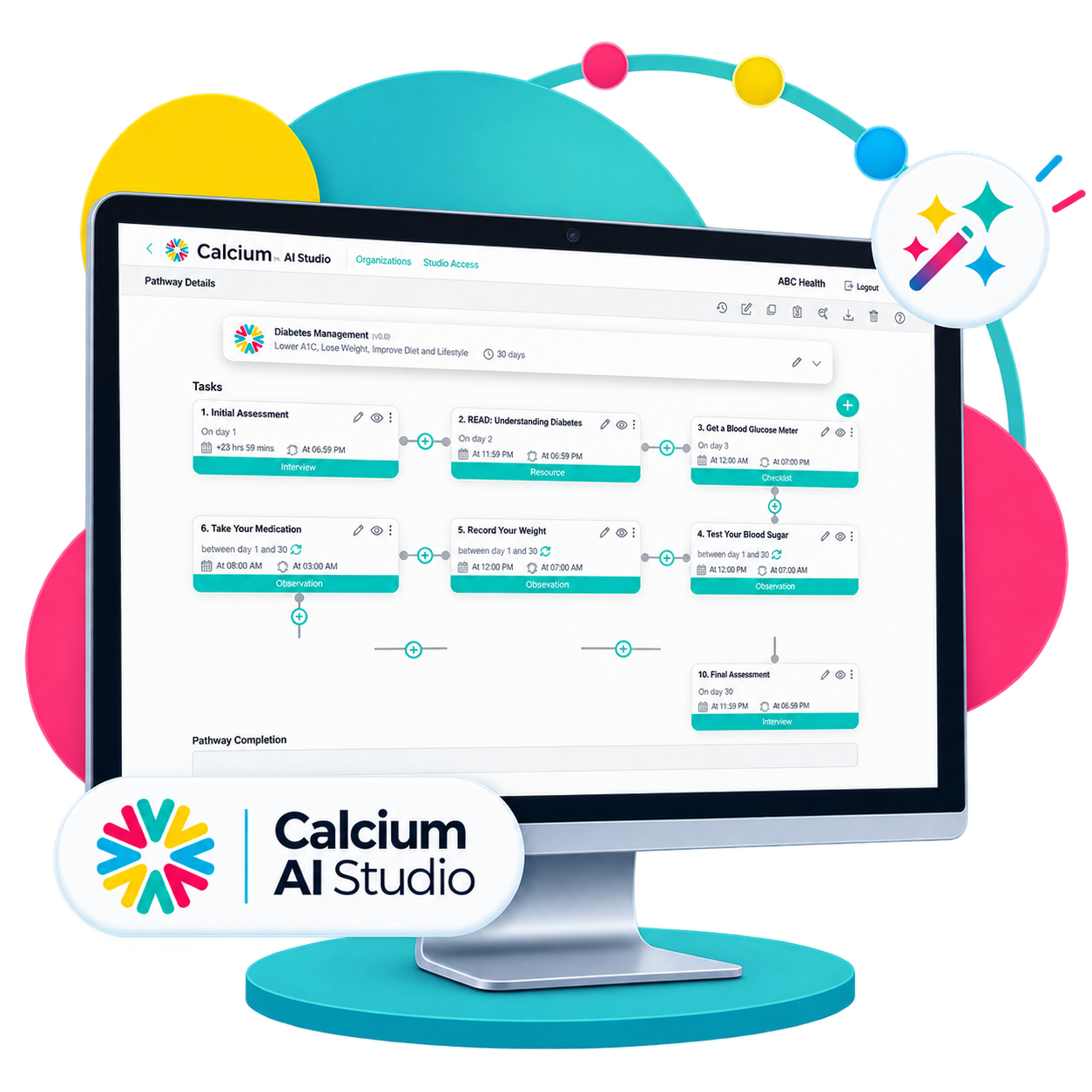
Calcium AI Studio
Leverage Your Expertise Digitally
Calcium AI Studio helps medical groups create, customize and manage Digital Pathways around their protocols, populations and care journeys, enabling repeatable workflows that automate appropriate patient interactions, standardize follow-up and scale programs across conditions, specialties and locations.
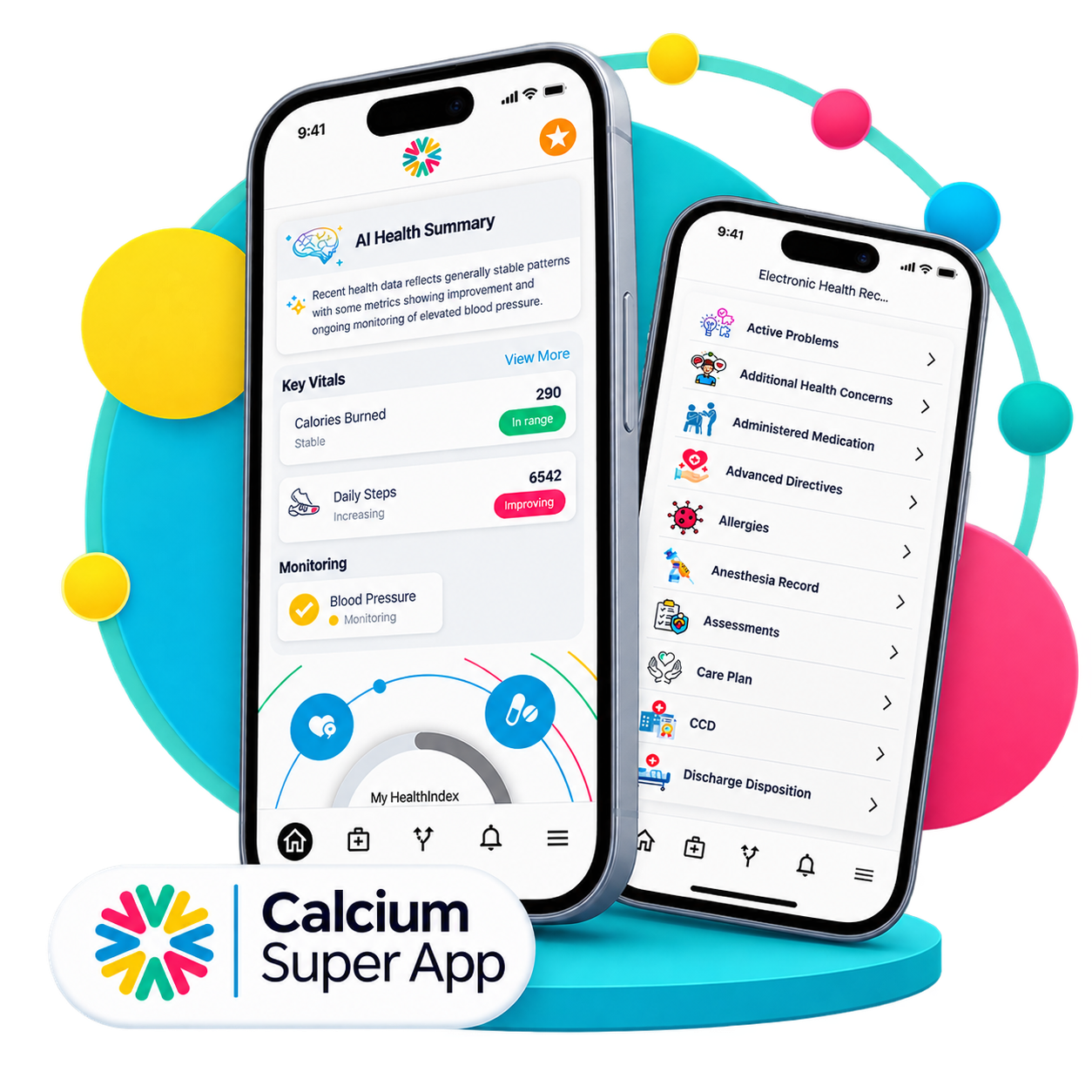
Calcium Super App
Empower Your Patients
The Calcium Super App extends care beyond appointments, giving patients one digital experience for pathways, education, health tracking, medication support and communication, while helping medical groups strengthen engagement, collect meaningful information and deliver consistent between-visit guidance.
ONE DIGITAL EXPERIENCE FOR PATIENTS
Give Patients a Digital Home for Their Health Journey
Bring care guidance, health information and everyday health-management tools into one patient-facing experience.
Patients are frequently asked to navigate separate portals, apps, devices and instructions for different parts of their health. That fragmentation creates friction and makes continuous participation harder.
The Calcium Super App provides a consumer-oriented environment where patients can interact with assigned Digital Pathways, manage health information and use supported health-management capabilities. For medical groups, the app becomes the patient-facing side of a connected care model—helping extend the relationship beyond the physical or virtual appointment.
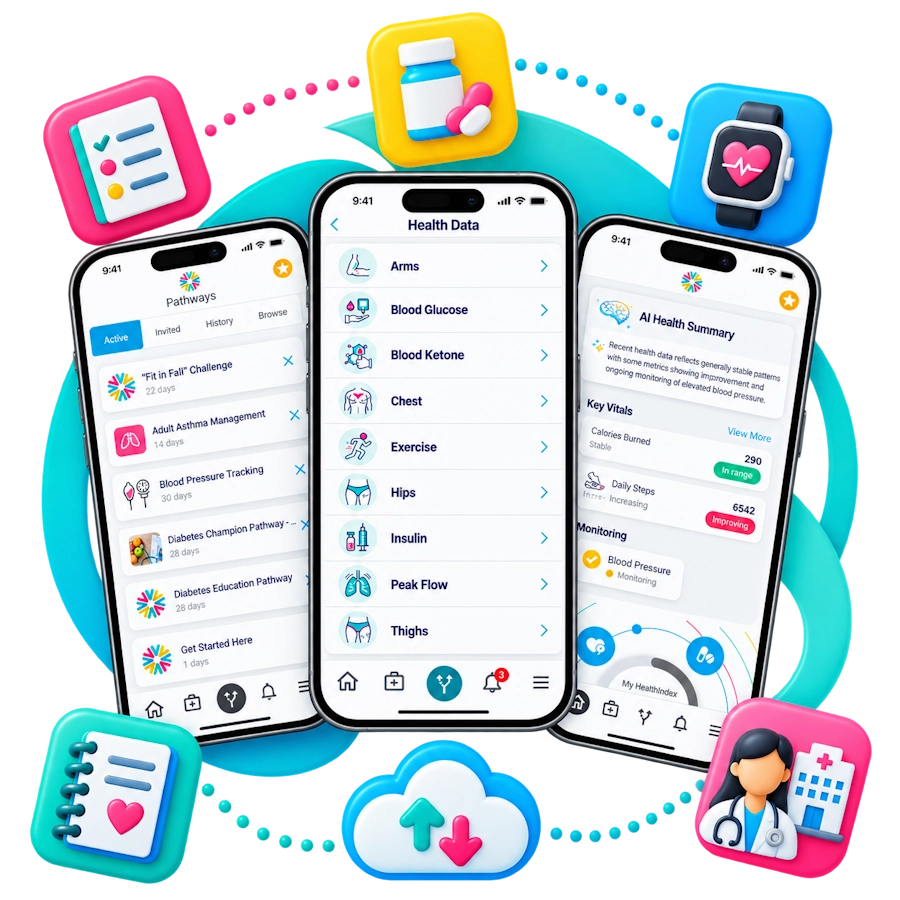
Follow Digital Pathways
Patients can interact with structured care guidance assigned through their connected provider relationship.
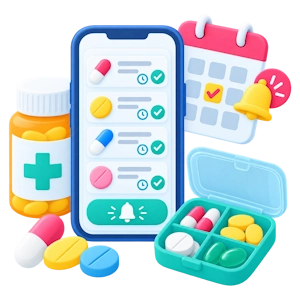
Manage Medications
Support everyday medication management through available medication features and related pathway activities.
Track Health Information
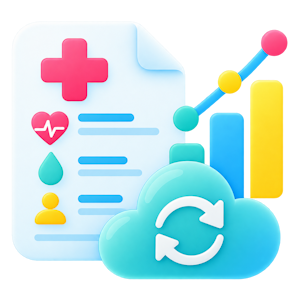
Record and organize relevant health information, including supported vital signs and patient-generated data.
Use a Health Journal
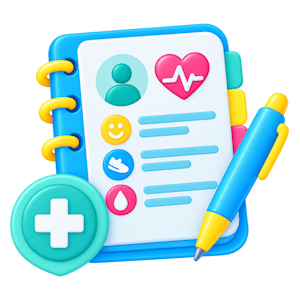
Capture symptoms, observations and other information that may add useful context to the patient’s health journey.
Connect Health Data
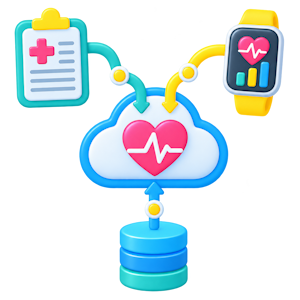
Bring supported wearable, medical-device and health-app information into a broader personal health environment.
Share With Connected Care Teams
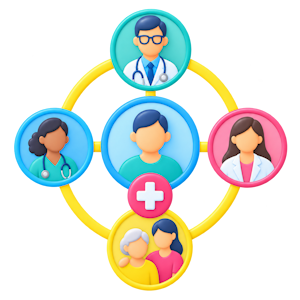
Support appropriate information sharing between patients and connected healthcare providers.
ONE PLATFORM. MANY CARE PROGRAMS.
Start Where Your Medical Group Has the Greatest Need
Use the same connected platform across different populations, specialties and care journeys.
Every medical group has different priorities. One organization may need a better way to support patients with hypertension, while another may be focused on preventive care, post-procedure recovery, population health or value-based contracts.
Calcium’s flexible platform model allows organizations to begin with a defined use case rather than attempting a sweeping transformation on day one. Establish the workflow, learn from the program and expand the model to other populations when the organization is ready.
Chronic Care
Extend condition-management guidance and patient participation between routine office visits.

Value-Based Care
Connect population-level priorities with structured patient engagement and ongoing digital intervention.
Preventive Care
Build repeatable experiences around screenings, health maintenance and other prevention priorities.
Population Health
Deploy different Digital Pathways to defined populations based on program goals and patient needs.
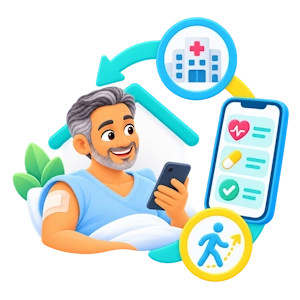
Post-Discharge Follow-Up
Extend appropriate discharge and follow-up guidance into the patient’s home environment.
Surgical & Procedural Care
Support preparation, education, recovery guidance and structured patient reporting around procedures.
Weight & Metabolic Health
Build longitudinal programs around clinician-directed lifestyle, metabolic and medication-supported care.

Specialty Care
Configure Digital Pathways around the needs of specialty practices, conditions and treatment journeys.
FAQ
1. What is Calcium's digital health platform for medical groups?
Calcium is a connected digital health platform designed to help medical groups extend care beyond individual encounters. It combines Calcium Core, a provider-facing environment for supported patient information and pathway activity; AI Studio, which supports Digital Pathway creation; and the Calcium Super App, where patients can participate in pathways and manage health information. Together, these capabilities help organizations connect clinical guidance, patient participation and care-team visibility across a more continuous patient journey.
2. Does Calcium replace our EHR?
No. Calcium is designed to complement the clinical systems your medical group already uses rather than replace your EHR. Your existing systems can continue supporting core functions such as clinical documentation, ordering, scheduling and other established encounter workflows. Calcium adds capabilities around Digital Pathways, patient engagement, patient-generated information, supported connected-health data and longitudinal provider visibility. Specific integration requirements should be evaluated with your technical team based on your existing environment, available interfaces and intended Calcium use case.
3. How does Calcium help us engage patients between visits?
Calcium uses Digital Pathways and the patient-facing Super App to extend appropriate care guidance into the time between appointments. Depending on pathway design, patients can receive educational content, reminders, questions, recurring activities and opportunities to track or report relevant health information. Rather than relying exclusively on staff to initiate every routine interaction, medical groups can structure repeatable digital experiences around defined care programs while maintaining clinical ownership over pathway content, review processes and appropriate patient follow-up.
4. What information can providers see through Calcium Core?
Calcium Core serves as the provider-facing environment for connected patients and programs. Depending on available data sources and configuration, authorized users can review supported clinical information, medications, laboratory information, encounters, diagnoses, vital signs, patient-generated information, Digital Pathway participation, shared health information, analytics and trends. The objective is to provide useful longitudinal context around the patient’s health journey. The exact information available to an organization will depend on its integrations, configuration, patient connections and applicable permissions.
5. Can Calcium support chronic condition management?
Yes. Chronic care is a strong use case for Calcium because successful condition management frequently depends on actions that occur outside the medical office. Medical groups can create Digital Pathways around defined chronic-care programs and use them to provide education, recurring guidance, questions, reminders and appropriate health-tracking activities. Calcium Core can then provide the care team with visibility into available patient information and pathway participation, supporting a more connected approach to chronic care between scheduled clinical encounters.
6. Can Calcium support value-based care and population health programs?
Calcium can support the patient-engagement and intervention components of value-based care and population-health programs. Organizations can use defined populations or cohorts to deploy Digital Pathways, provide structured preventive or chronic-care guidance and review relevant patient participation and information over time. Calcium is not a replacement for every population-health or risk-contracting system. Its strategic role is helping connect identified care priorities with scalable digital patient action, ongoing information collection and provider workflows for appropriate follow-up.
7. 7. Can our medical group create its own Digital Pathways?
Yes. Calcium’s pathway capabilities are designed to support configurable digital care experiences around an organization’s populations, programs and care priorities. Medical groups can use AI Studio to assist with pathway development and then review and customize the resulting content, timing, questions and activities before deployment. This allows organizations to translate appropriate clinical processes into repeatable patient experiences. Your medical group remains responsible for determining which pathways are clinically appropriate and how information generated through them is reviewed and acted upon.
8. How does Calcium AI Studio work for medical groups?
AI Studio supports the creation and management of Calcium Digital Pathways. Its role is to help organizations accelerate the process of translating care concepts into structured digital experiences rather than independently making clinical decisions for providers. Medical groups can use AI-assisted creation as a starting point, then review, customize and approve pathway content according to their own clinical and governance processes. This approach gives AI a practical operational role while preserving professional oversight over patient guidance and care decisions.
9. Can Calcium connect with wearables and medical devices?
Calcium supports connected-health capabilities that can incorporate information from supported wearables, medical devices and health applications. These sources can add useful context to the patient journey by extending visibility beyond information captured during traditional encounters. Availability depends on the specific device, application, integration and organizational configuration involved. During evaluation, Calcium and the medical group should identify which connected data sources are relevant to the proposed program and confirm technical availability before making them part of the clinical workflow.
10. How can Calcium reduce manual patient outreach?
Calcium can reduce reliance on manual outreach by placing appropriate recurring interactions into Digital Pathways. Instead of requiring staff to individually deliver every reminder, educational message, questionnaire or routine check-in, a pathway can provide structured digital interactions according to its configuration. This does not eliminate the need for human follow-up. Rather, it creates an opportunity to reserve staff time for situations where personal outreach, clinical judgment or direct intervention provides the greatest value to the patient.
11. Can Calcium support multiple specialties or locations?
Calcium’s platform and Digital Pathway model can support different care programs, populations and organizational use cases, making multi-specialty or multi-location deployment possible where appropriately configured. A medical group might begin with one chronic-care program, specialty or location and then evaluate expansion based on experience and results. Each expansion should account for differences in clinical ownership, patient populations, workflows and review responsibilities. The goal is not to force every location into one rigid workflow, but to create scalable infrastructure around defined programs.
12. How is Calcium different from a traditional patient portal?
A traditional patient portal is generally centered on access to functions connected to the healthcare organization’s clinical system, such as records, appointments and messages. Calcium is designed around a broader continuous-care model. The Super App can provide patients with Digital Pathways and health-management capabilities, while Core gives connected providers visibility into supported patient information and pathway activity. Calcium therefore complements portal functionality by emphasizing structured patient participation and ongoing care experiences before, between and after traditional clinical encounters.
13. Does Calcium make clinical decisions or replace clinician judgment?
Calcium is designed to support clinicians and care teams, not replace their professional judgment. Medical groups determine the pathways they deploy, the patient populations for which those pathways are appropriate, the information staff review and the processes used when follow-up may be required. AI-assisted capabilities can help with pathway development and information workflows, but clinical decisions remain the responsibility of qualified healthcare professionals. Organizations should establish appropriate clinical governance, review responsibilities and escalation procedures as part of their Calcium implementation.
14. How should a medical group start implementing Calcium?
A focused implementation is often the most practical starting point. Choose a clearly defined patient population, condition, specialty or workflow where better between-visit guidance and visibility could provide meaningful value. Determine who owns the program, how patients will enroll, which information staff will review and how follow-up will occur. Then establish measurable objectives before launch. This approach allows the medical group to evaluate participation, workflow fit and program value before considering expansion to additional populations or locations.
15. How do we determine whether Calcium is right for our medical group?
Start with the care problem rather than the technology. Identify where your medical group struggles with fragmented patient information, repetitive outreach, between-visit visibility, chronic-care engagement or scaling structured patient guidance. Then evaluate whether Calcium’s Core, Digital Pathways, AI Studio and Super App can support a practical operating model around that problem. A productive evaluation should include clinical, operational and technical stakeholders and define what success would look like before deciding whether to launch or expand a program.