A Practical Roadmap to Modernising Surgical Operations and Elevating Patient Care
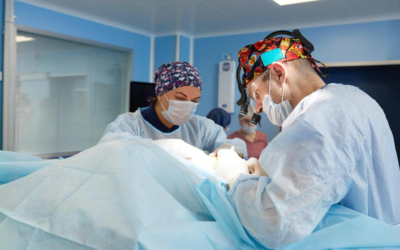
The surgical suite may be sterile, but the pace of change around it is anything but. Ambulatory Surgery Centers (ASCs) are experiencing a quiet revolution not in the procedures themselves, but in how care is coordinated, tracked, and delivered.
As patients increasingly expect seamless digital experiences and insurers demand more proof of value, ASCs can no longer afford to rely on clipboards and fax machines. The pressure is mounting to modernise without compromising the speed and precision that make outpatient surgery so effective.
But how do you evolve without disrupting what already works?
The answer lies in thoughtful, well-led digital transformation. This isn’t about flashy tech, it’s about smarter systems, connected care, and a roadmap built around real outcomes. If your ASC is looking to grow, compete, and lead with confidence, now’s the time to get serious about digital.
The Current State of Digital Adoption in ASCs
Despite the healthcare industry’s broader push toward digital innovation, many Ambulatory Surgery Centers (ASCs) are still lagging. A recent study found that nearly half of ASCs surveyed reported no use of Electronic Health Records (EHRs), and only a fraction had access to essential core functions like e-prescribing or lab result access. Even more surprising? Fax remains one of the most common ways ASCs exchange patient information with referring providers.
While hospitals and large health systems are adopting machine learning and remote monitoring technologies, ASCs often operate with leaner teams, tighter budgets, and limited IT support. That creates a gap between what’s possible and what’s happening. Bridging that gap is what digital transformation is all about.
Understanding the Roadblocks. Why ASCs Struggle with Going Digital
Before you overhaul your systems, it’s important to understand what you’re up against. Digital transformation in ASCs doesn’t fail because of a lack of good intention, it fails due to some very real challenges.
- Fragmented systems that don’t communicate with each other
- Resistance from staff who are comfortable with paper workflows
- Limited IT resources and upfront costs
- Low EHR adoption and a lack of interoperability between tools
- Cybersecurity concerns about patient data and networked devices
- Underutilised remote care tools like telehealth or remote monitoring
- A lack of clear ROI data on adopting newer tech
Many ASCs operate like efficient surgical engines but engines built for a pre-digital world. Upgrading them requires more than a tech purchase. It requires vision, leadership, and strategy.
Building the Framework. Five Steps to Digital Success
Let’s break down what a successful ASC digital transformation looks like. It’s not a one-size-fits-all journey, but these five steps offer a roadmap any center can follow.
1. Start with a Digital Readiness Assessment
You wouldn’t operate without reviewing imaging first, so don’t begin a tech transformation without diagnosing your current systems. Identify what tools are being used, what’s still on paper, and where the friction lies. Is your scheduling still manual? Are referrals coming by fax? Is post-op follow-up inconsistent?
This audit will expose your bottlenecks and help prioritise the areas most ripe for improvement.
2. Align Tech with Value-Based Goals
Digital transformation isn’t about shiny new tools it’s about outcomes. The most effective transformations tie every technology choice to broader goals like.
- Lowering post-op complications
- Reducing patient no-shows or delays
- Increasing staff productivity
- Improving patient satisfaction
- Capturing more quality-based reimbursements
A good example? Implementing remote patient monitoring (RPM) tools to track post-op recovery in real time. Not only can this reduce unnecessary readmissions, but it also strengthens your value-based care profile.
3. Choose a Unified, Interoperable Tech Stack
One of the biggest mistakes ASCs make is layering single-use software tools that don’t “talk” to each other. That results in duplication, data loss, and a mess of logins.
Instead, invest in a unified platform that brings together.
- EHR and clinical documentation
- Digital scheduling and intake
- Billing and reporting
- Remote care and patient engagement tools
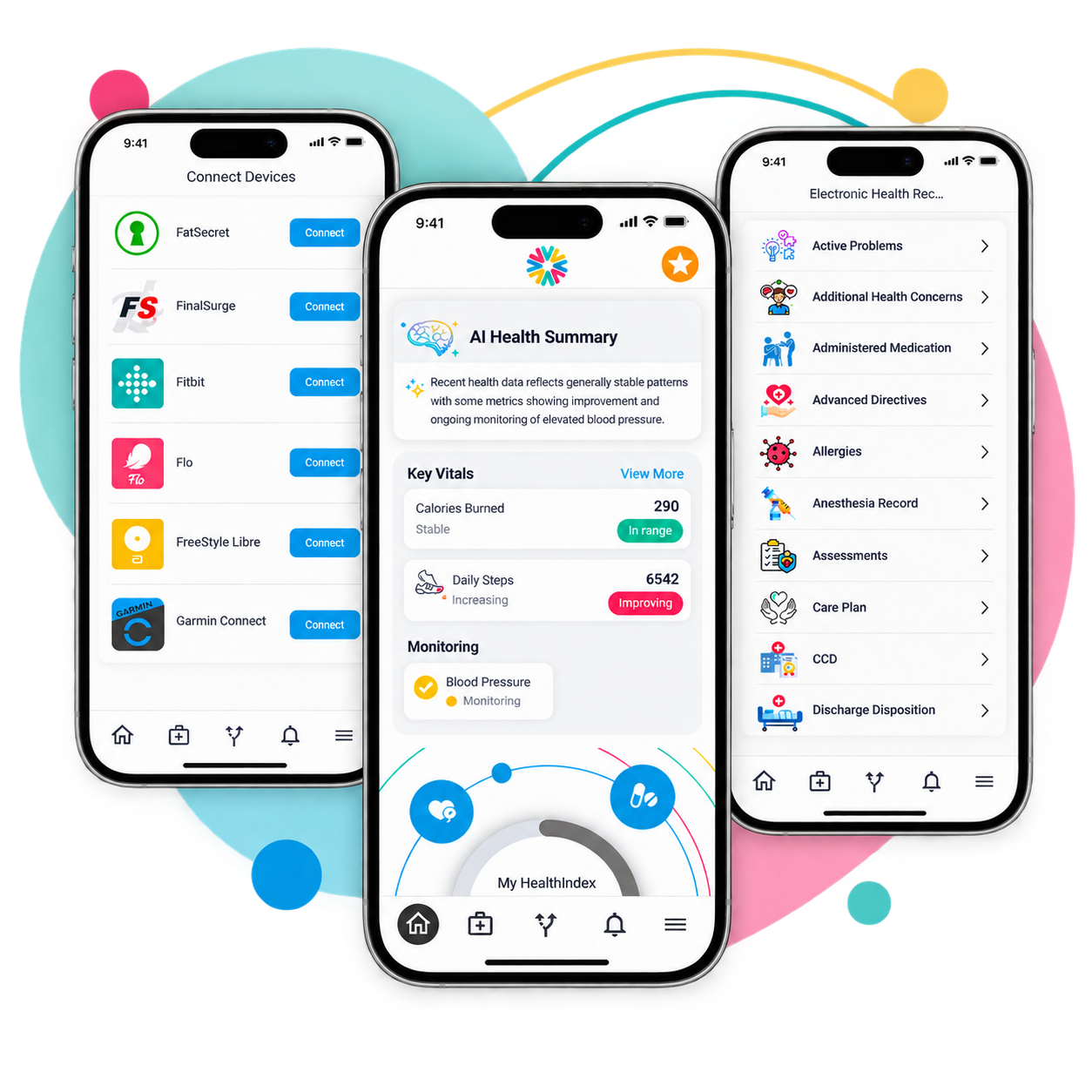
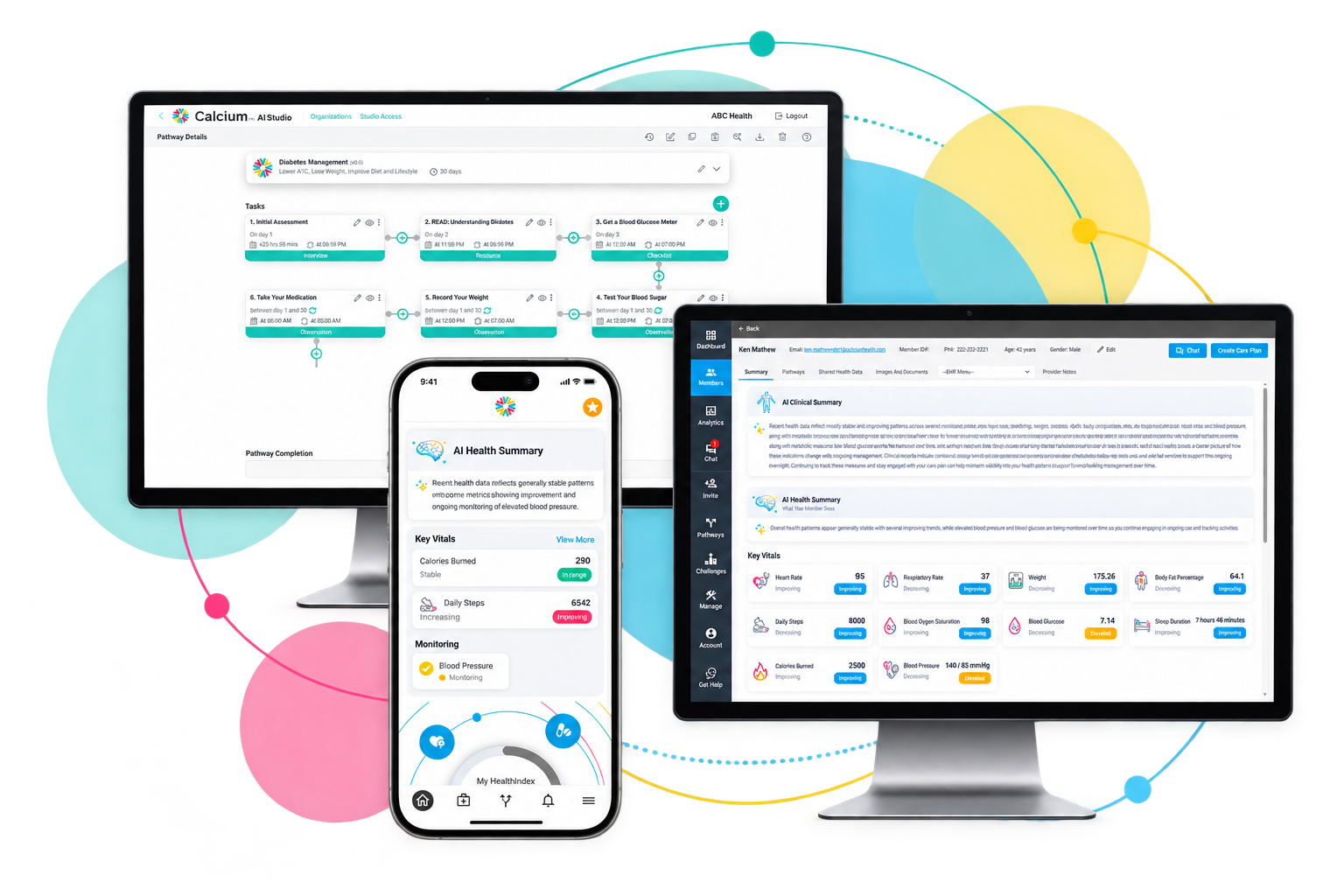
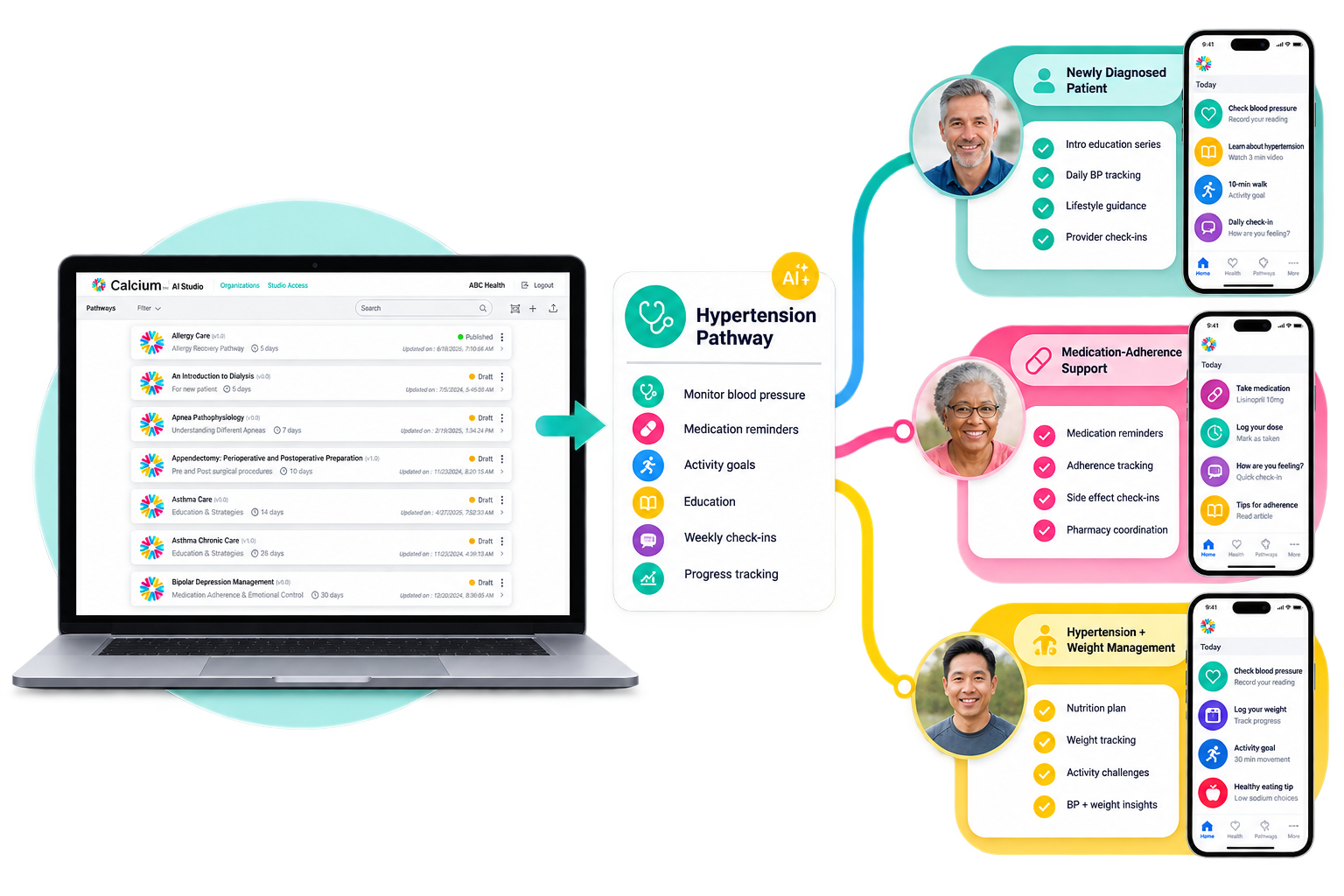
Platforms like Calcium can act as the glue, helping you consolidate multiple workflows into one cohesive system that scales with your center.
4. Prioritise Staff Buy-In and Training
Digital tools are only as effective as the people using them. In ASCs, where staff often multitask between front office and clinical support, change can feel overwhelming. That’s why training and support matter just as much as the technology itself.
The research is clear. perceived ease of use is one of the strongest predictors of whether staff adopt a new system. So, make adoption easy. Offer role-based training, staggered rollouts, and real-time support.
And don’t forget the “why.” When team members understand how digital tools reduce errors, streamline tasks, and improve patient care, they’re more likely to get on board.
5. Roll Out in Phases and Measure Everything
You don’t have to flip the switch all at once. The most successful transformations happen in waves. Begin with high-impact areas that won’t disrupt surgery schedules, like digital intake forms or e-prescribing.
Once live, use dashboards and real-time reports to track.
- Appointment efficiency
- Post-op follow-up adherence
- Billing turnaround times
- Staff time spent on manual processes
These data points help prove ROI, catch early issues, and fine-tune your rollout strategy.
Emerging Technologies You Can’t Ignore
The future of surgical care is being shaped by tools that just a few years ago felt like science fiction. These technologies are already showing results in large surgical systems and will soon filter into ASC workflows.
- AI-powered decision support. Machine learning models are now predicting which patients are most at risk for complications, helping surgeons make better pre-op decisions.
- Computer vision and augmented reality. These tools are being used to analyse intraoperative videos, assess surgical skill, and even guide minimally invasive procedures in real time.
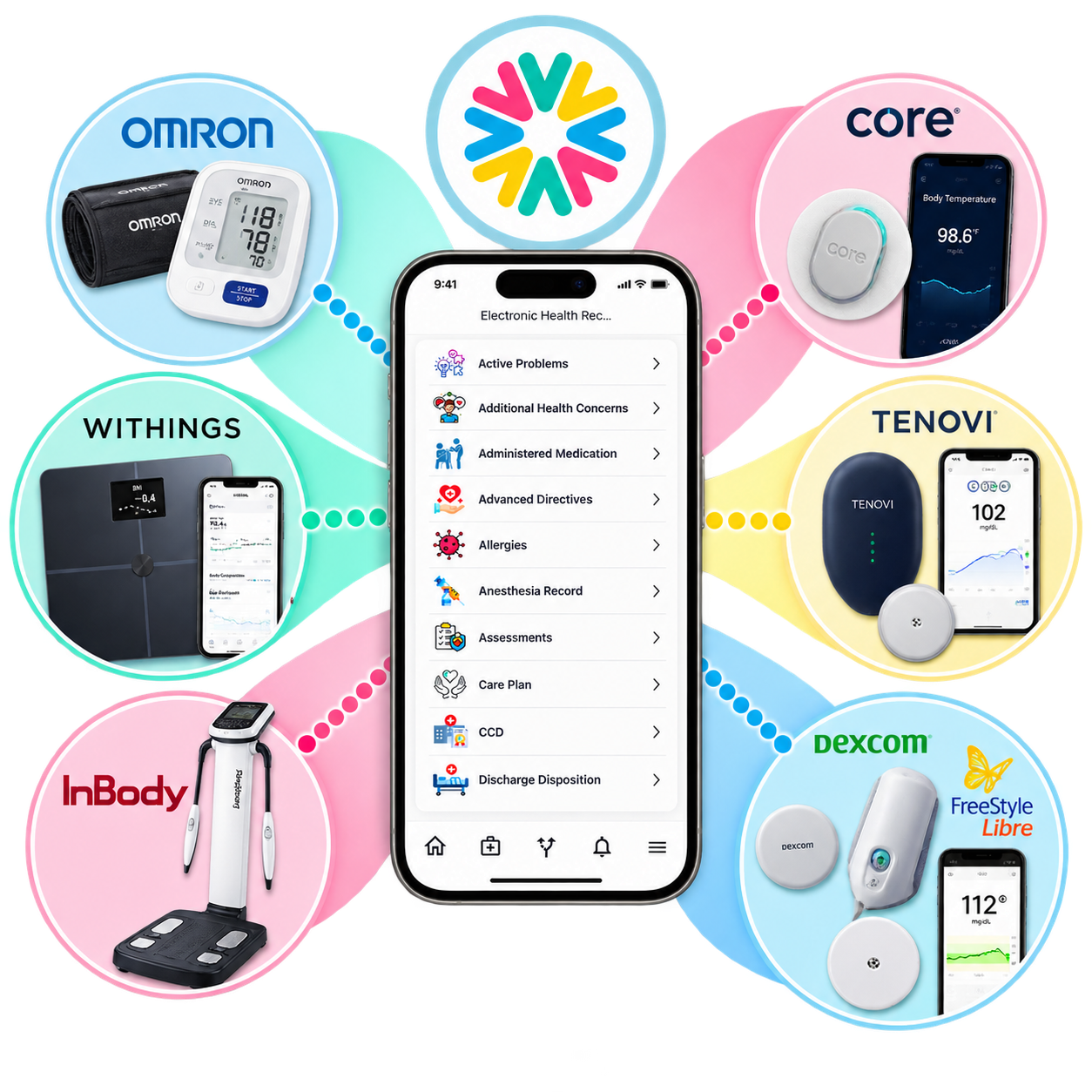
- Wearables and remote monitors. Devices that track pain levels, movement, and healing at home are transforming post-op care from episodic to continuous.
- Telehealth. More than just a COVID-era workaround, telehealth is becoming a strategic lever to expand access, reduce office costs, and streamline consults.
ASCs that start building digital foundations today will be better positioned to adopt these innovations tomorrow.
How Calcium Streamlines ASC Transformation
Digital transformation isn’t just about avoiding inefficiency, it’s about building a smarter, more connected surgery center. That’s where platforms like Calcium come in.
Here’s how Calcium supports your journey.
- All-in-One Integration. From EHRs to RPM, scheduling to patient education, Calcium brings multiple functions into one platform cutting down on logins, data entry, and errors.
- Seamless Communication. Interoperable with outside systems, it ensures smooth handoffs between referring providers, your ASC team, and post-discharge care.
- Remote Monitoring & Engagement. With built-in tools for telehealth and home-based monitoring, Calcium helps extend your care outside the OR and into the patient’s daily life.
- Actionable Analytics. Dashboards turn raw data into smart decisions helping you track KPIS, identify workflow gaps, and improve continuously.
Digital transformation isn’t a finish line, it’s a mindset. For ASCS aiming to thrive in a value-based, patient-centered healthcare environment, the right digital tools can unlock massive gains in efficiency, care quality, and long-term growth. But success doesn’t come from buying software alone, it comes from choosing a partner that understands the unique rhythms of ambulatory care.
That’s where Calcium comes in.
In short, Calcium does what good technology should do to help your ASC do more with less.
Whether you’re streamlining intake, enabling post-op remote monitoring, or integrating clinical workflows under one roof, Calcium’s all-in-one digital health platform is built to help your ASC run smarter, not harder. It's time to stop juggling disconnected tools and start leading with clarity, confidence, and care.
Reference
- Marwaha, J. S., Raza, M. M., & Kvedar, J. C. (2023). The digital transformation of surgery. Npj Digital Medicine, 6(1), 1–3. https.//doi.org/10.1038/s41746-023-00846-3
- Wiggins, C., Peterson, T., & Moss, C. (2015). Ambulatory surgery centers׳' use of Health Information Technology. Health Policy and Technology, 4(2), 100–106. https.//doi.org/10.1016/j.hlpt.2015.02.006
- Allison, K. (2021). Assessing Transformation of Optimizing Ambulatory Surgery Center Services with Telehealth. MUSC Theses and Dissertations. https.//medica-musc.researchcommons.org/theses/648/
- Bailony, M. R. (2024). Digital Transformation in Healthcare. Optimising Operations for Sustainable Growth. Journal of the National Medical Association, 116(4), 438–439.https.//doi.org/10.1016/j.jnma.2024.07.063