Why Smarter Health Data, Real-Time Insights, and Patient-Centered Tools Are Key to Staying Ahead in Modern Care
Healthcare is changing and fast. As providers face rising expectations around care quality, cost efficiency, and patient engagement, one question looms large: Is your electronic healthcare record system built for what’s coming next?
Spoiler: most aren’t.
The truth is, many practices are still running on EHR systems designed for an entirely different era one focused on billing codes, not whole-person care. But the future of healthcare demands more. It demands technology that helps you adapt, not just document.
Whether you’re navigating value-based contracts, integrating behavioral health, or trying to close gaps in care, your digital tools need to do more than keep up. They need to help you stay ahead.
So how can you make sure your practice isn’t just surviving, but thriving, in this new environment? It starts with understanding what it really means to future-proof your EHR and how the right platform can help you get there.
How EHRs Evolved and Why That’s No Longer Enough
Let’s face it—most electronic healthcare records (EHRs) were never built to handle the demands of today’s healthcare world. Originally, they were created to streamline billing and reduce paperwork. At best, they served as digital filing cabinets. And while they’ve certainly modernized how we store and retrieve medical data, the truth is, that’s just not enough anymore.
Today’s care models especially value-based care demand smarter, faster, and more connected tools. If you're still relying on a legacy EHR to run a 21st-century healthcare practice, you're not just falling behind. You’re operating with a blindfold on.
Why Traditional EHRs Are Struggling to Keep Up
As care becomes more complex and outcomes-driven, the cracks in legacy EHR systems are showing. Here are the top challenges that are holding practices back:
1. They Don’t Talk to Other Systems
Ever feel like your patient’s record is scattered across five different platforms? That’s because most EHRs lack true interoperability. A hospital’s system might not sync with a specialist’s. Lab results might never make it to the primary care chart. Without seamless data exchange, you’re constantly chasing down information—or worse, missing it entirely.
2. Clunky Interfaces Drain Productivity
Most legacy systems were built for administrators, not clinicians. The interfaces are often clunky, outdated, and anything but intuitive. You click more than you care for. Documentation takes longer than patient visits. Burnout increases while job satisfaction plummets. And it’s not just anecdotal research from Hoerbst & Ammenwerth confirms usability is one of the most commonly unmet EHR quality requirements.
3. Patient Records Are Fragmented and Incomplete
Imagine trying to make a clinical decision without access to a patient's recent hospital discharge summary or behavioral health notes. That’s the reality when patient data lives in silos. Without a unified view, care decisions are made with partial context risking safety and effectiveness.
4. Security Is Often an Afterthought
With rising cyberattacks and growing HIPAA scrutiny, data security is a dealbreaker. Yet many EHRs don’t offer advanced access controls, clear audit trails, or patient-friendly permissions. That’s not just risky it’s unacceptable. According to Kalra, security and clinical accountability must be built into every layer of an EHR system.
5. Behavioral and Social Health Are Still Left Out
Value-based care emphasizes treating the whole person, but most systems treat behavioral health and social determinants like afterthoughts. You need more than checkboxes. You need integrated, clinically relevant tools to manage mental health, track social risks, and close care gaps.
6. They Can’t Handle Real-Time Data
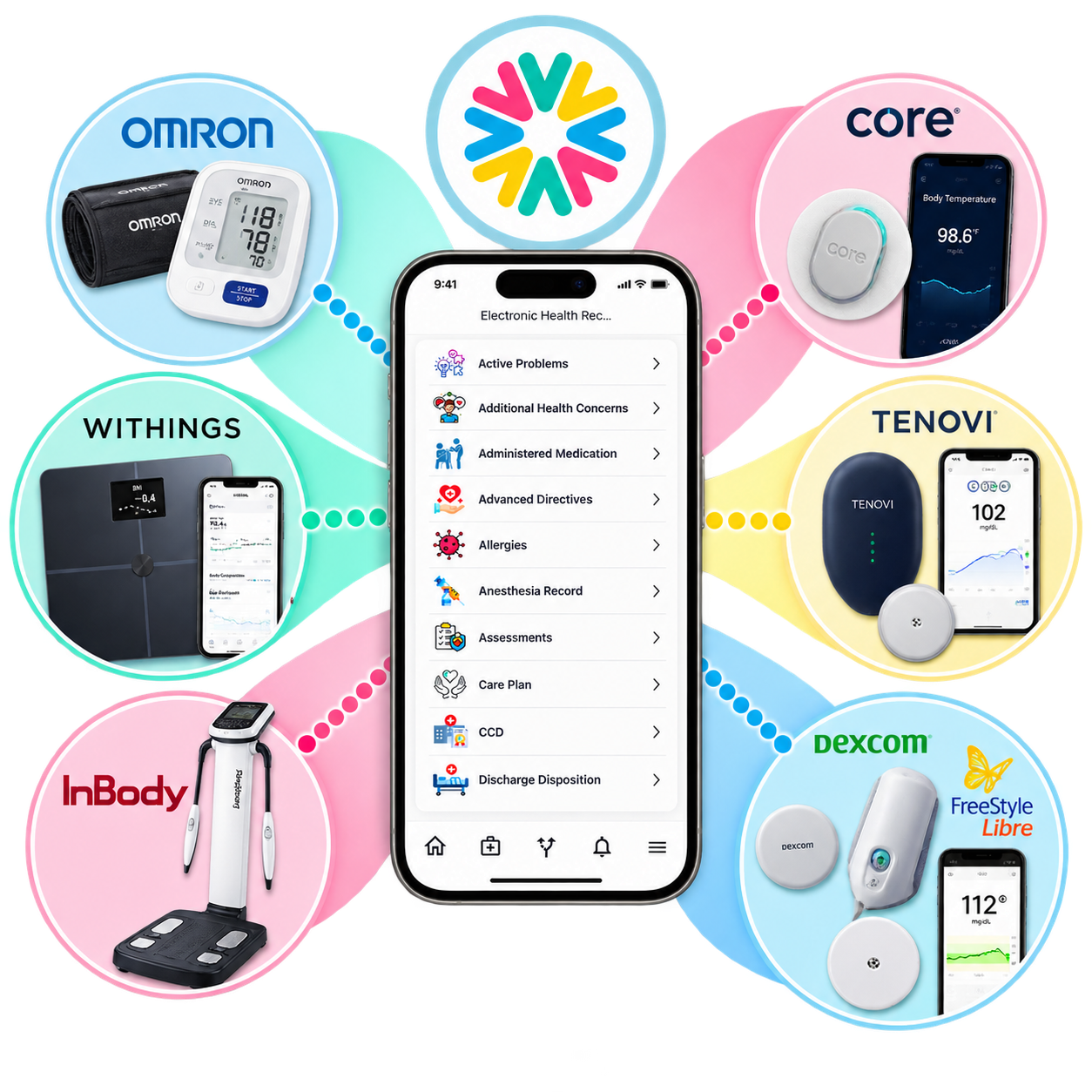
Modern health doesn’t stop at the clinic door. Patients track their vitals, sleep, activity, and even mood from home. Yet most EHRs are stuck in the past, unable to integrate data from wearables or connected devices. That’s like trying to fly a plane with yesterday’s weather report.
7. Patients Are Passive Participants
We talk about “patient-centered care,” but most EHRs leave the patient out of the loop. Can they see their own data? Contribute information? Set goals? Not really. Ambinder’s study made it clear: when patients are involved, outcomes improve but the system needs to support that involvement.
What It Really Means to Be “Future-Ready”
If your practice wants to thrive not just survive in the coming years, your digital foundation has to evolve. Being future-ready doesn’t mean having the latest gadget or a flashy patient portal. It means your systems work for you, with you, and with each other to support continuous, coordinated, and personalized care.
Let’s break that down.
A future-ready electronic healthcare record system must be:
- Interoperable – Data flows across providers, systems, and care settings
- Patient-centric – Patients have access, control, and input over their own health data
- Insight-driven – Structured data fuels better decisions, not just better documentation
- Secure and compliant – Trust is built with transparency, role-based access, and strong encryption
- Connected in real-time – Wearables, remote monitoring, and mobile health apps all contribute to the care picture
That’s a tall order but it’s also becoming the new standard.
Meet Calcium: The Platform Designed to Future Proof Your Practice
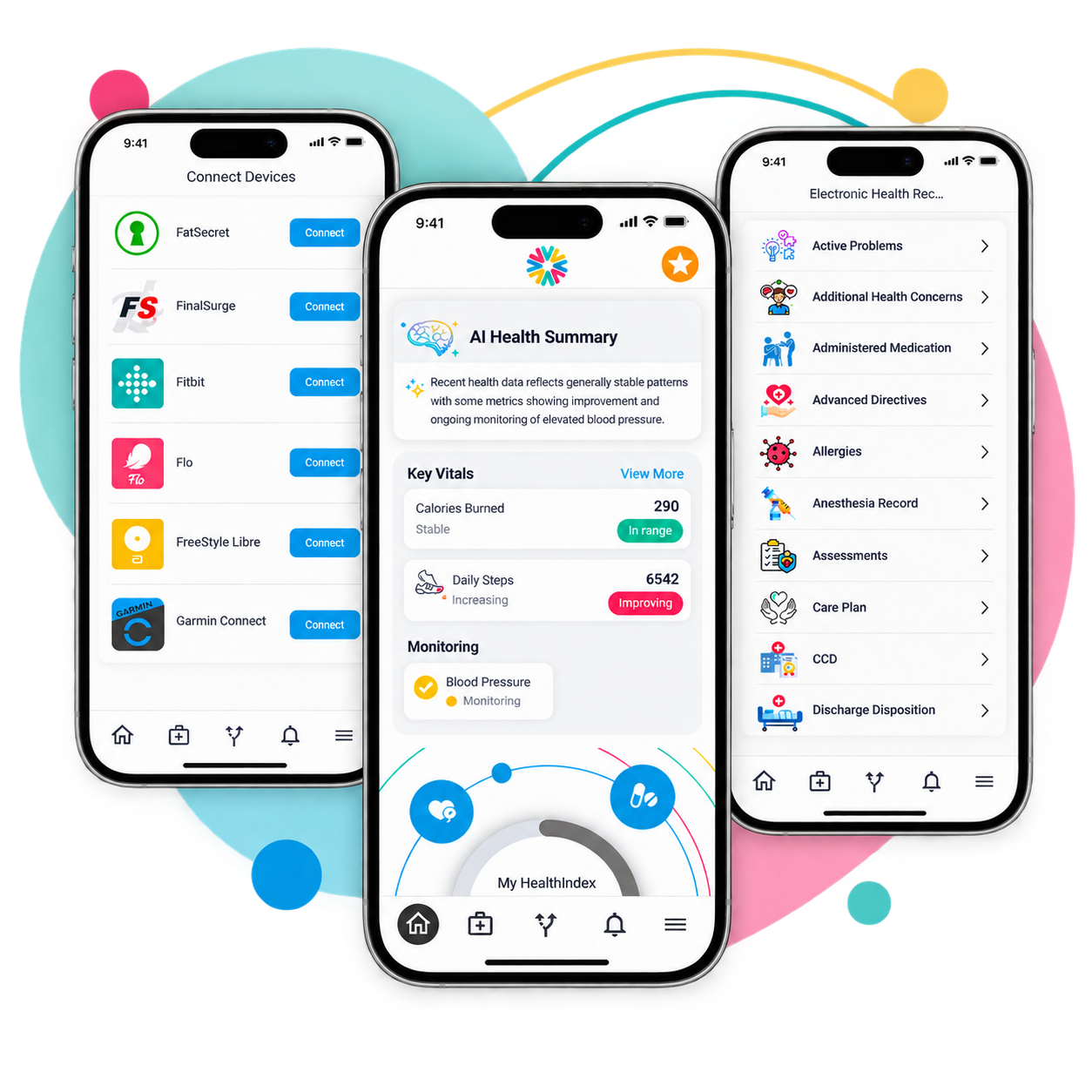
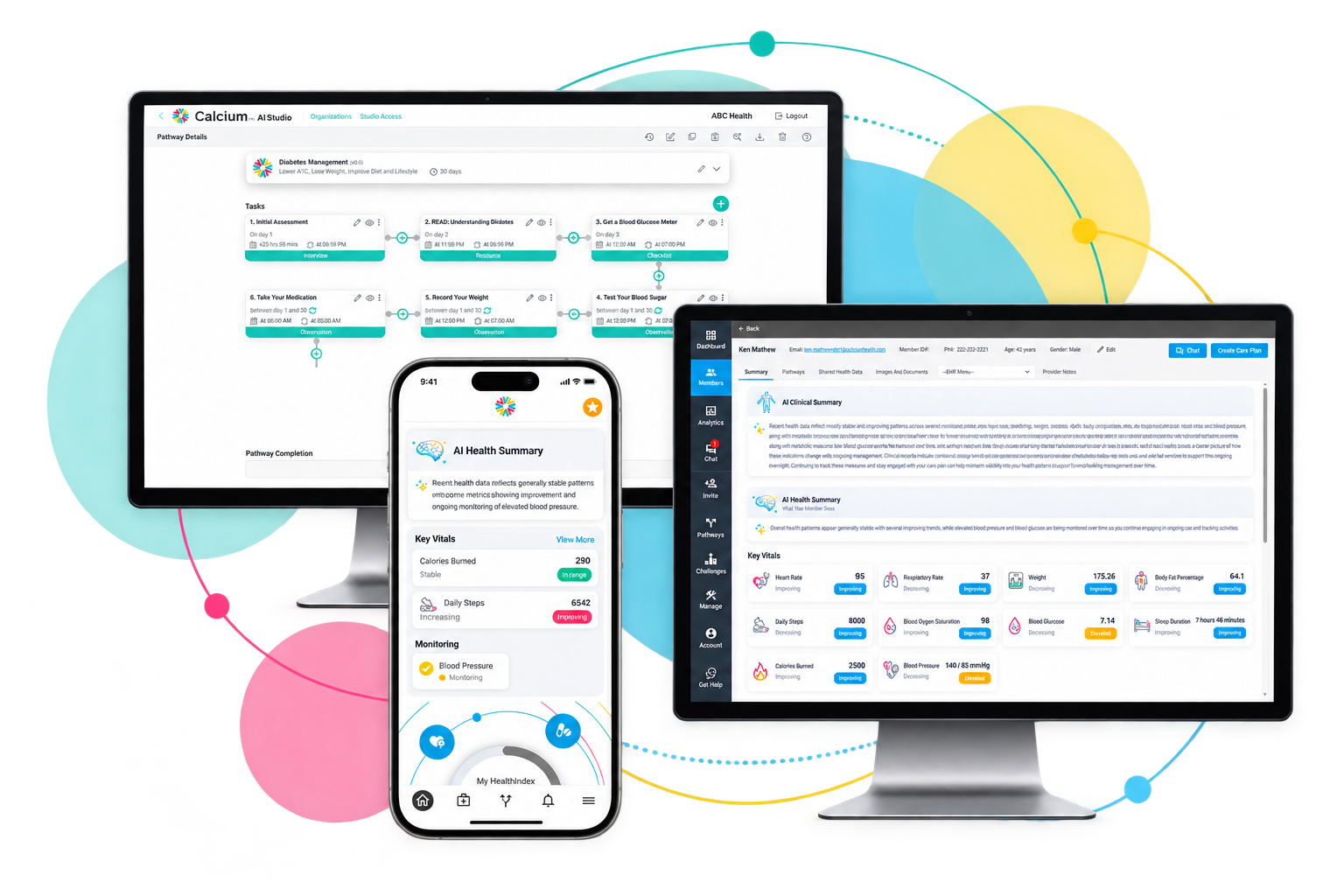
This is where Calcium comes in. Built from the ground up to support modern, team-based, patient-centered care, Calcium isn’t another clunky EHR. It’s a complementary digital health platform that connects the dots where legacy systems fall short.
Let’s look at how it solves each of the challenges we just talked about.
1. True Interoperability
Calcium connects to over 95% of U.S. health systems using national standards like HL7 and FHIR. That means you get labs, imaging, medications, and clinical notes all in one view. Finally, no more chasing charts across silos.
2. Smart, Structured Insights
Calcium turns raw data into structured modules for vitals, meds, conditions, and care pathways. It’s not just a database it’s a decision-ready toolkit. Providers see what matters, when it matters.
3. Patient-Centric Super App
With the Calcium Super App, patients can:
- Track goals and vitals
- Receive nudges to stay on their care plans
- Manage chronic conditions
- Share data securely with caregivers and clinicians
It’s like putting a personal health assistant in your patient’s pocket.
4. Seamless Real-Time Integration
From Apple Health to smart glucose monitors, Calcium syncs with the tools patients already use. Providers can see real-time trends and intervene early whether it’s managing diabetes or tracking recovery after surgery.
5. Security and Trust by Design
Calcium is HIPAA compliant, with audit logs, role-based access, and patient-controlled sharing. Every click, every view, every share is logged and secured building trust between patients and care teams.
Real-World Results: Practices That Are Already Future-Proofing
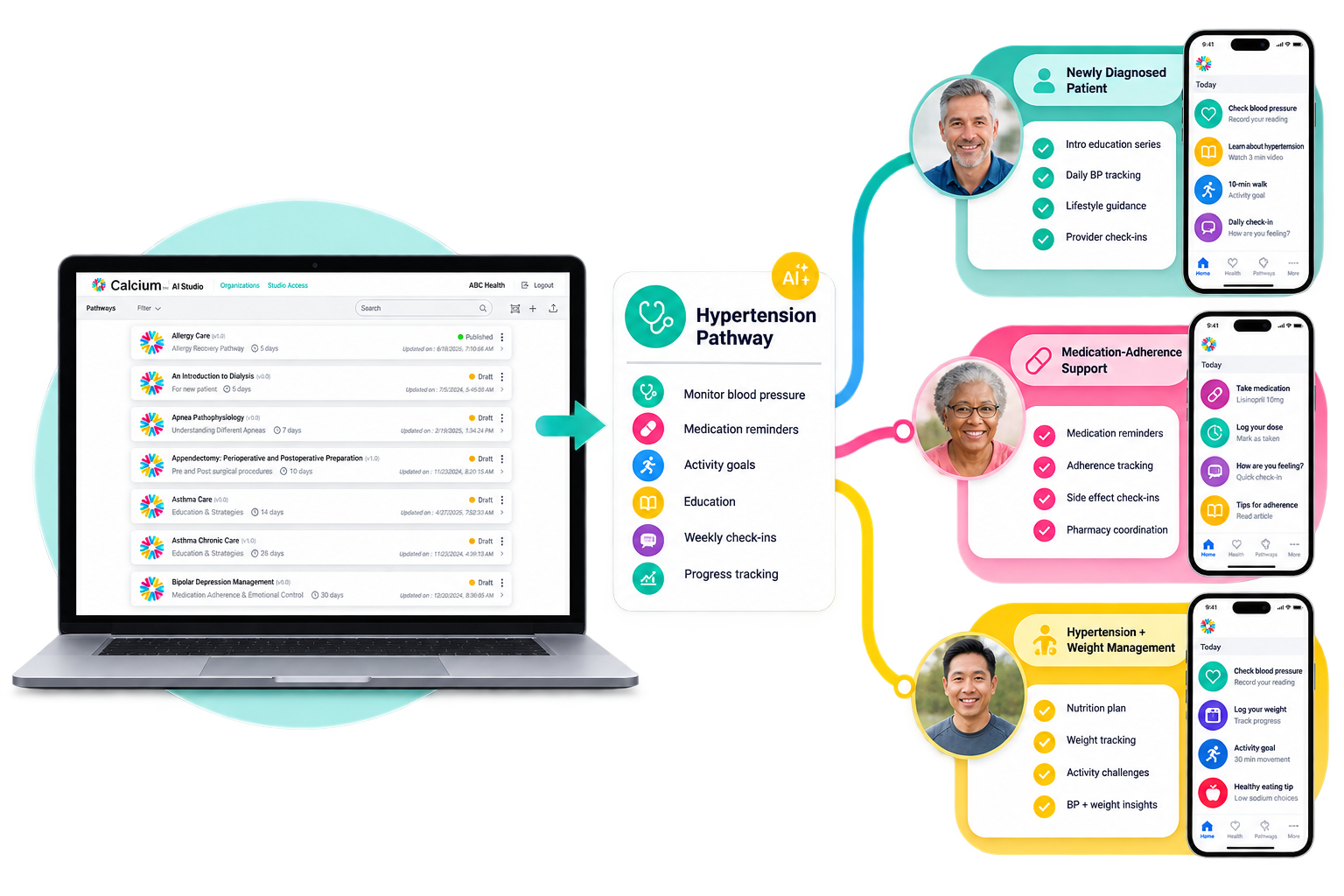
Let’s say you’re part of an ACO. You need to hit your HEDIS and MIPS metrics. Calcium helps close care gaps automatically with smart alerts and personalized pathways.
Maybe you run a behavioral health clinic. Your team needs to document therapy notes, medication adherence, and track emotional trends. Calcium allows real-time integration of patient-reported outcomes making progress easy to measure.
Or you’re a family medicine clinic juggling chronic disease and preventive care. With Calcium, patients get nudges for screenings, track vitals at home, and arrive at appointments already engaged in their own health.
In all these cases, the platform fills in what your EHR lacks without needing to rip and replace what already works.
The future of healthcare isn’t on the horizon it’s already here. And if your electronic healthcare record system isn’t built to evolve with it, your practice risks falling behind. Today’s care models demand more than digital paperwork. They require connected, contextual, and patient-centered platforms that support real-time collaboration and smarter decision-making.
That’s exactly what Calcium delivers.
Whether you're managing chronic conditions, participating in a value-based contract, or simply looking to improve care coordination, Calcium’s digital health platform bridges the gap between old-school EHRs and modern healthcare demands. With unified records, real-time data integration, and tools designed for both providers and patients, Calcium helps future-proof your practice without requiring a full system overhaul.
Reference
- Kalra, D. (2006). Electronic Health Record Standards. In R. Haux & C. Kulikowski (Eds.), IMIA Yearbook of Medical Informatics 2006 (pp. 136–144). IMIA and Schattauer GmbH. Retrieved from https://www.schattauer.de.
- Ambinder, E. P. (2005). Oncology Enters the Information Age. Journal of Oncology Practice, 1(2), 57–63. Retrieved from https://www.jopasco.org.
- Hoerbst, A., & Ammenwerth, E. (2010). Electronic Health Records: A Systematic Review on Quality Requirements. Methods of Information in Medicine, 49(4), 1–9. Schattauer GmbH. Retrieved from https://www.schattauer.de.
- Häyrinen, K., Saranto, K., & Nykänen, P. (2008). Definition, structure, content, use and impacts of electronic health records: A review of the research literature. International Journal of Medical Informatics, 77(5), 291–304. Elsevier Ireland Ltd. Retrieved from https://doi.org/10.1016/j.ijmedinf.2007.09.001.