
Advanced CAH Care Team Solution
Connected Care for Critical Access
Hospitals
Extend your team’s reach. Keep care connected locally.
Calcium helps Critical Access Hospitals guide patients after discharge, through recovery, and between clinic visits. Connect approved care pathways with patient updates and available health information, giving your team a clearer view of who may need follow-up.
How Does Calcium Support Critical Access Hospitals (CAHs)?
Calcium is a digital health platform that helps Critical Access Hospitals connect patient guidance with provider follow-up. Teams can create and assign approved care pathways, review patient responses and available health information, and support participation between encounters. A hospital can begin with a focused discharge, recovery, clinic, or surgical program and evaluate how it fits local needs and staff capacity.
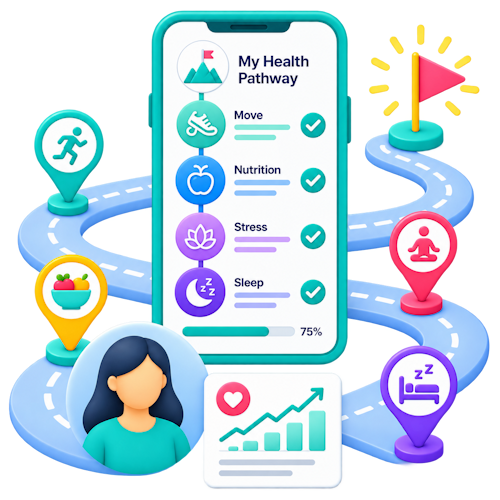
Guided Pathways
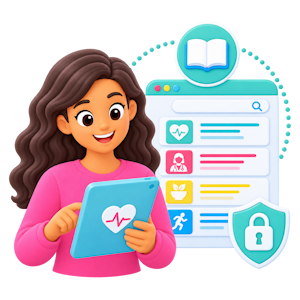
Patient Updates
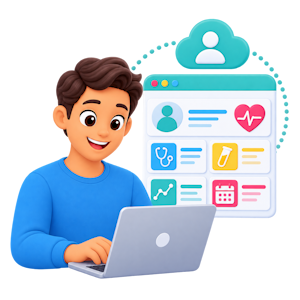
Connected Information

Team Review
The Challenge: A Small Team. A Community That Counts on You.
Your hospital’s responsibility reaches beyond the encounter. Patients still need direction, local clinics need useful context, and staff need a workable way to identify concerns. The challenge is maintaining that connection alongside the care your team is already delivering.

Limited Staff
Follow-Up Competes With Immediate Needs
Patient calls, discharge questions, and ongoing coordination must fit around daily clinical responsibilities. A useful program needs clear ownership and a realistic review process.

Multiple Providers
Care Moves Across Settings
A patient’s journey may involve regional treatment, local recovery, a clinic visit, and home. Each transition creates another opportunity for instructions, info, or tasks to become unclear.
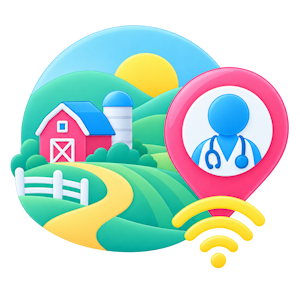
Distance & Barriers
Distance Can Complicate the Next Step
Travel, medication access, and uncertainty about instructions can make following a plan difficult. Teams need a practical way to learn about these barriers and respond appropriately.
Unproven Programs
New Programs Must Earn Their Place
Technology has to fit the hospital’s resources and priorities. Leaders need to understand what changes for patients, what work staff will perform, and how value will be evaluated.
Make Every Follow-Up More Purposeful
Calcium connects recurring patient guidance with information your team can review. Build a program that helps patients participate and gives staff a clearer basis for deciding where personal attention is needed.
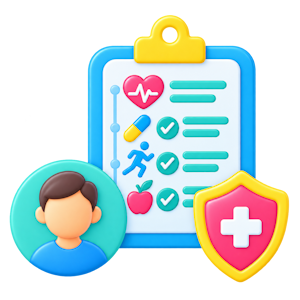
Keep the Care Plan Active
Give patients structured instructions, reminders, and activities after the encounter, helping them understand and complete the next step.
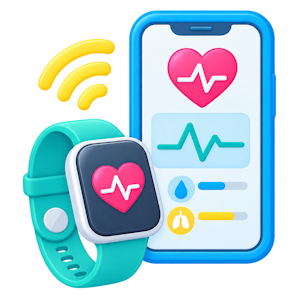
See More of What Happens at Home
Review reported symptoms, progress, medication adherence, complications and health vital measurements between appointments.
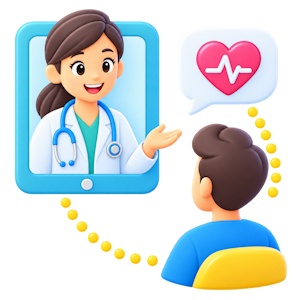
Focus Personal Outreach
Give patients structured instructions, reminders, and activities after the encounter, helping them understand and complete the next step.
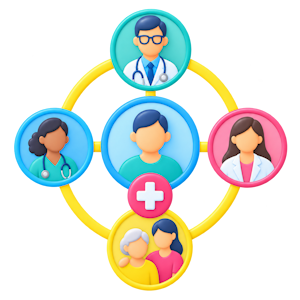
Support More Consistent Transitions
Continue guidance as patients leave the hospital or return to local care under an agreed workflow.
Reuse Approved Guidance
Adapt your most effective pathways across suitable populations while preserving clinical review and organizational standards.
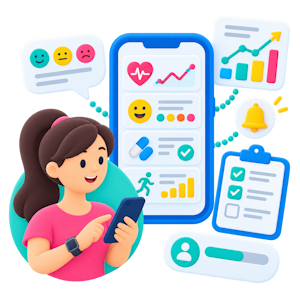
Learn From Participation
Use available engagement and health information, together with your operational measures, to refine the program.
Start With the Care Program Your CAH Needs Most
Every Critical Access Hospital has a different starting point. Choose a population your team knows, a gap you can clearly describe, and a clinical owner who can guide the work. Calcium gives you a flexible foundation for organizing that priority into a patient experience, then learning from participation, staff effort, and results before deciding where to expand.
Post-Discharge and Post-ED Follow-Up
Help patients leave with a clear next step and stay connected after returning home. Calcium can reinforce approved instructions through reminders and short check-ins, giving your team visibility into reported concerns and practical barriers. Start with a defined discharge population and an agreed review process so outreach has a clear owner.
Swing-Bed-to-Home Recovery
Extend support as patients move from local post-acute recovery back to daily life. Calcium can continue approved guidance and invite updates about recovery tasks, questions, and barriers at home. Give the responsible team a structured way to review participation and organize appropriate follow-up after the swing-bed stay ends.

Chronic Care Through Affiliated Clinics
Help patients stay engaged with their care plans between clinic visits. Calcium supports condition-focused pathways with education, reminders, patient reports, and appropriate connected measurements. Begin with a manageable population and a team able to act on incoming information, then refine the program around patients’ needs and the clinic’s daily work.
Surgical Readiness and Recovery
Support patients before the procedure and after they return home. Calcium helps deliver approved preparation tasks, reminders, readiness questions, and postoperative check-ins. Your team can review incomplete steps and reported concerns, creating opportunities to address preparation barriers and maintain contact throughout recovery.
Predictive Prevention for Rural Hospitals
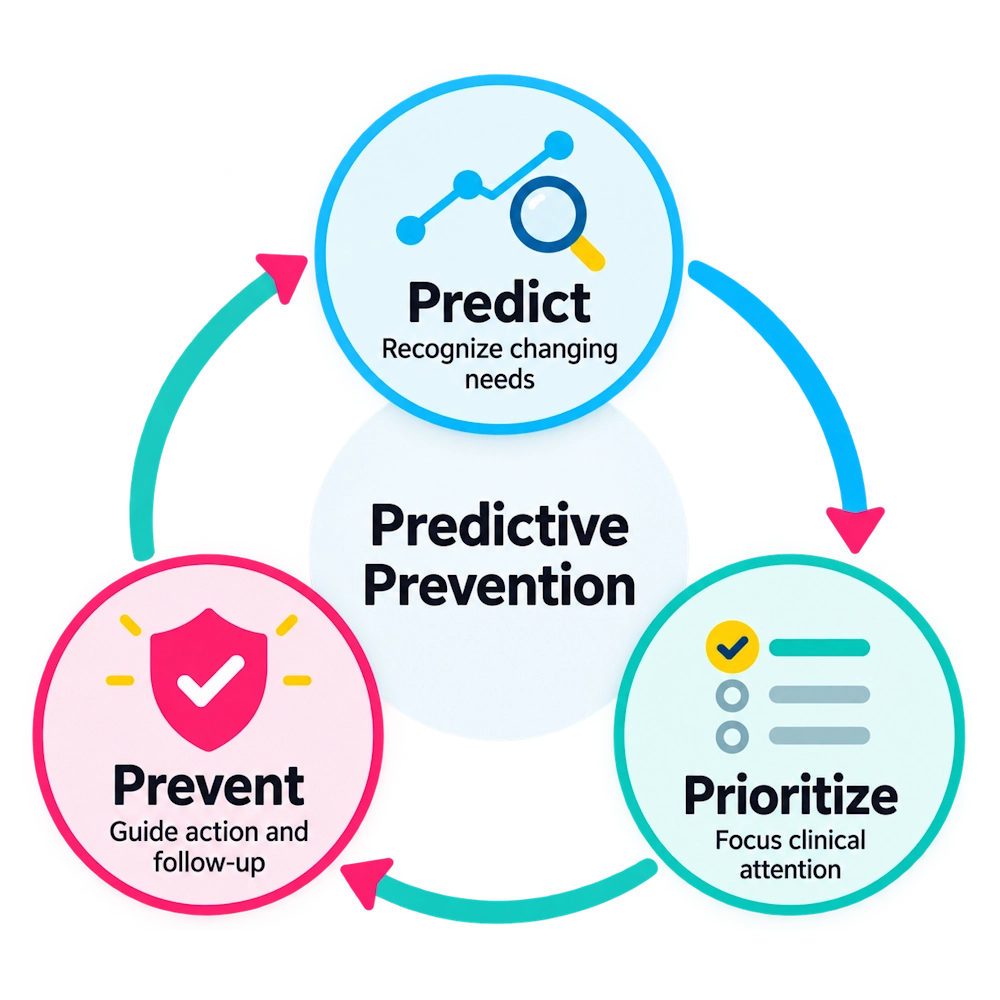
Calcium’s Predictive Prevention platform helps rural healthcare teams turn patient information into timely support, connecting care plans with what happens between visits.
-
Predict: Review available health data, symptoms, and patient updates to recognize emerging concerns earlier.
-
Prioritize: Organize follow-up around changing needs, actionable concerns, and clinical urgency, helping limited staff focus their attention.
-
Prevent: Deliver guided pathways, reminders, and appropriate outreach, then monitor progress to support follow-through and address problems before they become harder to manage across your rural community.
Together, these three stages help rural care teams close the gap between identifying a concern and addressing it. By connecting patient participation with accountable follow-up, Calcium supports a more proactive approach to care—helping teams extend their reach and keep patients connected to local support.
An Interactive, Automated Patient Journey
See Connected Follow-Up in Action
A patient’s experience at home can reveal needs that were not apparent during the encounter. This illustrative scenario shows how a CAH could use Calcium within a defined follow-up program, connecting patient participation with staff review and an appropriate response.

Enroll
Start with a clear plan.
Before discharge, the team enrolls the patient in an approved pathway and explains how follow-up will work.

Guide
Guide the next step.
At home, the patient receives instructions and brief check-ins that reinforce the plan and invite questions about progress.

Identify Barriers
Bring barriers into view.
The patient reports difficulty obtaining a medication, giving the team a specific concern to review.

Team Outreach
Connect the patient with help.
The designated staff member reviews the report and follows the organization’s outreach protocol to clarify and address the barrier.

Monitor Progress
Check what happened next.
Subsequent follow-up asks whether the patient obtained the medication and whether additional help is needed.
State of Technology and AI in CAH
What Are Rural Hospital Leaders Prioritizing Next?
Explore the pressures, care gaps and technology priorities shaping decisions at rural and critical access hospitals.
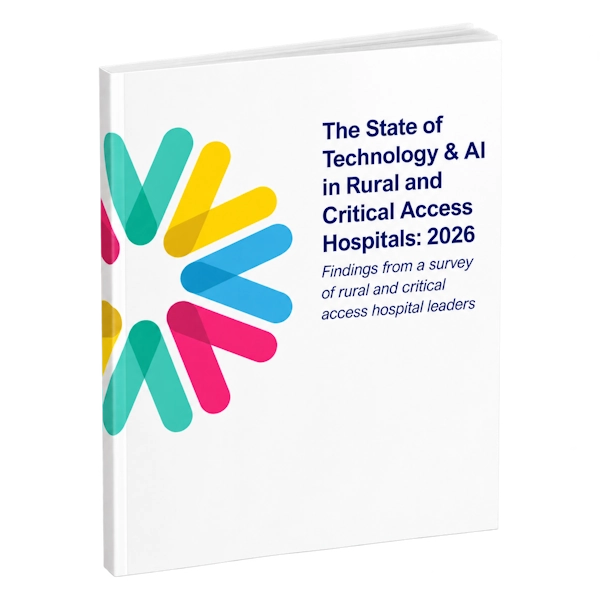
Your hospital’s next technology investment needs to address real operational challenges. Calcium surveyed 38 rural and critical access hospital leaders to understand where they see the greatest needs—and what they expect from digital health and AI. Among survey respondents:
- 81.6% identified staffing shortages as a leading organizational challenge.
- 55.3% identified care after discharge as a major perceived care gap.
- 50.0% described their organizations as open but cautious about AI.
Use the report to inform leadership discussions, sharpen evaluation criteria and identify questions to ask before your next technology investment.
Extend Your Reach. Keep Care Connected.
Three Connected Tools. One Foundation for Stronger Rural Care.
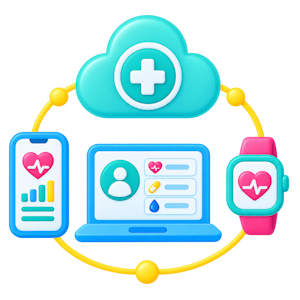
Rural healthcare works best when patients and providers can stay connected beyond the encounter. Calcium brings your team’s view of patient progress, pathway development, and everyday patient participation together in one platform. Give staff a practical foundation for coordinating care across settings while helping patients follow their plans at home. Start with the program your community needs, then build on that foundation as your priorities and care delivery needs evolve.
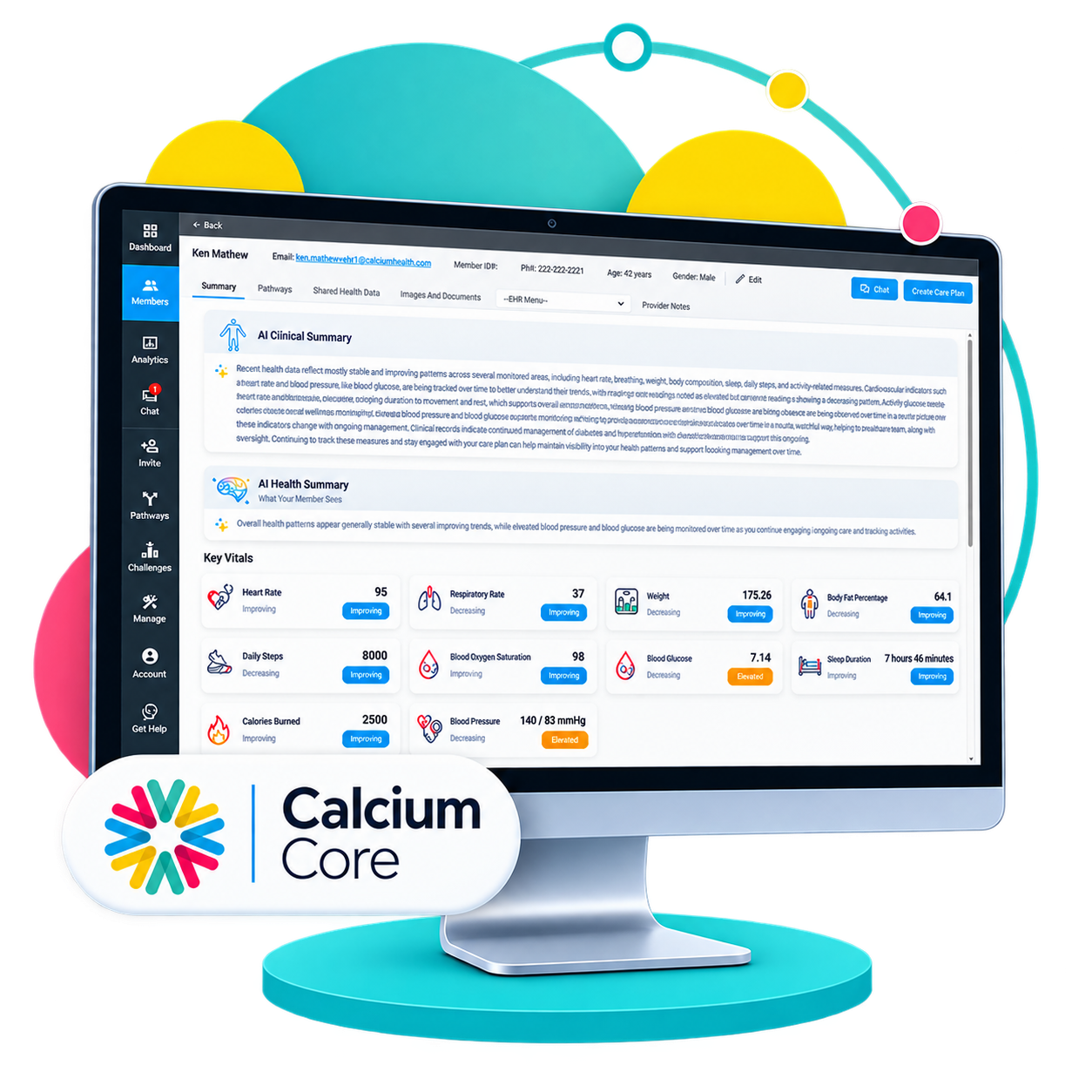
Calcium Core
See Progress. Organize Follow-Up.
Give your Critical Access Hospital staff a central view of available health information, patient reports, and pathway participation. Core helps teams review connected patients and identify information that may warrant closer attention. For a CAH and its affiliated clinics, that visibility supports a more informed approach to outreach between encounters.
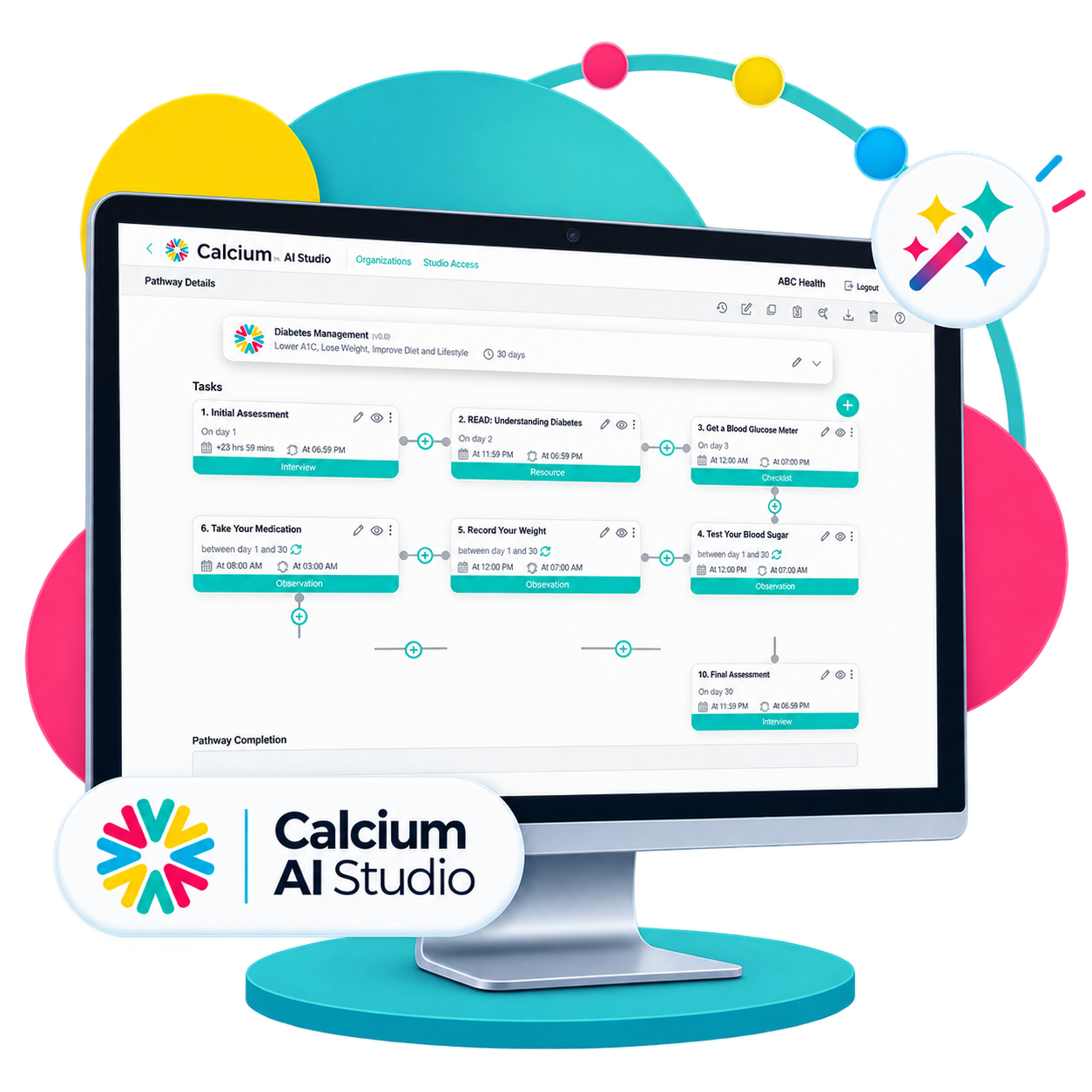
Calcium AI Studio
Turn Expertise Into Patient Guidance.
Create and customize digital pathways around your organization’s care priorities. AI Studio supports drafting and adaptation, while clinicians review the instructions, questions, timing, and logic before use. Build guidance around the population you serve and refine it as your team learns from the program.
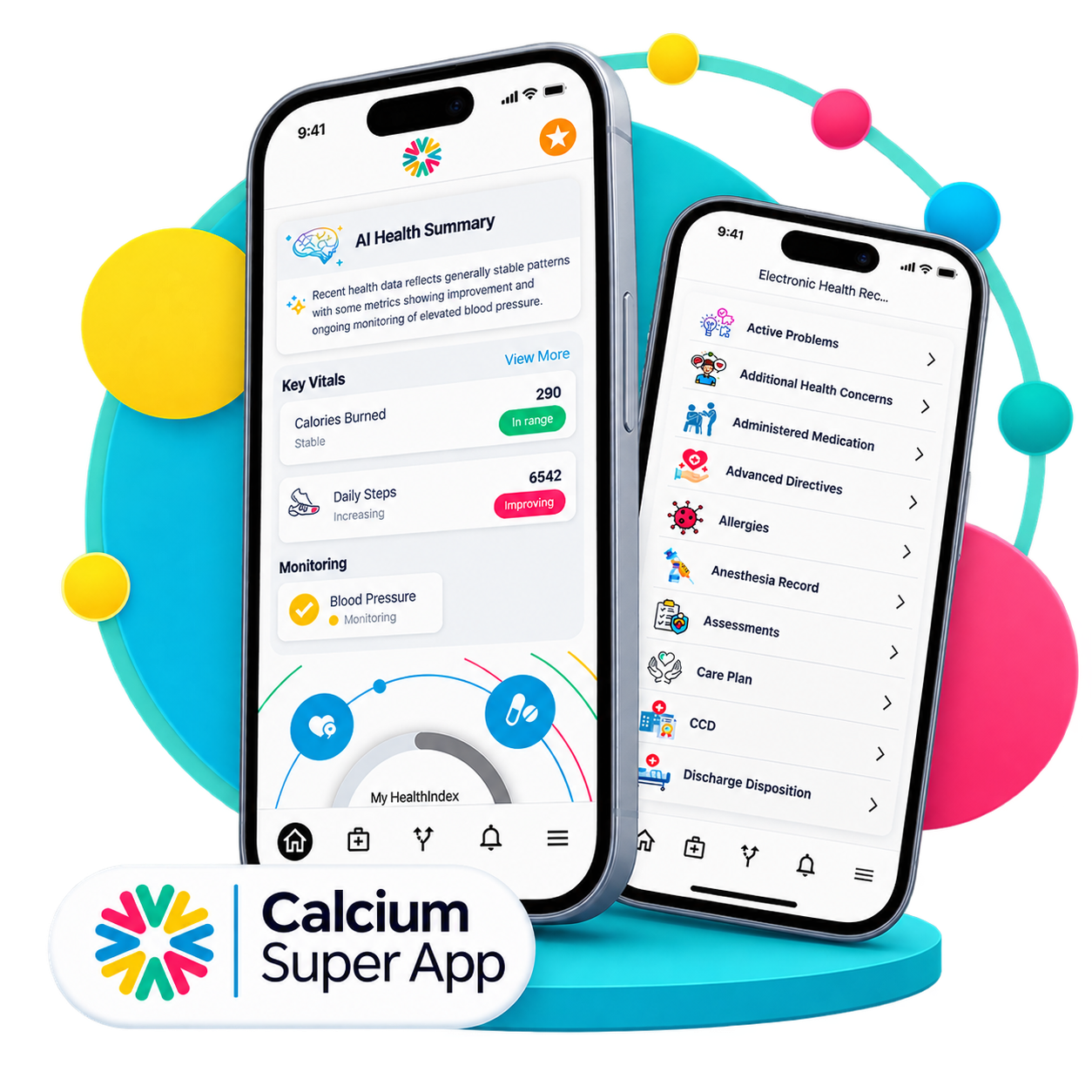
Calcium Super App
Keep Patients Involved & Engaged at Home.
Give patients a place to follow assigned pathways, track health information, and share updates between visits. The Super App supports ongoing participation and communication with connected providers, helping the care plan remain part of everyday life after the patient leaves the hospital or clinic.
FAQ
1. What does Calcium help Critical Access Hospitals do?
Calcium helps CAHs deliver guided care pathways, review patient updates and available health information, and support follow-up between encounters. Teams can start with a focused program for discharge, recovery, chronic care, or surgery and evaluate its fit with local workflows.
2. How can Calcium support hospital and ED discharge follow-up?
An approved pathway can reinforce instructions, deliver reminders, and ask about symptoms or practical barriers after discharge. The responsible CAH team reviews incoming information and follows its outreach protocol, helping maintain a connection after patients return home.
3. Can Calcium support patients after a swing-bed stay?
Yes. A pathway can continue approved recovery guidance and invite patient updates after a swing-bed discharge. Your team defines the population, content, review process, and follow-up responsibilities. This supports continuity at home without replacing the clinical services delivered during the stay.
4. Can our affiliated Rural Health Clinics use Calcium?
Calcium can support clinic-based programs alongside hospital initiatives. Define which patients participate, who reviews their information, and how responsibilities move between teams. A focused clinic program can provide ongoing support for patients who need guidance between routine appointments.
5. Can we use Calcium for chronic care and remote monitoring?
Calcium combines pathways, patient-reported information, and data from supported devices and apps. This can support a clinically managed chronic-care or monitoring program. Confirm device compatibility, review responsibilities, and any service requirements before defining the program’s scope.
6. What does Predictive Prevention mean in this setting?
Predictive Prevention connects recognition of emerging concerns, prioritization of follow-up, and appropriate action. For a CAH, the practical focus is using available information to guide review and follow-through. Claims about a specific predictive model require evidence for that model and its intended use.
7. Does Calcium replace our EHR?
Calcium complements the EHR by supporting patient participation and information review between encounters. During evaluation, confirm available connections, data scope, and documentation responsibilities so staff understand how the platform will fit alongside established clinical systems.
8. Who reviews patient reports and responds to concerns?
Your organization designates the responsible staff, review hours, escalation procedures, and coverage arrangements. Calcium supports information collection and visibility; clinical decisions and patient responses remain with the care team. These responsibilities should be clear to staff and patients before enrollment.
9. What if patients have limited connectivity or need help?
Assess access and confidence during enrollment, explain the first task, and offer assistance where appropriate. Establish telephone or in-person alternatives for patients who cannot participate digitally. Include missed responses in the follow-up plan rather than assuming nonresponse means there is no concern.
10. Will this reduce our staff’s workload?
Calcium can automate recurring guidance and check-ins, but the program also requires enrollment, review, and outreach. Evaluate total staff effort against your current process. That shows whether the program creates usable capacity, redistributes work, or needs adjustment.
11. Can clinicians review AI-generated pathways before use?
Yes. AI Studio supports pathway drafting and customization, with professional review before publication and assignment. Your clinical team can evaluate the content, timing, questions, and logic to align the pathway with the intended population and organizational standards.
12. How does Calcium address information sharing and security?
Calcium includes patient sharing controls and secure communication capabilities. Your organization should review the relevant permissions, security documentation, agreements, and requirements during evaluation. Confirm which information will be available to each participant before launching the program.
13. Can Calcium help us generate care-management revenue?
Calcium may support activities within an eligible care-management program, but reimbursement depends on the billing entity, services delivered, patient eligibility, and applicable requirements. Evaluate the actual service model and collections after program costs; purchasing software does not establish billing eligibility.
14. How long does implementation take, and what does it cost?
Timing and pricing should be confirmed after reviewing the population, pathway, staffing, training, and data requirements. A scoped demonstration can clarify the appropriate starting program and support a written proposal with defined responsibilities and costs.
15. Is Calcium suitable for Critical Access Hospitals as well as other rural providers?
Calcium can support Critical Access Hospitals, other rural hospitals, and affiliated clinics through programs adapted to their populations and available resources. A CAH might begin with discharge follow-up, chronic condition support, or continuity after a patient returns from regional care. The key is a manageable workflow with clear ownership and measurable goals. Program design and financial evaluation should reflect the hospital’s specific operating environment, rather than assuming every rural organization has the same needs or payment structure.