How to Avoid Pitfalls in VBC Adoption and Unlock Real Results with Smarter Tools & Patient-First Strategies
Value-based care is supposed to be the game-changer, a bold shift from treating symptoms to actually improving lives. But here’s the uncomfortable truth: many value-based care initiatives fall flat. Not because the concept is flawed, but because the execution is.
Healthcare leaders are under pressure to reduce costs, improve outcomes, and boost patient satisfaction, all at once. It’s a high-stakes balancing act, and too often, the tools and systems just don’t deliver. If your organization has jumped into value-based care and isn’t seeing results, you’re not alone.
So, what’s going wrong? And more importantly, what can be done differently? This post dives into the most common (and avoidable) reasons value-based care programs fail — and reveals how digital health platforms like Calcium can help turn things around. Whether you're a provider, executive, or care coordinator, these are the blind spots you can't afford to miss.
1. Drowning in Data, Starving for Insights
In today’s value-based care (VBC) environment, healthcare providers are collecting more patient data than ever before. But here’s the catch having access to a mountain of data doesn’t mean you know what to do with it.
Electronic health records, wearable devices, remote monitors, they all feed valuable data into the system. But too often, that data sits there, siloed and unorganized. Providers are forced to dig through multiple systems just to get a basic snapshot of a patient’s health.
What’s missing? Actionable insights.
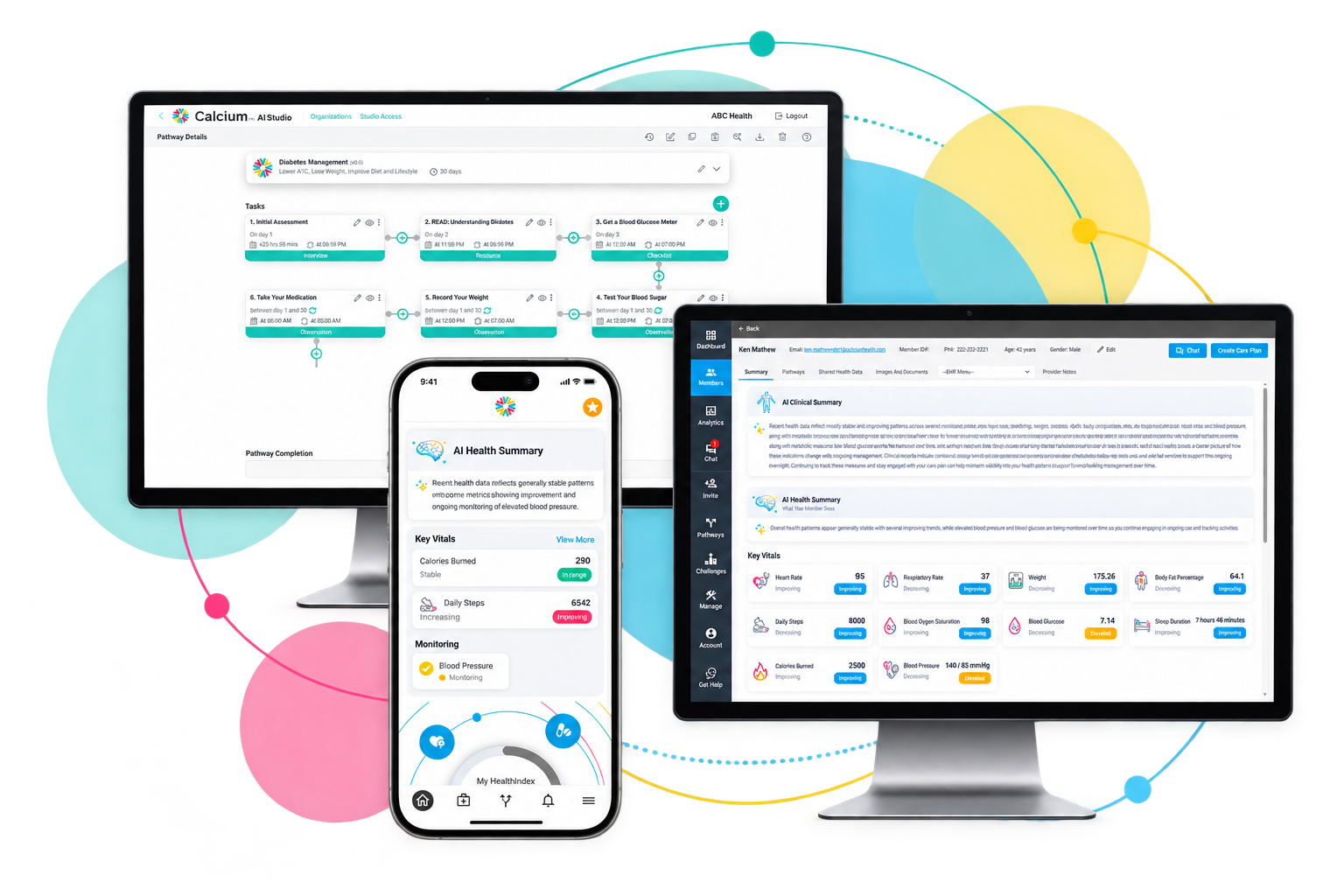
Without the right tools, providers can’t prioritize patients who need help now. That’s where digital platforms like Calcium make a difference. Calcium Core brings together EHRs, medical device data, pathway engagement, and real-time vitals into one intelligent dashboard. Instead of chasing down numbers, care teams can finally focus on delivering care where it matters most.
2. Patients Aren’t Engaged in Their Own Care
Let’s be honest — most value-based care programs still assume that patients will magically comply with care plans just because they were handed a piece of paper or got a phone call.
But patients aren’t just passive recipients of care. They’re people juggling jobs, kids, stress, and chronic conditions. If your program doesn’t meet them where they are, it’s bound to fail.
So why do patients disengage?
- They forget their medications
- They don’t understand their diagnoses
- They get overwhelmed by instructions
- They feel unsupported between visits
Solution? Make care feel personal and ever-present.
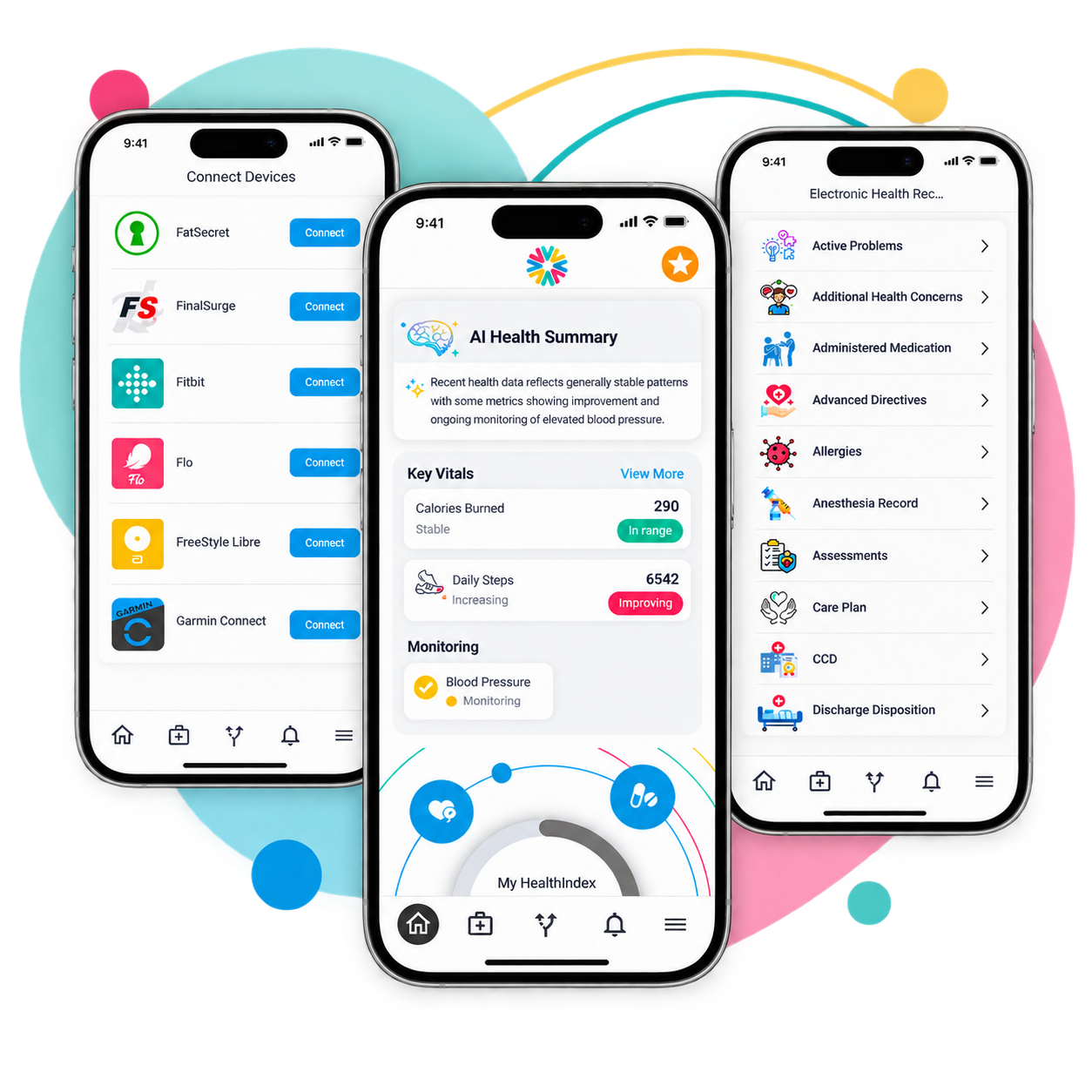
The Calcium Super App does exactly that. It guides patients 24/7 through interactive care pathways. Think of it like having a coach in your pocket reminding you to take your meds, check your blood pressure, or log your symptoms. And because it syncs with wearables and health apps, patients don’t have to think twice, it just works in the background.
The result? More accountability, better compliance, and healthier outcomes.
3. Care Teams Working in Silos
Another major reason value-based care flops? Fragmentation.
Primary care doctors, specialists, mental health providers, therapists, all working in their own lanes, often without talking to each other. You wouldn’t expect a basketball team to win if no one passed the ball. So why do we expect it in healthcare?
The answer? Improving collaboration.
In a VBC model, collaboration isn’t optional, it’s essential. But collaboration requires a shared source of truth.
That’s where Calcium’s data-sharing tools come in. Providers, caregivers, and even family members can securely access a patient’s real-time health data through the platform. It’s like Google Docs for healthcare everyone’s on the same page, literally.
By breaking down silos, you reduce duplicated tests, catch issues earlier, and improve the patient experience.
4. Behavioral Health and Social Factors Get Ignored
If value-based care is supposed to treat the “whole person,” then we need to do a better job at actually seeing the whole person.
Far too many programs focus only on physical symptoms blood sugar, blood pressure, cholesterol while ignoring what’s happening between the ears and behind closed doors.
The truth? Mental health, addiction, social isolation, and financial stress can all sabotage medical outcomes.
And according to research from “Redefining Health: Implications for Value-Based Healthcare Reform,” failing to address these broader health dimensions leads to higher costs and worse outcomes in the long run.
So what’s the fix? Whole-person digital guidance.
Calcium’s mental health and behavioral pathways offer structured support for depression, anxiety, addiction, and lifestyle change. Patients get daily check-ins, motivational nudges, and journal prompts. It’s like behavioral health on autopilot always present, never intrusive.
And when patients are ready to share, that info flows directly to their care team for smarter decisions.
5. Missing the Mark on Remote Patient Monitoring
Let’s talk about remote patient monitoring (RPM). In theory, it’s the perfect fit for value-based care. It keeps tabs on patients between visits, catches warning signs early, and empowers patients to take control.
So why does RPM often fall short?
- Devices don’t sync with EHRs
- Staff don’t have time to review daily reports
- Alerts are either too frequent or not configured
- Patients get overwhelmed and quit
The fix isn’t more devices, it’s better infrastructure.
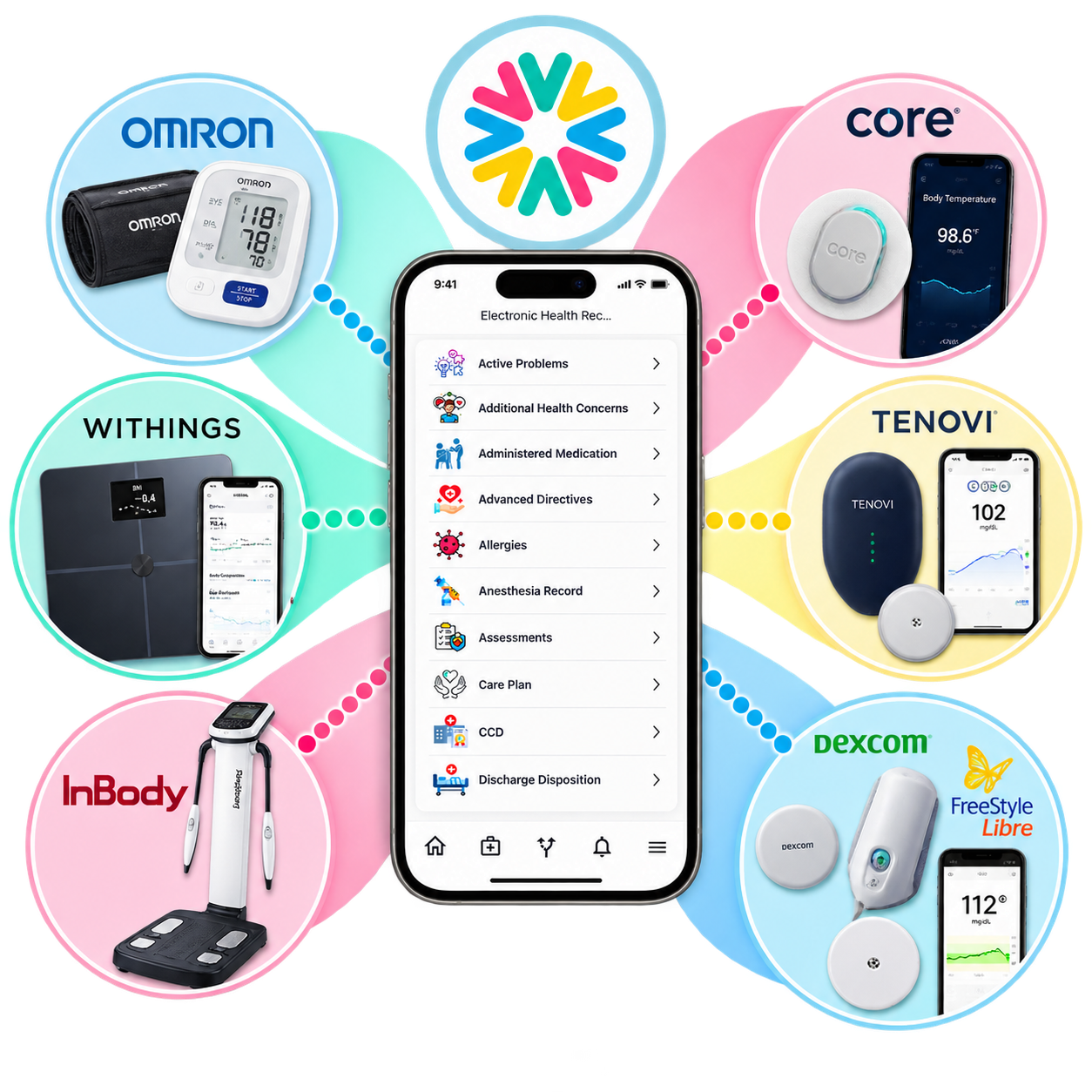
Calcium nails RPM by integrating devices, wearables, and app data into a unified, provider-facing dashboard. But more importantly, it filters out the noise and highlights the data that matters.
Blood pressure trending dangerously? Glucose levels spiking? You’ll know today, not next week.
Plus, Calcium automates follow-up messages and flags patient risks without burying your staff in extra work. So your team stays focused on care, not paperwork.
6. One-Size-Fits-All Pathways Don’t Work
People are not protocols. Yet, many VBC models push out generic care plans and expect everyone to fall in line.
That’s a recipe for frustration and failure especially when patients have complex needs, multiple chronic conditions, or unique life circumstances.
Enter: Personalization at scale.
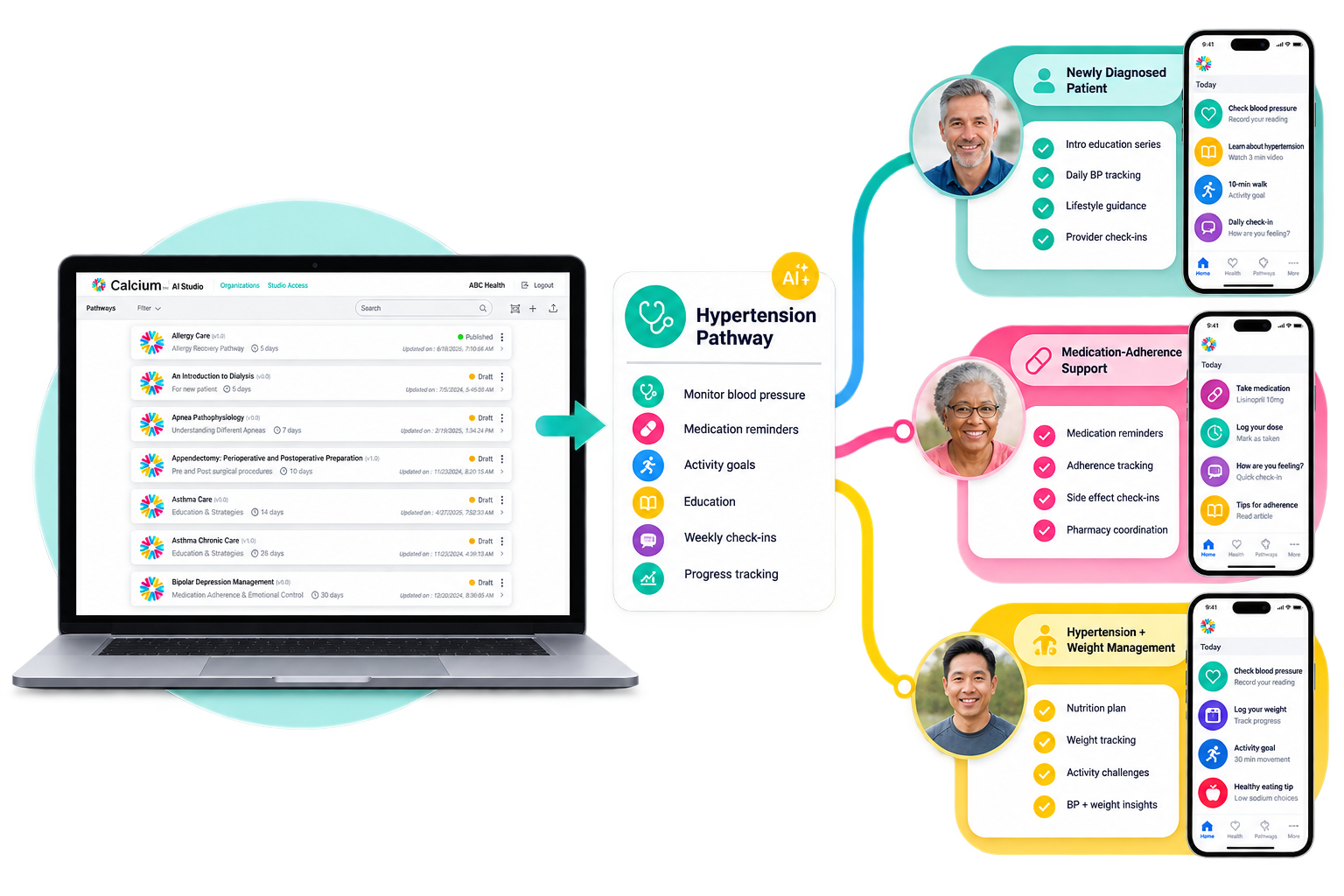
With Calcium AI Studio, providers can build or modify digital pathways that adjust to individual patient needs. Want to create a pathway for pre-diabetes in Spanish? Or build a wellness challenge for postpartum moms? It takes minutes, not months.
And once assigned, pathways adapt based on patient input, progress, and health data. That means your care plans don’t just talk at patients they grow with them.
7. Provider Burnout: The Elephant in the Exam Room
You can’t deliver high-quality value-based care if your team is exhausted.
Unfortunately, many VBC programs come with an avalanche of new requirements quality metrics, patient tracking, check-ins, documentation. It’s no wonder burnout is at an all-time high.
According to “Value-Based Health Care: Challenges in Moving Forward,” provider resistance is one of the top reasons VBC implementation stalls.
The good news? Technology doesn’t have to be a burden. It can actually lighten the load.
Calcium’s dashboards prioritize patients who need help right now, automate reminders, and streamline documentation. Providers can send secure messages, assign tasks, and check progress, all in one place.
It’s not about working harder. It’s about working smarter, with the right tools that support, not strain, your staff.
The Wrap
Each of these challenges whether it’s disorganized data, poor patient engagement, or overworked care teams, stems from one central truth: you can’t deliver 21st-century care using 20th-century systems.
Value-based care needs digital infrastructure that’s intelligent, flexible, and patient-centered.
And that’s exactly what platforms like Calcium are built to provide.
Value-based care is a necessary evolution in how we deliver, measure, and improve health. But as we’ve seen, success depends on more than good intentions. It requires the right technology, the right strategy, and a commitment to patient-centered, data-driven care.
That’s where platforms like Calcium step in. By empowering providers with real-time insights and giving patients personalized, 24/7 digital support, Calcium makes value-based care not only achievable but scalable. If your organization is serious about improving outcomes, reducing burnout, and making value-based care actually work, now is the time to explore what the Calcium digital health platform can do for you.
Reference
- Lewis, C., Horstman, C., Blumenthal, D., & Abrams, M. (2023). Value-Based Care: What It Is, and Why It’s Needed. Commonwealth Fund. https://www.commonwealthfund.org/publications/explainer/2023/feb/value-based-care-what-it-is-why-its-needed
- Ebbevi, D. (2017). Value-Based Health Care: Challenges in Moving Forward. Thesis for Doctoral Degree. Karolinska Institutet. https://openarchive.ki.se/articles/thesis/Value-based_health_care_challenges_in_moving_forward/26895625?file=48936718
- Figueroa, J. F., Tsugawa, Y., Zheng, J., Orav, E. J., & Jha, A. K. (2016). Association between the Value-Based Purchasing pay for performance program and patient mortality in US hospitals: observational study. BMJ, i2214. https://doi.org/10.1136/bmj.i2214
- Anderson, G., & Meiselbach, M. K. (2023). Why Are Some Value-Based Programs Successful? JAMA Network Open, 6(3), e234412. https://doi.org/10.1001/jamanetworkopen.2023.4412