-
How Smart Tools and Real-Time Insights Are Powering the Next Generation of Patient Care
Healthcare is sitting on a mountain of data but are we using it to its full potential? Despite the explosion of health tech over the past two decades, most provider organizations still face outdated systems, data silos, and disjointed workflows that limit their ability to deliver proactive, personalized care. Meanwhile, patients expect more: real-time answers, connected experiences, and transparency.
The good news? A wave of next-generation healthcare data technologies is rewriting the playbook. These innovations don’t just make data accessible they make it intelligent, actionable, and deeply human-centric. For providers striving to succeed in a value-based care world, these tools aren't optional they're essential.
Let’s take a look at five powerful data technologies that are transforming how providers engage with patients, reduce risk, and improve outcomes in the real world.
1. Unified Health Data Aggregation
If you’ve worked in healthcare for more than a week, you know this truth: data is everywhere but it’s rarely in one place.
Patients bounce between specialists, hospitals, labs, pharmacies, and digital tools. Each visit creates a new record, but most systems don’t talk to each other. This fragmented ecosystem leaves providers guessing and patients frustrated. As one study put it, legacy EHRs often lack context and connectivity, turning dynamic care histories into disconnected silos.
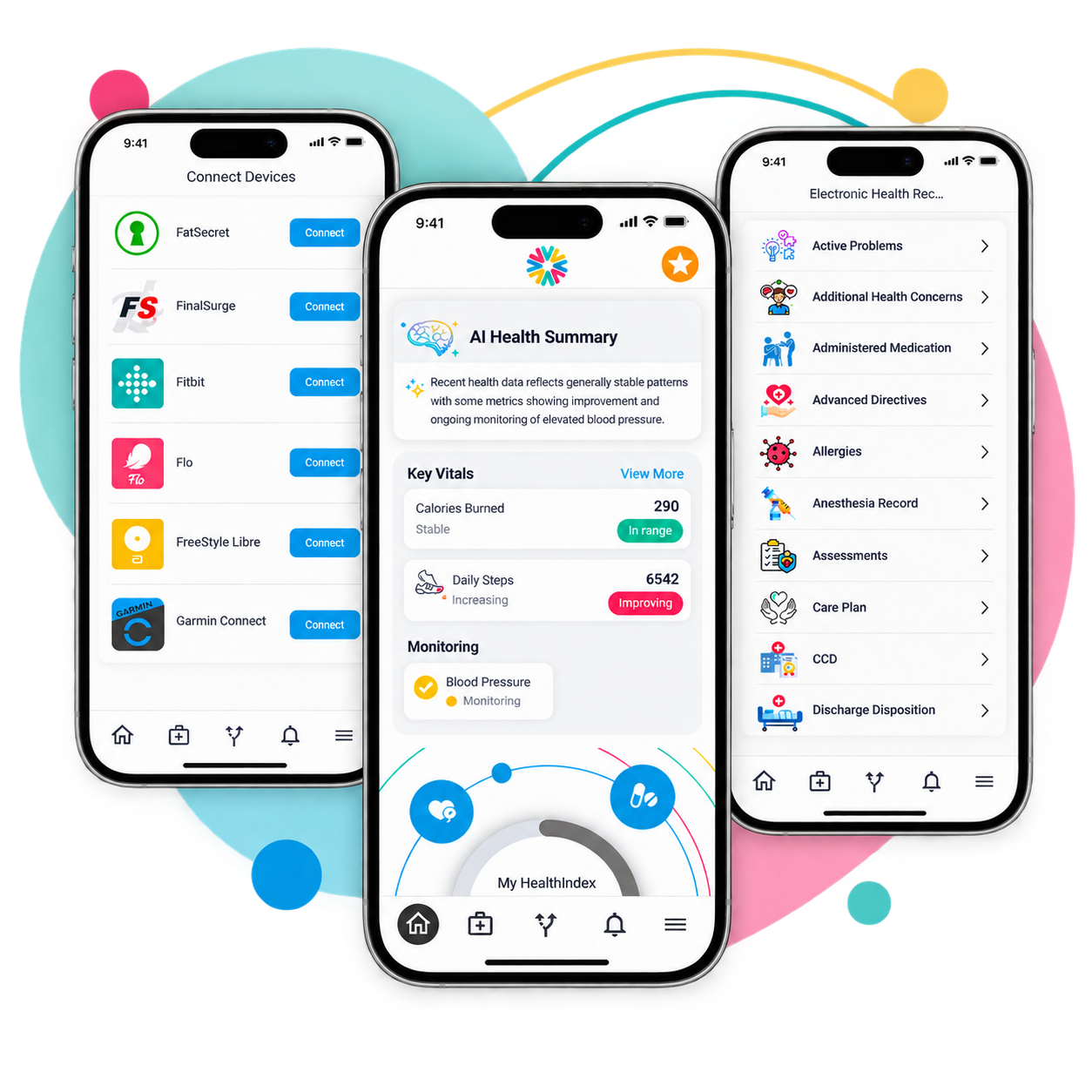
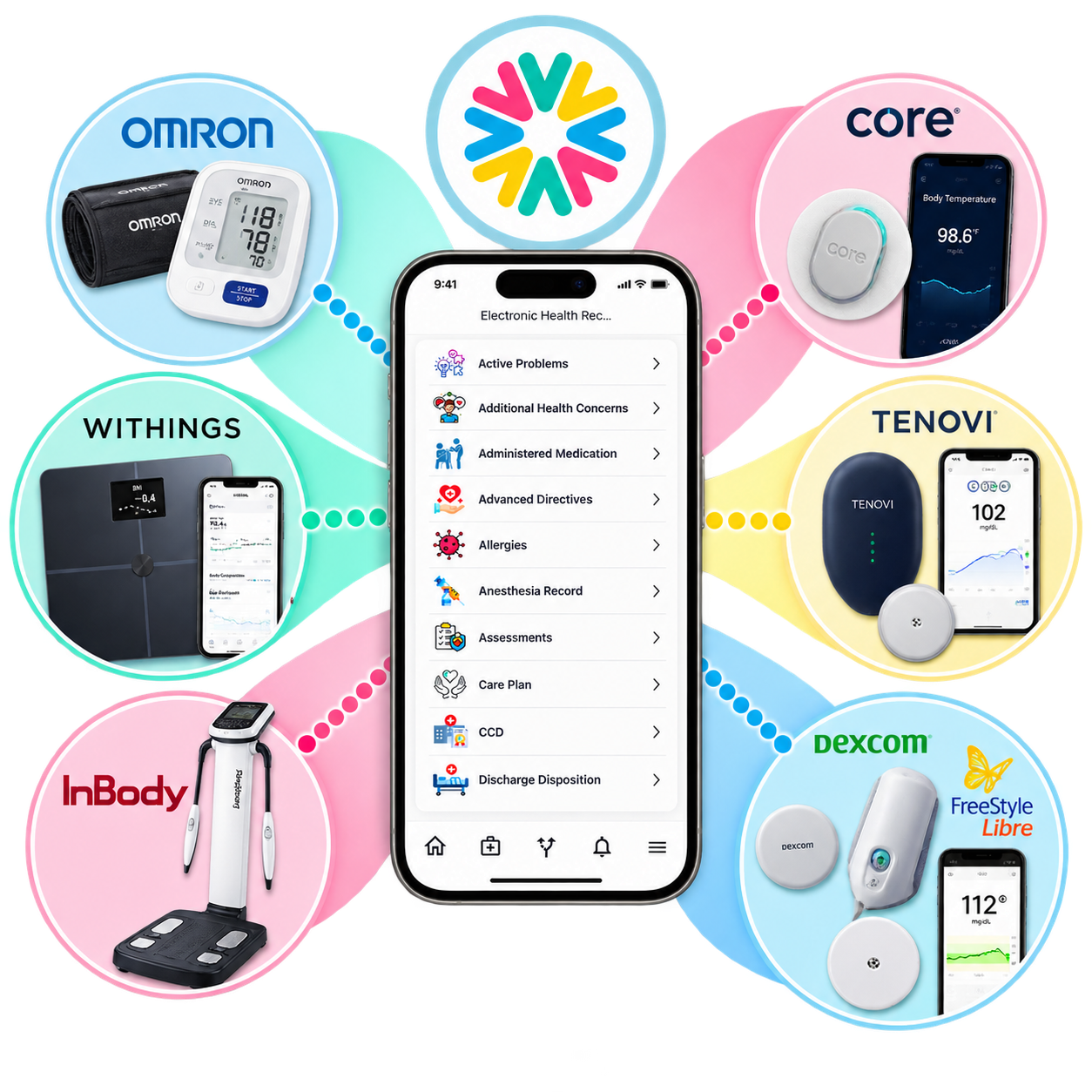
That’s where unified data aggregation changes the game. New platforms, like Calcium, are pulling in data from multiple sources and assembling a complete picture of the patient’s health story.
Here’s what that includes:
- Electronic Health Records (EHRs) from over 95% of U.S. health systems
- Real-time vitals from wearables like Fitbit and Apple Watch
- Lab results, medication lists, imaging reports
- Nutrition, sleep, and activity data from health apps
With this kind of integration, providers don’t have to hunt for missing pieces. Instead, they get one dashboard with everything they need—streamlined, organized, and actionable.
2. AI-Driven Personalized Pathways
Let’s be honest one-size-fits-all care plans don’t work for today’s patients. Chronic disease management, post-op recovery, and preventive care all require flexible, personalized guidance.
Yet most systems either lack the tools or the time to deliver that level of care. That’s why AI-powered care pathways are becoming a cornerstone in digital health innovation.
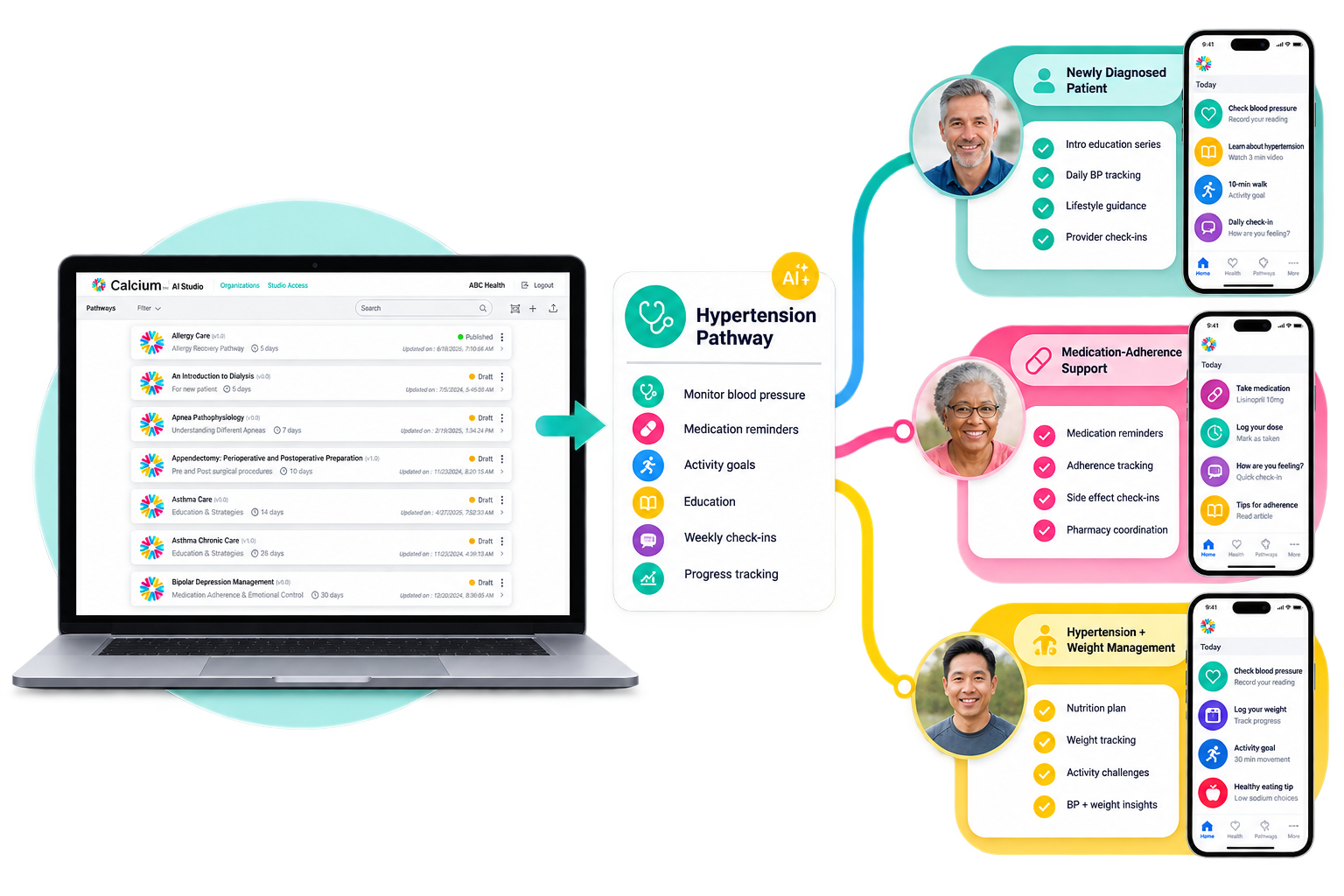
So what exactly is an AI-driven pathway? Think of it like a GPS for your health journey. Based on your diagnosis, goals, and health data, the pathway guides you through daily tasks whether it’s taking medication, tracking symptoms, or adjusting your diet.
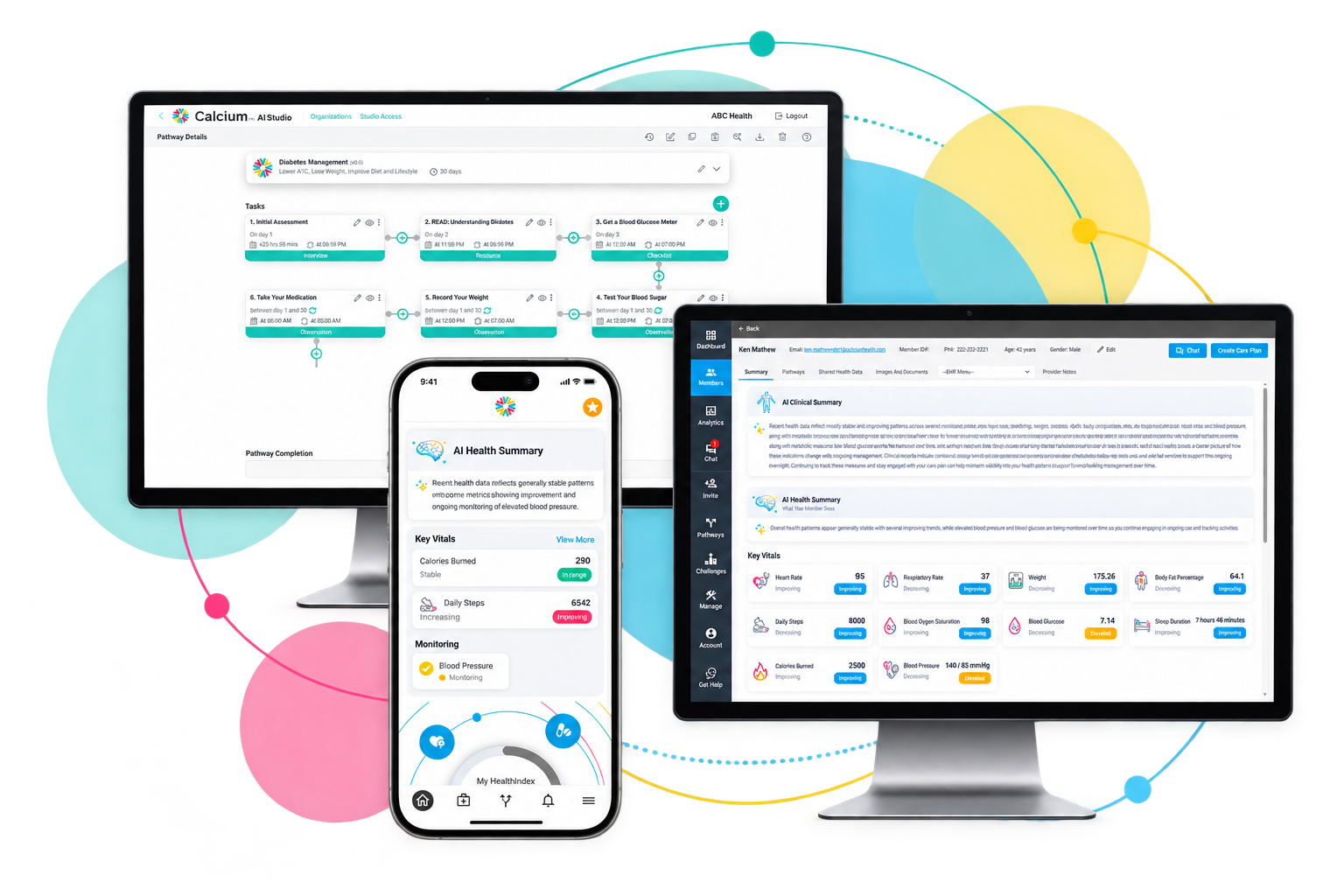
Calcium’s AI Studio gives providers the ability to create custom care plans in minutes. These plans live in the Calcium Super App, which patients use to:
- Receive daily reminders and motivational messages
- Record vitals, journal entries, or medication adherence
- Complete interactive tasks and education modules
- Share progress in real time with their care team
And because the pathways are intelligent, they adapt. If a patient misses a task, logs a concerning symptom, or shows improvement, the pathway updates accordingly. This real-time feedback loop keeps patients on track and providers in the loop without adding more work.
3. Real-Time Analytics and Alerts
Picture this: you're a provider managing 100+ patients. Some are recovering from surgery. Others are juggling multiple chronic conditions. You need to know who needs help right now?
Traditional EHRs won’t tell you. At best, they offer snapshots from the last visit. What you need is a real-time command center.
Enter real-time analytics and alerts. This technology empowers clinicians with live data feeds and risk stratification tools. With platforms like Calcium Core, providers can:
- Sort patients by risk level or recent alerts
- Track engagement with digital care plans
- View trends in vitals, symptoms, and medication adherence
- Receive automated flags when something’s off
It’s like having a digital care assistant watching over every patient 24/7. When something changes a missed dose, a blood pressure spike, a stalled recovery you get a ping. That way, you’re not reacting to emergencies. You’re preventing them.
The research backs this up. Studies show that real-time insights help reduce hospital readmissions, especially when paired with personalized follow-up.
4. Consumer-Controlled Health Data Access
Here’s a wild fact: most patients don’t know what’s in their medical records.
Worse, even when they can access their data, it’s often buried behind clunky portals and confusing charts. This lack of transparency disempowers patients and hurts outcomes. When people feel left out of their care, they disengage.
That’s why consumer-controlled health access is crucial. Modern digital platforms flip the script by giving patients real ownership over their data.
With the Calcium Super App, users can:
- View all their EHRs, lab results, and care history
- Track their vitals, symptoms, and medications
- Share their health data with family, providers, or coaches
- Make more informed decisions about their health
Think of it like a health “wallet” where the patient is the gatekeeper. No more waiting weeks for records to be faxed. No more explaining your medical history from scratch. You carry it with you secure, organized, and ready to share.
And the benefits go beyond convenience. When patients have access to their data, they’re more likely to adhere to care plans, spot errors, and follow up proactively.
5. Intelligent Interoperability and Contextualization
You’ve probably heard the term interoperability thrown around a lot in digital health. It usually refers to systems being able to “talk” to each other. But here’s the thing: just because systems exchange data doesn’t mean they understand each other.
Many EHRs export records as raw data dumps jumbled, inconsistent, and stripped of clinical meaning. One study described it as trying to translate Shakespeare using Google Translate.
That’s why intelligent interoperability matters. It’s not just about sending data from A to B. It’s about interpreting it in a meaningful, contextualized way.
Calcium addresses this by organizing data into structured modules:
- Medications with dosage, timing, and purpose
- Encounters linked to diagnoses and outcomes
- Labs and vitals plotted along timelines
- Symptoms cross-referenced with care pathways
This context helps both providers and patients understand why something was done, not just what was done. It also allows AI tools to make better recommendations and detect patterns that would otherwise go unnoticed.
Imagine looking at a messy pile of receipts versus a detailed financial dashboard. That’s the difference intelligent interoperability makes in healthcare.
The Wrap
As healthcare continues to evolve, one thing is clear: the future belongs to providers who can turn raw data into smart decisions. These five healthcare data technologies are more than buzzwords they’re real solutions helping clinical teams improve efficiency, reduce burnout, and deliver personalized care at scale.
But implementing them doesn’t have to be complex. With the Calcium digital health platform, providers gain a powerful suite of tools from real-time analytics and patient-driven pathways to full data integration across EHRs, devices, and apps all designed to simplify workflows and enhance care.
Whether you're managing chronic disease populations, supporting surgical recovery, or improving behavioral health outcomes, Calcium helps your team stay ahead of the curve.
Reference
- Kalra D. (2006). Electronic health record standards. Yearbook of medical informatics, 136–144. https://pubmed.ncbi.nlm.nih.gov/17051307/
- Ambinder E. P. (2005). A history of the shift toward full computerization of medicine. Journal of oncology practice, 1(2), 54–56. https://doi.org/10.1200/JOP.2005.1.2.54
- Hoerbst, A., & Ammenwerth, E. (2010). Electronic health records. A systematic review on quality requirements. Methods of information in medicine, 49(4), 320–336. https://doi.org/10.3414/ME10-01-0038
- Häyrinen, K., Saranto, K., & Nykänen, P. (2008). Definition, structure, content, use and impacts of electronic health records: A review of the research literature. International Journal of Medical Informatics, 77(5), 291–304. Elsevier Ireland Ltd. Retrieved from https://doi.org/10.1016/j.ijmedinf.2007.09.001
- Safran, C., & Goldberg, H. (2000). Electronic patient records and the impact of the Internet. International Journal of Medical Informatics, 60(1), 77–83. https://doi.org/10.1016/S1386-5056(00)00106-4
- Hassey, A., Gerrett, D., & Wilson, A. (2001). A survey of validity and utility of electronic patient records in a general practice. BMJ, 322(7299), 1401–1405. https://doi.org/10.1136/bmj.322.7299.1401



Winning Strategies to Optimize Health Outcomes in a VBC Model
Smart Moves That Elevate Patient Outcomes and Strengthen Provider Performance Healthcare is undergoing a seismic shift. The days of reactive, one size fits all treatment are fading fast, replaced by models that prioritize outcomes, prevention, and patient experience. ...