Comparing the Two Primary Care Models Based on Patient Health Outcomes and Satisfaction
Let’s face it. Healthcare in America is complicated, expensive and often frustrating for everyone involved. Patients feel like they’re stuck in a loop of appointments, procedures, and bills, while providers are caught between improving outcomes and hitting productivity targets.
At the heart of this struggle lies a question we’ve been avoiding for too long: Are we paying for health or for healthcare activity? That’s where the debate between fee-for-service (FFS) and value-based care (VBC) gets real.
This isn’t just a policy conversation, it’s about the future of how we take care of people. As more health systems, payers, and technology platforms shift toward value-focused models, understanding the stakes has never been more important.
If you’re a provider, a payer, or even a patient trying to make sense of what this all means, you’re in the right place. It’s time to unpack how these models actually impact the care we give and receive.
What Is Fee-for-Service?
For decades, the U.S. healthcare system has revolved around a fee-for-service model. In this setup, providers are paid for every service they deliver, a blood test, a CT scan, a 15-minute visit, or a knee replacement. Sounds straightforward, right? The more care delivered, the more revenue earned.
But here’s the issue: FFS often prioritizes quantity over quality. There's no built-in incentive to reduce unnecessary procedures, manage chronic diseases more effectively, or follow up with patients. It’s like paying a mechanic for each part they replace instead of rewarding them for fixing the car.
While FFS can work well in acute, procedural settings like trauma surgery or emergency care it tends to fall short when applied to chronic care, prevention, or behavioral health.
What Is Value-Based Care?
Value-based care flips the incentive structure. Instead of paying providers for how much care they deliver, VBC rewards them for how well they care for patients. Think of it as moving from a "pay-per-visit" model to a "pay-for-results" system.
In VBC, success is measured by outcomes: reduced hospital admissions, controlled blood pressure, improved mental health scores, and better patient satisfaction. This model works especially well for managing long-term conditions like diabetes, heart disease, and depression.
There are several types of VBC models:
- Accountable Care Organizations (ACOs)
- Bundled Payments
- Patient-Centered Medical Homes
- Shared Savings Programs
All of these models align incentives around the patient’s health, not the number of services provided.
Which Delivers Better Health Outcomes?
Let’s break down the differences where they matter most:
1. Chronic Disease Management
- In FFS models, chronic patients often receive fragmented care from multiple providers with little coordination.
- In VBC, coordinated care plans, digital monitoring, and incentives to avoid hospitalizations lead to better long-term outcomes.
2. Preventive Care
- FFS doesn’t reward prevention. Annual wellness visits may be covered, but providers aren’t paid more if their patients stay healthy.
- VBC emphasizes prevention because avoiding illness saves money and improves quality scores.
3. Behavioral Health Integration
- Under FFS, mental health services are often carved out or reimbursed poorly, leading to gaps in care.
- VBC encourages integration, using shared outcomes to support behavioral and physical health coordination—as Medicaid reforms are beginning to demonstrate.
4. Patient Experience
- FFS can feel transactional to patients. Appointments are short, and follow-up is rare.
- VBC prioritizes relationships, continuity of care, and communication, leading to better satisfaction and trust.
5. Hospital Readmissions
- FFS doesn’t penalize for readmissions in fact, it pays more.
- VBC rewards organizations that keep people out of the hospital.
Research continues to show that VBC models, particularly ACOs and chronic care management programs, consistently outperform FFS when it comes to quality metrics and cost-effectiveness.
Why Fee-for-Service Still Exists
So why hasn’t everyone switched to VBC? The reality is that FFS is deeply embedded in the system. It’s familiar. It’s easy to bill. And for high-volume specialties or emergency procedures, it still makes financial sense.
Moreover, VBC requires infrastructure. To succeed, organizations need:
- Data interoperability
- Risk stratification tools
- Care coordination workflows
- Outcome tracking
Without these, VBC becomes overwhelming and unsustainable.
The Role of Digital Health in Accelerating VBC
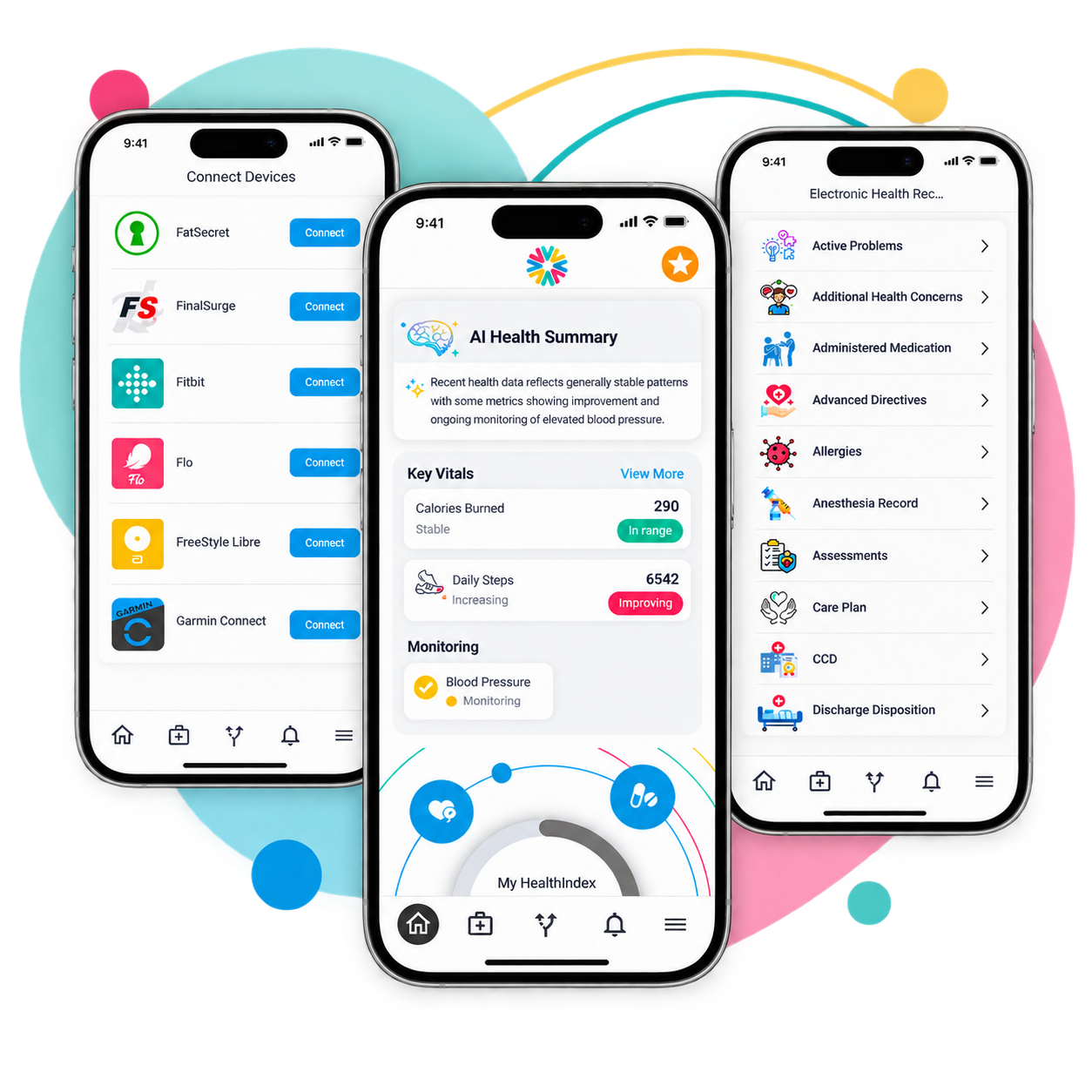
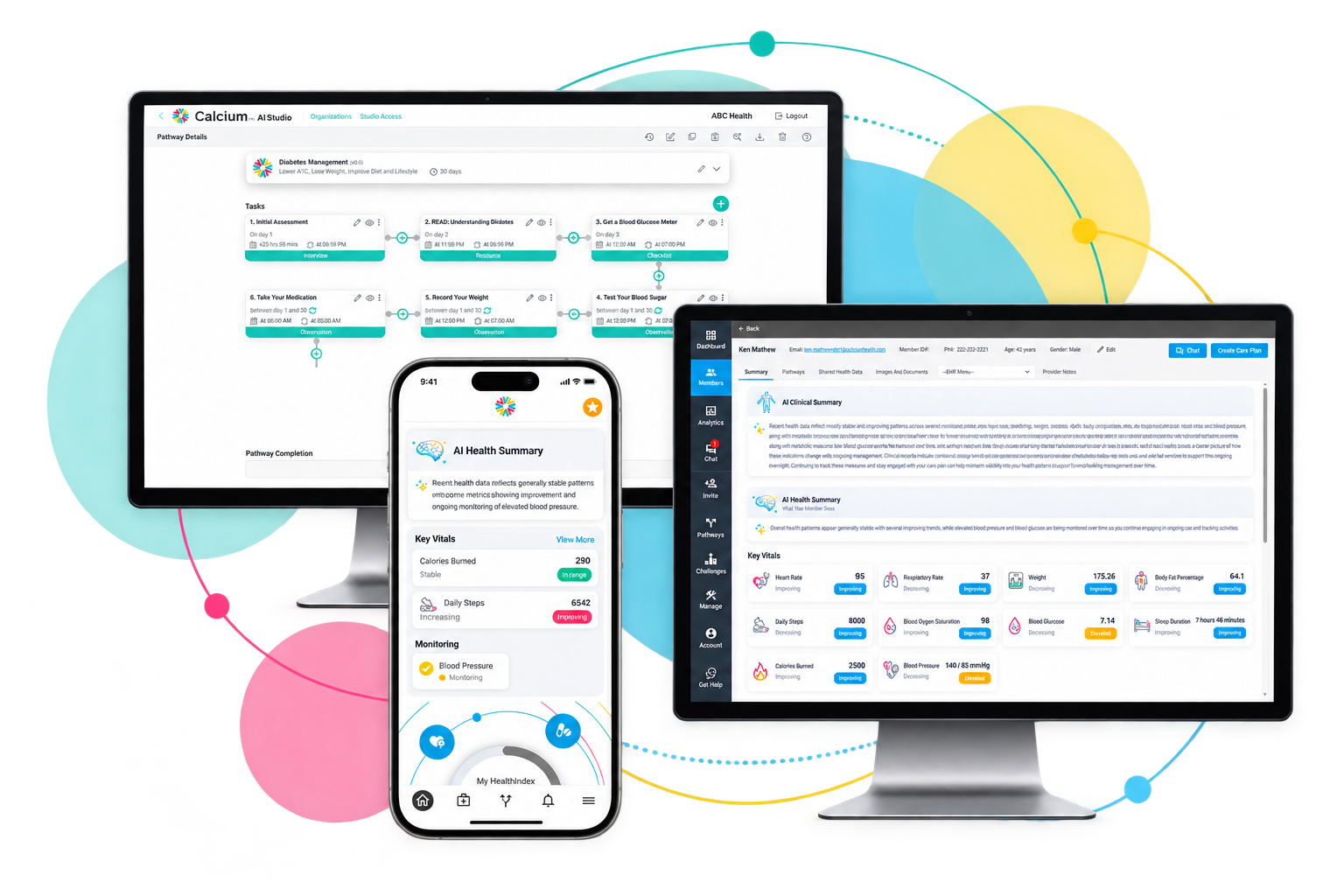
This is where digital health platforms come into play. Tools like Calcium act as the engine behind successful VBC strategies.
Here’s how:
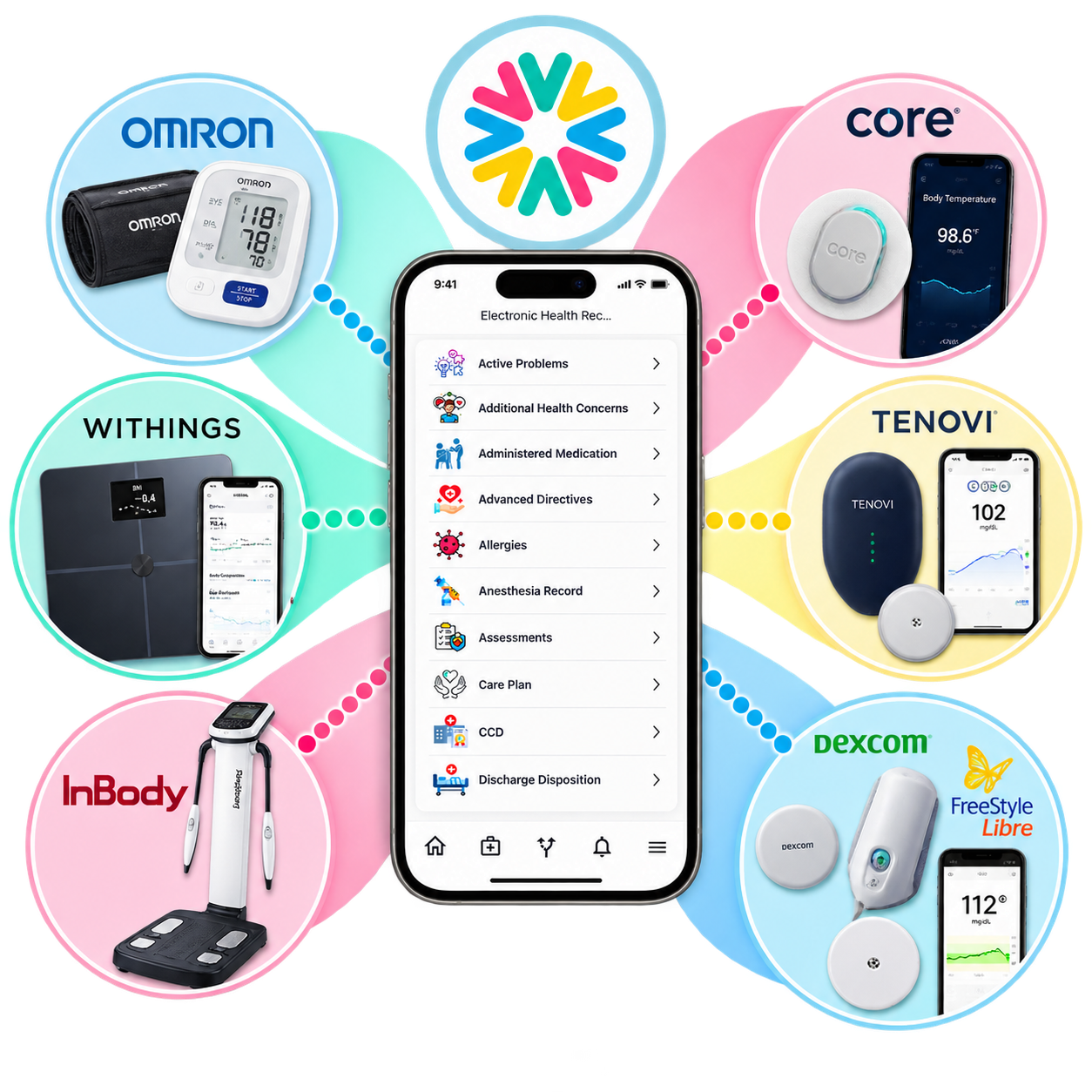
- Aggregating data from EHRs, wearables, and patient-reported outcomes
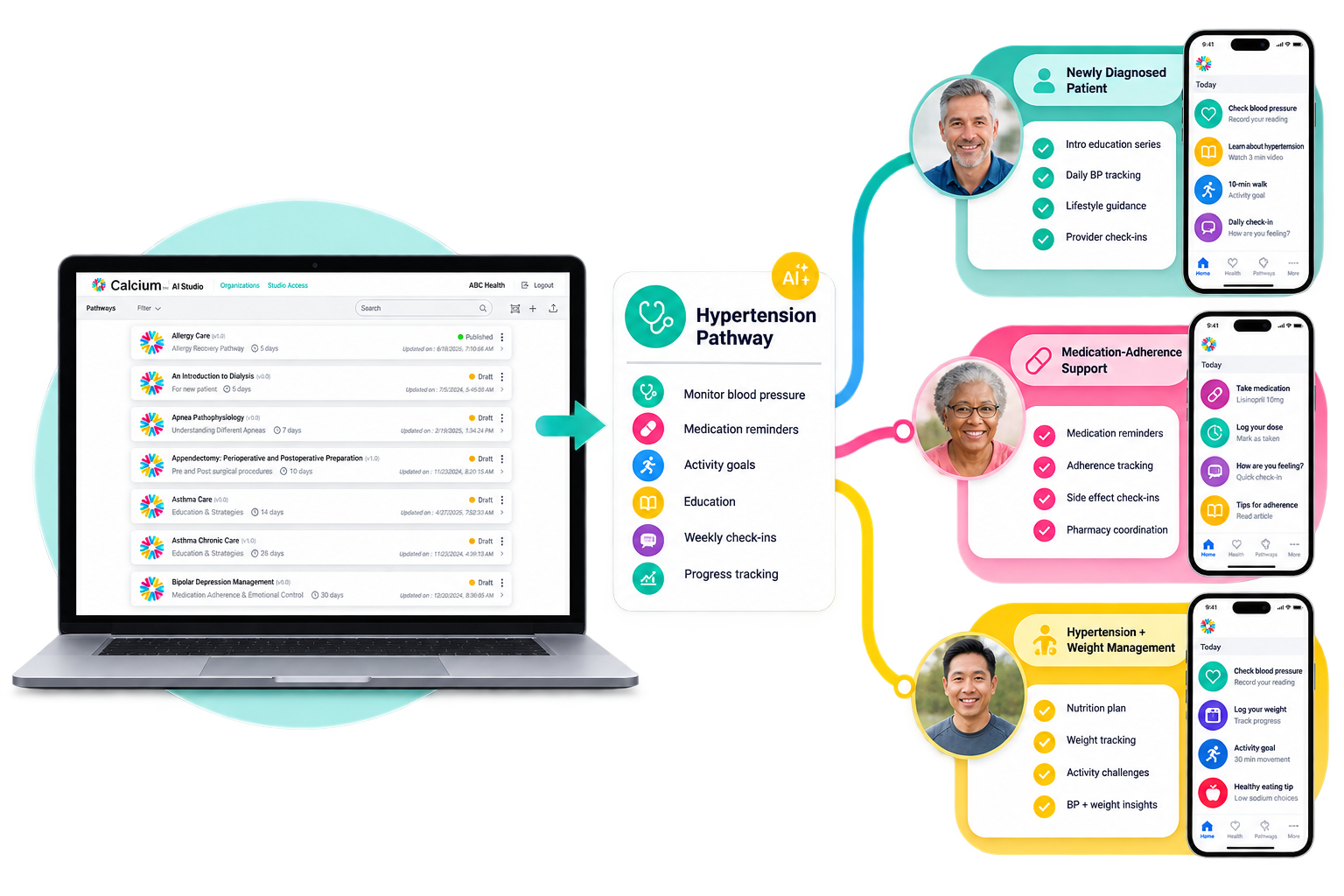
- Delivering guided digital care pathways for conditions like diabetes, hypertension, or post-op recovery
- Flagging risks early through predictive analytics
- Tracking behavioral and lifestyle factors that influence health but aren’t captured in a traditional chart
- Enabling two-way communication between patients and care teams to keep engagement high
These features empower providers to act proactively rather than reactively the cornerstone of VBC success.
Behavioral Health: A Case Study in System Misalignment
Let’s take behavioral health as a real-world example. Under FFS, mental health care often gets marginalized. Appointments are short, follow-up is minimal, and integration with primary care is rare. This fragmentation leads to high ER use, poor medication adherence, and lost productivity.
VBC offers a better path. In Medicaid and value-based pilot programs, we’re seeing behavioral health integrated into chronic disease pathways. Platforms like Calcium are helping by providing:
- Digital mental health screening tools
- Mood and behavior tracking
- Alerts for symptom worsening
- Integration with physical care plans
When behavioral and physical health are managed together, patient outcomes improve and total costs go down.
Making Room for Both: A Blended Approach?
It’s worth noting that not every situation fits neatly into one model. Some experts argue for a hybrid approach:
- Use FFS for high-complexity, acute interventions like surgeries
- Use VBC for population health management, chronic care, and behavioral services
This blended model allows the system to reward innovation and procedure-based expertise while still promoting holistic, preventive care.
What Providers Need to Do Now
If you’re a provider or health system leader, the time to prepare is now. Here are a few strategic steps:
- Assess your patient population: How many qualify for chronic care or preventive VBC programs?
- Adopt digital platforms that make care coordination and outcome tracking easier
- Invest in training for your care teams on VBC workflows and metrics
- Start small: Pilot a VBC program for a single condition or population before scaling
The path to VBC doesn’t have to be overwhelming but it does have to start somewhere.
The Wrap
Ultimately, the question isn’t whether one model is better in theory. It’s about which one better serves real patients in real-world settings. And increasingly, value-based care is proving to be that model especially when supported by smart, intuitive digital platforms that bring care out of the clinic and into daily life.
The debate between fee-for-service and value-based care isn’t just academic, it’s shaping the future of how we care for people. While both models have their place, value-based care offers a clearer path to better health outcomes, greater efficiency, and more meaningful patient relationships.
But transformation doesn’t happen by chance, it takes the right support systems and tools to make it work in the real world. That’s where Calcium can help. Our digital health platform was designed specifically for providers navigating the complexities of value-based care. From guided digital pathways to predictive analytics and real-time engagement, we empower care teams to act proactively, improve outcomes, and reduce burnout. Whether you're managing chronic conditions, coordinating behavioral health, or preparing for future payment models, Calcium gives you the tools to lead with confidence.
Reference
- Lockner, A., & Walcker, C. (2018). INSIGHT: The Healthcare Industry’s Shift from Fee-for-Service to Value-Based Reimbursement. Bloomberg Law. https://www.robinskaplan.com/assets/htmldocuments/uploads/pdfs/0672c17334284f8c85501b33abb25ff3__the-healthcare-industrys-shift-from-fee-for-service-to-value-based-reimbursement.pdf
- Miller, H. D. (2015). Making Value-Based Payment Work for Academic Health Centers. Academic Medicine, 90(10), 1294–1297. https://doi.org/10.1097/acm.0000000000000864
- Berenson, R. A., & Ginsburg, P. B. (2019). Improving The Medicare Physician Fee Schedule: Make It Part Of Value-Based Payment. Health Affairs, 38(2), 246–252. https://doi.org/10.1377/hlthaff.2018.05411
- Soper, M., Matulis, R., & Menschner, C. (n.d.). Moving Toward Value-Based Payment for Medicaid Behavioral Health Services. https://njamha.org/links/boardmeetings/CHCSpaperonVBC.pdf