Digital Solutions Driving Better Outcomes in Coordinated Care
The stakes have never been higher. Healthcare providers are being asked to deliver better outcomes at lower costs while navigating a maze of fragmented systems, rising patient complexity, and shifting payment models.
Enter ACO managed care a bold attempt to bring coordination, accountability, and value back into the equation. But despite its promise, many ACOs are still stuck in first gear, weighed down by outdated infrastructure and inconsistent results.
Why is it so hard to get right? And more importantly, what can actually move the needle? The truth is, ACOs don’t just need good intentions they need smart, scalable, tech-driven solutions that can support both patients and providers every step of the way. If you’re part of an ACO—or thinking about becoming one it’s time to take a hard look at what’s holding progress back and what it will take to break through. Let’s dive in.
Solving the Toughest ACO Managed Care Challenges with the Right Digital Health Tools
Accountable Care Organizations (ACOs) were created to fix a broken system one where fragmented, fee-for-service healthcare led to waste, redundancy, and worse outcomes. But while the idea is solid, the execution? That’s another story. ACOs are under constant pressure to juggle cost containment, care quality, and patient satisfaction all while navigating outdated systems and disconnected provider networks.
So where exactly do things break down, and more importantly, how can digital health tools help? Let’s take a deeper look at the seven most pressing challenges in ACO managed care and how modern digital tools are making real solutions possible.
1. Care Coordination Across Multiple Providers
Imagine trying to conduct an orchestra when half the musicians are using different sheet music. That’s what it feels like when primary care doctors, specialists, hospitals, and post-acute providers are all working from separate playbooks.
This lack of coordination is a major obstacle for ACO-managed care. A recent survey found that 77% of Medicare ACOs work with six or more different electronic health record (EHR) systems (Ajami et al., 2022). That’s a lot of noise to cut through when your goal is harmony.
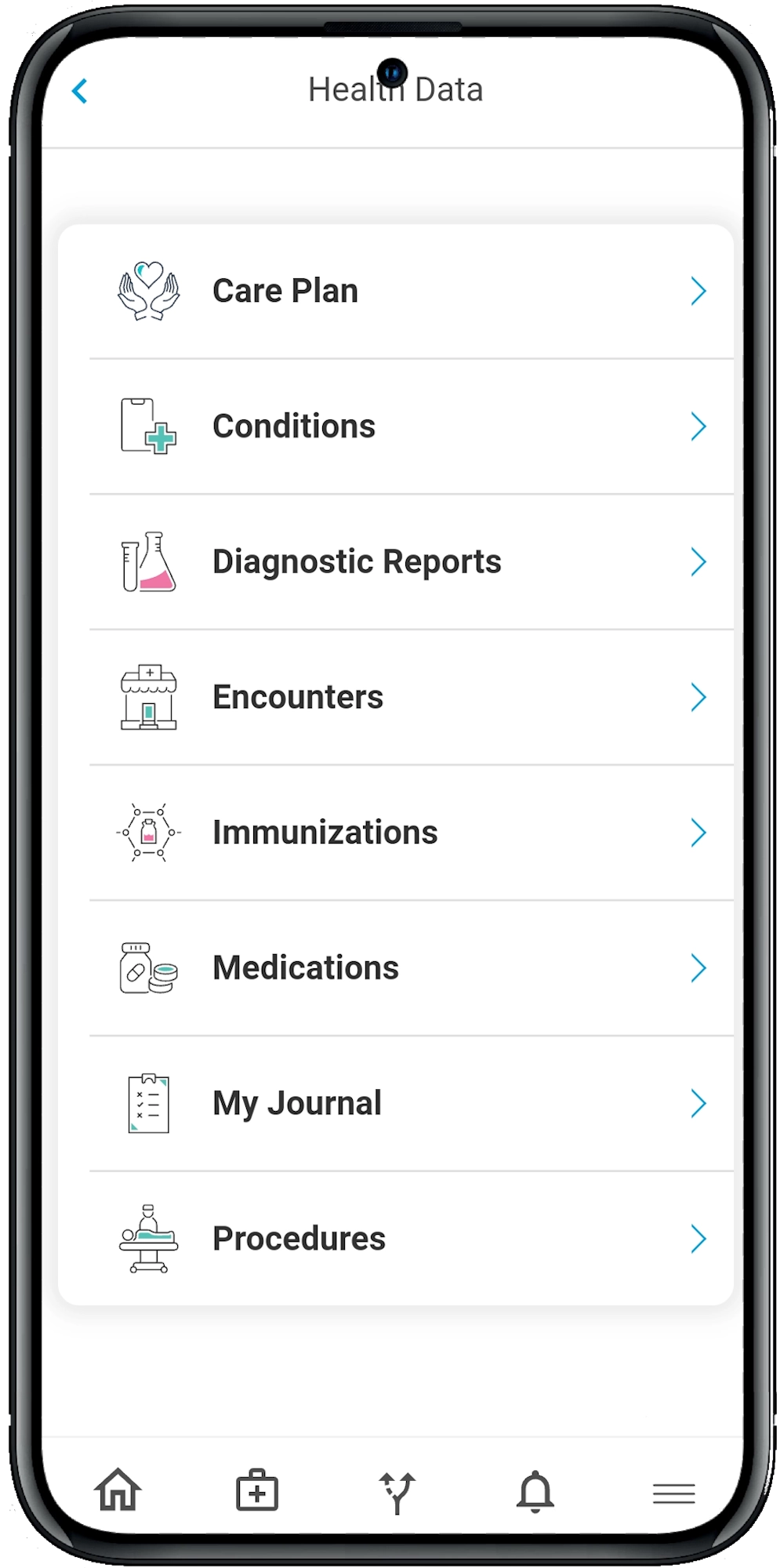
A centralized digital care platform can provide unified access to health data, care plans, and patient progress no matter the provider. Through shared digital pathways, healthcare teams can stay in sync and patients can actually see their progress unfold in real time.
2. Data Fragmentation and Delays
Let’s face it data is only useful if it’s timely and actionable. Unfortunately, many ACOs still wait weeks or even months for CMS claims data or vendor updates. That’s like trying to steer a ship using last week’s weather report.
In fact, one ACO featured in the American Journal of Accountable Care reported delays of up to three months to access claims data. That’s three months of missed insights, care gaps, and cost-saving opportunities (Mechanic et al., 2020).
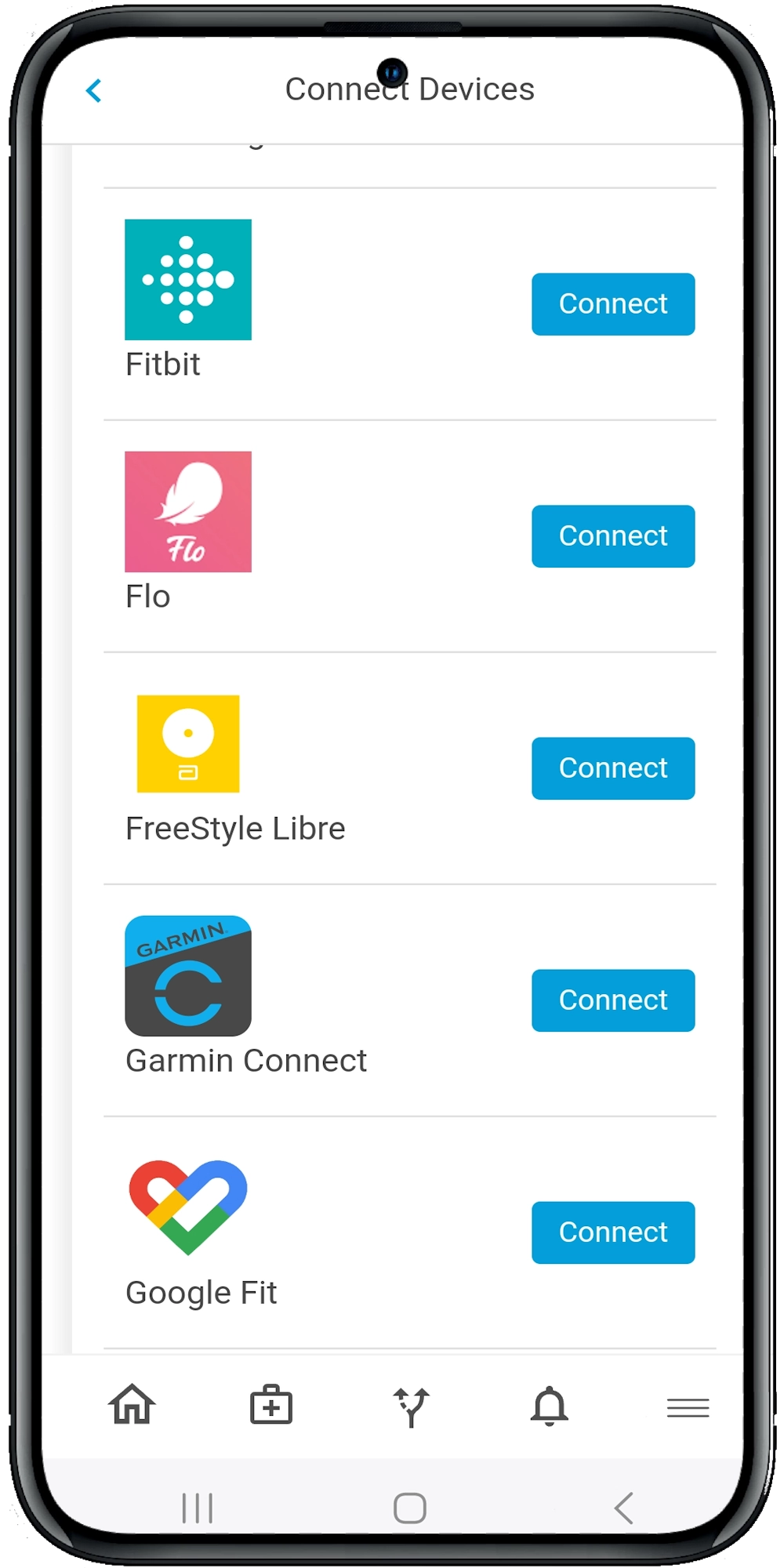
Calcium integrates real-time data from EHRs, wearable devices, patient-reported outcomes, and more giving clinicians immediate access to what they need, when they need it. Think of it as flipping the lights on in a room that’s been in the dark far too long.
3. Inconsistent Results from Care Management Programs
You’d think that ramping up care coordination would automatically lead to better outcomes. But research says otherwise. A 2019 study in JAMA Network Open found no significant differences in outcomes between ACOs with high and low levels of reported care management activities for complex patients (Ouayogodé et al., 2019).
Why? Because it’s not just about having a care management program, it’s about execution, personalization, and accountability.
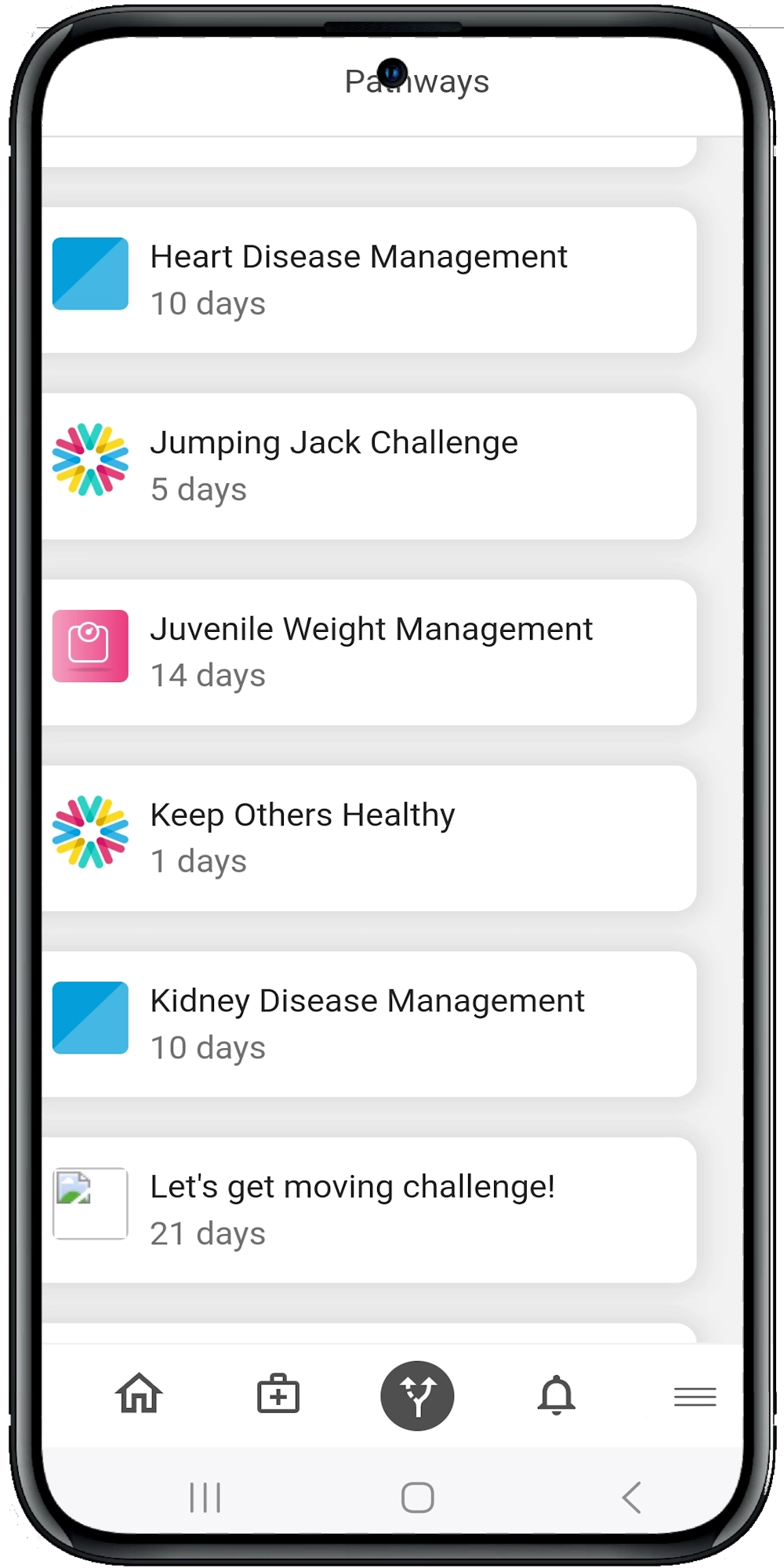
Digital care pathways can deliver customized, step-by-step care plans tailored to individual health needs. These aren’t static PDFs they’re interactive, adaptive programs that check in with users, prompt them with reminders, and collect real-time feedback. This ensures not only better patient adherence but measurable progress for care teams and ACO-managed care administrators alike.
4. Medication Mismanagement and Polypharmacy
Did you know that improper medication use is one of the top reasons patients end up back in the hospital?
The Journal of Managed Care & Specialty Pharmacy highlighted a powerful example from Fairview Health’s ACO: pharmacists resolved over 2,700 medication-related problems for just 670 high-risk patients. That’s a staggering ratio and a big opportunity for savings and better outcomes (Brummel et al., 2014).
Digital platforms that support medication tracking and reminders along with journaling and AI-powered alerts enable patients and providers to catch issues early. Pharmacists and care teams can monitor usage trends, flag noncompliance, and update prescriptions, all within a shared environment.
5. High Costs of Specialty Care
Here’s a stat that might surprise you: specialists account for about 70% of outpatient spending in the U.S. Yet most ACOs still don’t have efficient systems to align specialists with their value-based care goals.
Why? Because the fee-for-service model still dominates specialist behavior, and most ACOs lack the tools to track specialist outcomes or refer patients based on value rather than habit.
Digital tools can support ACO-managed care systems in building custom referral workflows based on real-time performance data, patient history, and outcomes. Through embedded digital care pathways, specialists can follow standardized, evidence-based care plans and ACOs can track their compliance and impact. In-app communication and e-consults also help eliminate unnecessary visits and reduce costs.
6. Limited Patient Engagement Tools
Here’s a hard truth: even the best care plan fails if the patient doesn’t follow it.
The traditional model assumes that if a doctor tells a patient what to do, they’ll do it. But life isn’t that simple. Patients need nudges, motivation, and a sense of ownership over their health journey.
With a consumer-first design, the Calcium Super App turns passive patients into active participants. Features like:
- Daily health check-ins
- Gamified progress tracking
- 24/7 access to educational content
- Pre and post-op pathways
- Integrated wearable syncing
…make it easy (and even fun) to stay engaged. Whether someone is managing diabetes, recovering from surgery, or working on mental health goals, Calcium meets them where they are.
7. Bandwidth and Resource Constraints
Even when ACO leaders want to innovate, there’s often a lack of internal resources to make it happen. Budgets are tight. Staff are stretched thin. And with so many moving parts, it’s hard to know where to focus.
A survey in The American Journal of Managed Care found that 49% of ACOs cited “lack of bandwidth” as a major barrier to improving specialty care alignment (Mechanic et al., 2024).
Digital solutions like Calcium reduce the burden on care teams by automating routine tasks and scaling patient support. From automated health interviews to AI-powered care pathways, the platform functions like a virtual extension of the care team available 24/7, without extra overhead.
And with the AI Studio, ACO-managed care organizations can rapidly build or customize pathways without needing to code, freeing up time and resources for high-value activities..
The Wrap
The path to successful ACO managed care isn’t paved with policy alone it’s built on actionable tools, real-time data, and patient-centered technology that empowers every member of the care team. As healthcare continues to shift toward value-based models, ACOs can no longer afford to rely on disconnected systems and outdated workflows. Platforms like Calcium Health offer a smarter, more scalable way to close care gaps, engage patients, and improve outcomes without overwhelming your team or your budget.
Calcium brings clarity and control to the chaos, whether you’re managing chronic conditions, optimizing referrals, or just trying to get all your providers on the same page.
Reference
- Brummel, A., Lustig, A., Westrich, K., Evans, M. A., Plank, G. S., Penso, J., & Dubois, R. W. (2014). Best Practices: Improving Patient Outcomes and Costs in an ACO Through Comprehensive Medication Therapy Management. Journal of Managed Care Pharmacy, 20(12), 1152–1158. https://doi.org/10.18553/jmcp.2014.20.12.1152
- Mechanic, R., Secordel, L., Sobul, S., & Perloff, J. (2024). Accountable Care Organization Initiatives to Improve the Cost and Outcomes of Specialty Care. Www.ajmc.com, 30, 237–240. https://doi.org/10.37765/ajmc.2024.89536
- Ouayogodé, M. H., Mainor, A. J., Meara, E., Bynum, J. P. W., & Colla, C. H. (2019). Association Between Care Management and Outcomes Among Patients With Complex Needs in Medicare Accountable Care Organizations. JAMA Network Open, 2(7), e196939. https://doi.org/10.1001/jamanetworkopen.2019.6939
- Kaufman, B. G., Spivack, B. S., Stearns, S. C., Song, P. H., & O’Brien, E. C. (2019). Impact of Accountable Care Organizations on Utilization, Care, and Outcomes: A Systematic Review. Medical Care Research and Review, 76(3), 255–290. https://doi.org/10.1177/1077558717745916
- Leveraging Health Information Technology for ACO Success. (2020). The American Journal of Accountable Care, 8(1), 6–7. https://doi.org/10.37765/ajac.2020.88354