Automation isn’t just about efficiency, it’s about survival in a high-demand, outcomes-focused model
Healthcare teams are under more pressure than ever. As value-based care continues to take hold, providers are expected to deliver better outcomes, meet strict quality metrics, and engage patients more consistently, all while navigating shrinking budgets and rising staff burnout. It's not that clinicians don’t know what to do; it's that there simply isn’t enough time in the day to do it all manually.
So what’s the answer? Smarter systems. Not systems that add more clicks or complexity, but ones that quietly streamline the behind-the-scenes work that eats up hours and energy.
That’s where automation comes in.
In an industry still catching up to modern tech standards, automation isn’t just a convenience, it’s a strategic advantage. It frees up staff, reduces errors, and keeps care moving without constant oversight. If your team is drowning in to-do lists and burnout, it might be time to consider a new way forward.
The Administrative Drag Slowing Down Value-Based Care
Let’s be honest value-based care (VBC) is full of promise but packed with pressure. Providers are expected to do more than ever: coordinate across care teams, close care gaps, screen for behavioral and social health needs, and track quality measures in real time. It’s no wonder clinical staff feel buried in documentation, follow-up tasks, and spreadsheets.
These aren’t just annoyances, they’re workflow barriers. And in a healthcare system already stretched thin, inefficiencies turn into missed opportunities for early intervention, patient engagement, and better outcomes.
But there’s a way forward. By weaving smart automation into the everyday tasks of VBC, organizations can free up their staff to focus on what matters most: the patient.
How Automation Enhances Every Stage of the VBC Workflow
We’re not talking about replacing people. We’re talking about augmenting care teams giving them tools that handle repetitive processes, flag high-priority needs, and keep everything moving without manual oversight. Think of it as a digital assistant working behind the scenes 24/7.
Here’s how automation fits into different stages of the VBC workflow:
1. Patient Intake and Risk Stratification
Traditionally, assessing patient risk requires chart reviews, phone calls, and data collection from different systems. Automation makes this faster and more accurate.
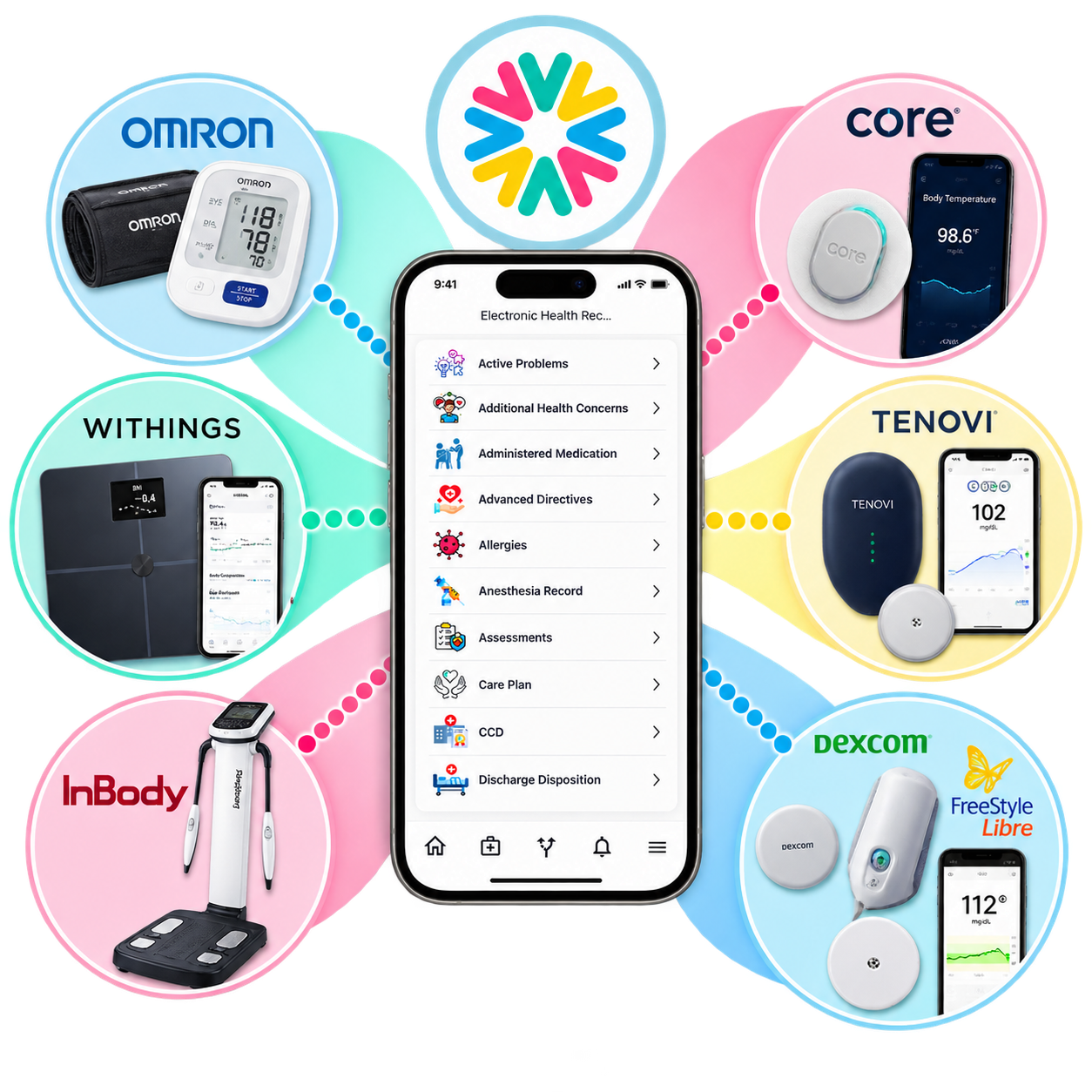
Smart platforms can pull structured data from EHRs, lab systems, and wearables to automatically classify patients based on chronic conditions, past utilization, or social determinants. Once identified, high-risk patients can be enrolled in digital care pathways or flagged for care team review no spreadsheet required.
2. Care Coordination and Task Management
Coordinating care isn’t just about good communication, it’s about timing. The right actions need to happen at the right time, by the right person.
With automation, care plans trigger tasks based on patient data. For example:
- A new A1c lab result above 9% can prompt an alert to the diabetes educator
- A patient flagged as high-risk for readmission can automatically be assigned a nurse care manager
- If a follow-up hasn’t been scheduled post-discharge, the system can escalate or send a reminder
This way, your team stops chasing tasks and starts focusing on meaningful touchpoints.
3. Patient Engagement and Follow-Up
Let’s face it, patients don’t always remember when to follow up, refill medications, or track symptoms. And most clinics don’t have time for daily check-ins.
That’s where automated engagement comes in. Platforms like Calcium can deliver:
- Appointment and screening reminders
- Medication prompts with check-ins
- Symptom tracking and journaling nudges
- Educational content timed to care plans
Engagement happens between visits, not just during them. And the best part? It’s tailored and triggered by each patient’s real data.
4. Behavioral Health and SDOH Screening
We all know behavioral and social health play a huge role in outcomes. But screening, referring, and tracking these needs takes time—and often falls through the cracks.
Automation helps by:
- Triggering behavioral health screeners based on diagnoses or care plans
- Suggesting resources or referrals based on patient responses
- Notifying care teams when scores indicate concern
Instead of relying on paper forms and manual routing, systems can intelligently surface needs and assign the next step.
5. Quality Reporting and Documentation
Let’s not forget the backend. Staff often spend hours gathering data for quality programs, payer contracts, or CMS reporting.
Automated systems can:
- Track performance against VBC metrics in real time
- Auto-fill reporting fields based on care activities already happening
- Highlight gaps in compliance (like overdue screenings or HEDIS measures)
Rather than retroactively cleaning up reports, care teams work proactively with live dashboards. Less paperwork. Fewer headaches. More visibility.
The Real Impact: Time Saved and Burnout Reduced
So what does all this automation really do for your team? It gives them back time. And energy. And mental bandwidth.
When done right, automation:
- Reduces time spent on repetitive tasks like scheduling, reminders, and documentation
- Frees up nurses and coordinators to focus on high-touch interactions
- Helps providers stick to evidence-based care plans without micromanagement
- Improves consistency, which leads to better patient trust and outcomes
Think of automation as the self-driving assistant you always needed not to take the wheel entirely, but to keep the engine running smoothly so your team can focus on the road ahead.
What to Look for in an Automation-Ready VBC Platform
Not all digital tools are built the same. If you’re evaluating platforms to support VBC, here are the essential automation features to look for:
The must-haves include:
- End-to-end VBC support: From intake to reporting, not just point solutions
- Configurable logic: So you can set rules, triggers, and alerts based on your own workflows
- EHR integration: Data syncing in and out with labs, pharmacies, and care teams
- AI-driven recommendations: With transparent logic so teams can trust the insights
- Engagement tools for patients: Mobile-first, with support for messaging, journaling, and reminders
- Real-time analytics and reporting: For quality, compliance, and care gap tracking
- HIPAA compliance and scalability: To support multi-site or multi-specialty operations
Platforms that check these boxes don’t just make your team faster they make your VBC programs stronger.
How Calcium Does It Differently
At Calcium, automation isn’t an add-on. It’s built into the foundation of our value-based care platform.
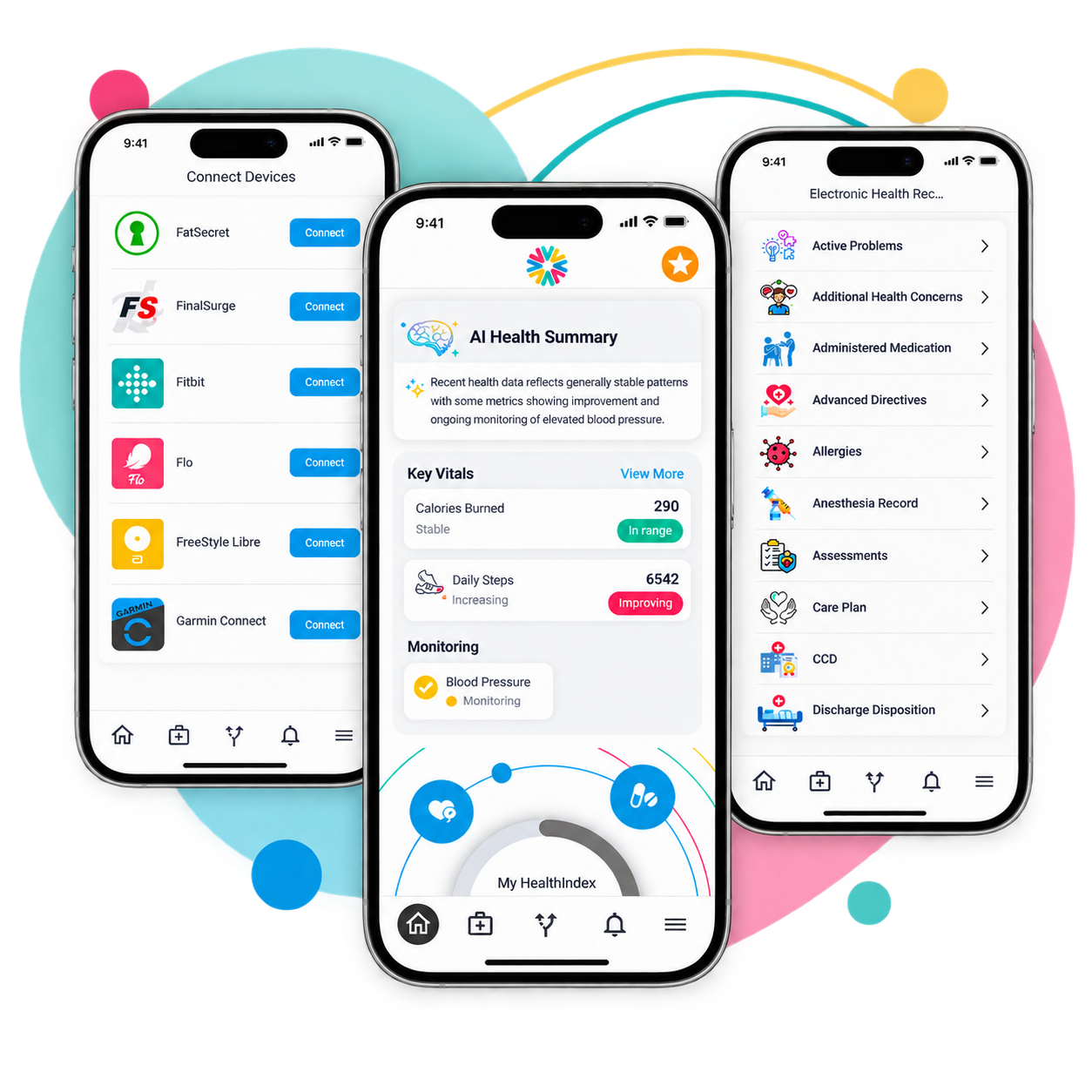
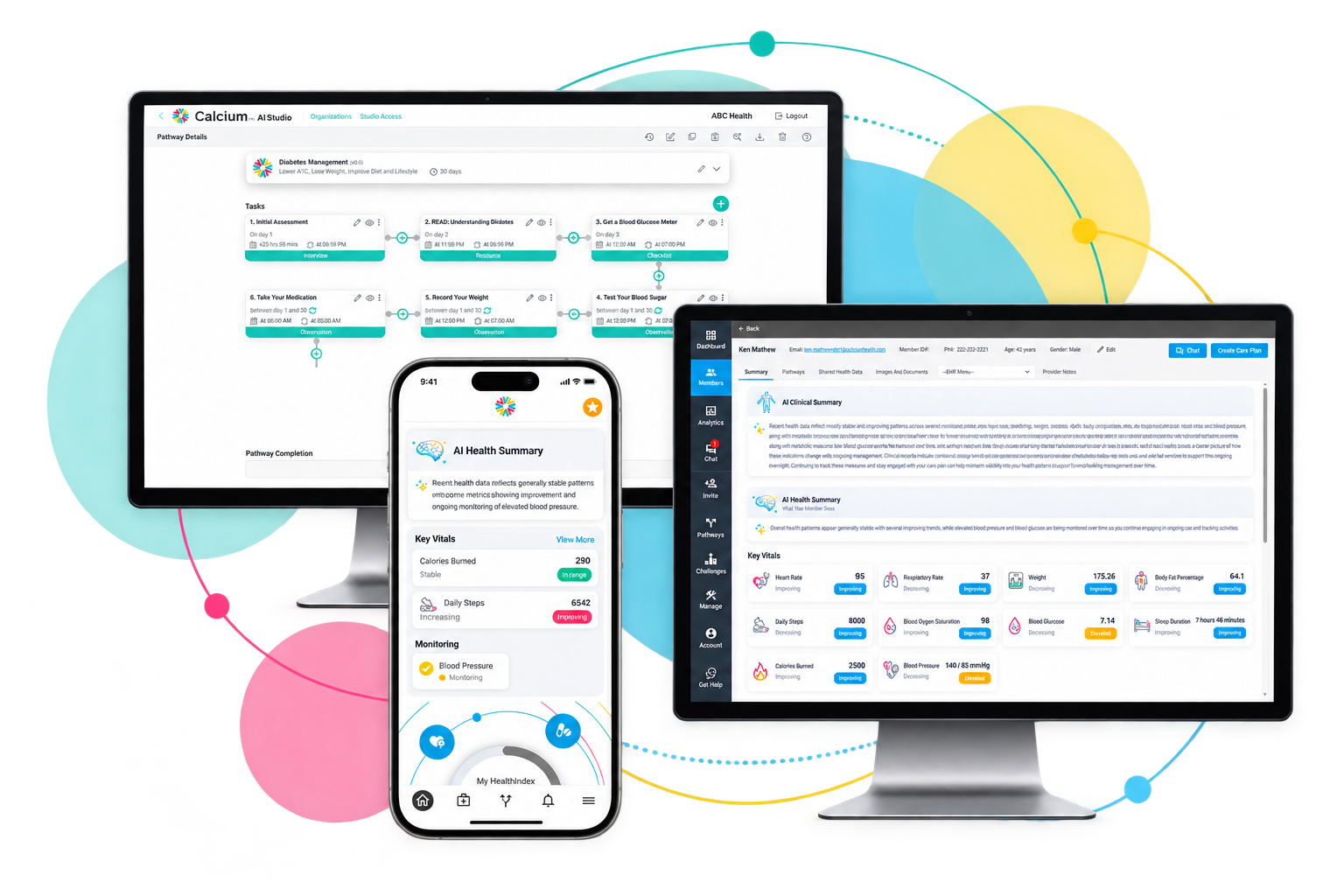
- The Calcium Super App lets patients manage medications, track symptoms, and stay engaged through automated nudges and care plans
- Calcium Core helps care teams coordinate across roles with task management, live dashboards, and alert routing
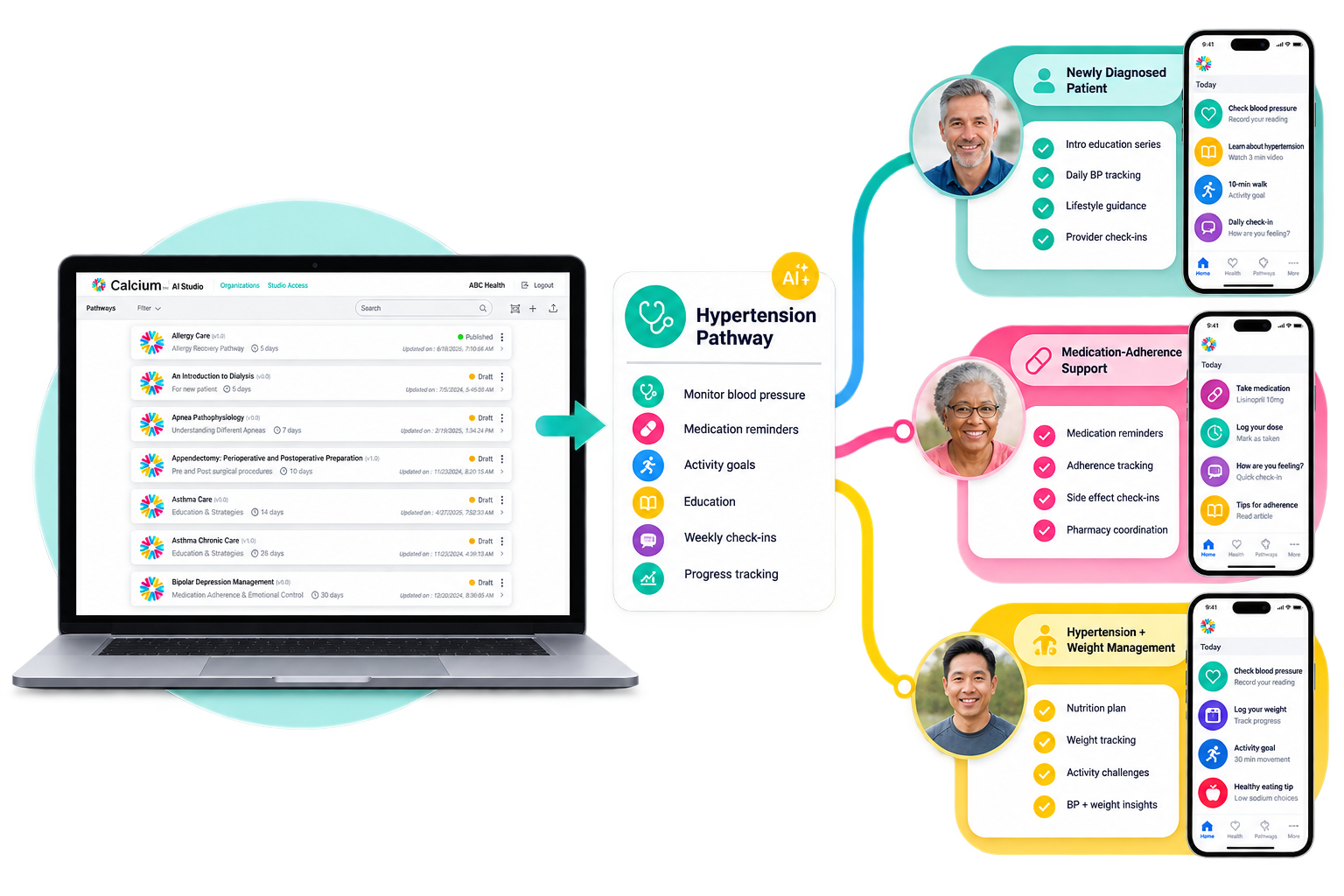
- Calcium AI Studio gives providers the ability to build and launch custom digital pathways that trigger the right actions at the right time
This isn’t automation for automation’s sake, it’s purpose-built to improve outcomes, reduce burnout, and save your team hours each week.
Why Now Is the Time
Healthcare is evolving fast. Staffing is tight. Metrics are strict. And expectations from payers and patients alike are rising.
You can’t afford to keep working harder on broken workflows. Automation gives you a smarter way to work one that supports your people while scaling your impact.
Automation isn’t about replacing the human side of healthcare, it’s about protecting it. By offloading the repetitive, time-consuming tasks that bog down care teams, automation gives providers and staff more time to focus on what truly matters: building relationships, improving outcomes, and delivering high-quality, personalized care.
In value-based care, every minute counts. The right digital tools can make those minutes more meaningful for your team and your patients. Whether you're trying to reduce burnout, improve care coordination, or meet your quality benchmarks more efficiently, automation can help you get there faster and with less friction.
Reference
- Ludwig, H., & Whittingham, K. (1999). Virtual enterprise co-ordinator agreement-driven gateways for cross-organisational workflow management. ACM SIGSOFT Software Engineering Notes, 24(2), 29–38. https://doi.org/10.1145/295666.295670
- Wright, C., Swanston, A., Nicholson, L., & Marjenberg, Z. (2023). HTA360 A Comparative Assessment of Systematic Literature Review Requirements for Health Technology Assessment, Globally. Value in Health, 26(12), S389–S390. https://doi.org/10.1016/j.jval.2023.09.2043
- Chan, L.J., Yunqing, F.G., Lanca, L., Ahjonpalo, J., Perälahti, J., Iivarinen, T., Ollikainen, V., & Metsälä, E. (2021). Using Convolutional Neural Network in 3D Reconstruction from 2D Radiographs - A Scoping Review. Kliininen Radiografiatiede. https://sorf.fi/wp-content/uploads/2022/08/Kliininen-Radiografiatiede.pdfviimeinen.pdf#page=13
- Ctortecka, C., & Mechtler, K. (2021). The rise of single‐cell proteomics. Analytical Science Advances, 2(3-4), 84–94. https://doi.org/10.1002/ansa.202000152