A Practical Guide to Unifying Your People, Platforms and Performance Goals
Every healthcare organization wants to succeed in value-based care but good intentions alone won’t get you there.
The reality? Many value-based initiatives stall not because of lack of effort, but because of lack of alignment. Teams work in silos, technology piles up without a clear strategy, and outcomes are tracked after the fact instead of being guided in real time. The stakes are high, and the challenges are real.
But here’s the good news: with the right strategic planning, your practice can turn value-based care from a buzzword into a system that actually works for your team, your patients, and your bottom line. The key is connecting the dots between people, platforms and performance from the start. If you're navigating the transition to value-based care, this post is your roadmap.
Aligning Teams: The Human Backbone of VBC
Let’s be honest value-based care isn’t just a new billing model. It’s a new way of delivering care. And to make that shift successful, you need your team working in sync.
In traditional fee-for-service systems, clinicians often operate in silos. But VBC demands collaboration. Think of it like a relay race each provider hands off the baton with precision so the whole team wins. That only works when roles are clearly defined and aligned.
So how do you align your care teams?
Here are four essential strategies:
- Assign clear roles and responsibilities within care pathways
- Use shared dashboards that show real-time task lists and progress
- Build feedback loops into daily or weekly huddles
- Create alerts and triggers for shared accountability on at-risk patients
The Workforce for 21st Century Health and Health Care report backs this up team-based models improve quality and efficiency, but only when workflows are structured, not chaotic.
Aligning Technology: Choose Tools That Work With You, Not Against You
One of the biggest mistakes organizations make? Picking tools that complicate workflows instead of simplifying them.
Your EHR might be great at storing records, but it likely wasn’t built to manage care plans, engage patients or track VBC performance. That’s where digital platforms designed for value-based care like Calcium make the difference.
So what should you look for in a VBC-ready tech solution?
Make sure it offers:
- Role-based care coordination dashboards to keep teams aligned
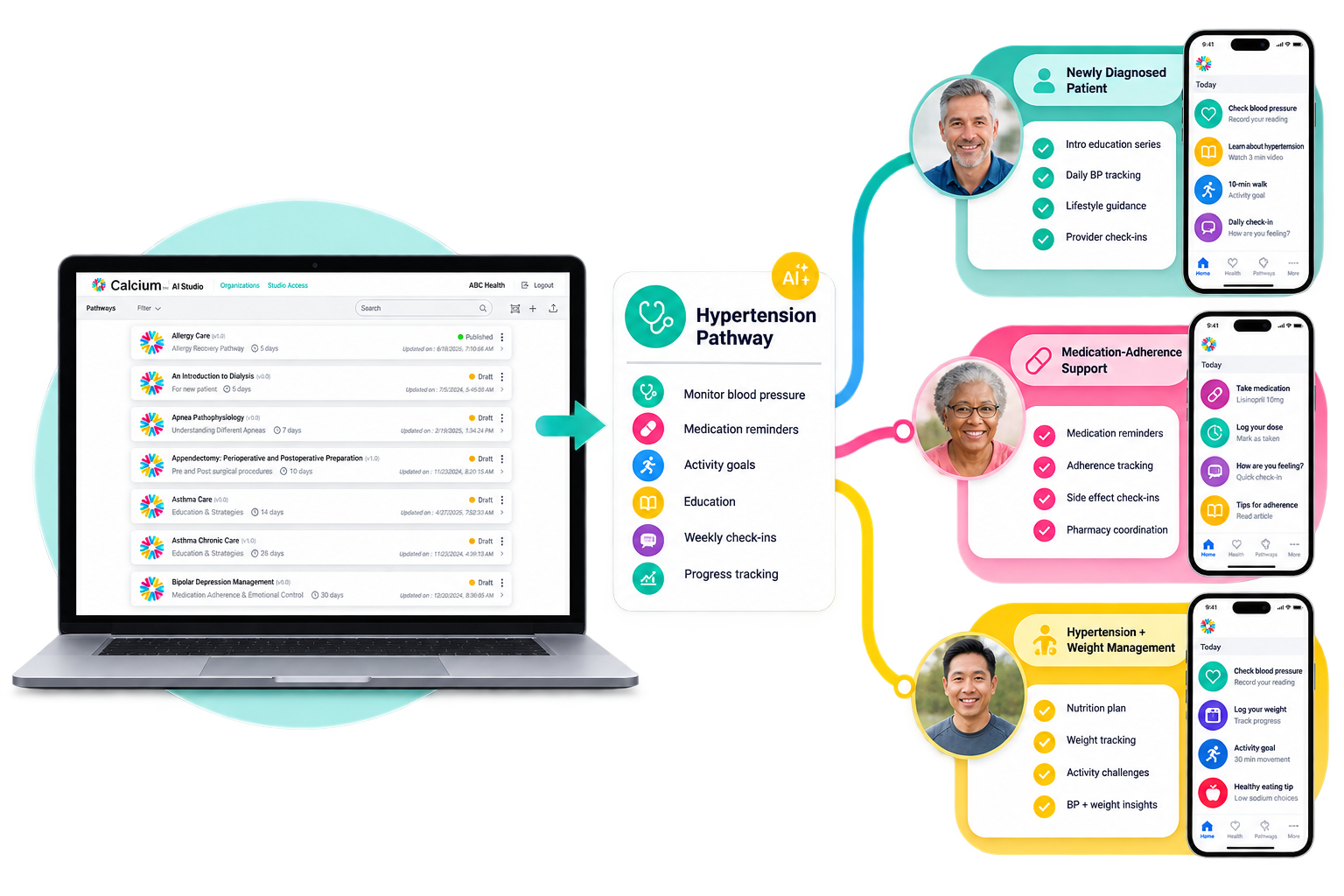
- Automated care pathways tailored by condition or risk level
- Mobile-first engagement tools for patients to stay active in their care
- Real-time performance tracking to tie daily actions to strategic goals
- Behavioral health integration that fits inside primary care workflows
- Scalable infrastructure so you can start small and grow fast
Platforms like Calcium combine all these features in one place, helping you reduce tech fatigue and boost team productivity from day one.
Aligning Outcomes: Define Success Before You Measure It
Let’s be clear value-based care is only “value-based” if you’re measuring the right outcomes. But what does success actually look like in your practice?
Here’s the trap: Many organizations focus only on claims data or quality measures required by payers. Those are important, yes but they’re not the full picture.
Real VBC strategy tracks four outcome domains:
- Clinical (e.g., controlling A1C, reducing readmissions)
- Utilization (e.g., fewer ED visits, better post-acute transitions)
- Patient experience (e.g., engagement scores, mobile check-in rates)
- Financial (e.g., total cost of care, shared savings earned)
The key is connecting these metrics back to daily care decisions. For example, if you want to reduce hospitalizations for CHF patients, you need a platform that monitors medication adherence, flags fluid retention symptoms and notifies your care manager all before a crisis happens.
Tools like Calcium Core and AI Studio help you define and automate that kind of proactive monitoring.
Strategy in Action: Building a Closed-Loop VBC System
So how does it all come together? Imagine a VBC ecosystem where strategy doesn’t just live in boardrooms—it’s lived out in every care interaction.
Here’s how that closed-loop system works:
- Risk stratification identifies high-priority patients based on conditions, behavior or SDOH
- Care plans auto-assign using templates tailored by AI and clinical goals
- Team members receive tasks based on their role, viewable in a shared dashboard
- Patients engage daily via mobile, receiving reminders, education and symptom tracking
- Performance dashboards show how individual efforts connect to strategic goals
- Alerts and insights trigger interventions or plan adjustments when needed
This process doesn’t just improve care, it creates alignment. Everyone, from medical assistants to medical directors, knows where they’re heading and how to get there.
Avoiding Pitfalls: What Derails Strategic VBC Planning?
Even well-intentioned plans can fall apart without the right foundation. Here are a few common pitfalls we see—and how to avoid them:
Pitfall 1: Vague Goals with No Measurable Targets
- Solution: Start with clear metrics (e.g., reduce avoidable ED visits by 15%) and work backward.
Pitfall 2: Tools That Don’t Communicate or Scale
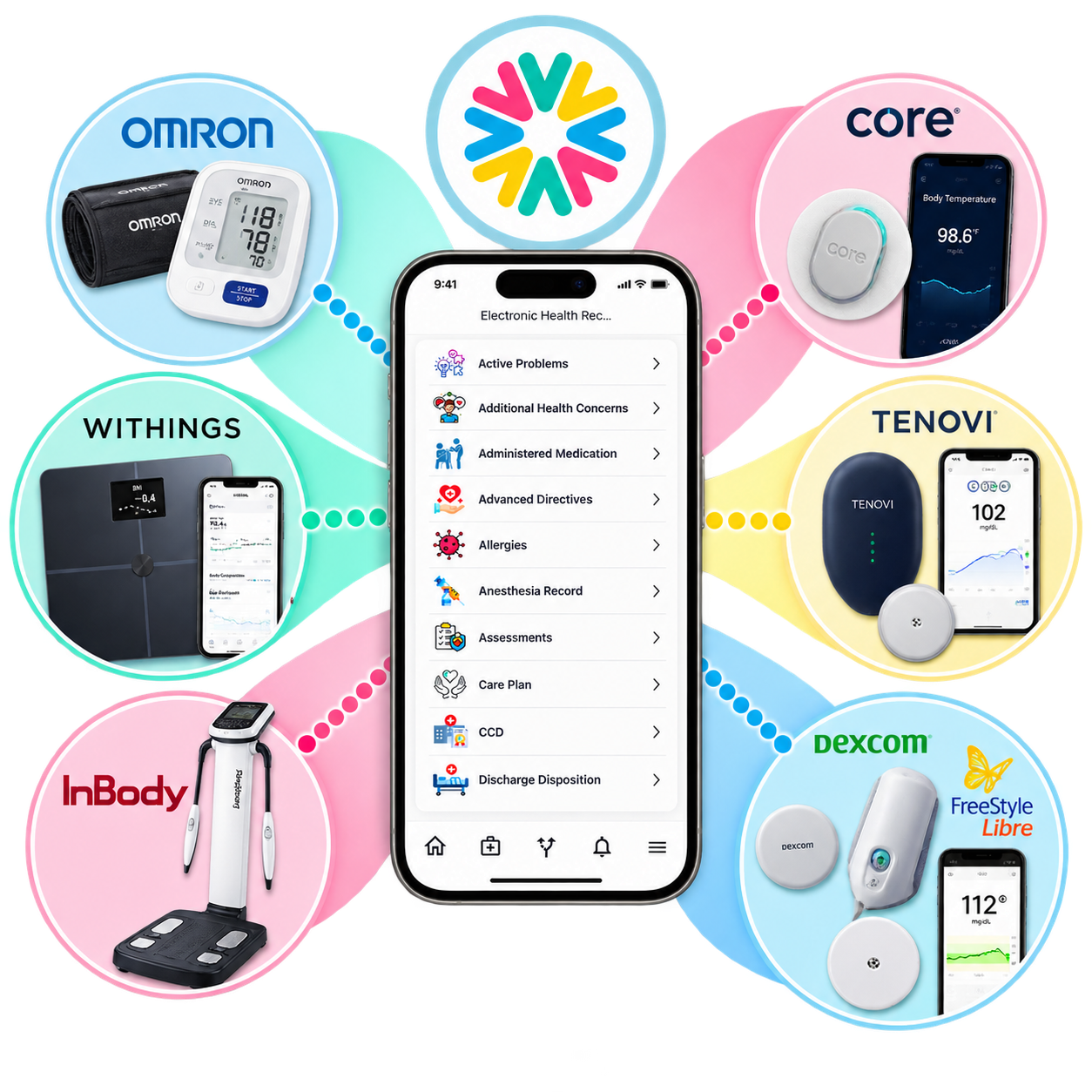
- Solution: Choose a digital platform like Calcium that integrates with existing systems, offers modular setup, and supports multi-site rollouts.
Pitfall 3: Top-Down Planning with No Team Buy-In
- Solution: Include frontline staff in strategy design. Use Calcium’s role-based dashboards to give each team member visibility into progress.
Pitfall 4: Engagement That Ends at the Exam Room Door
- Solution: Extend care plans into the patient’s daily life using mobile tools, check-ins and behavioral health prompts, all built into Calcium’s Super App.
Strategic planning for VBC isn’t just about where you’re going, it’s about giving every stakeholder the map to get there.
How Calcium Aligns Teams, Tech and Outcomes
At the heart of strategic alignment is a platform built for real-world care delivery. Calcium was designed to solve the very challenges that stall VBC progress in small practices, large systems and everything in between.
Here’s how:
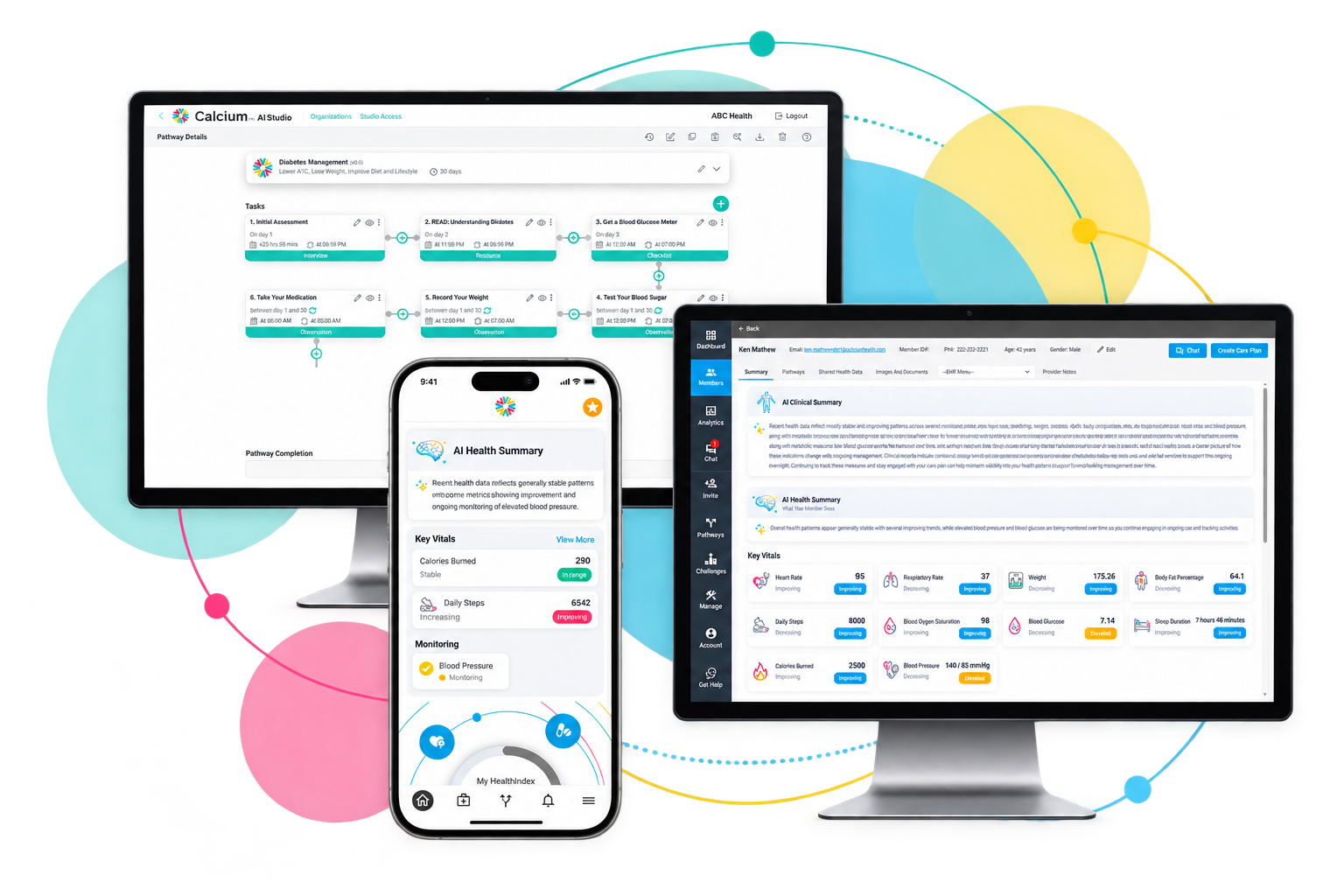
- Calcium Core: Your command center for care coordination, outcome tracking and performance visualization
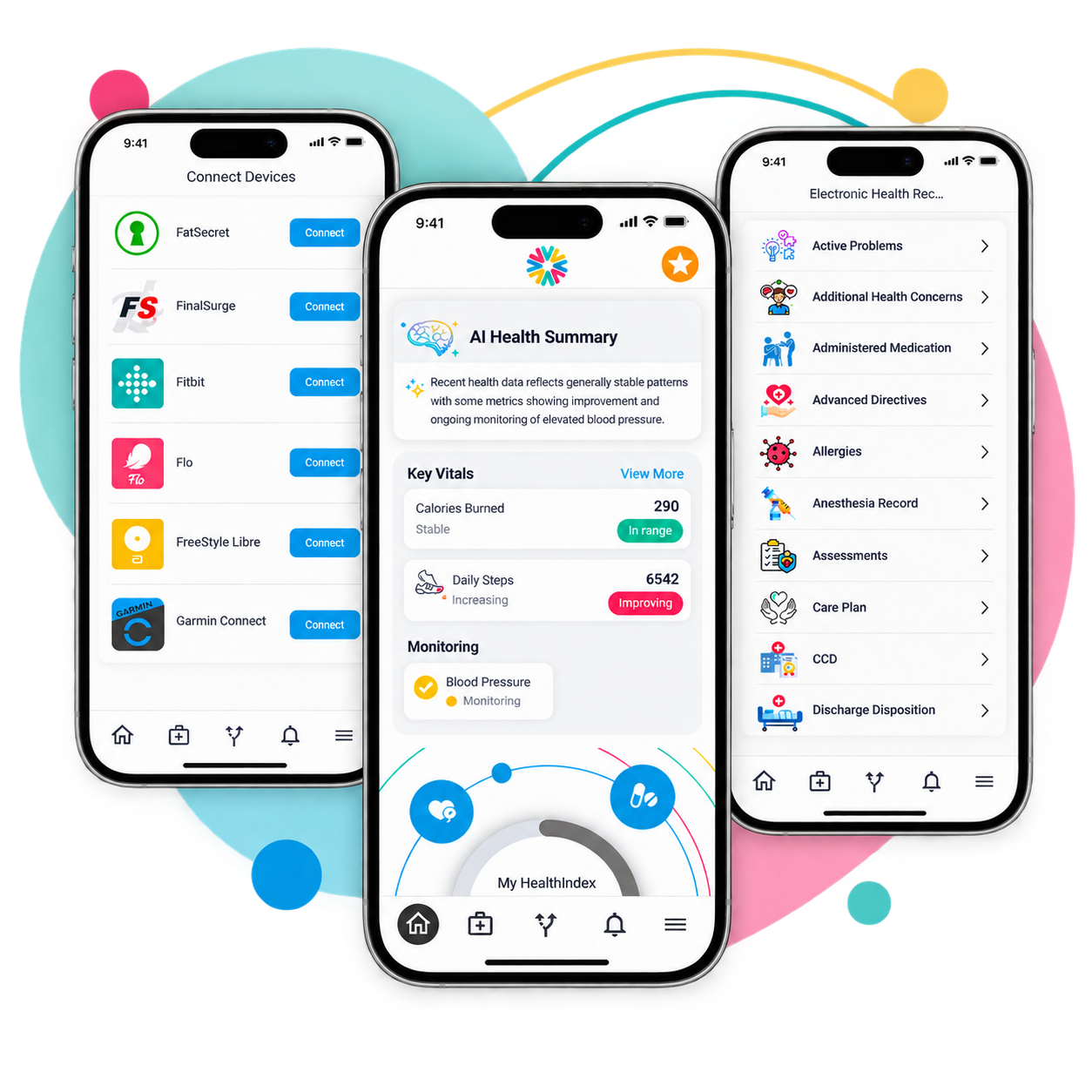
- Calcium Super App: Your patient-facing engagement engine, keeping people connected outside the clinic
- AI Studio: Your customization tool for creating condition specific pathways, automating workflows and adapting to new contracts or goals
Together, they form a single ecosystem that helps align care teams, track what matters, and deliver outcomes that speak for themselves.
In other words? Strategy becomes more than a document, it becomes a daily practice.
The Wrap
Strategic planning isn’t just a box to check, it’s the engine that drives real progress in value-based care. When your teams, technology, and outcomes are aligned, your organization can move from reactive care to proactive, coordinated, and results driven performance.
But alignment doesn’t happen by chance, it requires smart tools and a flexible framework that evolves with your goals. That’s where the Calcium digital health platform comes in.
Whether you're managing chronic conditions, scaling patient engagement, or reporting on value-based contracts, Calcium empowers your care teams to operate with clarity, collaboration, and confidence. From customizable care pathways to real-time dashboards and mobile-first patient engagement, Calcium simplifies the complexity of modern care delivery.
Reference
- Aldosari, B. (2024). Information Technology and Value-Based Healthcare Systems: A Strategy and Framework. Cureus, 16(2). https://doi.org/10.7759/cureus.53760
- Porter, M., & Lee, T. (n.d.). The Strategy That Will Fix Health Care. https://www.aerodigestive.us/wp-content/uploads/2020/11/Porter-Lee-2013-The-strategy-that-will-fix-health-care-annotated.pdf
- Malmivaara, A. (2020). Vision and strategy for healthcare: Competence is a necessity. Journal of Rehabilitation Medicine, 52(5), 0. https://doi.org/10.2340/16501977-2684
- Pantaleon, L. (2019). Why measuring outcomes is important in health care. Journal of Veterinary Internal Medicine, 33(2), 356–362. https://doi.org/10.1111/jvim.15458