Empowering Everyday Health Decisions Through Smarter, Connected Care
Healthcare is evolving, but one thing remains constant: outcomes depend on what happens between appointments. Whether it's managing a chronic condition, following a recovery plan or making lifestyle changes, patients play a critical role in their own care.
Yet, too often, they’re left to navigate that journey alone with little guidance, feedback or support. That gap between clinical care and daily life is where value-based care can either succeed or fall apart. And at the center of it all is patient engagement. Not the passive kind, where patients receive instructions and forget them by the time they get home but active, informed, ongoing engagement that empowers real change.
The question is: how do we make that happen at scale, across diverse populations, and in a way that fits into everyday life? The answer starts with rethinking how we connect with patients and how technology can bridge the gap between care plans and personal progress.
Why Patient Engagement is the Cornerstone of Value-Based Care
In today’s healthcare landscape, one truth is becoming crystal clear: patients aren’t just recipients of care they’re participants. Their day-to-day choices and behaviors play a massive role in outcomes. So, if your value-based care (VBC) model doesn’t focus on keeping patients engaged, it’s like trying to steer a ship without a rudder.
And yet, most health systems still struggle to keep patients truly involved in their own care. From chronic disease management to behavioral health support, engagement remains one of the biggest hurdles to delivering the outcomes that VBC demands.
Let’s look at the top challenges providers face and how a unified digital platform like Calcium helps tackle them head-on.
1. Low Motivation and Follow-Through Between Visits
Once a patient leaves the clinic, the momentum of care can easily fade. Without reinforcement or reminders, even the best care plans often end up gathering dust.
This drop-off in follow-through is one of the main reasons many VBC models underperform. Patients miss meds, skip workouts or fail to monitor symptoms not because they don’t care, but because life gets in the way.
Calcium’s digital health platform solves this by offering:
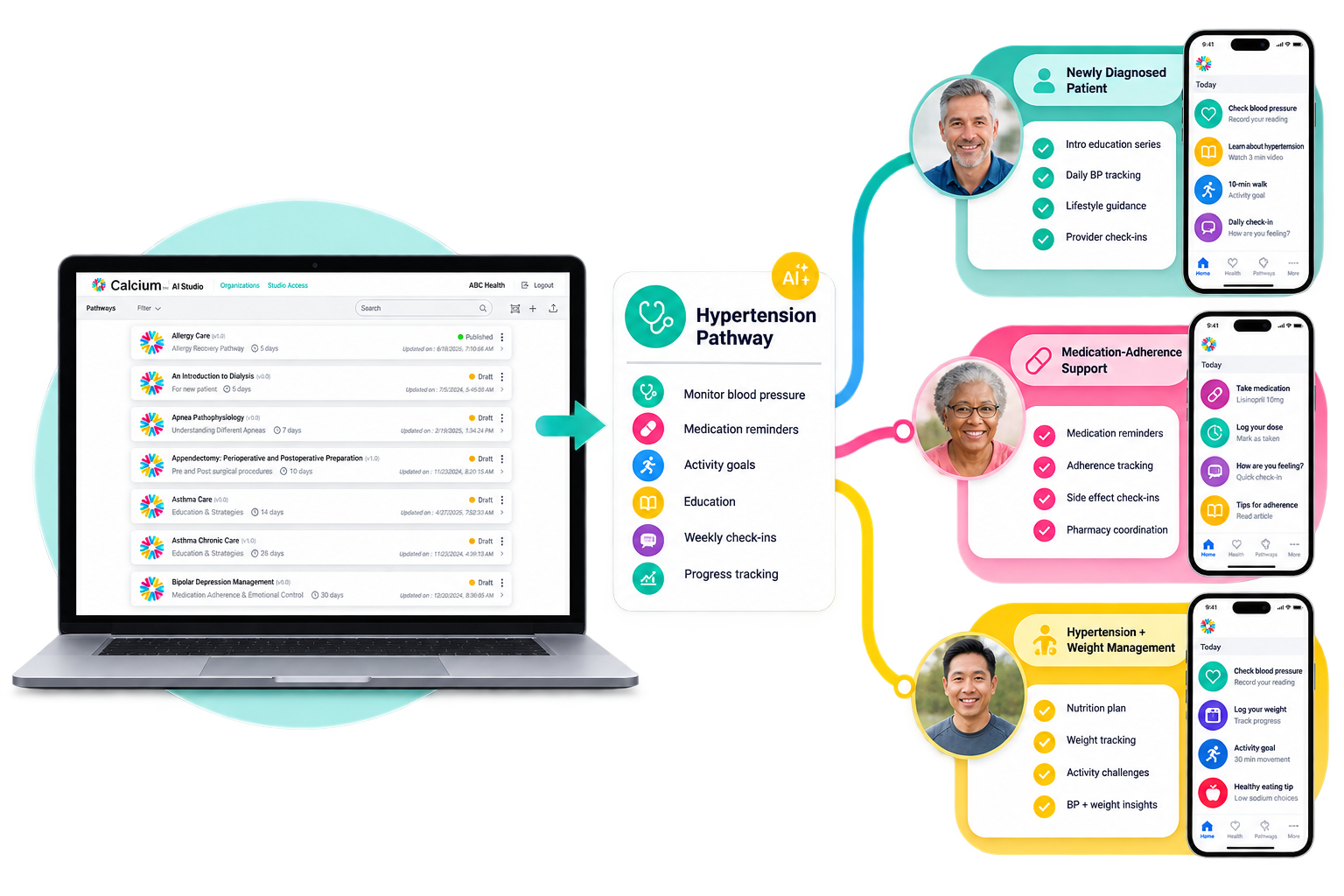
- Daily digital pathway guidance that reminds users of tasks like medication, activity, journaling or vitals tracking
- Behavioral nudges and push notifications to prompt action without being overwhelming
- Gamification tools like badges and progress bars to reward consistency
When health becomes part of a person’s daily routine not just something they do at appointments engagement becomes second nature.
2. Lack of Personalized Communication
Generic health tips and one-size-fits-all messaging fall flat. Patients want to feel seen and supported. That means sending the right message at the right time based on the patient’s condition, behavior and goals.
A study on technology-supported care in diabetes and mental health highlighted the importance of personalized digital pathways in sustaining engagement. When patients receive relevant content and feedback, they’re far more likely to stay on track.
With Calcium, care teams can:
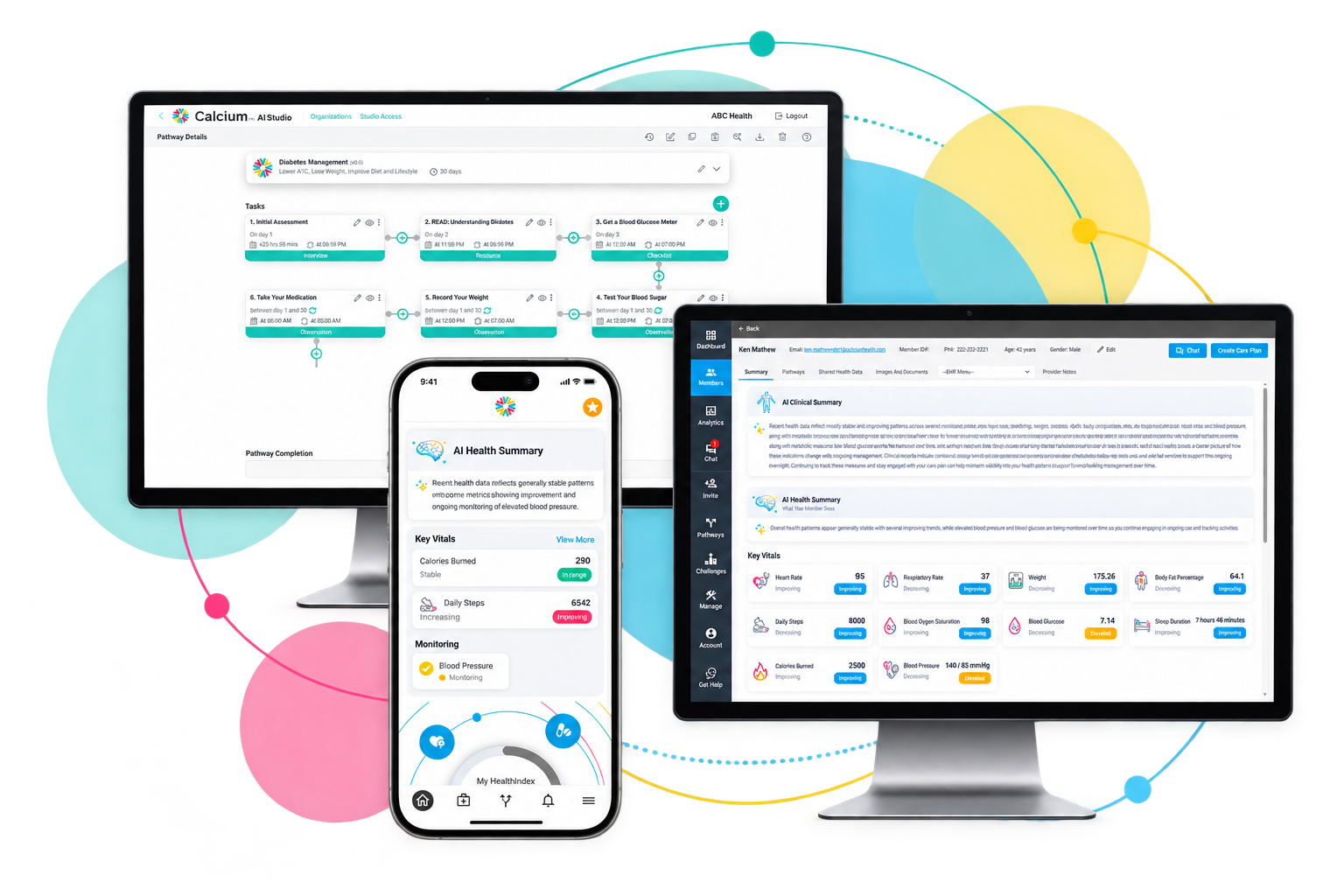
- Create custom or AI-generated care pathways for specific conditions, life stages or recovery plans
- Tailor prompts and education to each user’s activity and feedback
- Deliver condition-specific resources, like diet tips for diabetes or stress techniques for anxiety
This kind of personalization turns passive patients into active partners in their own care.
3. Limited Health Literacy and Support Tools
Many patients don’t disengage because they’re uninterested they just don’t fully understand their conditions or what’s expected of them. Health literacy remains a major barrier, especially in complex chronic disease management.
The Value-Based Care in Hepatology study emphasized the need for accessible education and regular touchpoints in managing liver conditions. The same is true across specialties.
That’s why Calcium’s Super App includes:
- Interactive care journeys that explain each step in simple, everyday language
- Embedded articles and videos related to the patient’s diagnosis or health goals
- Symptom and journal tracking tools to help patients notice trends and reflect on their health
By making healthcare understandable and relatable, we remove one of the biggest roadblocks to engagement.
4. Technology Barriers and User Experience Issues
Even the best health apps are useless if people can’t or won’t use them. Whether due to poor design, limited digital skills or device compatibility issues, technology can become a barrier instead of a bridge.
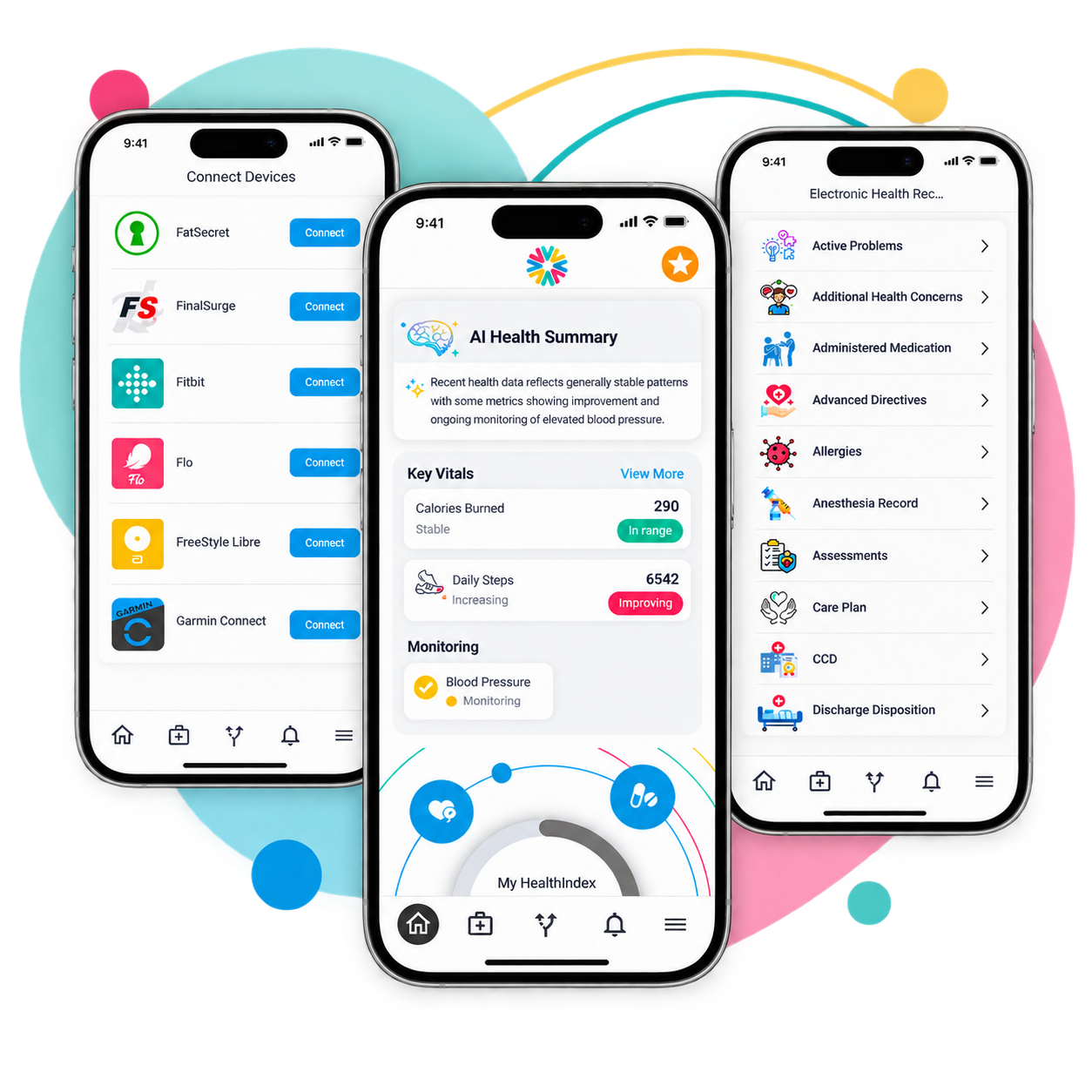
Calcium’s platform was built with a mobile-first, consumer-friendly design that doesn’t require a tech background to use. Key user-friendly features include:
- One-click EHR access and sharing
- Voice-to-text health journaling for ease of use
- Simple navigation with a clear, intuitive layout
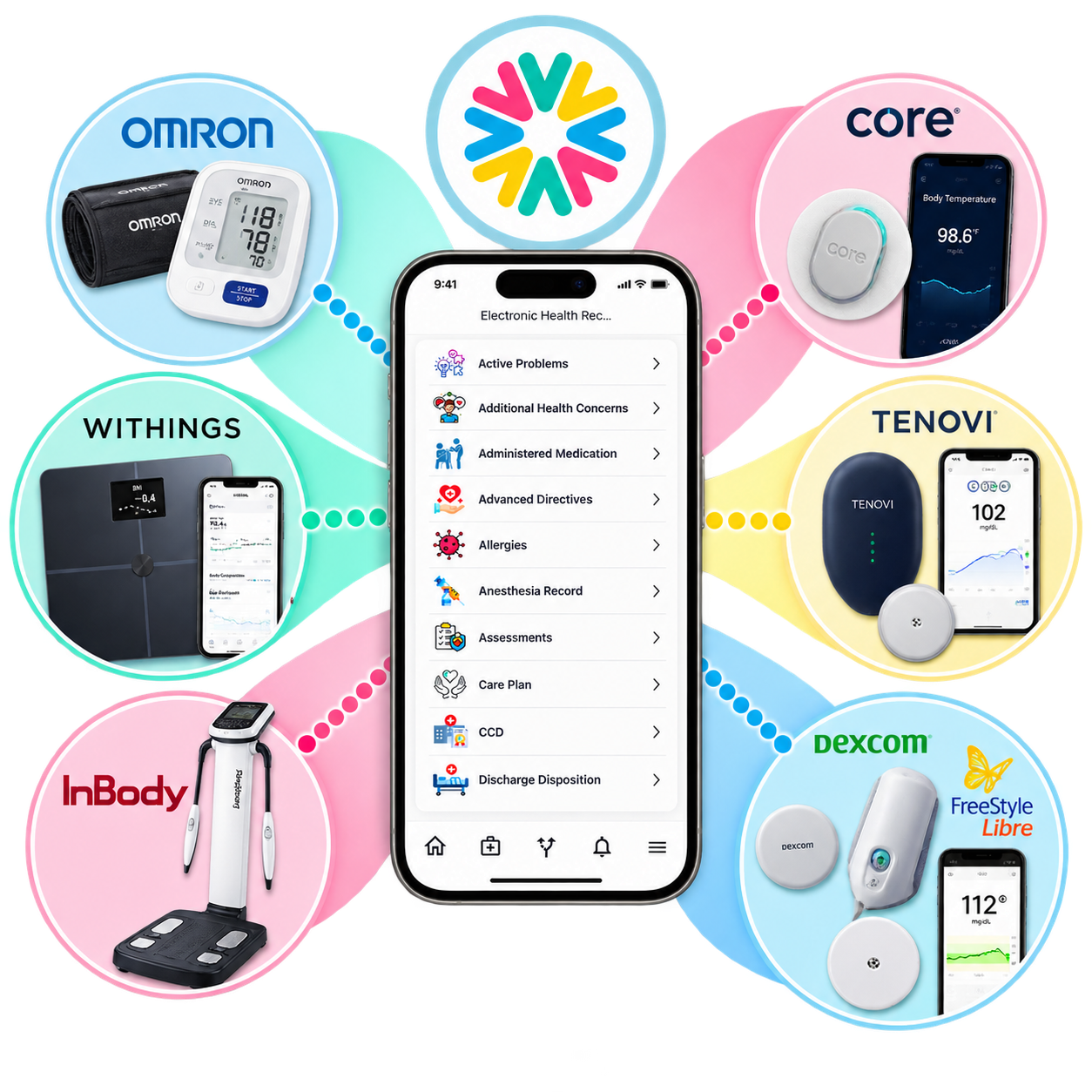
- Integration with common wearables and devices like Apple Watch, Google Fit and Dexcom
When you make health engagement easy, patients are far more likely to stick with it.
5. Disconnect Between Tools and Daily Life
Apps that live in a vacuum don’t make an impact. Engagement skyrockets when digital health tools become part of a person’s daily habits, whether that’s through a smartwatch reminder, a nudge during a walk or a check-in while logging meals.
Calcium bridges that gap by integrating with:
- Over 100 leading apps and wearables to centralize data
- EHR systems from over 95% of U.S. health providers
- Medication management tools that link to pharmacy records and reminders
This real-world relevance ensures the platform complements not complicates patients’ routines.
6. Undersupported Behavioral Health Needs
Many patient engagement platforms focus only on physical health but mental health is a major driver of overall outcomes, especially in value-based care.
The scoping review on diabetes and mental health integration found that digital engagement must include emotional support, especially for patients with co-occurring chronic and mental health conditions.
Calcium addresses this with:
- Digital journaling and mood tracking features
- Behavioral health-specific pathways for depression, anxiety and substance use
- Pre- and post-therapy check-ins and CBT-based prompts
These features allow patients to better understand and manage their mental health, while giving providers valuable insight to intervene early.
7. No Feedback or Visible Progress
Imagine trying to lose weight, manage blood pressure or control blood sugar but never knowing if you’re making progress. That’s the reality for many patients.
Without feedback, motivation fades. And in VBC, that can mean missed metrics, higher costs and worse outcomes.
Calcium offers real-time progress tracking, including:
- Health Index Scores that summarize performance in one glance
- Milestone alerts to celebrate achievements
- Visual trends for vitals, activity, symptom tracking and adherence
It’s like giving patients a dashboard for their health journey and the encouragement to keep going.
From Engagement to Outcomes: The Bigger Picture
All these features aren’t just “nice to have.” They’re vital. As outlined in the Theory of Value-Based Payment Incentives, patient adherence and participation directly impact whether a VBC model succeeds.
If your patients aren’t engaged, no amount of clinical effort will move the needle on readmissions, medication compliance or overall health outcomes.
That’s why a digital health platform like Calcium designed around the patient experience and provider goals is more than just a tech solution. It’s a strategic asset for healthcare organizations that want to thrive under value-based care.
Patient engagement isn’t just a checkbox in a value-based care model, it’s the driving force behind better outcomes, healthier behaviors, and smarter healthcare delivery. When patients feel connected, supported, and equipped to manage their health, everyone wins providers hit their quality goals, systems reduce avoidable costs, and patients experience real progress. But engagement doesn’t happen by accident. It takes the right tools, thoughtful design, and seamless integration into daily life. That’s exactly what the Calcium digital health platform delivers. With personalized pathways, behavioral health support, and real-time data insights, Calcium helps turn care plans into meaningful action every day, for every patient.
Reference
- Henshall, C., & Schuller, T. (2013). Health Technology Assessment, Value-Based Decision Making, and Innovation. International Journal of Technology Assessment in Health Care, 29(4), 353–359. https://doi.org/10.1017/s0266462313000378
- Strazzabosco, M., Allen, J. I., & Teisberg, E. O. (2017). Value-based care in hepatology. Hepatology, 65(5), 1749–1755. https://doi.org/10.1002/hep.29042
- Conrad, D. A. (2015). The Theory of Value-Based Payment Incentives and Their Application to Health Care. Health Services Research, 50(2), 2057–2089. https://doi.org/10.1111/1475-6773.12408
- Racey, M., Whitmore, C., Alliston, P., Cafazzo, J. A., Crawford, A., Castle, D., Dragonetti, R., Fitzpatrick-Lewis, D., Jovkovic, M., Melamed, O. C., Naeem, F., Senior, P., Strudwick, G., Ramdass, S., Vien, V., Selby, P., & Sherifali, D. (2023). Technology-Supported Integrated Care Innovations to Support Diabetes and Mental Health Care: Scoping Review. JMIR Diabetes, 8(1), e44652. https://doi.org/10.2196/44652