Turning Missed Opportunities into Meaningful Outcomes with Smarter Digital Tools
We all know someone who’s missed an important health screening maybe it was a parent, a spouse, or even ourselves. Sometimes it’s unintentional. Life gets busy. Reminders slip through the cracks. Other times, people don’t realize they’re due or don’t understand why a screening even matters.
The truth is, preventive screenings save lives, but only when people actually get them. In today’s healthcare system, we have the tools to fix this. Data is everywhere from your smartwatch to your doctor’s EHR system but the problem is, most of it lives in silos.
What if there was a way to connect it all, make it understandable, and use it to nudge people toward better health? That’s where the power of patient health data comes in and it’s reshaping the future of preventive care.
The Current Landscape of Preventive Screenings in America
Preventive screenings are some of the most effective tools we have to detect disease early, yet millions of people skip or delay them each year. Despite knowing that early detection can save lives and reduce long-term treatment costs, many patients still fall through the cracks.
Why is that?
The reasons are as varied as they are frustrating. Patients often miss screenings due to simple forgetfulness, confusion about when screenings are due, or a lack of understanding of their own health data. Providers, on the other hand, may be overwhelmed with administrative tasks or miss opportunities to prompt patients during short visits. Add to that a fragmented healthcare system, and you’ve got a recipe for missed preventive care.
Why Patient Health Data Is the Missing Link
Health data is the connective tissue of modern medicine. It includes everything from your lab results and immunizations to your sleep patterns and blood pressure readings. When this data is complete, accurate, and accessible, it can unlock powerful opportunities for preventive care.
But there’s a catch: patient health data is often disorganized, outdated, or hard to access.
Here’s what’s getting in the way:
- Fragmented Records. Data is spread across multiple hospitals, doctors’ offices, and apps.
- Lack of Interoperability. Different systems don’t speak the same language.
- Data Overload for Providers. Clinicians are drowning in information but often lack the tools to make sense of it all.
- Patient Disengagement. Many people don’t know how to access or use their own health data.
The result? Missed screenings, late diagnoses, and higher healthcare costs for everyone.
Enter the Calcium Platform: A Modern Solution for a Broken System
The Calcium digital health platform tackles these problems head-on by organizing, integrating, and activating health data in ways that truly make a difference for both patients and providers.
Let’s break it down.
1. Unified Patient Data in One App
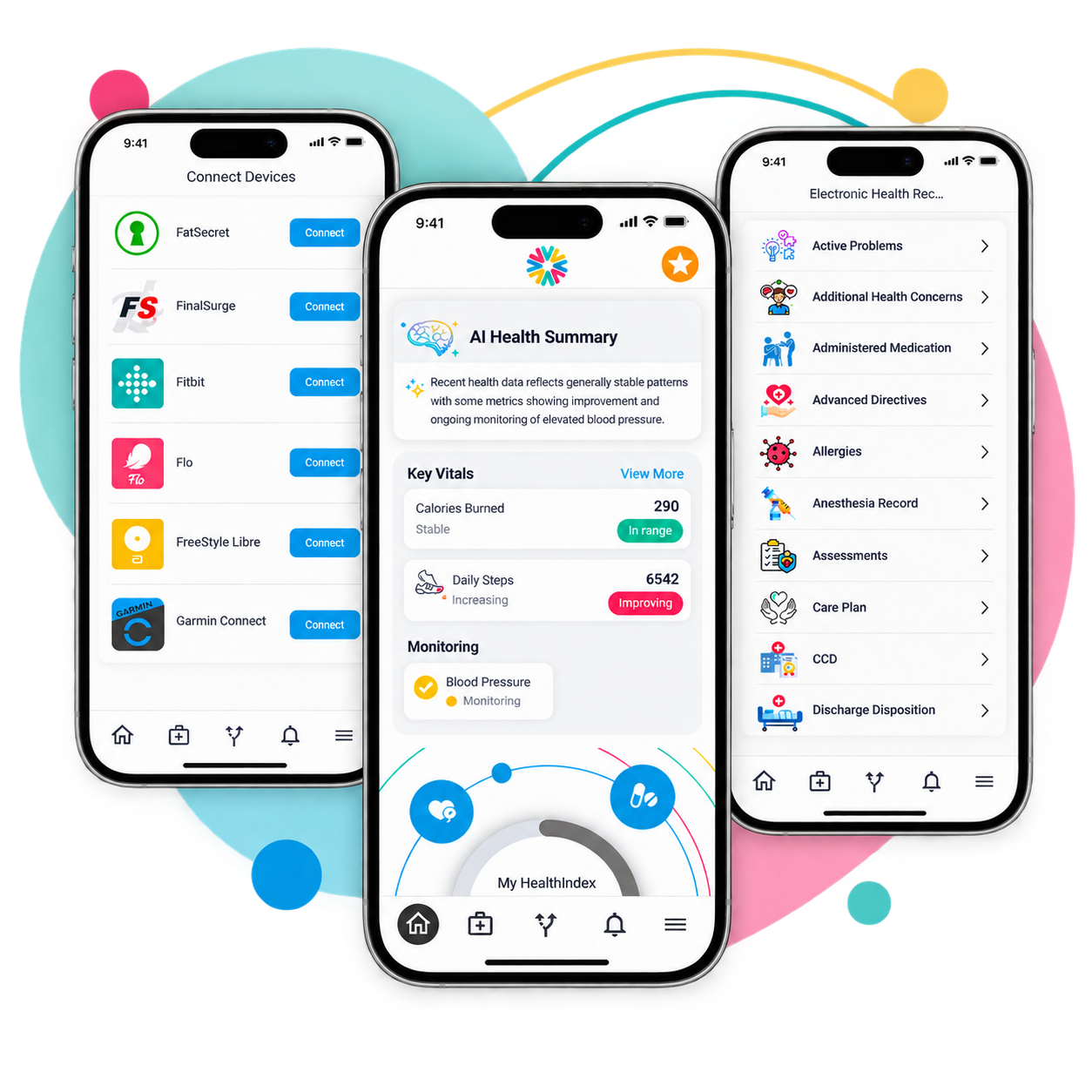
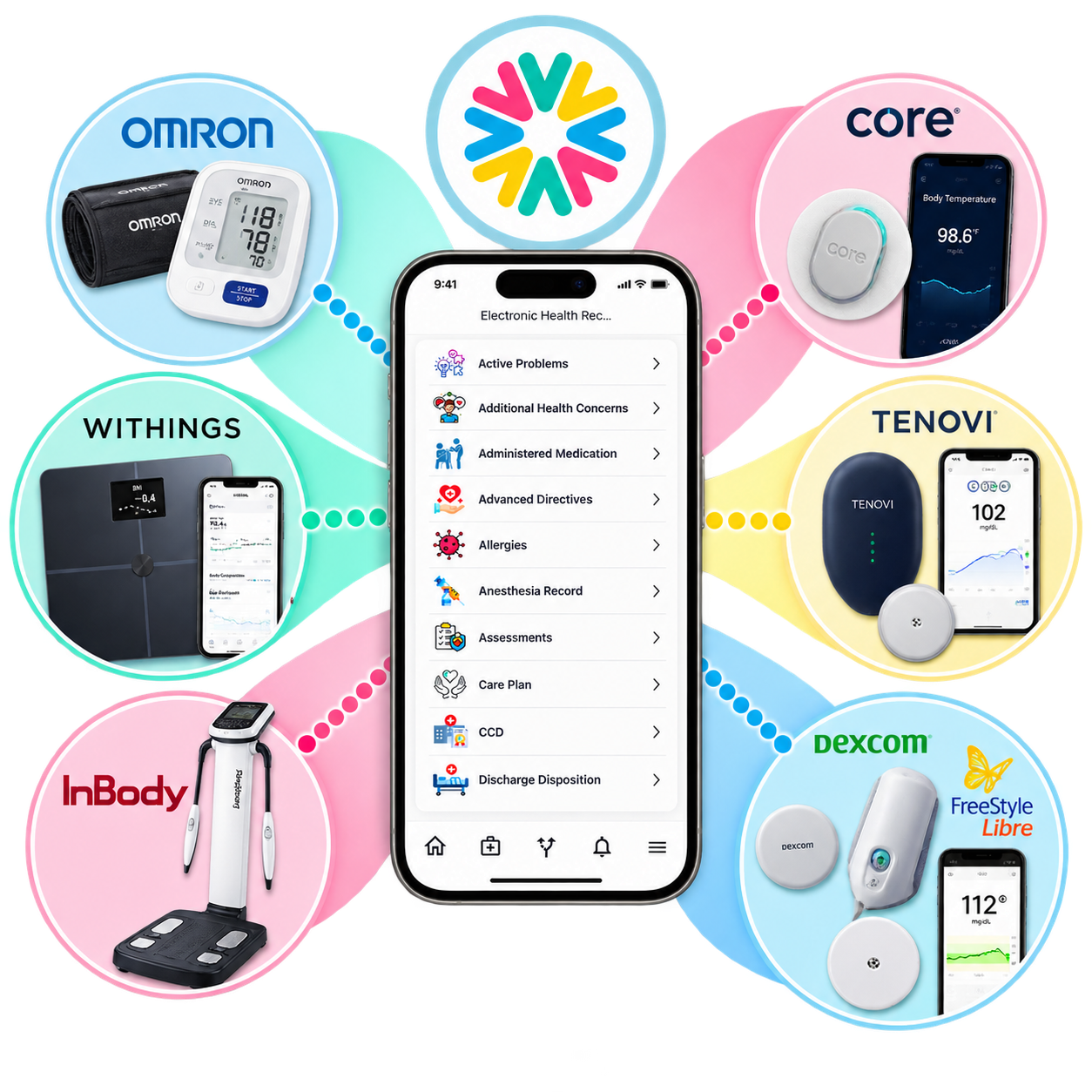
Imagine having all your medical records, wearable data, and fitness tracker information in one place. The Calcium Super App does just that. It pulls data from:
- Electronic Health Records (EHRs)
- Devices like Omron blood pressure monitors or Dexcom CGMs
- Wearables like Apple Watch or Fitbit
- Apps like Google Fit, MyFitnessPal, and more
This all-in-one view eliminates the guesswork. You no longer need to juggle multiple logins or keep a binder of paperwork. Whether you’re due for a mammogram or need to follow up on a cholesterol test, your Super App can tell you.
2. Personalized Digital Pathways for Preventive Care
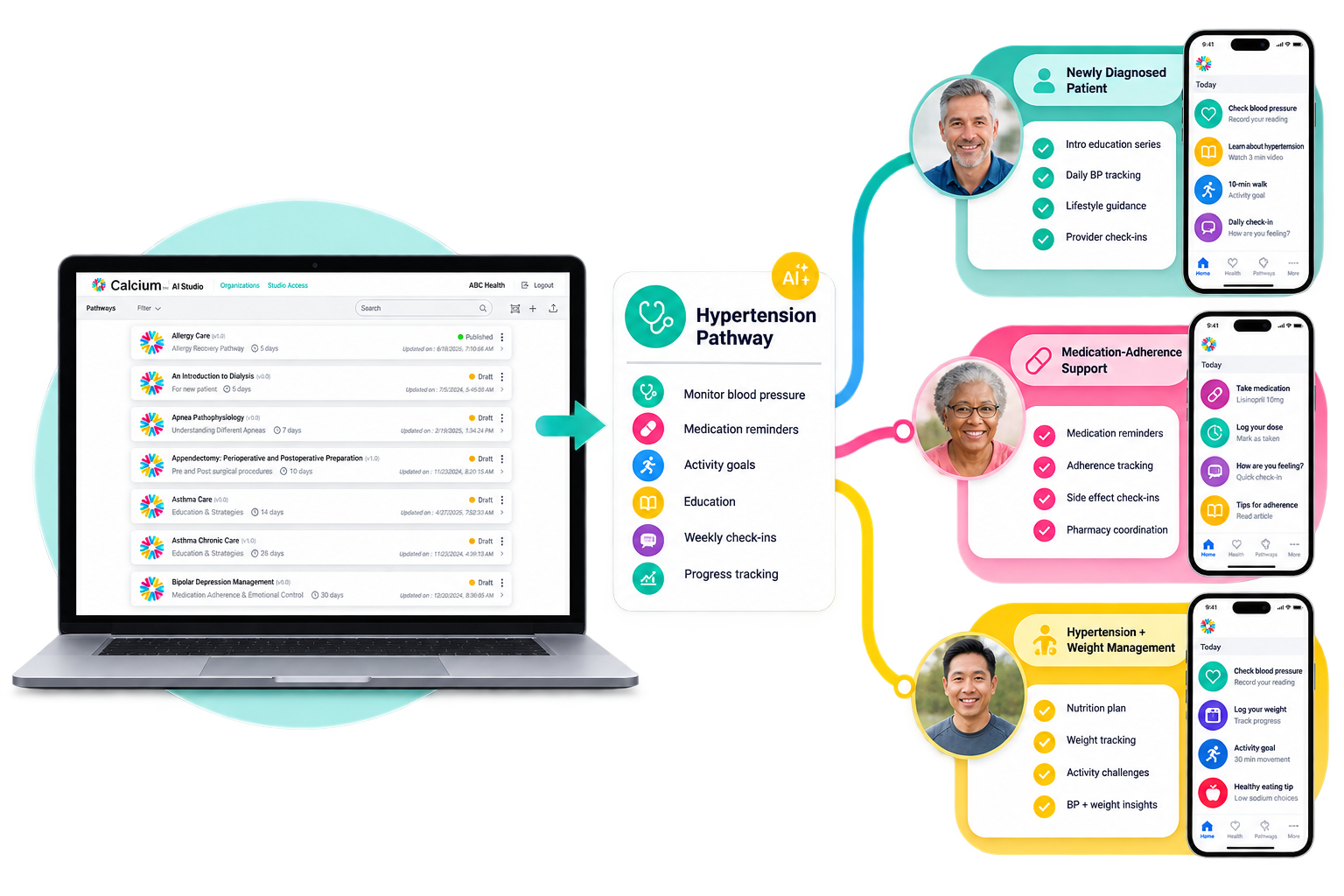
Think of Calcium’s digital pathways like GPS for your health journey. These AI-powered guides provide step-by-step directions to help you stay on track with preventive screenings.
For example, if you’re due for a colonoscopy, a pathway might:
- Send a reminder
- Offer prep tips
- Track symptoms or side effects
- Notify your provider if something seems off
These pathways are smart. They learn from your input, adjust to your progress, and help you stay accountable kind of like having a personal health coach in your pocket.
3. Real-Time Provider Insights via Calcium Core
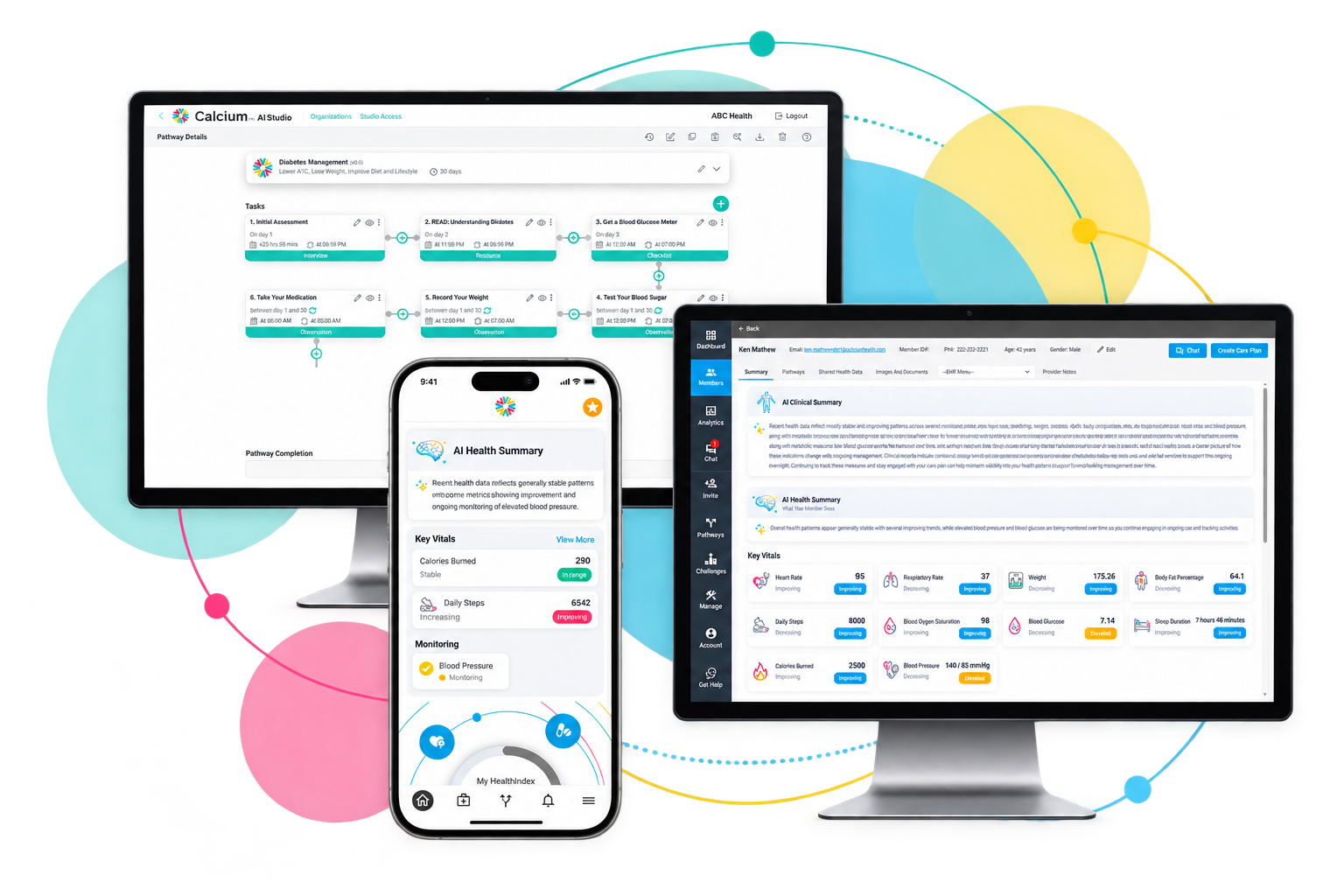
For providers, the Calcium Core dashboard delivers a full 360-degree view of each patient. No more flipping through disconnected charts or chasing down lab results. Providers can:
- See which patients are overdue for screenings
- Get alerts for missed check-ins or abnormal vitals
- Sort patients by risk level
- Track health trends over time
That means more efficient appointments, fewer missed preventive opportunities, and better outcomes.
Making Health Data Engaging and Actionable for Patients
You can hand people all the data in the world, but if it’s not easy to understand, it’s not helpful. Calcium knows this. That’s why the Super App doesn’t just store data it brings it to life.
Here’s how it drives patient engagement:
- Health Journal Integration. Users can jot down symptoms or questions for their doctor, keeping a running health diary.
- Gamified Health Goals. Visual progress bars and badges turn preventive tasks into motivating milestones.
- Friendly Reminders. Push notifications remind users to schedule or attend screenings.
- On-Demand Education. Articles and videos explain why a screening matters, what to expect, and how to prepare.
And because it’s mobile-first, anyone with a smartphone can take control of their health whether they live in a major metro area or a rural community.
Closing the Equity Gap in Preventive Care
Preventive care shouldn’t be a privilege. Unfortunately, many underserved communities face barriers like limited access to care, language differences, or digital literacy gaps.
Calcium’s platform helps bridge those divides by offering:
- Family Health Management. One caregiver can manage multiple family members, making it easier to support kids or aging parents.
- Secure Data Sharing. Patients can grant access to their data to trusted providers or family members.
- Customizable Pathways. With plans in place to support multi-language and culturally aware content, Calcium is working to meet people where they are.
This approach isn’t just inclusive it’s transformative. By supporting caregivers and families, the platform creates a ripple effect that improves care across generations.
The Research Backs It Up
The promise of digital platforms like Calcium is more than just tech optimism. Research shows that Electronic Patient Records (EPRs) significantly improve data accuracy, care continuity, and operational efficiency when implemented with thoughtful design and training.
In fact, one study highlighted in the attached research showed 99.7% prescription accuracy in digital systems compared to outdated paper-based ones. But the same research also warns us: not all digital systems are created equal.
Poorly designed EHRs can frustrate clinicians and reduce the quality of care. The key is designing tools that support not burden users. That’s exactly what Calcium aims to do with its adaptive digital pathways and user-first app experience.
From Data to Action: Tracking and Improving Outcomes
Having access to data is only part of the equation. What matters most is what you do with it.
With the analytics tools built into Calcium Core, providers can:
- Monitor screening completion rates across their patient population
- Compare outcomes over time
- Target outreach to at-risk or non-compliant patients
- Measure the effectiveness of specific pathways or reminder campaigns
Over time, this kind of insight helps practices refine their care strategies and reduce gaps in preventive care. It also supports value based care models where outcomes not just volume determine success.
The Wrap
Preventive care shouldn’t feel like a maze. With the right tools and a smart approach to patient health data, we can turn confusion into clarity, and missed screenings into life-saving action. Platforms like Calcium are making this shift not just possible, but practical helping patients stay on top of their health while giving providers the insights they need to guide care more effectively.
Whether you’re a healthcare provider aiming to boost outcomes or a patient ready to take more control of your health journey, Calcium makes it easier to act, track, and connect.
Reference
- Safran, C., & Goldberg, H. (2000). Electronic patient records and the impact of the Internet. International Journal of Medical Informatics, 60(1), 77–83. https://doi.org/10.1016/S1386-5056(00)00106-4
- Hassey, A., Gerrett, D., & Wilson, A. (2001). A survey of validity and utility of electronic patient records in a general practice. BMJ, 322(7299), 1401–1405. https://doi.org/10.1136/bmj.322.7299.1401
- Greenhalgh, T., Potts, H. W. W., Wong, G., Bark, P., & Swinglehurst, D. (2009). Tensions and paradoxes in electronic patient record research: A systematic literature review using the meta-narrative method. The Milbank Quarterly, 87(4), 729–788. https://doi.org/10.1111/j.1468-0009.2009.00578.x