How Smarter Technology Drives Safer Procedures, Streamlined Operations, and Better Patient Outcomes in Outpatient Care
When a patient walks into an Ambulatory Surgery Center (ASC), they expect precision, speed, and safety. But behind every smooth surgery is a hidden challenge—keeping everyone connected.
Surgeons, anesthesiologists, primary care doctors, and post-op therapists—each plays a role, yet too often they’re working with fragmented information. Disjointed communication isn't just inconvenient but dangerous in a world where a single missed detail can impact recovery.
The truth is, ASCs weren’t designed to operate like miniature hospitals, but they still carry the same responsibility for coordinated care. So, how do you bridge the gap between high-efficiency surgical care and seamless patient management?
That’s where integrated EHRs come in—not as another layer of technology, but as the central nervous system of modern ASC operations. If you think EHRs are just digital filing cabinets, think again. The future of safe, efficient, and connected outpatient surgery depends on something far smarter—and far more essential.
The Coordination Crisis: Why Traditional EHRs Fail ASCs
Let’s face it—most Electronic Health Records (EHRs) weren’t built with Ambulatory Surgery Centers (ASCs) in mind. They were designed for sprawling hospitals or primary care offices, not the fast-paced, procedure-driven world of outpatient surgery. So, what happens when ASCs try to squeeze into systems that don’t fit?
You get inefficiency, frustration, and worst of all, gaps in patient care.
Traditional EHRs often lack the flexibility to handle ASC-specific workflows. From managing surgical schedules to tracking post-op recovery, ASCs operate differently. Yet, many centers are stuck using systems overloaded with irrelevant hospital features while missing critical tools they need.
Even worse? These outdated systems don’t talk to each other. Data gets trapped in silos—pre-op notes here, lab results there, discharge instructions… somewhere else entirely. It’s like trying to complete a puzzle with half the pieces missing.
And when regulatory bodies like CMS demand detailed quality reporting, ASCs without integrated systems are left scrambling with manual data entry and paperwork mountains. That’s valuable time taken away from patient care.
How Integrated EHRs Transform ASC Patient Care
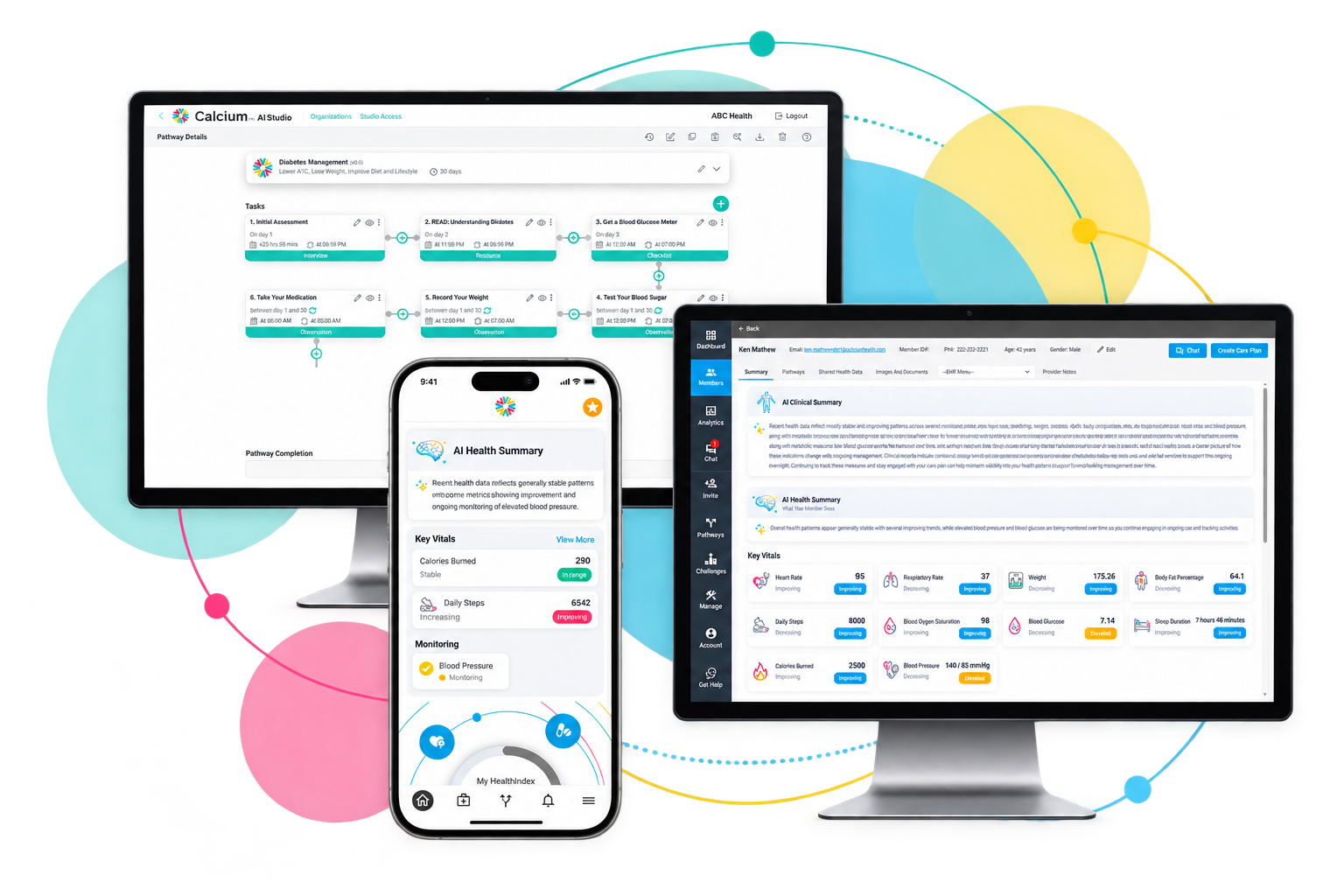
Now, imagine if all those moving parts worked together seamlessly. That’s the power of an integrated EHR—it doesn’t just store data, it connects the dots across every stage of the patient journey. Here’s how integrated EHRs are changing the game for ASCs:
1. Bringing the Whole Care Team onto the Same Page
In an ASC, patient care doesn’t stop when the surgery ends. There’s coordination with primary care physicians, specialists, physical therapists, and sometimes even behavioural health providers. Without an integrated system, vital information can slip through the cracks.
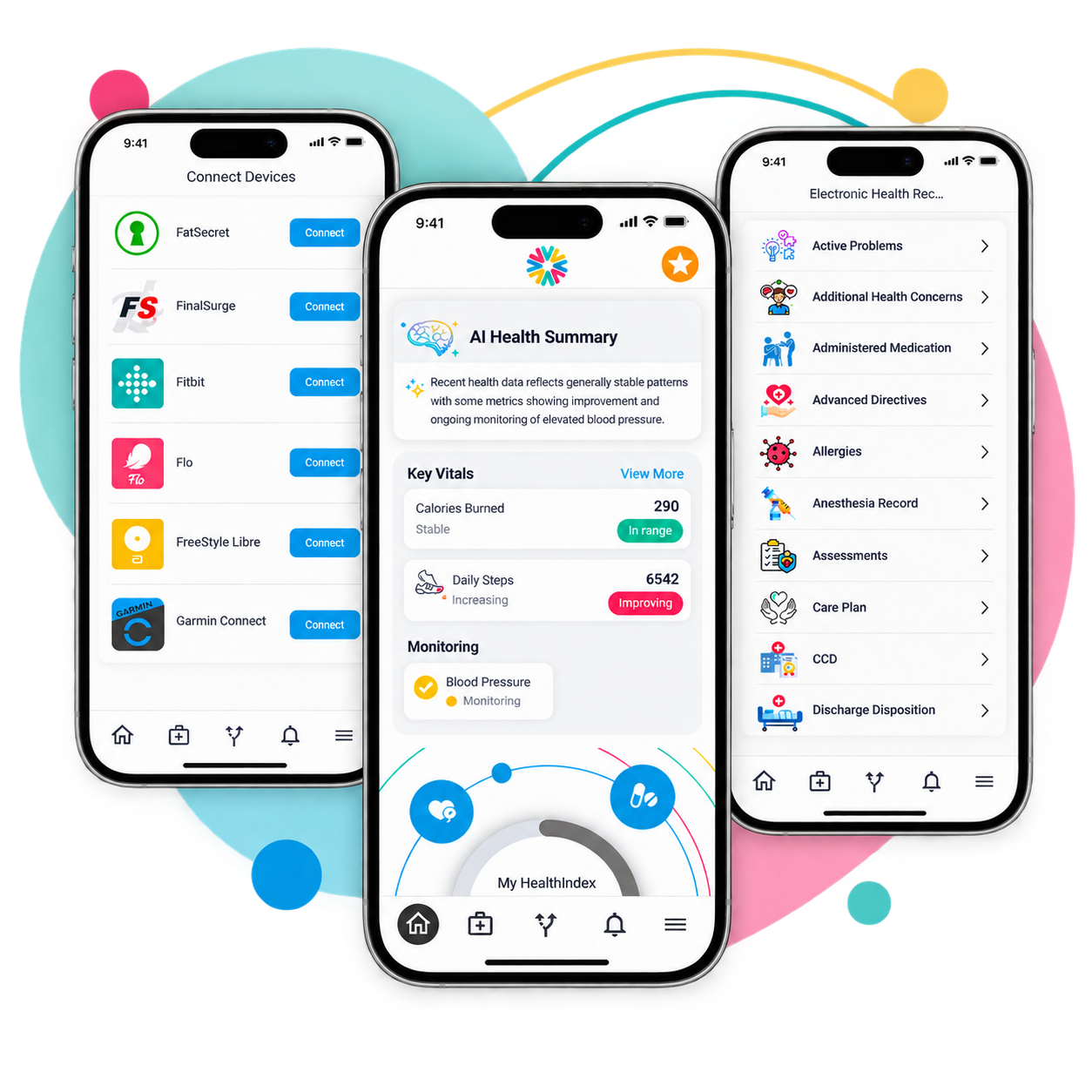
With an integrated EHR, everyone involved sees the same real-time data:
- Pre-op assessments
- Anesthesia records
- Surgical notes
- Post-op care plans
Think of it like a group chat where no message gets lost. Better communication means fewer errors, smoother handoffs, and safer patient outcomes.
2. Supporting Value-Based Care, Not Just Volume-Based Workflows
Healthcare is shifting from “how much care” to “how good is the care”?
That’s the essence of value-based care—and ASCs are right in the middle of this transformation. Integrated EHRs help ASCs thrive in this model by:
- Reducing unnecessary tests through shared data
- Preventing avoidable readmissions with better follow-up tracking
- Providing insights into patient outcomes, not just procedures completed
For example, studies show that low-volume ASCs have higher rates of post-op revisits, especially in patients with chronic conditions. An integrated EHR can flag high-risk patients early, ensuring they get the extra attention needed to avoid complications.
3. Streamlining Perioperative and Post-Op Workflows
Every ASC knows that efficiency is king. But without the right tools, managing pre-op clearances, surgical workflows, and post-op instructions can feel like juggling knives.
Integrated EHRs automate these processes:
- Pre-op checklists and required labs are triggered automatically
- Surgeons and anesthesiologists log data in real time
- Discharge instructions are customised and sent directly to patients
No more chasing paperwork or wondering if a box was ticked. It’s all built into the flow, keeping staff focused on care, not clerical tasks.
4. Protecting Patients with Data-Driven Safety Nets
Patient safety isn’t just about what happens in the OR. Timing matters—like ensuring antibiotics are given before the first incision or that surgical sites are properly marked. Paper records can’t enforce these protocols, but integrated EHRs can.
How? By embedding safety checks directly into workflows:
- Mandatory fields prevent skipping critical steps
- Time-stamped actions ensure policies are followed.
- Alerts notify staff of missing information before it becomes a risk.
It’s like having a digital assistant watching over every procedure, making sure nothing gets overlooked.
5. Simplifying Compliance and Quality Reporting
Let’s be honest—regulatory reporting is a headache. CMS and other agencies expect ASCs to track and report on everything from infection rates to patient follow-ups. Doing this manually isn’t just tedious, it’s prone to errors.
Integrated EHRs take the pain out of compliance by:
- Automatically collecting relevant data during routine care
- Generating reports aligned with CMS and payer requirements
- Reducing the risk of costly penalties for missed submissions
Instead of dreading audits, ASCs with integrated systems can approach them with confidence.
What’s Holding ASCs Back?
Biggest Hurdles
If integrated EHRs offer so many benefits, why aren’t they everywhere? The answer comes down to three big hurdles.
1. Fear of Disruption
Many ASC leaders worry that switching systems will throw their operations into chaos. After all, surgeries can’t just pause while staff learns a new platform. But modern EHRs designed for ASCs prioritize ease of use, with intuitive dashboards and minimal training time, especially important when balancing tech-savvy "digital natives" with more traditional staff.
2. Cost Concerns
There’s a myth that integrated systems are only for big hospital networks with deep pockets. In reality, cloud-based, scalable platforms are making advanced EHR integration affordable, even for smaller, independent ASCs. Plus, the savings from reduced paperwork, better reimbursements, and fewer errors quickly outweigh the initial investment.
3. Technical Challenges
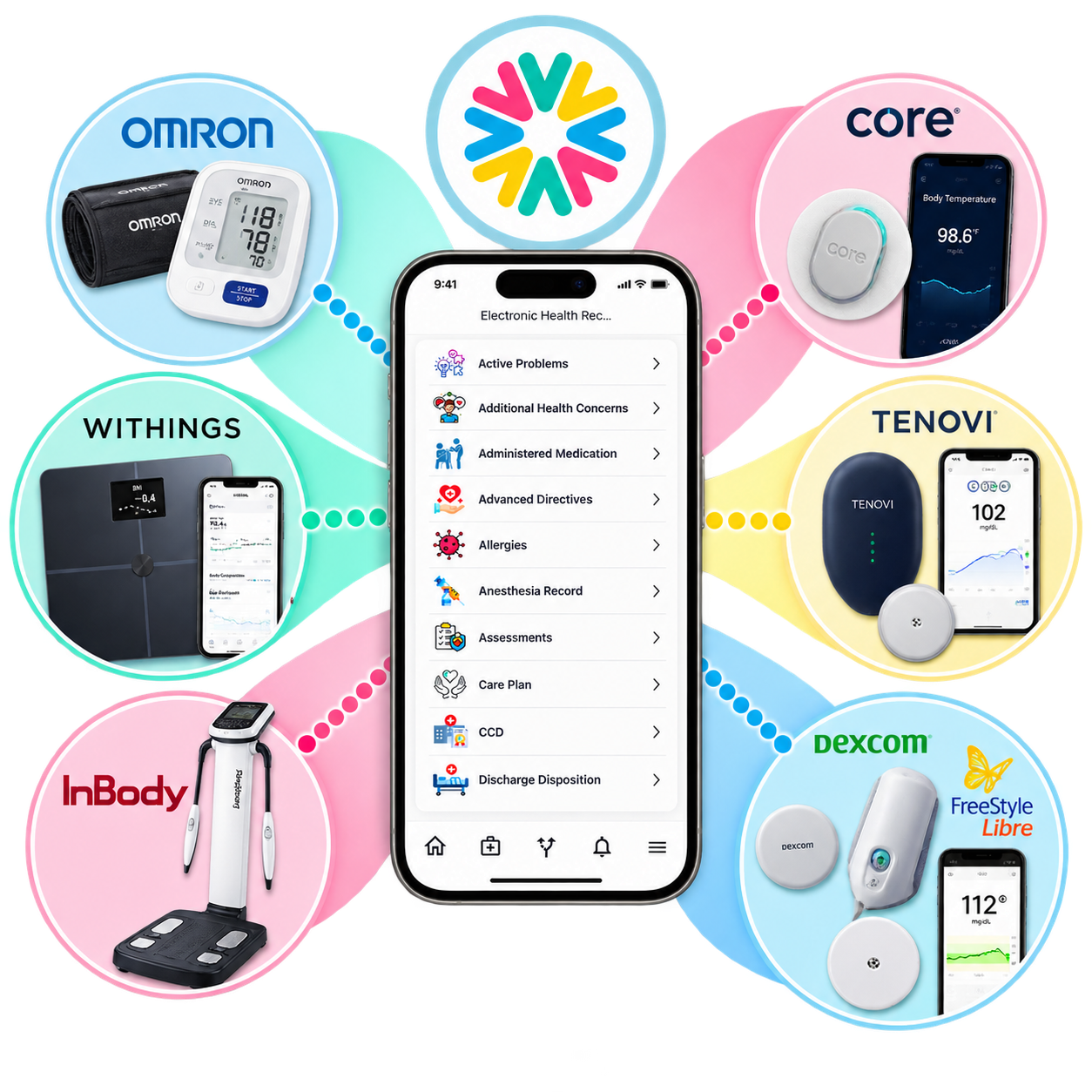
Interoperability has long been the Achilles’ heel of healthcare IT. Many ASCs fear their EHR won’t connect with external providers, labs, or payers. That’s why choosing a platform with open APIs and proven integration capabilities is key. The right system doesn’t just store data—it shares it.
The Wrap
In today’s fast-paced healthcare environment, ASCs can’t afford to rely on outdated, disconnected systems. Coordinated patient care isn’t a luxury—it’s the standard patients, payers, and regulators expect. Integrated EHRs are the key to unlocking safer surgeries, smoother workflows, and better outcomes, all while positioning your ASC for success in a value-based world.
But not all EHR solutions are created equal. You need a platform that understands the unique rhythm of ASC operations—one that goes beyond basic record-keeping to truly connect care teams, patients, and data.
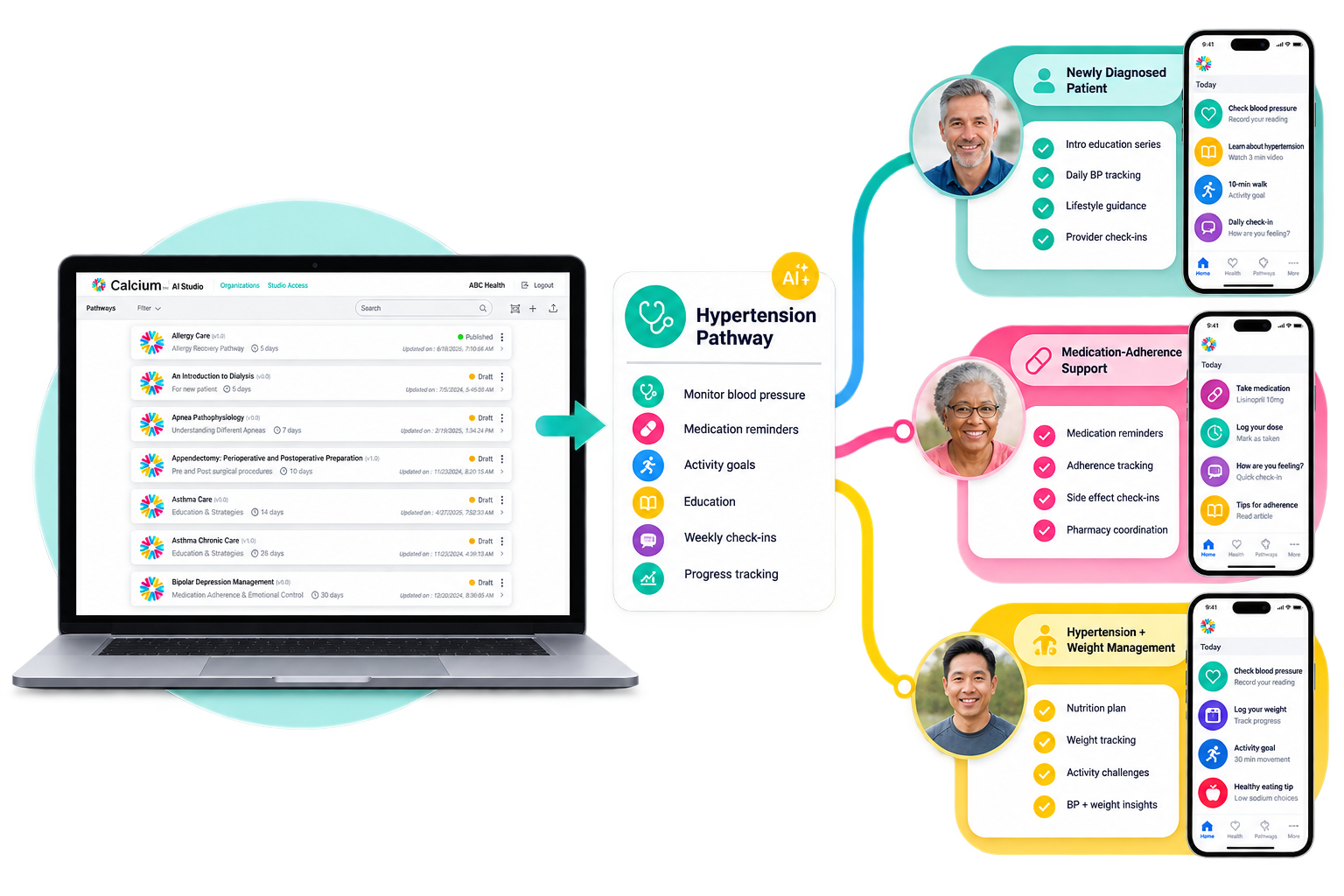
That’s exactly what the Calcium digital health platform delivers. Whether you're looking to streamline workflows, enhance patient safety, or simplify compliance, Calcium offers the smart, scalable solution your ASC needs.
References
- Geier, A., & Smith, D. (2019). The Role of Electronic Documentation in Ambulatory Surgery Centers. AORN Journal, 109(4), 444–450. https://doi.org/10.1002/aorn.12636
- Allen, J., & Petersen, B. (n.d.). Clinical Gastroenterology and Hepatology 2014;12:911-918 PRACTICE MANAGEMENT: THE ROAD AHEAD. https://doi.org/10.1016/j.cgh.2014.04.002
- Bobadilla, J. L., Roe, C. S., Estes, P., Lackey, J., & Steltenkamp, C. L. (2017). Leveraging Electronic Health Record Implementation to Facilitate Clinical and Operational Quality Improvement in an Ambulatory Surgical Clinic. Journal of Ambulatory Care Management, 40(1), 9–16. https://doi.org/10.1097/jac.0000000000000170
- Jain, S., Rosenbaum, P. R., Reiter, J. G., Ramadan, O. I., Hill, A. S., Silber, J. H., & Fleisher, L. A. (2024). Assessing the Ambulatory Surgery Center Volume-Outcome Association. JAMA Surgery, 159(4), 397–397. https://doi.org/10.1001/jamasurg.2023.7161
- Linder, J. A., Ma, J., Bates, D. W., Middleton, B., & Stafford, R. S. (2007). Electronic Health Record Use and the Quality of Ambulatory Care in the United States. Archives of Internal Medicine, 167(13), 1400. https://doi.org/10.1001/archinte.167.13.1400