Accelerating Efficiency, Safety and Growth with Intelligent Surgical Workflows
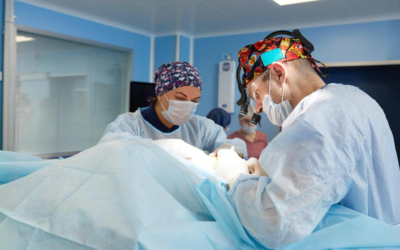
Imagine trying to run a modern surgical center with the tools of a bygone era clipboards, phone tag, and unpredictable schedules. For many ambulatory surgery centers (ASCs), that’s still the daily reality.
While surgeries have become more precise, the workflows surrounding them haven’t kept pace. And in a value-based healthcare environment where every delay, readmission, or manual task carries a cost, staying analogue is no longer sustainable.
Automation isn’t just about keeping up, it’s about staying ahead. It means faster turnarounds, fewer errors, and smarter decisions made before problems even arise. But automation also raises questions. Where does it begin? How much is too much? And can we trust machines with patient care?
In this post, we’ll explore why automation is quickly becoming the heartbeat of high-performing ASCs and how embracing it can transform your operations from chaotic to controlled. Ready to reimagine what your ASC could look like?
Smarter Scheduling: Automation Begins with Prediction
Scheduling is often where the bottleneck begins. Many ASCs still rely on manual block assignments and best guesses about how long a procedure will take. The result? Overbooked ORs, idle staff, and frustrated patients.
But studies show there's a better way. In a dissertation by Zhang et al. at NJIT, simulation models that accounted for surgery time variability, physician arrival delays, and patient flow complexity improved staffing efficiency by up to 28%. The key was embracing uncertainty, then planning around it.
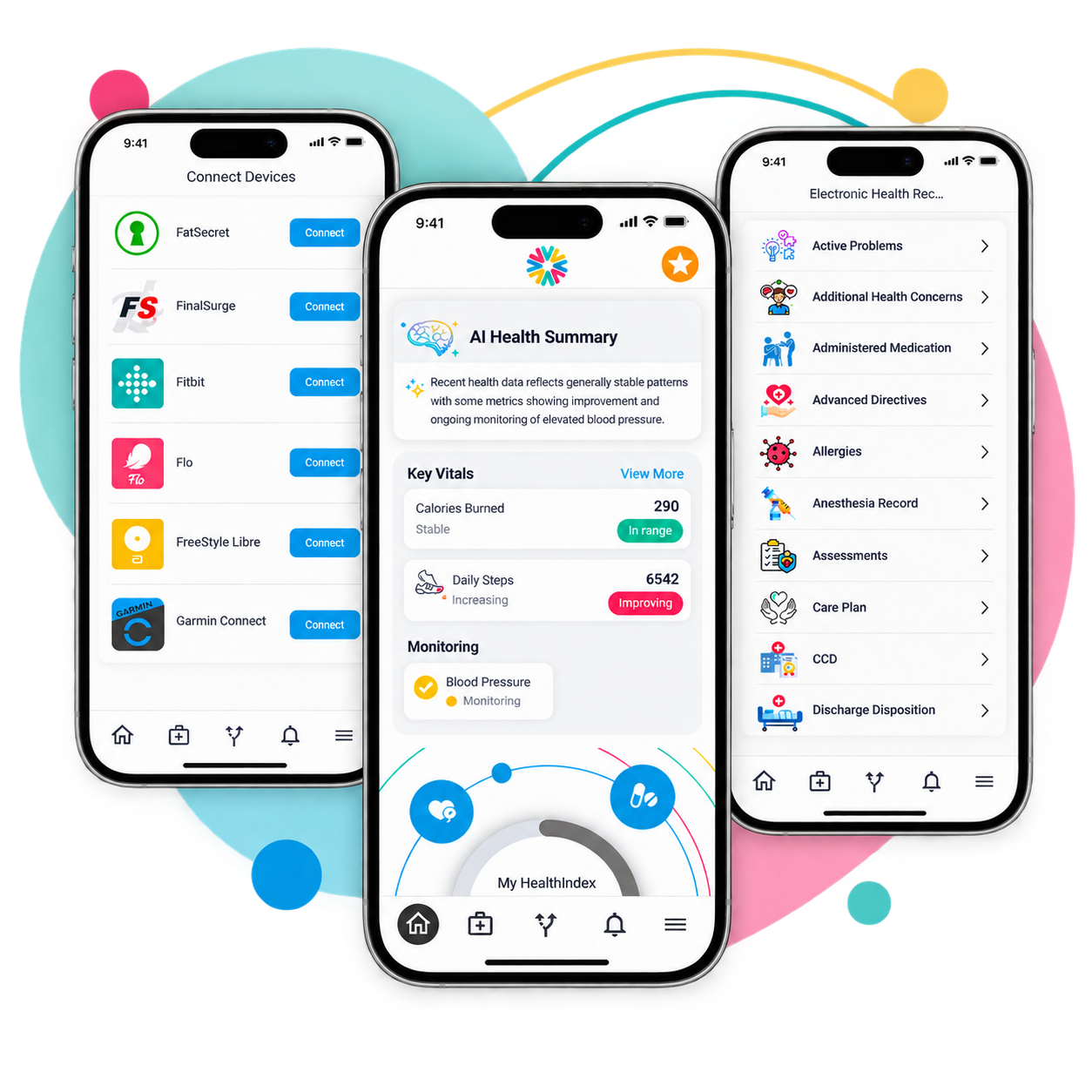
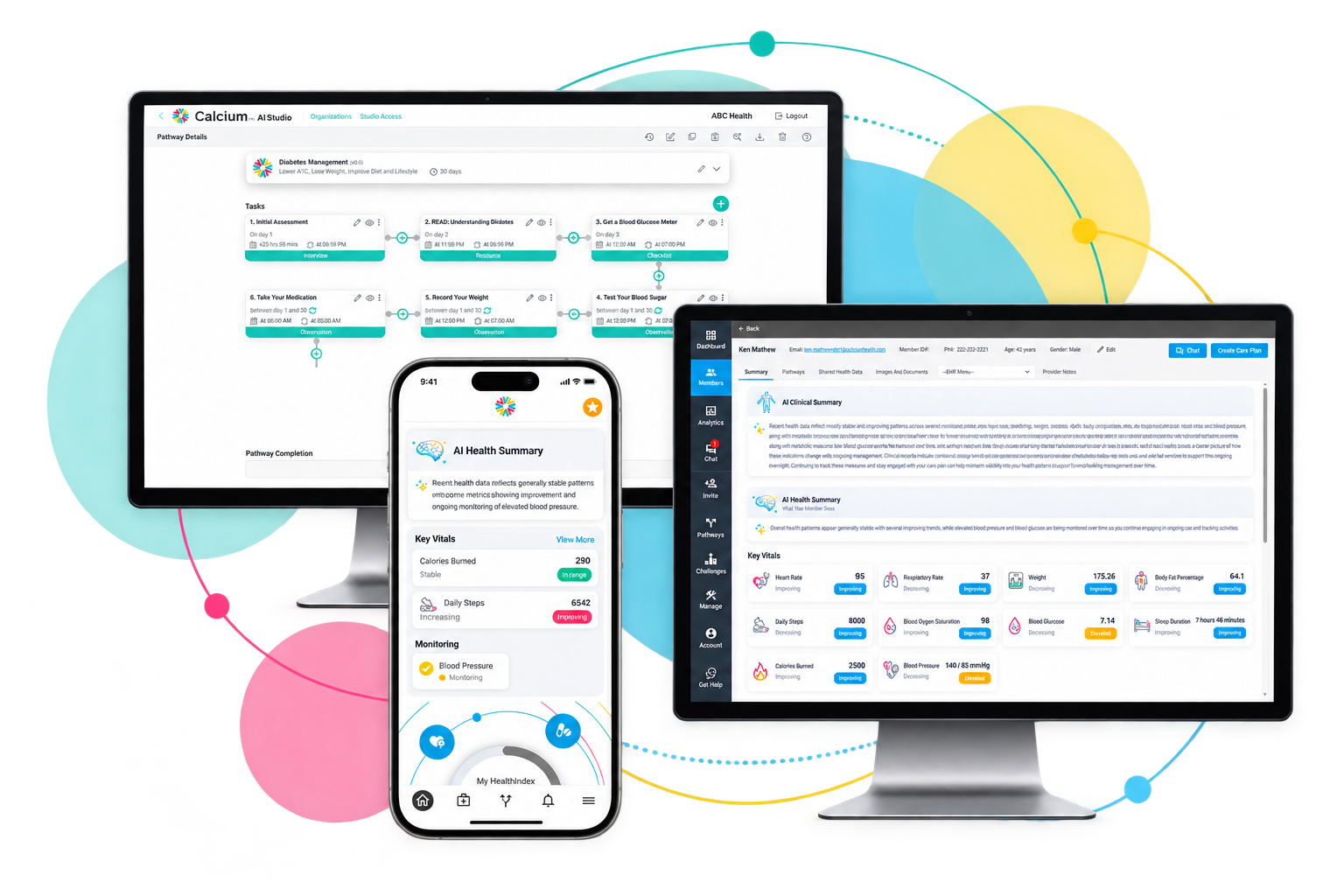
Modern automation platforms like Calcium now harness similar predictive algorithms. By analyzing historical case data, surgeon preferences, and even patient demographics, they can.
- Predict case length within minutes
- Recommend ideal staff and room assignments
- Adjust real-time schedules when delays hit
Think of it as having a weather forecast for your OR. you might not stop the storm, but you can avoid getting drenched.
Pre-Op Prep: Streamlining Patient Intake and Readiness
A missed signature. An unverified insurance. An overlooked lab result. These seemingly small issues often cause big delays.
That’s where pre-op automation steps in. Instead of playing catch-up the day of surgery, automated tools handle critical tasks before the patient even walks through your doors. Here's what gets streamlined.
- Digital check-ins and consents. Patients fill out and sign forms from home.
- Automated alerts for missing labs or tests. Staff gets flagged before it’s too late.
- Eligibility verification. Integration with payer systems verifies insurance in seconds.
Calcium’s platform takes this further by using smart logic to identify contraindications based on history and automatically escalating them to the care team. It's like having a digital assistant triple check everything, so your nurses don't have to.
Intraoperative Efficiency: Coordination Without Chaos
Once the surgery begins, real-time coordination becomes critical. Unfortunately, many ASCs still rely on verbal updates, whiteboards, and walkie-talkies to track case progress.
That’s not just inefficient, it’s a setup for errors.
By automating intraoperative workflows, platforms like Calcium bring harmony to the OR environment. Based on predictive case lengths, the system can.
- Queue the next patient for prep based on real-time OR availability
- Notify sterile processing when turnover is needed
- Align anaesthesia and nursing teams based on timing projections
It’s like conducting an orchestra with the software as your maestro.
Moreover, resource management becomes more precise. As Lavan’s ASC study notes, freestanding centers often have limited inventory, space, and support staff. Automated coordination ensures that instruments and staff are ready just in time, not too early, not too late.
Post-Op Monitoring: Safety Without the Guesswork
The surgery may be over, but the patient's journey isn't. Complications don’t always wait for a follow-up call. That’s why automated post-op monitoring is a game-changer.
In a study published in BMJ Quality & Safety, Kaafarani et al. developed "trigger tools" to identify post-surgical adverse events like ER visits, unplanned readmissions, or reoperations within 30 days. These kinds of events often slip through the cracks without structured surveillance.
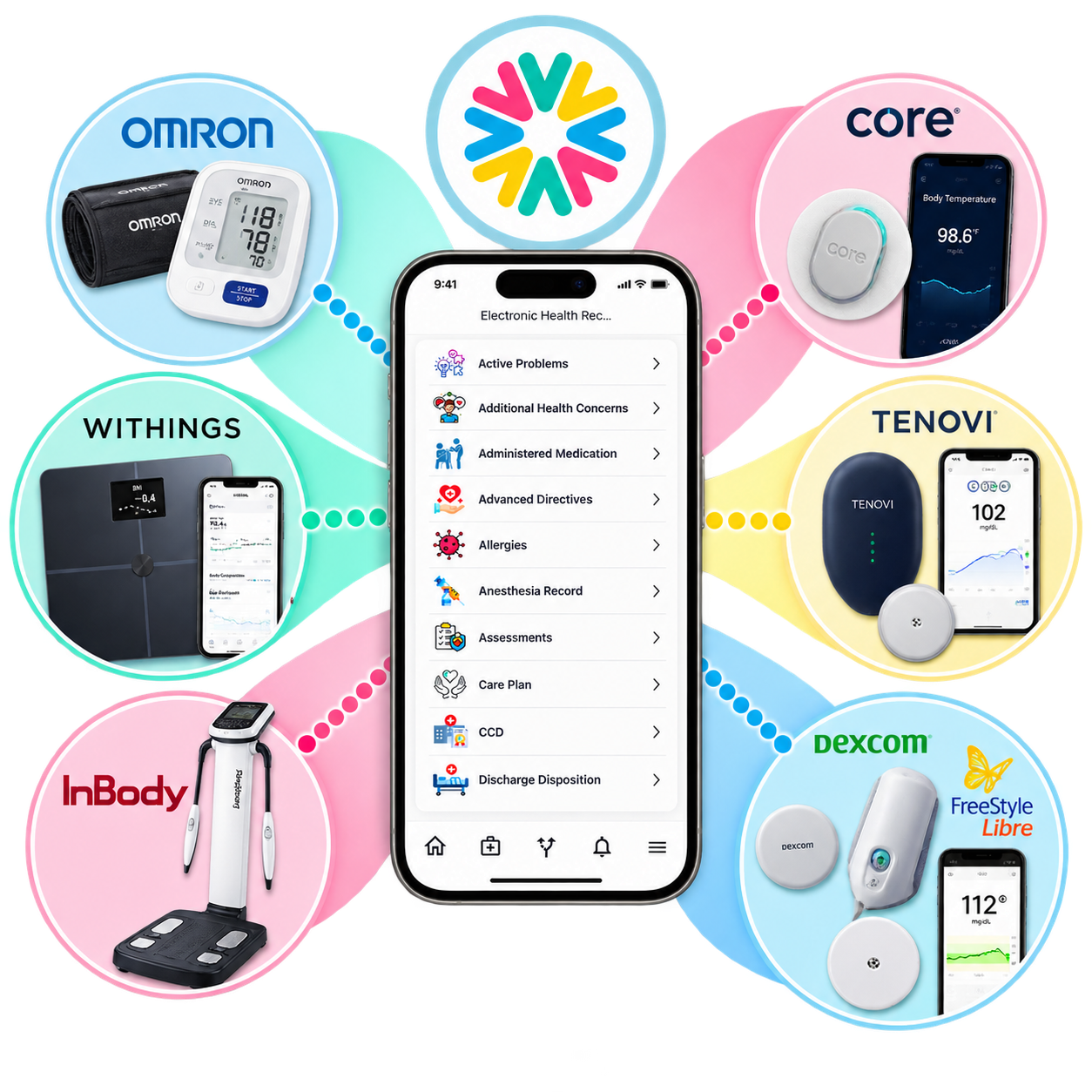
Calcium’s automation takes a proactive approach. It monitors the EMR and patient-reported outcomes (PROS) to catch red flags early. Here’s what it automates.
- Symptom check-ins via app or SMS (e.g., fever, pain level, wound drainage)
- Trigger-based alerts for ER visits, Doppler studies, or unplanned imaging
- Automated follow-up scheduling with escalation for abnormal responses
This isn’t just convenience, it’s clinical oversight at scale.
Compliance and Accreditation: Automation with Accountability
ASCS live and breathe compliance. Whether it's CMS reporting, Joint Commission accreditation, or payer-specific quality metrics, the paperwork alone can feel endless.
Automation platforms reduce that burden dramatically. Calcium offers built-in tools to.
- Track compliance metrics in real time (e.g., antibiotic timing, discharge instructions)
- Generate audit-ready reports for accreditation bodies
- Securely store patient interactions and clinical notes
In short, it turns regulatory chaos into button-click simplicity.
Overcoming Staff Resistance: Automation They Can Trust
Let’s be honest—automation can make staff nervous. Will it replace their roles? Make things more complicated? Create more alerts than answers?
The key to successful implementation is customisation and transparency.
When predictive models are too aggressive, they risk misclassifying patients as ready for same-day discharge when they aren’t. That’s why the ASE (Ambulatory Surgery Ensemble) model from Duke University emphasised risk threshold tuning. When the model was adjusted to a 97.5% confidence level, misclassification rates dropped significantly while maintaining safety.
Calcium follows this principle by…
- Allowing administrators to adjust alert thresholds
- Offering explainable AI features that show why a case is flagged
- Providing role-specific dashboards for surgeons, nurses, and administrators
It’s not about replacing people it’s about empowering them to make faster, safer decisions.
The Endgame: A Fully Integrated ASC Experience
Automation isn’t a one-off upgrade. It’s a journey that touches every part of the patient lifecycle from the moment a case is scheduled to the final post-op check-in.
When done right, it transforms...
- Throughout. More cases with fewer delays
- Safety. Earlier detection of complications
- Satisfaction. Patients feel informed, cared for, and supported
- Revenue. Better block utilisation and fewer cancellations
The Wrap
Automation is no longer a luxury for ambulatory surgery centers, it’s the engine that drives efficiency, safety, and growth in today’s fast-moving healthcare landscape. From smarter scheduling to real-time post-op monitoring, every step of the surgical journey can be optimised when powered by intelligent, integrated tools.
But the real magic happens when those tools are built with flexibility, trust, and clinical insight at their core. That’s where Calcium comes in.
Whether you’re looking to reduce OR downtime, improve patient outcomes, or streamline compliance, Calcium’s digital health platform offers an end-to-end solution designed specifically for the unique needs of ASCs. It’s not just about automating tasks, it’s about elevating the entire surgical experience for patients, providers, and administrators alike.
Reference
-
-
- Zhang, X. (2018). Performance analysis and scheduling strategies for ambulatory surgical facilities. Digital Commons @ NJIT. https.//digitalcommons.njit.edu/dissertations/170/
- Haytham M A Kaafarani, Rosen, A. K., Nebeker, J. R., Shimada, S., Mull, H. J., Rivard, P. E., Savitz, L., Helwig, A., Shin, M. H., & Itani, K. M. F. (2010). Development of trigger tools for surveillance of adverse events in ambulatory surgery. BMJ Quality & Safety (Print), 19(5), 425–429. https.//doi.org/10.1136/qshc.2008.031591
- Lavan, M., Swanson, J., Ferrara, A., Gallagher, J., & Hudson, S. (2000). Facilities for Ambulatory Surgery. Springer EBooks, 1–28. https.//doi.org/10.1007/978-1-4612-1196-9_1
-