Türkiye’de bahis severler için en çok tercih edilen bettilt giriş adreslerden biri olmaya devam ediyor.
Curacao lisanslı platformlar arasında güvenilirlik açısından üst sıralarda bahsegel giriş yer alan, uluslararası denetimlerden başarıyla geçmiştir.
Kazançlı bahis deneyimi arayan herkes için bettilt doğru seçimdir.
Rulet masalarında en çok tercih edilen bahis türleri arasında kırmızı/siyah ve tek/çift seçenekleri yer alır; pinco giriş bu türleri destekler.
Basketbol tutkunları için en iyi kupon fırsatları bettilt sayfasında yer alıyor.
Avrupa’da ortalama bahis oturumu süresi 19 dakikadır; bahsegel giriş kullanıcılarının ortalama oturum süresi ise 25 dakikayı bulmaktadır.
Unlocking Continuous Insights to Predict, Personalize, and Prevent Before Problems Start
Timing can mean everything, especially in healthcare. A warning sign caught early can prevent a crisis. A subtle shift in vitals can signal the need for change before it becomes urgent.
But for decades, medicine has relied on snapshots: data taken during appointments, stored in charts, and often reviewed long after the moment has passed.
Now imagine if providers could see what’s happening with a patient in real time, every day not just when someone walks through the clinic door. That’s not the future. That’s what’s possible right now, thanks to real-time medical data.
From wearables and smart devices to mobile health apps, the ability to monitor health as it happens is transforming how we think about prevention. And for providers aiming to deliver proactive, value-based care, this shift is more than exciting it’s essential.
What Do We Mean by Real-Time Medical Data?
Real-time medical data is exactly what it sounds like health information that’s captured and transmitted as it happens. We’re talking about continuous inputs from sources like smartwatches, wearable heart monitors, blood glucose sensors, and connected health apps. It includes things like:
- Blood pressure readings every 10 minutes
- Blood sugar trends captured throughout the day
- Heart rate variability during workouts or sleep
- Step count, sleep cycles, or even mood check-ins
This kind of live-streamed data paints a far richer picture than what you get from traditional EHRs, which are more like snapshots taken during appointments. Instead, real-time data offers a timeline a dynamic, ongoing story of someone’s health between visits.
The Biggest Challenges of Using Real-Time Medical Data
As powerful as real-time data can be, it comes with its own set of challenges. Providers, systems, and even patients often struggle with:
1. Too Much Data, Not Enough Insight
With so many data points coming in sometimes minute by minute it’s easy to drown in the numbers. Without smart tools to sort and summarize this information, it becomes noise instead of knowledge.
2. Disconnected Systems
Most traditional EHRs weren’t built to handle streaming data from wearables or at-home monitors. So even when the data exists, it often sits in silos instead of flowing into clinical workflows.
3. Variable Data Quality
Let’s face it not all devices are created equal. A smartwatch heart rate isn’t always as accurate as a hospital-grade ECG. If providers can’t trust the data, they’re less likely to act on it.
4. Alert Fatigue
When every small change triggers a ping, providers get overwhelmed. If alerts aren’t prioritized or filtered for clinical relevance, they lose their power to drive action.
5. Lack of Clinical Context
A high blood pressure reading might seem alarming but what if it was after a stressful commute? Without knowing the situation or history, the data loses meaning.
6. Patient Confusion or Disengagement
Patients often don’t understand what the data means or how to act on it. Some ignore the numbers, while others panic over harmless fluctuations.
7. Security and Consent Concerns
Continuous data transmission raises new privacy questions. Who owns the data? Who can access it? And is it protected under HIPAA?
Why Real-Time Data Is Essential for Preventive Care
Here’s the truth: healthcare has always been reactive. You get sick, then you see a doctor. But real-time medical data flips the script. It gives us the chance to catch problems before they become full-blown issues.
Real-time data supports prevention in several critical ways:
- Early Detection. Spot trends like rising glucose or elevated resting heart rate before symptoms appear.
- Continuous Monitoring. Keep tabs on chronic risks like hypertension or obesity 24/7, not just during visits.
- Behavioral Feedback Loops. Let patients see how their choices like sleep, stress, or diet impact their numbers in real time.
- Personalized Interventions. Adjust care plans on the fly based on actual behavior and health changes.
- Lifestyle Coaching. Offer ongoing guidance on nutrition, movement, sleep, and stress reduction.
Instead of chasing symptoms, we finally get ahead of the game. That’s the promise of prevention powered by real-time visibility.
Research-Backed Insights: Static EHRs Aren’t Enough
Decades of EHR research have made one thing clear while electronic records have improved access and accuracy, they still fall short in terms of connectivity and context.
A study by D. Kalra revealed how most EHRs are structurally incompatible, losing the meaning behind the data as it moves across systems. Hoerbst and Ammenwerth added that even when EHRs are in place, they often fail at the fundamentals security, usability, and patient empowerment.
And perhaps most importantly, EPR-focused research reminds us that human judgment remains essential. Systems don’t make decisions people do. But with real-time data, those decisions can be more informed, more timely, and more aligned with each patient’s real-life behavior.
How the Calcium Platform Unlocks the Power of Real-Time Data
This is where the Calcium digital health platform steps in not just to manage real-time medical data, but to make it useful for prevention.
Calcium Super App: A Health Hub for Patients
Think of it as the personal health HQ for anyone looking to take charge of their wellness. The app:
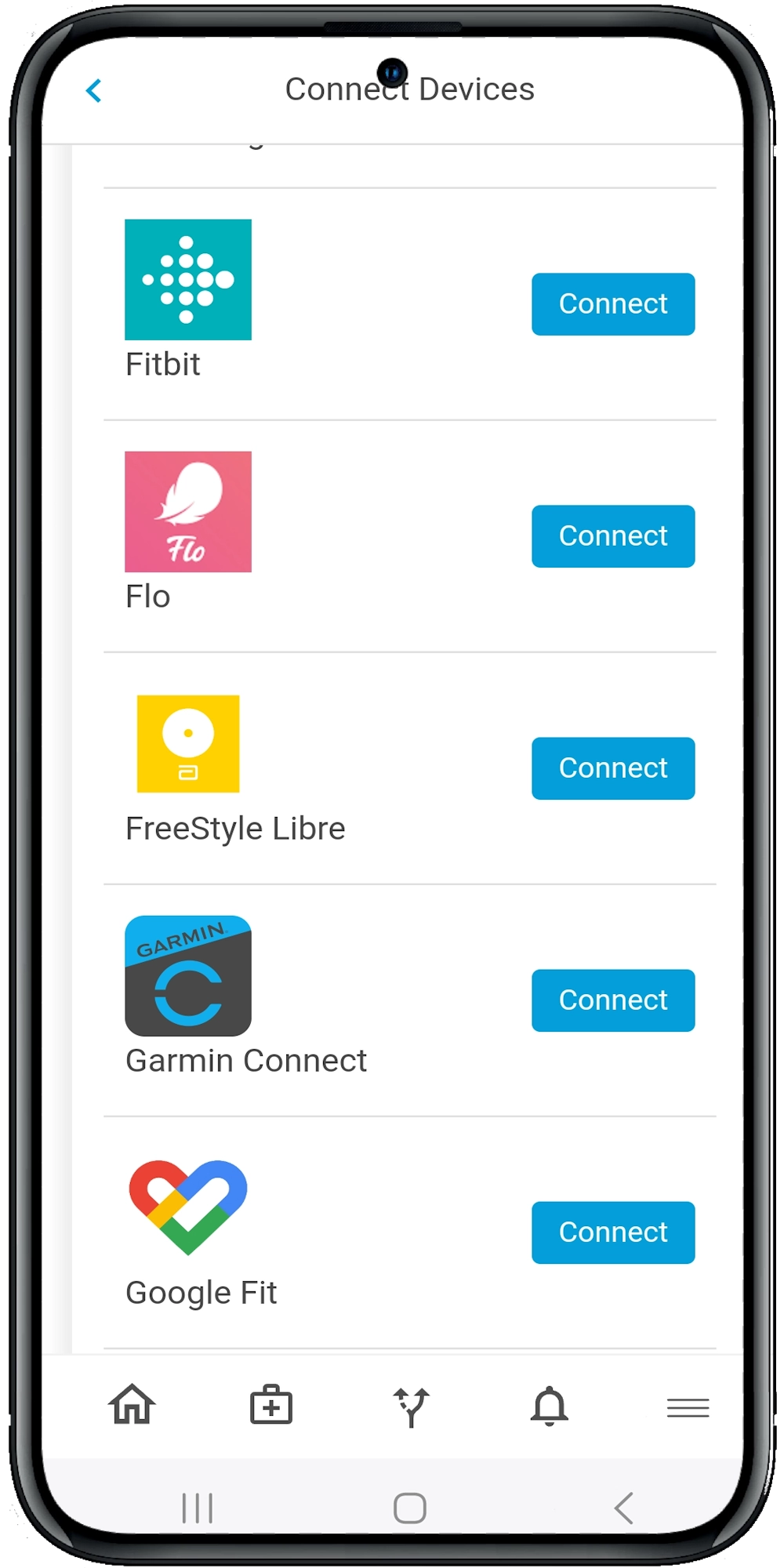
- Syncs with over 100 devices and wellness apps (Apple Health, Fitbit, Dexcom, Omron, and more)
- Tracks everything from blood glucose to step count to sleep quality
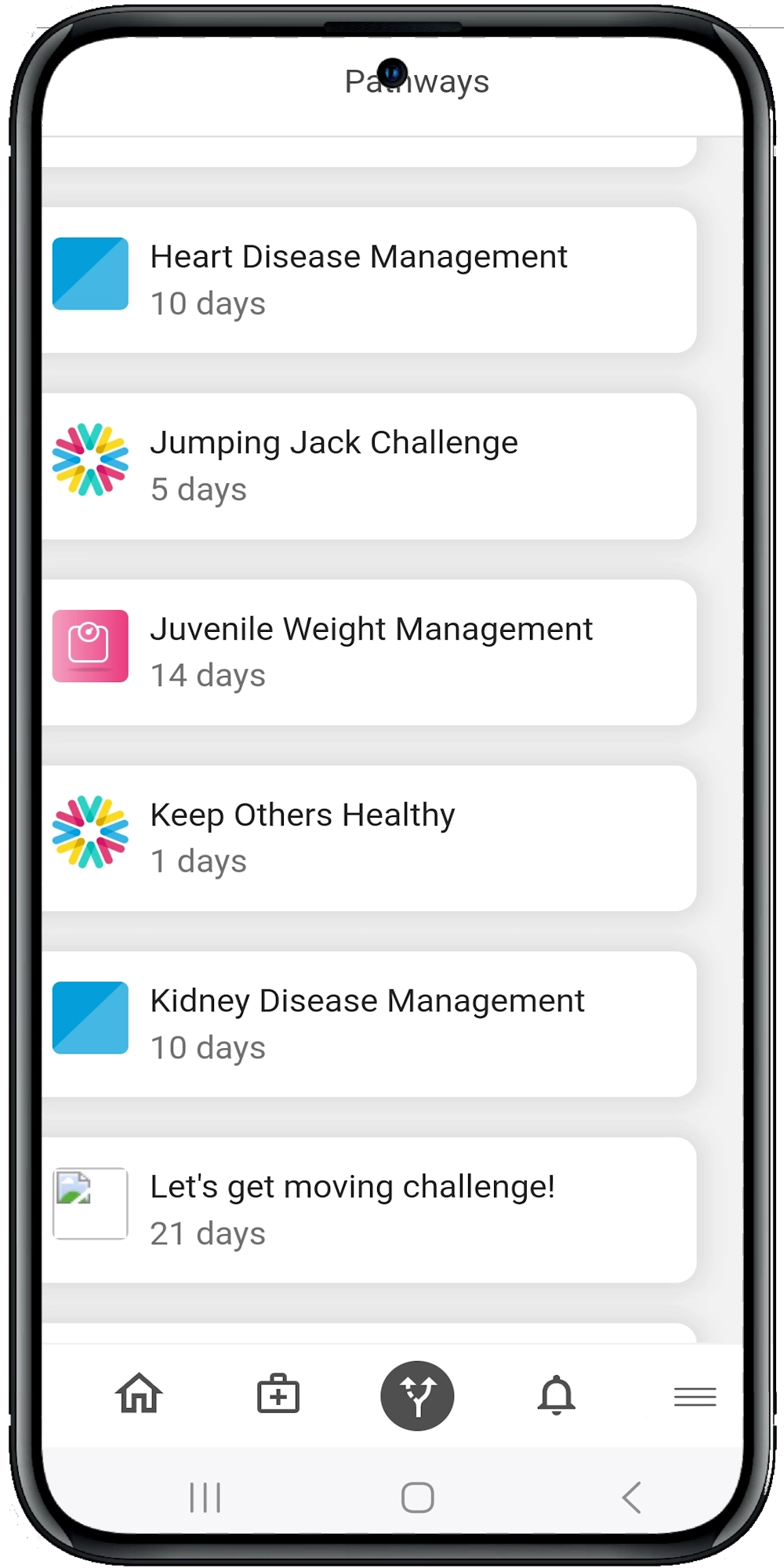
- Offers guided “pathways” that coach users through weight loss, stress reduction, heart health, and more
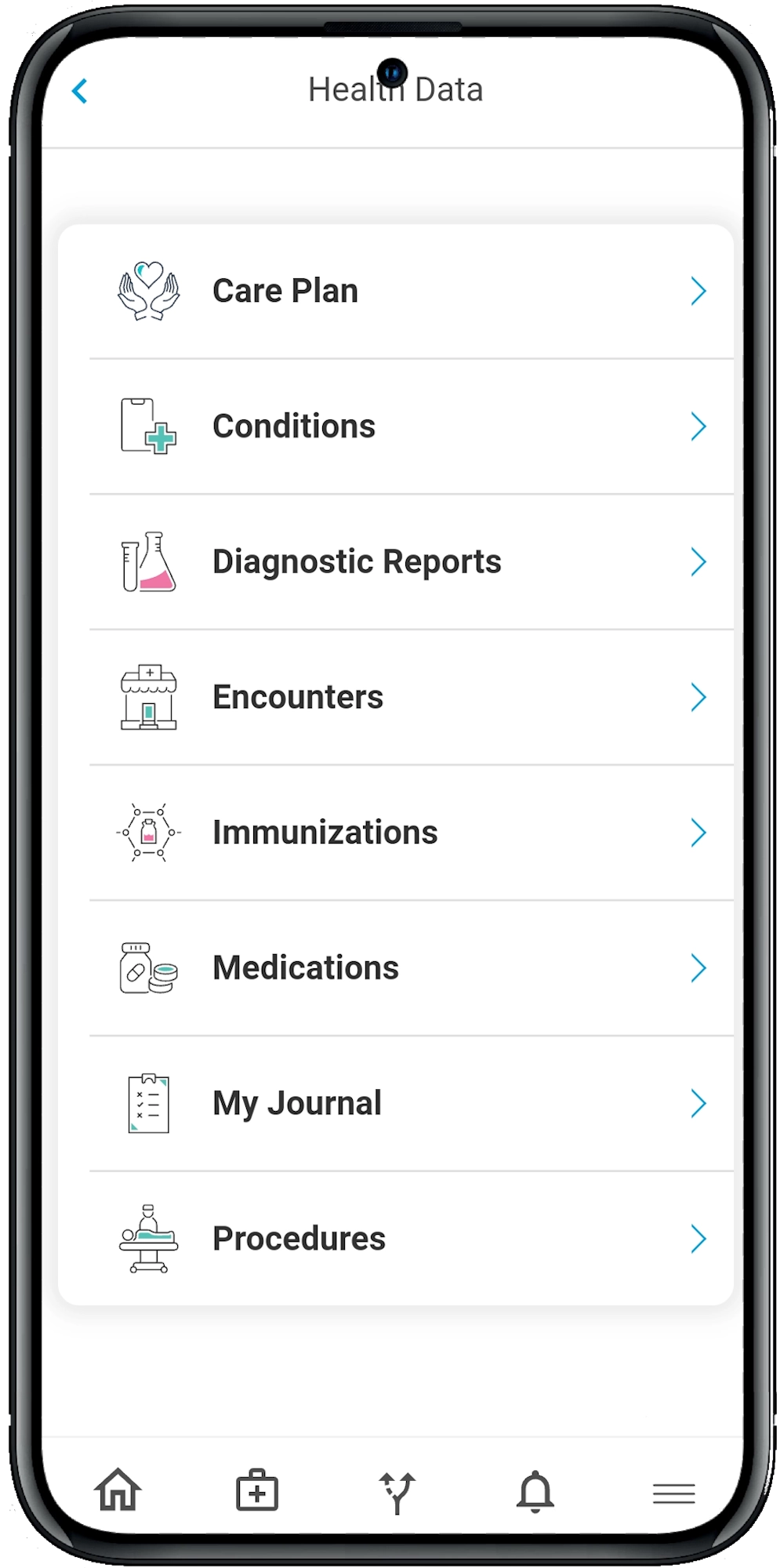
- Gives patients a simple, visual way to understand their data
The result? Patients stay engaged, informed, and active participants in their care.
Calcium Core: Real-Time Dashboards for Providers
On the provider side, Calcium Core brings all this patient data into a unified, actionable dashboard. It lets clinicians:
- Monitor vitals and trends as they happen
- Assign preventive care pathways like prediabetes management or hypertension support
- Set smart alerts for critical changes
- Review patient progress without waiting for the next appointment
Instead of scrolling through clunky records, providers get a clean, clinically relevant snapshot of what’s actually happening.
AI Studio: Smart, Personalized Care Planning
Calcium’s AI-powered tools allow providers to create and customize digital care plans based on real-time inputs. If a patient’s sleep data drops, or if they’ve missed several meds, the system can adapt their pathway, push reminders, or flag it for provider review.
This isn’t one-size-fits-all care. It’s real-time, real-life, and truly responsive prevention.
Real-World Applications: Prevention in Action
Let’s look at a few real scenarios where real-time data makes a big difference:
- Prediabetes Management. A patient’s continuous glucose monitor detects rising levels after meals. The app prompts nutritional tips and logs activity. The provider adjusts the care plan before diabetes develops.
- Heart Health. Elevated resting heart rate triggers a wellness check. The patient is guided to reduce caffeine and increase hydration. A follow-up shows improvement without medication.
- Post-COVID Recovery. Patients recovering from long COVID can log symptoms and monitor oxygen saturation daily. Providers spot complications early even before the patient notices a decline.
- Elderly Parent Monitoring. Family caregivers can view their loved one’s vitals and medication compliance from the Super App. If Mom misses her blood pressure meds, everyone knows.
Making Real-Time Data Actionable, Not Overwhelming
Calcium’s secret sauce is turning complexity into clarity. Instead of raw data streams, users get:
- Visual Dashboards with trend graphs and summaries
- Smart Alerts for out-of-range readings without triggering fatigue
- Pathway Checklists that keep patients focused and motivated
- Gamified Goals that reward progress with badges and feedback
It’s not about drowning users in data. It’s about empowering them with guidance, insight, and control.
The Wrap
Preventive care has always been the holy grail of healthcare keeping people well instead of waiting until they’re sick. But until recently, that goal has been hard to reach. Without real-time data, providers were flying blind between appointments, and patients were left on their own to navigate daily health decisions.
That’s changing. Real-time medical data is closing the gap, enabling a continuous care model that’s responsive, personal, and empowering. But data alone isn’t the answer it takes the right tools to make it usable.
The Calcium digital health platform brings it all together. With the Super App for patients, Core dashboard for providers, and AI-powered health pathways, Calcium turns real-time data into real-world impact.
Reference
- Kalra D. (2006). Electronic health record standards. Yearbook of medical informatics, 136–144. https://pubmed.ncbi.nlm.nih.gov/17051307/
- Ambinder E. P. (2005). A history of the shift toward full computerization of medicine. Journal of oncology practice, 1(2), 54–56. https://doi.org/10.1200/JOP.2005.1.2.54
- Hoerbst, A., & Ammenwerth, E. (2010). Electronic health records. A systematic review on quality requirements. Methods of information in medicine, 49(4), 320–336. https://www.thieme-connect.de/products/ejournals/abstract/10.3414/ME10-01-0038
- Häyrinen, K., Saranto, K., & Nykänen, P. (2008). Definition, structure, content, use and impacts of electronic health records: A review of the research literature. International Journal of Medical Informatics, 77(5), 291–304. Elsevier Ireland Ltd. Retrieved from https://doi.org/10.1016/j.ijmedinf.2007.09.001
- Safran, C., & Goldberg, H. (2000). Electronic patient records and the impact of the Internet. International Journal of Medical Informatics, 60(1), 77–83. https://doi.org/10.1016/S1386-5056(00)00106-4
- Hassey, A., Gerrett, D., & Wilson, A. (2001). A survey of validity and utility of electronic patient records in a general practice. BMJ, 322(7299), 1401–1405. https://doi.org/10.1136/bmj.322.7299.1401