Unlocking Better Outcomes Through Smarter, Connected Care
Imagine trying to lead a healthcare organization tasked with improving outcomes, reducing costs, and keeping patients engaged all at once. That’s the everyday challenge for Accountable Care Organizations (ACOs).
But without the right tools, it’s like building a house without a blueprint. Most ACOs are juggling disconnected systems, fragmented data, and outdated processes that make true value-based care hard to achieve. That’s where the need for an accountable care organization platform becomes clear.
Not just any platform but an integrated one that connects the dots between care coordination, patient engagement, real-time analytics, and behavioral health. As healthcare shifts toward performance-driven models, having a centralized, digital-first infrastructure isn’t a luxury it’s a necessity. Let’s explore why an integrated accountable care organization platform is the missing foundation many ACOs need to deliver on their goals and lead the next era of accountable care.
The Complex Realities of Running an ACO
Managing an Accountable Care Organization (ACO) in today’s healthcare environment isn’t just challenging it’s a high-wire act. You’re balancing quality, cost, and outcomes across a network of independent providers, often spread across different regions, with varying access to data and digital tools (Wu et al., 2017). All the while, CMS is tightening expectations around performance and value.
Here’s what ACOs are really up against:
- Data silos that make care coordination nearly impossible
- EHR interoperability issues that stall progress before it even starts
- Delayed analytics that mean insights come too late to act
- Behavioral health and chronic care gaps that fly under the radar
- Low patient engagement, especially between appointments
Trying to juggle all this without the right technology is like driving cross-country with a map from 1994. You’ll get somewhere eventually, but not efficiently, and probably with some expensive detours.
Why Integration Is the Missing Piece
So, what does “integration” actually mean when we’re talking about ACOs?
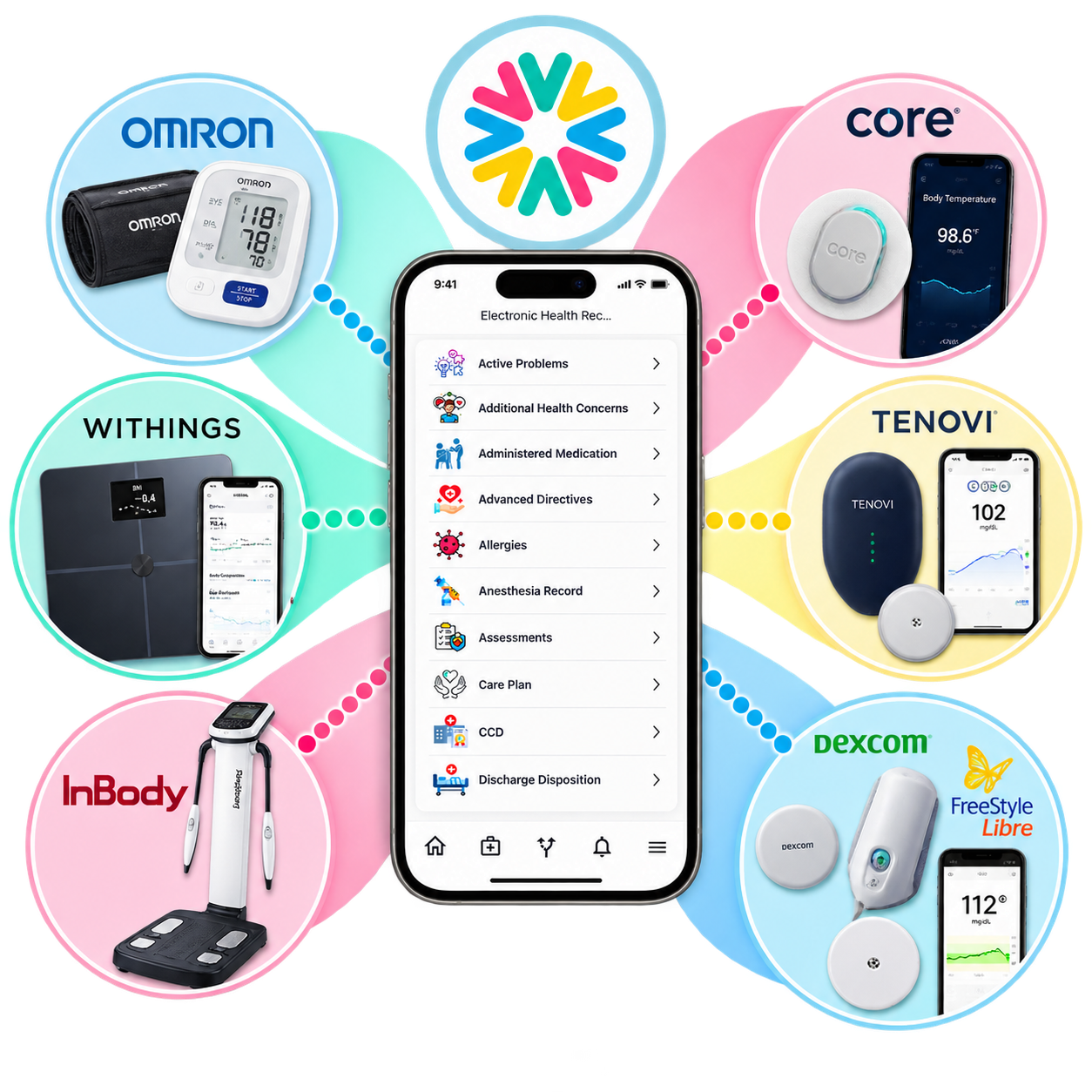
It’s not just syncing a couple of data feeds or patching together portals. It’s about creating a unified platform that brings together everything an ACO needs data, workflows, communication, patient-facing tools, and analytics in one connected system.
That kind of integration supports:
- Seamless data exchange between primary care, specialists, behavioral health, and social services
- Real-time visibility into patient health trends and risk profiles
- Coordinated care plans that follow patients wherever they go
- Tools that empower patients to manage their own health, not just react to issues
Want proof? A recent pilot conducted within a Medicare ACO found that over 50% of patients successfully completed advance care planning through Koda Health’s digital ACP (advance care planning) platform a task that traditionally sees abysmal follow-through. This wasn’t just a tech win; it was a step toward truly patient-centered care, delivered equitably across race and income lines (Roberts et al., 2023).
The Capabilities Your ACO Platform Needs
Let’s break down what an integrated accountable care organization platform really should include. Think of it like a smart, all-terrain vehicle that lets your organization drive performance instead of reacting to problems in the rearview mirror.
1. Population Health Management & Risk Stratification
You can’t manage what you can’t measure. A top-tier platform needs to provide:
- Predictive analytics to identify high-risk patients before they crash into the system
- Social determinants of health (SDOH) data to fill in the “why” behind clinical trends
- Cohort-level insights to target outreach and resources where they’ll have the biggest impact
The Morehouse Choice ACO model used centralized risk stratification to tailor interventions for high-cost, high-need patients and it paid off. Their approach reduced fragmented care and improved access across underserved populations (Brown et al., 2019).
2. Seamless Care Coordination
Fragmentation kills efficiency and sometimes outcomes. Coordinating care shouldn’t require 17 emails and a fax machine.
An integrated platform should allow:
- Shared care plans accessible to every provider in a patient’s network
- Automated referrals and transitions of care
- Clear role assignment so no one drops the ball
This is especially crucial for dual eligibles or patients with multiple chronic conditions, where lack of coordination often leads to unnecessary ER visits or readmissions. The MCACO-ES model demonstrated that using centralized care coordination supported by real-time data contributed to lowering unnecessary service use and enhancing clinical outcomes (Brown et al., 2019).
3. Behavioral Health Integration
Behavioral health often gets left out of ACO performance strategies and that’s a huge miss.
So, an accountable care organization platform should include:
- Behavioral health screening tools built into the clinical workflow
- Mental health and substance use treatment pathways
- Integration with community-based behavioral health providers
Let’s not forget: untreated behavioral health conditions drive up the cost of chronic diseases, ER usage, and poor outcomes. Platforms like Calcium make it easier to embed mental health and mindfulness pathways directly into the patient journey, giving providers the tools they need to treat the whole person.
4. Real-Time Performance Dashboards
Waiting for quarterly reports to find out if your ACO is hitting benchmarks is like checking your gas tank after you break down.
The right accountable care organization platform gives you:
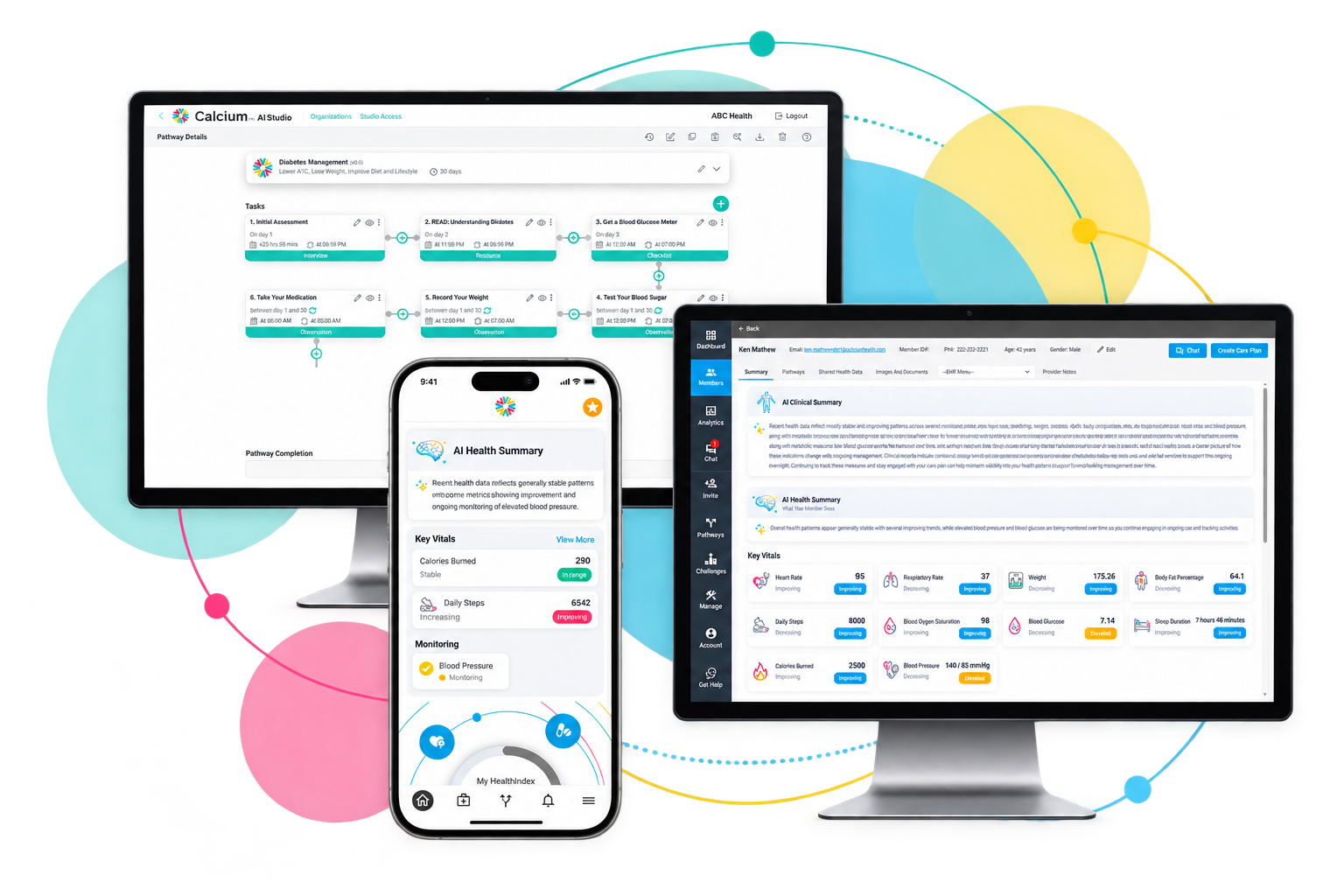
- KPI dashboards that update daily (or even hourly)
- Quality metric tracking (HEDIS, CMS, STAR ratings)
- Drill-down tools for root cause analysis by location, condition, or provider
One analytics platform prototype, developed using user-centered design, showed how real-time, episode-of-care-based KPIs helped hospital managers identify issues faster, make adjustments, and support clinical decision-making on the fly (Teodoro et al., 2017).
5. Patient Engagement That Goes Beyond Reminders
Here’s a truth most ACOs know too well: if patients aren’t engaged, your performance suffers.
Engagement tools should be:
- Mobile-first and easy to use
- Personalized with daily health tasks, symptom tracking, and reminders
- Motivational, with gamified progress tracking and educational content
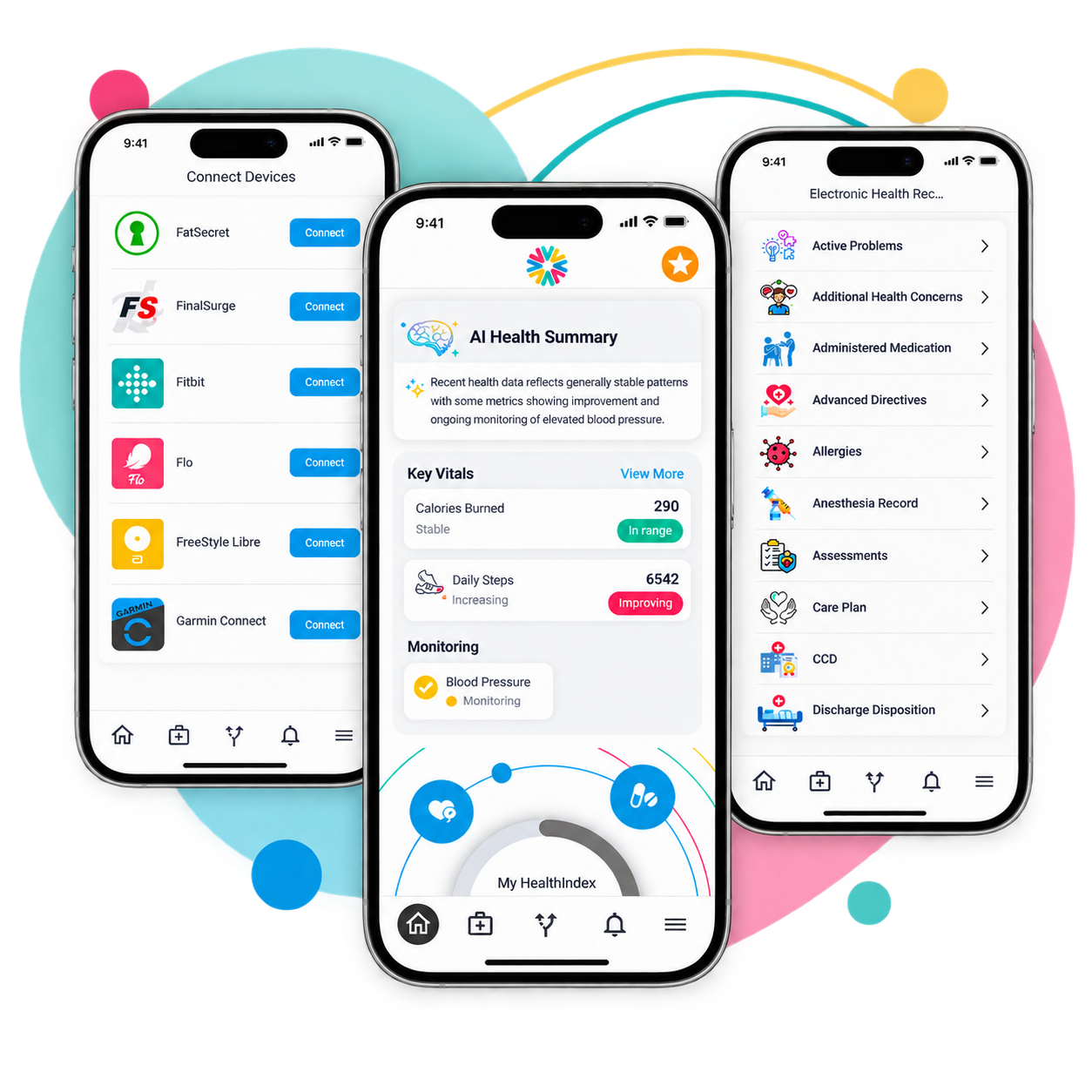
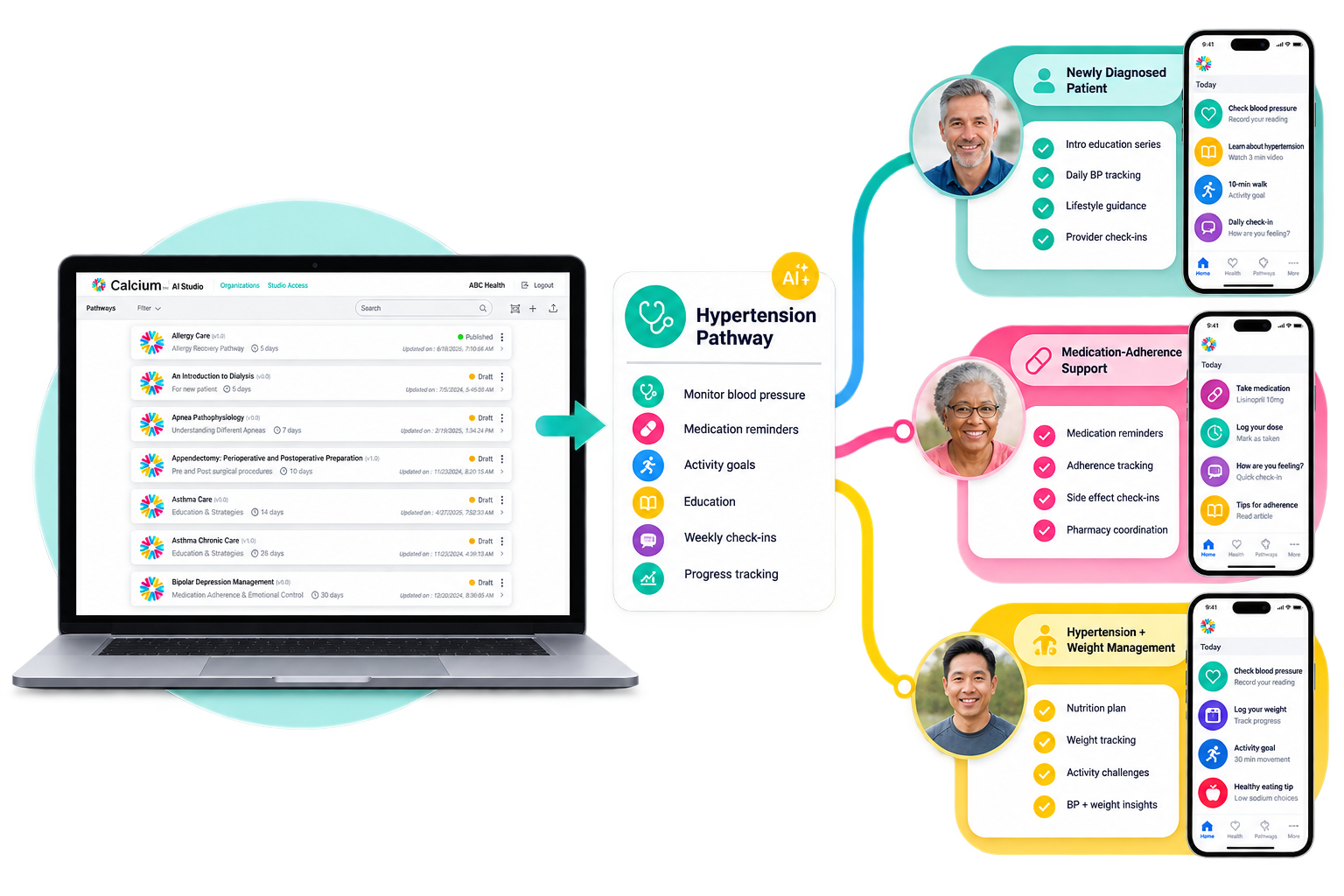
The Calcium Super App’s digital pathways take engagement several steps further. Users can manage everything from medication reminders and post-op recovery to chronic condition tracking, all from their phone. And because pathways are adaptive, they adjust based on patient inputs and progress, offering a dynamic, personalized experience that keeps users on track.
A Strategic Advantage, Not Just a Tech Upgrade
An integrated digital health platform isn’t just a nice to have for ACOs. It’s the infrastructure that turns value-based care from aspiration to execution.
It enables your organization to:
- Deliver higher quality care, because providers and patients are finally on the same page
- Lower costs, by catching problems early and coordinating care efficiently
- Promote health equity, through tools that are accessible and inclusive
- Scale effectively, because the right platform works for one practice or an entire network
The data backs it up whether it's improved ACP completion rates, stronger analytics workflows, or smarter population health strategies, integrated platforms are the lever that moves the needle.
The Wrap
Managing an ACO is no small task but with the right technology, it doesn’t have to feel like an uphill battle. As we’ve explored, an integrated accountable care organization platform isn’t just a helpful tool, it’s the foundation for delivering coordinated, high-quality, cost-effective care. From real-time analytics to personalized patient engagement and behavioral health integration, the right platform can turn complex challenges into manageable, measurable success.
If your organization is ready to take that next step, the Calcium digital health platform is here to help. Designed with ACOs in mind, it empowers providers and patients alike through intelligent tools and connected care pathways.
Reference
Roberts, R. L., Mohan, D. P., Cherry, K. D., Sanky, S., Huffman, T. R., Lukasko, C., Comito, A., Hashemi, D., Menn, Z. K., Fofanova, T. Y., & Andrieni, J. D. (2023). Deployment of a Digital Advance Care Planning Platform at an Accountable Care Organization. The Journal of the American Board of Family Medicine. https://doi.org/10.3122/jabfm.2023.230133R2
Brown, M., Ofili, E. O., Okirie, D., Pemu, P., Franklin, C., Suk, Y., Quarshie, A., Mubasher, M., Sow, C., Montgomery Rice, V., Williams, D., Brooks, M., Alema-Mensah, E., Mack, D., & Dawes, D. (2019). Morehouse Choice Accountable Care Organization and Education System (MCACO-ES): Integrated Model Delivering Equitable Quality Care. International Journal of Environmental Research and Public Health, 16(17), 3084. https://doi.org/10.3390/ijerph16173084
Wu, F. M., Shortell, S. M., Rundall, T. G., & Bloom, J. R. (2017). The role of health information technology in advancing care management and coordination in accountable care organizations. Health Care Management Review, 42(4), 282–291. https://doi.org/10.1097/HMR.0000000000000123
Teodoro, D., Rotgans, N., Oliveira, L., & Correia, L. (2017). Design of an Integrated Analytics Platform for Healthcare Assessment Centered on the Episode of Care. ArXiv (Cornell University). https://doi.org/10.48550/arxiv.1711.09729