A Provider’s Guide to Thriving in Today’s Value-Based Care Landscape
The U.S. healthcare system is in the midst of a major transformation and if you're a provider, you're already feeling the pressure. Rising costs, shifting reimbursement models, growing competition, and a demand for better patient outcomes are forcing care teams to rethink how they operate. Enter the accountable care organization a model that promises to reward quality over quantity, coordination over chaos.
ACOs hold great promise but they’re also complex, evolving, and not always easy to navigate. Whether you're already part of an ACO or considering joining one, understanding how they work and how to succeed within them is no longer optional. It's essential. In this post, we’ll break down what providers really need to know about ACOs today, from the biggest challenges to the digital tools that are changing the game. Ready to make value-based care work for you? Let’s dive in.
Understanding an Accountable Care Organization
Let’s start with the basics. An accountable care organization, or ACO, is a group of healthcare providers doctors, hospitals, specialists who voluntarily come together to take responsibility for the quality and cost of care for a defined group of patients. Most often, that group includes Medicare beneficiaries, but ACOs also work with commercial insurers and state Medicaid programs.
Instead of being paid for each individual service (like in fee-for-service models), ACOs earn financial rewards or losses based on how well they manage healthcare costs and meet quality benchmarks.
There are several different types of ACOs:
- Medicare Shared Savings Program (MSSP): The most common federal ACO program, covering over 11 million Medicare beneficiaries.
- Commercial ACOs: Run by private insurers like Blue Cross Blue Shield.
- Medicaid ACOs: Adopted by some states to coordinate care for vulnerable populations.
Regardless of the flavor, all ACOs aim to achieve the “Quadruple Aim”: better patient experience, better health outcomes, lower costs, and improved provider satisfaction (Fisher & Shortell, 2010).
Why ACOs Matter Right Now
Healthcare isn’t what it used to be. Traditional models reward volume more visits, more tests, more treatments. But that’s shifting. With rising costs and more patients managing chronic or complex conditions, we need a smarter way to deliver care.
That’s where ACOs come in. Think of them as the glue holding together an increasingly fragmented healthcare system. Instead of working in silos, providers in an accountable care organization share information, set common goals, and align around patient outcomes.
And they’re growing fast. According to the 2024 JAMA Health Forum study, ACOs are serving nearly one in six Medicare patients (Khullar et al., 2024). But the journey isn’t without bumps.
The 7 Biggest Challenges ACOs Face
While ACOs offer a promising model, they face some serious real-world challenges. Here’s what providers need to watch out for:
1. Care Coordination Is Still a Mess
Patients don’t just see one doctor anymore. They bounce between primary care, specialists, hospitals, and post-acute facilities. ACOs are supposed to connect all those dots—but that’s easier said than done.
Providers struggle to coordinate care effectively without shared EHRs, real-time communication, and a common playbook. This leads to repeat tests, missed follow-ups, and unnecessary ER visits (Wilson et al., 2020).
2. Balancing Risk and Reward Is Tricky
Yes, ACOs can earn bonuses but they also take on financial risk. Providers may have to pay money back if spending is higher than the benchmarks. And the benchmarks themselves? They’re complicated.
Research shows that regional comparisons and incomplete risk adjustment (especially for socially complex patients) can penalize ACOs doing the hardest work. For many, it’s like playing a game where the rules keep changing (Khullar et al., 2024).
3. Clinician Buy-In is a Constant Struggle
Even the best ACO model won’t work without your team behind it. But getting doctors and staff on board isn’t easy. Some feel like accountable care organization adds more red tape. Others worry about losing autonomy.
Successful ACOs use a mix of tools:
- Performance dashboards with peer comparisons
- Relationship building (yes, leaders visiting clinics still matters)
- Fair distribution of shared savings
In fact, many leaders in the JAMA study said they visited each practice personally to build trust and explain goals (Khullar et al., 2024).
4. Patient Engagement Is Still Lacking
Patients need to play an active role in their health but many don’t. Whether it’s missing wellness visits, not taking meds, or ignoring discharge instructions, low engagement can sabotage even the best care plans.
And yet, many ACOs don’t have a reliable way to stay in touch with patients between visits. That’s where digital health tools can make a real difference offering daily check-ins, medication reminders, and real-time health tracking right from a patient’s phone.
5. Data Systems Don’t Talk to Each Other
You’d think in 2025 we’d have solved interoperability, but here we are. ACOs depend on timely, complete data from hospitals, clinics, labs, and wearables. But with so many EHRs and privacy barriers, data often arrives late or not at all.
Without the full picture, an accountable care organization can’t measure quality, identify high-risk patients, or manage population health. It’s like trying to steer a ship with one eye closed (Shortell et al., 2014).
6. Measuring “Quality” Isn’t Always Clear-Cut
ACO success hinges on hitting dozens of quality benchmarks. But defining and measuring “quality” is complicated. Some metrics are useful (like reducing hospital readmissions). Others feel like busywork.
Studies show that while ACOs generally outperform traditional models on process measures, the impact on actual health outcomes—especially for mental health—is still mixed. And for providers, it often feels like the goalposts keep moving (Wilson et al., 2020).
7. Competition Is Heating Up
More ACOs are popping up but so are new competitors. Private equity firms, Medicare Advantage plans, and mega-health systems are scooping up practices and patients. Smaller or rural ACOs find it harder to compete.
In many regions, the battle is on for primary care doctors and Medicare lives. And the pressure is real: lose too many patients, and your ACO could fold (Shortell et al., 2014).
How Calcium’s Digital Health Platform Supports ACO Success
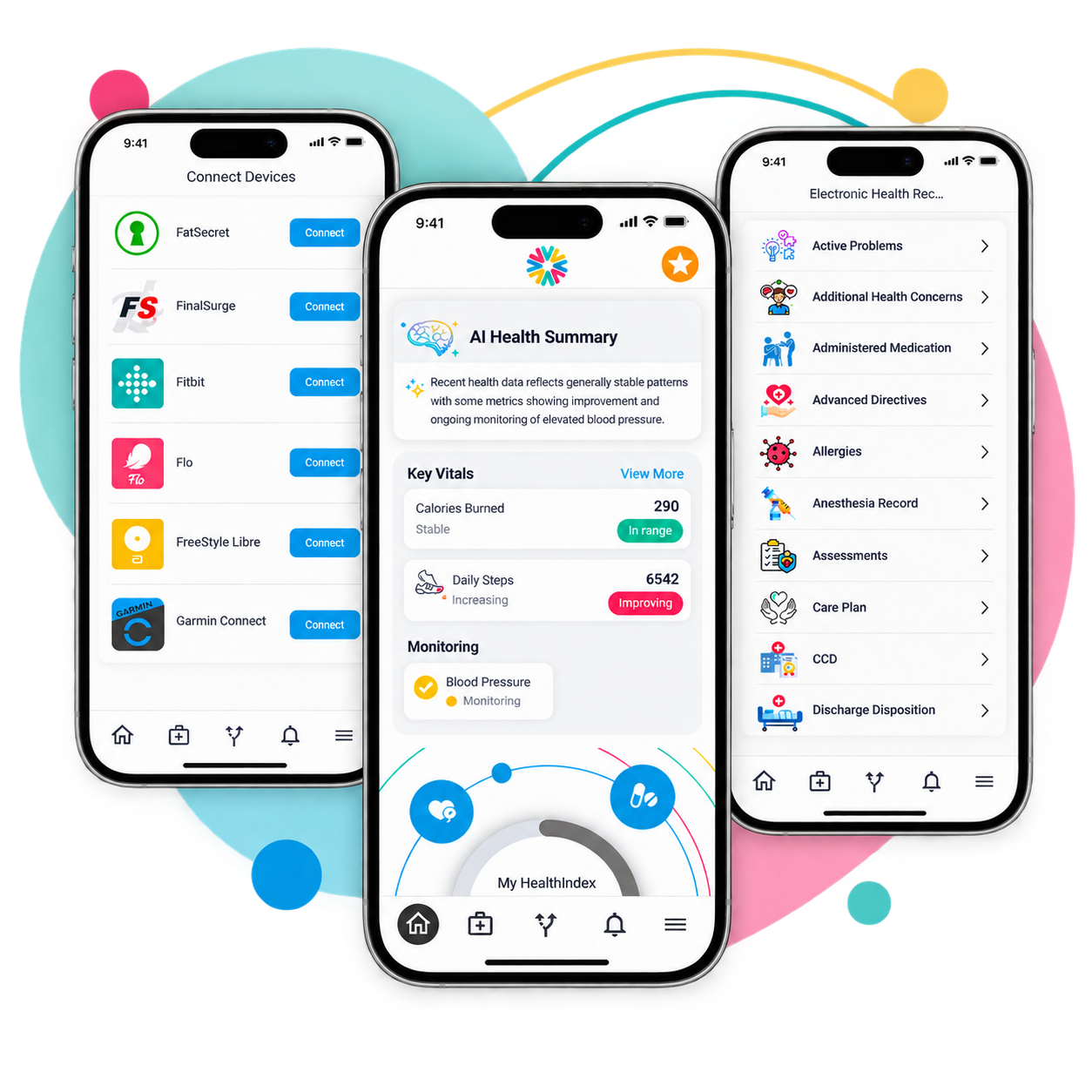
Navigating these challenges doesn’t have to be overwhelming. The Calcium Health digital platform is designed to support ACOs at every step—bridging gaps, boosting engagement, and making data work smarter.
Here’s how Calcium aligns with the needs of a modern accountable care organization:
1. Digital Pathways for Seamless Care Coordination
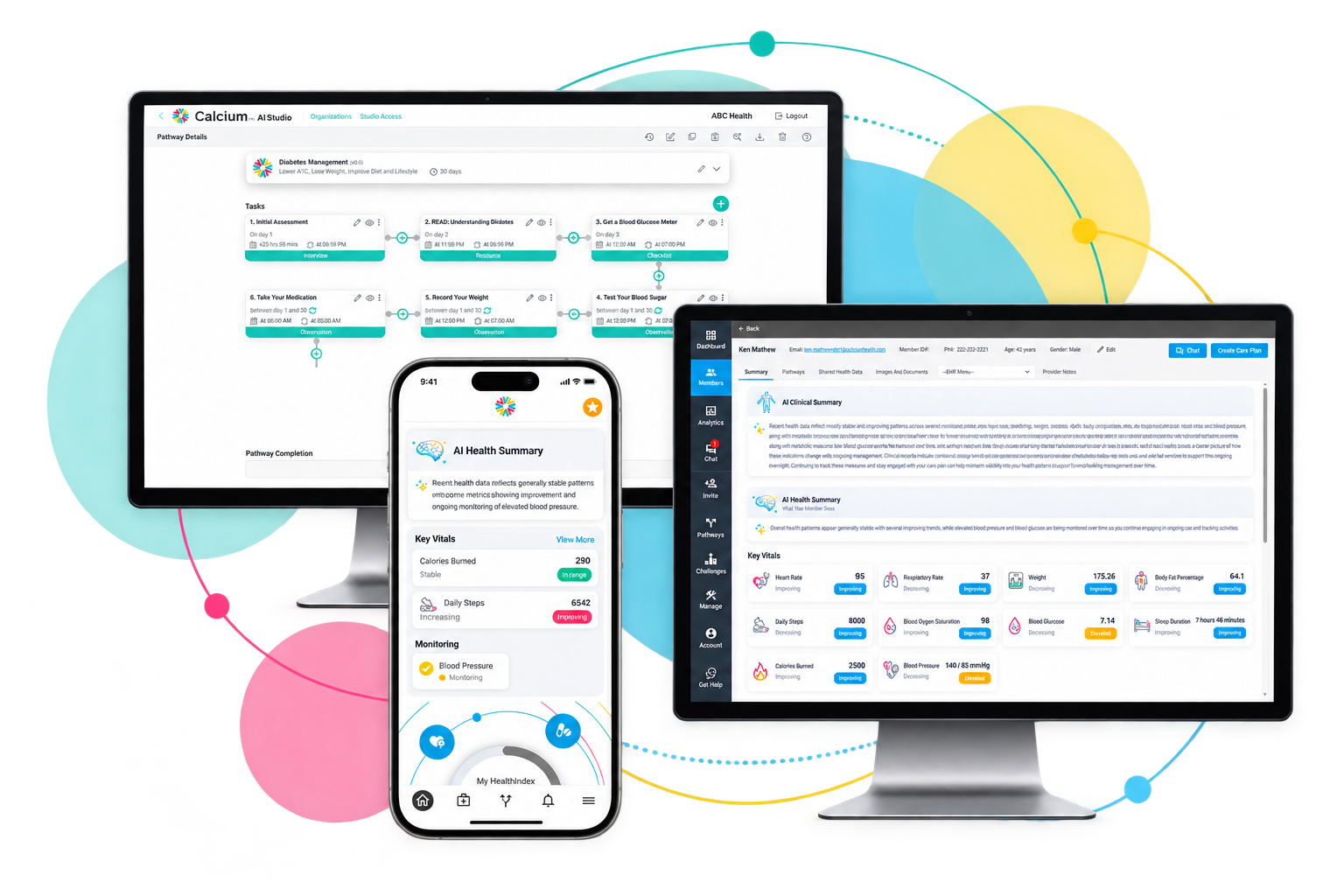
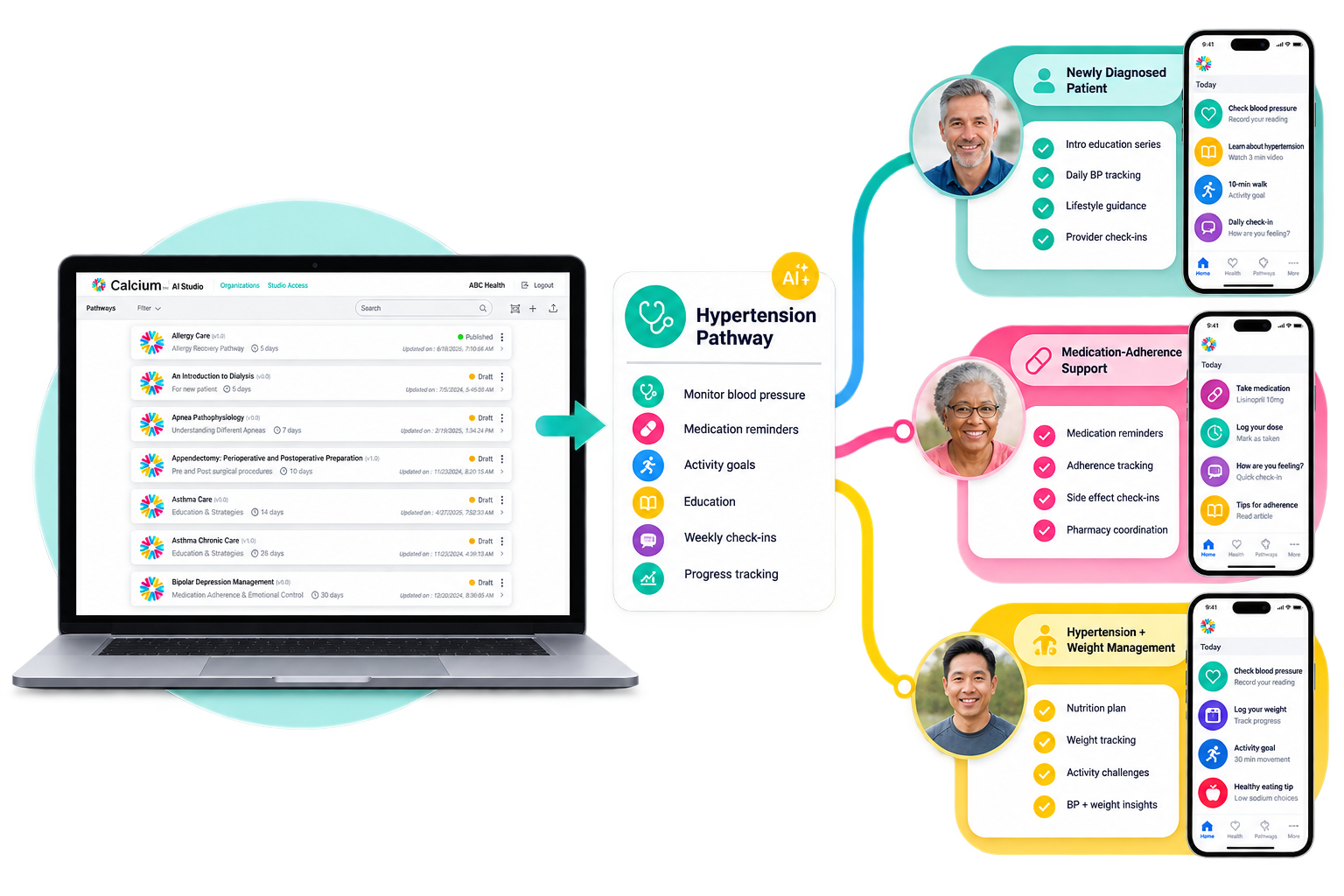
Imagine giving every patient a personalized care plan automated, interactive, and accessible 24/7. That’s what Calcium’s Digital Pathways deliver.
Whether it’s managing diabetes, recovering from surgery, or improving mental health, these pathways guide patients step-by-step. They’re built for scalability and can be assigned by a provider or self enrolled.
2. Behavioral Health Gets the Attention It Deserves
Many ACOs struggle with integrating behavioral health. Calcium offers dedicated pathways for stress, anxiety, ADHD, and mindfulness—complete with symptom tracking and therapeutic content. This helps an accountable care organization tackle whole person care and meet quality benchmarks tied to behavioral outcomes.
3. Data Collection That’s Actually Useful
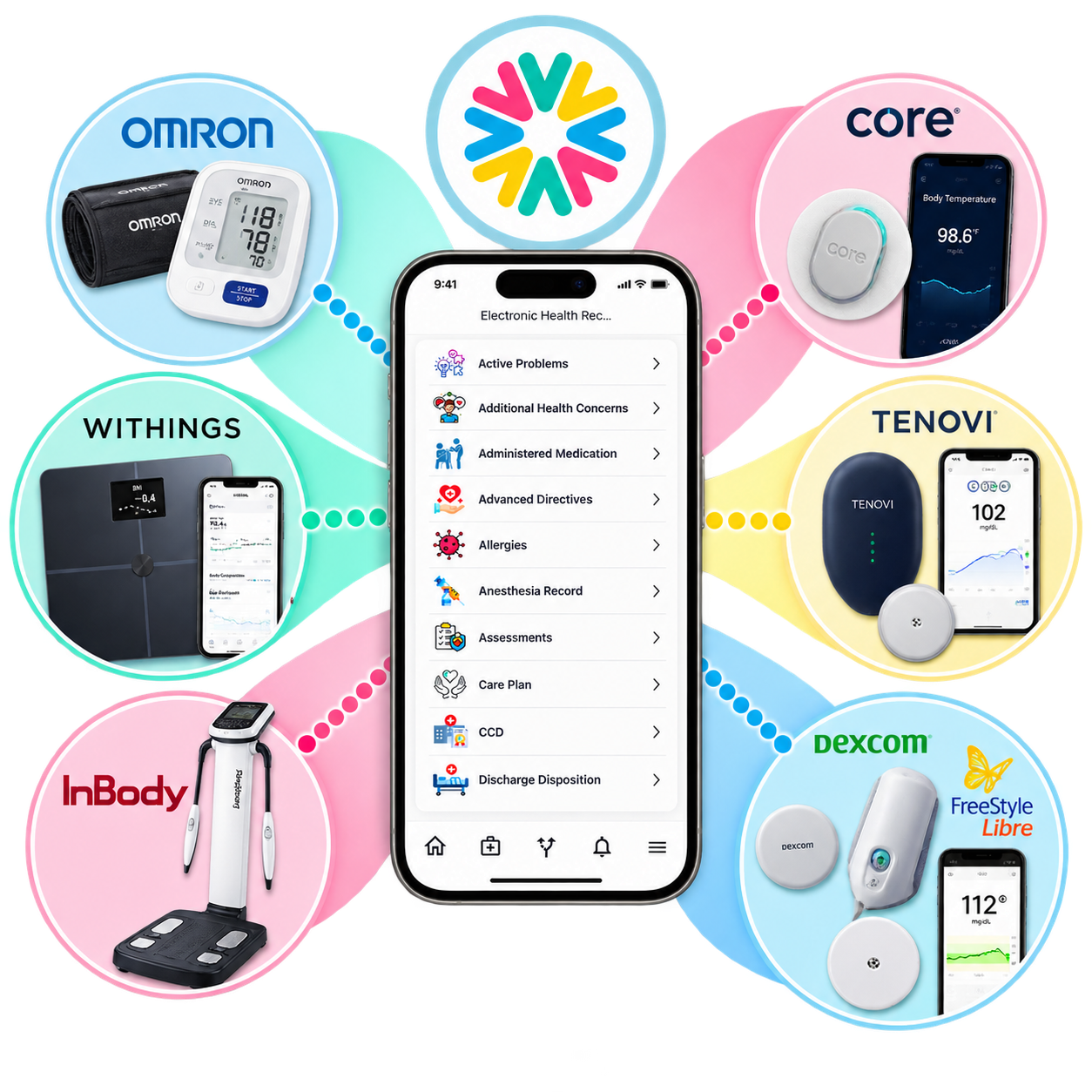
Calcium automatically collects patient-reported outcomes, vitals from wearables, medication adherence, and more. Providers can access real-time dashboards and reports through the Calcium Health Core platform, supporting better decisions and early interventions.
4. AI Personalization for Smarter Care
Calcium uses AI to adapt pathways based on user behavior. If a patient starts missing check-ins or reports new symptoms, the system adjusts instantly—like a GPS rerouting your care journey.
5. Clinician and Patient Engagement Made Easy
From motivational messages to gamified progress bars, Calcium keeps users engaged. Meanwhile, providers stay connected through alerts, performance dashboards, and in-app communication tools.
The result? Fewer readmissions, better outcomes, and stronger alignment with ACO goals.
The Wrap
Accountable care organization is more than a policy trend, it’s reshaping how care is delivered, measured, and rewarded across the U.S. healthcare system. For providers, that means new responsibilities, but also new opportunities to lead the charge in value-based care. Navigating these changes doesn’t have to be overwhelming. With the right digital partner, you can simplify care coordination, improve patient outcomes, and stay ahead of the curve.
The Calcium digital health platform was built with exactly that in mind helping ACOs and providers bridge the gap between care plans and real-life patient engagement. Whether you’re tackling chronic conditions, behavioral health, or post-acute recovery, Calcium offers the tools to turn insight into action.
Reference
- Khullar, D., Schpero, W. L., Casalino, L. P., Pierre, R., Carter, S., Civelek, Y., Zhang, M., & Bond, A. M. (2024). Accountable Care Organization Leader Perspectives on the Medicare Shared Savings Program: A Qualitative Study. JAMA Health Forum, 5(3), e240126. https://doi.org/10.1001/jamahealthforum.2024.0126
- Wilson, M., Guta, A., Waddell, K., Lavis, J., Reid, R., & Evans, C. (2020). The impacts of accountable care organizations on patient experience, health outcomes and costs: a rapid review. Journal of Health Services Research & Policy, 25(2), 130–138. https://doi.org/10.1177/1355819620913141
- Shortell, S. M., Wu, F. M., Lewis, V. A., Colla, C. H., & Fisher, E. S. (2014). A Taxonomy of Accountable Care Organizations for Policy and Practice. Health Services Research, n/a-n/a. https://doi.org/10.1111/1475-6773.12234
- Fisher, E. S., & Shortell, S. M. (2010). Accountable Care Organizations. JAMA, 304(15), 1715. https://doi.org/10.1001/jama.2010.1513