Rebuilding Care Around Outcomes, Not Volume
What if the future of healthcare wasn’t just about more doctors, more appointments, or more treatments but better outcomes, smarter systems, and healthier people?
That’s the bold promise behind accountable care organizations in healthcare, a model that’s quietly reshaping how care is delivered across the United States. As the pressure mounts to control costs, close care gaps, and improve the patient experience, ACOs are moving from experimental pilot projects to foundational pillars of healthcare reform. But are they truly ready to lead? And what tools will they need to succeed?
In this rapidly changing landscape, understanding the evolving role of ACOs isn’t just helpful, it’s essential. Whether you're a provider, policymaker, or digital health innovator, now’s the time to lean in. Because the future of care isn't coming, it's already here, and ACOs are sitting squarely at the center of it.
The Evolution of Accountable Care Organizations in Healthcare
Over the last decade, accountable care organizations in healthcare have become a cornerstone of the shift from fee-for-service to value-based care. Born out of the Affordable Care Act and Medicare's push for efficiency, ACOs were designed to bring providers together primary care, specialists, hospitals to manage the health of defined patient populations. But they’re more than just a new type of contract. They're a new mindset.
Unlike traditional care models that reward volume, ACOs reward value. If they can keep patients healthier while spending less, they share in the savings. If they don't? They may share in the losses. This shared accountability makes the stakes real and that’s where the transformation begins (Song, 2014).
What’s Holding ACOs Back?
Despite their promise, ACOs face some serious headwinds. Here are some of the biggest hurdles they’re up against:
- Data Silos. Multiple EHR systems hinder a unified patient health view
- Disjointed Care. Fragmented care across clinics, hospitals and home health agencies leads to poor coordination and readmissions.
- Low Patient Engagement. Patients are often unaware or uninvolved in their ACO care.
- Chronic Condition Overload. ACOs struggle to manage high-risk patients without proper tools.
- Quality vs. Cost Pressures. Trying to improve quality while reducing costs can feel like walking a tightrope in a windstorm.
- Workforce Strain. ACOs face shortages in key care coordinators, behavioral health providers and tech-savvy clinicians (Sandberg et al., 2017).
- Regulatory Complexity. CMS updates and reporting requirements burden ACO administration.
These challenges are well-documented. A 2024 study in Health Affairs found that even though the Next Generation ACO model saved Medicare $1.7 billion overall, once shared savings were paid out, the net spending actually increased by $96 million.
Why? Because long-term savings require time, and the transition period can be expensive (Parashuram et al., 2024).
Where ACOs Are Headed Next
So, what does the future hold for accountable care organizations in healthcare? If done right, ACOs could become the nucleus of a smarter, more collaborative healthcare system.
1. Value-Based Care at the Core
At their heart, ACOs are designed to reward better care not just more care. That means:
- Fewer unnecessary tests and duplicate procedures
- More proactive management of chronic illnesses
- A stronger focus on outcomes, not just services
Instead of being paid like waiters (per item ordered), ACOs get paid more like contractors based on how well the job gets done. And that changes everything (Song, 2014).
2. Targeting the Right Patients with Population Health Tools
One major lesson from the research is clear: ACOs get the biggest wins when they focus on high-risk patients. According to the AJMC study on workforce roles, ACOs often build special teams just for this group like ambulatory intensive care units with physicians, nurse practitioners, social workers and even community health workers (Sandberg et al., 2017).
These teams use risk stratification tools to identify patients who are most likely to end up in the ER or hospital. Once identified, they offer hands-on support like:
- Medication management
- Home visits
- Behavioral health check-ins
- Care navigation and social services
This kind of targeted, team-based care can dramatically reduce unnecessary admissions and improve quality of life. Think of it like putting up sandbags before a flood instead of bailing water afterward.
3. Workforce Evolution is Non-Negotiable
The success of ACOs also depends on how they use their workforce. Gone are the days of a single doctor doing it all. Instead, we’re seeing:
- Nurses and social workers leading care coordination
- Pharmacists helping with med adherence
- Behavioral health providers embedded in primary care clinics
- Data analysts flagging care gaps and follow-up needs
In short, it’s an all-hands-on-deck approach. But here's the problem: many ACOs struggle to fund or find this talent. That’s why scalable digital tools are becoming essential (Sandberg et al., 2017).
How Digital Health Platforms Like Calcium Fill the Gaps
Digital transformation isn’t a luxury anymore, it’s a necessity. Platforms like Calcium’s digital health ecosystem are stepping in to solve the very problems ACOs are grappling with.
A. Real-Time Data Sharing and Interoperability
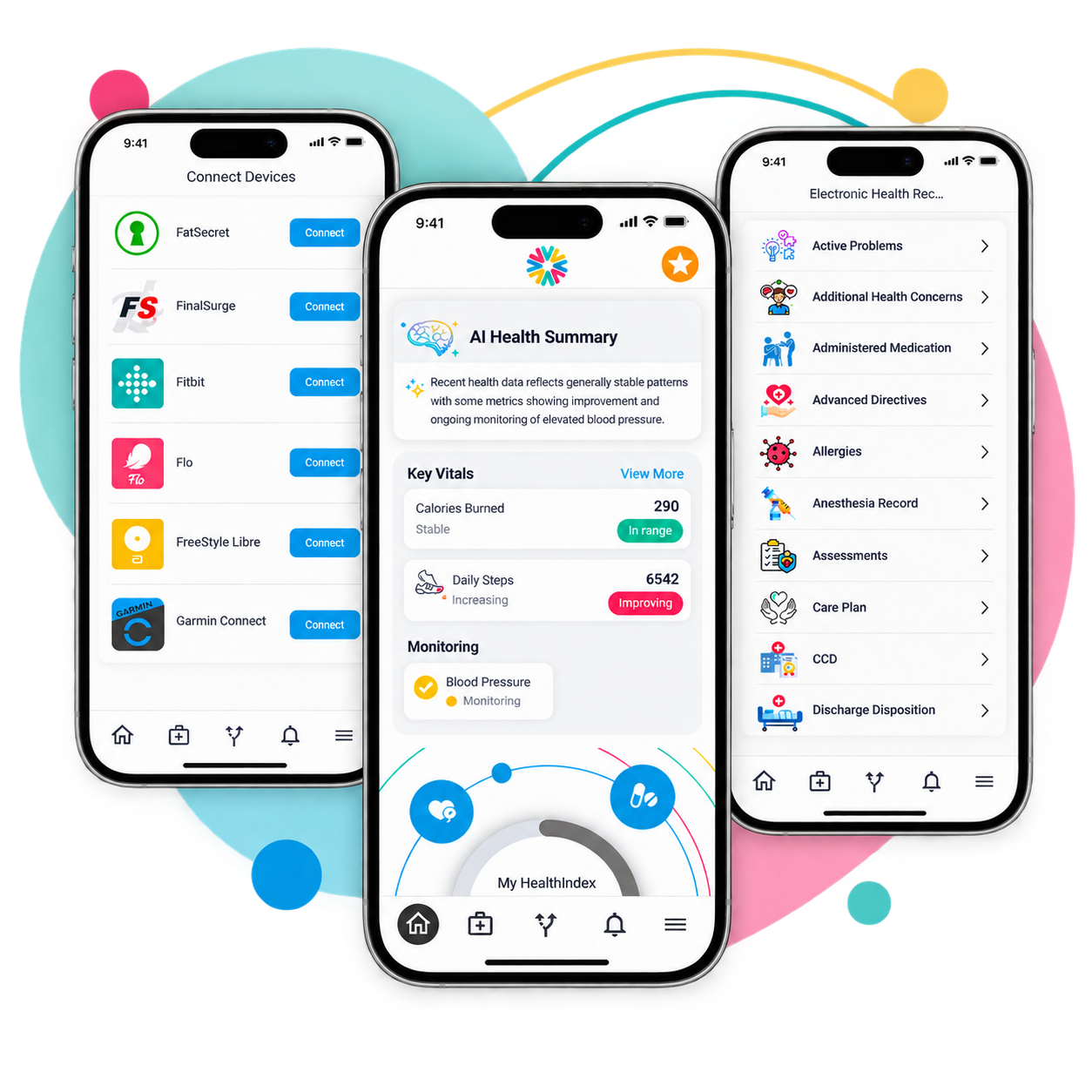
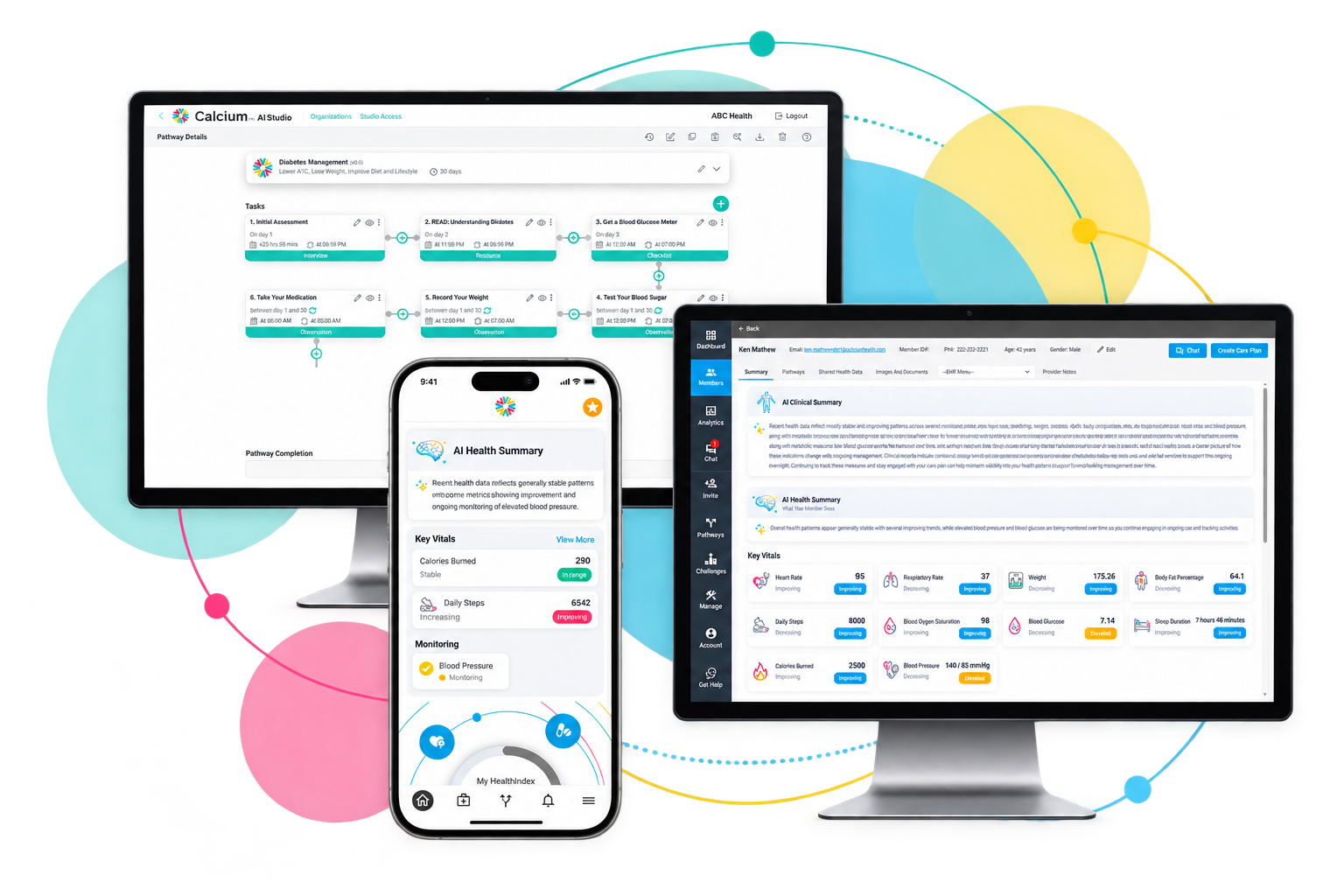
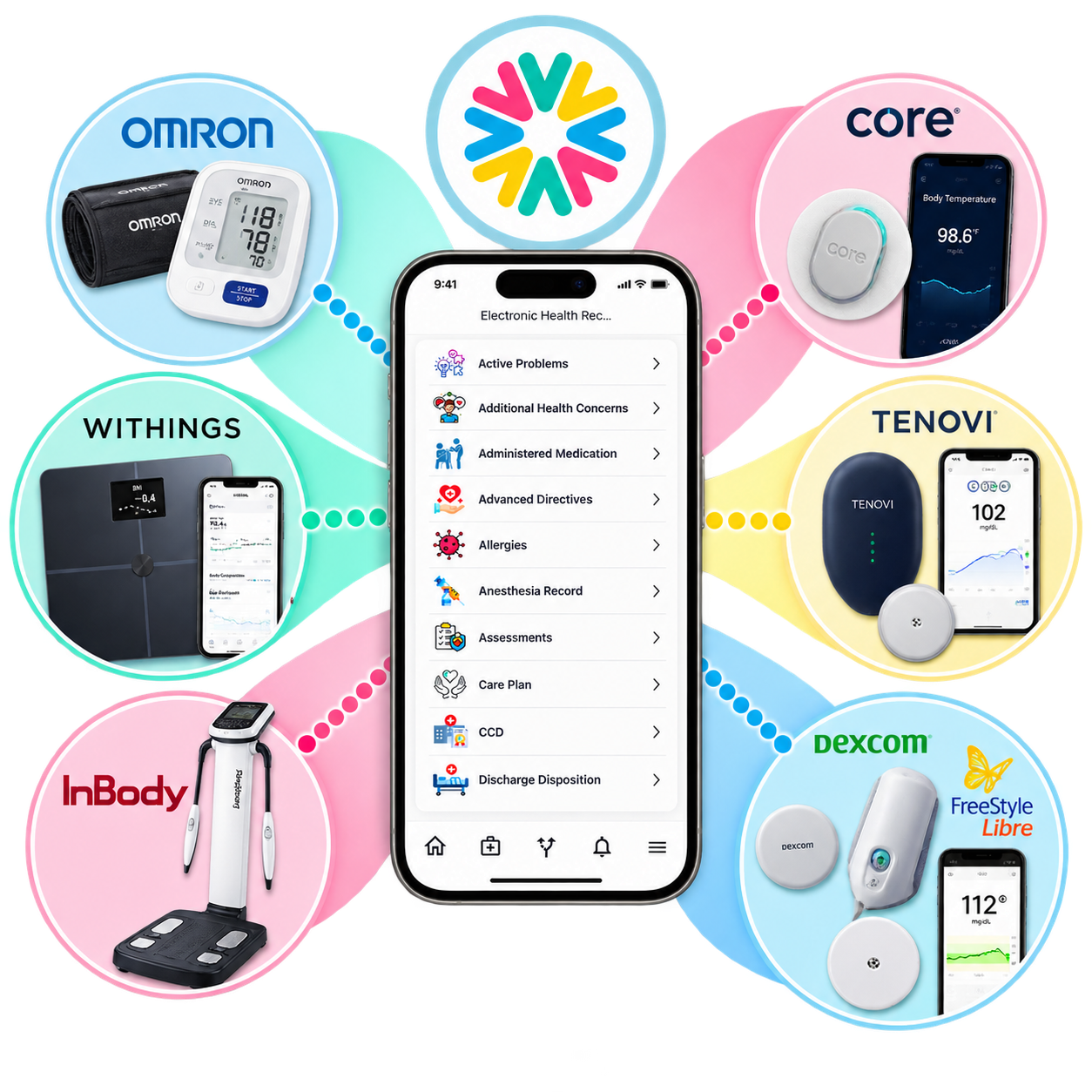
With fragmented EHRs and devices everywhere, ACOs need a single source of truth. Calcium integrates health data from multiple systems EHRs, wearables, home monitors, and more into one unified dashboard.
That means care teams don’t have to guess what’s going on with a patient. They know.
B. Personalized Digital Pathways for Every Patient
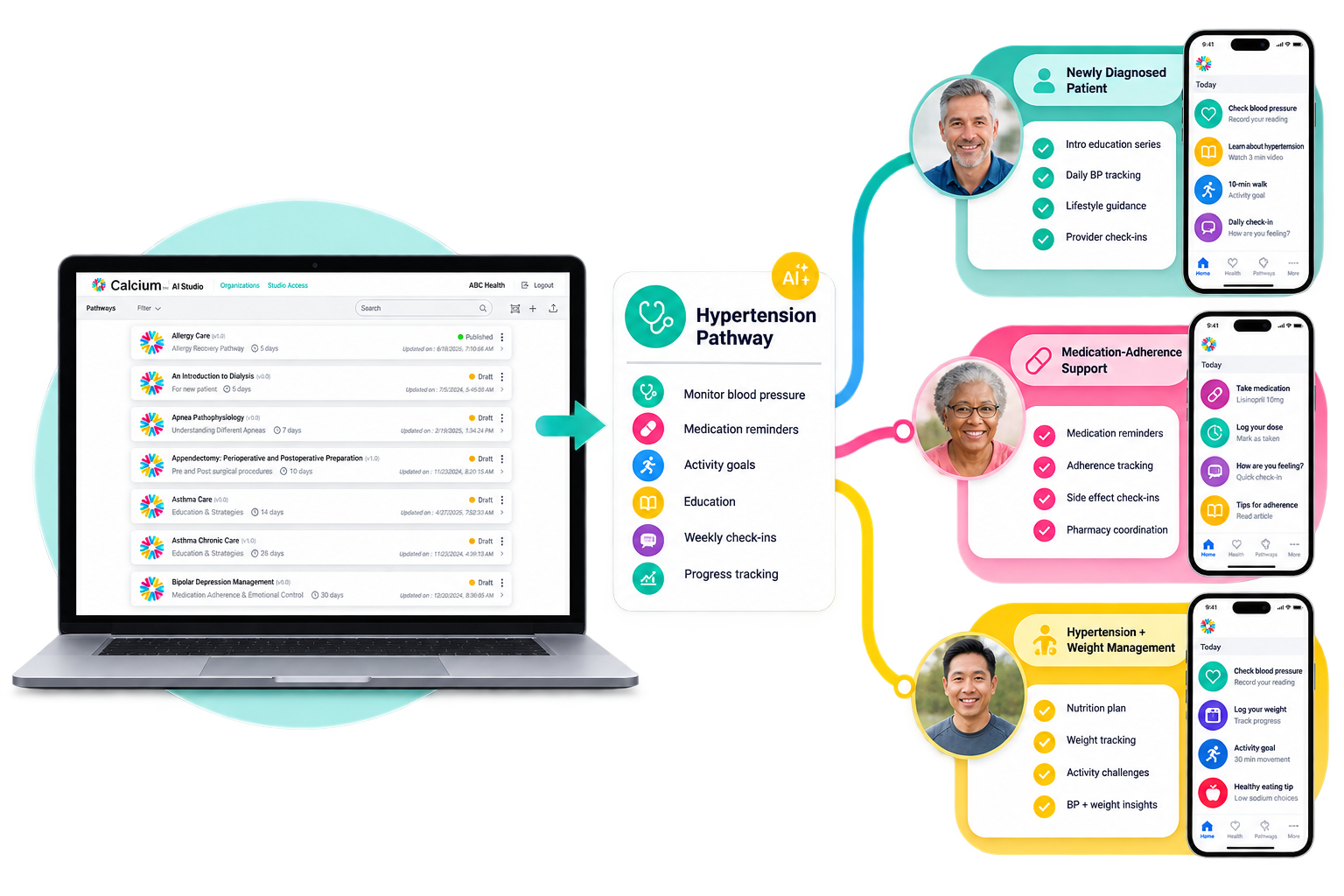
Let’s face it, traditional care plans are static and one-size-fits-all. That doesn’t work for diverse, high-risk populations. Calcium offers AI-powered Digital Pathways that adapt to each user’s health status, goals and compliance behavior.
These pathways include:
- Medication and appointment reminders
- Education resources tailored to the user’s conditions
- Interactive check-ins and journaling tools
- Pre-op and post-op care plans
- Chronic condition tracking
For ACOs, this means better adherence, better data and better outcomes.
C. Built-In Engagement Features That Actually Work
Getting patients to engage is half the battle. Calcium uses techniques from behavioral science—like gamification, goal-setting and push notifications—to keep people involved.
Instead of lecturing patients, the app nudges them. Think of it like having a digital health coach in your pocket.
D. Compliance, Quality, and Reporting Simplified
ACOs live and die by their quality metrics. Calcium makes it easier to track progress toward CMS benchmarks, monitor care gaps, and generate reports that satisfy payers and regulators.
It’s like having a backstage crew that keeps the show running smoothly.
Policy and Innovation Outlook: What’s Ahead for ACOs
The road ahead for accountable care organizations in healthcare isn’t just about managing what we have it’s about reshaping what’s possible.
CMS 2030 Vision: Everyone in Accountable Care
By 2030, the Centers for Medicare & Medicaid Services (CMS) has set an ambitious goal: every Medicare beneficiary will be in a care relationship with accountability for quality and total cost of care. That means ACOs or ACO-like entities will be the default, not the exception.
To get there, CMS is streamlining its programs and creating more advanced payment models that reward outcomes over activity. Programs like ACO REACH (Realizing Equity, Access, and Community Health) are already pushing the boundaries, focusing on underserved communities and requiring even more accountability for health equity.
Evolving Risk Models & Regulatory Reform
Regulatory shifts are moving fast:
- One-sided risk ACO models are being phased out in favor of two-sided risk models where providers can gain or lose based on performance
- New requirements tie shared savings more closely to quality and equity
- CMS is encouraging the use of population-based payments, giving ACOs more flexibility to invest in preventive and nontraditional care
This evolution isn't just about finance it's about pushing ACOs to truly transform how care is delivered (Parashuram et al., 2024).
Innovation Will Be the Difference Maker
Traditional infrastructure won’t get ACOs to 2030. They’ll need smarter, leaner, tech-enabled models and that’s where platforms like Calcium shine.
Here’s what innovation will look like:
- Dynamic, AI-powered care plans that adjust based on real-time data
- Patient-facing apps that drive engagement and build trust
- Automation of reporting and quality tracking to reduce admin load
- Integrated behavioral health tools to address whole-person care
In short, digital platforms like Calcium are becoming the connective tissue that links care teams, patients, and outcomes turning ACO theory into ACO reality.
The Wrap
Accountable care organizations in healthcare aren’t just a trend they’re a turning point. As the U.S. shifts from volume to value, ACOs have a critical role to play in making care more connected, preventive, and patient-centered. But their success will depend on more than good intentions. They’ll need real-time data, personalized care plans, and digital tools that actually empower patients and providers alike.
That’s where innovation steps in and platforms like Calcium are leading the charge. Whether you're managing chronic disease, coordinating care across teams, or trying to hit quality benchmarks, Calcium’s digital health ecosystem was built with ACOs in mind.
Reference
Song, Z. (2014). Accountable Care Organizations in the U.S. Health Care System. Journal of Clinical Outcomes Management : JCOM, 21(8), 364. https://pmc.ncbi.nlm.nih.gov/articles/PMC4422096/
Shriram Parashuram, Lee, W., Rowan, K., Gao, Y., Ewald, E., Devi Chelluri, Soo, J., Kan Gianattasio, Xie, L., Brantley, E., Dowd, B. E., Feldman, R., & Lowell, K. (2024). The Effect Of Next Generation Accountable Care Organizations On Medicare Expenditures. Health Affairs, 43(7), 933–941. https://doi.org/10.1377/hlthaff.2022.01648
Wilson, M., Guta, A., Waddell, K., Lavis, J., Reid, R., & Evans, C. (2020). The impacts of accountable care organizations on patient experience, health outcomes and costs: a rapid review. Journal of Health Services Research & Policy, 25(2), 130–138. https://doi.org/10.1177/1355819620913141
Sandberg, S. F., Erikson, C., Owen, R., et al. (2017). Evolving health workforce roles in accountable care organizations. American Journal of Managed Care. https://www.ajmc.com/view/evolving-health-workforce-roles-in-accountable-care-organization