Transforming Care Delivery for Healthier Communities
In healthcare, the ultimate goal isn’t just treating illness, it’s keeping people healthy. But in a system long dominated by fee-for-service models and fragmented care, that goal has often felt out of reach. Enter Accountable Care Organizations (ACOs) a bold experiment in rethinking how care is delivered, managed, and measured. While much attention has focused on their ability to lower costs, ACOs are quietly achieving something far more transformative: reshaping the future of population health.
At a time when chronic diseases are rising, behavioral health needs are growing, and social determinants still go unmet, ACOs offer a blueprint for something better. They're proving that coordinated, patient-centered care doesn’t just improve individual outcomes, it can uplift entire communities. But how exactly are they doing it? And what makes ACO population health more than just another industry buzzword?
Let’s explore how ACOs are actively driving meaningful, measurable change in the health of populations.
Driving Better Population Health: What ACOs Can Actually Do
Accountable Care Organizations (ACOs) were established to be more than just cost-cutting initiatives. At their best, they represent a bold redesign of healthcare delivery transitioning from reactive treatment to proactive, coordinated, and preventive care. And increasingly, they’re rising to that challenge. Across the country, ACOs are proving they have the tools, structure, and commitment to make a measurable impact on ACO Population Health.
Here’s the thing: “population health” isn’t just a goal, it’s a process. And when ACOs lean into their unique structure, data access, and community ties, they’re in a powerful position to make real, measurable impact.
Here’s a look at how ACOs are actively advancing population health and what’s fuelling their success.
1. Reframe What 'Population Health' Means
ACOs are expanding how they define their populations and that’s a crucial first step. Rather than focusing only on “attributed lives” (Medicare or commercial patients assigned to them), leading ACOs are zooming out to consider the communities where their patients live, work, and face daily challenges (Noble et al., 2014).
This broader perspective allows ACOs to tackle root causes and engage with factors that truly influence health outcomes. Research from the American Journal of Public Health emphasizes that the overlap between an ACO’s attributed patients and the surrounding community is significant and that intersection offers an incredible opportunity to elevate long-term impact (Hacker & Walker, 2013).
Forward-thinking ACOs are now asking:
- What are the key health risks within our communities?
- Where are the gaps in resources and support?
- How can we make a difference beyond clinic walls?
In this way, ACO Population Health strategies become not just about contracts or coverage, but about embedding care into the very fabric of a community.
2. Build Always-On, Patient-Centered Engagement Models
Gone are the days when healthcare was confined to the doctor’s office. ACOs are embracing continuous, patient-centered engagement ensuring care is ongoing, personalized, and meaningful even between appointments.
They are investing in tools and models that provide:
- Continuous touchpoints. like reminders, digital health coaching, and symptom tracking
- Personalized education. that explains conditions and lifestyle changes in plain language
- Motivational support. like daily nudges, goal tracking, and positive reinforcement
Imagine a person managing diabetes receiving friendly daily check-ins about their glucose, exercise, and meals, all via smartphone. This isn’t futuristic, it’s already happening in high-performing ACOs. For chronic disease management especially, sustained behavior change matters more than one-time prescriptions.
By integrating daily support, ACOs are changing the way health is maintained helping individuals feel supported every step of the way.
3. Use Data Proactively, Not Just Retrospectively
ACOs have access to vast amounts of data but what sets the best apart is how they use it. Rather than relying only on retrospective data like claims, successful ACOs are integrating real-time insights that allow for proactive intervention.
They’re combining:
- Clinical data from electronic health records (EHRs)
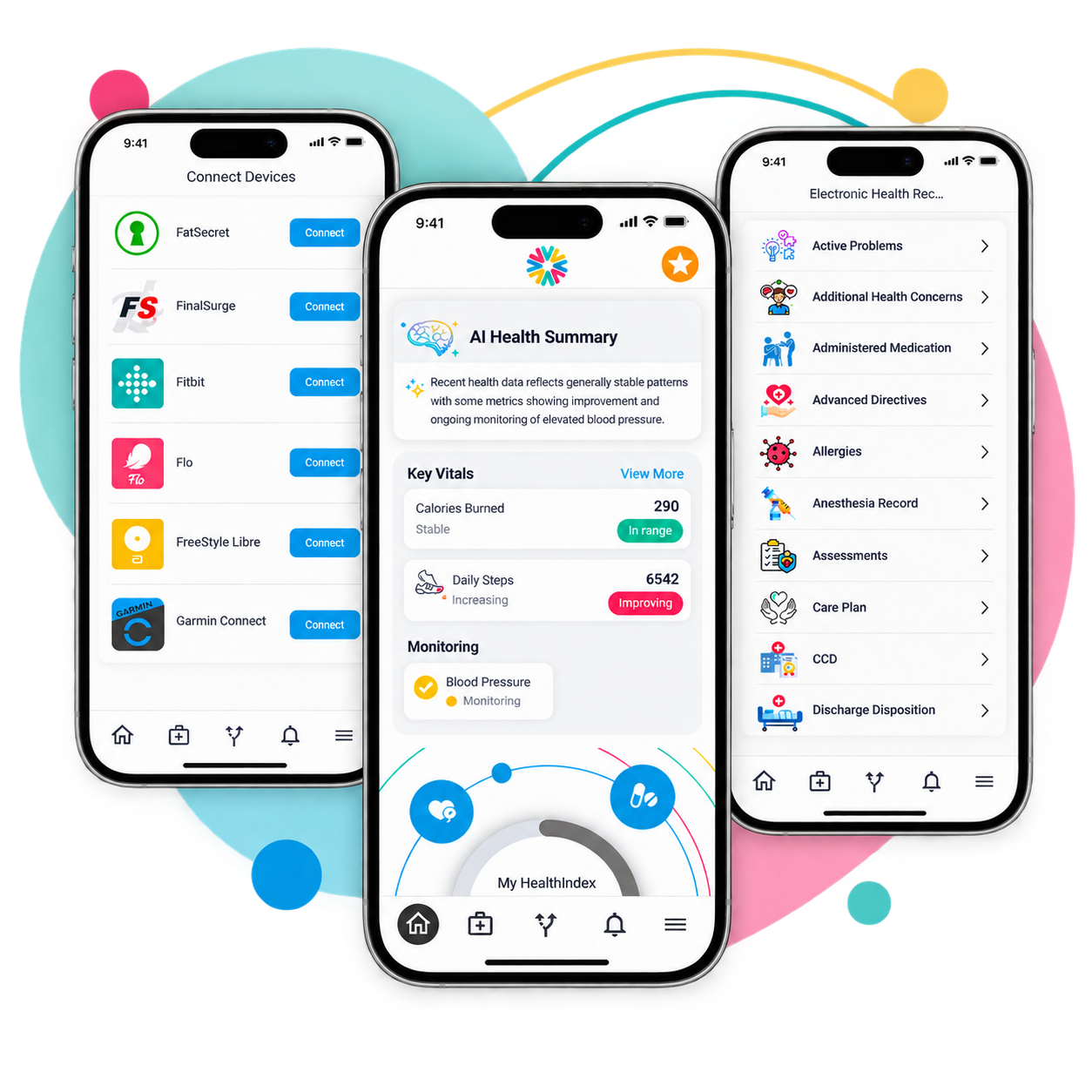
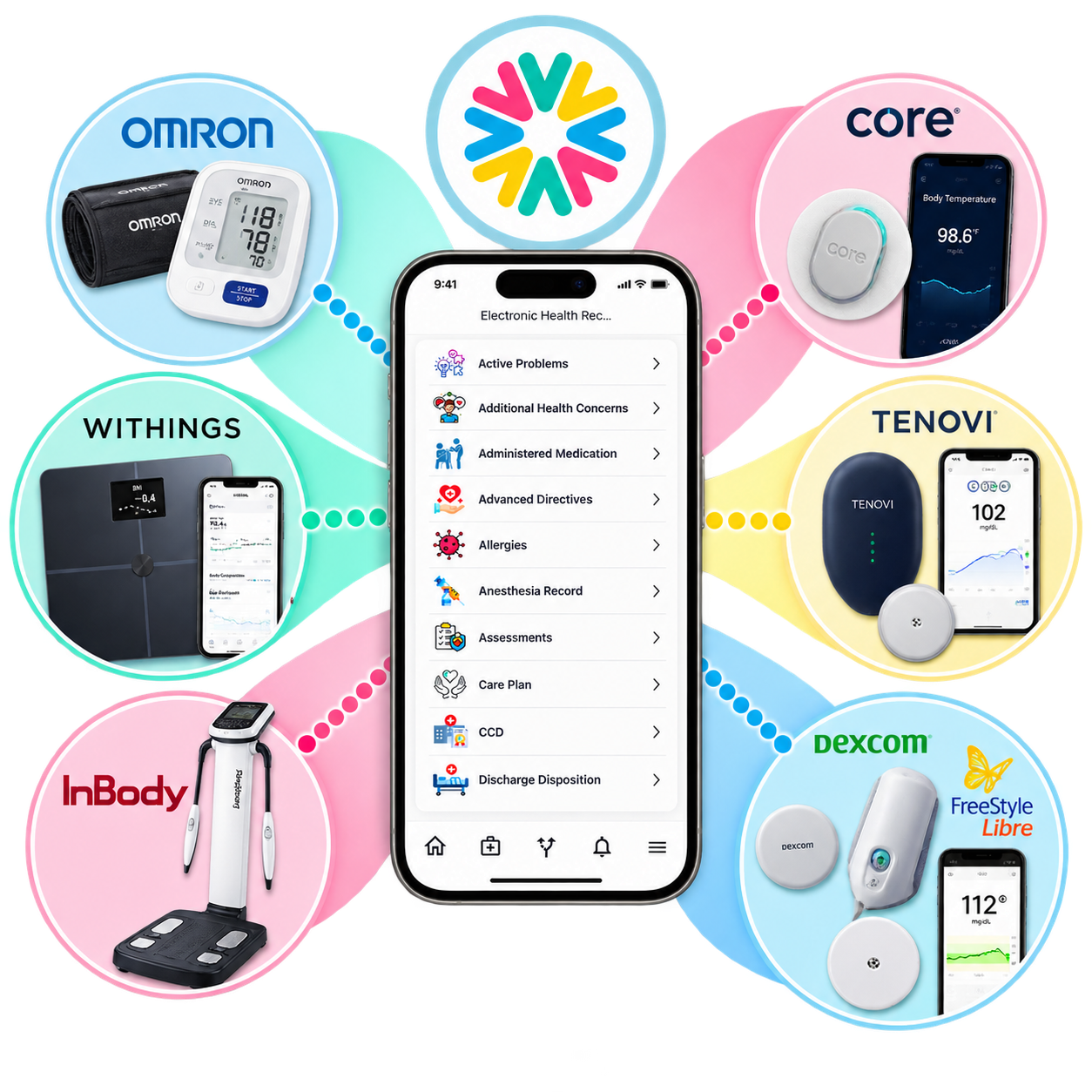
- Remote monitoring from wearables and devices
- Self-reported symptoms
- Social determinants like housing, food security, and income levels
By layering these data points, ACOs can identify rising risks before they escalate and act quickly. Predictive analytics are being ethically employed to help prioritize outreach, allocate resources, and improve care outcomes at both individual and population levels (Wu et al., 2016).
This smarter, proactive approach makes ACO population health not just measurable but truly meaningful.
4. Create Coordinated, Cross-Sector Care Networks
Improving population health isn’t just about having great doctors, it’s about building great partnerships. Today’s ACOs are serving as the central hub for coordinated care networks that extend far beyond traditional clinical teams.
These networks include:
- Primary care providers
- Behavioral health professionals
- Social workers and care coordinators
- Community health workers
- Local public health departments and nonprofits
A study in Health Affairs highlighted that ACOs tackling social needs like transportation, food, and housing achieved better outcomes for vulnerable populations. And they didn’t do it alone they partnered effectively across sectors (Fraze et al., 2016).
Shared goals and unified care plans allow for seamless communication and aligned support. This is where collaboration becomes transformation and ACOs are at the center.
5. Deliver Personalized Digital Pathways at Scale
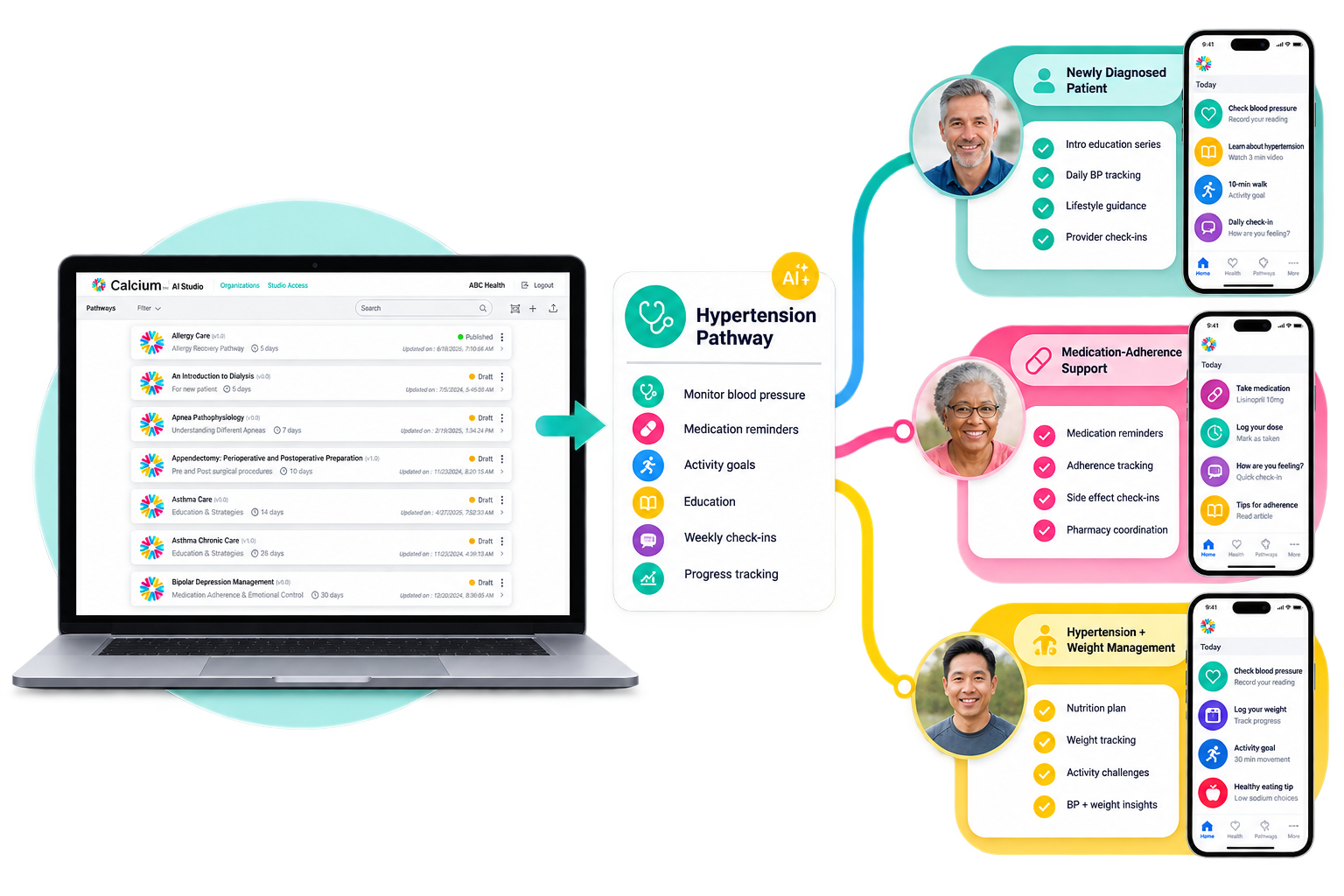
One of the most promising trends in ACO-driven care is the adoption of digital care pathways structured, condition-specific programs that help patients navigate their health journey day by day.
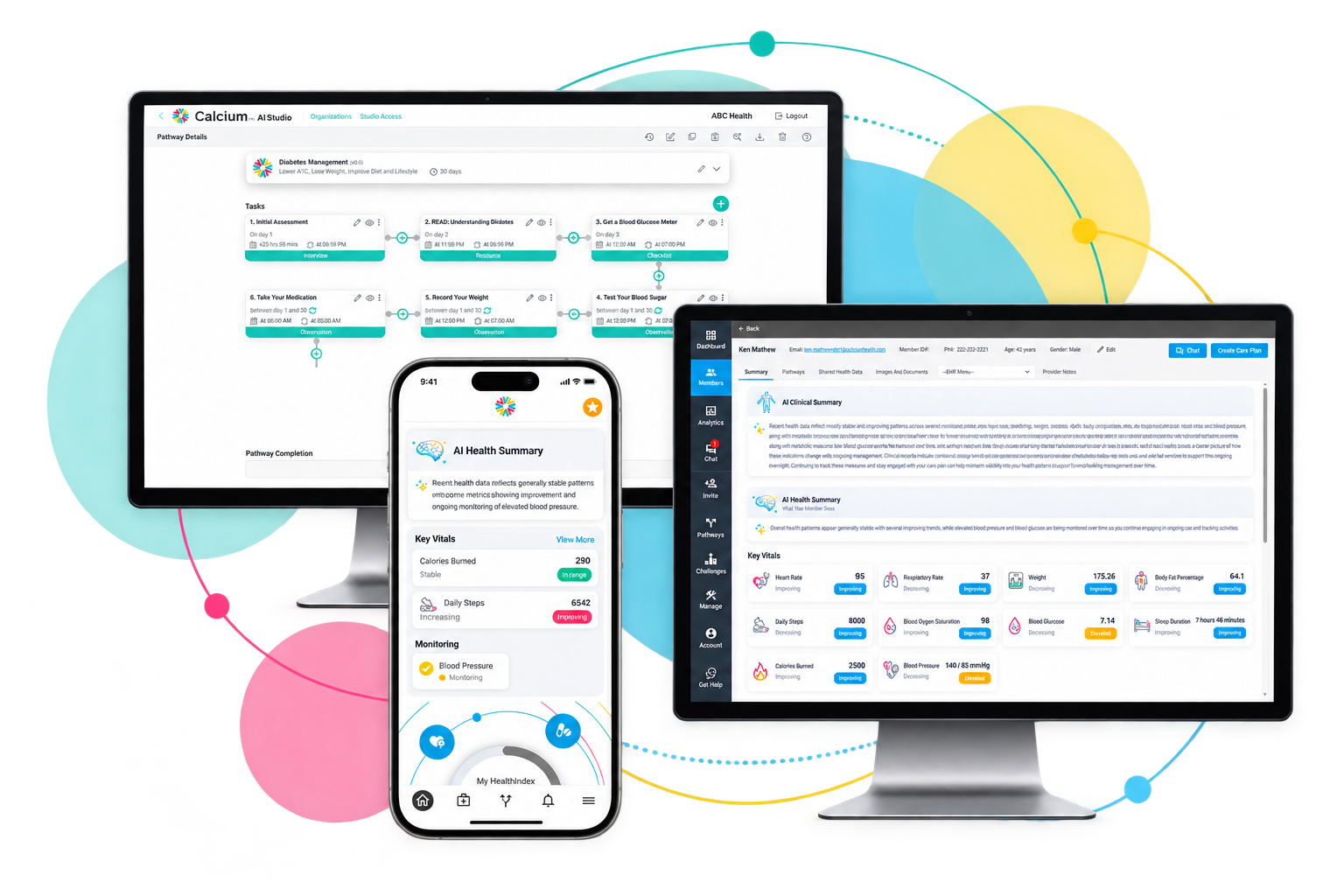
Platforms like Calcium enable ACOs to offer guided programs for:
- Diabetes and high blood pressure
- Mental health and emotional wellness
- Surgical recovery
- Fitness and lifestyle changes
- Medication adherence
These aren’t generic tools they’re adaptive, interactive, and rooted in behavioral science. Patients receive timely tips, symptom trackers, and encouragement, while care teams get real-time insights into engagement and progress (Wu et al., 2016).
By leveraging technology, ACOs are scaling high-touch care in a sustainable way supporting thousands of patients without overwhelming their teams. This marks a major advancement in scalable, tech-enabled care without overwhelming provider teams.
6. Address Behavioral Health as Core, Not Optional
Mental and behavioral health are inseparable from physical health. Leading ACOs are recognizing this and weaving behavioral support into every layer of care.
Efforts include:
- Embedding mental health professionals into primary care teams
- Offering access to digital cognitive behavioral therapy (CBT)
- Providing remote coaching and virtual therapy
- Equipping staff to identify and respond to mental health concerns
When ACOs treat mental health as fundamental rather than supplemental, they address key drivers of poor outcomes like missed appointments, poor medication adherence, and unmanaged stress.
This holistic model is improving patient lives in real, lasting ways and elevating the impact of ACO Population Health efforts.
7. Measure What Matters And Share It Transparently
Data transparency and relevant metrics are powerful tools. ACOs are shifting focus from checkboxes to outcomes that truly reflect health improvement, including:
- Reductions in preventable hospitalizations
- Control rates for chronic diseases
- Patient-reported well being and satisfaction
- Community-level indicators such as nutrition or air quality
- Engagement metrics like participation in digital care tools
By sharing results with patients, providers, and community partners, ACOs build accountability and mutual trust. Patients who see their progress such as improvements in blood pressure or mood are more likely to stay engaged and motivated (Hacker & Walker, 2013).
This feedback loop strengthens both care delivery and patient empowerment.
8. Focus on Equity from Day One
Improving population health means improving health for everyone not just those who are easiest to reach. ACOs are increasingly focusing on health equity by identifying and addressing gaps in care based on race, geography, income, and more (Fraze et al., 2016).
They’re taking steps like:
- Deploying health coaches to underserved areas
- Partnering with trusted community groups and faith-based organizations
- Offering multilingual and low-literacy digital tools
- Providing mobile phones and connectivity for isolated patients
Equity isn’t an add-on, it’s foundational. And ACO Population Health strategies that prioritize equity from the start are seeing deeper, more sustainable results.
The Wrap
ACO-driven population health isn’t a future vision, it’s already reshaping care in communities across the country.
From reducing preventable hospitalizations to supporting patients through chronic illness and mental health challenges, ACOs are proving that smarter, more connected care is not only possible, it’s scalable. By embracing technology, forging community partnerships, and focusing on the whole person, ACOs are becoming powerful engines for healthier populations.
At Calcium Health, we believe technology should make this work easier, not harder. That’s why the Calcium digital health platform is purpose-built to support ACOs in delivering personalized, proactive, and coordinated care across every patient journey. Whether you're managing chronic conditions, addressing behavioral health, or guiding post-acute recovery, Calcium empowers your team to lead with impact.
Reference
Hacker, K., & Walker, D. K. (2013). Achieving Population Health in Accountable Care Organizations. American Journal of Public Health, 103(7), 1163–1167. https://doi.org/10.2105/ajph.2013.301254
Noble, D. J., Greenhalgh, T., & Casalino, L. P. (2014). Improving population health one person at a time? Accountable care organisations: perceptions of population health—a qualitative interview study. BMJ Open, 4(4), e004665. https://doi.org/10.1136/bmjopen-2013-004665
Wu, F. M., Rundall, T. G., Shortell, S. M., & Bloom, J. R. (2016). Using health information technology to manage a patient population in accountable care organizations. Journal of Health Organization and Management, 30(4), 581–596. https://doi.org/10.1108/jhom-01-2015-0003
Fraze, T., Lewis, V. A., Rodriguez, H. P., & Fisher, E. S. (2016). Housing, Transportation, And Food: How ACOs Seek to Improve Population Health by Addressing Nonmedical Needs of Patients. Health Affairs, 35(11), 2109–2115. https://doi.org/10.1377/hlthaff.2016.0727