Smarter VBC Strategies for Delivering Better Outcomes and Redefining Patient Success
Healthcare today is at a breaking point. Costs keep climbing, yet patients are still struggling to get care that actually makes them feel better. Providers are overwhelmed, payers are frustrated, and everyone from doctors to families is asking the same question: How do we fix this?
The answer isn’t more appointments or expensive tests. It’s a fundamental shift in how we define and deliver care. Value-based care (VBC) isn’t just a policy buzzword it’s a movement aimed at realigning healthcare around what actually matters: healthier patients, stronger communities, and smarter use of resources.
Whether you're a provider on the frontlines or a patient navigating your own journey, understanding this shift is essential. Because the way care is delivered is changing fast and those who don’t adapt risk being left behind. So, what does this new model look like in action? Let’s take a closer look.
What Is Value-Based Care? A Simple Explanation
Let’s cut through the jargon: value-based care (VBC) is healthcare that rewards outcomes, not activity. Instead of getting paid for how many services they deliver, providers are paid based on how well they help people get and stay healthy. It shifts the focus from sick care to real health care.
In the old fee-for-service model, a provider might be paid more for ordering extra tests or scheduling repeat visits. Under VBC, that same provider gets rewarded when patients manage their blood pressure, avoid preventable hospitalizations, or improve their quality of life. It’s a system that favors smarter care, not just more of it.
Why the Shift Toward VBC Is Inevitable
The current system is bloated, expensive, and often reactive. Chronic diseases like diabetes and heart failure are swallowing healthcare budgets, while millions of patients cycle through emergency rooms without long-term solutions. Here’s why the move toward VBC is picking up speed:
- Healthcare costs are unsustainable. The U.S. spends more than any other country on care, with lower returns on investment.
- Chronic illness is rising. Aging populations and lifestyle diseases require long-term care strategies, not episodic interventions.
- Policy is catching up. Programs like Medicare Advantage, ACOs, and Kidney Care Choices are built around VBC.
- Patients want better. People expect convenience, transparency, and care that treats the whole person.
Trying to stick with fee-for-service in 2025 is like trying to stream Netflix with dial-up. It just doesn’t work anymore.
The Key Pillars of a Successful Value-Based Care Model
If you’re building or participating in a VBC model, there are a few non-negotiables. These pillars hold the whole thing up:
- Patient-Centered Outcomes. Success is measured by patient health not just test results, but mobility, mental wellness, and life goals.
- Integrated Care Teams. Primary care, specialists, mental health providers, and community resources need to work together like a pit crew.
- Evidence-Based Practice. VBC models rely on data, not assumptions. Decisions are based on what’s proven to work.
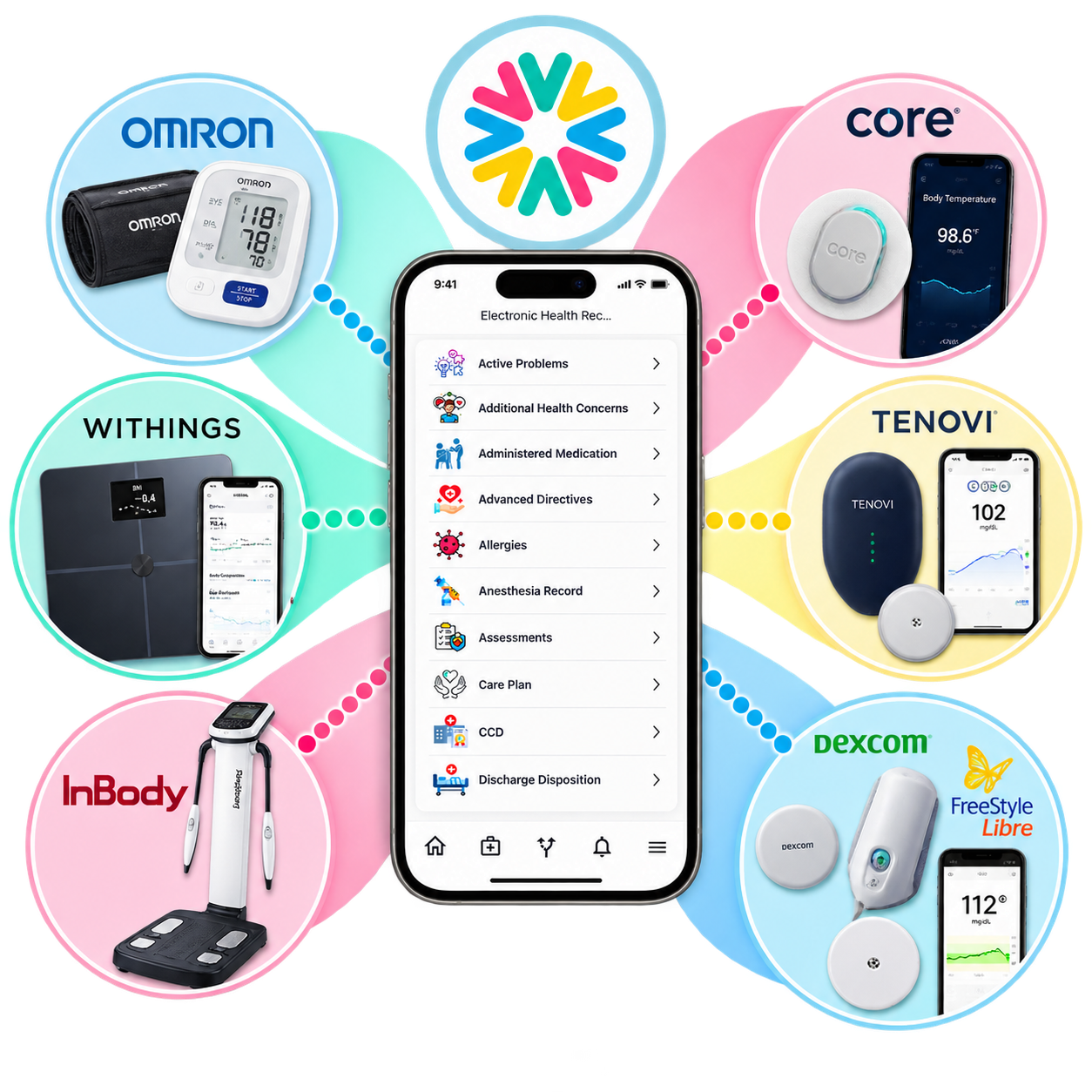
- Digital Enablement. Real-time data from wearables, apps, and EHRs powers proactive care and early interventions.
- Social Determinants of Health (SDOH). Where patients live, work, and eat matters. Good VBC includes these factors in care planning.
- Shared Risk and Rewards. Providers are financially aligned with outcomes. That means rewards for success and accountability when things go off-track.
Each of these elements works together to flip the script from treating illness to managing health.
What This Means for Providers and Health Systems
For healthcare organizations, this shift is both a challenge and an opportunity. The challenge? Rebuilding clinical and business operations around outcomes. The opportunity? Delivering higher-value care that improves lives and attracts long-term payer partnerships.
To thrive in this model, providers must embrace:
- Data transparency. Teams need real-time access to clinical, behavioral, and engagement data.
- Team-based workflows. Everyone from physicians to nurses to care coordinators must row in the same direction.
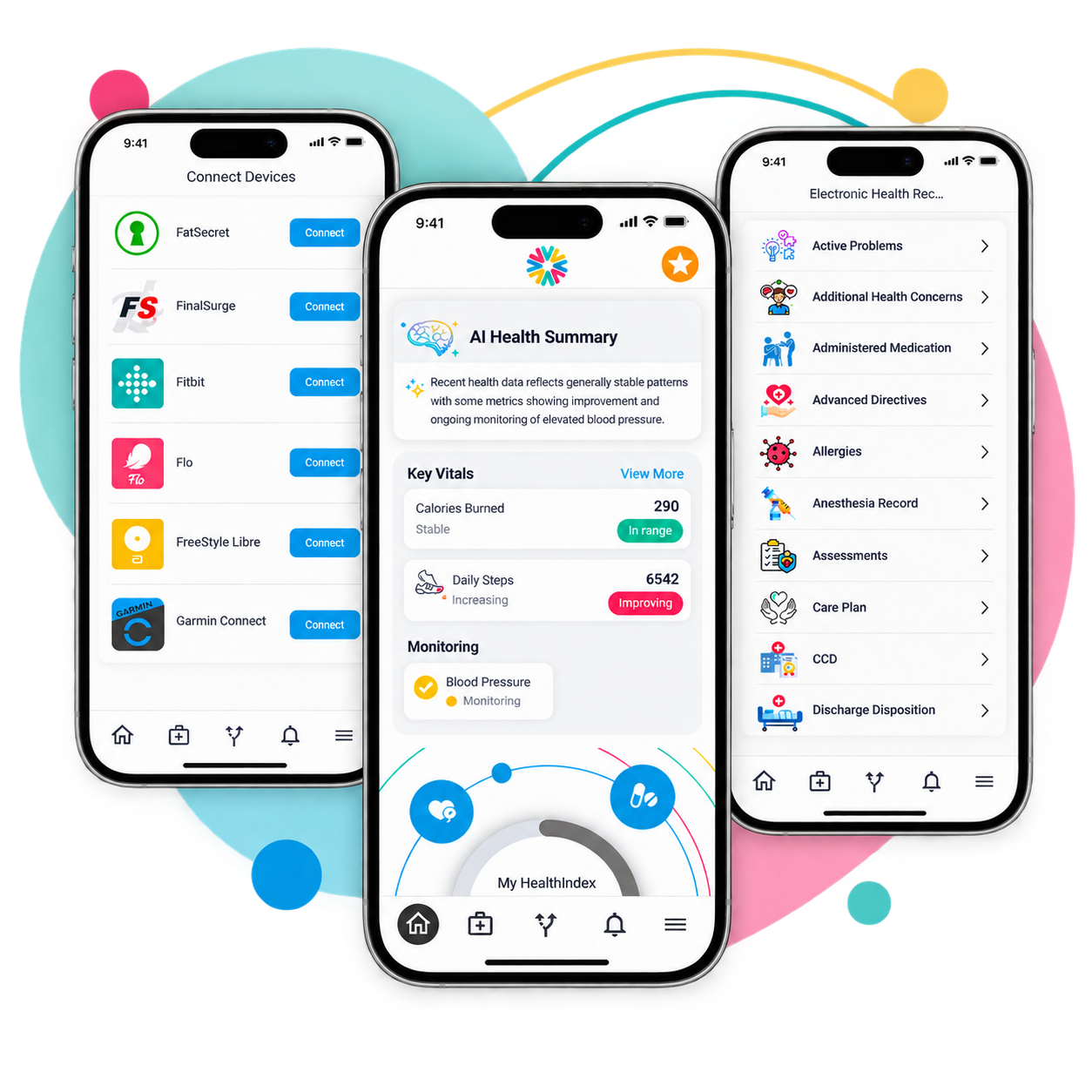
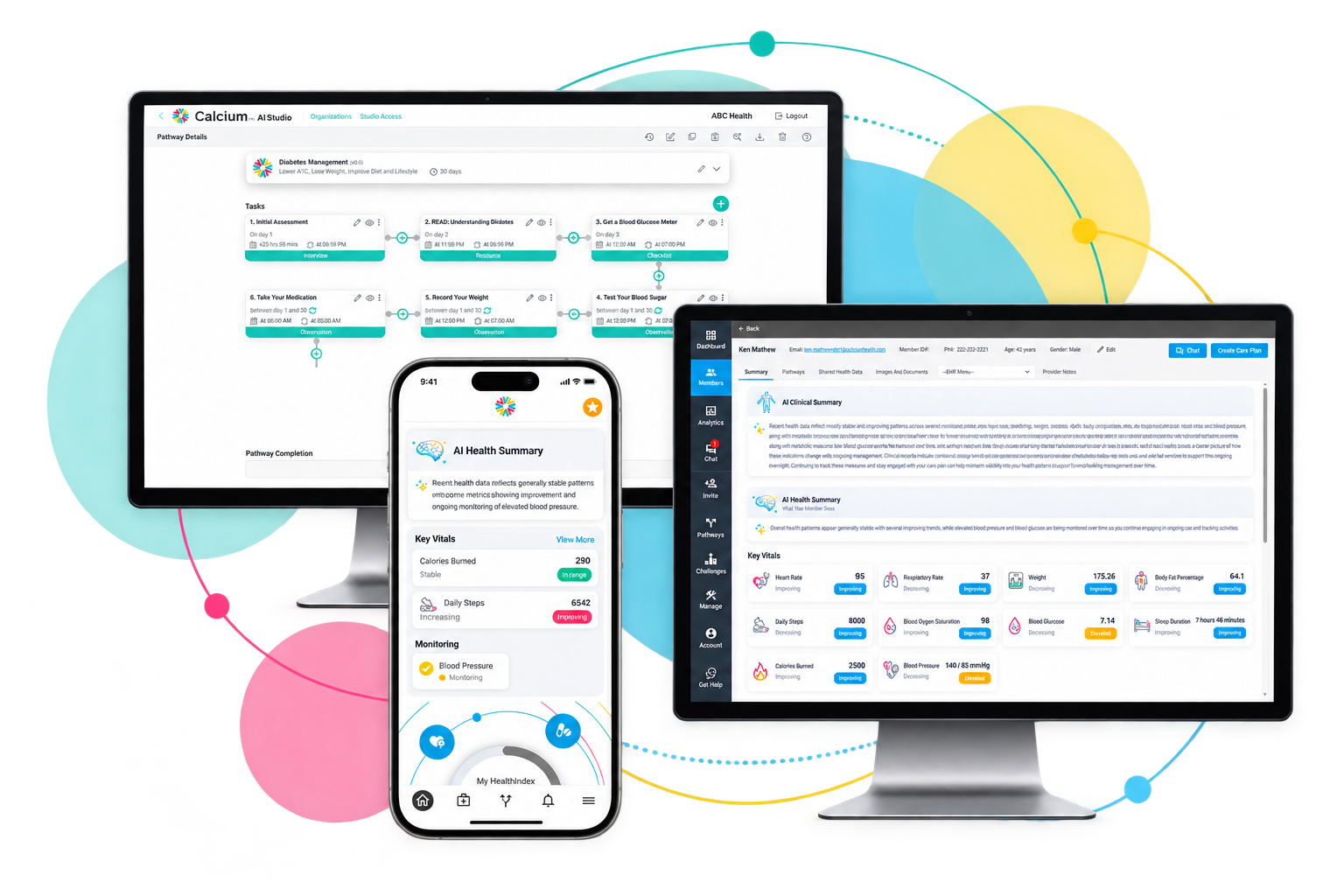
- Digital engagement strategies. Platforms like Calcium help providers monitor patients between visits, track metrics, and close care gaps.
- Cultural change. Fee-for-service culture rewards productivity. VBC rewards results. That’s a huge mindset shift.
Many organizations are turning to digital tools that make this transition easier. Predictive analytics, guided digital care plans, and patient-reported outcome tools are becoming standard features in modern practices.
What This Means for Patients
The real winners in this evolution? Patients. Here’s what VBC means for them:
- More Personalized Care. Instead of one-size-fits-all advice, patients get support that matches their lifestyle, culture, and condition.
- Better Communication. With tools like app-based care plans and secure messaging, patients stay connected to their care teams.
- Fewer Unnecessary Procedures. VBC discourages waste, so patients avoid redundant scans and unnecessary prescriptions.
- Better Long-Term Outcomes. Preventive care, chronic condition monitoring, and behavior change lead to healthier lives.
From the patient side, VBC often feels like care that finally makes sense because it revolves around them.
How Digital Health Platforms Like Calcium Make It Work
Without the right tools, value-based care becomes harder than it needs to be. That’s why platforms like Calcium were built to make it easier for providers to deliver better outcomes with less friction.
Here’s how Calcium supports VBC success:
- Real-Time Data Integration. Pulls together EHRs, wearable device data, and self-reported inputs into a 360-degree patient view.
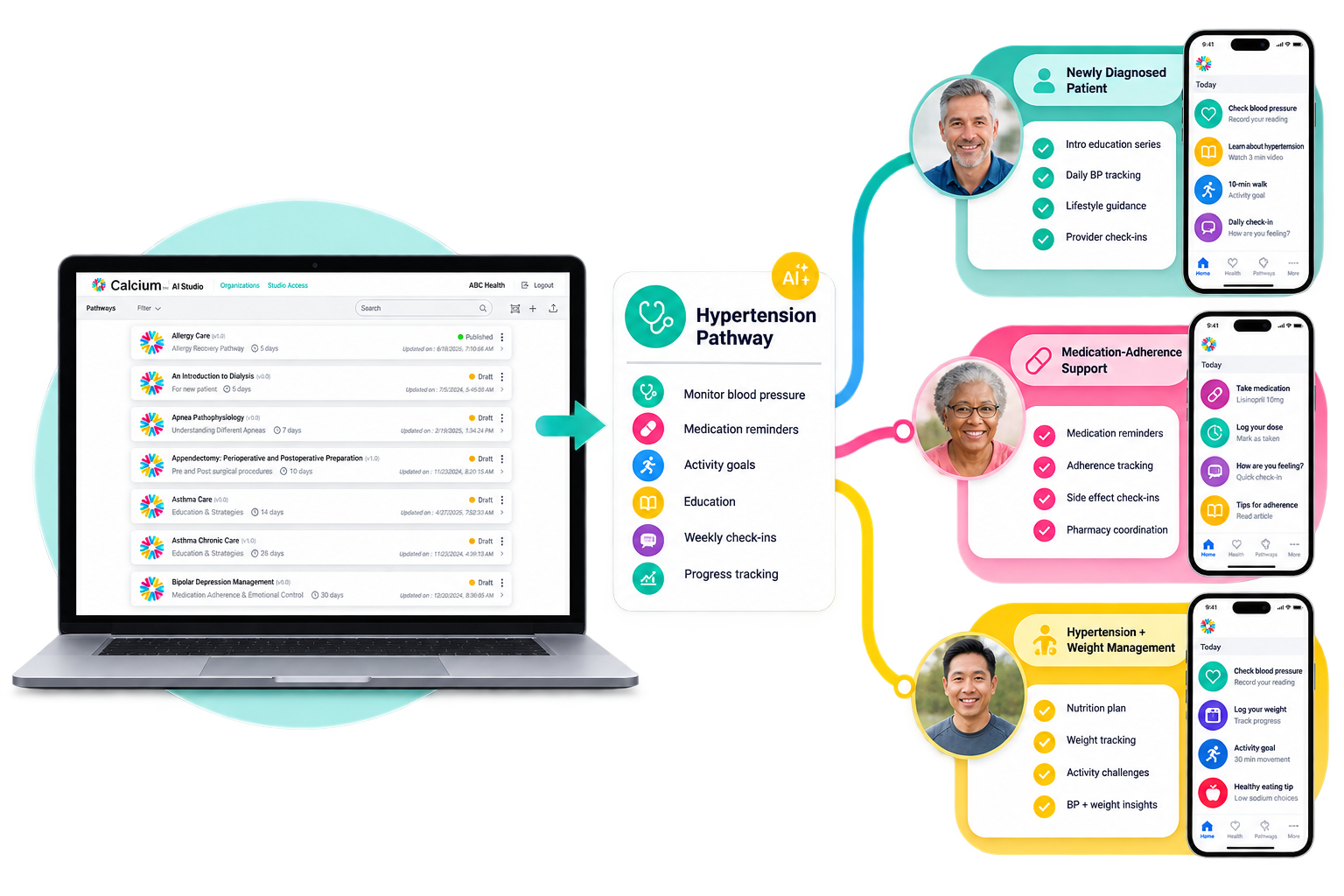
- AI-Powered Guided Pathways. Personalized daily care plans for chronic conditions, post-op recovery, behavioral health, and wellness.
- Predictive Alerts. Flags at-risk patients early using machine learning, helping teams act before emergencies happen.
- Behavioral and Social Health Modules. Addresses SDOH and tracks mood, lifestyle habits, and social risks.
- Family Health Management. One app supports patients managing their own care and the care of loved ones.
With these tools, teams aren’t just reacting to problems they’re anticipating and preventing them.
The Wrap
The future of healthcare is about getting better results, not doing more things. That’s what value-based care delivers and with digital tools like Calcium, providers and patients finally have the infrastructure to make it work. If you're not moving toward VBC yet, now’s the time to start. Because the future is already here, and it rewards those who deliver real value.
As the healthcare system evolves, one thing is clear value-based care isn’t a passing trend. It’s the future.
For providers, it offers a smarter, more sustainable way to deliver care that truly improves lives. For patients, it means being seen, heard, and supported in ways that matter. But making this shift successfully requires more than good intentions, it takes the right tools.
That’s where Calcium comes in. Our digital platform helps providers personalize care, track real-time outcomes, engage patients daily, and intervene before small issues become big problems. Whether you're navigating chronic conditions, coordinating care across teams, or working to close gaps in preventive care, Calcium makes it easier to deliver the kind of high-value care today’s healthcare demands.
Reference
- Orang, T. M., Missmahl, I., Thoele, A. M., Valensise, L., Brenner, A., Gardisi, M., Peter, H., & Kluge, U. (2022). New directions in the mental health care of migrants, including refugees-A randomized controlled trial investigating the efficacy of value-based counselling. Clinical psychology & psychotherapy, 29(4), 1433–1446. https://doi.org/10.1002/cpp.2728
- Nycz, G., Shimpi, N., Glurich, I., Ryan, M., Sova, G., Weiner, S., Nichols, L., & Acharya, A. (2020). Positioning operations in the dental safety net to enhance value‐based care delivery in an integrated health‐care setting. Journal of Public Health Dentistry, 80(S2). https://doi.org/10.1111/jphd.12392
- Lin, E., Dave, G., & Kshirsagar, A. V. (2023). The New Kidney-Focused Companies: A Privatized Approach to Value-Based Care and Addressing Social Determinants of Health. Journal of the American Society of Nephrology : JASN, 34(1), 17–20. https://doi.org/10.1681/ASN.2022060716
- Pean, C. A., Konda, S., & Egol, K. A. (2022). Value-Based Care in Orthopedic Trauma. Bulletin of the Hospital for Joint Disease (2013), 80(1), 102–106. https://pubmed.ncbi.nlm.nih.gov/35234593/