Bridging Gaps in Healthcare with Smarter, Seamless Collaboration
In today’s complex healthcare environment, no provider works in isolation and no patient’s journey is ever one-dimensional. From primary care visits to specialty referrals, behavioral health support to home monitoring, healthcare has become a team sport.
But without strong care coordination, that team can feel more like a group of strangers working off different playbooks.
The result? Missed follow-ups, delayed diagnoses, and rising costs that hurt patients and providers alike. As value-based care models push for better outcomes and smarter spending, the need for seamless coordination has never been greater. Yet most health systems still rely on outdated methods that simply can’t keep up.
What’s needed now is a smarter, more connected approach one that breaks down data silos, unites care teams, and puts patients at the center of the process. So how do we get there? It starts with rethinking how we use technology to unify care and unlock true collaboration.
Why Care Coordination Is the Unsung Hero of Modern Healthcare
Behind every great outcome in healthcare is a team of professionals working together physicians, nurses, specialists, behavioral health providers, and even caregivers. But without strong care coordination, that teamwork can quickly turn into chaos. Miscommunication, data gaps, and fragmented plans can derail even the best intentions.
In a value-based care world, where success is measured in outcomes and efficiency, care coordination isn't just helpful it’s essential. Yet, many healthcare systems still struggle with it.
So, what’s standing in the way of seamless coordination? Let’s look at the top challenges and how a unified digital platform like Calcium helps solve them.
1. Fragmented Health Records Across Systems
It’s one of the oldest problems in healthcare: data that lives in silos.
A primary care provider might use one EHR, the specialist another, and the physical therapist a third. None of them talk to each other. That fragmentation leads to redundant testing, missed diagnoses, and poor handoffs.
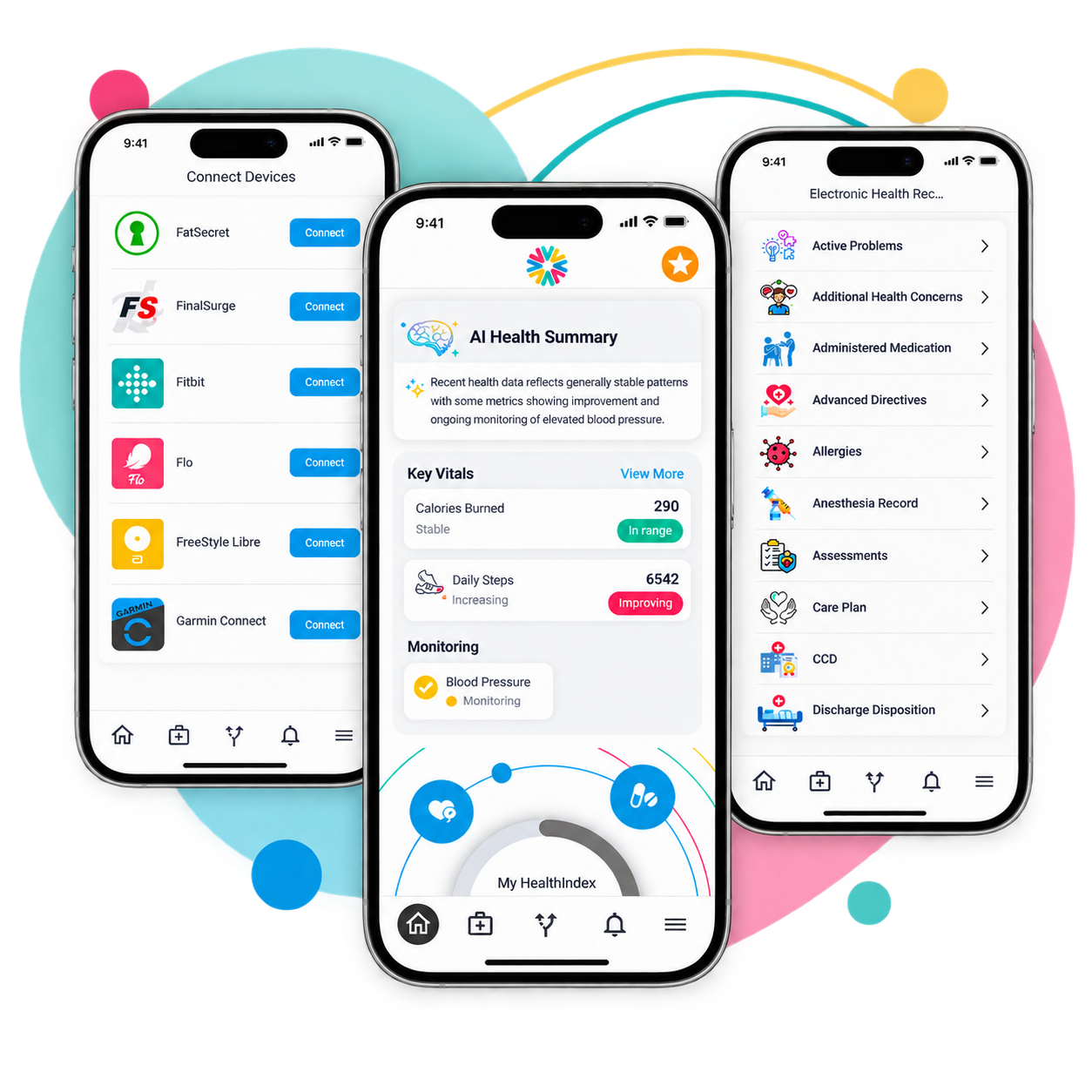
Calcium helps eliminate these data silos by integrating with almost all major U.S. EHR systems, pulling clinical data from multiple providers into a unified view. Providers see a patient’s lab history, diagnoses, medications, procedures and more all in one place.
This aligns with findings from the study on value-based software engineering, which emphasized that the real value of tech isn’t just in processing data, it’s in giving users the clarity to make better decisions. Calcium does exactly that by turning disparate health records into real-time, actionable insights.
2. Limited Communication Between Care Teams
Care coordination depends on communication but in many health systems, it’s still driven by phone calls, voicemails, and faxes. It’s slow, inefficient, and error-prone. And in the worst cases, it puts patients at risk.
The simulation in software engineering research offers a surprisingly relevant insight: teams work best when they have shared tools, clear roles, and open communication channels. That’s exactly what Calcium enables.
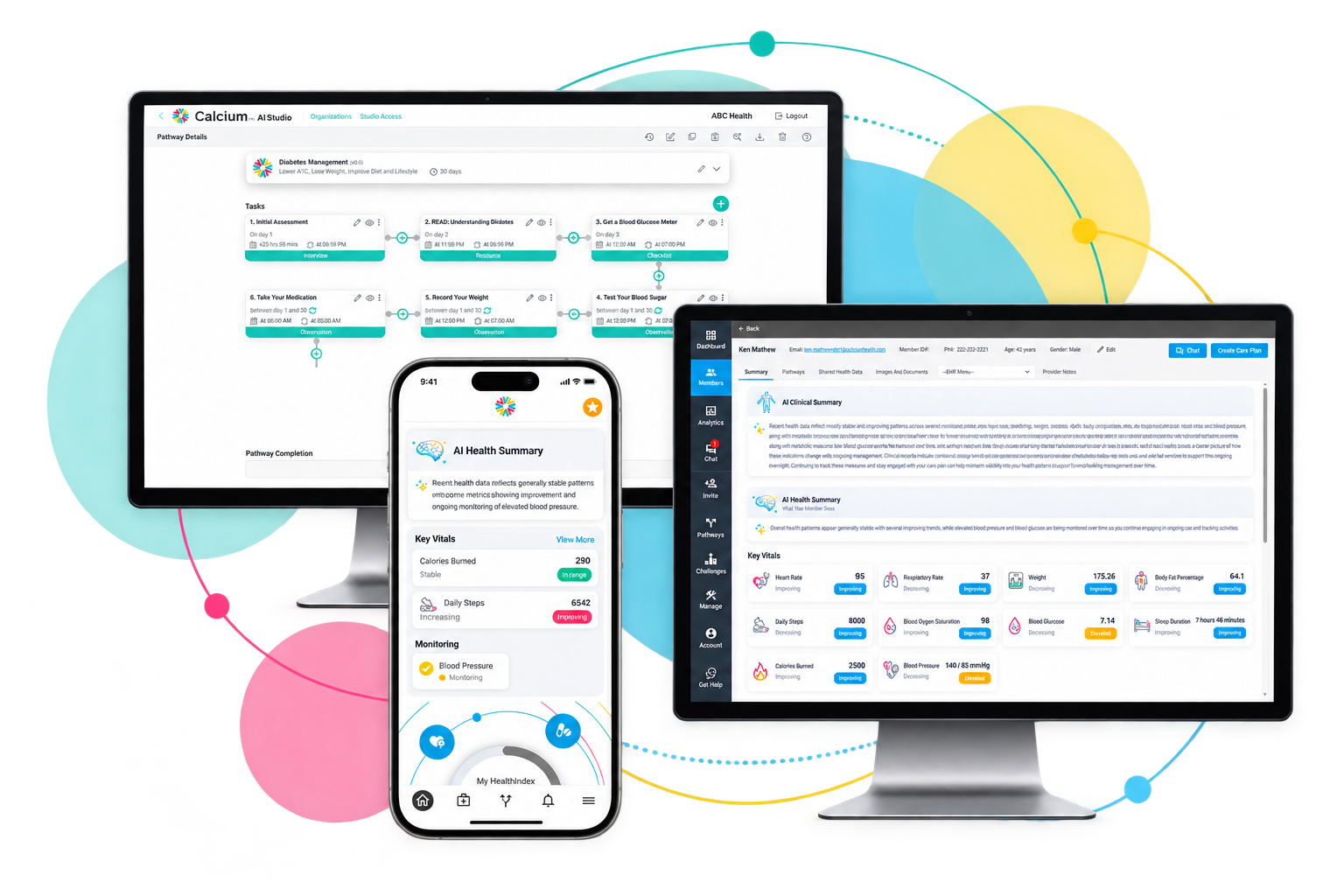
Through its HIPAA-compliant messaging and provider dashboard, care teams can securely chat, assign care tasks, and track patient progress across roles and disciplines. Whether it’s a care manager flagging a concern or a specialist sharing treatment updates, communication happens in real time—no follow-up calls required.
3. Inconsistent Patient Follow-Up and Engagement
You’ve probably heard this before: “We’ll call you in two weeks to check in.” But that follow-up rarely happens, and patients are left to manage on their own. Without support, adherence drops and outcomes suffer.
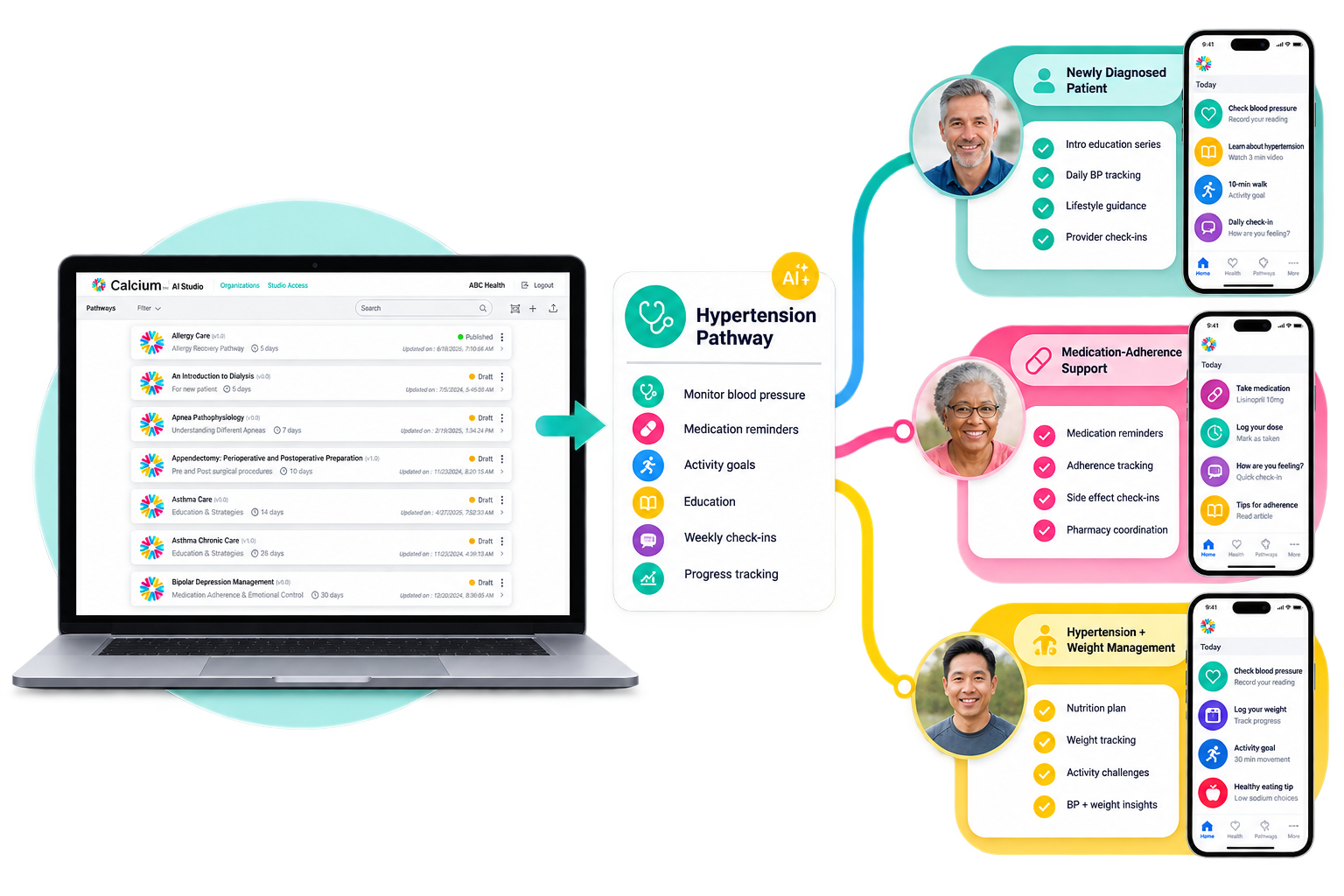
Calcium fills this gap with digital care pathways, which guide patients step by step through recovery, chronic disease management, or wellness goals. Patients receive reminders, educational content, check-ins, and even motivational messages all delivered through the app.
This supports findings from the health surveillance software framework study, which shows that digital monitoring systems are essential for delivering preventive care strategies at scale. By automating follow-ups and creating a feedback loop, Calcium helps patients stay on track and providers stay in the loop.
4. Lack of Visibility Into What Happens Outside the Clinic
What patients do between visits often matters more than what happens in the exam room. Are they taking their meds? Tracking symptoms? Getting enough sleep? Most providers simply don’t know.
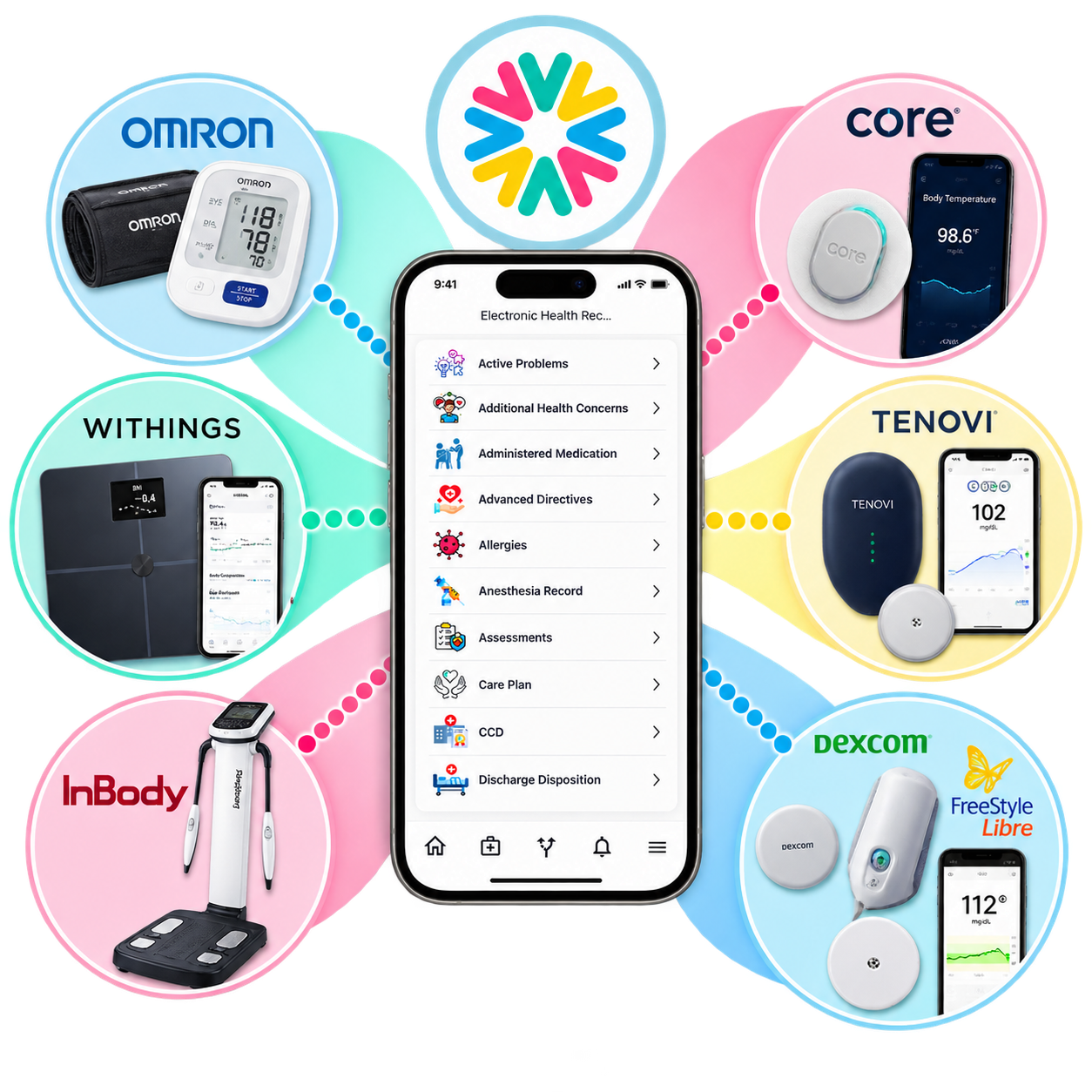
Calcium solves this by capturing real-world patient data from multiple sources:
- Wearables and medical devices (e.g., Dexcom, Apple Watch, Omron)
- Manual entries like mood, weight, or nutrition logs
- Health app integrations like Apple Health or Google Fit
- Behavioral health journaling and assessments
This continuous flow of information allows care teams to spot red flags early, adjust plans proactively, and deliver the kind of support that patients need most when they need it.
5. Manual, Time-Consuming Workflows
Coordinating care across multiple providers and systems often involves spreadsheets, emails and phone tags. It’s no wonder care teams burn out trying to manage patients with complex needs.
With Calcium, automation is built in:
- Automated alerts for care gaps or abnormal vitals
- Auto-assignment of care pathways based on conditions
- Real-time sorting of patients by risk level
- Dashboards that update without manual input
These time-saving tools don’t just reduce administrative burden they allow teams to focus on what matters most: delivering care. As pointed out in the value-based engineering framework, good software reduces cognitive load and enables better decisions, faster.
6. Behavioral and Mental Health Often Excluded
Care coordination isn’t complete if it ignores the emotional and psychological aspects of health. Yet, many platforms fail to integrate behavioral health in a meaningful way.
That’s where Calcium stands out. It offers dedicated behavioral health pathways for:
- Depression and anxiety
- Substance use support
- Stress management and mindfulness
- Trauma-informed care and journaling
Patients can log mood changes, receive cognitive behavioral prompts, and connect their behavioral health to their physical care plan. This holistic approach supports the health surveillance framework’s emphasis on preventive strategies and the diabetes-mental health scoping review showing that integrated care leads to better outcomes.
7. No Shared Digital Platform for Patients and Providers
Finally, one of the biggest barriers to care coordination is the lack of a shared digital “home base.” Too often, providers work in one system, patients in another, and caregivers in the dark.
Calcium changes that by providing a unified platform where:
- Patients access their care plans, journals, vitals, and health data
- Providers see real-time updates, patient-reported outcomes, and care team messages
- Caregivers or family members (with consent) can support the patient journey
Everyone stays connected. Everyone stays informed.
And when care is connected, outcomes improve.
The Path Forward for Value-Based Coordination
If value-based care is about aligning outcomes with cost, then care coordination is the mechanism that makes that alignment possible. It’s the infrastructure behind every shared success when a patient recovers faster, when a chronic condition is better managed, when a care team prevents a hospitalization before it happens.
But coordination at scale doesn’t happen by chance. It takes smart systems, actionable data, and tools that are designed for the real world of healthcare not just theory.
That’s why platforms like Calcium are becoming essential. They unify data, automate follow-ups, support behavior change, and create the communication framework that modern healthcare teams need.
So, if you’re aiming to strengthen your care coordination strategy, improve team collaboration, and hit your value-based goals, the first step is finding a tool that brings it all together and Calcium is built to do just that.
Reference
- Mendes, E., Rodriguez, P., Freitas, V., Baker, S., & Atoui, M. A. (2017). Towards improving decision making and estimating the value of decisions in value-based software engineering: the value framework. Software Quality Journal, 26(2), 607–656.https://doi.org/10.1007/s11219-017-9360-z
- Murray, J. M., Wiegand, B., Hadaschik, B., Herrmann, K., & Kleesiek, J. (2022). Virtual Biopsy: Just an AI Software or a Medical Procedure? Journal of Nuclear Medicine, jnumed.121.263749. https://doi.org/10.2967/jnumed.121.263749
- Alessandra Alaniz Macedo, Juliana Tarossi Pollettini, José Augusto Baranauskas, & Carmona, J. (2016). A Health Surveillance Software Framework to deliver information on preventive healthcare strategies. 62, 159–170.https://doi.org/10.1016/j.jbi.2016.06.002
- Drappa, A., & Ludewig, J. (2000). Simulation in software engineering training. Proceedings of the 22nd International Conference on Software Engineering - ICSE ’00. https://doi.org/10.1145/337180.337203