-
Breaking Down Barriers to Connected, Smarter, and Patient-Centered Care
If you're a healthcare provider, chances are you're drowning in data but starving for clarity. You’ve got labs in one system, imaging in another, and your patient’s own health app tracking everything from blood pressure to sleep but none of it talks to each other.
The result? Missed opportunities, repeated tests, and fragmented care. Interoperability isn’t just a tech buzzword anymore, it’s the key to delivering real-time, patient-centered care in a digital world. And the stakes are high: as value-based models take hold, providers need fast, accurate, and comprehensive insights more than ever.
The real question is: how do we finally turn healthcare data into something useful, actionable, and truly connected? In this guide, we explore the barriers still holding us back and the new tools, like Calcium, that are helping providers finally bridge the gap.
Why Healthcare Data Interoperability Still Lags Behind
We’ve been talking about interoperability for over a decade, but most providers are still living in a world where health data is anything but seamless. Patient information is scattered across different platforms, systems don’t talk to each other, and providers waste valuable time tracking down missing records. Sound familiar?
Despite advances in digital health, the ability to easily exchange, interpret, and act on patient data across platforms remains a massive challenge. According to Dr. Dipak Kalra, one of the biggest barriers is structural incompatibility EHR systems simply weren’t built to work together. Even when data is technically “shared,” it often arrives stripped of its clinical meaning, turning potentially life-saving insights into static files with no context.
So, what’s holding us back and more importantly, how do we move forward?
The Top Interoperability Challenges in 2025 (and How to Solve Them)
As we move into a more connected, value-driven healthcare landscape, tackling these interoperability barriers is no longer optional. It's essential. Let’s take a closer look at the most common challenges and how platforms like Calcium are helping solve them.
1. Fragmented Systems and Vendor Lock-In
Many health systems are locked into proprietary EHRs that don't play well with others. This “walled garden” approach means patient data gets trapped inside one system, making it almost impossible to create a complete care picture when a patient moves across providers.
2. Lack of Standardized Data Formats
Even when systems try to share data, they often speak different “dialects” of the same language. One EHR might use HL7 v2 while another uses FHIR. And even then, implementations of FHIR can differ wildly, leading to errors or dropped data.
3. Semantic Inconsistencies
Semantic issues are subtle but serious. For example, one system might code a diagnosis using ICD-10, while another uses SNOMED. Lab values may be recorded in different units or missing reference ranges. These mismatches create confusion and increase clinical risk.
4. Limited Patient-Centered Data Exchange
Here’s the irony: we live in an era where patients can track every step, heartbeat, and calorie but they still can’t easily share that info with their care team. Most interoperability efforts focus on provider-to-provider exchange and leave patients out of the equation.
5. No Real-Time Integration
Batch uploads and PDF faxes are still shockingly common in healthcare. This creates delays, blind spots, and lost opportunities to intervene early. Real-time decision-making is impossible without real-time data.
6. Security, Privacy, and Consent Management
Sharing data doesn’t mean compromising it. But many systems fall short on providing the controls needed to manage who can access what, when, and for how long. This creates risk and compliance headaches for everyone involved.
7. Interoperability Fatigue and Resource Constraints
Let’s be real: many providers especially smaller practices don’t have the budget or IT teams to tackle interoperability on their own. Even those who tried in the past may have been burned by failed integrations or half-baked solutions.
Lessons from EPR Research: It’s Not Just About Technology
Studies on electronic patient records (EPRs) reveal that successful interoperability isn’t only a tech challenge—it’s a human one. According to the literature summarized in your research, the most effective systems are:
- Aligned with local clinical workflows
- Designed with input from real users
- Adaptable to different organizational cultures
Attempts to roll out large, one-size-fits-all systems often fail because they ignore the unique dynamics of each care setting. As one study noted, EPRs must be seen not just as tools, but as social actors that interact with and reshape professional behavior.
What Seamless Interoperability Looks Like in Practice
So what does success really look like? Picture this:
- A patient walks into an urgent care clinic. The provider already sees the patient’s full history medications, allergies, recent lab results without making a single phone call.
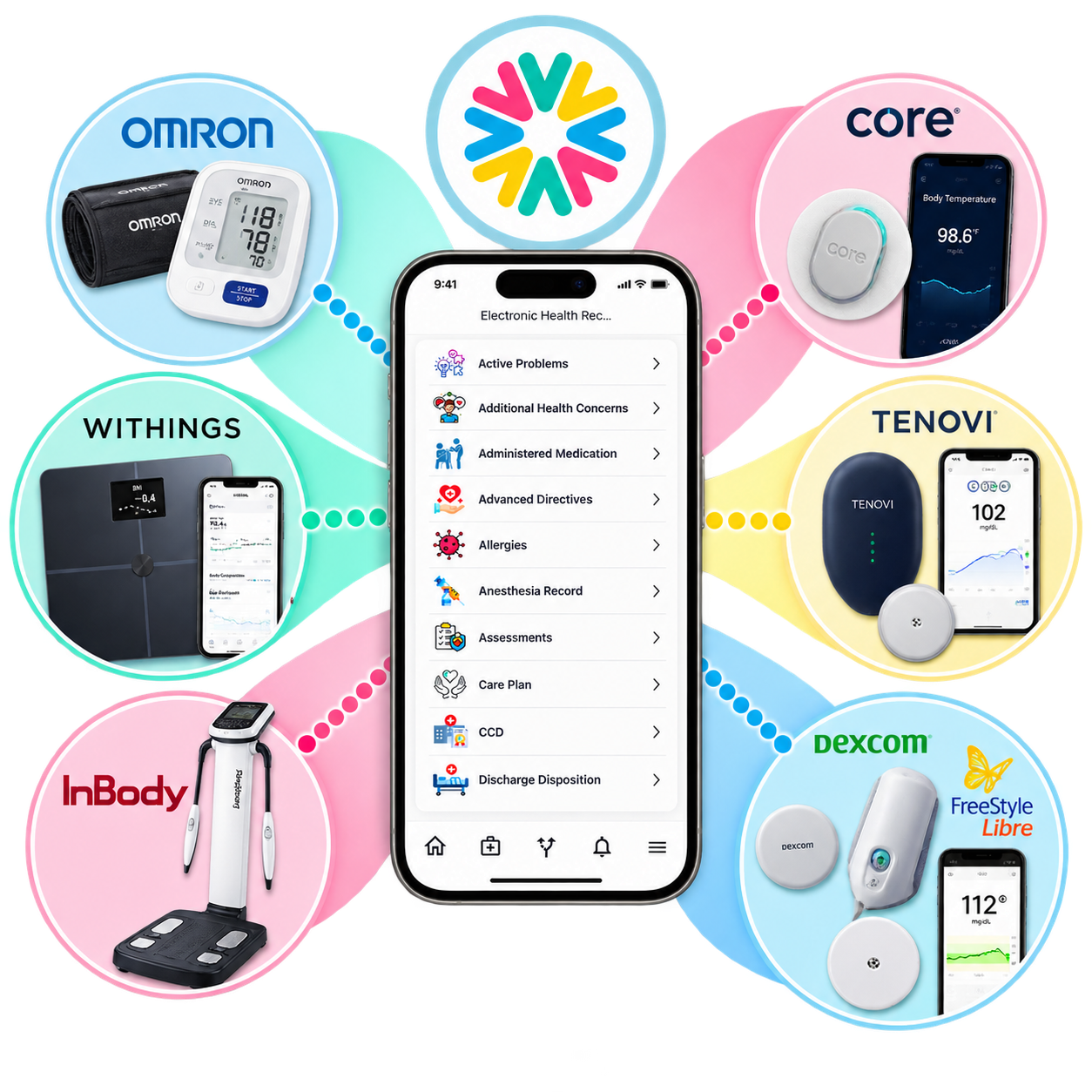
- That same patient wears a heart monitor at home. If their vitals drift out of range, their care team gets a real-time alert.
- The patient uses an app to log symptoms and track progress on a care plan. Their provider sees this data in their dashboard and adjusts the treatment accordingly.
No delays. No missing records. Just connected, contextualized care.
That’s not a fantasy it’s how interoperability should work. And with Calcium, it does.
How the Calcium Platform Makes Interoperability Real
Let’s break it down…
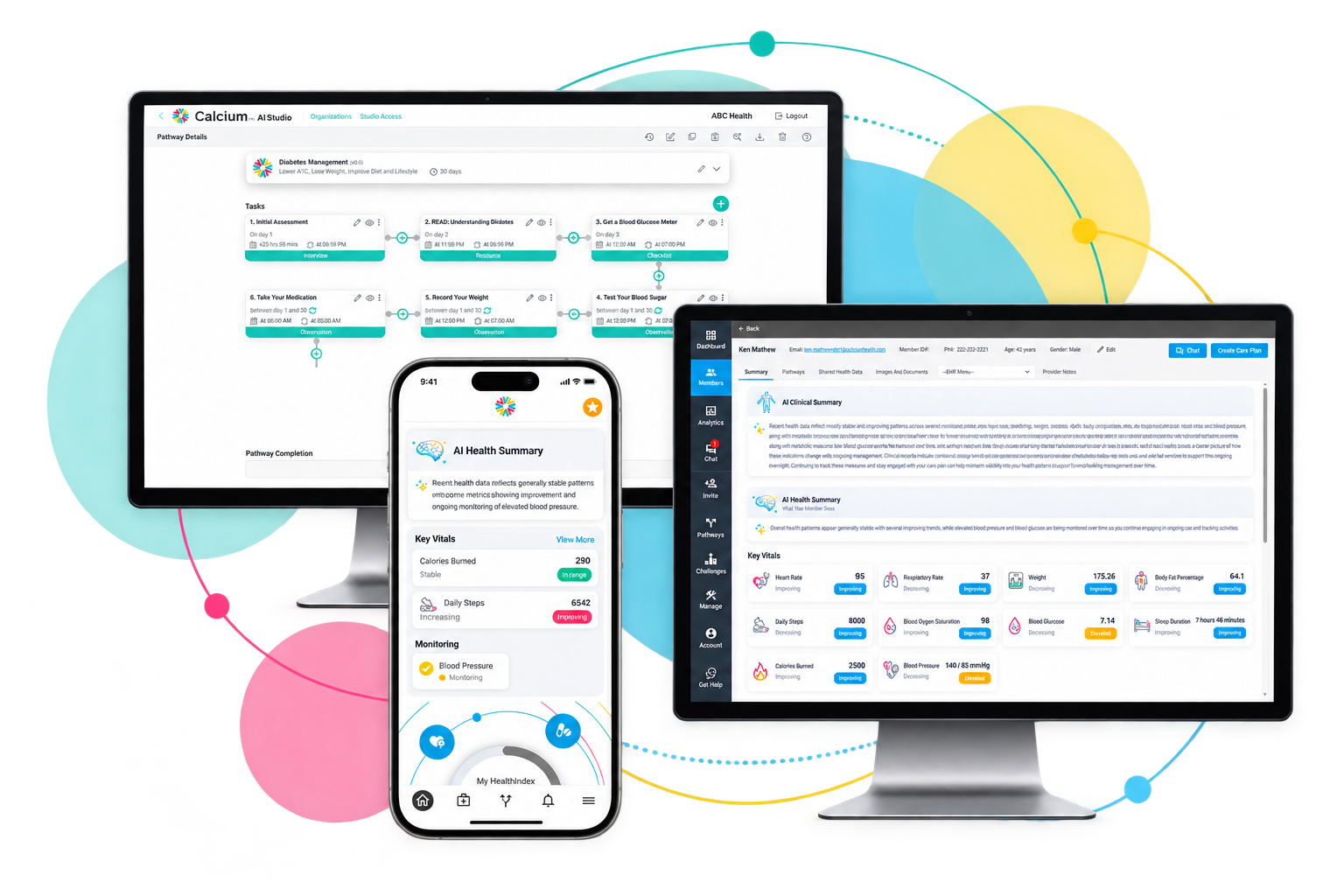
For Providers: Calcium Core
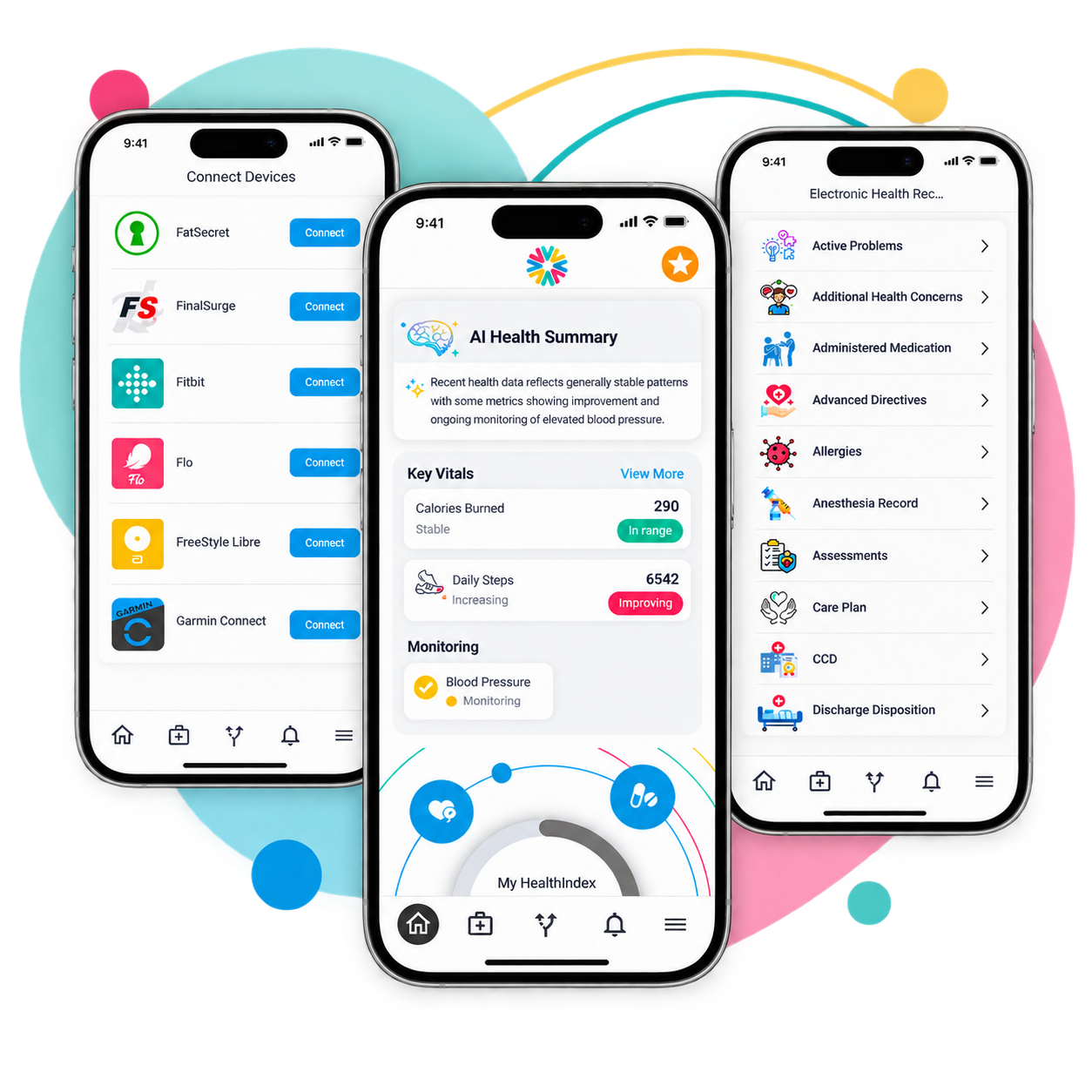
- Unified patient views across systems
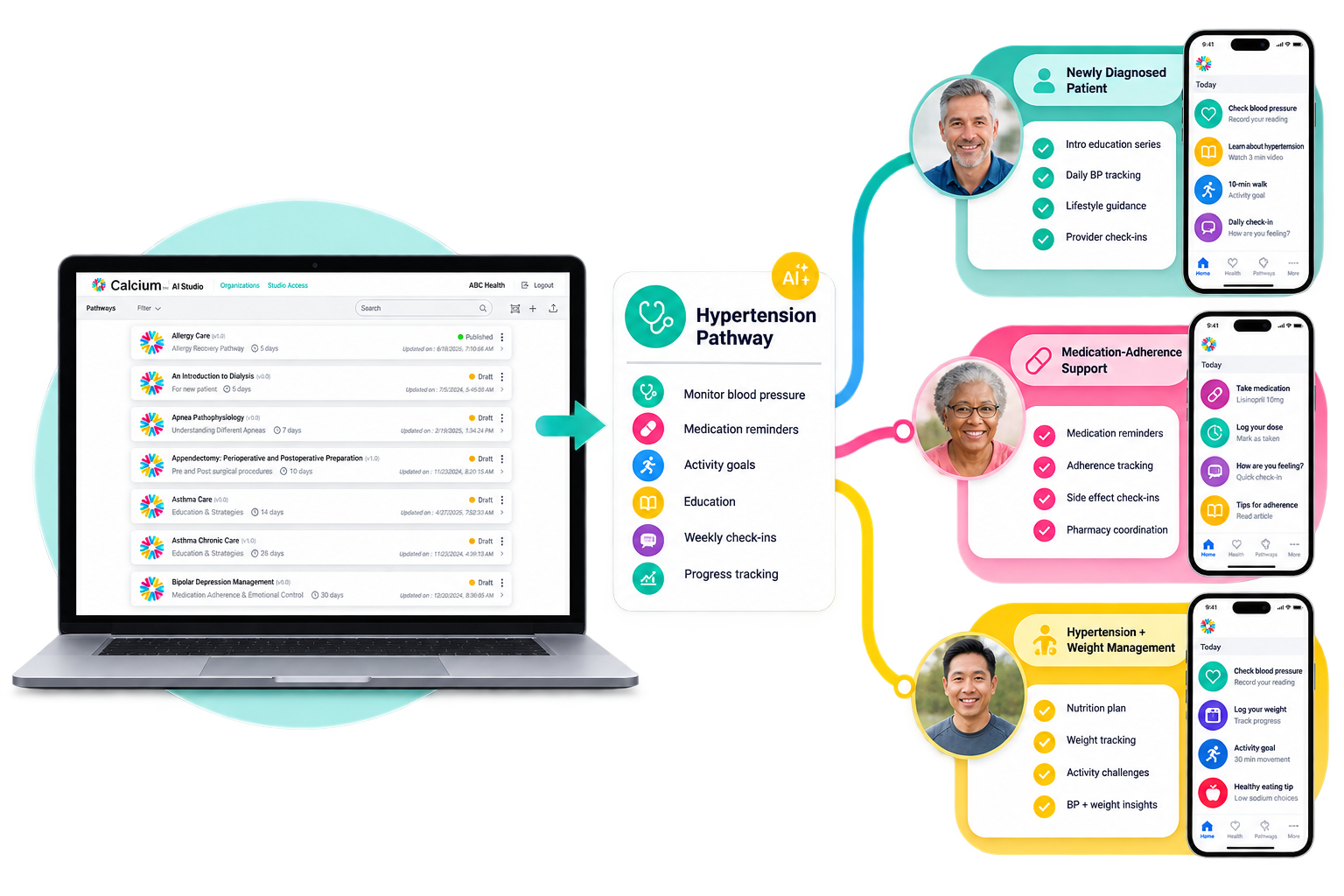
- Smart alerts and AI-driven care pathways
- Intuitive dashboards designed to reduce data hunting and increase decision-making speed
For Patients: Calcium Super App
- Real-time tracking of vitals, medications, and lifestyle data
- Easy data sharing with care teams
- Guided care pathways and educational content
Together: A Connected Ecosystem
- Shared goals
- Shared data
- Shared outcomes
When platforms speak the same language and give both clinicians and patients a voice, healthcare moves faster, smarter, and more equitably.
The Wrap
True interoperability isn’t about moving files it’s about moving care forward.
For too long, providers have worked around fragmented systems, trying to stitch together patient histories from scattered sources. But the future of healthcare demands more. It requires platforms that connect people, data, and decisions in real time. The Calcium digital health platform is designed to do exactly that.
With powerful tools for providers and an intuitive app for patients, Calcium brings together all the pieces of modern care securely, intelligently, and seamlessly. Whether you’re looking to reduce documentation burden, improve patient engagement, or finally see the full picture at the point of care, Calcium can help.
Reference
- Kalra D. (2006). Electronic health record standards. Yearbook of medical informatics, 136–144. https://pubmed.ncbi.nlm.nih.gov/17051307/
- Ambinder E. P. (2005). A history of the shift toward full computerization of medicine. Journal of oncology practice, 1(2), 54–56. https://doi.org/10.1200/JOP.2005.1.2.54
- Hoerbst, A., & Ammenwerth, E. (2010). Electronic health records. A systematic review on quality requirements. Methods of information in medicine, 49(4), 320–336. https://doi.org/10.3414/ME10-01-0038
- Häyrinen, K., Saranto, K., & Nykänen, P. (2008). Definition, structure, content, use and impacts of electronic health records: A review of the research literature. International Journal of Medical Informatics, 77(5), 291–304. Elsevier Ireland Ltd. Retrieved from https://doi.org/10.1016/j.ijmedinf.2007.09.001.
- Safran, C., & Goldberg, H. (2000). Electronic patient records and the impact of the Internet. International Journal of Medical Informatics, 60(1), 77–83. https://doi.org/10.1016/S1386-5056(00)00106-4
- Hassey, A., Gerrett, D., & Wilson, A. (2001). A survey of validity and utility of electronic patient records in a general practice. BMJ, 322(7299), 1401–1405. https://doi.org/10.1136/bmj.322.7299.1401
- Greenhalgh, T., Potts, H. W. W., Wong, G., Bark, P., & Swinglehurst, D. (2009). Tensions and paradoxes in electronic patient record research: A systematic literature review using the meta-narrative method. The Milbank Quarterly, 87(4), 729–788. https://doi.org/10.1111/j.1468-0009.2009.00578.x



Winning Strategies to Optimize Health Outcomes in a VBC Model
Smart Moves That Elevate Patient Outcomes and Strengthen Provider Performance Healthcare is undergoing a seismic shift. The days of reactive, one size fits all treatment are fading fast, replaced by models that prioritize outcomes, prevention, and patient experience. ...