Turning Healthcare’s Digital Mess Into a Smarter, Streamlined Future
Let’s be honest electronic health records were supposed to make life easier. Instead, many providers feel like they’ve traded paper charts for digital headaches. But here’s the thing: in 2025, EHRs aren’t just another checkbox for compliance they’re a critical part of delivering smarter, faster, and more personalized care.
Whether you're navigating value-based contracts, coordinating across care teams, or trying to give patients the seamless experience they now expect, understanding where EHRs stand today and where they’re headed is more important than ever.
New technologies are starting to reshape how we interact with patient data, and platforms like Calcium are showing us what’s possible when the right tools meet real-world clinical needs. If you’re ready to cut through the noise and make your EHR work for you not against you, you’re in the right place.
Why EHRs Still Matter in 2025
Despite all the grumbling in healthcare circles, Electronic Health Records (EHRs) still play a central role in modern medicine. Whether you love them or loathe them, EHRs are here to stay and they’ve become a non-negotiable part of delivering coordinated, compliant, and quality care.
In value-based care, data isn’t just paperwork, it’s the engine. Every diagnosis, lab result, and note contributes to the larger picture of population health. Without an EHR, it’s almost impossible to connect that picture across time, settings, and specialties. So yes, the stakes are high. But that doesn’t mean EHRs have reached their full potential.
The 7 Biggest EHR Challenges Providers Still Face
Even in 2025, many providers find themselves wrestling with legacy EHR issues. Let’s break down the seven most pressing problems:
- Siloed Systems. Patient data gets trapped in hospital servers, outpatient clinics, and specialist databases that don’t communicate. When a provider can’t see a full record, care coordination suffers and the risk of errors goes up.
- Poor Usability. EHRs weren’t built with clinicians in mind. They were built for billing. That’s why navigating them feels like completing a tax return with a stethoscope in one hand. Providers lose time clicking through menus instead of connecting with patients.
- Lack of Interoperability. One of the most persistent problems: systems don’t play nice. According to Kalra’s research, even when EHRs technically “share” data, they often lose the clinical meaning in translation.
- Incomplete Clinical Context. You might see a blood pressure reading, but where’s the timeline? Was it post-op? After meds changed? Without narrative and nuance, EHRs become glorified filing cabinets instead of decision tools.
- Security & Privacy Concerns. Not every EHR follows best practices for data security. Weak audit trails, unclear role permissions, and complex patient sharing controls can open the door to risk or make providers too cautious to share at all.
- Low Patient Engagement. Patients want access to their records, but EHR portals are often confusing or incomplete. That means fewer people logging in, fewer empowered patients, and more missed opportunities for proactive care.
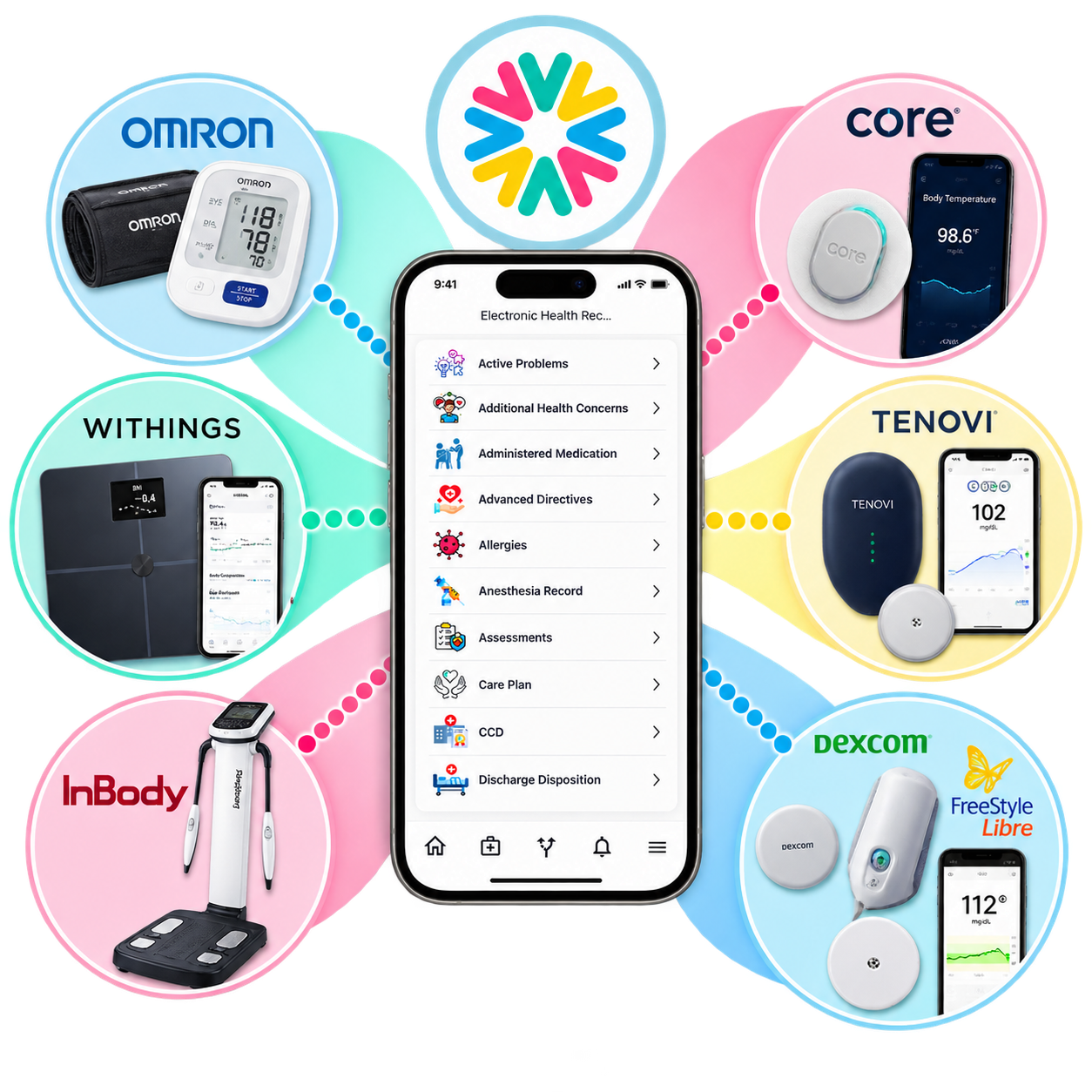
- No Real-Time Data Integration. Wearables, apps, and home monitors are everywhere, but most EHRs can’t use that information in real time. Instead of flowing into the clinical record, it floats in digital limbo disconnected and underutilized.
What Research Reveals About the EHR Ecosystem
We’ve had decades to study EHRs, and the findings are clear: the original promise hasn’t matched the provider experience.
- Kalra (2006) laid it out plainly: interoperability is meaningless if you lose the clinical story behind the data. Most systems fail to preserve the meaning behind entries as they move from one format to another.
- Ambinder (2005) looked at the high-pressure world of oncology and found that even with EHRs in place, physicians were overwhelmed by poor UX and missing data. Instead of helping, the system added to the chaos.
- Hoerbst & Ammenwerth (2010) reviewed over 1,100 quality benchmarks and found that most EHRs flunk the basics like usability, patient empowerment, and strong security protocols.
These aren’t just academic gripes. They translate directly into burnout, delays, miscommunications, and lost revenue in real-world practices.
What’s Different About EHRs in 2025?
To be fair, things are starting to shift. Here’s what’s changed by 2025:
- Mandates Are Driving Interoperability. National policies like TEFCA and the expanded use of HL7 FHIR APIs are finally forcing systems to open up. Providers can now expect better access across networks but it’s still patchy.
- Patients Expect Full Access. Thanks to the smartphone revolution, patients now expect control over their health info. They want transparency, access, and portability and providers who can’t deliver that risk falling behind.
- Smart Devices Are Mainstream. From Apple Watches to Dexcom monitors, patient-generated data is pouring in from outside the clinic. But unless systems are set up to ingest and interpret this data, it becomes just more noise.
- Platforms Are Emerging to Fill the Gaps. The biggest trend? EHRs are no longer the only players. Forward-looking platforms like Calcium are stepping in to complete the clinical picture not replace it, but make it usable.
How Calcium Complements and Elevates the EHR
Let’s get one thing straight: Calcium isn’t trying to replace your EHR. Instead, it fills in the holes left behind by legacy systems.
Here’s how the Calcium digital health platform is transforming EHRs into something truly useful in 2025:
1. Calcium Core: A Command Center for Providers
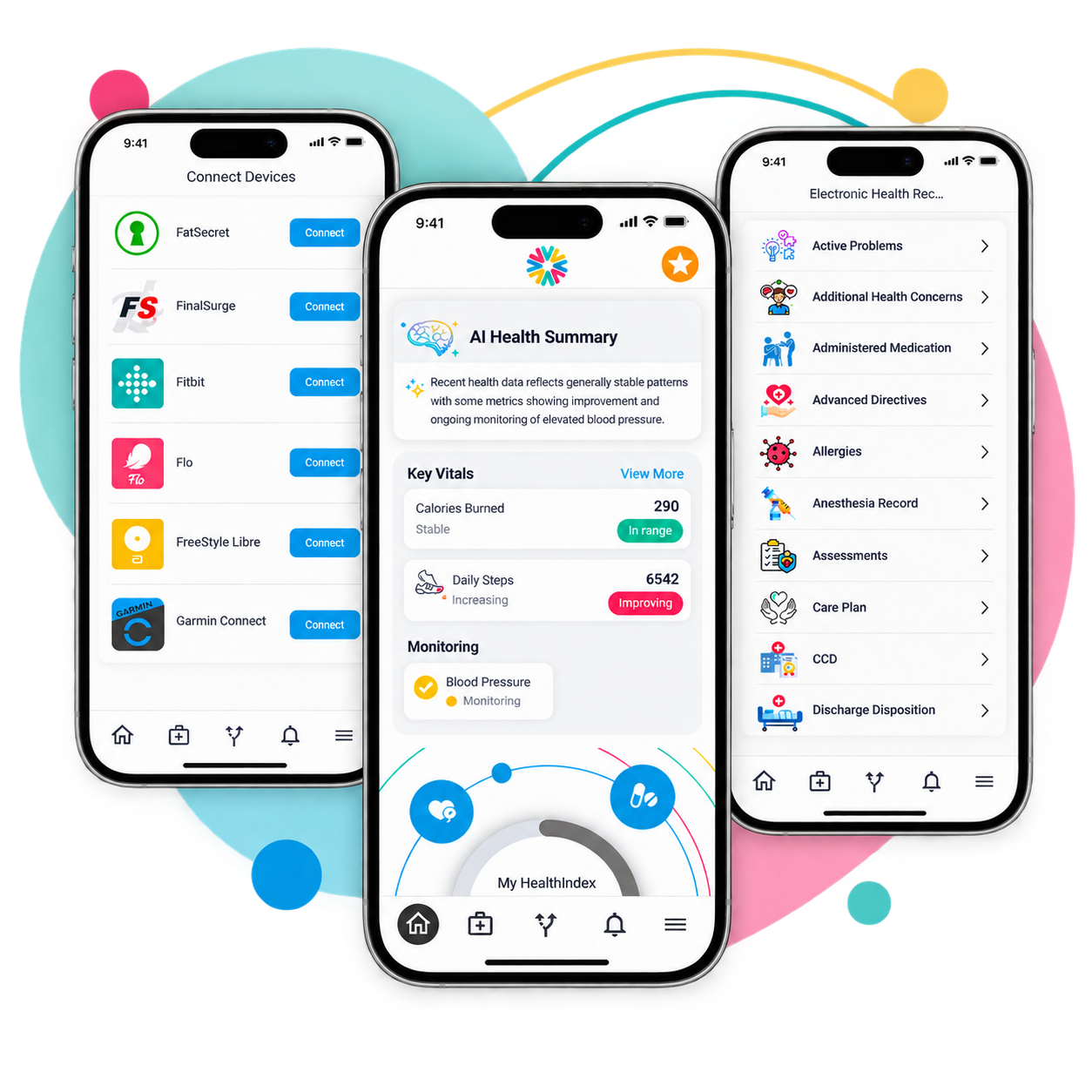
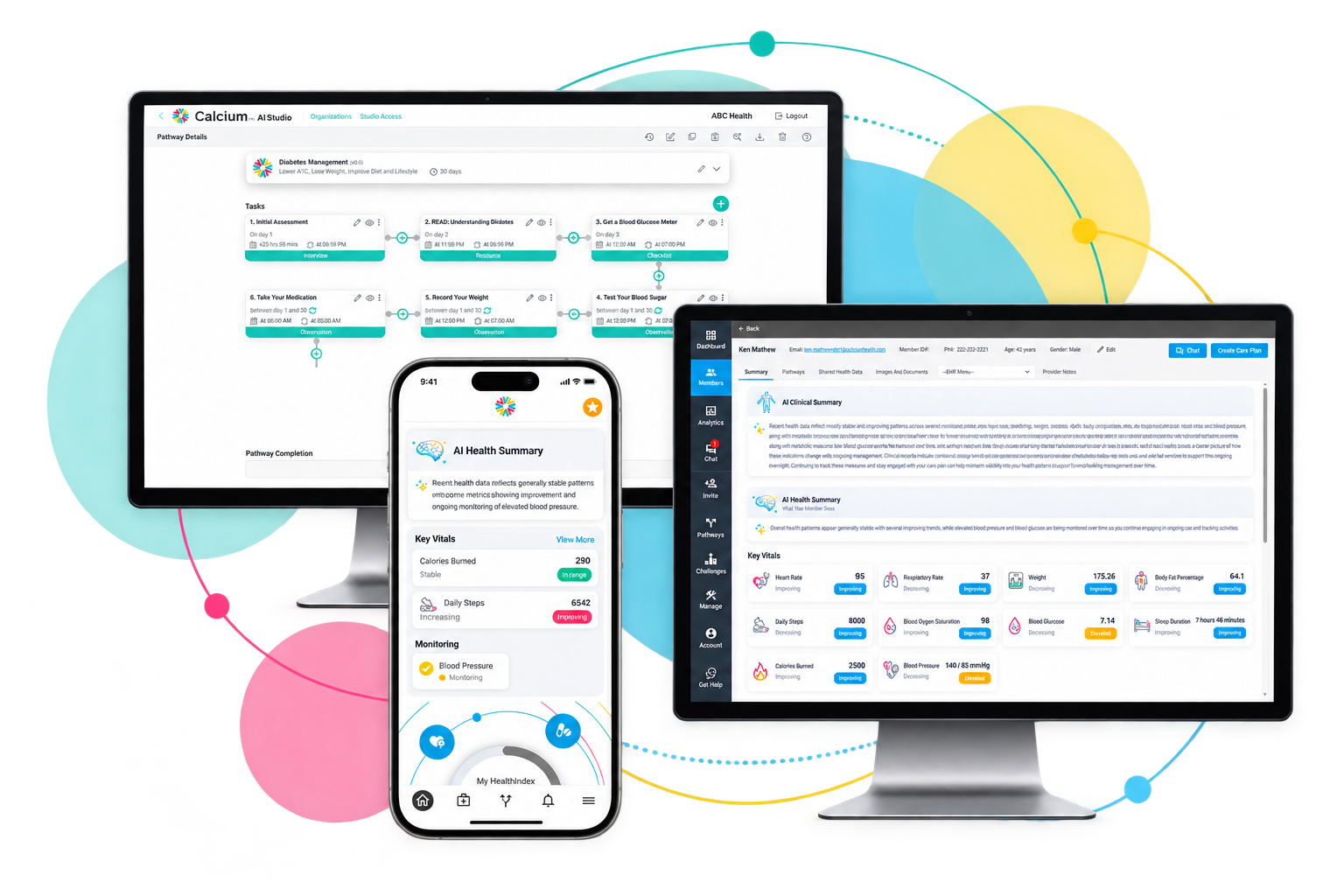
This provider-facing dashboard integrates EHR data with real-time inputs from medical devices, patient apps, and care pathways. Instead of a wall of disorganized files, Calcium Core delivers a clean, filtered view of what matters most meds, vitals, alerts, and compliance metrics.
2. The Super App: A Health Companion for Patients
The Calcium Super App puts patients in control. They can track symptoms, meds, workouts, vitals even mental health check-ins. All of this flows back to the provider if they choose to share it, creating a two-way care experience that was unheard of in the old EHR world.
3. AI-Driven Pathways: Personalized, Actionable Care
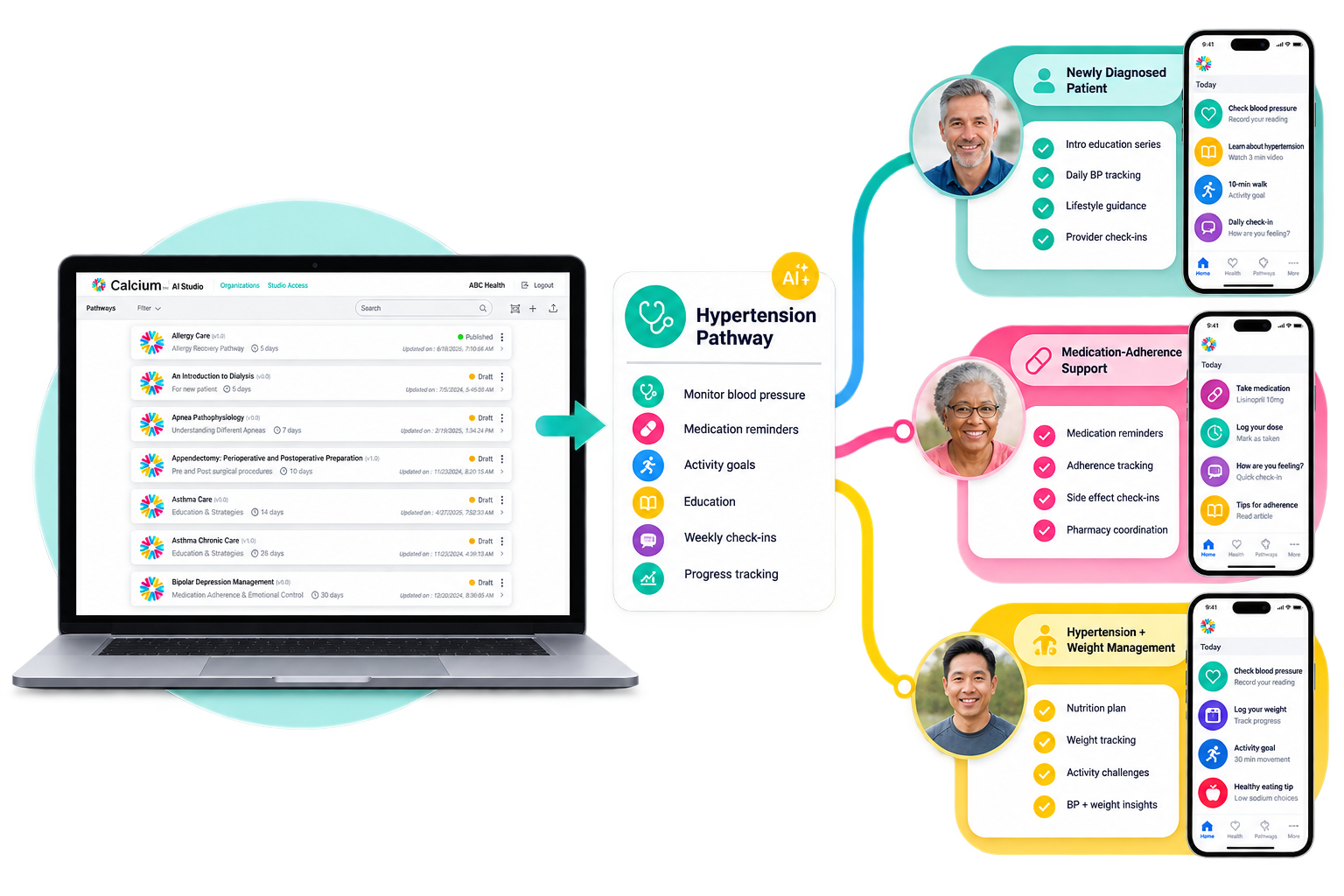
Calcium AI Studio allows providers to build care plans that evolve with the patient. These “pathways” prompt reminders, track progress, and adjust automatically delivering proactive care without overwhelming the clinical staff.
The Wrap
Electronic health records don’t have to be a burden they can be a bridge. In 2025, providers have more tools than ever to unlock the full value of their EHR systems. But that requires more than just software updates; it demands a smarter approach to integrating real-time data, patient engagement, and care coordination.
That’s where the Calcium digital health platform comes in. With its powerful combination of the Super App for patients, Core dashboard for providers, and AI-powered care pathways, Calcium turns fragmented health records into a connected care experience that actually works for both sides of the stethoscope.
If you’re ready to stop managing data and start using it to improve outcomes, reduce burnout, and meet your patients where they are Calcium is your next step.
Reference
- Kalra D. (2006). Electronic health record standards. Yearbook of medical informatics, 136–144. https://pubmed.ncbi.nlm.nih.gov/17051307/
- Ambinder E. P. (2005). A history of the shift toward full computerization of medicine. Journal of oncology practice, 1(2), 54–56. https://doi.org/10.1200/JOP.2005.1.2.54
- Hoerbst, A., & Ammenwerth, E. (2010). Electronic health records. A systematic review on quality requirements. Methods of information in medicine, 49(4), 320–336. https://doi.org/10.3414/ME10-01-0038
- Häyrinen, K., Saranto, K., & Nykänen, P. (2008). Definition, structure, content, use and impacts of electronic health records: A review of the research literature. International Journal of Medical Informatics, 77(5), 291–304. Elsevier Ireland Ltd. Retrieved from https://doi.org/10.1016/j.ijmedinf.2007.09.001