Why Smarter Data, Better Tools, and Connected Care Teams Are the Future of Healthcare
One truth is becoming impossible to ignore in our current healthcare landscape: delivering better outcomes at lower costs isn’t just a goal, it’s a necessity.
As hospitals, clinics, and health systems shift toward value-based care models, the tools we’ve relied on for decades are starting to show their cracks. At the center of that shift is a deceptively simple question: Can your electronic health record system keep up with what value-based care demands?
Spoiler alert: most can’t.
Electronic health records (EHRs) were originally built to track documentation and billing not to power coordinated, preventive, patient-centered care. But with today’s emphasis on outcomes, equity, and efficiency, it’s time to rethink how health data flows, functions, and empowers everyone involved.
So what should modern EHRs actually do? Why are they still falling short? And how can digital platforms like Calcium finally bridge the gap?
What Is Value-Based Care and Why Does It Depend on Better Data?
We hear a lot about value-based care these days. But what does it really mean?
At its core, value-based care is about improving health outcomes while controlling costs. Instead of paying providers based on how many patients they see or procedures they perform, value-based models reward them for keeping people healthier. It’s a shift from volume to value, and it demands something traditional healthcare hasn’t always delivered: real-time, reliable, and patient-centered data.
To succeed in this model, providers need to know:
- Which patients are at risk of complications?
- Who needs follow-up care?
- Are we meeting quality benchmarks?
- How engaged is the patient in their own care?
You can’t answer those questions without access to comprehensive and timely health information. That’s where electronic health records (EHRs) come into play.
EHRs: The Foundation for Coordinated, Outcomes-Driven Care
Done right, an EHR is much more than a digital file cabinet. It’s the central nervous system of modern healthcare, connecting people, processes, and insights across the care journey.
Let’s look at how EHRs support value-based care in a few key ways:
1. Capturing the Full Patient Journey
Patients don’t live inside a hospital or clinic. Their health story spans specialists, pharmacies, labs, urgent care centers and increasingly, home devices and apps.
A robust EHR brings this scattered data together offering a longitudinal view of a patient’s health. That includes physical health records, behavioral health history, medications, test results, and even social determinants like housing or food insecurity.
Without this complete picture, providers are forced to treat symptoms in silos instead of caring for the whole person.
2. Powering True Care Coordination
Value-based care lives and dies on collaboration. That means multiple providers primary care, specialists, behavioral health teams must share information, not operate in parallel.
The right EHR supports real-time data exchange between team members. Think of it like a shared playbook: everyone knows the game plan, the patient’s status, and their next move.
This coordination can help:
- Reduce duplicate testing
- Avoid medication conflicts
- Ensure patients don’t fall through the cracks
3. Driving Population Health Insights
Population health isn’t about treating one patient it’s about identifying patterns and risks across a whole group.
EHRs help providers analyze trends to spot rising-risk patients before they end up in the ER. They also support risk stratification, helping organizations prioritize care for those who need it most.
This matters for payers too. Organizations can demonstrate they’re managing chronic conditions proactively, improving outcomes, and reducing avoidable costs.
4. Documenting and Reporting Quality Measures
Value-based reimbursement is tied to metrics. Whether it’s MIPS, HEDIS, or custom payer contracts, providers must track and report dozens of performance measures.
A capable EHR automates that documentation tracking screenings, medication adherence, vaccination rates and more. This isn’t just about compliance; it’s about telling the story of your impact on patient health.
So Why Are Traditional EHRs Still Falling Short?
If EHRs are so essential, why do so many clinicians feel like they’re just click-fests and headaches?
The truth is, most legacy EHRs were designed for billing not for care delivery, let alone value-based care. Let’s break down where they fall short.
1. Fragmentation Is Still the Norm
Most EHRs don’t “talk” to each other. A patient’s hospital visit might not be visible to their primary care doctor. Behavioral health notes might be stored in a completely different system.
As one 2010 review (Hoerbst & Ammenwerth) pointed out, interoperability remains one of the most critical unmet requirements for EHRs. Even today, cross-institutional data sharing is more of a dream than a reality.
2. Usability Isn’t There Yet
Clunky interfaces. Endless dropdowns. Poor search. Sound familiar?
Studies show that usability is one of the top sources of burnout among physicians. The same review noted that many EHRs lack features like:
- Customizable dashboards
- Easy navigation
- User-specific alerts
If a system slows down care or frustrates users, it’s working against value-based goals.
3. Patients Are Still Sidelined
Despite all the talk about patient empowerment, most EHRs give consumers little access or control over their health data.
Yet, value-based care hinges on active patient engagement. Whether managing diabetes, tracking mood, or following a recovery plan, patients need tools that make it easy to participate in their own care.
4. No Real-Time Data Feeds
Traditional EHRs rarely integrate with wearable devices, home monitoring tools, or mobile health apps.
That’s a problem. In today’s world, a person’s blood pressure, activity level, or glucose reading can change hour to hour. Without real-time data, clinicians are flying blind between visits.
The EHR of the Future (and Today): Intelligent, Connected, Patient-Centric
To truly support value-based care, we need EHRs to evolve into intelligent, integrated care platforms.
They must move beyond the basics of documentation and offer:
- Real-time insights, not static records
- Smart recommendations, not manual chart reviews
- Bi-directional communication between providers and patients
- Behavioral health and SDoH integration into standard workflows
This evolution isn’t a luxury it’s a requirement.
How Calcium Delivers What Traditional EHRs Can’t
That’s where Calcium’s digital health platform steps in. It’s not just an EHR it’s a full-spectrum solution built for today’s care delivery models.
Here’s how Calcium fills the gaps:
Unified Data Aggregation
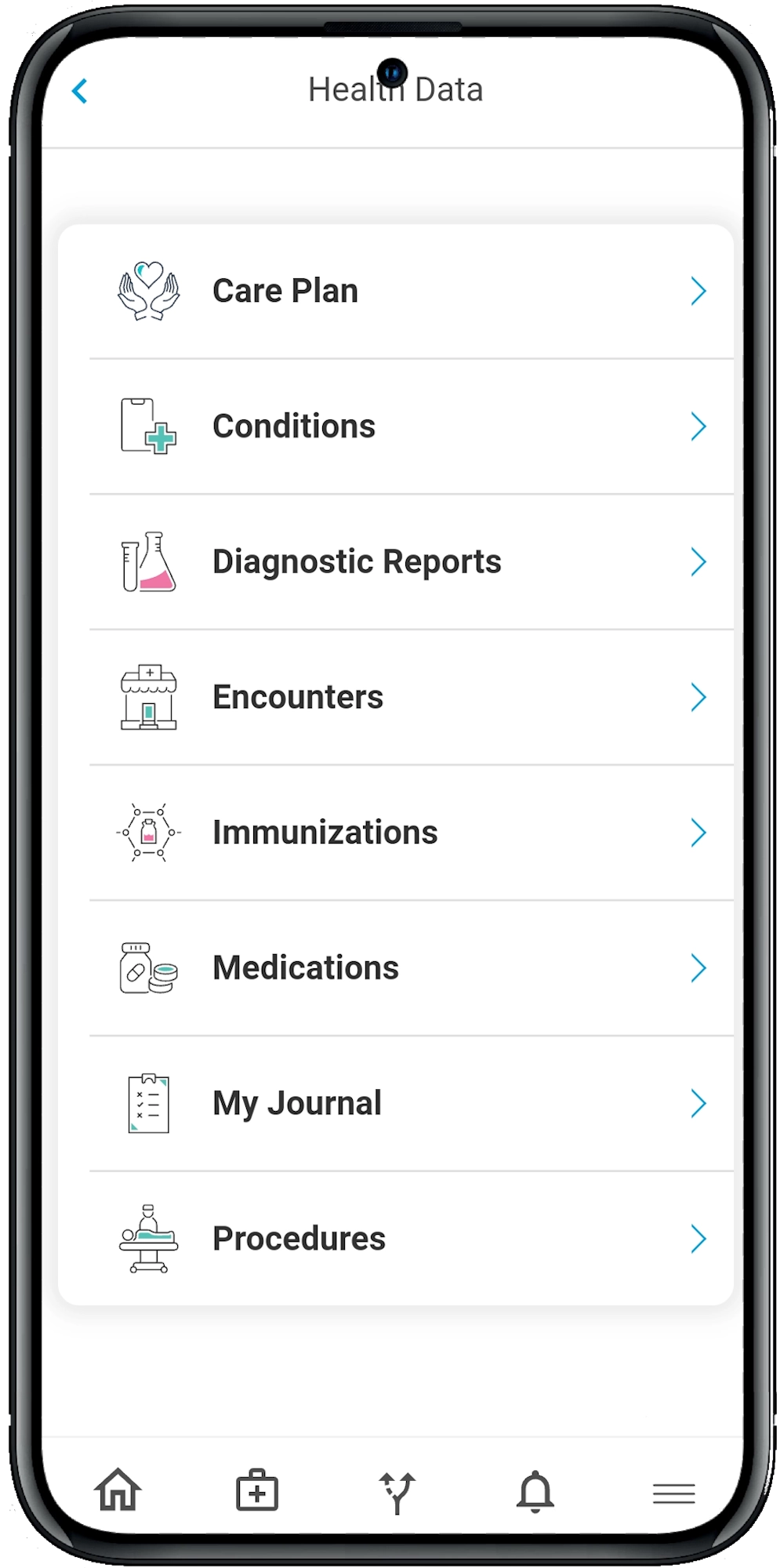
Calcium pulls together a patient’s data from 95% of U.S. hospitals, labs, and pharmacies. That includes clinical notes, medications, imaging, procedures, and more—in one place, accessible by both patient and provider.
Super App for Patient Engagement
Through the Calcium Super App, users can:
- Track vitals, medications, and goals
- Receive nudges for screenings or follow-ups
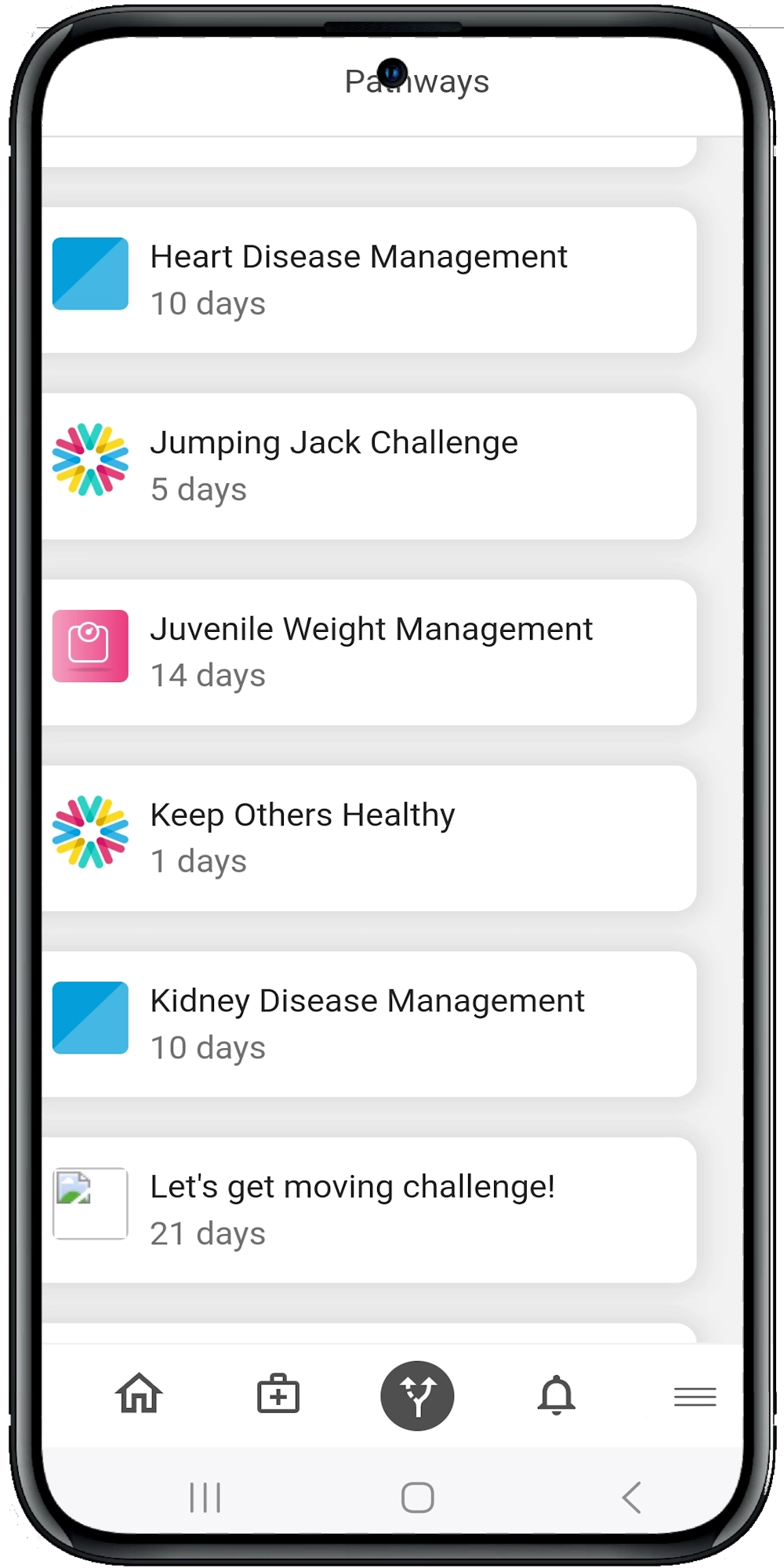
- Engage with custom care pathways
- Share data securely with caregivers and providers
It’s like a Fitbit for your entire health history connected, personalized, and actionable.
Real-Time Health Monitoring
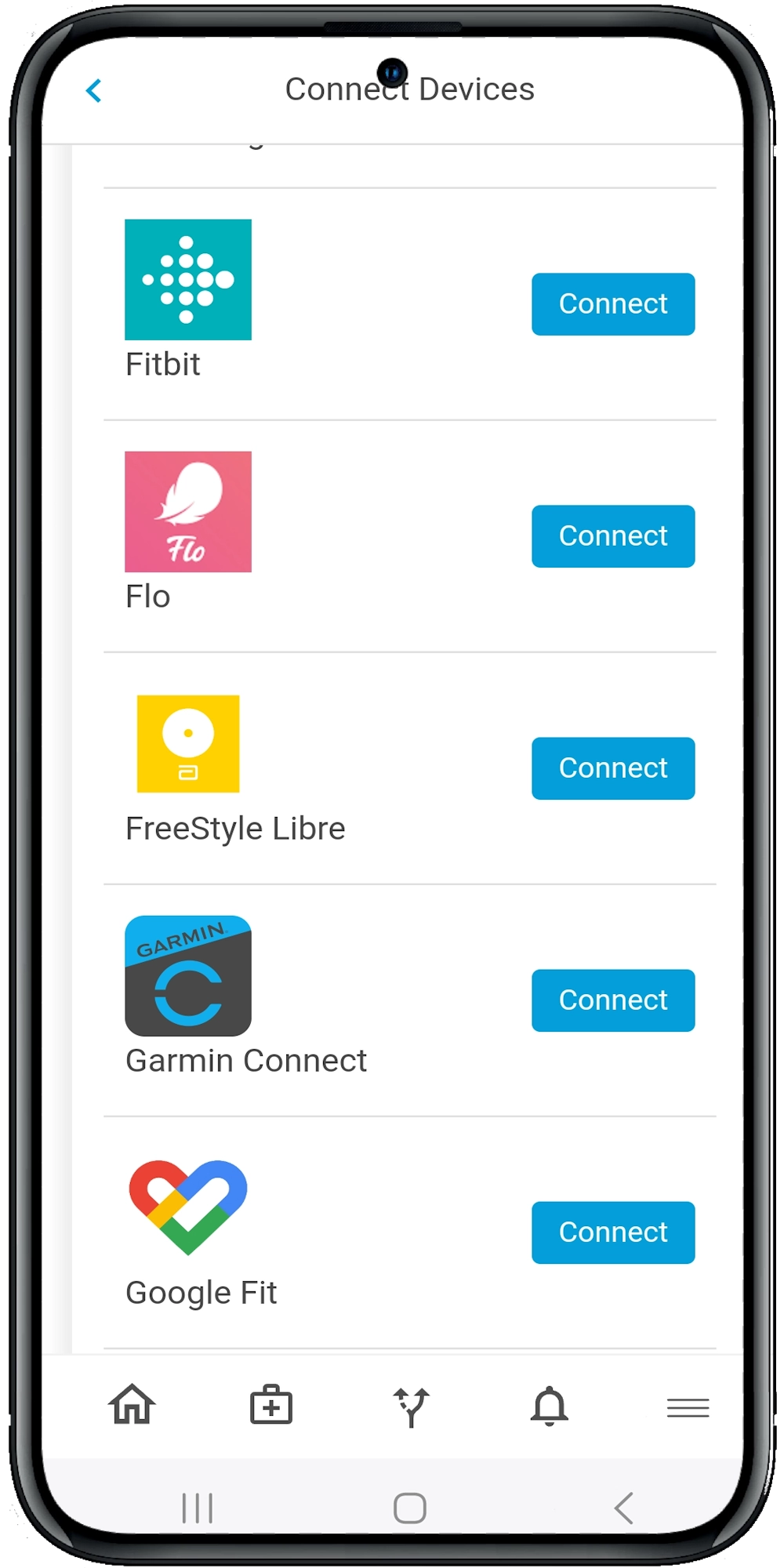
From Apple Health to Bluetooth glucometers, Calcium supports live integrations with digital health tools. That means care teams get updated insights between visits, not just during them.
Built-In Security and Compliance
Calcium is HIPAA-compliant, with granular role-based access, consent tracking, and audit trails. Patients remain in control of their data, a key principle echoed by global experts like Kalra and Hoerbst.
Designed for Value-Based Care
Whether you’re tracking MIPS measures, closing care gaps, or managing a risk-based population, Calcium equips teams with real-world tools for better outcomes.
The promise of value-based care can’t be fulfilled with outdated tools. As we shift from treating episodes to managing whole-person health, our digital infrastructure must evolve with us. Traditional EHRs—designed for billing and back-office tasks—simply weren’t built for the demands of modern care coordination, patient engagement, or real-time decision-making.
Whether you’re a provider navigating quality metrics or a patient striving for better control over your health, the Calcium digital health platform delivers what legacy systems can’t: unified data, real-time insights, and a seamless connection between care teams and individuals.
It’s time for EHRs to do more than document—they need to deliver.
Reference
- Kalra, D. (2006). Electronic Health Record Standards. In R. Haux & C. Kulikowski (Eds.), IMIA Yearbook of Medical Informatics 2006 (pp. 136–144). IMIA and Schattauer GmbH. Retrieved from https://www.schattauer.de.
- Ambinder, E. P. (2005). Oncology Enters the Information Age. Journal of Oncology Practice, 1(2), 57–63. Retrieved from https://www.jopasco.org.
- Hoerbst, A., & Ammenwerth, E. (2010). Electronic Health Records: A Systematic Review on Quality Requirements. Methods of Information in Medicine, 49(4), 1–9. Schattauer GmbH. Retrieved from https://www.schattauer.de.
- Häyrinen, K., Saranto, K., & Nykänen, P. (2008). Definition, structure, content, use and impacts of electronic health records: A review of the research literature. International Journal of Medical Informatics, 77(5), 291–304. Elsevier Ireland Ltd. Retrieved from https://doi.org/10.1016/j.ijmedinf.2007.09.001.