How Digital Monitoring & Post-Op Recovery Tools Are Transforming Surgical Care and Elevating the ASC Experience
Every day, thousands of patients walk out of Ambulatory Surgery centers (ASCs) with nothing more than a set of paper instructions and a follow-up appointment weeks away. But what if those patients could be guided, monitored, and supported in real time from the comfort of their own homes?
As healthcare shifts toward digital-first, value-based models, the pressure is on ASCs to keep up, not just in the OR, but after discharge. The days of assuming “no news is good news” post-surgery are over. Today’s patients expect more, and clinicians need better tools to track recovery and intervene early.
That’s where remote patient monitoring (RPM) enters the conversation not as a futuristic concept, but as an essential part of modern outpatient care. If ASCs want to elevate outcomes, improve efficiency, and remain competitive, they’ll need to think beyond the recovery room. Ready to see how RPM is redefining the game?
ASCs have long been champions of efficiency. By offering same-day procedures at lower costs, they’ve helped reshape outpatient care in the U.S. But what happens after the patient walks out the door? That’s where things get tricky and where RPM is stepping in as a game changer.
The Post-Op Problem No One Talks About
ASCs pride themselves on rapid turnaround, but post-surgical follow-up hasn’t caught up with the times. Traditional models rely on phone calls, paper discharge instructions, and in-clinic visits. This approach can miss early signs of complications, generate unnecessary ER visits, and leave patients uncertain about what’s normal and what’s not.
Studies have shown that most post-op issues occur within the first week, and they often start with subtle symptoms that patients may not report until it’s too late. That’s not just inefficient; it’s risky.
Enter Remote Patient Monitoring. RPM bridges the gap between discharge and recovery by using digital tools to track patient symptoms, vitals, and outcomes in real time. But as powerful as it sounds, implementing RPM in ASCs isn’t without its hurdles.
The Roadblocks to Remote Monitoring in ASCs
Before we get into how RPM is transforming outpatient surgery, let’s address the seven major challenges ASCs face when trying to implement it:
1. Patient Engagement is Harder Than It Looks
Even the most sophisticated system fails if patients don’t use it. In one large study involving 7,000+ patients, only 72% consistently submitted data when prompted. The technology might be great, but getting patients, especially older adults or those unfamiliar with apps, to participate consistently is a tall order.
2. Not Everyone’s a Tech Pro
Digital literacy varies widely. While younger patients may embrace mobile apps, older adults or underserved populations may find them confusing. Without user-friendly onboarding and support, RPM platforms can create more confusion than clarity.
3. Alert Fatigue is Real
A flood of alerts from patients can overwhelm nurses and staff. Many systems don’t prioritise alerts effectively, meaning clinicians waste time on non-urgent notifications. Over time, this alert fatigue can lead to delayed responses or missed warnings entirely.
4. Data Security Must Be Air-Tight
RPM collects highly sensitive information, like surgical site photos, pain scores, and vital signs. Without strict encryption and HIPAA compliance, you’re not just risking patient trust; you’re risking liability.
5. Most RPM Tools Aren’t Built for Surgery
Many platforms were designed for chronic conditions like heart failure or diabetes. ASCs need solutions tailored to short-term recovery ones that understand the nuances of pain progression, incision healing, and functional recovery.
6. Clinician Scepticism Can Kill Momentum
Let’s face it—some providers still trust in-person assessment more than anything else. Without training and proof that RPM delivers safe, actionable insights, adoption will lag.
7. Patients Need Feedback, Not Just Data Entry
In one study, patients who received real-time feedback about their symptoms reported less anxiety and required fewer follow-up calls. When patients don’t get feedback, they often assume the worst or, worse, nothing at all.
These aren’t just minor hiccups. If RPM is going to thrive in the ASC environment, platforms must address these challenges head-on.
Why RPM is the Future of ASC Post-Op Recovery
Despite these challenges, the benefits of Remote Patient Monitoring are too big to ignore. When done right, RPM doesn’t just support recovery, it revolutionises it. Here’s how:
1. Fewer Unnecessary ER Visits
When patients feel unsure, they panic. And when they panic, they go to the ER even when it’s not needed. One study found that RPM reduced urgent care visits by 22% overall, and by 42% among patients who consistently submitted symptom data.
Imagine the impact that has not just on your bottom line, but on patient peace of mind.
2. Higher Patient Satisfaction
Convenience matters. In a randomised trial, patients using mobile app follow-up reported significantly higher convenience scores than those returning for in-person visits. Even better? Satisfaction and complication rates were the same across both groups. That means digital follow-up doesn’t just work, it’s welcomed.
3. Easier Workflows for Staff
Automated triage and symptom scoring let lean teams monitor large patient panels without burning out. Nurses in one RPM study handled fewer phone calls and escalations, even though they were tracking more patients. That’s a win-win for clinical efficiency and staff morale.
4. Better Alignment with Value-Based Care
RPM aligns beautifully with value-based care models, where reimbursements are tied to outcomes, not visits. Reducing readmissions, preventing complications, and tracking recovery metrics in real time are exactly the kind of measures that payers and regulators want to see.
And with CMS and private insurers expanding RPM reimbursement for post-op care, the financial case is getting stronger every year.
How CalciumHealth Delivers the RPM Experience ASCs Need
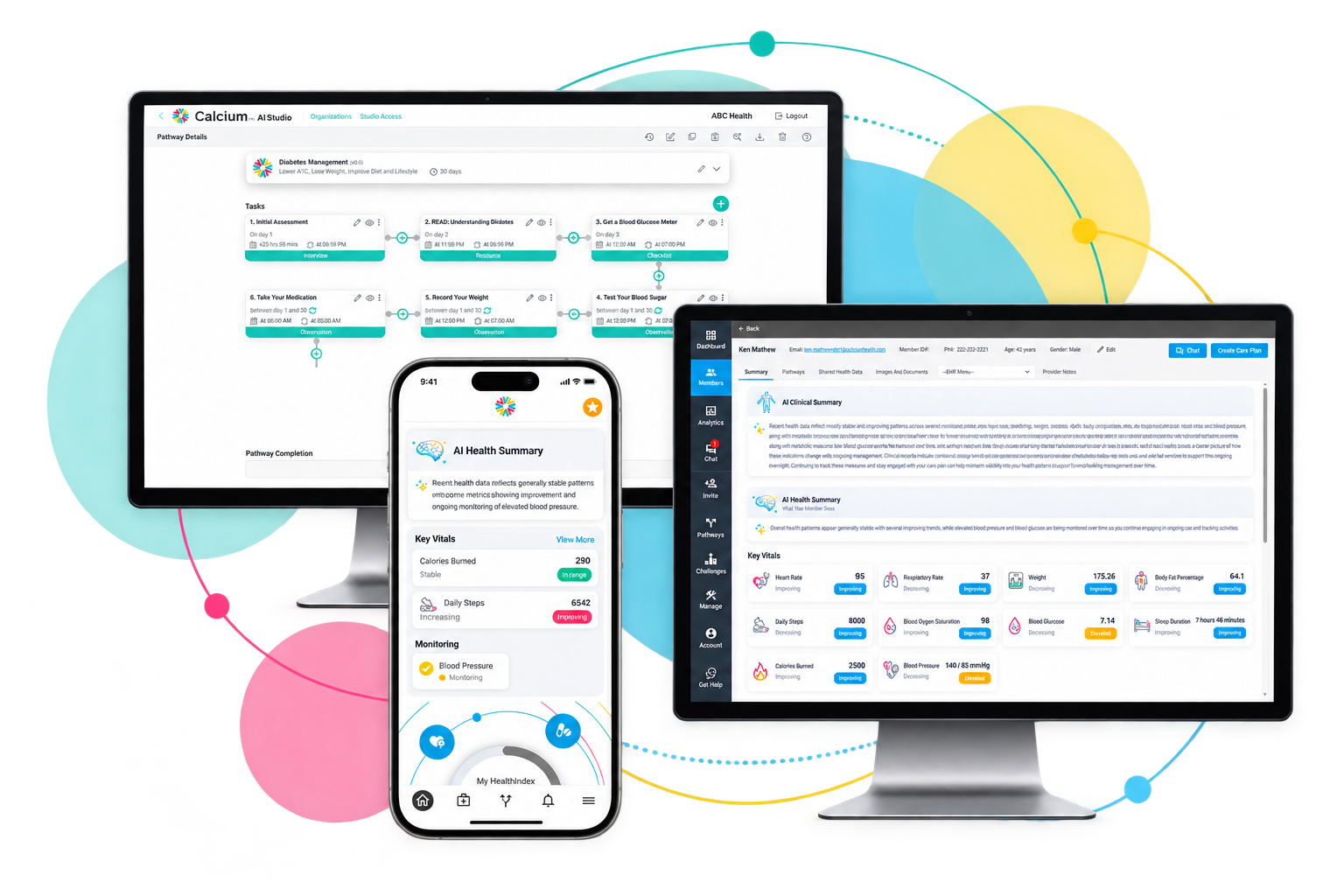
So, where does the Calcium platform come in? Right at the intersection of clinical rigour, patient usability, and digital innovation.
Here’s how CalciumHealth is solving the biggest RPM challenges for ASCs:
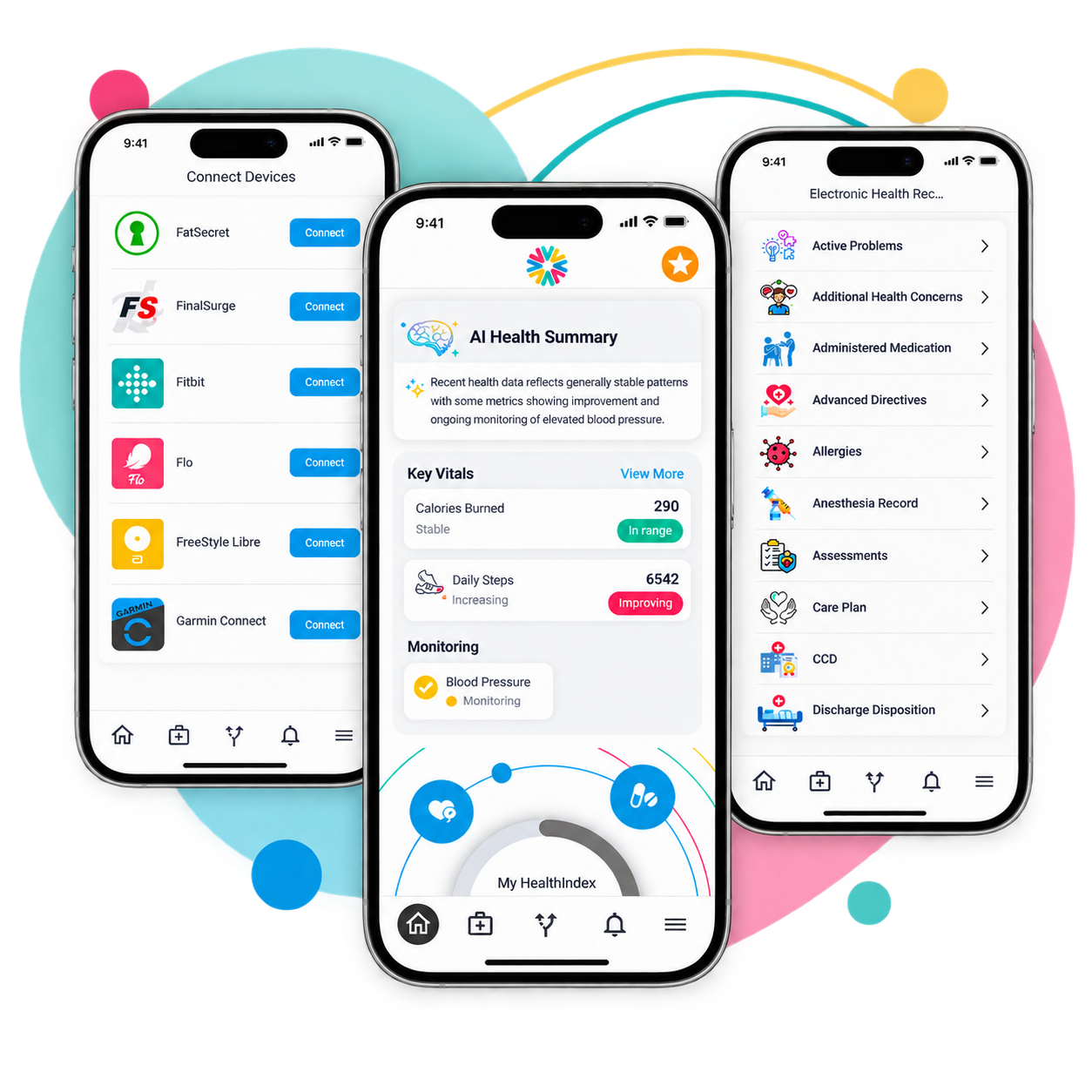
- Smart Engagement Tools: Patients receive timely reminders, daily check-ins, and guided recovery prompts. Everything is accessible through a mobile app that’s simple enough for a first-time user.
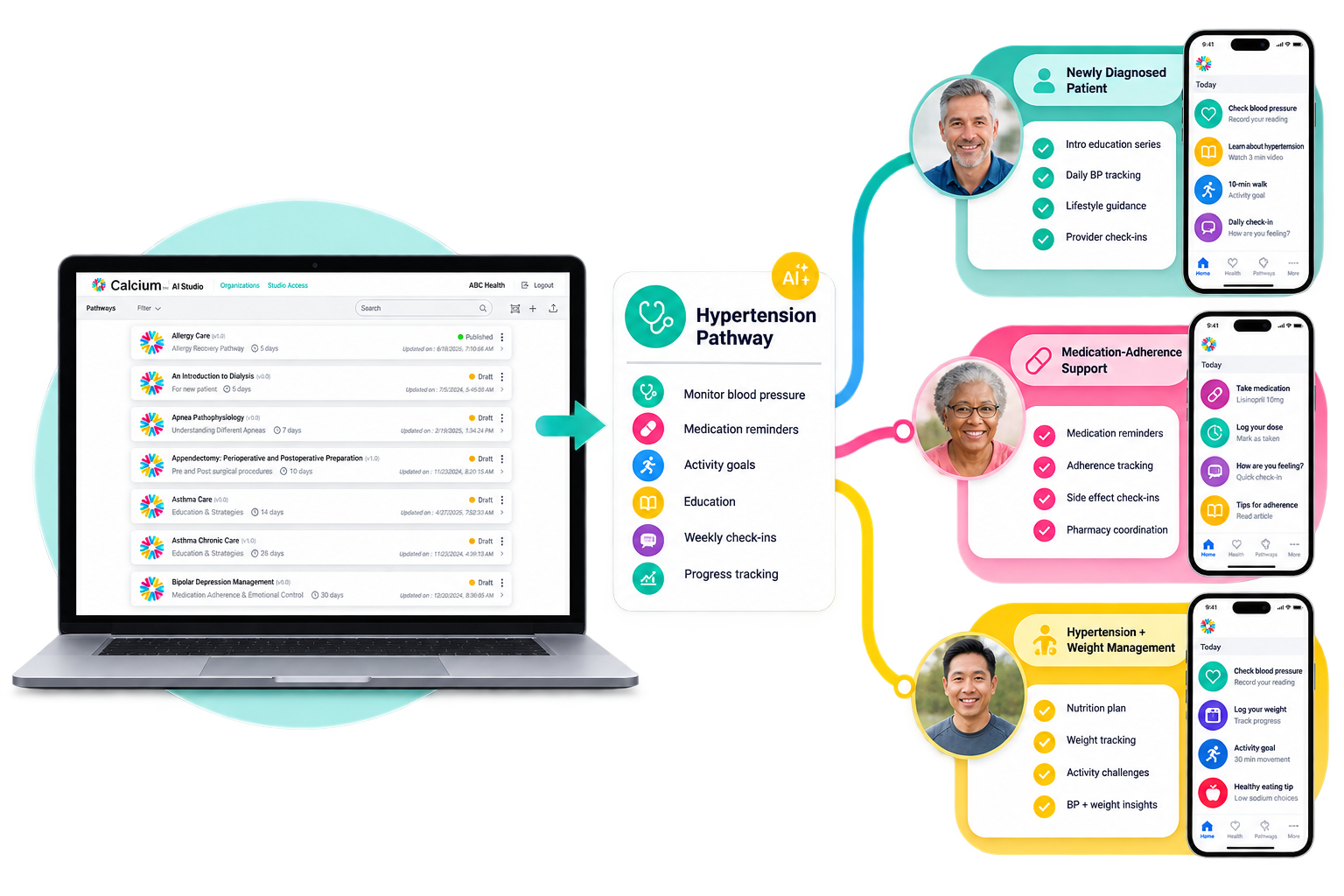
- Tailored Surgical Protocols: The platform is configured with specific pathways for common ASC procedures, like orthopaedic scopes, GI surgeries, and plastic reconstructions. No generic monitoring here.
- AI-Driven Triage: Only meaningful alerts reach clinicians. The system learns over time, getting smarter about what needs attention and what doesn’t.
- Secure and Compliant: HIPAA-compliant from end to end. Calcium uses advanced encryption and role-based access to protect every byte of data.
- Patient Feedback Built-In: Patients aren’t left in the dark. Calcium provides context for symptoms, helping users understand what’s normal and when to reach out.
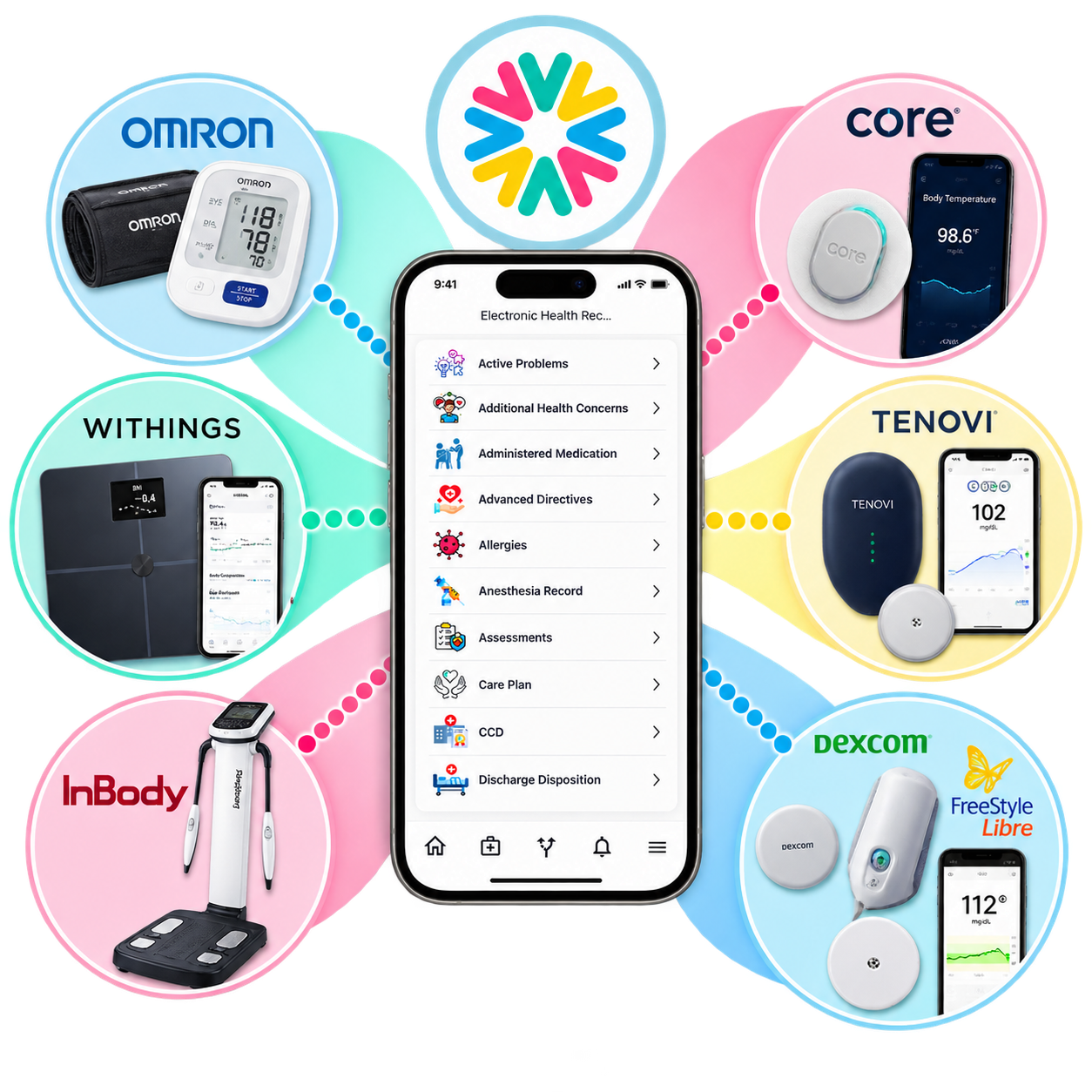
And yes, all of it integrates seamlessly with your existing EMR and surgical scheduling systems. No copy-pasting. No faxing. Just streamlined care.
What’s Next for RPM and ASCs?
We’re only scratching the surface of what RPM can do. As artificial intelligence, wearable tech, and predictive analytics evolve, ASC patients could one day receive fully personalized recovery plans, with real-time adjustments based on how their body is responding.
Think of RPM not as a tool, but as a digital safety net, a smart, invisible layer of care that follows patients home and guides them safely back to health.
The Wrap
The future of surgical recovery doesn’t begin and end inside the ASC, it continues at home, on the patient’s phone, and through every vital sign and symptom report along the way. Remote patient monitoring is no longer a nice-to-have; it’s a strategic advantage for ASCs looking to deliver safer, smarter, and more connected care.
As the industry moves toward value-based models and digital transformation, platforms like CalciumHealth are leading the way. With customizable surgical protocols, intelligent triage, seamless EMR integration, and patient-friendly design, Calcium takes the complexity out of post-op monitoring, so your team can focus on what matters most: better outcomes and happier patients.
Whether you're looking to reduce readmissions, boost satisfaction, or simply modernise your workflow, now’s the time to act.
Reference
- Armstrong, K. A., Coyte, P. C., Brown, M., Beber, B., & Semple, J. L. (2017). Effect of Home Monitoring via Mobile App on the Number of In-Person Visits Following Ambulatory Surgery. JAMA Surgery, 152(7), 622. https://doi.org/10.1001/jamasurg.2017.0111
- Pusic, A. L., Stetson, P., & Temple, L. (2021). Remote Monitoring for Patients After Ambulatory Surgery, Is It Ready for Prime Time? JAMA Surgery. https://doi.org/10.1001/jamasurg.2021.1799
- Armstrong, K. A., Coyte, P. C., Bhatia, R. S., & Semple, J. L. (2015). The Effect of Mobile App Home Monitoring on Number of In-Person Visits Following Ambulatory Surgery: Protocol for a Randomised Controlled Trial. JMIR Research Protocols, 4(2), e65. https://doi.org/10.2196/resprot.4352
- Pusic, A. L., Temple, L. K., Carter, J., Stabile, C. M., Assel, M. J., Vickers, A. J., Niehaus, K., Ancker, J. S., McCready, T., Stetson, P. D., & Simon, B. A. (2021). A Randomised Controlled Trial Evaluating Electronic Outpatient Symptom Monitoring After Ambulatory Cancer Surgery. Annals of Surgery, 274(3), 441–448. https://doi.org/10.1097/sla.0000000000005005
- Coffey, J. D., Christopherson, L. A., Glasgow, A. E., Pearson, K. K., Brown, J. K., Gathje, S. R., Sangaralingham, L. R., Carmona Porquera, E. M., Virk, A., Orenstein, R., Speicher, L. L., Bierle, D. M., Ganesh, R., Cox, D. L., Blegen, R. N., & Haddad, T. C. (2021). Implementation of a multisite, interdisciplinary remote patient monitoring program for ambulatory management of patients with COVID-19. Npj Digital Medicine, 4(1), 1–11. https://doi.org/10.1038/s41746-021-00490-9