Why Smarter Follow-Up Drives Better Outcomes and Stronger Value-Based Performance
Ambulatory surgery has revolutionised healthcare, providing patients with faster recoveries, lower costs, and the convenience of healing at home. But this convenience comes with a new responsibility. ensuring that what happens after the procedure is just as safe and effective as what happens inside the operating room.
Too often, surgical outcomes fade into the background once a patient walks out the door. Complications go unreported. Progress isn’t tracked. And opportunities to improve the quality of care slip through the cracks.
As healthcare shifts toward value-based models, this blind spot is no longer acceptable. Payers demand proof of outcomes. Patients expect transparency. And providers need better tools to deliver both.
So, how can ASCs rise to the challenge? It starts with rethinking how we track and manage outcomes. Let’s explore how smarter strategies and smarter technology can elevate the quality of ambulatory surgical care.
Why Tracking Outcomes is Foundational to Care Quality in Ambulatory Surgery
Ambulatory surgery centers (ASCs) are booming. Many complex surgeries that once required lengthy hospital stays, such as spine procedures, are now performed in outpatient settings. Patients love the convenience. Payers love the cost savings. Providers appreciate the efficiency.
But here’s the catch. Simply moving surgery to an ASC doesn’t automatically guarantee great outcomes. Without robust outcome tracking, it’s impossible to know if patients are truly getting better, faster, and safer care.
So, why is outcome tracking so critical? For starters, it aligns directly with the core elements of high-quality healthcare.
- Safety. Are we preventing surgical site infections and avoidable readmissions?
- Effectiveness. Are patients regaining function and quality of life?
- Patient-centeredness. Are we meeting patient expectations and experiences?
- Efficiency. Are we optimising surgical pathways and avoiding unnecessary costs?
- Equity. Are we delivering the same high-quality care across diverse populations, including those with behavioural health needs?
And as the U.S. healthcare system shifts toward value-based care, outcome tracking has become even more important. Payers are tying reimbursement to performance. Bundled payments now often include outpatient episodes. Behavioural health, social determinants of health, and patient-reported outcomes are increasingly factored into these models.
Without accurate, timely data, ASCs risk falling behind.
The Top 7 Challenges in Outcome Tracking for Ambulatory Surgery
Of course, tracking outcomes in an ASC environment isn’t easy. The challenges are significant and well-documented across the healthcare industry.
Let’s break them down.
1. Fragmented Data Sources and Lack of Standardisation
ASCs often operate independently of larger hospital systems, using a patchwork of electronic health records (EHRs), paper charts, and billing systems. There’s no consistent framework for defining or collecting outcomes, which makes benchmarking nearly impossible.
As Witiw et al. (2020) highlighted in their review of spine surgery in ASCs, even defining what counts as “outpatient” surgery varies widely across facilities and regions. This lack of standardisation muddles the data pool.
2. Limited Post-Discharge Surveillance
Here’s a common scenario. a patient leaves an ASC feeling great. Two days later, they develop a complication and visit an emergency room unaffiliated with the ASC. The surgical team may never learn about it.
Both the African Surgical Outcomes Study and GlobalSurg 2 found that postoperative mortality and morbidity often occur after patients leave the surgical setting. Without structured post-discharge tracking, ASCs are essentially flying blind.
3. Manual, Labour-Intensive Tracking Processes
Many ASCs still rely on manual phone calls and paper surveys to gather outcomes. This is not only time-consuming but also prone to error and inconsistency. Worse, these methods don’t scale well as procedure volumes grow.
Studies on global surgical quality improvement stress the need for systematic, scientific frameworks like the Plan-Do-Study-Act (PDSA) cycle. Manual processes simply don’t cut it anymore.
4. Low Patient Engagement and Poor Capture of Patient-Reported Outcomes (PROs)
You can’t improve what you don’t measure and that includes patient experience and functional outcomes. Yet many ASCs struggle to get patients to complete follow-up surveys or report complications.
Behavioral nudges and mobile health (mHealth) solutions have shown promise, but adoption remains inconsistent. Without engaged patients, valuable outcome data goes missing.
5. Limited Use of Real-Time Data
Even when data is collected, it often sits in spreadsheets or siloed systems, reviewed only retrospectively. That’s a missed opportunity.
Real-time dashboards could alert clinicians to trends in infections, pain scores, or readmissions, enabling rapid course corrections. As Kehlet and Wilmore noted in their seminal study on fast-track surgery, proactive stress-reduction and optimised recovery require continuous feedback.
6. Incomplete Regulatory Metrics
CMS requires ASCs to report certain quality measures, such as wrong-site surgery and hospital transfers. But these represent just a fraction of what matters to patients and payers.
Nuanced outcomes like functional recovery, behavioural health impacts, and return-to-work rates are rarely captured, despite their importance in value-based care.
7. Data Silos Across the Care Continuum
Finally, there’s the problem of fragmentation across the broader care continuum. ASC outcome data often doesn’t flow to primary care providers, rehab therapists, or behavioural health clinicians.
This disconnect undermines coordinated care. It also hampers accurate outcome measurement in patients with complex needs, such as those with co-occurring behavioural health or chronic conditions.
The Role of Digital Health in Solving the Tracking Challenge
Fortunately, digital health tools offer powerful ways to overcome these obstacles. When used thoughtfully, they can turn outcome tracking from a headache into a competitive advantage.
Here’s how.
Leveraging Digital Platforms for Seamless Tracking
Modern platforms can automate outcome data collection through multiple channels.
- SMS reminders for post-op surveys
- Mobile app notifications for pain scores or wound checks
- Email follow-ups for long-term functional outcomes
These tools not only save staff time but also dramatically increase patient response rates.
Engaging Patients Beyond the ASC
Think of patient engagement as a continuous conversation, not a one-time survey. Digital health platforms can.
- Use behavioural nudges to encourage survey completion
- Personalise messages based on procedure type and patient profile
- Provide educational content to reinforce recovery plans
This keeps patients connected and invested in their outcomes.
Closing Data Gaps Across the Care Continuum
To truly elevate care quality, outcome data must flow seamlessly across settings. The best digital platforms integrate ASC data with.
- Primary care EHRs
- Physical therapy and rehabilitation records
- Behavioural health providers
This creates a comprehensive “episode of care” view essential for both clinical improvement and payer reporting.
Supporting Regulatory and Value-Based Reporting
Automated digital tools also make it easier to meet regulatory requirements and payer expectations. Platforms can.
- Populate CMS-mandated ASC quality measures
- Capture and report PROMs in alignment with value-based contracts
- Generate custom dashboards for internal quality improvement
The result? ASCs can confidently demonstrate value to patients, payers, and partners.
How the Calcium Digital Health Platform Addresses These Challenges
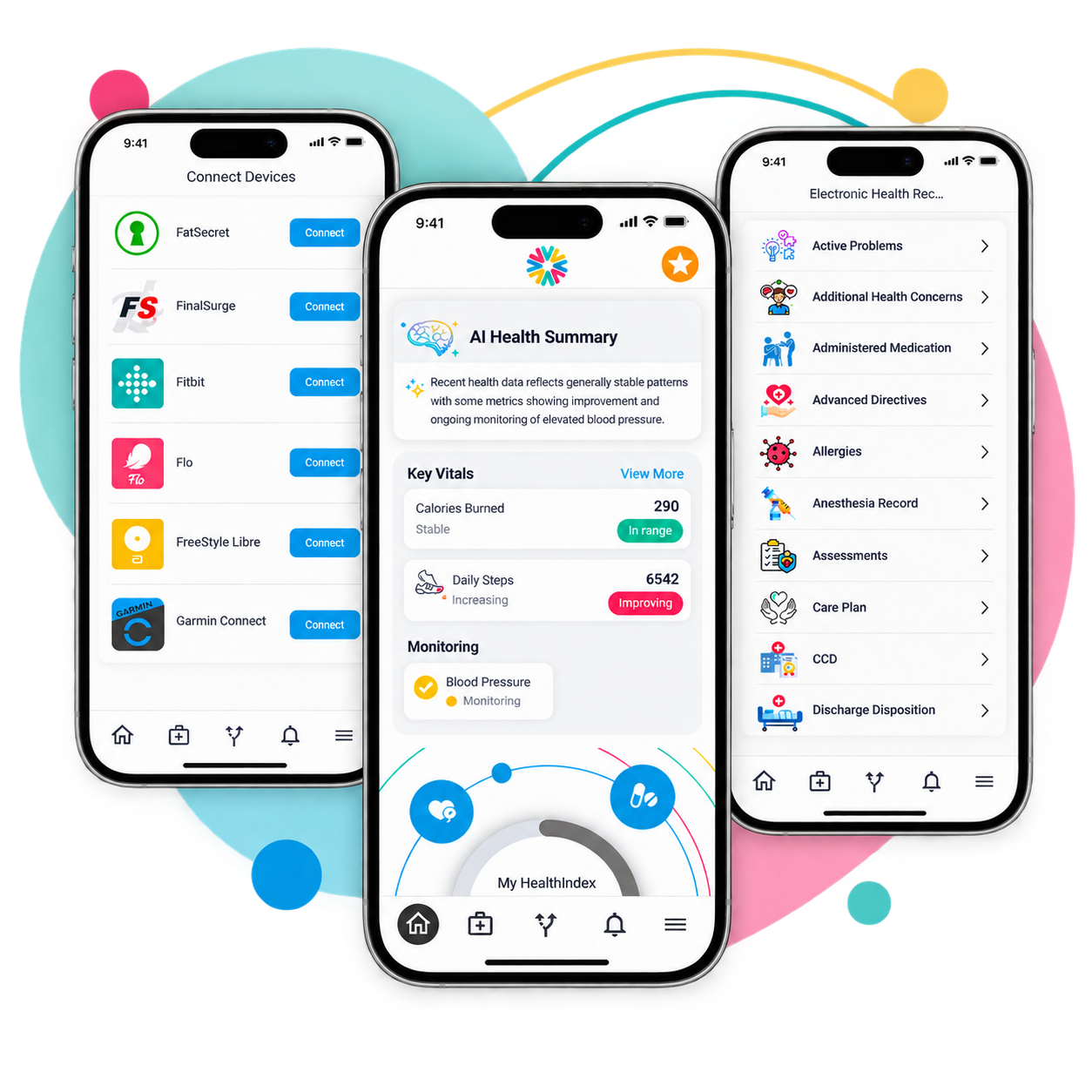
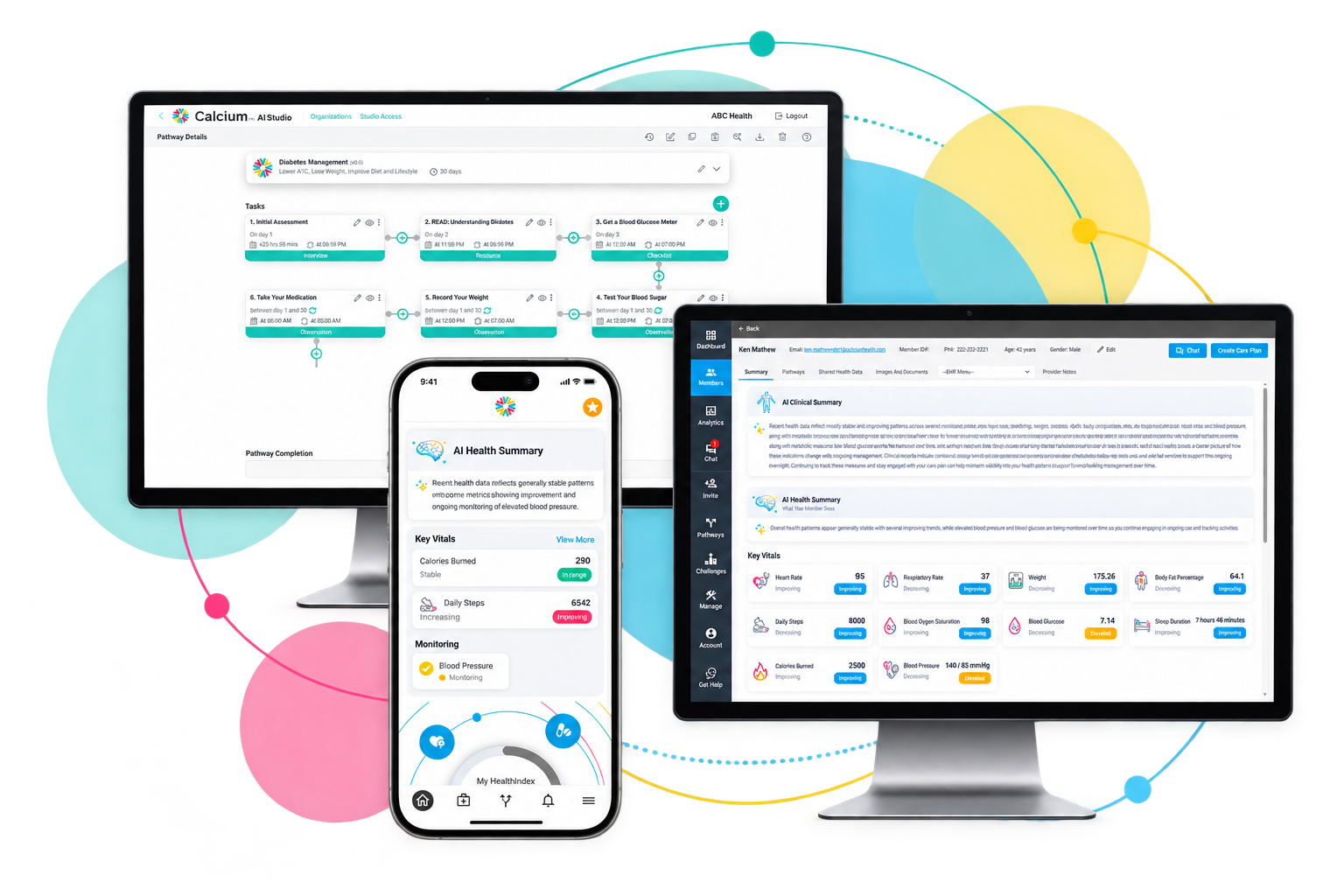
This is exactly where the Calcium digital health platform shines. Built on a mobile-first, patient-centric architecture, Calcium enables ASCs to…
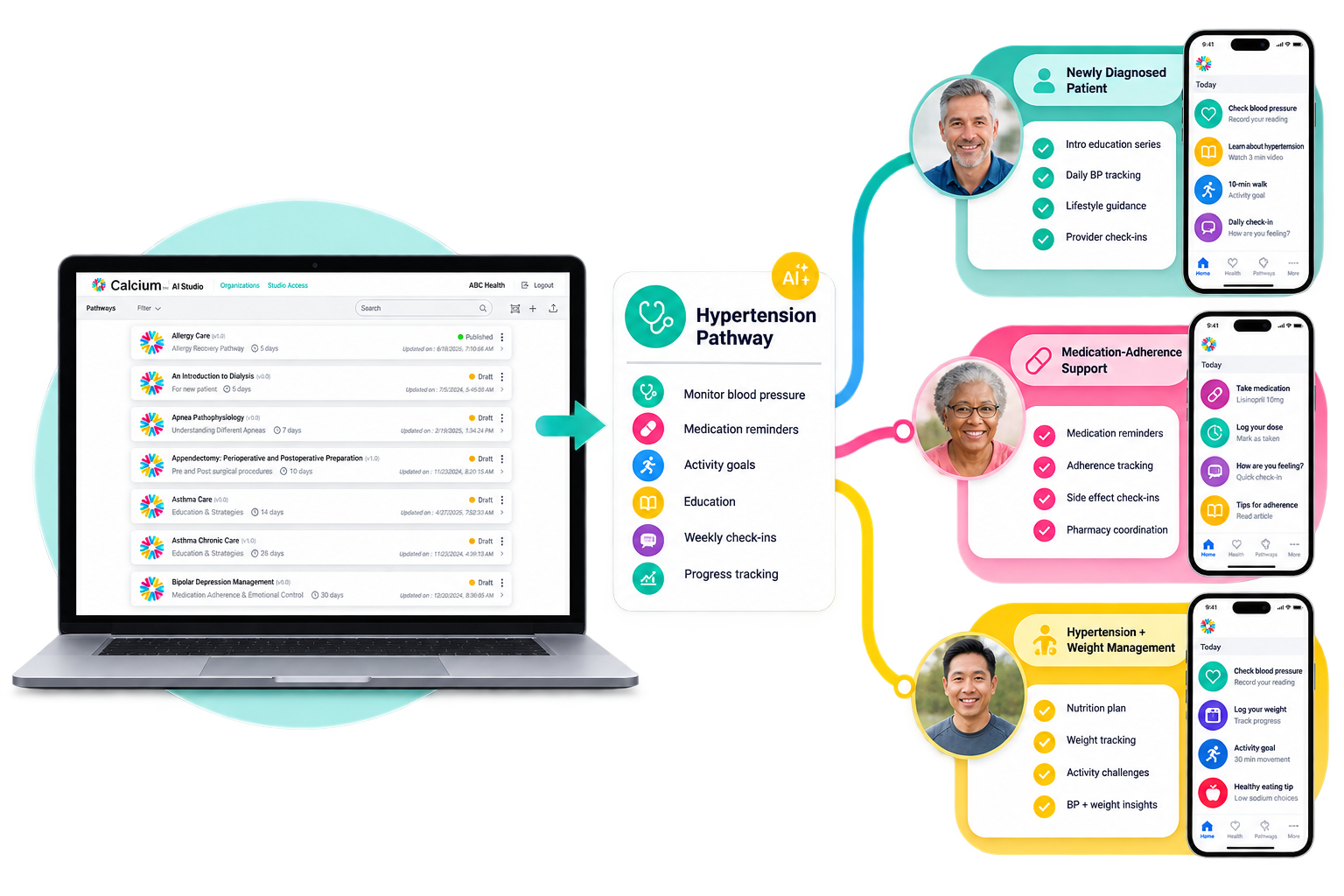
- Automate post-op follow-up. SMS, app, and email-based workflows drive high response rates
- Engage patients beyond discharge. Personalised content and behavioural nudges foster ongoing connection
- Integrate behavioural health and SDOH data. Critical for holistic outcome measurement
- Provide real-time analytics. Dashboards give ASC leaders and clinicians actionable insights
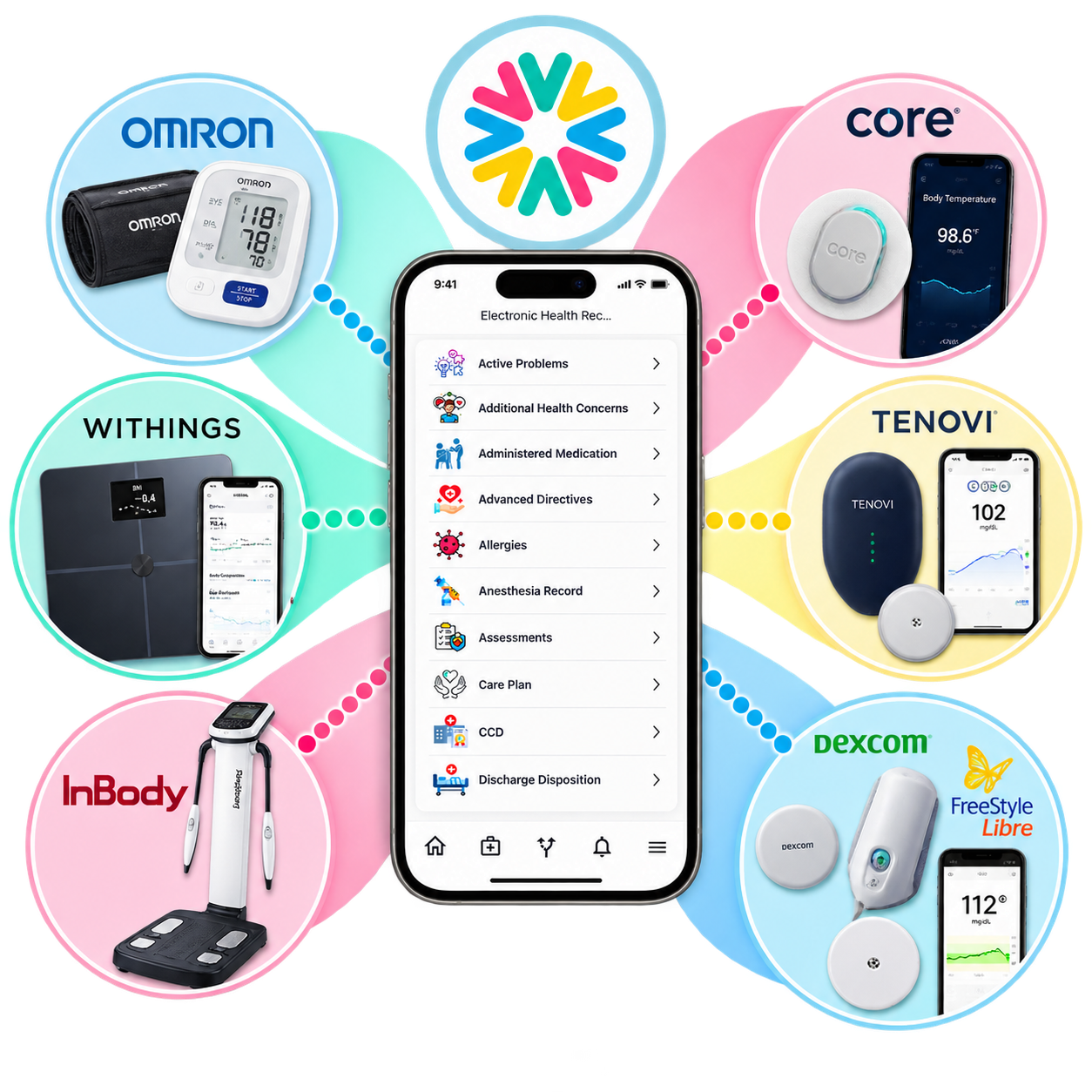
- Bridge data silos. Calcium’s flexible integrations ensure outcome data flows across the care continuum
The impact is profound. ASCs can not only track outcomes more effectively but also actively improve them, aligning perfectly with value-based care imperatives.
A Glimpse Into the Future of Outcome Tracking
As the healthcare landscape continues to evolve, outcome tracking in ambulatory surgery will become even more critical.
Payers are demanding it. Patients expect it. Innovative ASCs that embrace digital tools will be poised to lead.
Expect to see the following:
- More integration of behavioural health outcomes into surgical pathways
- Increased focus on functional recovery and patient experience
- Expanded use of mobile-first platforms to engage diverse patient populations
- ASCs are taking an active role in population health management
One thing is clear: outcome tracking is no longer a “nice to have.” It’s a foundational pillar of modern, high-value ambulatory care.
The Wrap
The future of ambulatory surgery isn’t just about performing more procedures faster. It’s about delivering better outcomes, greater value, and a truly patient-centered experience. Outcome tracking is the engine that drives this progress, and it’s time for ASCs to harness their full potential.
With modern digital platforms like Calcium, ASCs can automate follow-up, engage patients beyond discharge, and integrate behavioural health and social determinants of health data into a holistic view of care. Real-time insights and seamless data integration empower clinicians and administrators to continuously improve quality and performance.
Reference
- Kehlet, H., & Wilmore, D. W. (2008). Evidence-Based Surgical Care and the Evolution of Fast-Track Surgery. Annals of Surgery, 248(2), 189–198. https.//doi.org/10.1097/sla.0b013e31817f2c1a
- Eyob, B., Boeck, M. A., FaSiOen, P., Cawich, S., & Kluger, M. D. (2019). Ensuring safe surgical care across resource settings via surgical outcomes data & quality improvement initiatives. International Journal of Surgery, 72, 27–32. https.//doi.org/10.1016/j.ijsu.2019.07.036
- Witiw, C. D., Wilson, J. R., Fehlings, M. G., & Traynelis, V. C. (2020). Ambulatory Surgical Centers. Improving Quality of Operative Spine Care? Global Spine Journal, 10(1_suppl), 29S35S. https.//doi.org/10.1177/2192568219849391
- Allen, J., & Petersen, B. (n.d.). Clinical Gastroenterology and Hepatology 2014;12.911-918 PRACTICE MANAGEMENT. THE ROAD AHEAD. https.//doi.org/10.1016/j.cgh.2014.04.002
- Joshi, G. (2000). Fast tracking in ambulatory surgery. Ambulatory Surgery, 8(4), 185–190. https.//doi.org/10.1016/s0966-6532(00)00060-3