A Smarter Approach to Streamlining Operations and Enhancing Patient Experience
Imagine running a high-performing surgery center where every case starts on time, every patient is fully prepared, and staff aren’t drowning in paperwork or chasing updates. Sounds ideal, right?
But the reality is far messier for many ambulatory surgery centers (ASCs) overbooked rooms, miscommunication, frustrated teams and unpredictable delays. In an era where efficiency and care quality go hand in hand, ASCs are under pressure to do more with less, without compromising patient safety or satisfaction.
That’s where digital transformation becomes more than a buzzword it becomes essential. The patient management system is at the heart of this evolution: a powerful tool designed to streamline operations, improve outcomes, and elevate the entire surgical experience. As regulatory demands increase and value-based care models take center stage, your ASC’s ability to adapt will define its success. The question isn’t if your center needs a smarter system, it’s how soon you can implement one that truly works.
Let’s explore how an integrated solution can streamline operations, elevate care quality and ultimately help your ASC do more with less.
The Rise and Risks of Inefficiency in ASCs
ASCs have seen massive growth over the last two decades. But along with volume comes complexity. You're not just managing surgeries anymore; you're juggling pre-op clearances, insurance documentation, real-time communication across staff and increasingly tech-savvy patients who expect seamless digital experiences.
What happens when these pieces don't sync? Delays. Miscommunication. Burned-out staff. And dissatisfied patients who may not return.
One study from the Armstrong Institute at Johns Hopkins found that even well-regarded health systems struggled to integrate surgery centers effectively until they implemented a formal, physician-led governance model. Without standard workflows and shared visibility, variability creeps in, and throughput suffers.
What Is a Patient Management System?
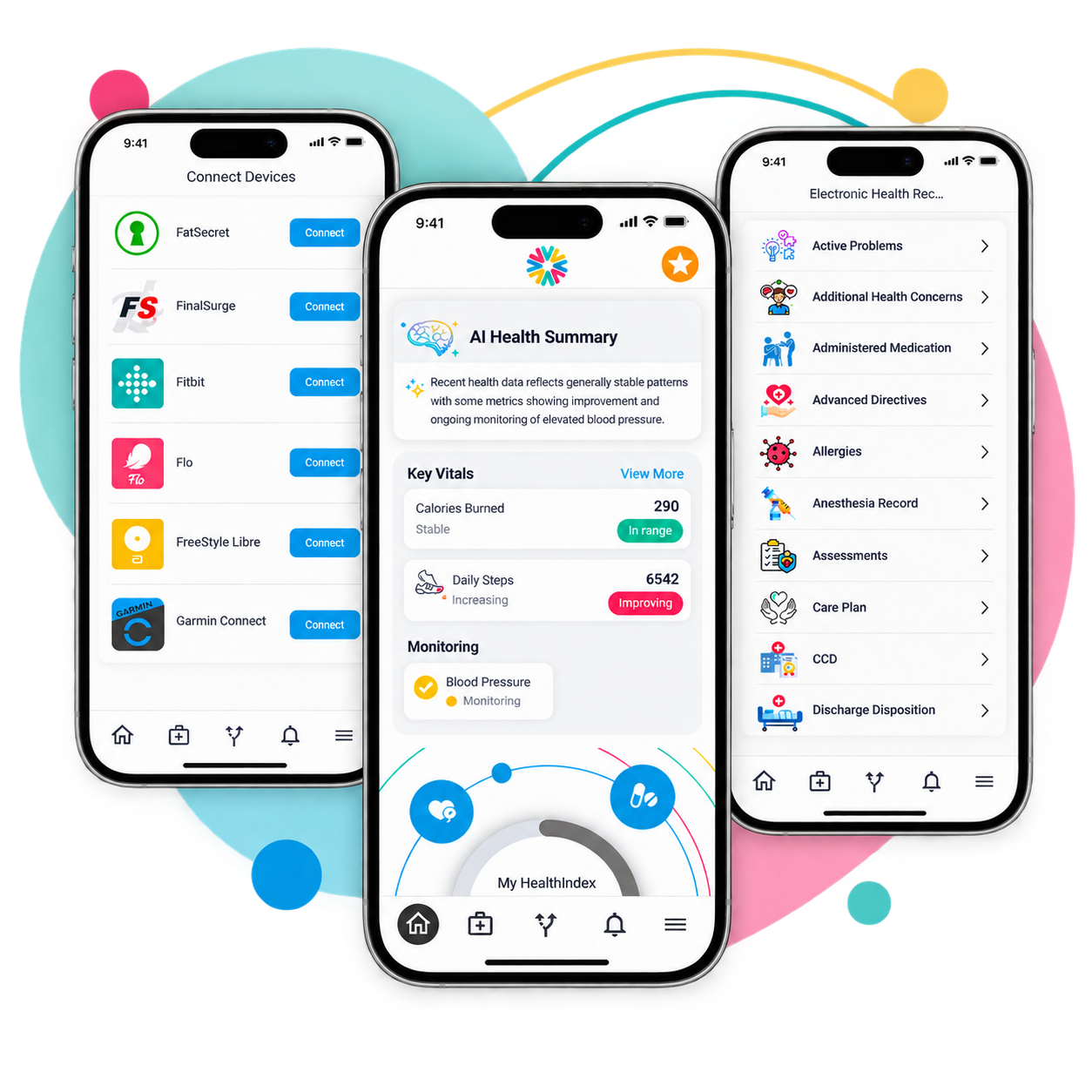
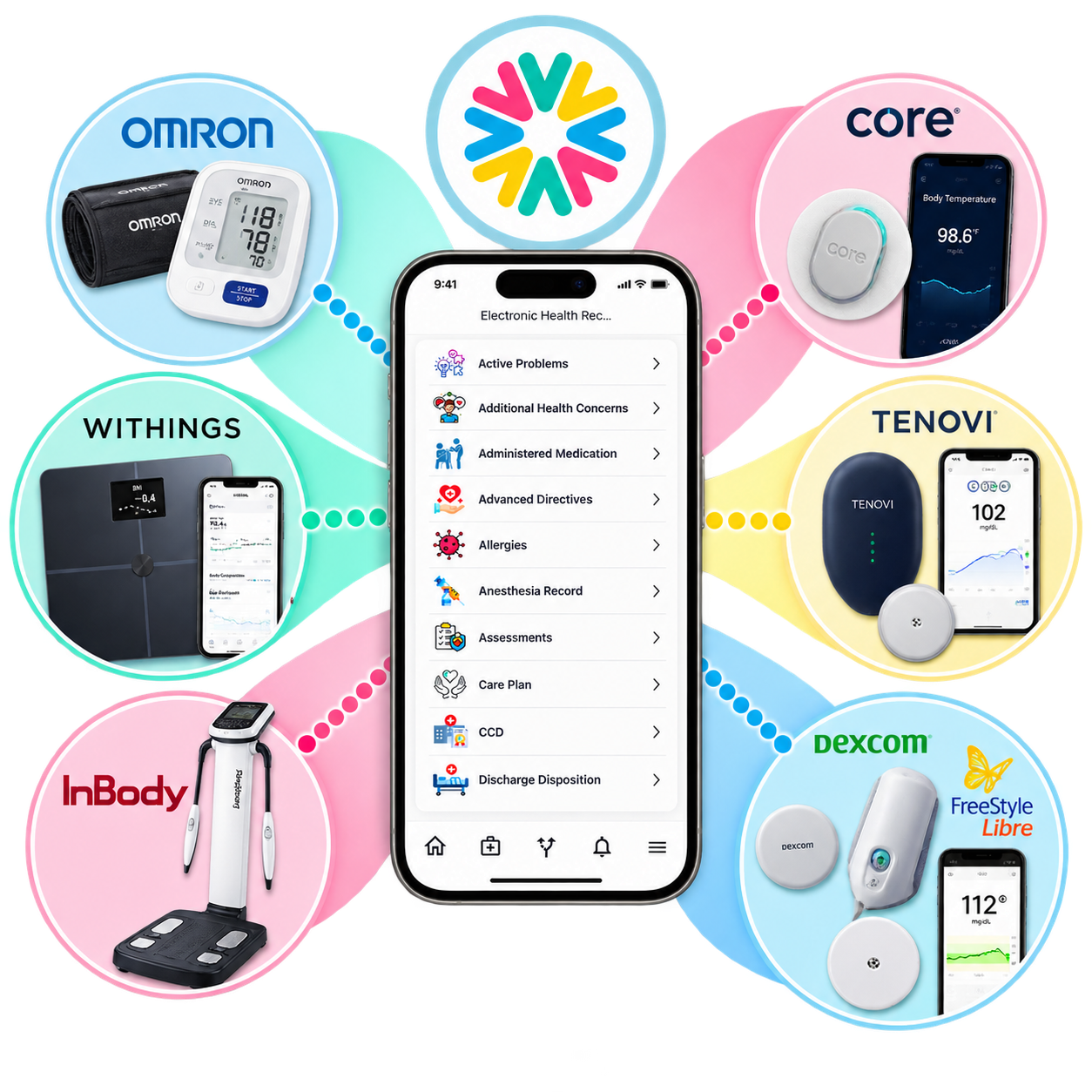
Think of a patient management system as mission control for your surgery center. It connects all the dots across the patient journey from referral and scheduling to post-op care and reporting.
The best systems don’t just log appointments or store charts. They:
- Enable real-time team communication
- Track patients across every stage of care
- Automate tasks like reminders, consent forms, and discharge instructions
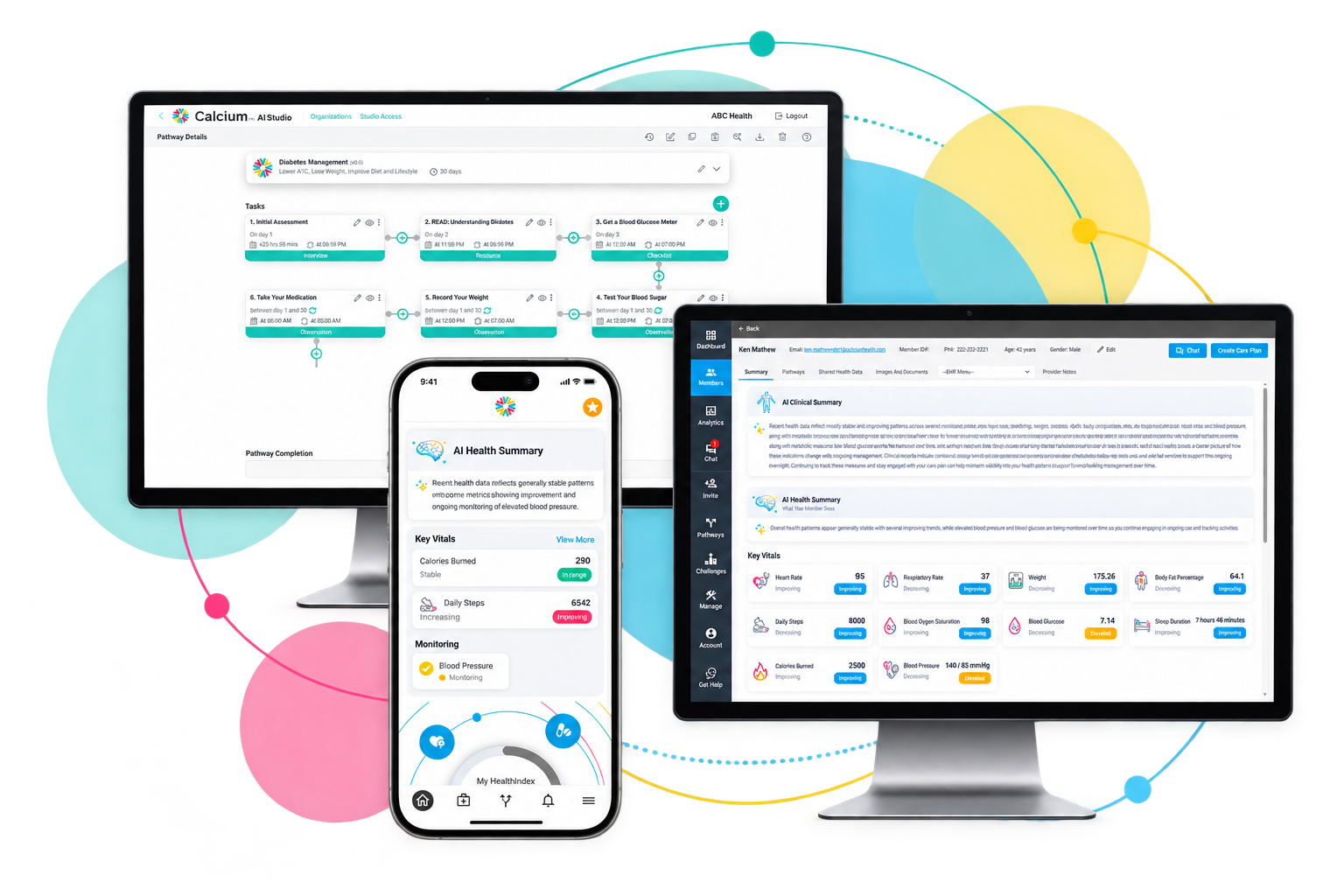
- Provide dashboards for quality metrics, staff performance and operational bottlenecks
It’s the digital nerve center of a modern ASC.
Where Traditional Processes Fall Short
Most surgery centers still rely on a patchwork of tools. You might have one system for billing, another for clinical notes, and spreadsheets for scheduling. Sound familiar?
That kind of fragmentation leads to predictable pain points:
- Double-bookings or empty ORs due to outdated calendars
- Patients arriving unprepared or misinformed
- Nurses scrambling for missing forms or test results
- Physicians operating without a complete clinical context
And when there’s no single source of truth? Teams spend more time chasing information than delivering care.
5 Ways Patient Management Systems Boost ASC Performance
Here’s where a comprehensive system can flip the script. When done right, these platforms can transform both patient experience and internal efficiency. Let’s break down how:
1. Smarter Scheduling = Smoother Flow
A robust patient management system can dramatically reduce chaos in scheduling. It does this by:
- Blocking appropriate time based on procedure complexity
- Preventing double-booking
- Automating patient reminders to reduce no-shows
- Allowing online pre-registration and intake
This frees up staff from repetitive calls and makes room utilisation more predictable. No more last-minute surprises. No more wasted OR time.
2. Real-Time Communication Keeps Teams in Sync
Communication delays are one of the top causes of throughput slowdowns. Whether it’s unclear PACU availability or missing anaesthesia notes, those delays add up.
Systems like the one piloted by the Institute for Healthcare Improvement (IHI) used daily huddles and visual boards to track safety issues and operational gaps. They saw improvements not just in culture, but in measurable safety outcomes.
An integrated system replicates this visibility digitally pinging relevant staff, updating timelines in real time, and tracking unresolved issues for follow-up.
3. Pre-Op and Post-Op Engagement Made Easy
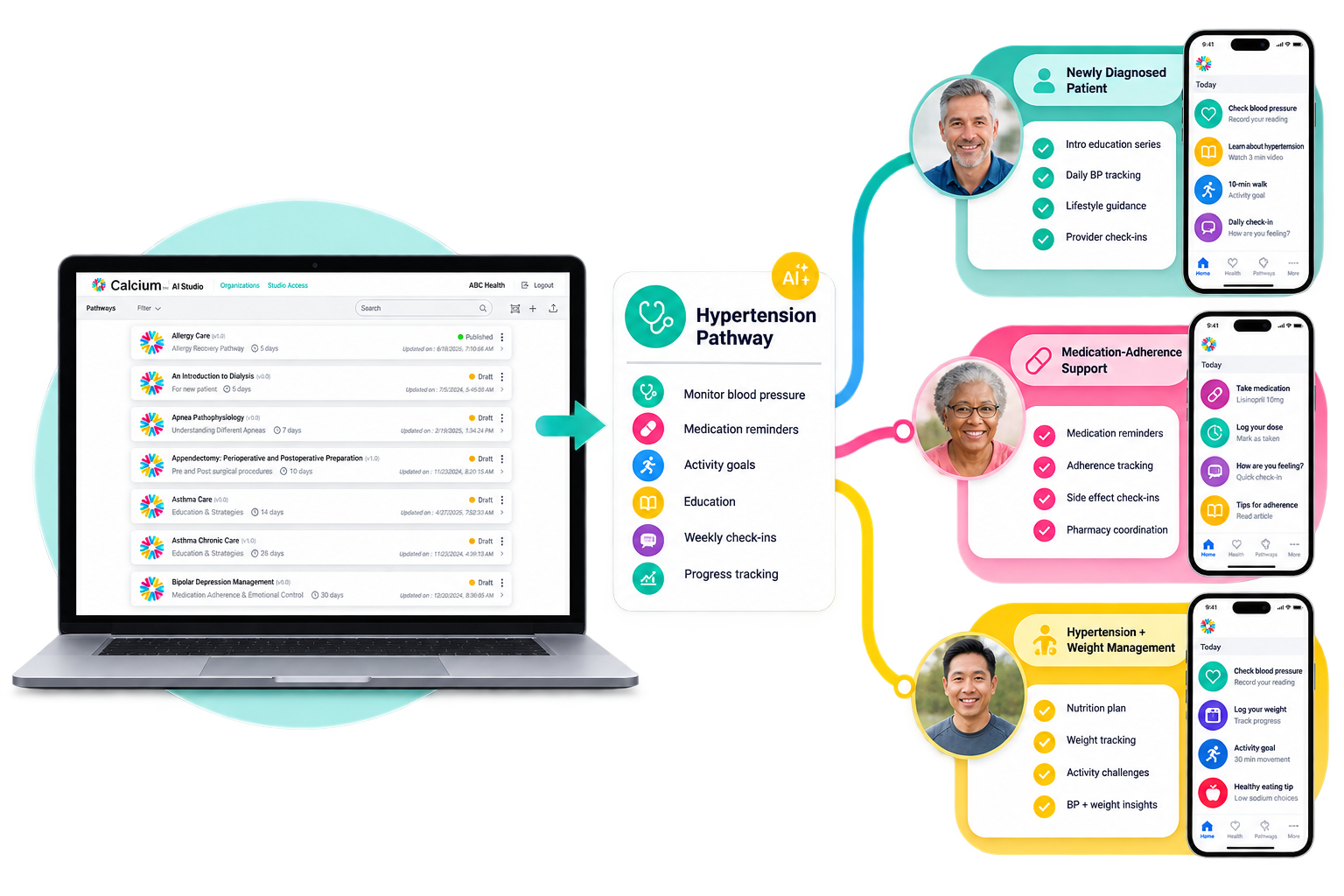
Patients don’t always remember their instructions, and that can lead to cancellations or complications. But imagine if patients could:
- Receive customised pre-op guidance via text
- Submit last-minute forms digitally
- Answer recovery surveys from their phone
That’s not future tech. That’s today’s best practice.
One quality improvement initiative reported a 4.1% jump in satisfaction simply by improving communication around surgical delays. Multiply that by every patient, and the ROI is obvious.
4. Built-in Quality Metrics Drive Improvement
How do you know your ASC is improving?
With a digital management system, you don’t have to guess. These tools often include built-in dashboards showing metrics like:
- Case turnaround times
- Patient satisfaction trends
- Missed checklist items
- Readmission or complication rates
At one pilot site in the IHI program, the use of such visual tools helped raise safety culture scores from 82.5% to over 95% in just one year.
These aren't just numbers they're levers you can pull to make better decisions.
5. Scalable Standardization Across Teams
When different surgeons or units do things their way, inconsistencies creep in. But standardisation doesn’t mean "cookie cutter", it means ensuring every patient receives the same high-quality care.
Systems like the Armstrong model at Johns Hopkins emphasised standard operating procedures for EMR documentation, pre-op assessments, and safety checklists. This didn’t just improve outcomes; it built trust across teams.
A good patient management system builds that consistency into workflows so nobody’s reinventing the wheel every day.
But Does It Improve Throughput?
In a word: yes.
The concept of “throughput” isn’t just about speed. It’s about reducing waste and friction in the patient journey.
When a nurse doesn’t have to dig through paperwork, when patients show up on time and prepared, and when delays are communicated early and clearly, everyone wins.
Even seemingly small improvements add up fast. One surgery center using daily huddles reduced their sterilisation bottleneck and avoided procedure delays, just by surfacing the problem during their morning check-in.
This is what scalable, sustainable efficiency looks like.
Quality Doesn't Take a Back Seat
You might wonder, if we’re focused on throughput, do we risk cutting corners on care?
Not at all.
The best systems support both goals at once. They provide timely prompts for hand hygiene, track compliance with infection control measures, and ensure follow-up calls are never missed.
Better throughput often reflects better quality. Why? Because it means you’ve identified and removed the friction points that lead to errors, miscommunication or burnout.
The Institute of Medicine's six pillars of healthcare quality safe, effective, patient-centered, timely, efficient and equitable are all supported by digital management systems when used well.
The Wrap
Throughput and care quality are no longer separate goals they’re two sides of the same coin. With the right patient management system, your ASC can eliminate bottlenecks, strengthen communication, and deliver a consistently better experience for patients and staff alike. In today’s competitive and compliance-driven environment, waiting to modernise your workflow is a risk you can’t afford.
The good news? You don’t have to build a solution from scratch. Calcium’s digital health platform is designed specifically for ambulatory surgery centerss like yours helping you streamline operations, engage patients more effectively, and meet the demands of value-based care without missing a beat.
References
- Ishii, L., Pronovost, P. J., Demski, R., Wylie, G., & Zenilman, M. (2016). A Model for Integrating Ambulatory Surgery Centres Into an Academic Health System Using a Novel Ambulatory Surgery Coordinating Council. Academic Medicine, 91(6), 803–806. https://doi.org/10.1097/acm.0000000000001135
- Farber, J. (2010). Measuring and Improving Ambulatory Surgery Patients’ Satisfaction. AORN Journal, 92(3), 313–321. https://doi.org/10.1016/j.aorn.2010.01.017
- Rakover, J., Little, K., Scoville, R., & Holder, B. (2020). Implementing Daily Management Systems to Support Sustained Quality Improvement in Ambulatory Surgery Centers. AORN Journal, 111(4), 415–422. https://doi.org/10.1002/aorn.12988
- Joshi, G. P. (2008). Efficiency in ambulatory surgery center. Current Opinion in Anaesthesiology, 21(6), 695–698. https://doi.org/10.1097/aco.0b013e328311d1b2