Personalised Digital Support That Keeps Surgery Patients on Track From Day One
Outpatient surgery has transformed modern healthcare less time in the hospital, faster recovery, lower costs. Sounds ideal, right? But here’s the catch: going home sooner doesn’t mean recovery is easier. It’s the opposite. Once the patient walks out of the surgical center, the safety net disappears. No round-the-clock nurses, no daily check-ins, just the hope that patients follow instructions and recover as planned.
That’s where things start to break down. Missed medications, skipped exercises, unmanaged pain it all adds up to poor outcomes and preventable readmissions.
The truth is, recovery isn’t a single event; it’s a process that needs structure, support, and accountability. Enter pathway based care a smarter, more personalised way to guide patients through every phase of healing. In the sections ahead, we’ll dive into how digital health platforms like Calcium are making these care pathways accessible, effective, and scalable for today’s outpatient surgery patients.
What Is Pathway-Based Care and Why Does It Matter in Outpatient Surgery?
When you hear the term "pathway-based care," think of it like a GPS for the patient journey. It’s a structured, evidence based roadmap that guides patients through every step of care, from pre-op prep to post-op recovery. Instead of leaving patients to navigate surgery and recovery alone, clinical pathways give them turn-by-turn directions based on best practices.
For outpatient surgeries like total hip replacements, mastectomies, or even minimally invasive prostate procedures pathways aren’t just helpful. They’re critical. These patients go home the same day or after one overnight stay. That means hospitals have just hours to prepare them for what used to be multi-day care.
Without clear pathways in place, patients can easily get lost. They may skip important steps, take the wrong medication, or delay rehab. The result? Slower recovery, increased complications, and avoidable readmissions.
Common Roadblocks in Outpatient Surgery Recovery
We’re asking patients to recover faster and with fewer resources. But doing that well comes with challenges. Let’s look at the top problems providers face when managing recovery for outpatient surgeries:
1. Poor Pre-Op Readiness
Many patients arrive for surgery without fully understanding how to prep, whether it’s fasting guidelines, medication changes, or mental health readiness. One study on outpatient total hip arthroplasty showed that even minor logistical delays (like waiting for a physiotherapist) could prevent same-day discharge.
2. Fragmented Communication
Surgeons, anesthesiologists, nurses, and physical therapists may each do their part, but if they’re not working from the same plan, gaps emerge. One team may discharge a patient without confirming if home PT is scheduled. That disconnect increases risk.
3. No Real-Time Monitoring
Once the patient leaves the hospital, it’s often radio silence. There’s no way to track whether they’re doing their exercises, managing pain properly, or experiencing complications. And by the time they show up at the ER, it's too late.
4. Patients Don’t Follow the Plan
Let’s face it most people don’t remember everything their doctor tells them, especially when recovering from surgery. If there’s no follow-up, no nudges, no feedback, many will veer off course.
5. One Size Fits All Protocols
Many post-op instructions are cookie-cutter. But every patient is different. What works for a healthy 45-year-old may not be safe or realistic for a 72-year-old with diabetes and sleep apnea.
When you combine these problems, it’s no wonder recovery stalls and complications spike.
Digital Pathways: The Bridge from Surgery to Home
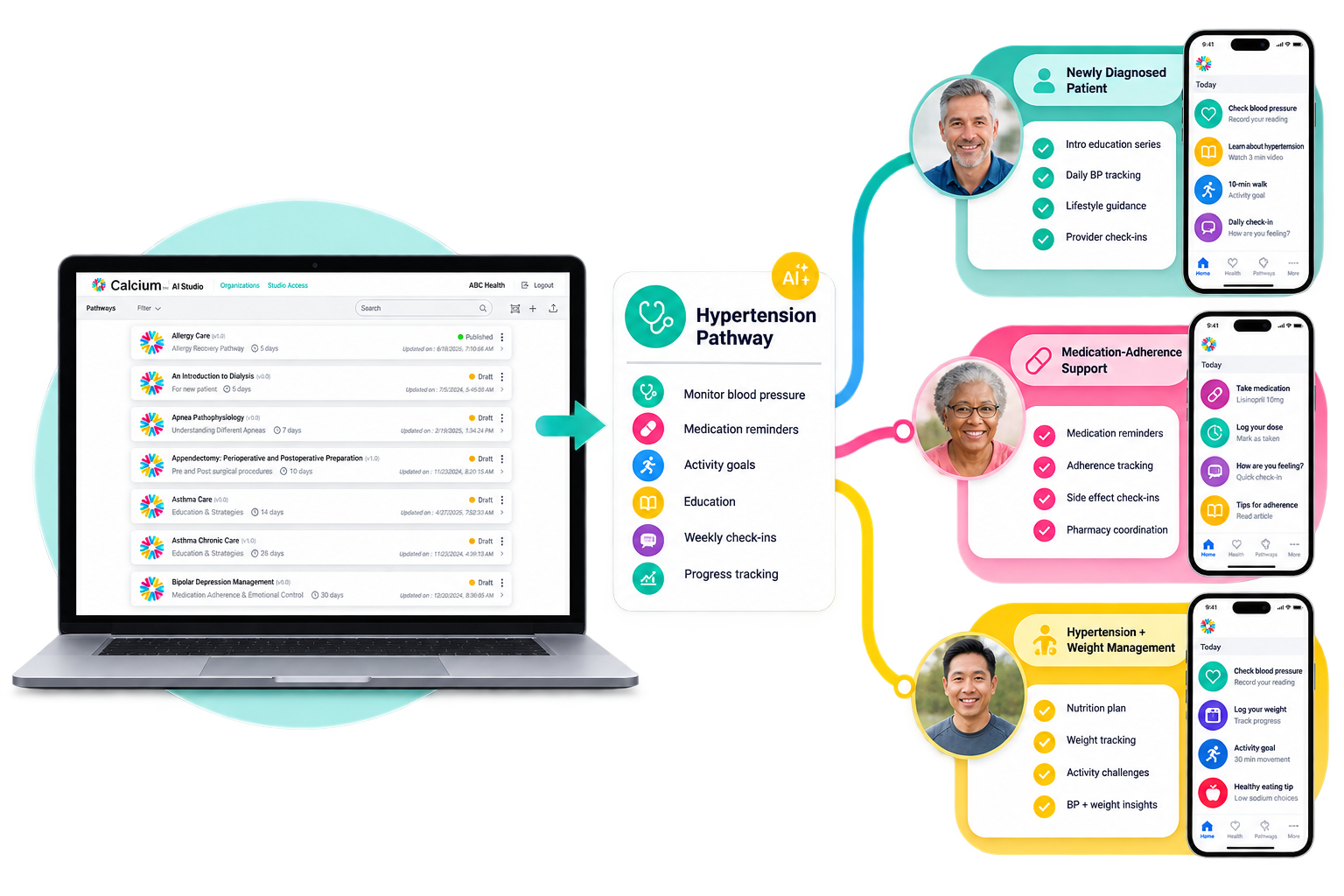
Here’s where digital health comes in and where platforms like Calcium’s Super App and Core system shine. Digital pathways use mobile apps, AI, real-time data, and personalised checklists to bring structure and support into a patient’s daily life.
Let’s break down the features that make these digital pathways so powerful:
1. Automated, Personalised Reminders
Need to ice your knee at 3 PM? Take antibiotics by 8? The app reminds you, not your overworked nurse. It’s like having a personal assistant who keeps you on schedule and accountable.
2. Easy-to-Use Health Tracking
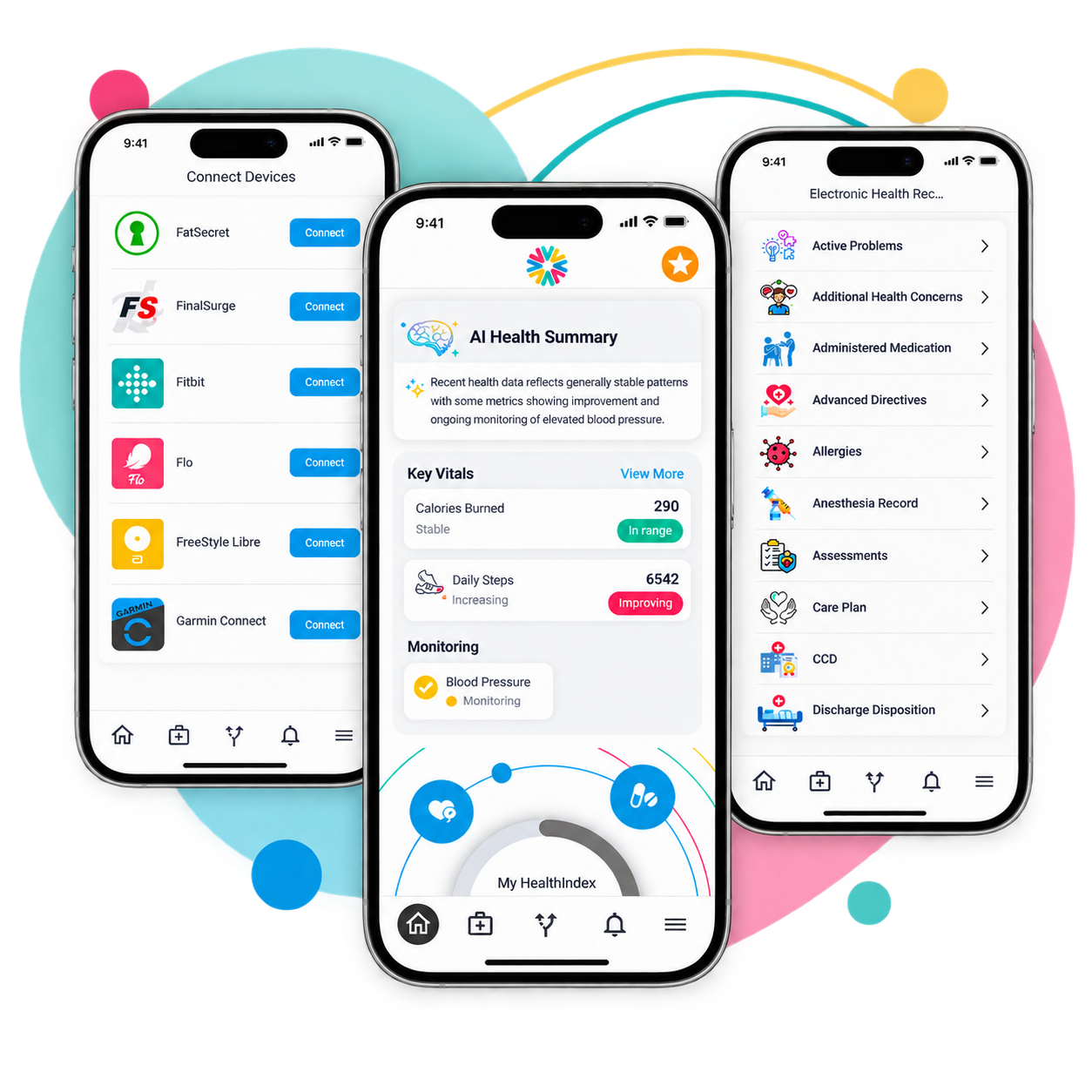
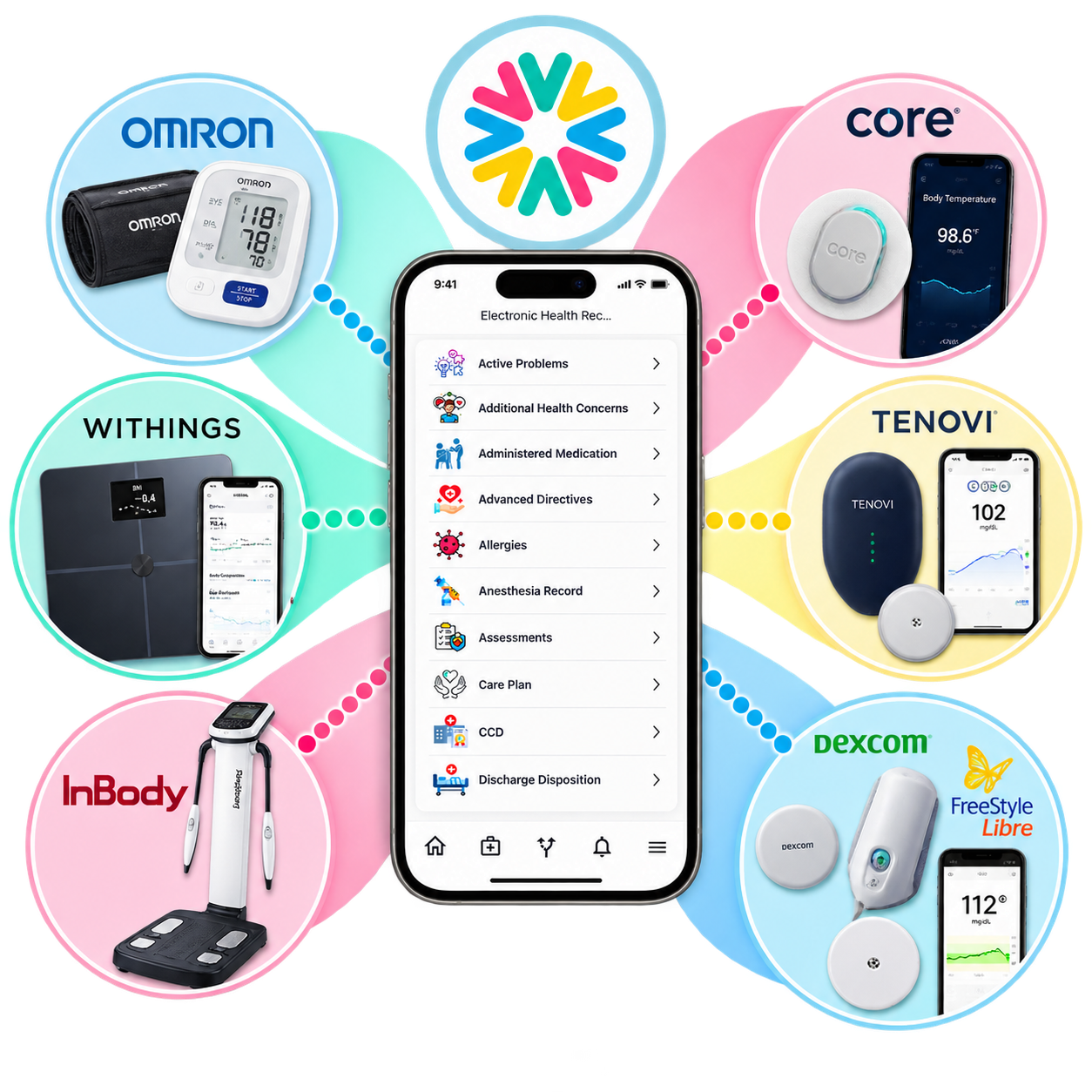
Instead of relying on memory, patients log pain scores, mobility levels, or even vital signs directly into the app. The Calcium platform can even pull in data from wearables or connected devices. This gives providers a real-time pulse on recovery literally.
3. Visual Progress and Motivational Nudges
Recovery feels less overwhelming when you can see your progress. Progress bars, badges, and encouraging messages keep patients motivated and on track.
4. Direct Access to Educational Resources
Whether it’s a quick video on wound care or an article about post-op nutrition, patients can find trusted info when they need it. No endless Googling, no conflicting advice.
5. Health Journals and Feedback Loops
Patients can write down how they feel each day, which helps spot trends early. Did swelling increase? Pain worsens? Providers can intervene before it becomes an ER visit.
6. Dynamic, AI-Powered Adjustments
Every patient’s journey is different. With platforms like Calcium’s AI Studio, the care plan can evolve based on what the patient experiences. It’s not static it’s smart.
A Real-World Look: How This Works for Surgery Patients
The Josie Robertson Surgery Center in New York used a pathway-based model for complex cancer surgeries that previously required 1–4 day hospital stays. With digital pathways and structured care planning, 98.3% of patients at their outpatient facility went home the next day, safely and with fewer complications.
Similarly, European researchers designing care models for outpatient total hip arthroplasty showed that success depends not just on the surgical technique, but also on the organisation of care. Key factors included patient education, care team coordination, timely physical therapy, and clear discharge criteria.
What ties these success stories together? Pathways. Not just written checklists in a binder, but real-time, digital, interactive plans patients can follow at home.
Where the Calcium Platform Fits In
Let’s get practical. Here’s how Calcium addresses the key pain points of outpatient recovery:
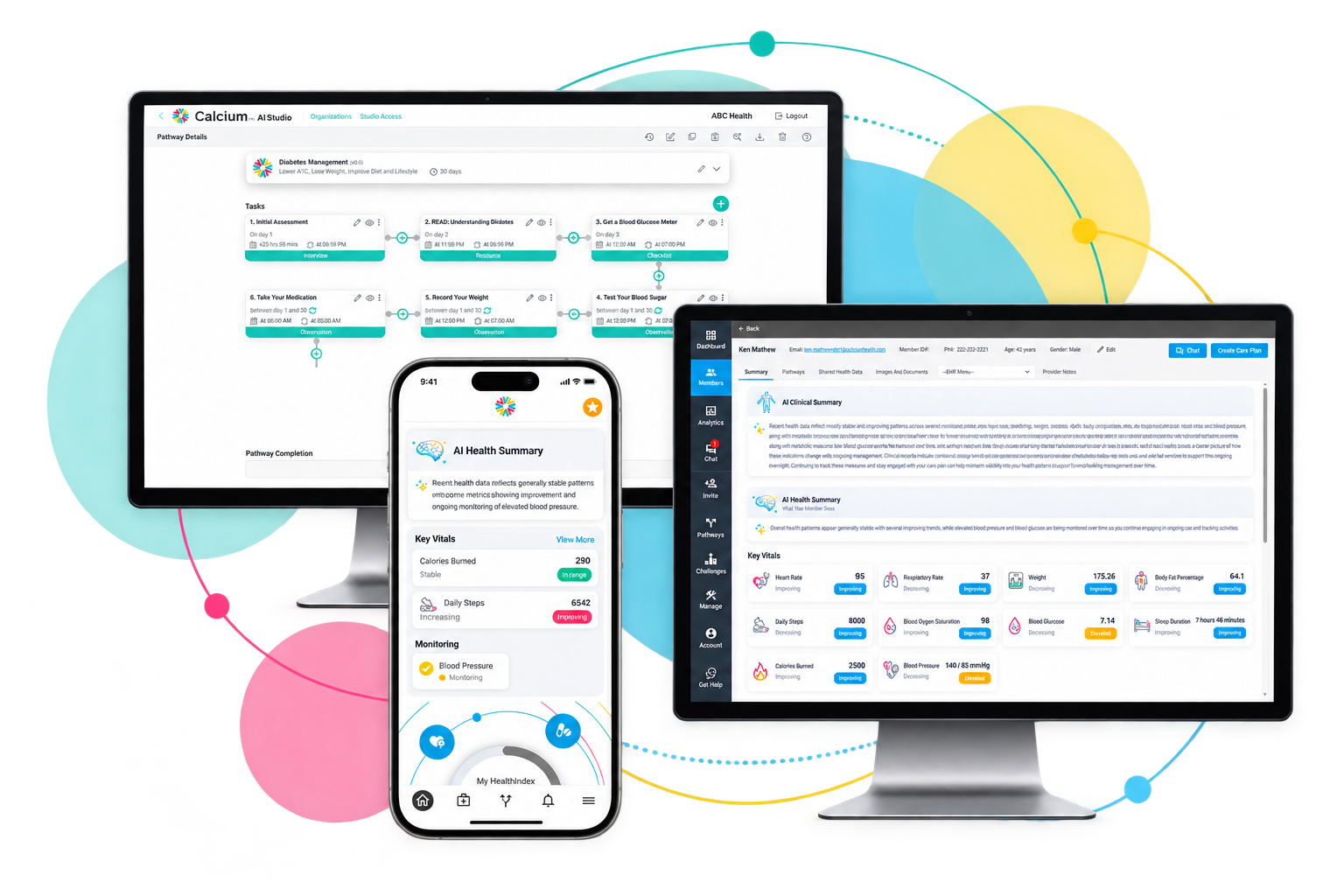
Super App (Patient-Facing)
- "My Pathways" dashboard shows exactly what to do and when
- Real-time alerts and reminders for meds, exercises, and hydration
- Symptom logging and feedback tools
- Health journal and mood tracking
- Integration with wearables and glucometers
Calcium Core (Provider-Facing)
- Assign and monitor recovery pathways
- View real-time patient-reported outcomes
- Automate compliance tracking and risk alerts
- Customise plans for different surgery types or patient risk levels
AI Studio (Behind the Scenes)
- Generate new pathways based on patient profiles
- Use AI to adapt steps as recovery unfolds
- Support predictive analytics for complications or non-adherence
In short, it’s not just about helping patients recover it’s about helping them recover smarter, faster, and with fewer setbacks.
The Bigger Picture: Value-Based Care and Better Outcomes
Let’s not forget the system-wide benefits. Health systems moving toward value based care need tools that prevent avoidable costs. Pathway-based outpatient recovery:
- Reduces unnecessary readmissions and ER visits
- Improves patient satisfaction and HCAHPS scores
- Streamlines staffing and reduces manual follow-ups
- Enables bundled payments and episode-of-care reimbursements
It’s better care for the patient and a better model for the system. Everybody wins.
The Wrap
Outpatient surgery recovery shouldn’t feel like guesswork for patients or providers. With pathway-based care, we don’t leave healing to chance. We guide it. We structure it. We personalise it. And when powered by a digital platform like Calcium, those pathways become living, breathing tools that adapt to each patient's needs and progress in real time.
From smarter pre-op prep to day-by-day recovery steps, Calcium offers a digital bridge between the surgical table and full recovery, without overwhelming patients or overburdening care teams. For providers, it's an elegant solution that aligns perfectly with value-based care models. For patients, it's the peace of mind they deserve in one of life’s most vulnerable moments.
Reference
- Afonso, A. M., McCormick, P. J., Assel, M. J., Rieth, E., Barnett, K., Tokita, H. K., Masson, G., Laudone, V., Simon, B. A., & Twersky, R. S. (2021). Enhanced Recovery Programs in an Ambulatory Surgical Oncology Center. Anesthesia & Analgesia, 133(6), 1391–1401. https://doi.org/10.1213/ANE.0000000000005356
- Laudone, V. P., Durany, R., Ehdaie, B., Leitao, M. M., Levine, M., Mehrara, B., Patel, S. G., Scardino, P. T., Sclafani, L. M., Sivaraman, A., Stein, D., Tseng, B., Twersky, R., & Simon, B. A. (2017). Performing complex cancer surgery in the ambulatory setting. Journal of Clinical Oncology, 35(8_suppl), 106–106. https://doi.org/10.1200/jco.2017.35.8_suppl.106
- Oosterholt, R. I., Simonse, L. W. L., Boess, S. U., & Vehmeijer, S. B. W. (2017). Designing a Care Pathway Model – A Case Study of the Outpatient Total Hip Arthroplasty Care Pathway. International Journal of Integrated Care, 17(1), 2. https://ijic.org/articles/10.5334/ijic.2429
- None Jinghua Shi, None Qiang Su, & None Zhongsheng Zhao. (2008). Critical factors for the effectiveness of clinical pathway in improving care outcomes. https://ieeexplore.ieee.org/document/4598529
- Flics, S., Duggal, S., Kujawa, K., & Cornell, C. N. (2020). Introduction of Clinical Pathways in Orthopedic Surgical Care: The Experience of the Hospital for Special Surgery. Springer EBooks, 437–443. https://doi.org/10.1007/978-3-030-35570-8_35
- Tian, Y.-Q., Xiu-Fang Lv, Zhang, M., Gao, M., & Zhao, L. (2025). Implementation of Pathway-Based Care for Patients Undergoing Daytime Cholecystectomy. Patient Preference and Adherence, Volume 19, 383–392. https://doi.org/10.2147/ppa.s492763