Smart Strategies to Streamline Surgical Care, Boost Efficiency, and Stay Ahead of Compliance Demands
The healthcare landscape is shifting fast, and ambulatory surgery centers (ASCs) are right at the heart of that transformation. With shorter stays, faster procedures, and rising patient volumes, ASCs are redefining what efficient, high-quality surgical care looks like.
But to keep pace with modern demands, these centers need more than skilled surgeons and streamlined workflows they need smart, integrated health IT systems that do the heavy lifting behind the scenes. From patient safety to real-time scheduling, digital tools are no longer a luxury they’re essential infrastructure. Yet many centers still rely on outdated processes that create more work than value.
If you're navigating the chaos of clunky software, missed patient follow-ups, or compliance headaches, you're not alone. But there’s a better way. Let’s talk about what works when it comes to health IT in ASCs and how the right implementation strategy can unlock lasting impact without disrupting your daily operations.
Start With an Honest Assessment
Before diving into implementation, it’s crucial to take a step back and assess where your ambulatory surgery center stands today. Think of this like inspecting the foundation before building a house if you skip this step, every system you add later could be sitting on shaky ground.
Start with a thorough technology audit. Identify what you currently use for scheduling, billing, clinical documentation, and patient communications. Are these systems integrated? Or are you constantly switching between platforms and paper notes?
Next, walk through the full patient journey with your staff. Pinpoint where bottlenecks, delays, or communication errors occur. Is pre-op information lost between providers? Are post-op instructions unclear or missed? These pain points are golden opportunities for Health IT to step in.
Finally, bring your team into the process early. Clinical staff, administrators, and even front-desk personnel should help define priorities. According to the Unified Theory of Acceptance and Use of Technology (UTAUT), people are more likely to adopt new tech when they believe it improves job performance, is easy to use, and has organisational support all key elements to keep in mind when planning your rollout.
Integration Is Everything
If your systems don’t talk to each other, your staff ends up doing all the talking. Unfortunately, that’s still the case for many ASCs. A national survey found that nearly half of ambulatory surgery centers had no electronic health record (EHR) system at all, and many lacked even basic digital capabilities.
Disconnected platforms create real dangers: lost lab results, redundant data entry, and missed referrals. Worse, they make it harder to provide the seamless, value-based care that today’s patients expect.
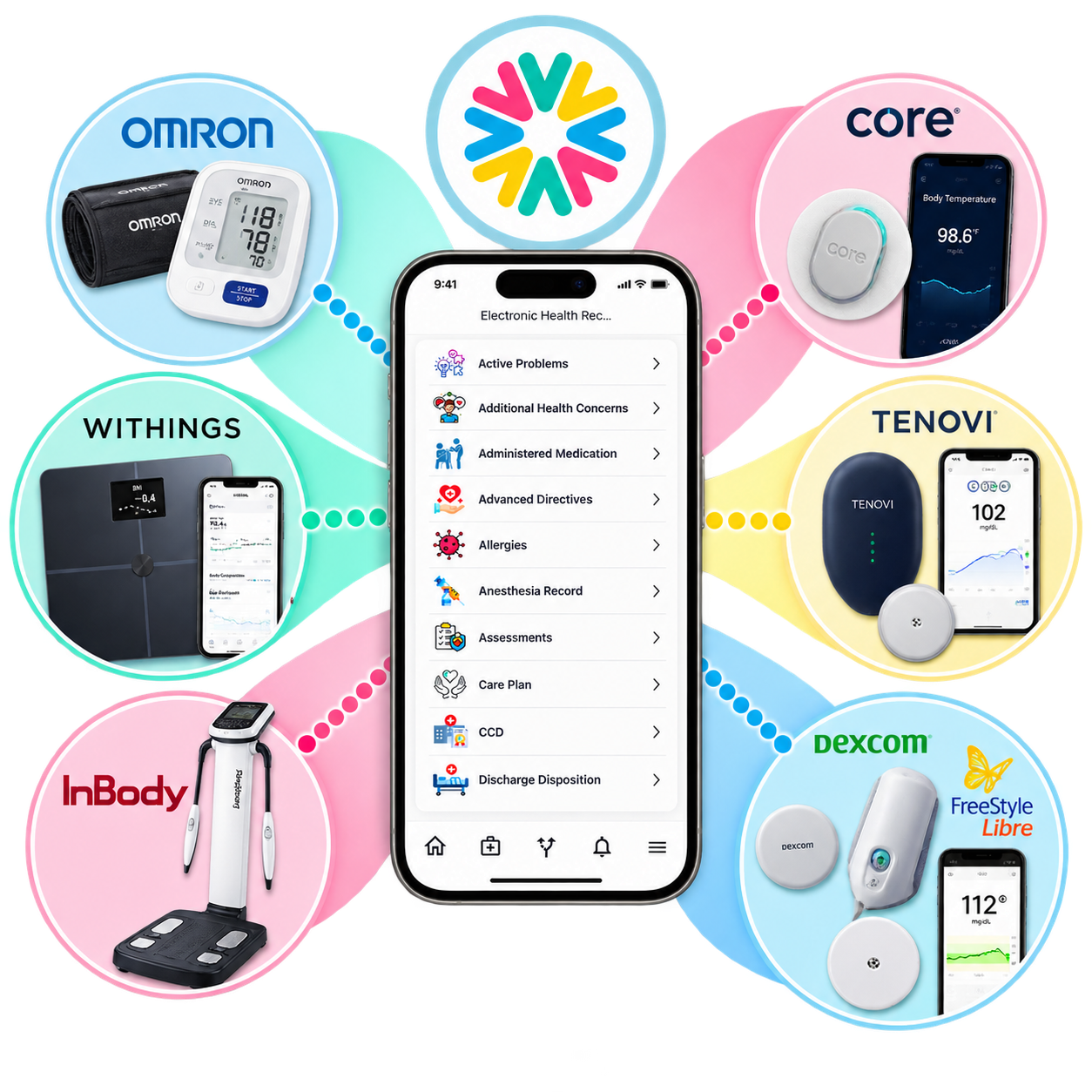
That’s why interoperability should be at the top of your checklist. You want a health IT solution that can:
- Integrate with hospitals and referring physician systems
- Sync with diagnostic labs and radiology centres
- Allow for real-time sharing of patient data pre and post-op
- Support data export for quality reporting and compliance
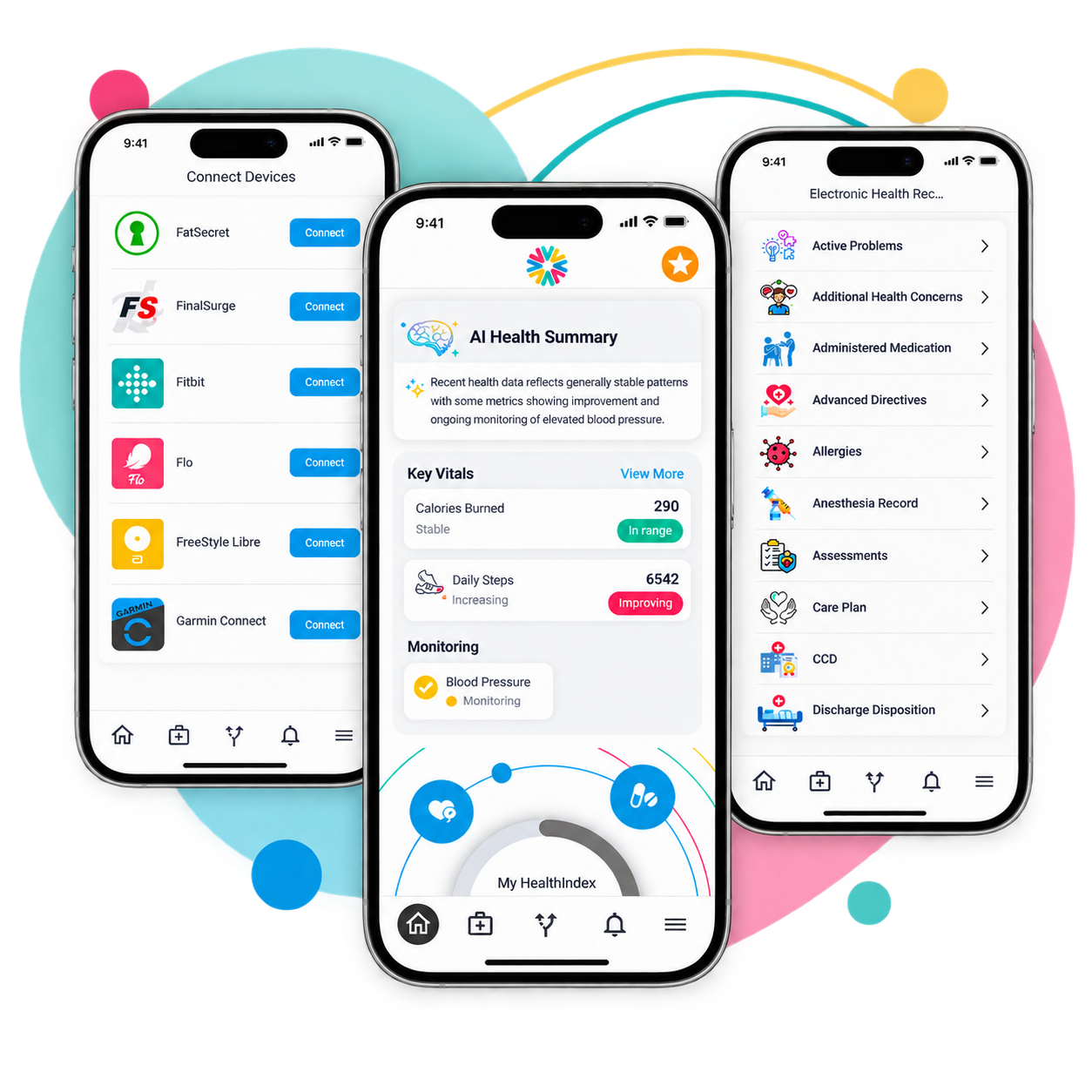
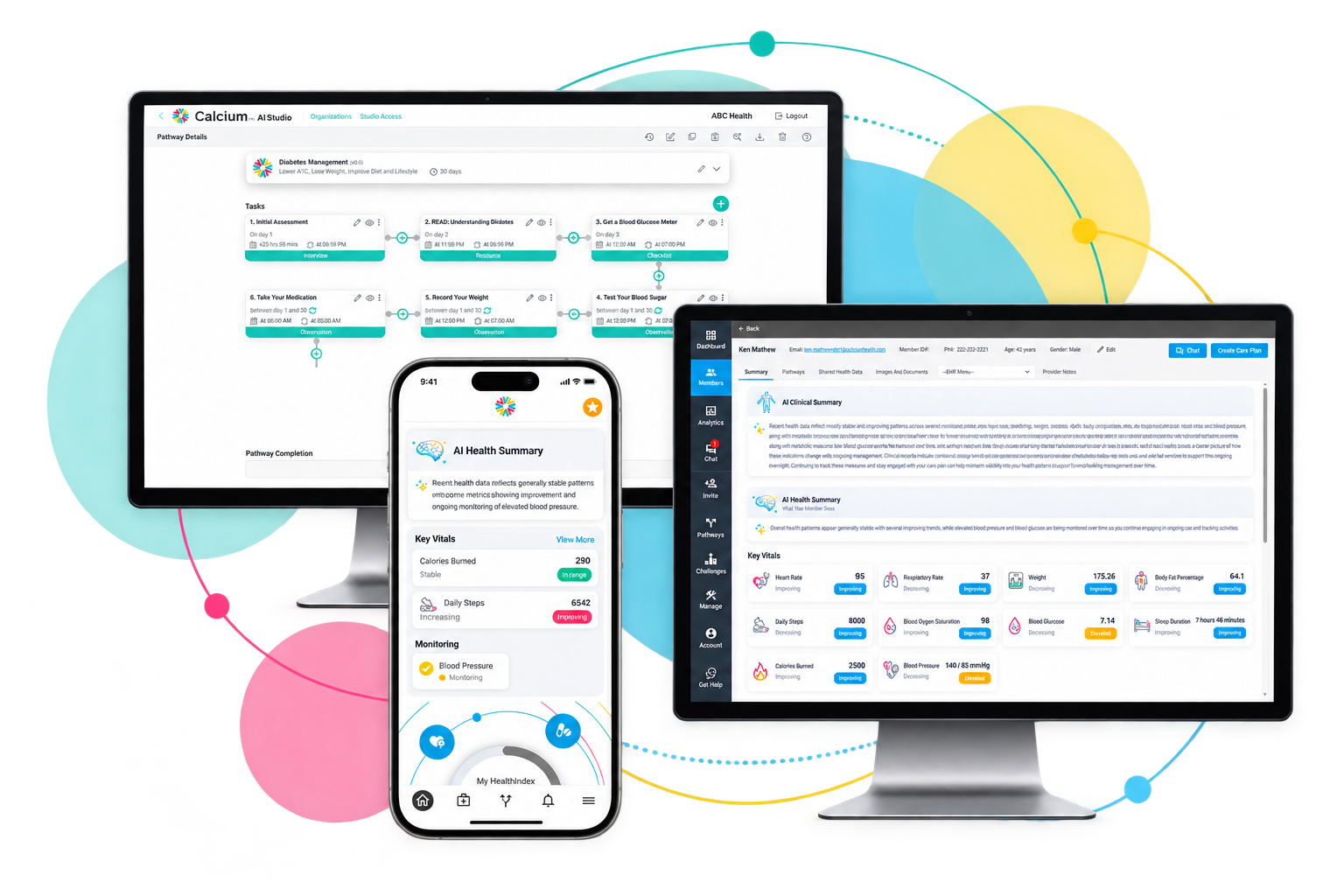
Platforms like Calcium are designed with these goals in mind bridging systems to support patient handoffs and reducing the risk of communication breakdowns that can jeopardise care.
Choose Tools Built for the ASC Environment
Hospital-grade software doesn’t always translate well to ambulatory care. The pace is faster, the visits are shorter, and the margins are tighter. That’s why using oversized EHRs or generic platforms can feel like steering a cruise ship through a canal it’s awkward, slow, and overkill.
ASCs need software tailored to their specific needs. Look for systems that:
- Prioritise surgical workflow, not just primary care
- Offer intuitive user interfaces that reduce clicks and charting time
- Automate routine tasks like surgical checklists and discharge summaries
- Support speciality-specific templates (e.g., GI, ophthalmology, ortho)
Think of it like custom tailoring a platform built for your setting will fit better, perform smoother, and leave your team feeling empowered, not frustrated.
Make Patient Engagement a Built-In Feature
Want fewer no-shows, better prep compliance, and higher satisfaction scores? Start by meeting patients where they are: on their phones.
Despite the proven value of digital communication, many ASCs still rely on outdated methods. In one study, fewer than 25% of physicians used email or mobile communication tools with patients. That’s a missed opportunity to make surgical care more accessible and engaging.
To improve the patient experience, your health IT system should:
- Send automatic appointment reminders via text or email
- Deliver personalised pre-op instructions digitally
- Allow patients to complete forms or e-consents on their devices
- Provide post-op care tips and medication reminders through an app
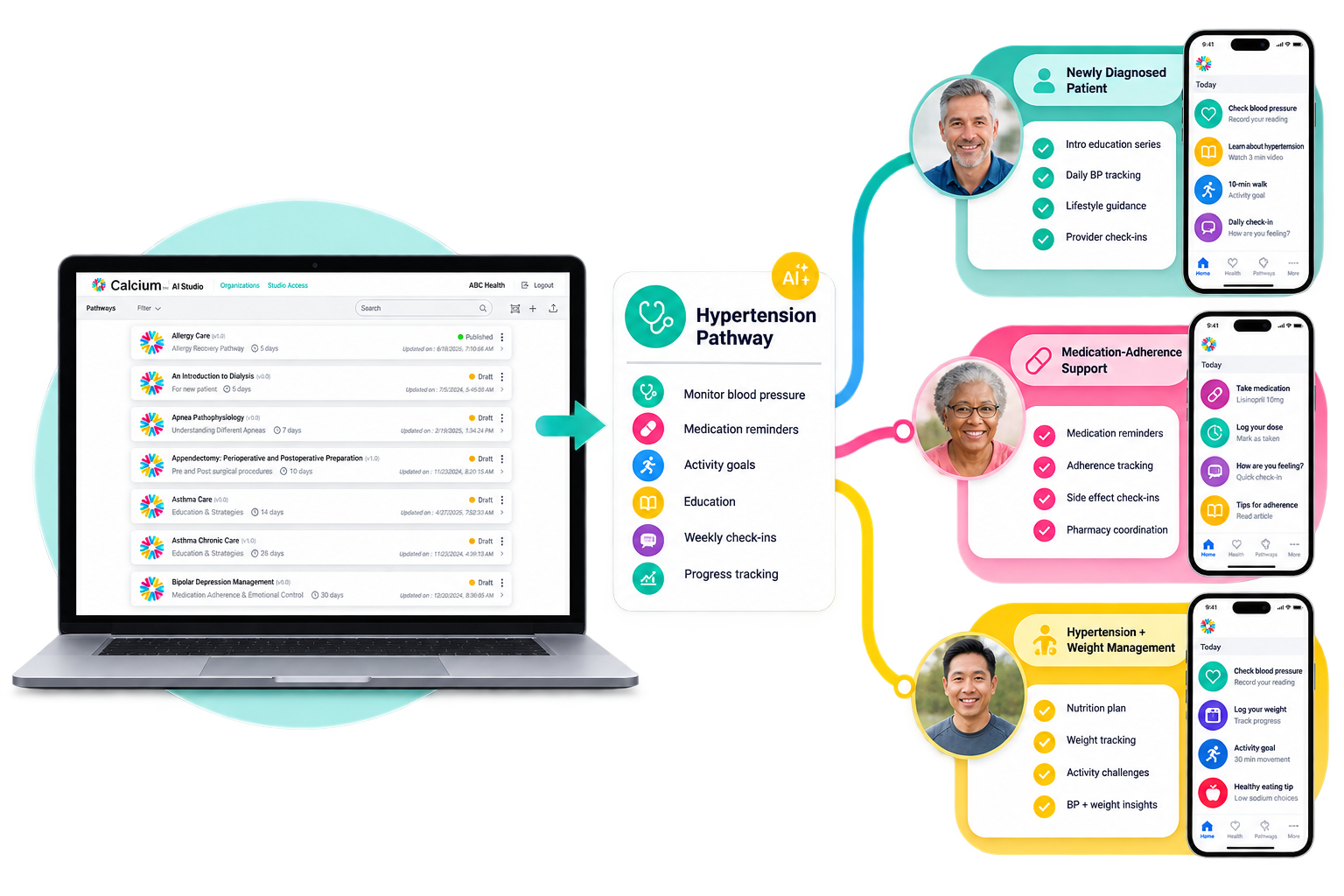
Platforms like Calcium take this further by offering mobile-first tools that integrate directly with the care plan. Think of it as putting a virtual care assistant in every patient’s pocket—one that guides them every step of the way.
Build Security and Compliance from the Ground Up
Implementing new IT without a solid security strategy is like installing new windows but leaving the front door unlocked. In an era of increasing cyber threats and regulatory complexity, ASCs must treat cybersecurity and compliance as non-negotiables.
Here’s what to look for:
- End-to-end encryption for all patient data
- Role-based access controls
- Built-in HIPAA compliance tools
- Regular system backups and disaster recovery options
- Automatic updates to stay ahead of CMS and accreditation standards
Health IT can also simplify reporting. From the ASC Quality Reporting Program (ASCQR) to CMS's Physicians Quality Reporting System (PQRS), your system should make it easy to generate the data you need, without hours of manual entry.
Train Your Team Like It Matters—Because It Does
Too many implementations fail because organisations assume software will fix everything by itself. The truth? Even the most powerful system is useless if your team doesn’t know how or want to use it.
Training shouldn’t be a one-time event. It should be a continuous process baked into your implementation plan. You should:
- Create super-users who can coach peers
- Offer hands-on, role-specific training
- Provide easy access to how to videos and help resources
- Build a culture of feedback where staff can report bugs or suggest improvements
And don’t forget: attitude is contagious. When your leadership team embraces the new platform, others will follow.
Let Data Drive Continuous Improvement
Once your system is live, it’s time to turn it into a performance engine. The best health IT platforms don’t just collect data they transform it into insights that drive better outcomes.
Track key metrics like:
- Average surgical prep and turnover times
- Post-op complications and readmission rates
- Patient satisfaction and feedback
- Staff productivity and workflow efficiency
- Billing cycle time and payment delays
These insights are the lifeblood of value-based care. They help you identify what's working, spot areas for improvement, and demonstrate measurable ROI to stakeholders.
More importantly, they help you deliver care that’s safer, smarter, and more patient-centred.
Avoid the Pitfalls That Derail Progress
Even the best-laid plans can go sideways. To stay on track, be aware of the common pitfalls that trip up many ASCs:
- Skipping the planning phase: Jumping in without assessing needs leads to mismatched tools.
- Choosing overly complex systems: Too many bells and whistles can overwhelm staff.
- Ignoring the patient experience: Systems that don’t support engagement will frustrate users and patients alike.
- Underestimating the change management required: Tech alone doesn’t change culture people do.
A thoughtful implementation, grounded in your ASC’s real-world needs, will keep your investment from becoming just another sunk cost.
The Wrap
Implementing health IT in your ambulatory surgery centre isn’t just about going digital it’s about building a smarter, safer, and more connected experience for your patients and your team. With the right strategy, your ASC can move from fragmented systems and manual processes to a streamlined, data-driven operation that saves time, improves outcomes, and keeps you ahead of compliance standards.
Whether you're upgrading your EHR, automating workflows, or enhancing patient engagement, the tools you choose matter. That’s where the Calcium digital health platform comes in. Built for the future of ambulatory care, Calcium delivers the integration, customisation, and mobile-first features ASCs need to thrive in today’s fast-moving healthcare environment. Ready to see how digital transformation can work for your surgery centre, not against it?
Reference
-
-
-
- Wiggins, C., Peterson, T., & Moss, C. (2015). Ambulatory surgery centers׳ use of Health Information Technology. Health Policy and Technology, 4(2), 100–106. https://doi.org/10.1016/j.hlpt.2015.02.006
- Cullen, K. A., Hall, M. J., & Golosinskiy, A. (2009, January 28). Ambulatory surgery in the United States, 2006. Cdc.gov. https://stacks.cdc.gov/view/cdc/5395
- Allen, J., & Petersen, B. (n.d.). Clinical Gastroenterology and Hepatology 2014;12:911-918 PRACTICE MANAGEMENT: THE ROAD AHEAD. https://doi.org/10.1016/j.cgh.2014.04.002
- Deimazar, G., Kahouei, M., Zamani, A., & Ganji, Z. (2018). Health information technology in ambulatory care in a developing country. Electronic Physician, 10(2), 6319–6326. https://doi.org/10.19082/6319
-
-