Implementing AI-Powered Decision Support Systems in Perioperative Care
Understanding AI-Powered Decision Support Systems
Preoperative Phase: Precision and Preparation
Risk Stratification: AI can analyze patient history, lab results, and imaging studies to predict surgical risks. This allows for better patient stratification and tailored preoperative plans. Imagine having a crystal ball that tells you which patients are at higher risk for complications—AI does just that.
Scheduling Optimization: AI algorithms can optimize surgical schedules based on patient needs, surgeon availability, and OR resources. This reduces wait times and maximizes the utilization of surgical suites.
Personalized Preoperative Plans: By analyzing individual patient data, AI can recommend specific preoperative interventions, such as dietary adjustments or prehabilitation exercises, to enhance surgical outcomes.
Intraoperative Phase: Real-Time Assistance
Surgical Navigation: AI-powered DSS can assist surgeons by providing real-time guidance during procedures. Think of it as having a GPS for your surgery, ensuring you stay on the best path.
Anesthesia Management: AI can monitor and adjust anesthesia levels in real-time, ensuring patient safety and optimal sedation. This reduces the risk of anesthesia-related complications.
Predictive Analytics: By analyzing intraoperative data, AI can predict potential complications before they arise, allowing surgeons to take proactive measures.
Postoperative Phase: Enhanced Recovery and Monitoring
Early Complication Detection: AI can monitor postoperative data, such as vital signs and lab results, to detect complications early. This enables timely interventions and reduces the risk of readmissions.
Personalized Recovery Plans: Based on patient data, AI can recommend tailored recovery plans, including physical therapy, medication adjustments, and follow-up schedules.
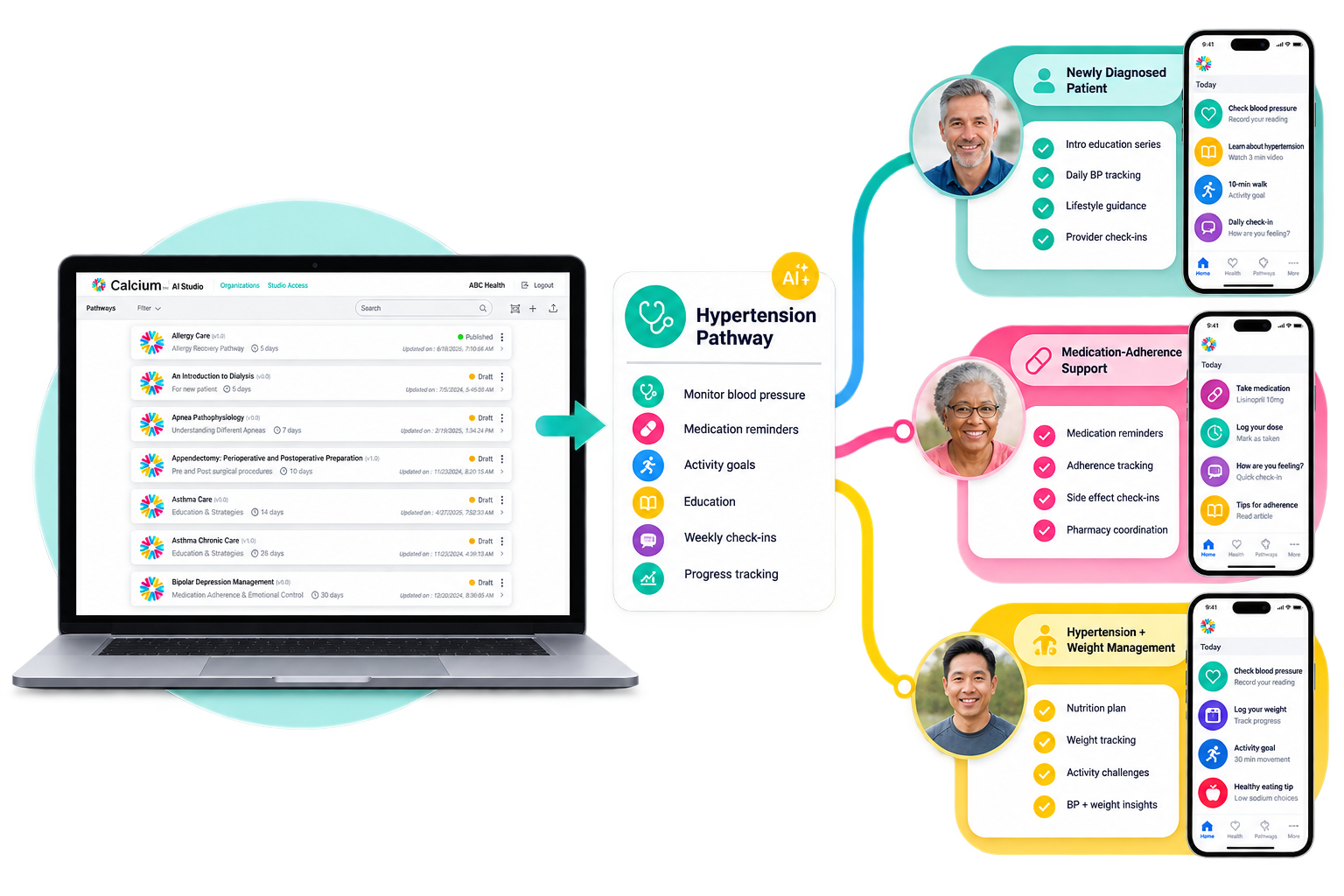
Patient Engagement: AI-powered apps can engage patients in their recovery process, providing reminders for medication, exercises, and follow-up appointments. This ensures better adherence to recovery plans.
Benefits of Implementing AI-Powered DSS in Perioperative Care
Improved Patient Outcomes: With precise risk stratification, real-time intraoperative guidance, and early complication detection, patient outcomes improve significantly.
Increased Efficiency: Optimized scheduling and resource utilization streamline operations, reducing costs and increasing the number of surgeries performed.
Enhanced Patient Satisfaction: Personalized care plans and proactive monitoring lead to better patient experiences and satisfaction.
Reduced Burnout: AI can handle routine tasks and data analysis, allowing healthcare professionals to focus on patient care, reducing burnout and improving job satisfaction.
Challenges and Considerations
Data Privacy and Security: Ensuring patient data privacy and security is paramount. Implement robust cybersecurity measures and comply with regulations like HIPAA.
Integration with Existing Systems: Seamless integration with existing EHR systems and workflows is crucial for the successful implementation of AI-powered DSS.
Training and Adaptation: Healthcare professionals need training to effectively use AI tools. Continuous education and support are essential for smooth adaptation.
Cost: Initial investment in AI-powered DSS can be high, but the long-term benefits often outweigh the costs. Consider the return on investment (ROI) when evaluating these systems.
Real-World Applications and Success Stories
Johns Hopkins Hospital: Implemented an AI-powered DSS for sepsis detection, reducing sepsis-related mortality by 18%.
Mayo Clinic: Uses AI to predict surgical complications, resulting in a 30% reduction in postoperative complications.
Cleveland Clinic: Leveraged AI for personalized postoperative care plans, improving patient recovery times and satisfaction.
Future Trends in AI-Powered Perioperative Care
Predictive Maintenance of Surgical Equipment: AI can predict equipment failures, ensuring timely maintenance and reducing downtime.
Virtual Reality (VR) and Augmented Reality (AR): Integration of AI with VR and AR for surgical training and intraoperative guidance.
Telemedicine Integration: AI-powered telemedicine platforms for remote preoperative assessments and postoperative follow-ups.
Natural Language Processing (NLP): AI-driven NLP for automatic documentation and data extraction from clinical notes.