Türkiye’de bahis severler için en çok tercih edilen bettilt giriş adreslerden biri olmaya devam ediyor.
Curacao lisanslı platformlar arasında güvenilirlik açısından üst sıralarda bahsegel giriş yer alan, uluslararası denetimlerden başarıyla geçmiştir.
Kazançlı bahis deneyimi arayan herkes için bettilt doğru seçimdir.
Rulet masalarında en çok tercih edilen bahis türleri arasında kırmızı/siyah ve tek/çift seçenekleri yer alır; pinco giriş bu türleri destekler.
Basketbol tutkunları için en iyi kupon fırsatları bettilt sayfasında yer alıyor.
Smart Moves That Elevate Patient Outcomes and Strengthen Provider Performance
Healthcare is undergoing a seismic shift. The days of reactive, one-size-fits-all treatment are fading fast, replaced by models that prioritize outcomes, prevention, and patient experience.
But making value-based care (VBC) work in the real world is easier said than done. Providers face rising expectations—from payers, patients, and policy leaders—while juggling limited resources and fragmented systems. The pressure to improve outcomes while staying financially viable has never been higher.
So, how do you stay ahead in this new landscape? It’s not about having more data—it’s about using it better. It’s not just about caring more—it’s about caring smarter. Winning in VBC means shifting from participation to performance. Whether you’re just stepping into this model or already deep in the transition, now is the time to refine your strategy and embrace the tools that make better care possible—for everyone involved.
Understanding the Goals of Value-Based Care
At its core, value-based care (VBC) is about delivering better health outcomes, not just more healthcare. It flips the traditional fee-for-service model by rewarding providers for results, not volume. That means improved patient satisfaction, fewer hospital visits, and smarter use of resources.
The challenge? Moving from theory to practice. To truly thrive in a VBC model, providers must rethink how care is delivered, tracked, and rewarded.
Common Roadblocks to Success in VBC
VBC has clear goals, but the path isn’t always smooth. Many organizations hit predictable roadblocks:
- Fragmented data systems that make it hard to see the full patient picture
- Limited visibility into outcomes due to outdated metrics or reporting tools
- Weak patient engagement between visits
- Care team silos that lead to duplicative or conflicting care plans
- Unaddressed social determinants of health (SDOH)
These aren’t just minor bumps. They can derail the very outcomes VBC aims to improve.
Strategy #1: Build a Unified Data and Analytics Foundation
To drive better outcomes, you need better visibility. That starts with data. Providers need real-time access to clinical, behavioral, and lifestyle information across their entire population.
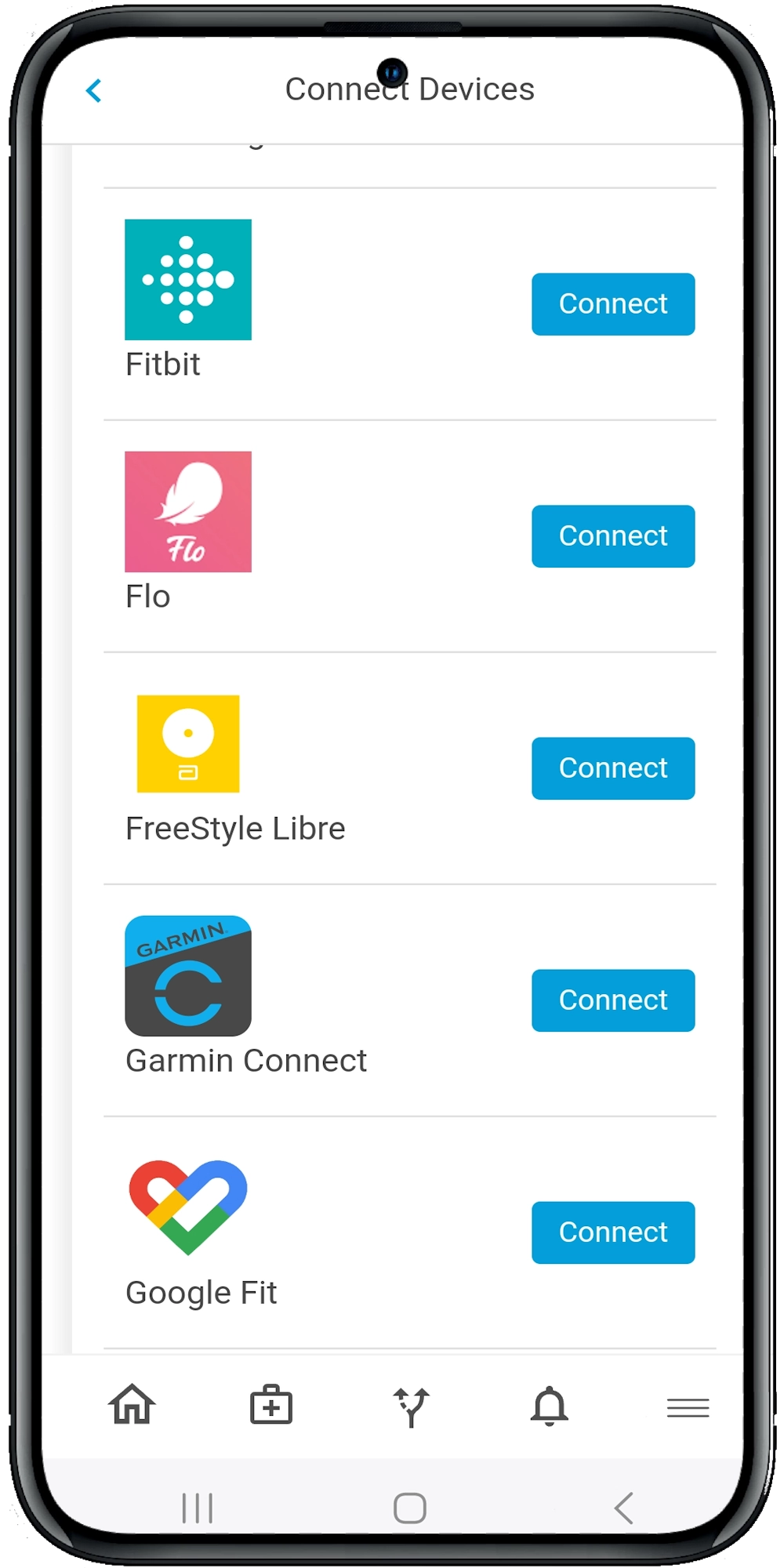
Platforms like Calcium Core make this possible by aggregating EHR data, wearable inputs, and self-reported health updates into a single, actionable dashboard. Instead of guessing who might be at risk, care teams can use predictive analytics to intervene early and effectively.
Key features that support this strategy include:
- Risk stratification to identify patients most likely to benefit from intervention
- Performance dashboards tied to value-based contract metrics
- Population-level insights for strategic planning and resource allocation
Strategy #2: Empower Patients with Guided Digital Engagement
Patients don’t just need support when they’re in the office—they need it every day. That’s where guided digital engagement comes in.
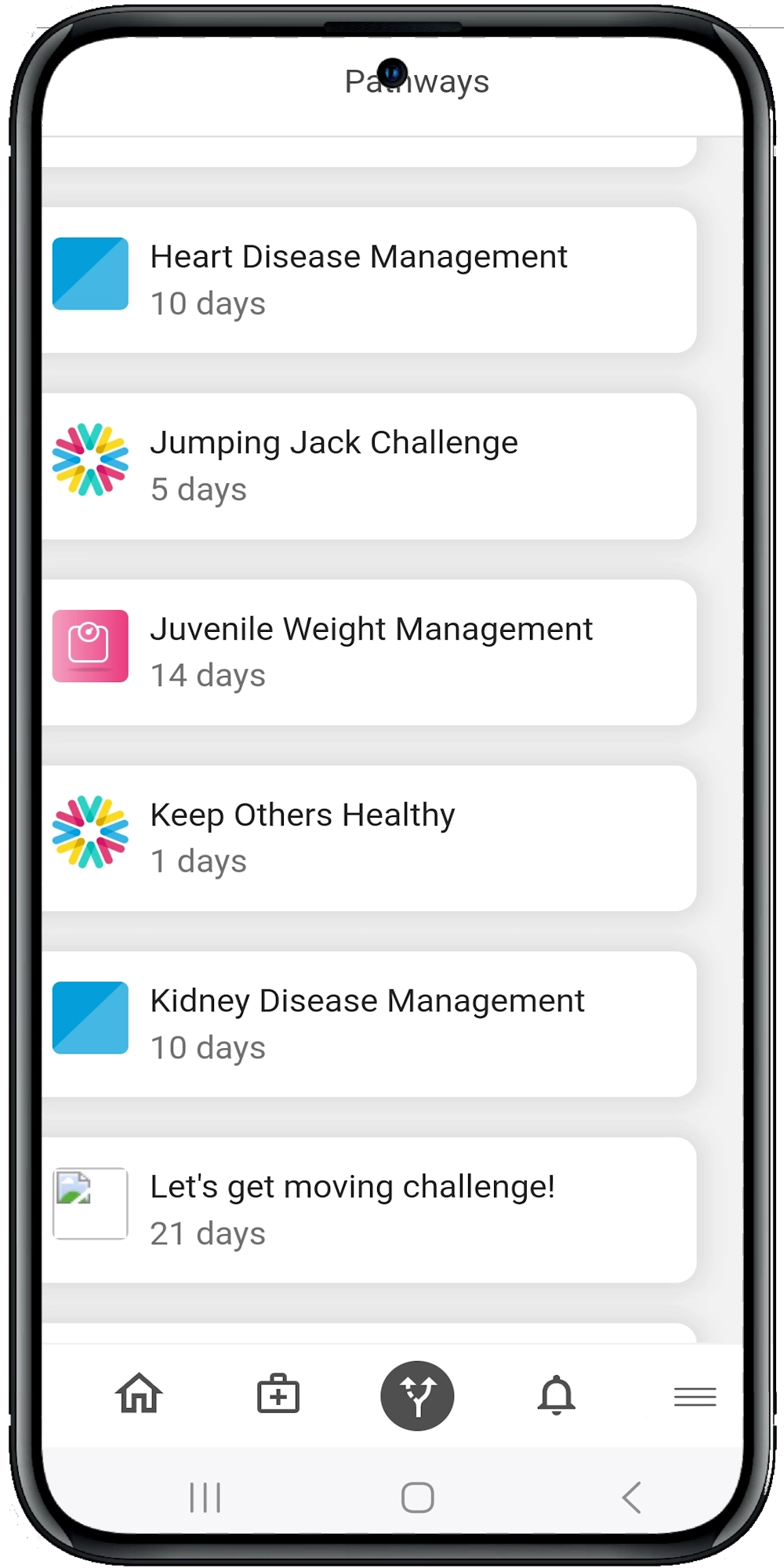
Using mobile tools like the Calcium Super App, providers can deploy personalized digital pathways that support chronic disease management, post-operative recovery, or even preventive wellness.
Here are a few components that make guided engagement effective:
- Daily prompts and reminders tailored to individual health goals
- Mood and symptom tracking to monitor behavioral health
- Education modules to improve health literacy
- Two-way messaging with care teams for real-time support
The result? Patients feel seen, supported, and more in control—which directly impacts adherence and outcomes.
Strategy #3: Design for Whole-Person Care, Including SDOH
You can’t improve health outcomes if you ignore what’s happening outside the exam room. Factors like transportation, food insecurity, housing instability, and stress have a profound effect on patient health.
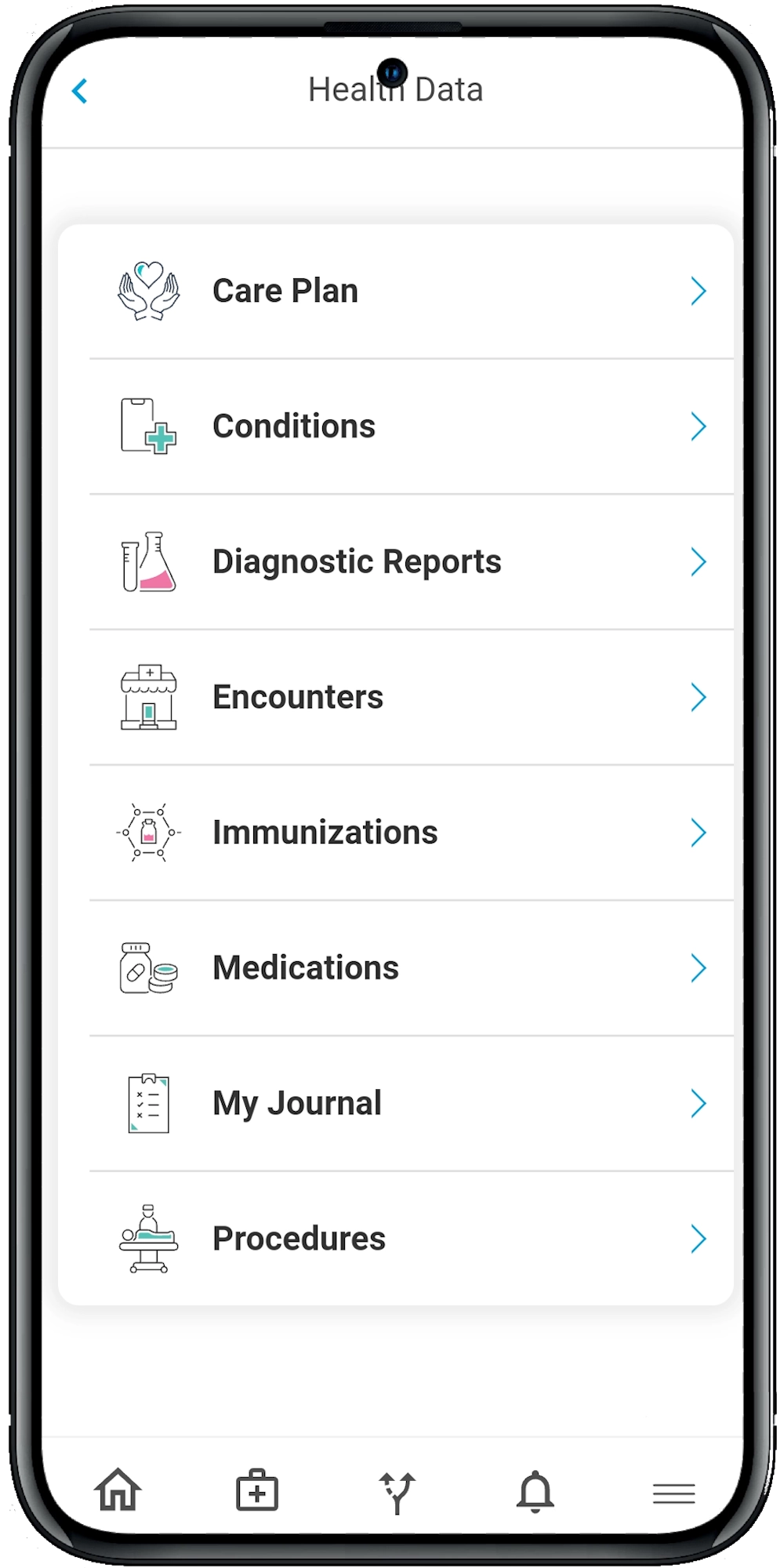
Optimizing VBC means integrating SDOH into both care plans and care delivery. Digital platforms can help by:
- Embedding SDOH screening tools into patient intake workflows
- Connecting patients to local and virtual resources
- Tracking non-clinical risk factors alongside clinical data
Platforms like Calcium allow providers to document and address SDOH without adding workflow burden, which is key to sustainable whole-person care.
Strategy #4: Create Collaborative, Team-Based Workflows
Value-based care is a team sport. No single provider can meet outcome benchmarks alone. That means collaboration across primary care, specialists, behavioral health, and community support.
Calcium supports this by enabling shared dashboards and communication threads across the care team. Whether you’re managing an orthopedic trauma recovery or coordinating care for a patient with CKD and depression, everyone sees the same patient story.
Effective team-based care often includes:
- Shared patient goals and care plan updates
- Task assignment to nurses, coaches, or social workers
- Visibility into engagement status and pathway progress
When everyone’s on the same page, patients move forward faster.
Strategy #5: Align Incentives with Measurable Goals
Success in VBC requires alignment at every level—from leadership to front-line clinicians. That means aligning compensation, performance reviews, and care protocols with the outcomes that matter most.
Here’s how to make that work:
- Define clear outcome targets that match payer agreements
- Tie provider performance metrics to quality improvement, not just throughput
- Use digital tools to track progress in real time, reducing surprises at the end of a reporting period
Calcium’s dashboards support this by visualizing goal progress and surfacing actionable next steps for care teams.
Strategy #6: Start Small, Then Scale
Not every organization can overhaul its entire model overnight—and that’s okay. The most successful VBC implementations begin with a pilot program that builds internal support and proves ROI.
Start with:
- A specific condition (e.g., heart failure, diabetes)
- A targeted population (e.g., high utilizers, dual-eligible patients)
- A defined digital care pathway
Once you have the data to show success, scale to other conditions or patient groups. Calcium’s modular system makes it easy to replicate what works while adapting for population-specific needs.
Real-World Outcomes: Digital-Driven VBC in Action
The strategies outlined above aren’t hypothetical. They’re already being used across health systems and ACOs to drive measurable improvements.
For example:
- Kidney Care. In CMS’s KCC model, providers using digital pathways delayed dialysis, increased transplant referrals, and cut ER use.
- Behavioral Health. Medicaid pilots integrating mental health with chronic care management saw reductions in hospital readmissions and improved medication adherence.
- Post-Surgical Recovery. Orthopedic practices using Calcium’s recovery pathways cut follow-up visit volume while improving pain scores and mobility metrics.
Each success story proves that digital infrastructure and care model innovation go hand-in-hand.
The Wrap
Optimizing outcomes in a value-based care model isn’t about working harder—it’s about working smarter. With the right tools, mindset, and workflows, providers can not only meet VBC expectations but exceed them. And platforms like Calcium are proving that this future isn’t just possible—it’s already here.
The path to success in value-based care isn’t paved with good intentions alone—it requires smart strategy, real-time insights, and seamless collaboration. As the healthcare system continues to shift from volume to value, providers must lean into tools that make care more proactive, more personalized, and more efficient.
That’s where the right technology becomes a game changer. Calcium’s digital platform was designed to help teams not just meet expectations, but exceed them. From guided care pathways to real-time data integration, Calcium empowers providers to close care gaps, engage patients daily, and improve outcomes across entire populations. Whether you’re launching your first VBC initiative or optimizing an existing program, now’s the time to align your strategy with the tools that can make it work.
Reference
- Bae, J.-M. (2015). Value-based medicine: Concepts and Application. Epidemiology and Health, 37(37), e2015014.https://doi.org/10.4178/epih/e2015014
- Kristoffer Dahl Møberg, & Malmmose, M. (2024). A value‐based healthcare approach. Financial Accountability & Management. https://doi.org/10.1111/faam.12402
- Chee, T. T., Ryan, A. M., Wasfy, J. H., & Borden, W. B. (2016). Current State of Value-Based Purchasing Programs. Circulation, 133(22), 2197–2205. https://doi.org/10.1161/circulationaha.115.010268
- Cattel, D., & Eijkenaar, F. (2020). Value-Based Provider Payment Initiatives Combining Global Payments With Explicit Quality Incentives: A Systematic Review. Medical Care Research and Review, 77(6), 107755871985677. https://doi.org/10.1177/1077558719856775