Türkiye’de bahis severler için en çok tercih edilen bettilt giriş adreslerden biri olmaya devam ediyor.
Curacao lisanslı platformlar arasında güvenilirlik açısından üst sıralarda bahsegel giriş yer alan, uluslararası denetimlerden başarıyla geçmiştir.
Kazançlı bahis deneyimi arayan herkes için bettilt doğru seçimdir.
Rulet masalarında en çok tercih edilen bahis türleri arasında kırmızı/siyah ve tek/çift seçenekleri yer alır; pinco giriş bu türleri destekler.
Basketbol tutkunları için en iyi kupon fırsatları bettilt sayfasında yer alıyor.
Empowering Early Detection and Personalized Interventions Through Connected Health Data
Preventive care is finally having its moment—and for good reason. As healthcare shifts away from episodic treatment and toward long-term wellness, early detection and proactive management are becoming essential tools in every provider’s toolkit.
But here’s the catch: preventive care can’t succeed without the right foundation.
That foundation? Reliable, accessible, and connected patient electronic health records. Without complete and real-time access to a person’s health journey, we’re left guessing instead of guiding. Providers can’t spot subtle trends, and patients are left out of their own care story. In a time when technology can track your heartbeat from a wristwatch, there’s no excuse for fragmented records.
The Untapped Power of Patient EHRs in Prevention
Patient electronic health records (EHRs) were designed to bring clarity to the chaos of paper-based medicine. But their real power? It’s in prevention. When patient data is timely, accurate, and complete, it opens the door to spotting health issues before they become full-blown problems.
A robust EHR isn’t just a record of past visits—it’s a living, breathing timeline of someone’s health story. As noted in a comprehensive review of electronic patient records, well-implemented systems improve data accuracy and operational efficiency, support decision-making, and reduce redundant testing. In short, EHRs lay the groundwork for smarter, more proactive care.
But there’s a catch: most EHRs weren’t built with prevention in mind.
7 Reasons Current Patient EHRs Fall Short on Prevention
Even though EHRs are everywhere, most still don’t deliver on the promise of preventive care. Here’s why:
1. Patients Lack Real Access and Control
Let’s start with the basics: if patients can’t see or update their own health records, how can they engage in their care?
Many legacy systems hide patient data behind outdated portals or incomplete views. What’s worse, patients rarely have the tools to add their own insights—like tracking symptoms, sleep, or stress—directly into the record.
Studies have flagged this gap clearly. Hoerbst and Ammenwerth’s research found that most EHRs fall short in patient empowerment, offering little opportunity for users to truly own or act on their health data
2. Records Are Scattered Across Multiple Systems
A single patient might have labs from one provider, prescriptions from another, and imaging done elsewhere—all stored in separate, siloed systems.
Without a single source of truth, important patterns fall through the cracks. That means providers might miss early warnings, and patients are stuck piecing together their own histories like a puzzle.
3. Information Is Buried in Complex Interfaces
It’s not just about having the data—it’s about making it usable.
Patients often receive information in PDF files or dense clinical language they can’t interpret. Providers, too, face overloaded dashboards and poor workflows that make preventive flags hard to spot.
EPR research makes it clear: systems that ignore human factors—like clarity, usability, and workflow fit—create more friction than value.
4. There’s No Real-Time Connection to Daily Health
Most traditional EHRs reflect only what happens inside a clinical visit. But what about what happens the other 364 days a year?
From wearables to smart blood pressure monitors, patients generate a ton of valuable health data every day. Without a way to feed that data into their health records, we’re flying blind on risk factors like rising blood sugar, skipped medications, or early signs of depression.
5. Health Histories Are Incomplete or Inaccurate
Preventive care depends on knowing the full story. But patient records often include duplicate entries, missing diagnoses, or outdated medication lists—especially when patients move across systems.
One study found that with proper implementation, EPR systems reached over 99% accuracy in prescriptions. That’s powerful—but it’s not yet the standard across the board.
6. Care Teams Can’t Collaborate Seamlessly
Preventive care is a team sport. Primary care, behavioral health, nutrition, and physical therapy often all need to coordinate around the same patient. But most EHRs don’t support easy sharing between providers—or with caregivers.
Without shared access, care plans stay siloed. That leads to missed screenings, conflicting advice, or overlooked risk factors.
7. Static Data Doesn’t Support Predictive Action
We don’t need more data—we need smarter data. Most EHRs are passive containers. They don’t surface trends or offer personalized alerts that flag early health risks.
Imagine a diabetic patient whose blood sugar slowly rises month over month. A smart EHR would spot that trend and alert both patient and provider before a hospitalization is needed. But few systems offer that level of intelligence today.
The Calcium Fix: Turning Records into Preventive Power
So what does it look like when a platform gets it right?
Calcium is built to transform the way patient EHRs support prevention. It doesn’t just store data—it activates it. Here’s how:
1. Patient Access, Ownership, and Engagement
The Calcium Super App gives patients complete control over their health data. They can view lab results, track vitals, log symptoms, and update their health profiles in real time.
No more guessing or waiting on portal logins. Just visibility and empowerment—exactly what preventive care needs.
2. One Unified Record Across the Care Journey
Calcium Core integrates with over 95% of U.S. health systems using HL7 and FHIR. That means data from urgent care, labs, primary care, and even pharmacies is pulled into a single, streamlined view.
No more silos. No more missing context. Just one connected story that evolves with the patient.
3. Real-Time Data from the Real World
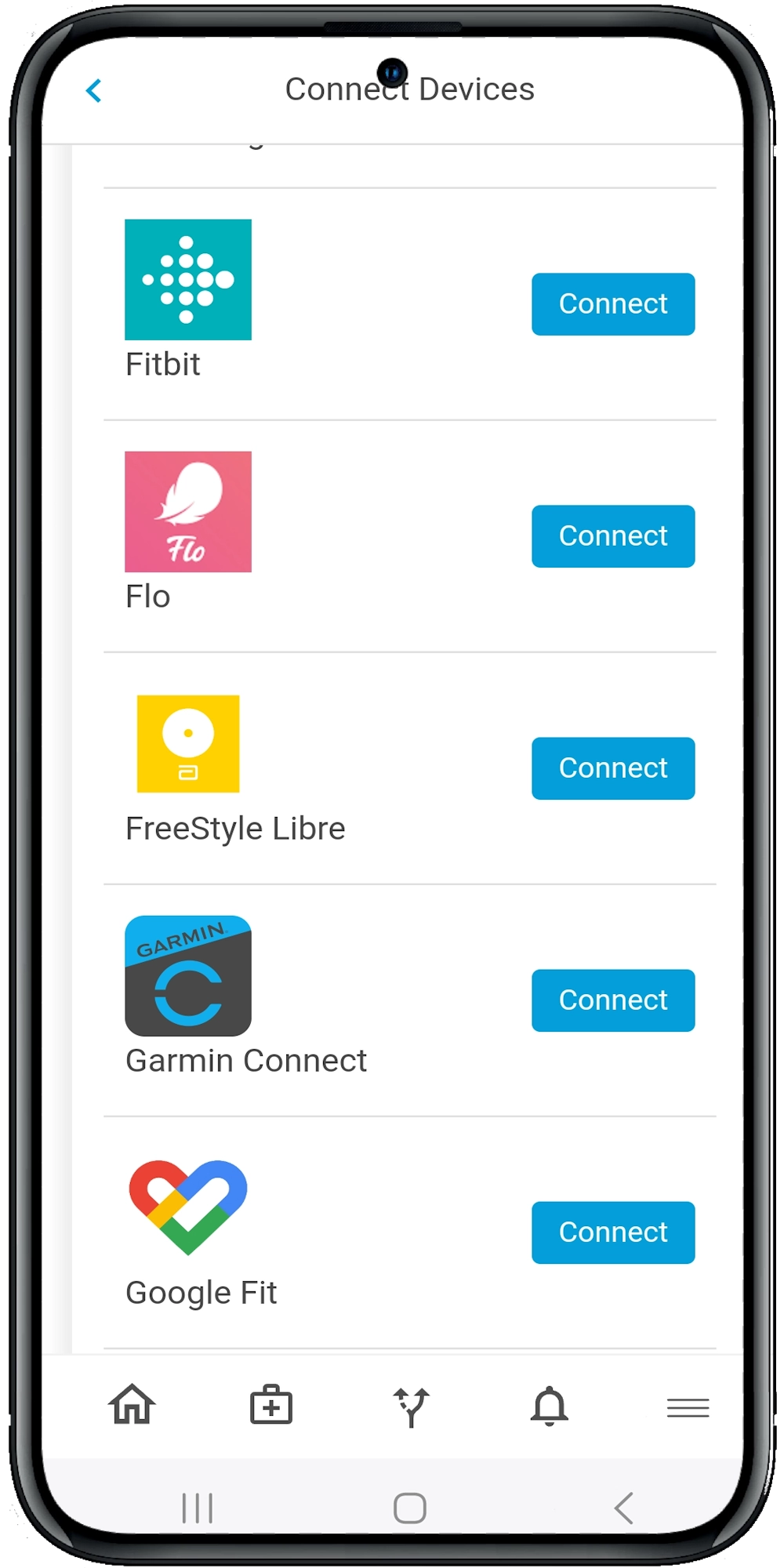
Calcium syncs with smartwatches, glucose monitors, sleep trackers, and more. That way, changes in behavior, stress levels, heart rate, or sleep can trigger alerts before a crisis happens.
This transforms EHRs from reactive archives into proactive health engines.
4. Actionable, Contextual Insights
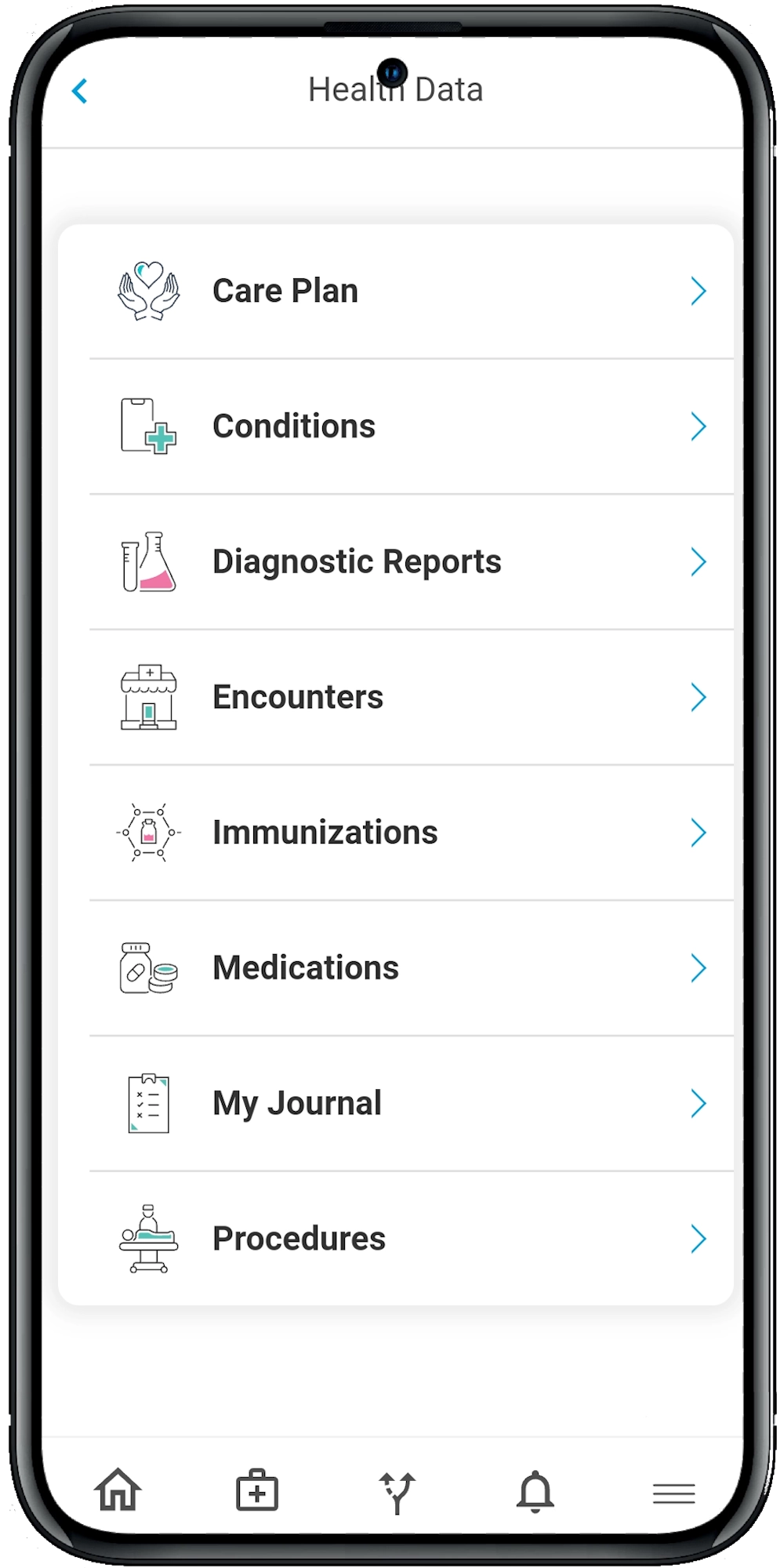
Rather than showing raw data, Calcium organizes it into clean, intuitive modules: medications, vitals, conditions, care plans. Providers see what matters, when it matters.
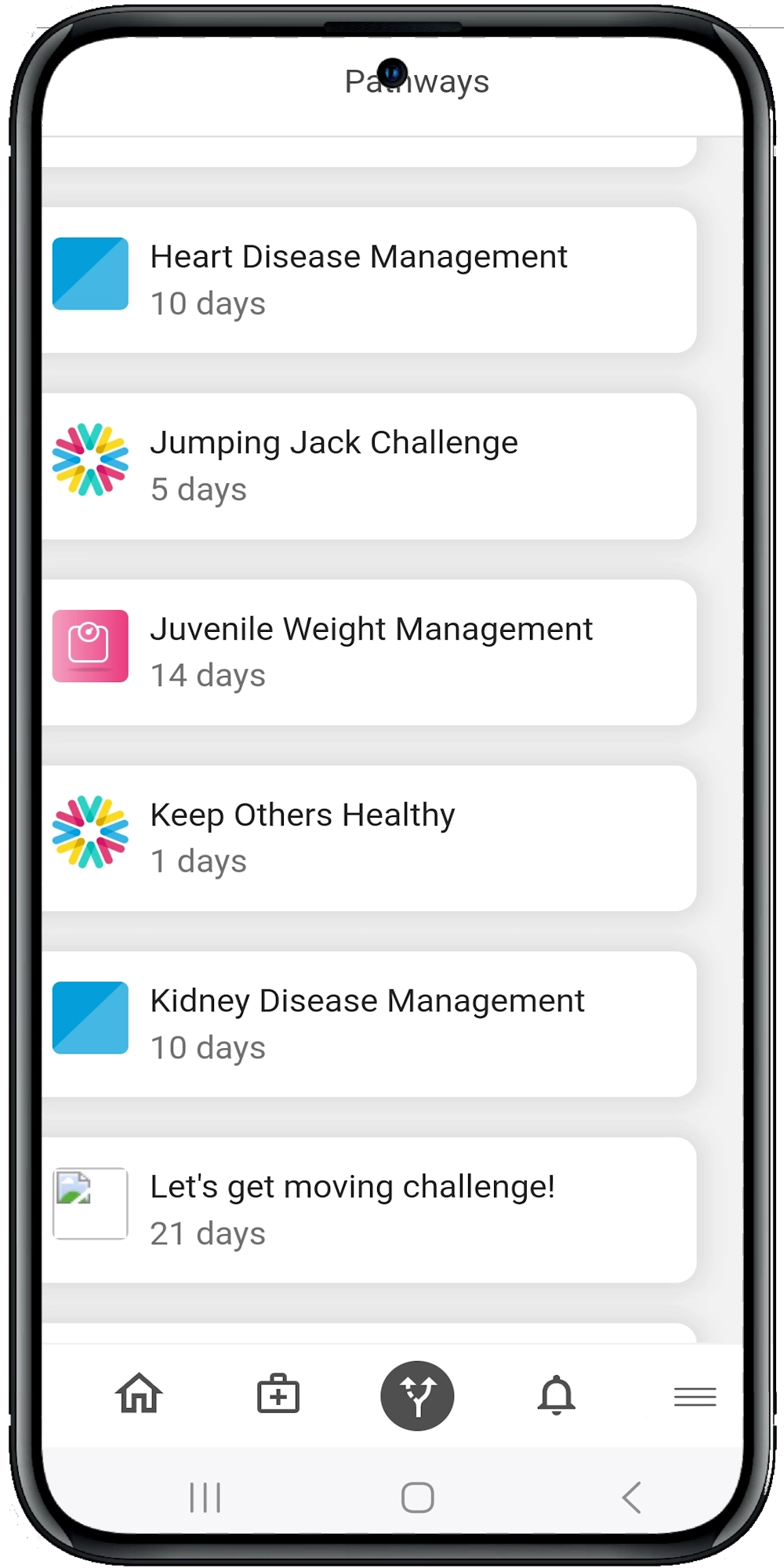
More importantly, smart care pathways offer reminders and prompts personalized to the patient’s needs. That means early screenings, faster follow-ups, and fewer missed opportunities.
5. Secure, Seamless Sharing
Need to share your full history with a new doctor? Caregiver? Specialist? Calcium makes it easy and secure.
With built-in consent controls, patients choose what to share and with whom—supporting collaboration across the entire care team.
What a Preventive Future Really Looks Like
Picture this: a 38-year-old man starts logging fatigue and irregular sleep in his Calcium Super App. His wearable shows rising heart rate and decreased activity. Calcium picks up on the trend and prompts him to schedule a primary care visit.
At the same time, his provider sees the alert in their Calcium Core dashboard and flags potential early signs of thyroid dysfunction. Blood work confirms it. Treatment begins before symptoms worsen.
That’s the power of connected, intelligent, patient-driven records. That’s prevention, in action.
The Wrap
It’s clear that preventive care is only as strong as the systems behind it. Outdated, disconnected electronic health records create blind spots that delay diagnoses and fragment care. But when patients are empowered to access and contribute to their own records—and providers can view that data in context—everything changes.
Calcium is leading the charge by turning health records into living tools for prevention. From real-time device syncing to patient-controlled sharing and smart care pathways, Calcium’s digital health platform bridges the gap between data and action. This isn’t about adding more tech—it’s about building smarter connections.
Reference
- Kalra D. (2006). Electronic health record standards. Yearbook of medical informatics, 136–144. https://pubmed.ncbi.nlm.nih.gov/17051307/
- Ambinder E. P. (2005). A history of the shift toward full computerization of medicine. Journal of oncology practice, 1(2), 54–56. https://doi.org/10.1200/JOP.2005.1.2.54
- Hoerbst, A., & Ammenwerth, E. (2010). Electronic health records. A systematic review on quality requirements. Methods of information in medicine, 49(4), 320–336. https://doi.org/10.3414/ME10-01-0038
- Häyrinen, K., Saranto, K., & Nykänen, P. (2008). Definition, structure, content, use and impacts of electronic health records: A review of the research literature. International Journal of Medical Informatics, 77(5), 291–304. Elsevier Ireland Ltd. Retrieved from https://doi.org/10.1016/j.ijmedinf.2007.09.001.
- Safran, C., & Goldberg, H. (2000). Electronic patient records and the impact of the Internet. International Journal of Medical Informatics, 60(1), 77–83. https://doi.org/10.1016/S1386-5056(00)00106-4
- Hassey, A., Gerrett, D., & Wilson, A. (2001). A survey of validity and utility of electronic patient records in a general practice. BMJ, 322(7299), 1401–1405. https://doi.org/10.1136/bmj.322.7299.1401
- Greenhalgh, T., Potts, H. W. W., Wong, G., Bark, P., & Swinglehurst, D. (2009). Tensions and paradoxes in electronic patient record research: A systematic literature review using the meta-narrative method. The Milbank Quarterly, 87(4), 729–788. https://doi.org/10.1111/j.1468-0009.2009.00578.x