Türkiye’de bahis severler için en çok tercih edilen bettilt giriş adreslerden biri olmaya devam ediyor.
Curacao lisanslı platformlar arasında güvenilirlik açısından üst sıralarda bahsegel giriş yer alan, uluslararası denetimlerden başarıyla geçmiştir.
Kazançlı bahis deneyimi arayan herkes için bettilt doğru seçimdir.
Rulet masalarında en çok tercih edilen bahis türleri arasında kırmızı/siyah ve tek/çift seçenekleri yer alır; pinco giriş bu türleri destekler.
Basketbol tutkunları için en iyi kupon fırsatları bettilt sayfasında yer alıyor.
Unlocking Real Results Through Smarter Tools, Better Data, and Human-Centered Design
We’ve all heard the buzz about “patient engagement” in healthcare. It’s the magic word tossed around in boardrooms, product pitches, and policy circles. But let’s be honest—most patient engagement software doesn’t live up to the hype. It’s clunky, impersonal, and often ends up as just another unused app on a patient’s phone. Meanwhile, the real goal—helping people take charge of their health—remains frustratingly out of reach.
That’s a big problem.
Because in today’s value-based care world, outcomes matter. So does experience. Providers are under pressure to do more with less, while patients are expected to manage complex conditions with minimal support. The gap between expectation and reality is growing.
But what if the problem isn’t patients—or providers? What if the tools themselves are flawed?
In this post, we’ll explore what’s broken with most engagement platforms—and how one digital health solution is finally getting it right.
Most Patient Engagement Tools Miss the Mark—Here’s Why
Let’s face it: digital health platforms are everywhere, but not all of them actually engage patients. We’ve seen promising dashboards, fancy portals, and colorful apps that claim to empower users. But in reality, most patient engagement software gets ignored, underutilized, or quickly uninstalled.
Why is that?
Because the majority of these tools are built around what technology can do—not what patients actually need. And in a healthcare system already stretched thin, that’s a recipe for failure.
Let’s dig into some of the biggest pitfalls we see with traditional patient engagement solutions.
1. Patients Don’t Actually Use Them
You can have the best platform in the world, but if patients don’t use it, it’s useless.
Studies show that only about one-third of patients offered a patient portal ever log in. Even fewer use them consistently. The numbers are worse for mobile apps—80% of users stop using most health apps within just 30 days.
Why? Usually because:
- The interface is clunky or hard to navigate
- The content is too generic
- There’s no real value or reason to return
This is echoed in a study on orthopedic surgery patients, where just 54% registered for a patient engagement app—and only 48% of modules were completed on average.
2. Siloed Data Creates More Confusion
Another huge problem? Fragmented data.
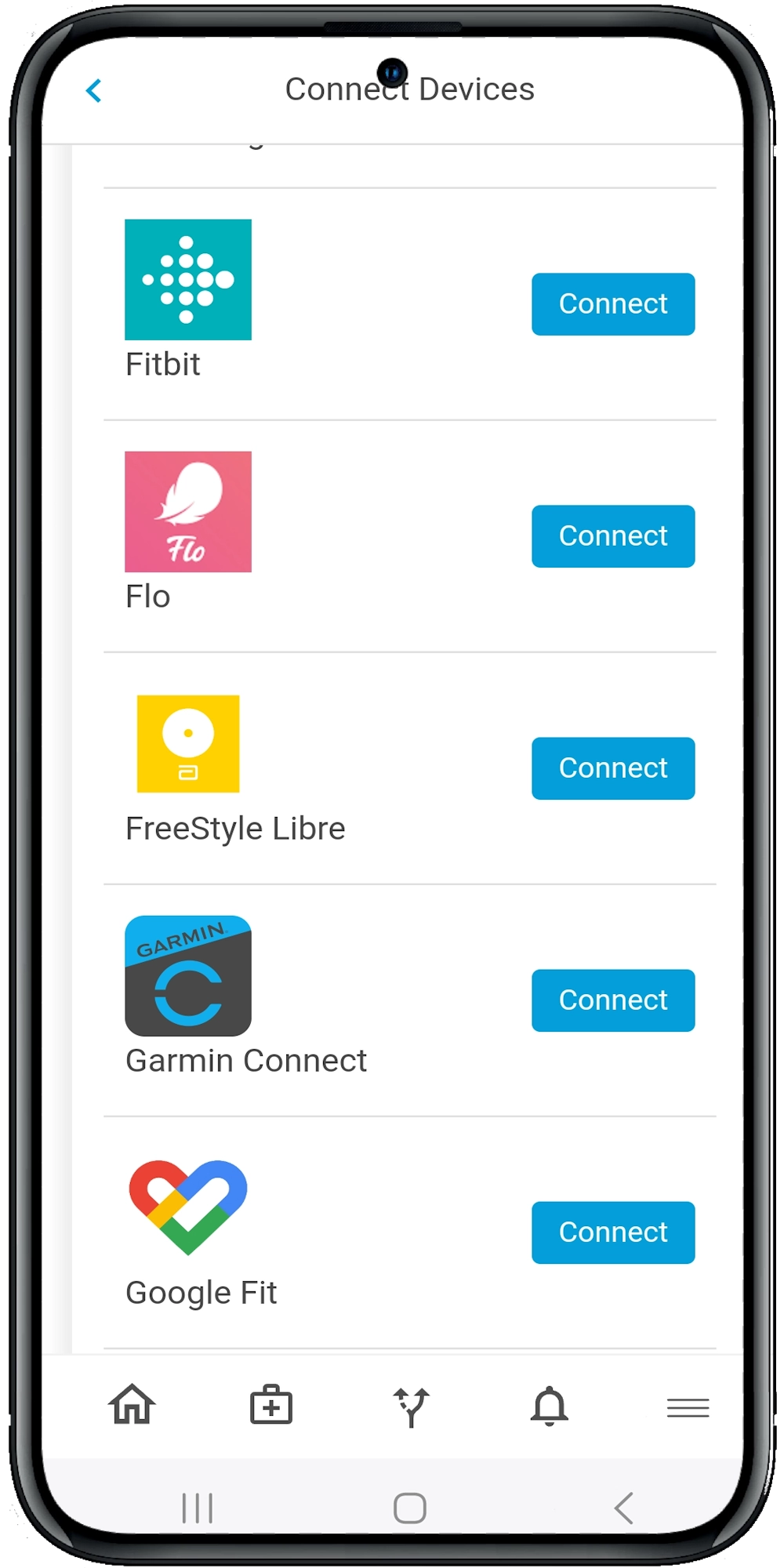
Most engagement tools aren’t built to integrate easily with EHRs, wearable devices, or other health apps. That means patients have one app for their doctor’s instructions, another for tracking their steps, and a third for managing meds.
This fractured experience makes it harder for patients to understand their care plan—and harder for providers to track progress.
3. One-Size-Fits-All Doesn’t Work Anymore
Most platforms push out pre-written messages and care plans, but healthcare is personal. What works for a 65-year-old recovering from surgery won’t work for a 25-year-old managing anxiety and asthma.
The research backs this up. In the total joint arthroplasty study, engagement was highest in modules that addressed personalized physical therapy and mental wellness—but lowest in generic nutrition content.
Patients crave guidance that speaks to their goals, their pain points, and their lifestyle.
4. Providers Are Overwhelmed Too
Let’s not forget the other side of the screen—clinicians. Many engagement tools were built without thinking about workflows.
That’s why some apps:
- Require providers to manually enroll each patient
- Flood inboxes with every symptom report or question
- Lack meaningful analytics or outcome tracking
It’s like giving a pilot a dashboard with flashing lights, no controls, and no flight plan.
Unless engagement tools support, not burden, clinical teams, they won’t last in a real-world setting.
So What Actually Works? Let’s Look at the Evidence
Despite all the noise, some digital platforms do show real, measurable success. The key is a combination of ease of use, personalization, and timely, actionable support.
Here’s what recent research tells us.
Orthopedic Patients Engage When It Matters
In a 2021 study on hip and knee replacement patients, engagement peaked in the two weeks before surgery—when anxiety and need for guidance were highest. Patients completed nearly half of the assigned modules, and satisfaction averaged over 80%.
The most successful content types? Physical therapy guidance, health literacy, and stress/pain management.
This proves that:
- Engagement increases when timing is right
- Patients value emotional and practical support
- Information must be broken into manageable, timely steps
Platforms Reduce Costs, Readmissions, and Opioid Use
A 2020 review of patient engagement platforms in orthopedics showed that digital tools can:
- Reduce ER visits and 90-day readmission rates
- Shorten hospital stays
- Improve outcomes and patient-reported metrics
- Cut down on opioid use after surgery
Chatbots, for example, were effective in offloading common questions (“When can I shower?”) while apps that offered goal tracking and symptom logging led to higher satisfaction and better adherence to care plans.
Where Calcium Stands Apart: A Platform Built Around People
Now that we’ve seen what doesn’t work—and what actually does—let’s talk about where Calcium fits in.
Unlike outdated platforms that treat patients like checkboxes, Calcium’s digital health platform was built from the ground up to support real-life engagement, outcomes, and value-based care.
Here’s how.
1. Personalized Digital Pathways
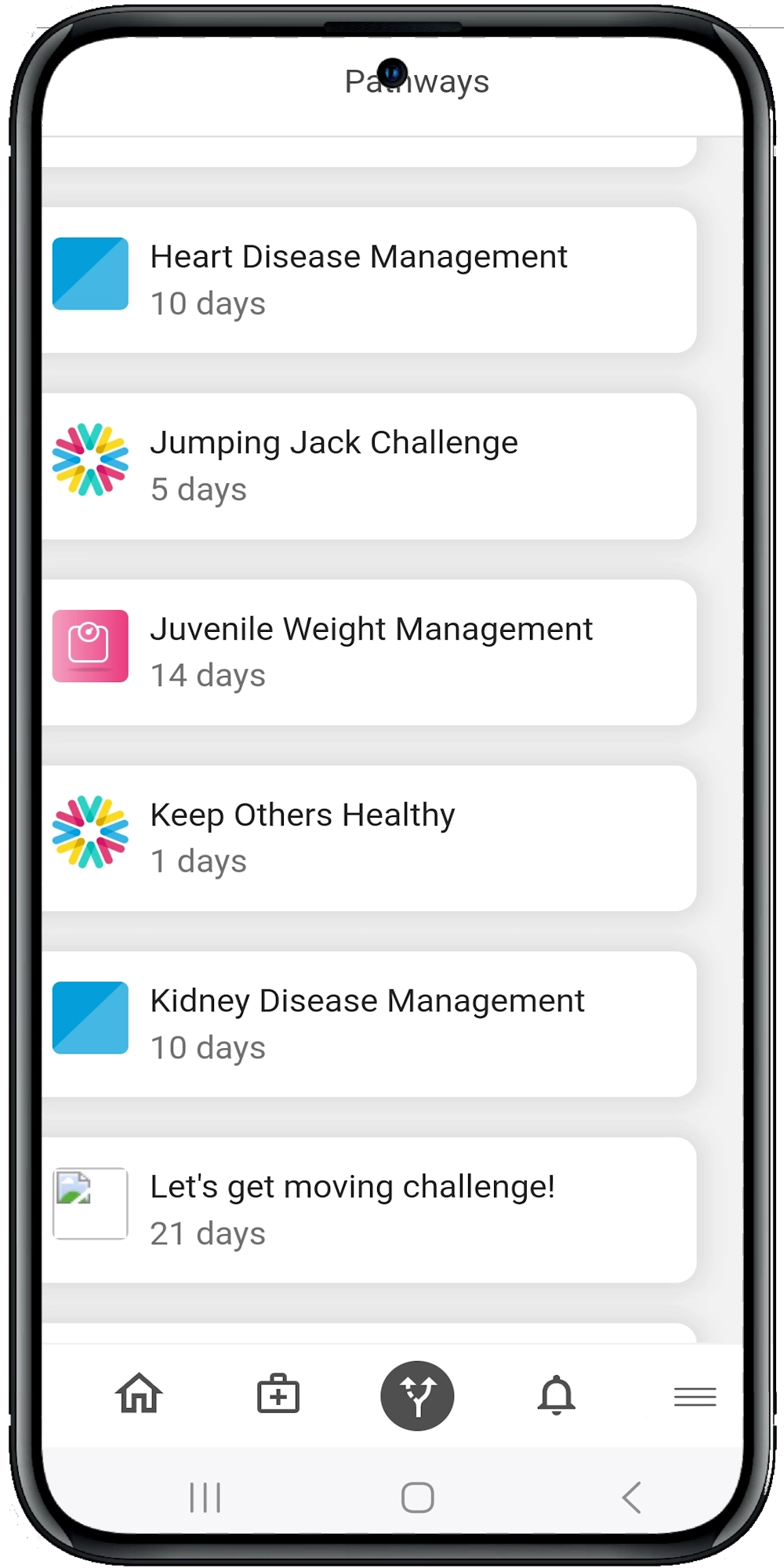
With Calcium’s Super App, patients get access to AI-powered digital health pathways tailored to their specific condition, procedure, or goal—whether it’s preparing for a surgery, managing diabetes, or building better mental health habits.
These aren’t generic to-do lists. They’re dynamic, interactive pathways that:
- Offer daily check-ins and reminders
- Adjust based on the patient’s inputs and progress
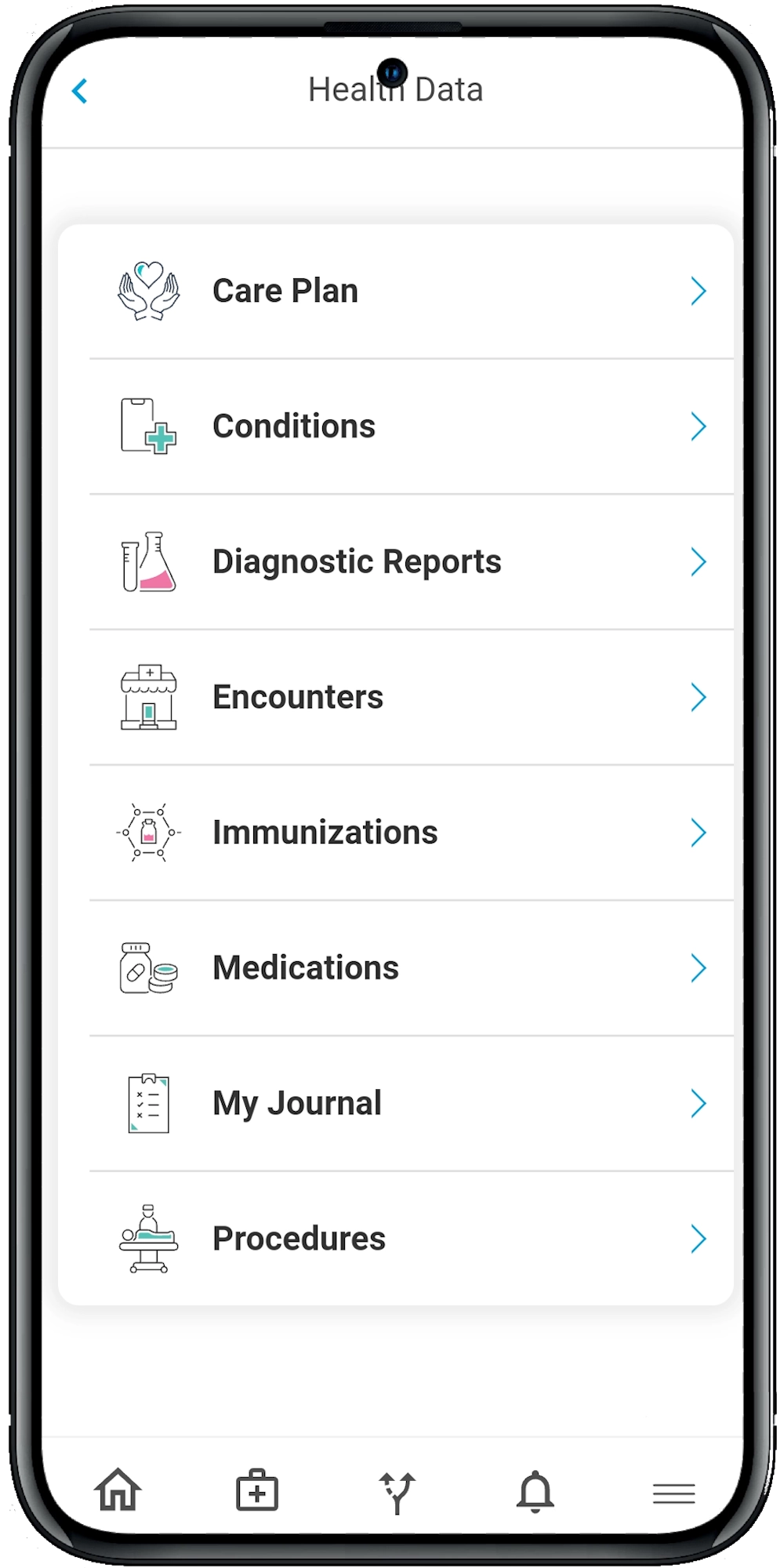
- Include symptom tracking, health journaling, and motivational nudges
Patients can self-enroll or be assigned a pathway by a provider, coach, or employer—giving everyone flexibility and control.
2. Real-Time Engagement and Feedback Loops
Engagement isn’t just about education—it’s about interaction. Calcium’s pathways are built to prompt feedback, log vitals, and track compliance in real time.
For example:
- A patient might be prompted to record pain levels after surgery
- The app then adjusts future guidance based on their response
- Providers can monitor this data through the Calcium Core platform
This is the kind of smart, two-way communication traditional portals simply can’t offer.
3. Seamless Integration with Provider Workflows
Calcium doesn’t just help patients—it’s built to make life easier for healthcare teams.
With Calcium Core, providers and care coordinators can:
- Assign pathways in one click
- Track progress through dashboards
- Automate education, reminders, and follow-up tasks
The system also supports value-based care initiatives by capturing the data needed for reporting, reimbursement, and population health.
And yes, it’s fully HIPAA-compliant and secure—because trust is non-negotiable.
4. Scalable and Adaptable for the Whole Family
Whether it’s a mom tracking a child’s asthma symptoms or an older adult managing post-op care, Calcium adapts to any age, need, or care setting.
You can even manage multiple family members from a single app, making it ideal for caregivers.
Engagement Isn’t About Tech—It’s About Trust
At the end of the day, engagement platforms must do more than send reminders or collect check-ins. They need to connect with people. They need to understand the rhythms of recovery, the fears of a new diagnosis, the daily grind of managing chronic illness.
Calcium gets this—because it’s built for the real world. And when patients feel seen, supported, and in control, they’re not just more engaged—they’re healthier.
The future of healthcare isn’t just about more data or flashier apps—it’s about meaningful connection, smarter personalization, and real support for the entire care journey. Most patient engagement tools miss the mark because they focus on features instead of people. But as we’ve seen, when platforms are designed with patients and providers in mind, the impact can be transformational.
Calcium’s digital health platform bridges the gaps that traditional systems leave behind. Whether you’re a provider looking to improve outcomes, a care team managing complex pathways, or a patient ready to take control of your health, Calcium delivers the tools to make engagement real, measurable, and sustainable.
Reference
- Kalra D. (2006). Electronic health record standards. Yearbook of medical informatics, 136–144. https://pubmed.ncbi.nlm.nih.gov/17051307/
- Ambinder E. P. (2005). A history of the shift toward full computerization of medicine. Journal of oncology practice, 1(2), 54–56. https://doi.org/10.1200/JOP.2005.1.2.54
- Hoerbst, A., & Ammenwerth, E. (2010). Electronic health records. A systematic review on quality requirements. Methods of information in medicine, 49(4), 320–336. https://doi.org/10.3414/ME10-01-0038
- Knapp, P. W., Keller, Do. A., Mabee, K. A., Raji Pillai, & Nicholas B. Frisch. (21 C.E., April 24). Quantifying Patient Engagement in Total Joint Arthroplasty Using Digital Application-Based Technology [Review of Quantifying Patient Engagement in Total Joint Arthroplasty Using Digital Application-Based Technology]. He Journal of Arthroplasty; Elsevier Inc. https://doi.org/10.1016/j.arth.2021.04.022
- Kevin Campbell, Philip Louie, Brett Levine, & Jeremy Gililland. (20 C.E., May 9). Using Patient Engagement Platforms in the Postoperative Management of Patients. Current Reviews in Musculoskeletal Medicine; Springer Science+Business Media, LLC, part of Springer Nature. https://doi.org/10.1007/s12178-020-09638-8