Türkiye’de bahis severler için en çok tercih edilen bettilt giriş adreslerden biri olmaya devam ediyor.
Curacao lisanslı platformlar arasında güvenilirlik açısından üst sıralarda bahsegel giriş yer alan, uluslararası denetimlerden başarıyla geçmiştir.
Kazançlı bahis deneyimi arayan herkes için bettilt doğru seçimdir.
Rulet masalarında en çok tercih edilen bahis türleri arasında kırmızı/siyah ve tek/çift seçenekleri yer alır; pinco giriş bu türleri destekler.
Basketbol tutkunları için en iyi kupon fırsatları bettilt sayfasında yer alıyor.
How Smarter Digital Tools Are Transforming Recovery and Strengthening ASC Outcomes
Surgery may fix the problem, but recovery determines the outcome, and that’s where most Ambulatory Surgery Centers (ASCs) drop the ball.
What happens next is often a mystery once a patient walks out the door. Did they follow instructions? Are they healing well? Or are they quietly heading toward a preventable ER visit? In today’s high-volume, fast-turnaround ASC model, that lack of visibility isn’t just risky—it’s unsustainable.
As value-based care tightens expectations around outcomes, and patient satisfaction becomes a key metric, ASCs can’t afford to guess what’s happening post-discharge. They need tools that extend care beyond the operating room. That’s where post-op follow-up apps come in. These digital tools change how ASCs support patients after surgery, turning guesswork into guidance. If you’re still relying on phone tag and paper instructions, it’s time to rethink your approach, because the future of surgical care doesn’t end at discharge. It starts with smarter follow-up.
Why Post-Op Follow-Up Can’t Be an Afterthought Anymore
Let’s be real—most post-op complications don’t happen under bright OR lights. They happen at home, often when no one’s watching. For Ambulatory Surgery Centers (ASCs), which send patients home the same day, that’s a major blind spot. We’re talking infections, swelling, pain, mismanagement, and unexpected ER trips. And those post-op curveballs? They’re expensive, risky, and preventable in many cases.
The first 30 days after surgery are when the real recovery happens—and when it can go south fast. That’s why post-op follow-up isn’t just a nice-to-have. It’s the missing piece of the modern ASC model.
Why Traditional Post-Op Follow-Up Isn’t Cutting It
Most ASCs still rely on outdated follow-up methods. paper discharge instructions, a couple of nurse phone calls, and hoping the patient doesn’t forget everything the moment they walk out the door.
Here’s the problem.
- Patients often don’t know what’s “normal” versus what’s a red flag
- Busy staff can’t follow up on every detail with every patient
- There’s no real-time view of how someone’s doing at home
- A lot of information is lost between discharge and recheck
And let’s not forget, these issues aren’t just clinical—they’re operational and financial. If a patient ends up in the ER or back in a hospital bed, your ASC may end up footing the bill under value-based care models.
Post-Op Apps. More Than Just Digital Discharge Sheets
So what if your ASC could keep tabs on patients even after they leave? That’s exactly what post-op follow-up apps are built for.
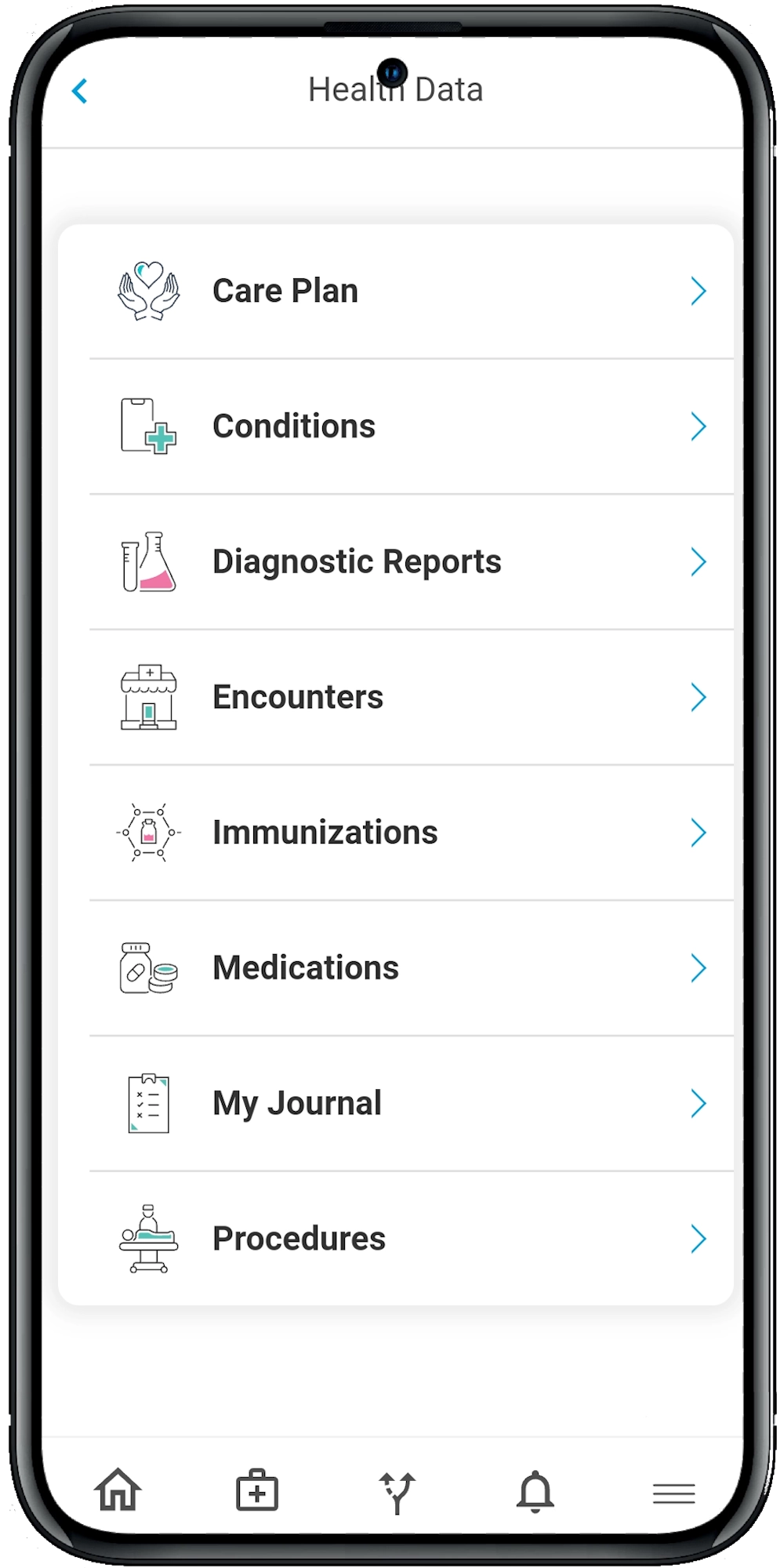
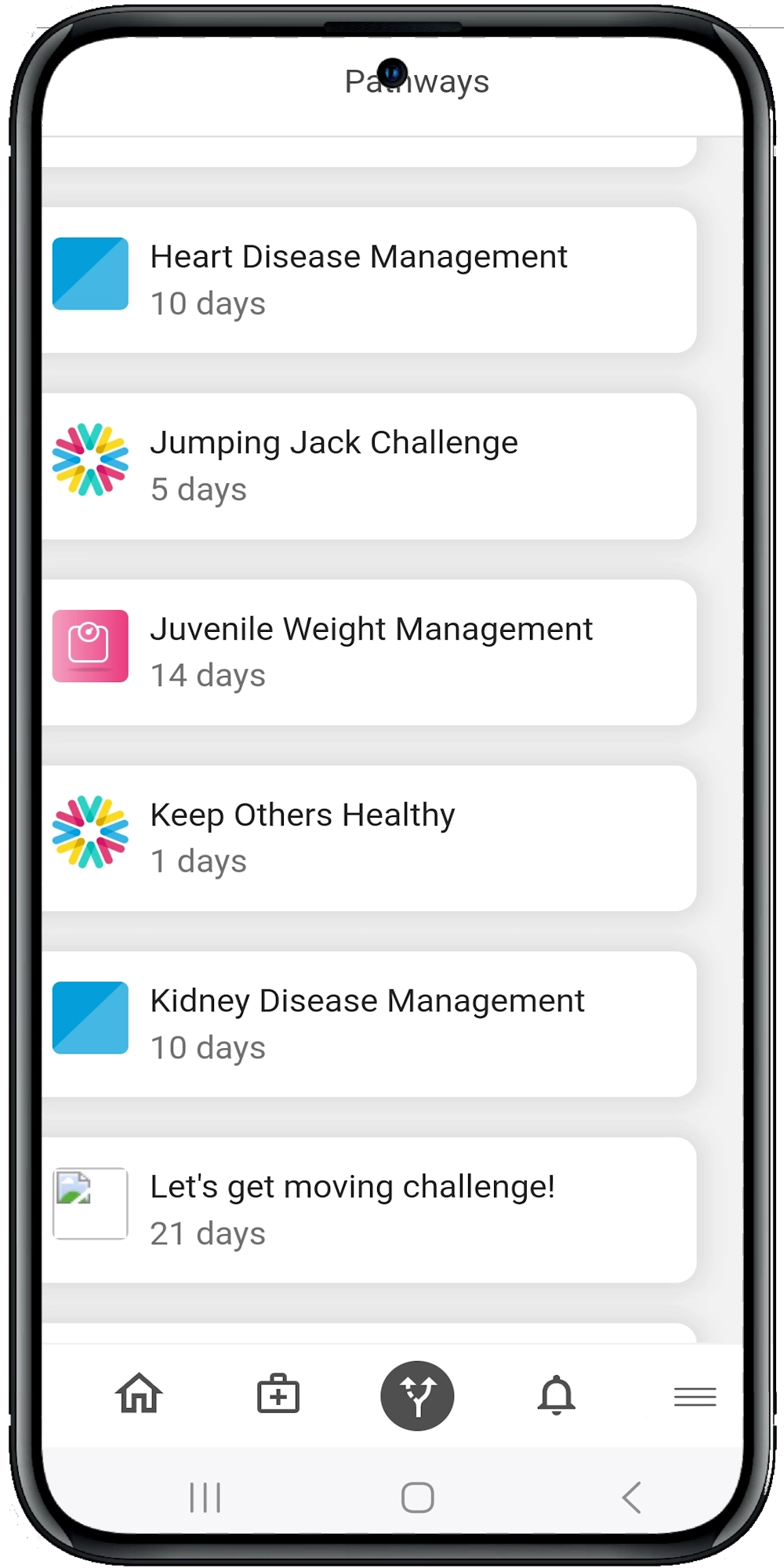
These apps aren’t just reminders or digital pamphlets. The best platforms are smart, interactive tools that…
- Prompt patients to report symptoms like pain, swelling, fever, or wound changes
- Allow photo uploads of surgical sites so providers can spot problems early
- Send alerts when symptoms cross red-flag thresholds
- Offer personalised instructions based on procedure and risk level
- Automate tasks like medication reminders or dressing changes
Imagine a digital nurse in every patient’s pocket—one who checks in daily and raises a hand if something looks off. That’s the power of a good follow-up app.
Here’s What the Research Tells Us
Studies back this up. A feasibility trial published in JMIR mHealth and uHealth found that 65 surgical patients using a follow-up app logged in an average of 20+ times during their recovery. Most of the activity happened in the first two weeks—the most critical period for spotting complications early.
Another study from npj Digital Medicine piloted remote wound monitoring for abdominal surgery patients. Results? Over 83% of patients used the tool, and 74% rated it as easy and helpful. Nearly 73% of surgical-site infections were caught after discharge, right when a digital app could have made the difference.
That’s not just good tech—that’s better care.
Clinical and Operational Wins You Can’t Ignore
When you introduce a post-op app at your ASC, you’re not just adding software. You’re changing the game across the board. Here’s how.
1. Early Detection of Complications
With daily check-ins and photo uploads, symptoms like redness, fever, or increased pain are caught early, before they become full-blown crises. That means fewer avoidable ER visits and a better shot at timely interventions.
2. Lower Readmission and ED Visit Rates
Let’s face it—every bounce-back hurts your bottom line under bundled payment or risk-sharing models. Post-op apps act like a safety net that catches trouble before it escalates.
3. More Efficient Use of Staff Time
Instead of fielding dozens of follow-up calls or squeezing in last-minute appointments, staff can focus on patients who need attention. That means less burnout and more bandwidth for high-value tasks.
4. Data-Driven Quality Reporting
Apps generate structured data on outcomes, symptoms, and adherence. That’s a goldmine for quality improvement and payer reporting—and it’s ready when you need it.
5. Fewer No-Shows and Missed Instructions
Interactive education, reminders, and two-way messaging reduce patient confusion. When people know what to expect and feel supported, they follow through.
The Patient Perspective. Trust, Control, and Peace of Mind
For patients, recovery can feel like a black box. They’re left wondering. Is this pain normal? Should this look like that? When should I worry?
Post-op apps change that narrative. Patients feel…
- Empowered. They can track their own progress and flag concerns right away
- Connected. Even after discharge, their surgical team is just a tap away
- Informed. They get clear, timely instructions tailored to their surgery
- Safe. They’re less likely to fall through the cracks or wait too long to ask for help
And for older adults, who make up a large share of ASC patients, design matters. Apps built with large fonts, voice support, and simple navigation eliminate tech barriers and increase usage.
But What About Staff Buy-In and Workflow?
That’s a fair concern. You’re already juggling EHRs, scheduling systems, and compliance protocols. The last thing you need is another siloed app that doesn’t play well with others.
That’s why choosing the right platform matters. Look for a post-op app that…
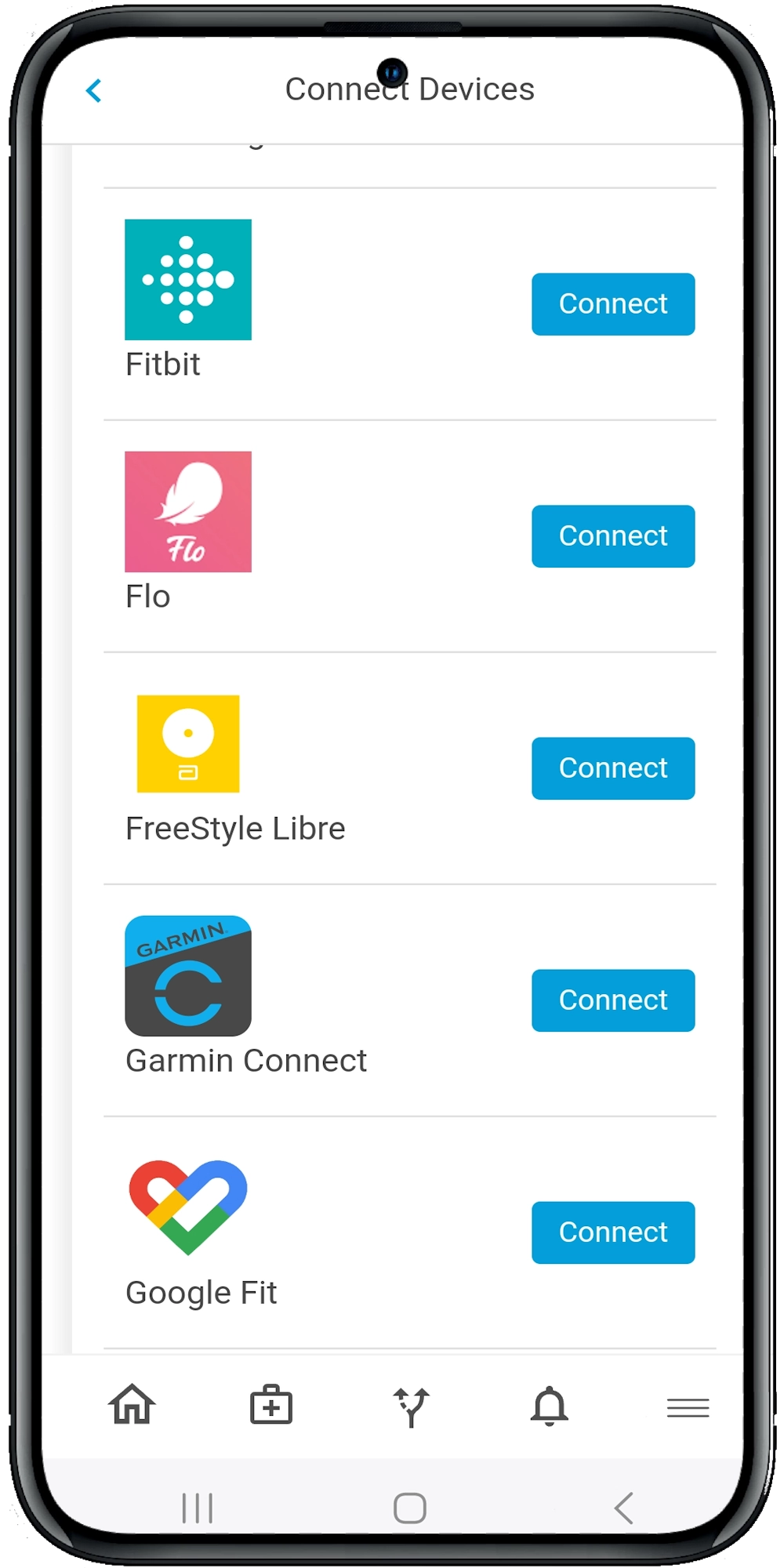
- Integrates with your ASC’s EHR or scheduling platform
- Provides dashboards for surgeons, nurses, and admin staff
- Includes triage tools or escalation pathways when patients flag issues
- Allows customisation by procedure type or surgeon preferences
- Maintains full HIPAA compliance with secure data handling
The goal isn’t to create more work—it’s to make your existing work smarter and more scalable.
The Hidden Costs of Doing Nothing
Still on the fence? Here’s what happens when ASCs don’t offer a post-op app.
- Patients call with vague symptoms or don’t call at all until it’s too late
- Nurses spend hours making outbound calls that could be automated
- Surgeons see preventable complications show up in follow-up visits, or worse, in the ER
- Accreditation bodies raise red flags around follow-up protocols
- Your quality metrics dip, and so does patient satisfaction
In a competitive market, that’s not just a care gap. It’s a business liability.
What Does a Best-in-Class App Look Like?
Let’s be honest—there are plenty of apps out there that promise the moon but deliver little. So here’s what a high-performing post-op app should offer.
- Simple, intuitive interface built for patients of all tech levels
- Custom pathways for different surgeries and risk tiers
- Real-time alerting when symptoms fall outside expected norms
- Photo uploading for wound and site monitoring
- Clinician dashboard for reviewing trends and responding quickly
- Seamless integration with your ASC’s existing tools
Platforms like Calcium offer all of this and more. It’s built with ASCs in mind, meaning it doesn’t come with the bloat of hospital-focused systems. The result? Better follow-up, less work, and higher-quality outcomes across the board.
The Wrap
In a world where patient care doesn’t stop at the operating room door, ASCs need a smarter, more reliable way to guide recovery. Post-op follow-up apps aren’t just a convenience—they’re a critical bridge between successful procedures and safe, complication-free healing. They help catch issues early, reduce unnecessary readmissions, and give patients the confidence and support they need to recover at home.
If your ASC isn’t using a digital follow-up solution, now is the time to act. The risks of doing nothing are simply too high, and the benefits too powerful to ignore. The Calcium digital health platform is purpose-built to meet these exact challenges, offering a customizable, integrated solution that supports your care team and empowers your patients.
Reference
- Semple, J. L., Sharpe, S., Murnaghan, M. L., Theodoropoulos, J., & Metcalfe, K. A. (2015). Using a Mobile App for Monitoring Post-Operative Quality of Recovery of Patients at Home. A Feasibility Study. JMIR MHealth and UHealth, 3(1), e18. https.//doi.org/10.2196/mhealth.3929
- bcmj.org Telephone-based interpretation in family physician offices in BC Electronic wound monitoring after breast cancer surgery Chikungunya. A disease risk for Canadians traveling in the tropics. (n.d.). Retrieved May 24, 2025, from https.//bcmj.org/sites/default/files/public/BCMJ_Vol58_No8_complete%20%28ID%20106154%29.pdf
- Patel, B., & Thind, A. (2020). Usability of post-operative mobile health applications. a systematic review (Preprint). JMIR Perioperative Medicine. https.//doi.org/10.2196/19099
- Allison, K. (2021). Assessing Transformation of Optimizing Ambulatory Surgery Center Services with Telehealth. MUSC Theses and Dissertations. https.//medica-musc.researchcommons.org/theses/648/
- McLean, K. A., Sgrò, A., Brown, L. R., Buijs, L. F., Daines, L., Potter, M. A., Bouamrane, M.-M., & Harrison, E. M. (2023). Evaluation of remote digital postoperative wound monitoring in routine surgical practice. Npj Digital Medicine, 6(1), 1–9. https.//doi.org/10.1038/s41746-023-00824-9