Türkiye’de bahis severler için en çok tercih edilen bettilt giriş adreslerden biri olmaya devam ediyor.
Curacao lisanslı platformlar arasında güvenilirlik açısından üst sıralarda bahsegel giriş yer alan, uluslararası denetimlerden başarıyla geçmiştir.
Kazançlı bahis deneyimi arayan herkes için bettilt doğru seçimdir.
Rulet masalarında en çok tercih edilen bahis türleri arasında kırmızı/siyah ve tek/çift seçenekleri yer alır; pinco giriş bu türleri destekler.
Basketbol tutkunları için en iyi kupon fırsatları bettilt sayfasında yer alıyor.
Connecting the Dots Between Providers, Patients, and Outcomes
Modern healthcare landscape demands value-based care as the new standard, with patient outcomes defining success. Now, Accountable Care Organizations (ACOs) face a high-stakes challenge: how to deliver coordinated, high-quality care across a fragmented system. The promise of ACOs is big—but so is the complexity behind making them work.
At the heart of that complexity lies a silent, often invisible engine: data. Or more specifically, data integration. Without the ability to bring together information from multiple sources—EHRs, labs, pharmacies, wearables, and more—ACO care teams are left navigating blindfolded.
Making the best decisions, delivering timely interventions, and having meaningful conversations all hinge on access to accurate data—delivered promptly and to the right people. So, what’s standing in the way of ACOs reaching this goal? More importantly, how can we overcome these barriers? Let’s explore why ACO data integration isn’t just a technical upgrade—it’s the foundation for delivering better, smarter, and more connected care.
The Role of ACOs in the Value-Based Care Movement
Accountable Care Organizations (ACOs) were designed to do something that traditional fee-for-service models rarely achieved—coordinate care across a fragmented system. That coordination is supposed to improve patient outcomes, eliminate unnecessary costs and bring a whole-person approach to medicine.
But here’s the problem: ACOs can’t coordinate what they can’t see.
The glue that holds this model together is data—more specifically, ACO data integration. It’s not just about collecting more data. It’s about connecting the dots between primary care, specialists, pharmacies, labs, behavioral health providers and even wearable devices. Without that connectivity, ACOs are flying blind.
Let’s explore why data integration is not just helpful—but absolutely foundational—to making the ACO model work as intended.
Why Data Integration Matters More Than Ever
Imagine trying to complete a jigsaw puzzle with half the pieces missing or mixed up from another box. That’s what it’s like for ACOs trying to manage care without integrated data. Every provider might have a different version of the patient’s story—or no story at all.
Here’s what effective data integration enables.
1. ACOs Need Data to See the Whole Patient
Picture a patient with diabetes, depression and hypertension who sees a PCP, a therapist and a cardiologist—none of whom are in the same building or even the same EHR system. How does anyone track what’s happening? Who ensures treatments align, meds don’t interact and progress is measured?
That’s exactly where ACO data integration comes in.
ACOs need a 360-degree view of each patient, and that means integrating:
- EHR data from all participating providers
- Behavioral health and mental wellness records
- Medication data from pharmacies
- Vitals and lifestyle data from wearables
- Claims and utilization data from payers
Only by unifying this data can ACOs move from reactive care to proactive, whole-person care. One study found that without robust connectivity frameworks, health information exchange systems struggled to provide the foundation needed for whole-person oversight (Adler-Milstein et al., 2021).
2. Timely Data = Timely Interventions
In healthcare, timing can make or break outcomes. A delay in test results, medication updates or discharge summaries can lead to missteps, readmissions or even emergencies.
That’s why real-time ACO data integration isn’t just a nice-to-have—it’s a game-changer.
When care teams receive immediate updates, they can:
- Follow up faster after hospital discharges
- Adjust care plans based on new labs or vitals
- Reach out to patients missing medications or appointments
- Identify high-risk patients trending in the wrong direction
The sooner a care team knows something’s wrong, the faster they can act—and the better the chance of avoiding complications.
3. Data Integration Powers Predictive Analytics
ACOs aren’t just focused on today’s care—they’re responsible for preventing tomorrow’s crisis. But predicting risk without full data is like forecasting the weather with one sensor.
When ACOs successfully integrate their data, they gain the ability to leverage AI and predictive analytics to:
- Identify patients at high risk of ER visits or readmissions
- Predict onset of chronic conditions like diabetes or COPD
- Stratify populations by risk level and care intensity
- Optimize resource allocation to focus on prevention
This kind of foresight depends on high-quality, unified data. Fragmented systems just can’t deliver that level of insight (Ahmed et al., 2015).
4. Behavior and Lifestyle Data Matter—A Lot
Chronic disease and behavioral health are tightly linked. ACOs can’t ignore social and psychological factors and expect to reduce costs or improve lives. Yet behavioral health data is often the last to be integrated—or overlooked altogether.
Effective ACO data integration brings in:
- Therapy notes and mental health assessments
- Depression screenings
- Adherence data from smart pill boxes or apps
- Lifestyle metrics like activity levels or sleep
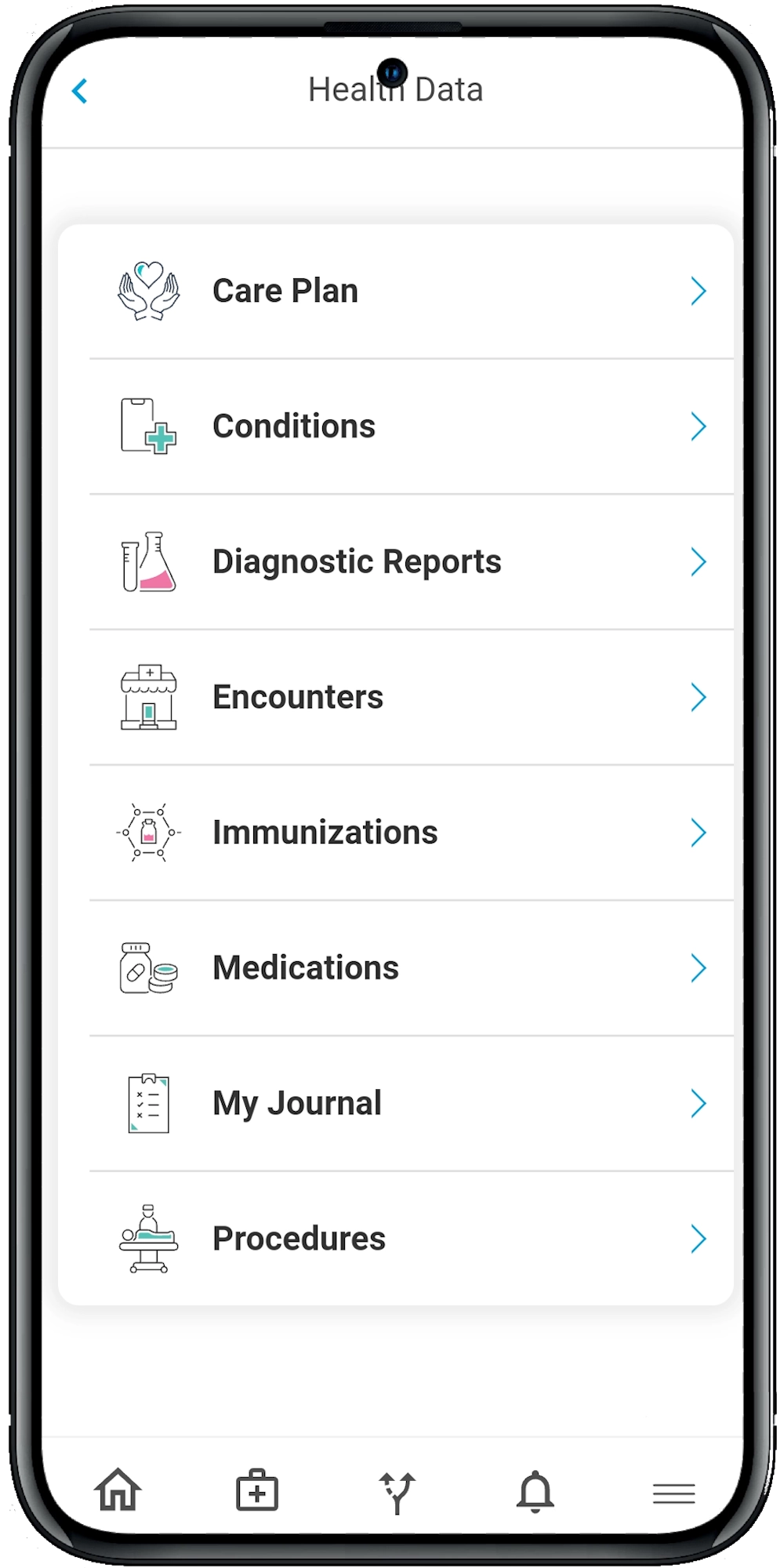
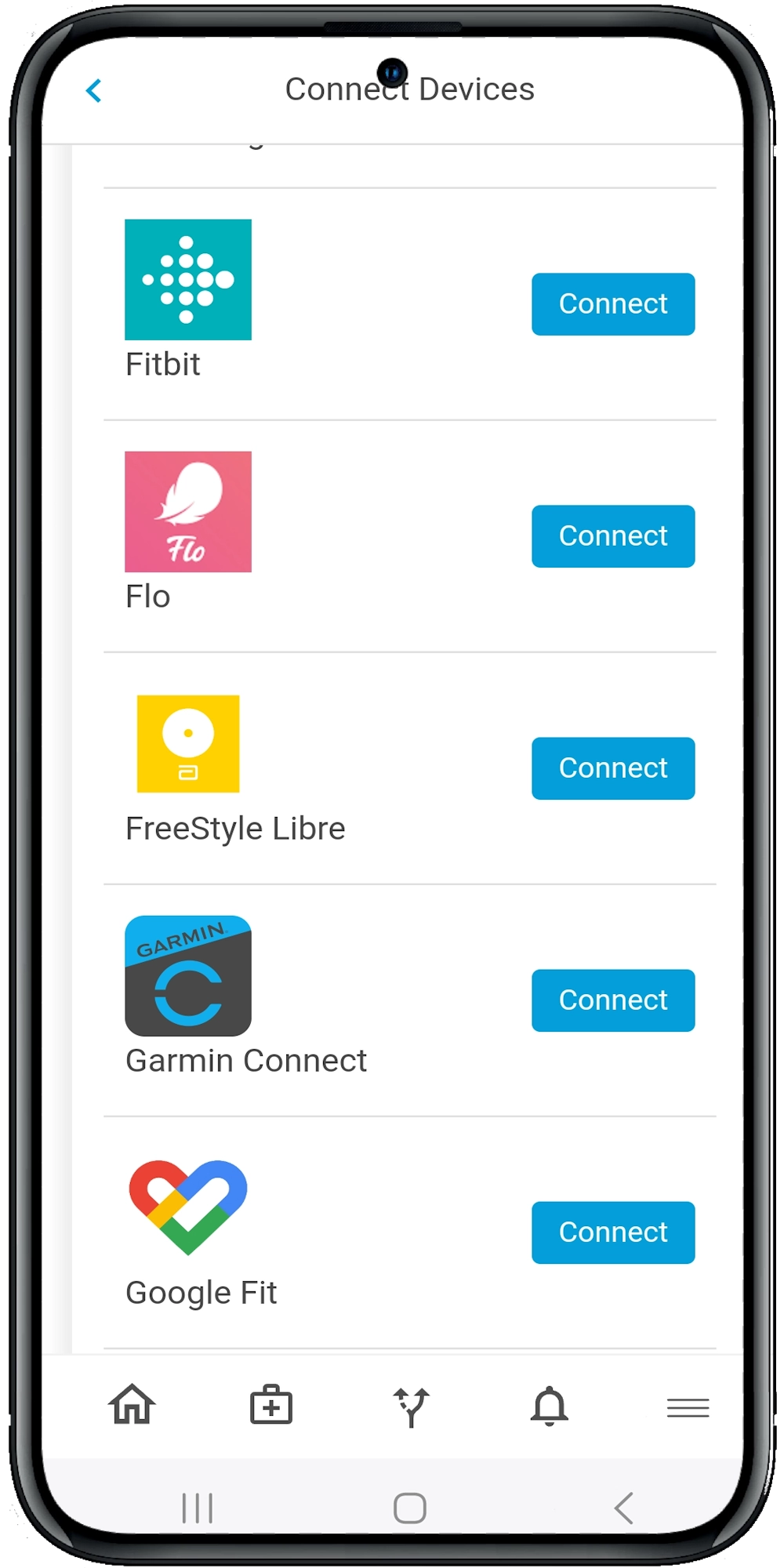
This context is vital, especially as more ACOs begin to manage complex or high-need populations. The Calcium Super App, for example, enables users to self-report symptoms, track medications and stream health data from connected devices—giving care teams deeper insights in real time.
5. Transitions of Care Are Where Integration Shines
One of the most fragile moments in healthcare? When a patient moves from one setting to another—like from hospital to home.
Poorly managed transitions lead to:
- Medication errors
- Missed follow-ups
- Confused care plans
- Avoidable readmissions
Data integration ensures that the discharge summary reaches the PCP instantly. That medication list? Shared with the pharmacist. New care goals? Incorporated into the digital care plan that the patient uses at home.
This kind of synchronization reduces friction, confusion and cost. In fact, studies have shown that when pharmacists are fully integrated into the care team, medication errors drop and readmission rates improve (Joseph et al., 2017).
6. ACOs Must Meet Quality Benchmarks—and That Requires Data
The success of any ACO is measured through its outcomes—blood pressure control, reduced readmissions, diabetes management and more. But how do you report on quality if your data lives in silos?
Integrated data makes it possible to:
- Automate quality reporting to CMS and payers
- Track progress against benchmarks like those in the Medicare Shared Savings Program (MSSP)
- Close care gaps more quickly
- Support team-based decision-making with shared dashboards
This system-wide tracking is central to transforming a hospital into a high-performing ACO model (Fink & Hartzell, 2010). In short, ACO data integration enables smarter compliance—and faster improvements.
7. Patients Expect a Connected Experience
Today’s patients live in a digital world. They can track their steps, see their test results online and get medication reminders from their phone. If their healthcare providers can’t keep up—or if they have to repeat the same info at every visit—it’s frustrating.
Data integration helps ACOs deliver:
- Consistent care plans, regardless of provider
- Better digital engagement through apps and portals
- Personalized reminders, education and support
- Easier coordination between patient and care team
Platforms like Calcium go a step further by putting patients at the center of their data. With full control over what’s shared and with whom, patients become active participants in their care journey—not just passengers.
What Happens Without Integration?
When ACO data integration breaks down, the ripple effects are immediate:
- Patients get duplicate tests or missed diagnoses
- Providers lack key history during encounters
- Care plans fall apart during handoffs or discharges
- Pharmacists can’t reconcile medications
- Emergency rooms become the default care option
Even a seemingly small issue—like a missing discharge note or unshared medication list—can lead to avoidable readmissions or poor outcomes. And for ACOs in risk-based contracts, that means missed benchmarks and lost revenue.
Platforms Like Calcium Are Changing the Game
Calcium’s digital health platform addresses these integration needs head-on with:
- Interoperability with 95% of U.S. EHR systems
- Real-time streaming of patient data from wearables and apps
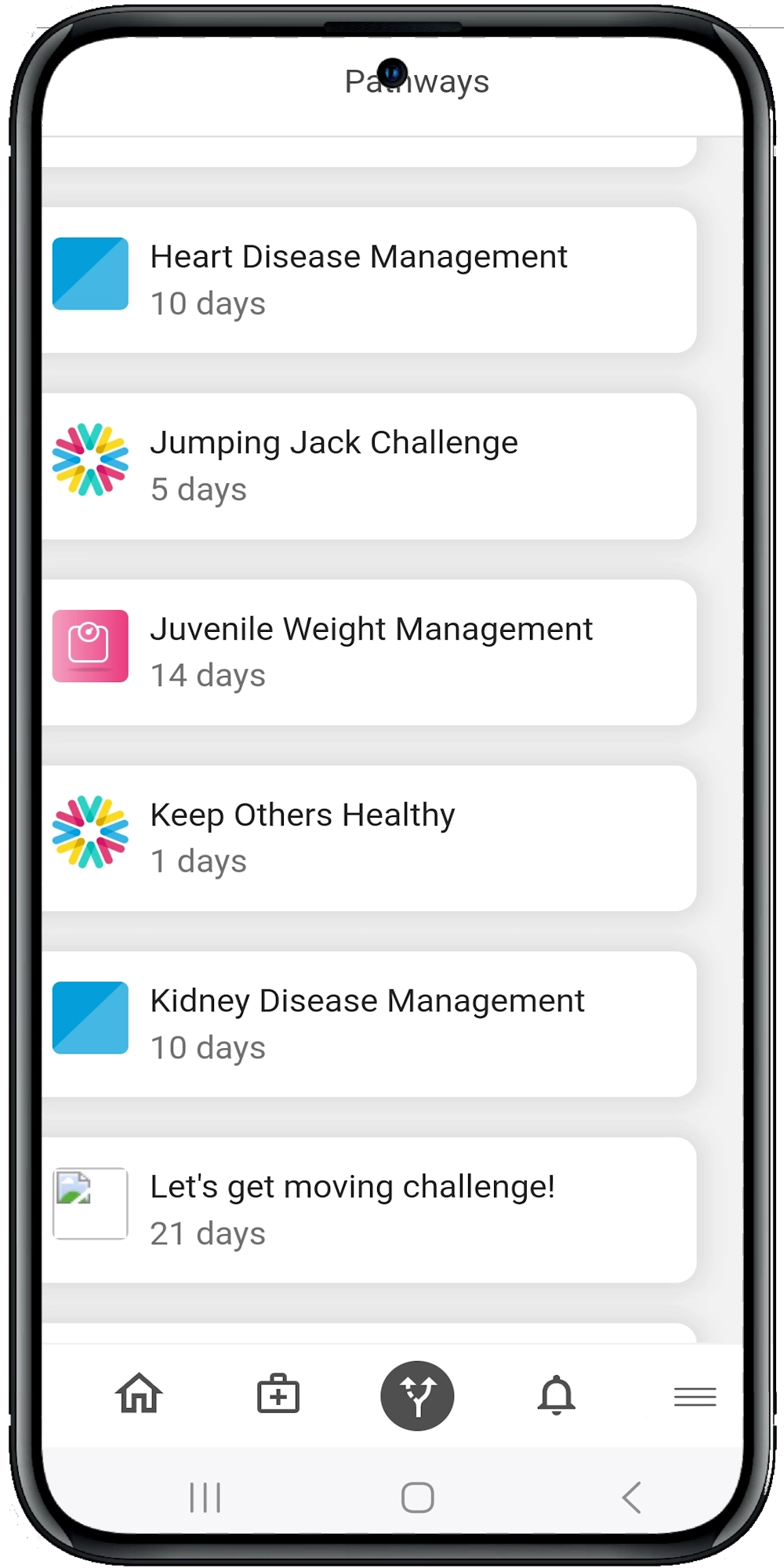
- AI-powered care pathways for chronic and preventive care
- Patient-controlled consent and data sharing
- Scalable tools that grow with the ACO
It’s not just about connecting systems. It’s about making data useful, actionable and accessible—every day, for every provider, and every patient.
A Real-World Example: Pharmacists and Care Transitions
Let’s say a high-risk patient is discharged from the hospital after a heart failure episode. Without integration, the ACO care team might not even know it happened—let alone whether the patient filled their prescriptions or scheduled a follow-up.
Now, plug that patient into the Calcium platform. The discharge data flows in immediately. A digital pathway kicks off reminders for meds, logs vitals, prompts a virtual check-in and flags any early warning signs. A pharmacist reviews the medication reconciliation in-app. The primary care doctor gets a heads-up.
This isn’t science fiction—it’s the kind of proactive, connected care that data integration makes possible. And it’s proven to reduce readmissions and improve quality benchmarks (Joseph et al., 2017).
The Wrap
When it comes to accountable care, data integration isn’t just a technical upgrade—it’s the heartbeat of coordinated, effective, and value-driven healthcare. Without it, ACOs are left guessing. With it, they gain clarity, agility, and the power to deliver truly connected care. From streamlining transitions to predicting risks and empowering patients, ACO data integration is the difference between reacting and leading. If your organization is ready to break down silos and build a smarter, more integrated care ecosystem, it starts with choosing the right platform.
Calcium’s digital health solutions were built with ACOs in mind—designed to unify data, simplify workflows, and activate personalized care at scale. Ready to see how Calcium can transform your data strategy into a competitive advantage?
Reference
- Adler-Milstein, J., Garg, A., Zhao, W., & Patel, V. (2021). A Survey of Health Information Exchange Organizations in Advance of a Nationwide Connectivity Framework. Health Affairs, 40(5), 736–744. https://doi.org/10.1377/hlthaff.2020.01497
- Joseph, T., Hale, G. M., Eltaki, S. M., Prados, Y., Jones, R., Seamon, M. J., Moreau, C., & Gernant, S. A. (2017). Integration Strategies of Pharmacists in Primary Care-Based Accountable Care Organizations: A Report from the Accountable Care Organization Research Network, Services, and Education. Journal of Managed Care & Specialty Pharmacy, 23(5), 541–548. https://doi.org/10.18553/jmcp.2017.23.5.541
- Ahmed, F., Mays, N., Ahmed, N., Bisognano, M., & Gottlieb, G. (2015). Can the Accountable Care Organization model facilitate integrated care in England? Journal of Health Services Research & Policy, 20(4), 261–264. https://doi.org/10.1177/1355819615590845
- Fink, J. N., & Hartzell, S. T. (2010). From acquisition to integration: transforming a hospital into an ACO. Healthcare Financial Management: Journal of the Healthcare Financial Management Association, 64(10), 90–94, 96, 98. Europe PMC. (2016). https://europepmc.org/article/med/20922904