Türkiye’de bahis severler için en çok tercih edilen bettilt giriş adreslerden biri olmaya devam ediyor.
Curacao lisanslı platformlar arasında güvenilirlik açısından üst sıralarda bahsegel giriş yer alan, uluslararası denetimlerden başarıyla geçmiştir.
Kazançlı bahis deneyimi arayan herkes için bettilt doğru seçimdir.
Rulet masalarında en çok tercih edilen bahis türleri arasında kırmızı/siyah ve tek/çift seçenekleri yer alır; pinco giriş bu türleri destekler.
Basketbol tutkunları için en iyi kupon fırsatları bettilt sayfasında yer alıyor.
Choosing the Right Digital Partner to Power Smarter, More Connected Patient Care
As value-based care (VBC) continues to shape how we deliver and measure healthcare, organizations are under pressure to find digital tools that do more than just collect data. They need to drive better outcomes, reduce costs, and actually engage patients in their care.
But here’s the catch: not all apps are built for that kind of heavy lifting. In fact, many fall short when it comes to real-world usability, integration with existing systems, or supporting behavioral health.
So, how do you know which app is truly VBC-ready? What features matter most for both patients and providers? In today’s digital health landscape, the right app isn’t just helpful—it’s foundational to success. If you’re investing in digital tools to support your VBC strategy, this is what you need to look for before making the leap. Let’s dive into the must-haves.
The Growing Importance of Choosing the Right VBC App
As healthcare continues its shift toward value-based care (VBC), providers are rethinking the tools they rely on. It’s no longer enough to use a static portal or a patient-facing app that simply tracks appointments. Value-based models demand real-time engagement, outcomes tracking, behavioral support, and a seamless experience for both patients and care teams.
The right VBC app can mean the difference between success and stagnation. But with so many options on the market, how do you know which one is built for the long haul?
Let’s break it down using three essential pillars: Functionality, Engagement, and Integration.
Pillar 1: Functionality That Solves Real Problems
Not all apps are created equal. A sleek interface is nice, but what matters most is whether the app can actually help you deliver better outcomes, reduce avoidable costs, and support your care teams at scale.
So what should you look for?
Here are the core functions that a VBC app should deliver:
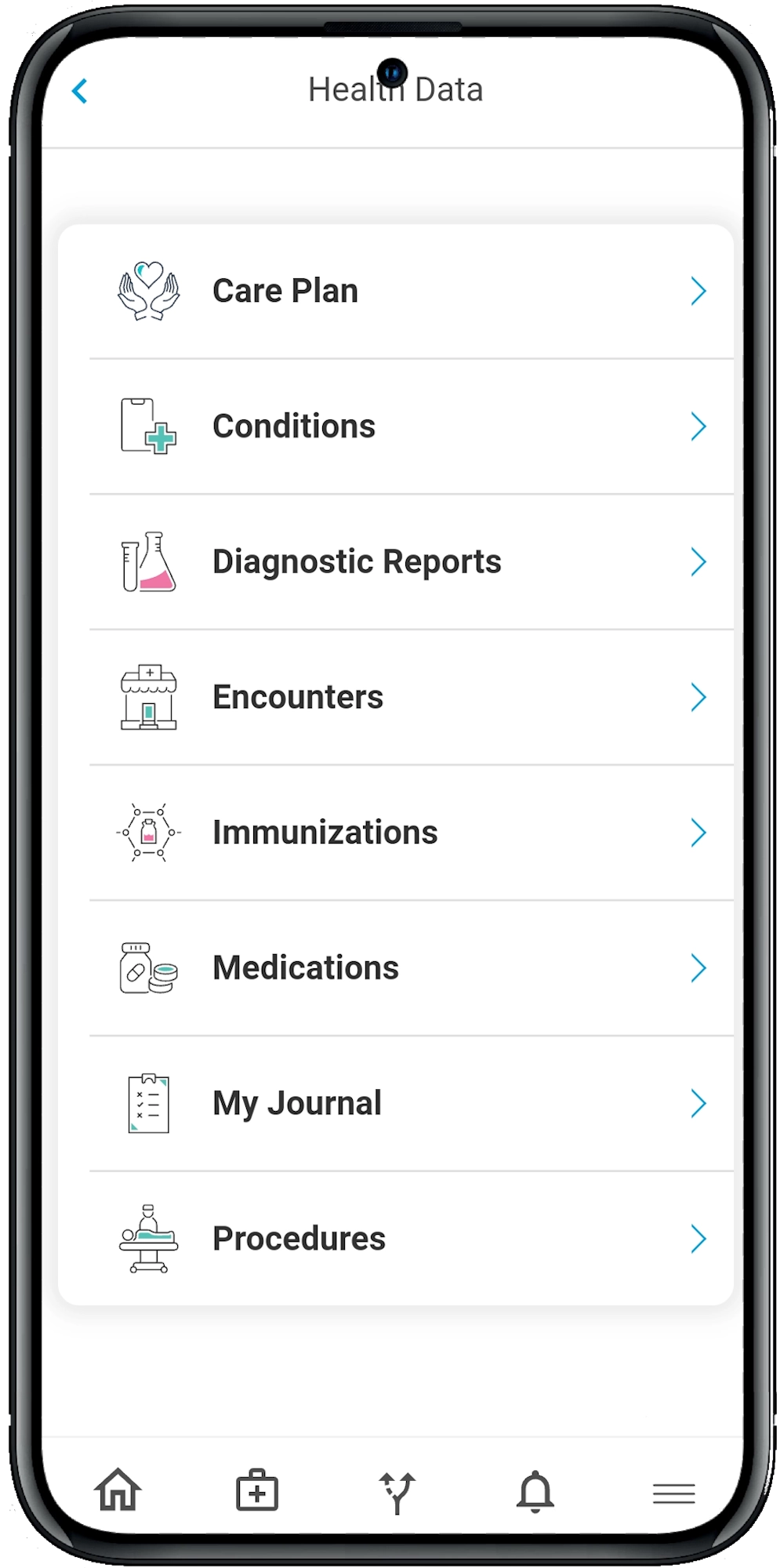
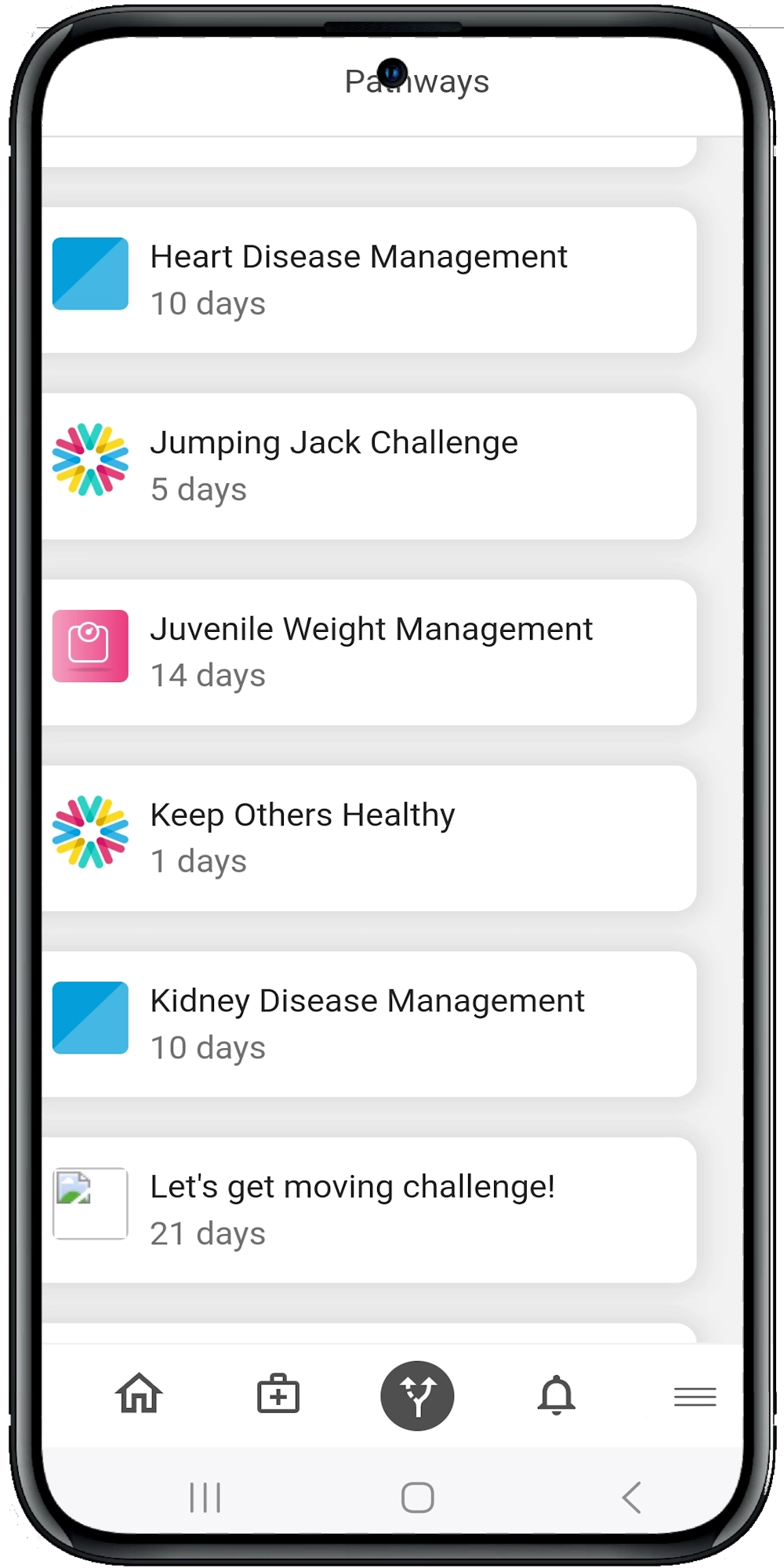
- Personalized care pathways that guide patients through chronic disease management, recovery, wellness, or behavioral health goals
- Medication management tools with reminders, logs, and adherence insights
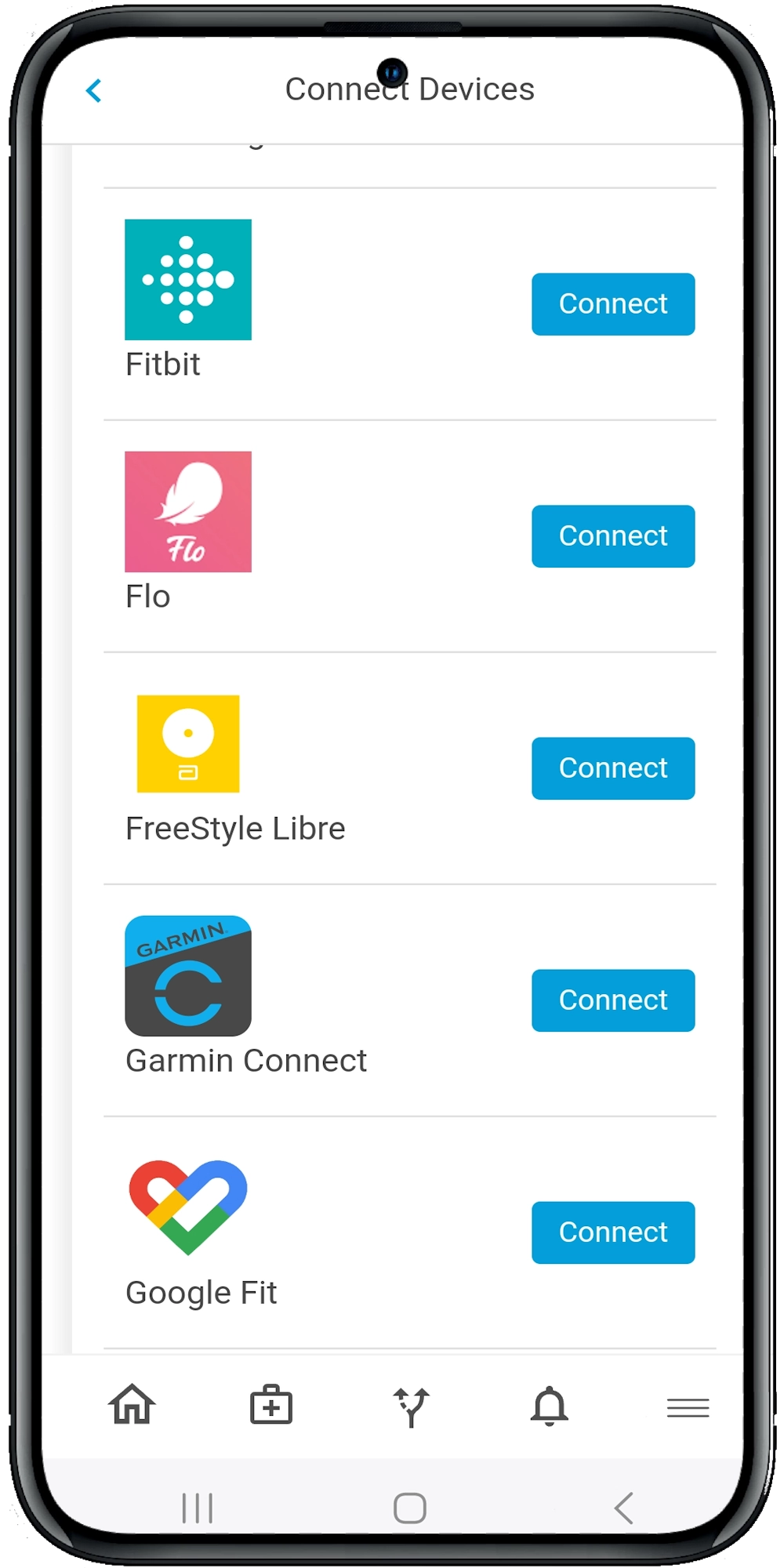
- Vitals monitoring and data capture from connected devices like blood pressure cuffs, glucose monitors, or smart scales
- Health journaling features that support symptom tracking, especially for mental health conditions
- Access to EHR data, including diagnoses, lab results, allergies, procedures, and visit history
- Secure health data sharing with providers, caregivers, or family members
- Provider dashboards that deliver risk alerts, compliance metrics, and health trends at a glance
These features do more than just check boxes—they streamline clinical decision-making and enable patients to play an active role in their care.
Pillar 2: Engagement That Actually Moves the Needle
Let’s be honest: most healthcare apps don’t engage patients for long. Many are clunky, confusing, or only used once to fill out a form. But when you’re managing chronic conditions or supporting preventive health goals, engagement has to be ongoing and meaningful.
So, what does strong engagement look like in a VBC app?
Here are the top engagement features that drive real behavior change:
- Daily reminders for medications, exercises, or journaling
- Gamification elements, like progress bars, achievement badges, or wellness challenges
- Personalized prompts and nudges based on health data and behavior
- Behavioral health check-ins that track mood, stress, or anxiety over time
- Motivational messaging to encourage patients through setbacks or plateaus
- Multilingual support to ensure accessibility across diverse populations
- Family and caregiver integration, so the patient’s support network is always in the loop
Behavioral health is especially dependent on consistent engagement. In fact, studies like the pilot on Internet-delivered value-based counseling (VBC) for post-migration stress show that digital mental health tools can significantly reduce anxiety and depression in underserved populations. But only if they are accessible, easy to use, and designed to support long-term participation.
For behavioral health patients, this means apps must do more than just collect data—they must feel like a lifeline. A well-designed app becomes a pocket-sized coach, counselor, and care navigator all in one.
Pillar 3: Integration That Eliminates the Silos
You can have the most functional and engaging app on the market, but if it doesn’t play well with your existing systems, it can become more of a burden than a benefit.
That’s why integration is a non-negotiable when evaluating VBC apps.
Look for solutions that are built to connect across the healthcare ecosystem. That includes:
- EHR interoperability with systems used across hospitals, clinics, and ACOs
- Device and wearable syncing (e.g., Apple Health, Google Fit, Dexcom, Fitbit, Omron)
- Real-time data flow into provider dashboards—no more manual uploads or faxes
- Secure provider-patient messaging to replace voicemail ping-pong
- HIPAA-compliant architecture that ensures data protection and builds trust
- Support for cross-functional teams in primary care, behavioral health, care navigation, and social work
Remember, VBC depends on collaboration. When care teams can’t see what’s happening between visits—or when patients fall off their plan without triggering an alert—the system breaks down. Integrated apps give everyone a shared view of progress, problems, and opportunities for intervention.
Integration is especially vital when you’re scaling your efforts across multiple specialties or locations. Whether you’re managing a complex chronic care population or coordinating post-op recovery, real-time visibility helps you spot issues early and intervene before they escalate.
Bonus: Built-In Flexibility for Behavioral and Whole-Person Care
Here’s a bonus tip: make sure the app supports whole-person care, including behavioral and mental health.
Many VBC models overlook behavioral health tools—or treat them as an afterthought. That’s a missed opportunity. Emotional wellness directly impacts physical health outcomes, treatment adherence, and cost of care.
Your app should support:
- Mood and stress tracking
- Journaling for cognitive behavioral therapy (CBT) techniques
- Custom mental health pathways with psychoeducation and mindfulness exercises
- Integration with behavioral specialists for data sharing and progress monitoring
- Support for trauma-informed care, especially for underserved or at-risk communities
The pilot study on internet-delivered VBC for migrant populations revealed that flexible, culturally sensitive tools made it easier to engage users and reduce psychological stress. The same principle applies across your patient population: digital care tools must meet users where they are—culturally, emotionally, and clinically.
Why the Right App Can Make or Break Your VBC Strategy
Functionality. Engagement. Integration. When all three come together, your VBC app becomes more than a tech solution—it becomes a strategic advantage.
But when just one pillar is missing, the entire care model can stumble.
Think of it like building a house. You can have a beautiful front porch (engagement), but if the wiring doesn’t connect (integration) or the walls are flimsy (functionality), the whole structure is unstable. A truly effective VBC app strengthens your foundation, supports your team, and empowers your patients every day.
That’s where platforms like Calcium shine. With its robust features, personalized digital pathways, device and EHR integrations, and behavioral health support, it hits all the marks—helping your organization deliver care that’s connected, continuous, and cost-effective.
Reference
- Morozova, O., & Marra, M. A. (2008). Applications of next-generation sequencing technologies in functional genomics. Genomics, 92(5), 255–264.nhttps://doi.org/10.1016/j.ygeno.2008.07.001
- Orang, M., Missmahl, I., Gardisi, M., & Kluge, U. (2022). Internet-Delivered Value Based Counseling (VBC) Aimed at the Reduction of Post-Migration Psychosocial Stress – A Pilot Study. Journal of Technology in Human Services, 41(1), 23–42. https://doi.org/10.1080/15228835.2022.2156973
- Gupta, A., Eral, H. B., Hatton, T. A., & Doyle, P. S. (2016). Nanoemulsions: formation, properties and applications. Soft Matter, 12(11), 2826–2841. https://doi.org/10.1039/c5sm02958a