Türkiye’de bahis severler için en çok tercih edilen bettilt giriş adreslerden biri olmaya devam ediyor.
Curacao lisanslı platformlar arasında güvenilirlik açısından üst sıralarda bahsegel giriş yer alan, uluslararası denetimlerden başarıyla geçmiştir.
Kazançlı bahis deneyimi arayan herkes için bettilt doğru seçimdir.
Rulet masalarında en çok tercih edilen bahis türleri arasında kırmızı/siyah ve tek/çift seçenekleri yer alır; pinco giriş bu türleri destekler.
Basketbol tutkunları için en iyi kupon fırsatları bettilt sayfasında yer alıyor.
How the Right Technology Turns Care Challenges into Success
In today’s value-based care landscape, the pressure on providers has never been higher. They’re expected to deliver better outcomes, manage costs, engage patients, and somehow still find time for meaningful, hands-on care. It’s no surprise that many are asking: Where’s the support?
Enter the world of accountable health solutions—designed to align incentives, improve population health, and transform the way care is delivered. But while the concept sounds great on paper, the reality often falls short. Why? Because not all solutions are created equal. Many lack the tools, insight, and usability needed to truly move the needle. Providers need more than promises—they need platforms that work for them, not against them.
So what separates the hype from the help? What makes an accountable health model actually impactful for the people delivering care every day? That’s what we’re diving into in this post. Let’s take a closer look.
7 Traits of Impactful Accountable Health Solutions
When we talk about accountable health solutions, most people jump straight to ACOs—Accountable Care Organizations. But here’s the catch: while the idea behind ACOs is solid—coordinate care, improve outcomes, reduce costs—the actual impact has often been hit-or-miss. Why? Because most accountable care models don’t address the real, messy, day-to-day challenges providers face in delivering accountable care.
So, what actually makes a health solution impactful for providers? Let’s break down the essential elements—each of which should work together to help clinicians, care managers, and health systems succeed in value-based care.
1. A Unified Health Data Ecosystem
Imagine trying to complete a puzzle with half the pieces missing. That’s what delivering accountable care feels like without integrated health data.
Most providers still deal with siloed systems—EHRs that don’t talk to each other, wearables that track data providers never see, and patient-reported outcomes stuck in an app no one opens. It’s chaotic.
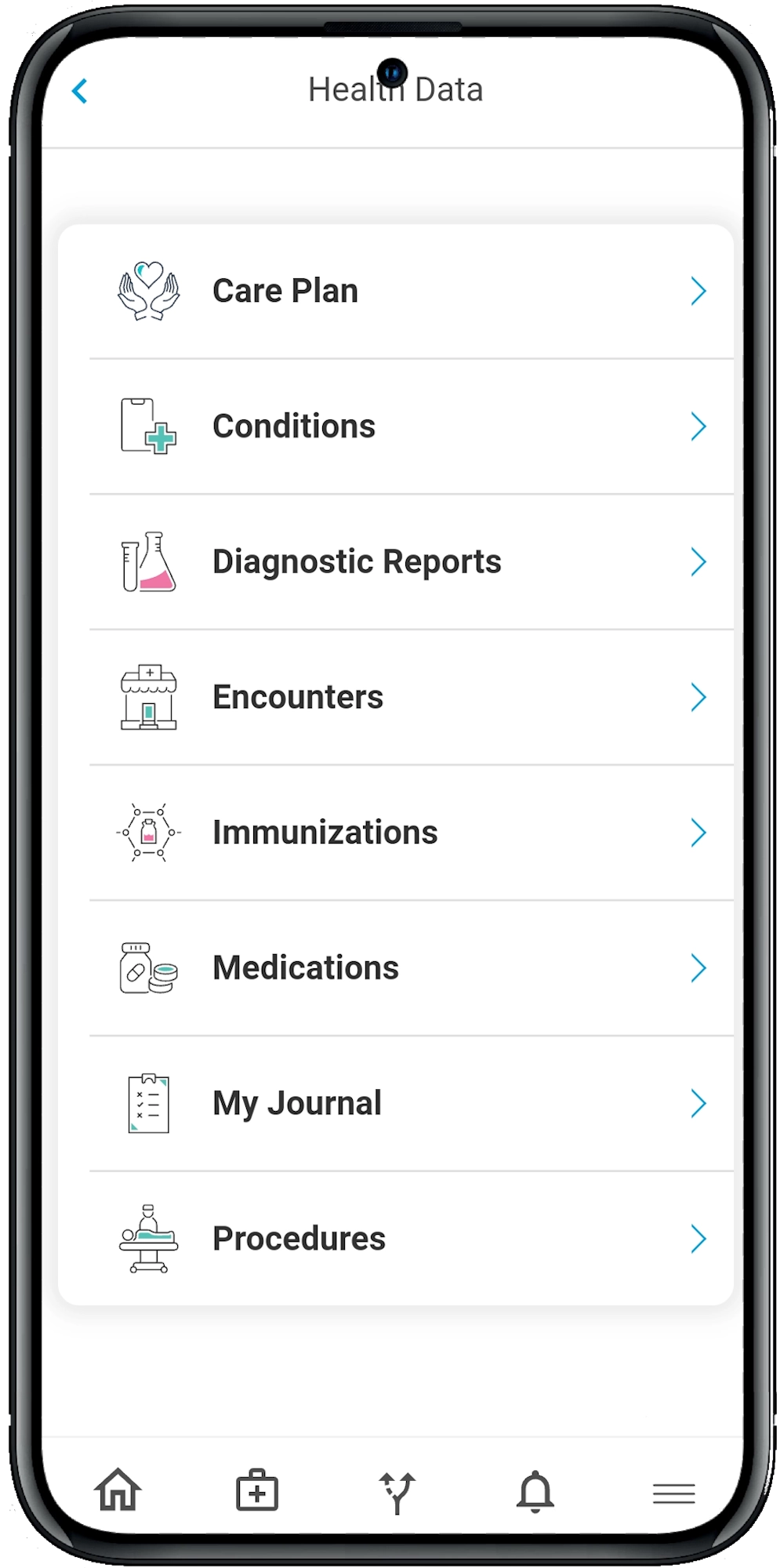
A truly impactful solution pulls everything together in one place:
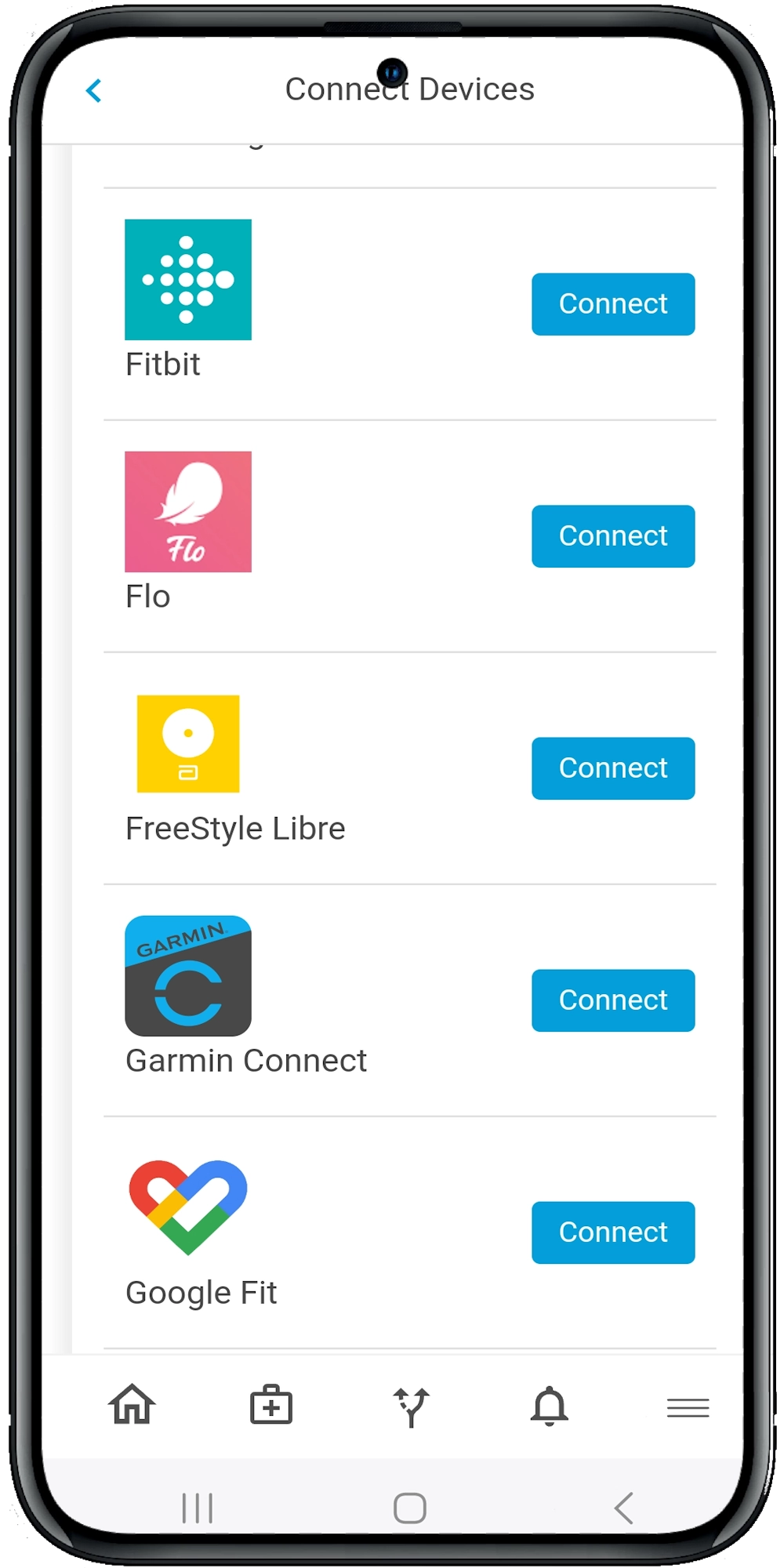
- Real-time vitals from wearables and devices
- Lab results and imaging reports
- Medication adherence logs
- Patient journaling and survey responses
Digital care solutions like Calcium’s health ecosystem offer this unified view, allowing providers to see the full picture and make faster, smarter decisions.
2. Always-On, Patient-Centered Digital Engagement
The truth is, care often unravels once the patient leaves the clinic.
Patients forget meds, skip follow-ups, or just get overwhelmed. Even with the best treatment plan, if the patient isn’t engaged, outcomes suffer.
That’s why high-performing accountable health solutions must offer 24/7 digital touchpoints. Think:
- Daily check-ins
- Smart reminders for meds or exercises
- Motivational messages
- Personalized goals and feedback loops
In one review, Medicaid ACOs that improved patient engagement saw measurable drops in inpatient admissions and better primary care use (Holm et al., 2024). That’s proof that when patients stay connected, outcomes improve—and provider performance rises.
3. Behavioral Health and Social Determinants Built In
Healthcare isn’t just physical. Mental health, addiction, food insecurity, housing instability—all of it plays a role.
Yet, many ACOs treat behavioral health like an afterthought. This is a mistake. Studies show patients with mental health conditions drive disproportionately higher spending and worse outcomes if left unsupported (Wilson et al., 2020).
A modern, accountable health solution should offer:
- Mental health pathways (for anxiety, depression, ADHD, etc.)
- Built-in symptom tracking and journaling
- Mindfulness and stress management tools
- Care team communication with behavioral specialists
Calcium nails this with behavioral health pathways that don’t just track conditions—they support patients in real time, with automated interviews, feedback prompts, and connected care teams.
4. Real-Time Compliance Monitoring and Alerts
Ever feel like you’re flying blind with your patients between visits?
Most providers don’t find out someone stopped taking meds or missed therapy until things get worse. Then it’s damage control.
That’s why real-time monitoring is a game-changer. With intelligent alerts, providers can be notified when a patient:
- Misses a check-in or symptom entry
- Stops taking medications
- Records alarming vitals or trends
- Expresses distress in journal logs
This early-warning system allows providers to step in before an ER visit or readmission becomes inevitable (Holm et al., 2024). It’s like turning on headlights on a dark road.
5. Automation That Lightens the Load
Let’s be real—providers didn’t go to medical school to become data-entry clerks. But value-based care often demands manual metrics, outcomes, and compliance tracking. It’s exhausting and unsustainable.
The game-changer? Automation.
Digital care platforms with AI capabilities empower teams to build smart, self-operating workflows:
- Automated care plans
- Symptom checklists
- Patient education modules
- Post-visit surveys
These tools collect the right data at the right time—without overwhelming clinicians. It’s like having a virtual assistant for every care manager. Less time spent clicking boxes. More time spent actually helping patients (McClellan et al., 2017).
6. Care Personalization That’s Smart and Scalable
Let’s say you have 200 patients with hypertension. How many of them need the exact same care plan?
Spoiler alert: zero.
One of the biggest shortcomings of traditional ACO tools is the lack of personalization by offering:
- Generic alerts
- Generic follow-ups
- Generic checklists
But people aren’t generic—and their care shouldn’t be either.
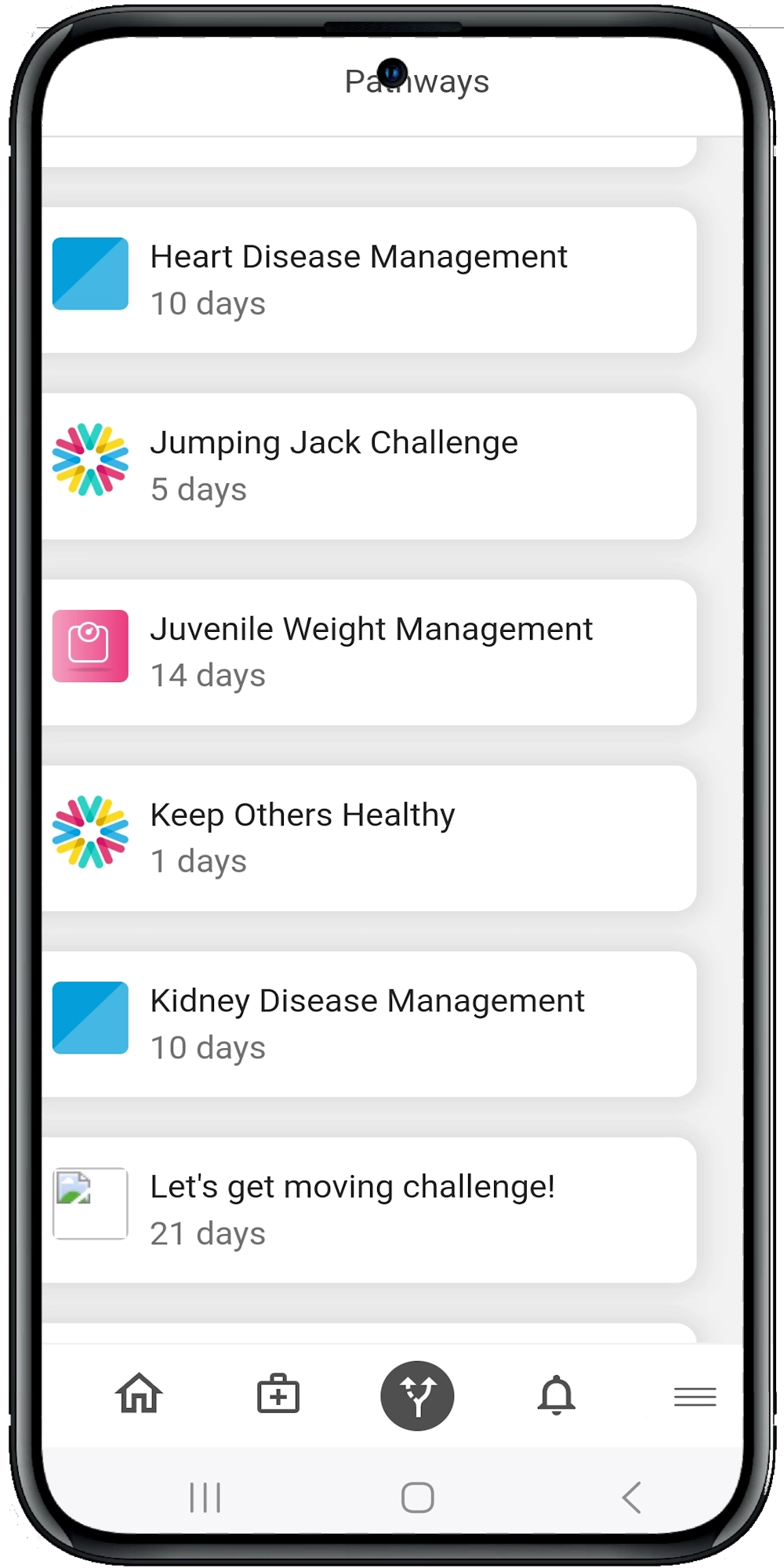
That’s why accountable health solutions like Calcium use AI-powered pathways that adapt to each patient’s progress, preferences, and data. If someone logs better blood pressure readings for two weeks straight, the system can adjust goals. If someone misses their daily exercise three days in a row, the platform may suggest a different approach. It’s accountability with flexibility—care that adjusts like a GPS rerouting in real time.
7. Clear, Outcome-Focused Transparency
You can’t improve what you can’t measure.
Many ACOs fall short not because of bad care—but because they lack visibility into what’s working. Without data, there’s no way to tell:
- If engagement dropped off after week two
- If the care strategy helped lower expenses in the long run
- If clinical outcomes improved
Digital care platforms flip the script by surfacing real-time, actionable insights:
- Patient compliance and symptom trends
- Goal progress by condition or population group
- Clinical and financial impact in easy-to-read dashboards
This isn’t about checking regulatory boxes. It’s about delivering evidence of impact—the kind that drives smarter decisions, better care, and stronger outcomes (Kahn & Sullivan, 2021).
Why Most ACOs Still Miss the Mark
Even with the best intentions, ACOs often fall short of what was hoped for. According to a 2021 review, net savings to Medicare from ACOs were minimal—often less than 1% once shared bonuses were paid out (Kahn & Sullivan, 2021). And Medicaid ACOs? The results were even more mixed, with outcomes varying by state and patient population (Holm et al., 2024).
So what’s going wrong?
In many cases, ACOs operate on outdated infrastructure. They lack the digital tools to engage patients, integrate behavioral health, or monitor care in real time. They’re still reactive, trying to catch up to yesterday’s data.
Global case studies—from Nepal to Germany—have shown that successful accountable care requires a blend of data sharing, primary care empowerment, community integration, and scalable digital tools (McClellan et al., 2017). Those tools need to be easy for patients to use and powerful enough for providers to act on.
That’s the sweet spot Calcium hits. It’s not just a health app. It’s a platform that transforms care delivery from fragmented and episodic to continuous and accountable.
The Wrap
Accountability in healthcare isn’t just about tracking outcomes—it’s about empowering providers with the right tools to drive them. As we’ve explored, truly impactful accountable health solutions do more than check regulatory boxes.
They unify data, engage patients daily, integrate behavioral health, and deliver real-time insights that providers can actually use. It’s not just innovation—it’s what’s needed to thrive in value-based care. That’s where Calcium comes in. Designed for today’s healthcare realities, the Calcium digital health platform offers a smarter, more personalized approach to accountable care—whether you’re managing chronic conditions, improving population health, or scaling wellness programs. If you’re ready to move beyond the limitations of traditional ACO models and embrace a solution that puts both patients and providers first, it’s time to see what Calcium can do for your organization.
Reference
Holm, J., Pagán, J. A., & Silver, D. (2024). The impact of Medicaid accountable care organizations on health care utilization, quality measures, health outcomes and costs from 2012 to 2023: A scoping review. Medical Care Research and Review, 81(5). https://doi.org/10.1177/10775587241241984
Kahn, J. G., & Sullivan, K. R. (2021). Promise vs. Practice: The Actual Financial Performance of Accountable Care Organizations. Journal of General Internal Medicine, 37(3). https://doi.org/10.1007/s11606-021-07089-6
Wilson, M., Guta, A., Waddell, K., Lavis, J., Reid, R., & Evans, C. (2020). The impacts of accountable care organizations on patient experience, health outcomes and costs: a rapid review. Journal of Health Services Research & Policy, 25(2), 130–138. https://doi.org/10.1177/1355819620913141
McClellan, M., Udayakumar, K., Thoumi, A., Gonzalez-Smith, J., Kadakia, K., Kurek, N., Abdulmalik, M., & Darzi, A. W. (2017). Improving Care And Lowering Costs: Evidence And Lessons From A Global Analysis Of Accountable Care Reforms. Health Affairs, 36(11), 1920–1927. https://doi.org/10.1377/hlthaff.2017.0535