Türkiye’de bahis severler için en çok tercih edilen bettilt giriş adreslerden biri olmaya devam ediyor.
Curacao lisanslı platformlar arasında güvenilirlik açısından üst sıralarda bahsegel giriş yer alan, uluslararası denetimlerden başarıyla geçmiştir.
Kazançlı bahis deneyimi arayan herkes için bettilt doğru seçimdir.
Rulet masalarında en çok tercih edilen bahis türleri arasında kırmızı/siyah ve tek/çift seçenekleri yer alır; pinco giriş bu türleri destekler.
Basketbol tutkunları için en iyi kupon fırsatları bettilt sayfasında yer alıyor.
Unlocking Smarter Care, Stronger Teams, and Better Outcomes Through Digital Transformation
Healthcare today stands at a critical crossroads. As value-based care reshapes everything from payment models to patient expectations, simply doing things “the way we’ve always done them” is no longer enough. Providers, organizations, and innovators face a new reality—adapt or be left behind.
The pressure to deliver better outcomes, control costs, and meet the whole-person needs of patients is growing by the day.
But here’s the opportunity: those who embrace digital innovation aren’t just surviving the shift, they’re leading it. The right strategies and technologies are transforming the way care is delivered, creating systems that are smarter, faster, and more human.
If you’re ready to future-proof your practice and thrive under value-based models, it starts with understanding how digital health is driving the next wave of healthcare transformation. Let’s dive into what’s changing—and how you can stay ahead of it.
The New Demands of Value-Based Care
Healthcare has entered a new era. Gone are the days when providers could focus only on episodic care and expect sustainable results. Today, value-based care (VBC) demands proactive, relationship-driven models where patients are engaged partners, not passive recipients.
The expectations are higher, too. It’s not enough to deliver treatments—you have to deliver better outcomes, more efficiently, with greater attention to whole-person health. Innovation isn’t a luxury anymore. It’s the engine that powers success under these new rules.
Lessons from State and Regional Innovation Efforts
What can we learn from those who have already tried to lead VBC reform? Plenty.
The CMS State Innovation Models (SIM) initiative showed that technology investment was a major predictor of success. States and regions that funded interoperability, care coordination tools, and predictive analytics made bigger strides in VBC implementation.
But the real secret wasn’t just buying technology—it was building flexible, scalable infrastructures that could adapt to local needs. Innovation wasn’t about flashy projects. It was about creating systems where teams could experiment, learn fast, and spread what worked.
Calcium’s platform mirrors that lesson perfectly. Its modular, API-friendly design lets organizations start small, then scale their innovation strategies without heavy IT overhead.
How Digital Health Tools Drive Innovation in VBC
If we’re serious about transforming healthcare, we need digital tools that don’t just manage patients—they empower teams to predict, personalize, and prevent.
Here’s where modern platforms like Calcium make a real difference:
Real-Time Risk Stratification and Predictive Analytics
Imagine knowing which patients are at risk of hospitalization before symptoms even surface. That’s the power of predictive analytics. Instead of reacting to crises, care teams can intervene early, managing chronic conditions proactively.
Platforms like Calcium’s Core dashboard combine clinical data, wearable inputs, and social risk factors to identify rising-risk patients in real time. It’s like having a weather radar for your patient population—giving you a heads-up before the storm hits.
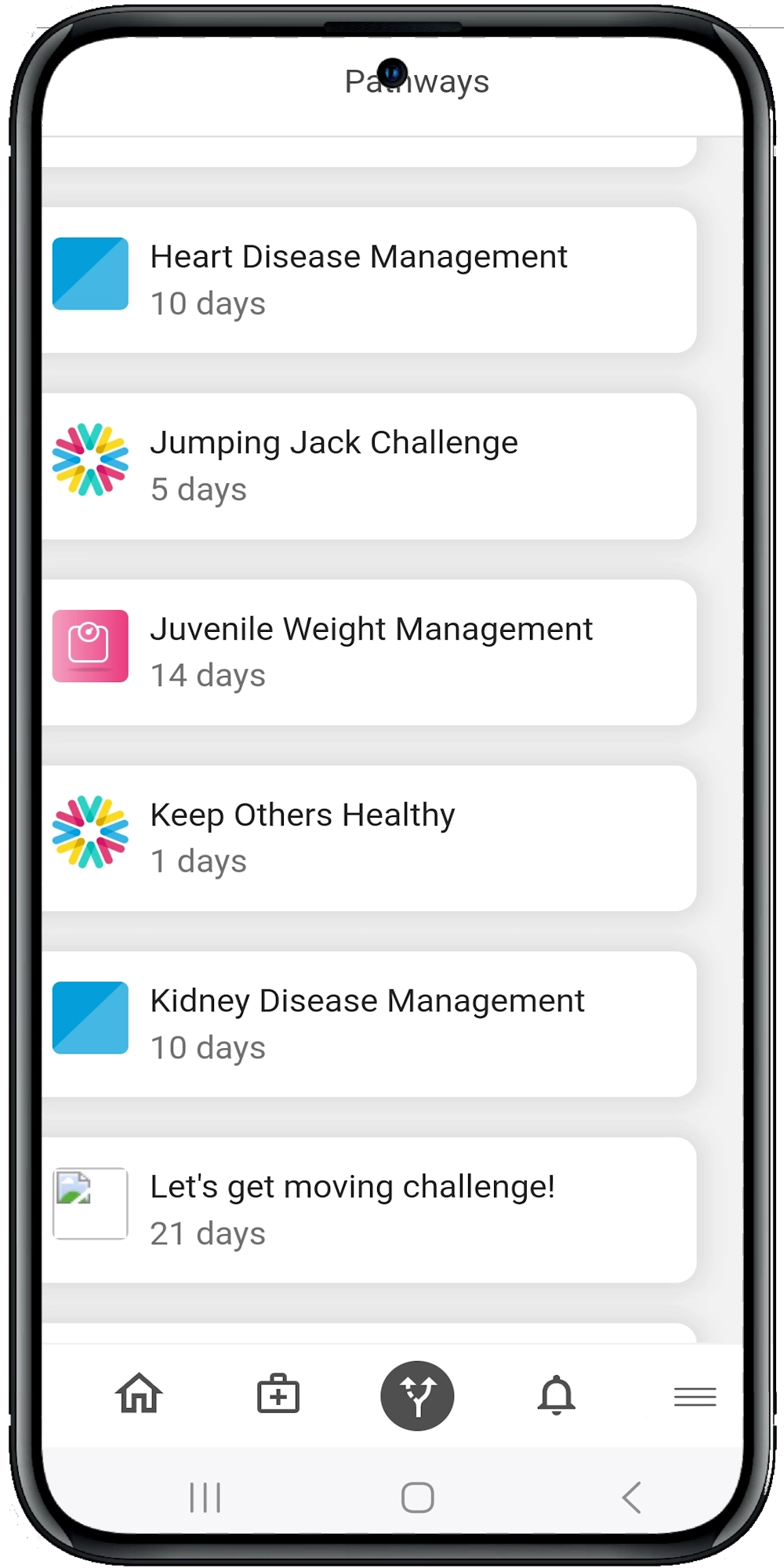
Intelligent Care Pathways Customized by Patient Need
Not every patient with diabetes needs the same care plan. Not every patient with depression needs the same support. That’s why intelligent care pathways matter so much.
Dynamic pathways—like those built in Calcium’s AI Studio—adapt based on:
- A patient’s clinical status
- Their engagement levels
- Social determinants of health
- Behavioral health risks
This goes beyond static templates. It reflects the call for personalized innovation made in research on value-based pricing. The future isn’t mass production. It’s mass personalization.
Whole-Person Care: Integrating Behavioral and Social Health
The best digital health strategies recognize that physical, mental, and social health are inseparable.
Platforms need to make it easy to:
- Screen for behavioral health conditions like anxiety or substance use
- Identify social risks like housing instability or food insecurity
- Integrate that information into daily care planning
One study found that practices participating in VBC models were far more likely to screen for social risks. But screening isn’t enough—you have to act on what you find.
Calcium embeds behavioral health prompts and social needs assessments directly into patient workflows. That’s not a bonus—it’s the backbone of sustainable value-based care.
Mobile-First Patient Engagement Tools
You can have the best care plans in the world, but if patients forget about them once they leave your clinic, your results will suffer.
That’s why mobile-first engagement is a game-changer. The right app can turn occasional care into continuous connection.
The best mobile tools include:
- Daily symptom check-ins and medication reminders
- Educational nudges based on patient goals
- Behavioral health journaling and mood tracking
- Two-way messaging with care teams
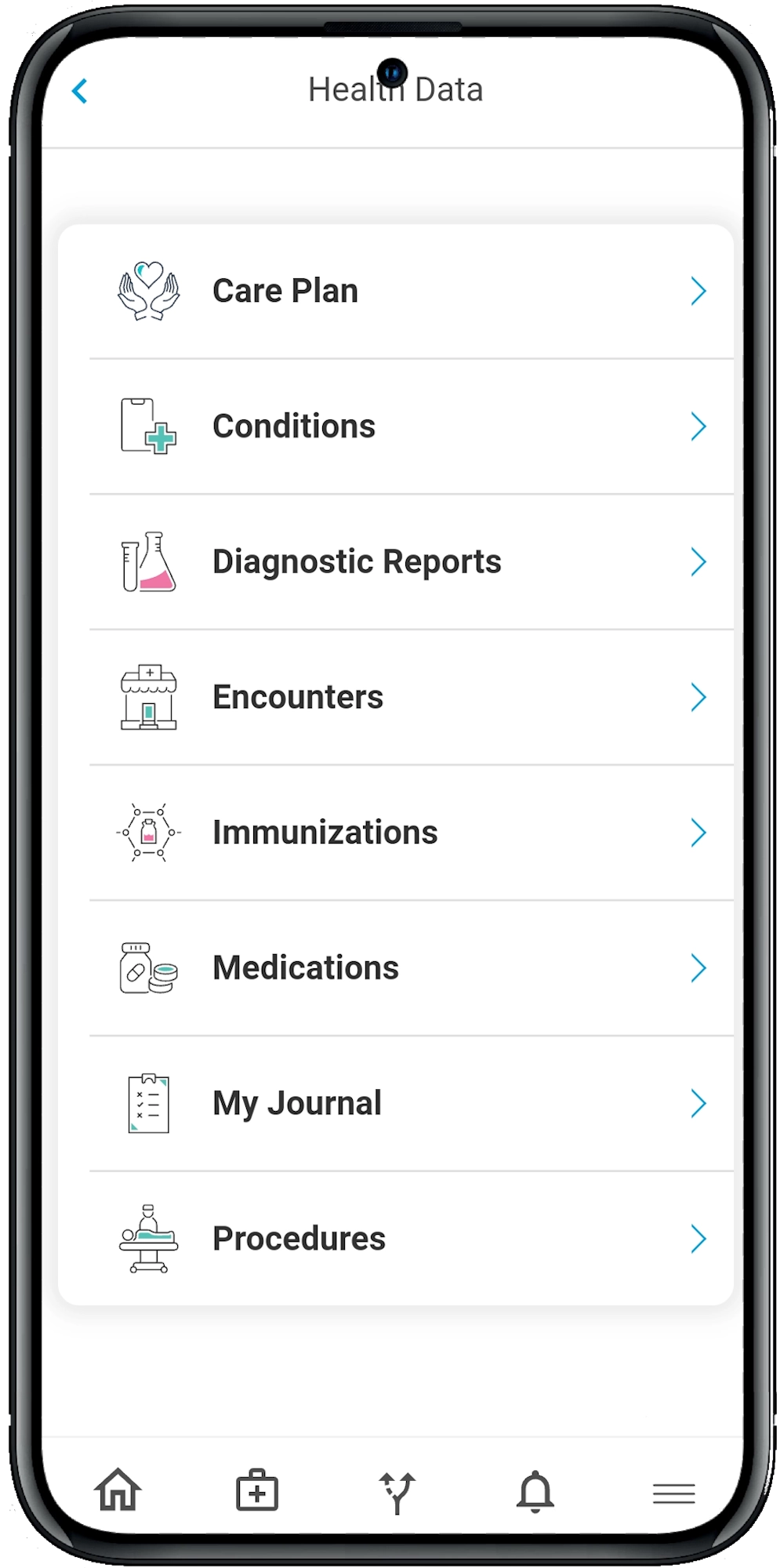
Calcium’s Super App doesn’t just remind patients about their appointments. It creates a living, breathing partnership that helps them stay on track every day—making behavior change more natural, not forced.
Data Interoperability and Unified Patient Views
Fragmented data kills innovation. When information is locked in separate systems, you can’t see the full patient story, let alone improve it.
Interoperable platforms like Calcium pull data from:
- EHRs and labs
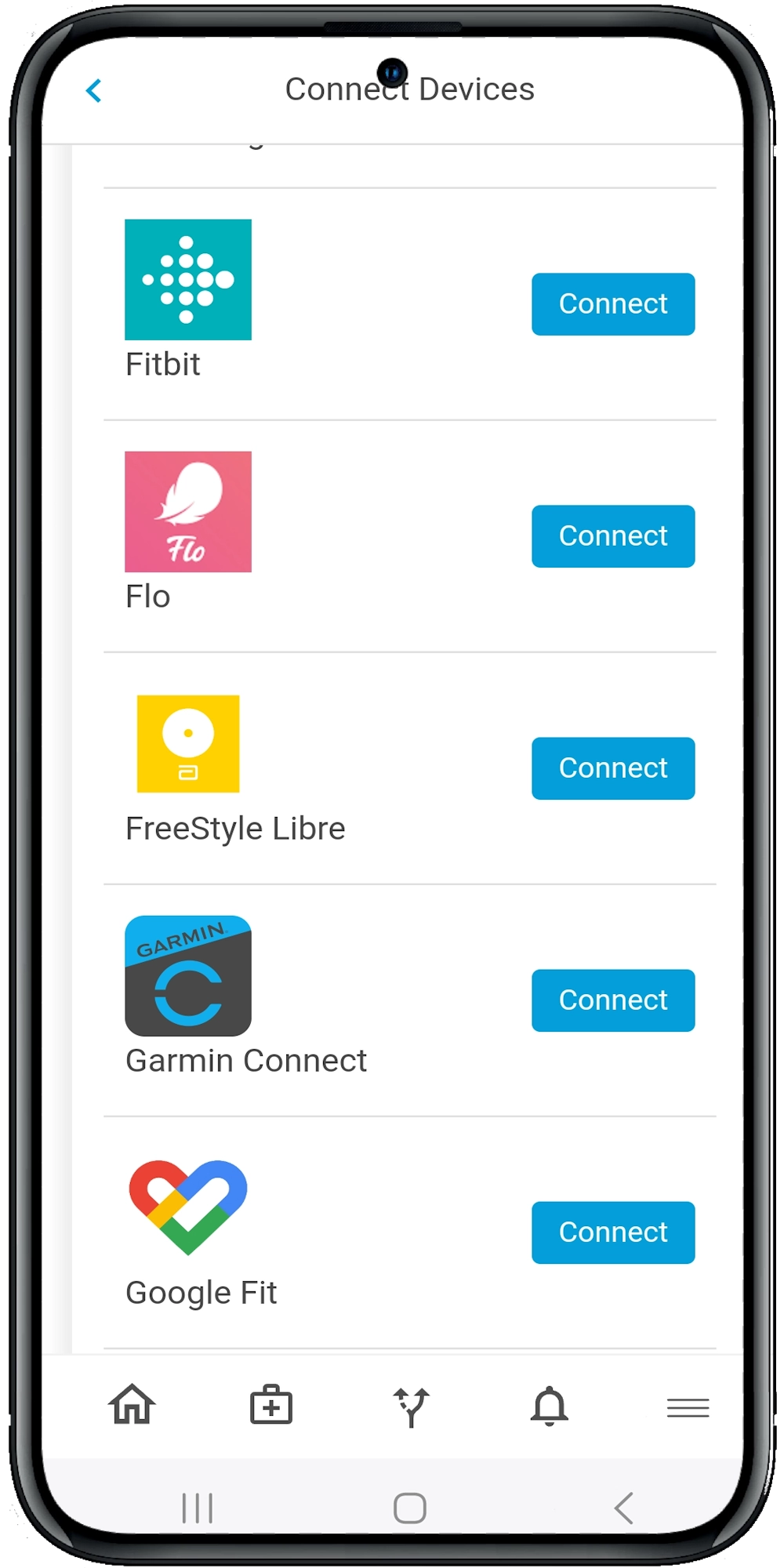
- Wearables and home health devices
- Social needs assessments
- Behavioral health screenings
This creates a 360-degree view of each patient—allowing providers to make faster, smarter, and more personalized decisions. It’s not just connecting dots. It’s connecting lives.
Balancing Collaboration and Disruption: A Strategic Imperative
The smartest innovators aren’t trying to tear down healthcare. They’re working with frontline teams to build something better.
Research on state and regional VBC efforts shows that balancing collaboration with bold innovation is key. Disruption alone can cause confusion. Collaboration without innovation can lead to stagnation.
Digital platforms must support both:
- Enabling fast pilots and new workflows
- Maintaining shared dashboards and communication channels
- Adapting to new payment models without constant system rebuilds
Calcium’s platform is built to allow both steady evolution and rapid transformation, depending on the organization’s strategy and needs.
The Payoff: Innovation That Delivers Outcomes
When you invest in the right digital innovation, you’re not just checking a box—you’re changing the game.
Benefits include:
- Smarter resource allocation through targeted interventions
- Reduced hospitalizations and preventable ED visits
- Improved chronic disease management and preventive screening rates
- Higher patient satisfaction and engagement
- Greater shared savings and incentive payments under VBC contracts
Innovation isn’t just exciting—it’s essential to meeting the triple aim of healthcare: better care, better health, lower cost.
Common Innovation Pitfalls (And How to Avoid Them)
Even with the best intentions, organizations can stumble. Here’s what to watch for:
- Underinvesting in technology infrastructure
- Choosing tools that can’t scale or integrate
- Focusing only on clinical metrics, ignoring SDOH
- Neglecting continuous patient engagement strategies
The good news? With platforms like Calcium, you’re equipped to avoid these mistakes and keep innovation at the heart of everything you do.
The Wrap
Innovation isn’t a nice-to-have anymore—it’s the heartbeat of success in value-based care. Providers who embrace digital health tools aren’t just improving workflows, they’re transforming lives and shaping a healthcare system that finally puts outcomes first. Whether it’s real-time risk stratification, mobile-first patient engagement, or integrated behavioral and social health solutions, innovation is happening right now, and it’s redefining what’s possible.
Platforms like Calcium are designed to power that transformation by giving providers the tools they need to work smarter, connect deeper, and deliver results that matter. If you’re serious about leading in the next era of healthcare—not just keeping up—now is the time to act.
Reference
- Moreno, S. G., & Ray, J. A. (2016). The value of innovation under value-based pricing. Journal of Market Access & Health Policy, 4(1), 30754. https://doi.org/10.3402/jmahp.v4.30754
- CONRAD, D. A., GREMBOWSKI, D., HERNANDEZ, S. E., LAU, B., & MARCUS-SMITH, M. (2014). Emerging Lessons From Regional and State Innovation in Value-Based Payment Reform: Balancing Collaboration and Disruptive Innovation. Milbank Quarterly, 92(3), 568–623. https://doi.org/10.1111/1468-0009.12078
- KISSAM, S. M., BEIL, H., COUSART, C., GREENWALD, L. M., & LLOYD, J. T. (2019). States Encouraging Value‐Based Payment: Lessons From CMS’s State Innovation Models Initiative. The Milbank Quarterly, 97(2), 506–542. https://doi.org/10.1111/1468-0009.12380
- BREWSTER, A. L., FRAZE, T. K., GOTTLIEB, L. M., FREHN, J., MURRAY, G. F., & LEWIS, V. A. (2020). The Role of Value‐Based Payment in Promoting Innovation to Address Social Risks: A Cross‐Sectional Study of Social Risk Screening by US Physicians. The Milbank Quarterly, 98(4), 1114–1133. https://doi.org/10.1111/1468-0009.12480