Türkiye’de bahis severler için en çok tercih edilen bettilt giriş adreslerden biri olmaya devam ediyor.
Curacao lisanslı platformlar arasında güvenilirlik açısından üst sıralarda bahsegel giriş yer alan, uluslararası denetimlerden başarıyla geçmiştir.
Kazançlı bahis deneyimi arayan herkes için bettilt doğru seçimdir.
Rulet masalarında en çok tercih edilen bahis türleri arasında kırmızı/siyah ve tek/çift seçenekleri yer alır; pinco giriş bu türleri destekler.
Basketbol tutkunları için en iyi kupon fırsatları bettilt sayfasında yer alıyor.
Using Wearable Sensors to Track Osteoporosis Rehabilitation Progress
The Role of Wearable Sensors in Osteoporosis Care
Real-Time Monitoring
- Tracking Steps and Movement: They count steps, monitor gait, and detect falls, providing invaluable insights into a patient’s daily activity.
- Measuring Bone Load: Some advanced sensors can estimate the load on bones during various activities, helping to ensure exercises are safe and effective.
- Monitoring Heart Rate and Sleep Patterns: These metrics are crucial for understanding overall health and recovery progress.
Personalized Rehabilitation Plans
- Identifying Activity Levels: Data from sensors helps in setting realistic activity goals based on a patient’s current capabilities.
- Adjusting Exercise Routines: Continuous feedback allows for timely adjustments to exercise routines, ensuring they remain challenging yet safe.
- Tracking Progress: Regular data analysis helps in tracking improvements or identifying potential setbacks, allowing for proactive interventions.
Benefits of Wearable Sensors for Healthcare Providers
Enhanced Patient Engagement
- Instant Feedback: Patients receive immediate feedback on their activity levels, motivating them to stay active.
- Visual Progress Tracking: Graphs and charts make it easy for patients to visualize their progress, fostering a sense of achievement.
Improved Clinical Decision-Making
- Offering Objective Data: Unlike self-reported activity levels, sensor data is objective and accurate, providing a reliable basis for clinical decisions.
- Enabling Early Intervention: Continuous monitoring allows for the early detection of potential issues, enabling timely interventions that can prevent complications.
- Supporting Evidence-Based Practices: Data from wearable sensors can be used to support evidence-based practices, ensuring that rehabilitation strategies are grounded in solid data.
Challenges and Considerations
Data Privacy and Security
- Data Encryption: All data transmitted from wearable sensors should be encrypted to protect against unauthorized access.
- Compliance with Regulations: Providers must comply with regulations such as HIPAA to ensure patient data is handled securely.
Patient Compliance
- Educating Patients: Ensure patients understand the importance of wearing the sensors and how they contribute to their rehabilitation.
- Choosing Comfortable Devices: Select wearable sensors that are comfortable and easy to wear to encourage consistent use.
Data Integration
- Use Compatible Systems: Choose wearable sensors that are compatible with existing electronic health record (EHR) systems.
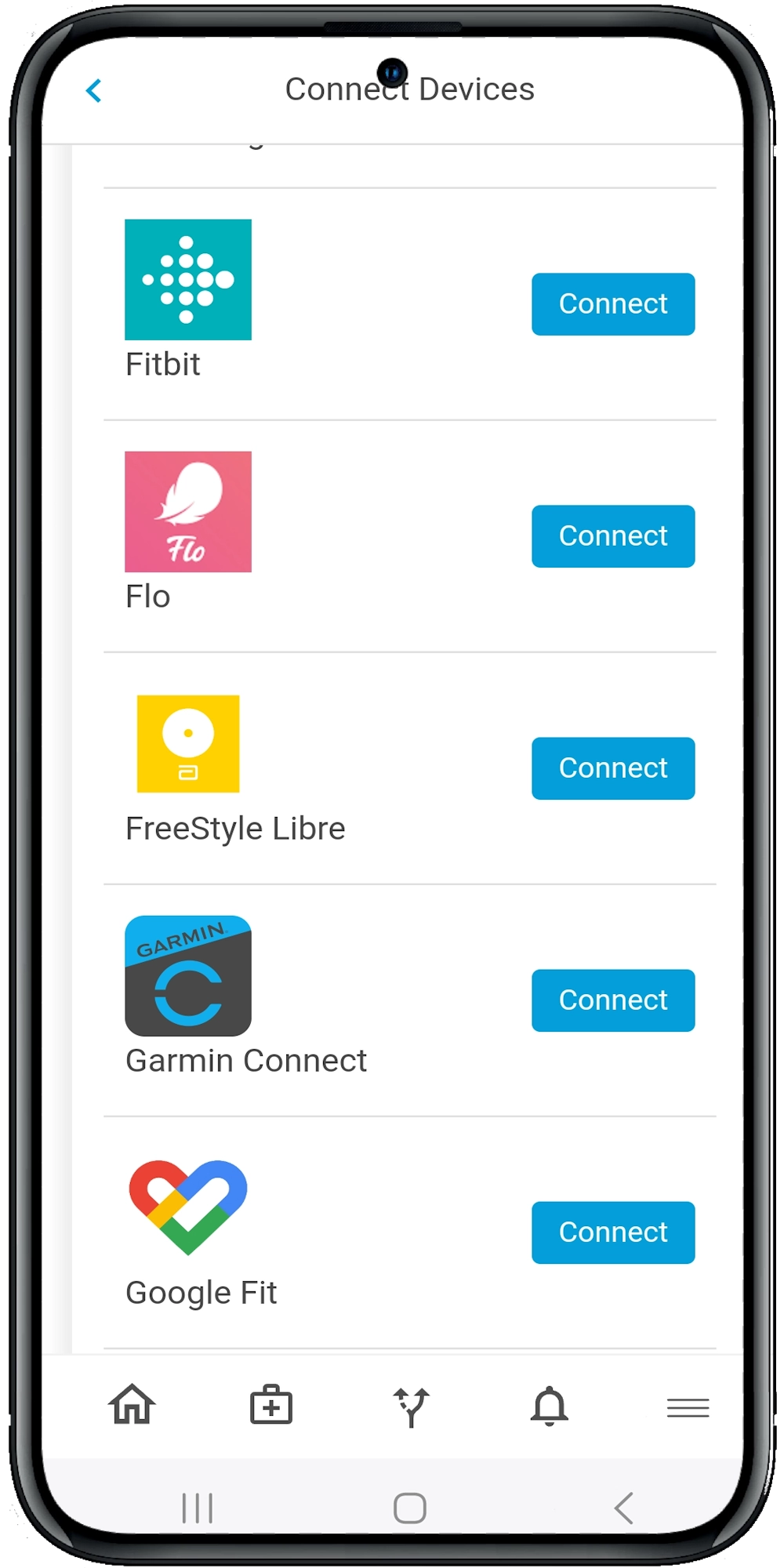
- Leverage Digital Health Platforms: Utilize digital health platforms that can seamlessly integrate data from various sources, providing a comprehensive view of patient health.
Future Directions
Advanced Analytics
- Predict Fracture Risk: Advanced algorithms could predict fracture risk based on activity patterns and bone health indicators.
- Personalize Rehabilitation Further: AI could analyze data to provide even more personalized rehabilitation plans, optimizing outcomes for each patient.
Integration with Telehealth
- Enabling Remote Monitoring: Patients can be monitored remotely, reducing the need for frequent in-person visits.
- Facilitating Virtual Consultations: Data from wearable sensors can be shared during virtual consultations, providing a comprehensive view of a patient’s progress.
Summary and Suggestions
Wearable sensors are transforming the landscape of osteoporosis rehabilitation, offering real-time monitoring, personalized care, and enhanced patient engagement. As healthcare providers, embracing this technology can lead to improved outcomes and a higher quality of care for our patients.