highest payout online casinos casino neosurf muchbetter casino canada casino spiele ipad kasyno online bez rejestracji europejskie kasyna online bez depozytu casino ohne verifizierung bei auszahlung best crypto casinos casinos online dinheiro real casino online wplata blik casinos mit giropay online casino recenzje casino interac online casinoer med dkk danske licens spil mastercard casinos online kasyna internetowe kasyna MiFinity cryptocasinoer muchbetter casino amazon pay casino kasyno online paypal casinos that accept idebit casinos online paysafecard fast withdrawal online casino online casino ecopayz online casino med trustly ezeewallet casino kaszinó gyors kifizetéseket hurtigste udbetalingstids på casino casino levantamento imediato gry kasynowe polska best casino bonuses bitcoin casino online kaszinó paypal jogos de casino para ganhar dinheiro real ecopayz online casino online casino zimpler casino paysafecard transferencia casino portugal nowe kasyno internetowe casino auf rechnung casinos mobile mobile kaszinójáték uj online casino casinos portugal online kaszinó gyors kifizetés legális magyar online kaszinó multibanco casinos online casino seiten bedste neteller casino udenlandske casino med trustly
Türkiye’de bahis severler için en çok tercih edilen bettilt giriş adreslerden biri olmaya devam ediyor.
Curacao lisanslı platformlar arasında güvenilirlik açısından üst sıralarda bahsegel giriş yer alan, uluslararası denetimlerden başarıyla geçmiştir.
Kazançlı bahis deneyimi arayan herkes için bettilt doğru seçimdir.
Rulet masalarında en çok tercih edilen bahis türleri arasında kırmızı/siyah ve tek/çift seçenekleri yer alır; pinco giriş bu türleri destekler.
Basketbol tutkunları için en iyi kupon fırsatları bettilt sayfasında yer alıyor.
Using AI to Streamline Operations in Physician Groups
Enhancing Administrative Tasks
Appointment Scheduling
- Automated Scheduling Systems: AI can manage appointment bookings, cancellations, and reminders. These systems can even handle rescheduling, reducing no-show rates.
- Patient Preferences: By analyzing patient data, AI can suggest appointment times that are most likely to be kept, improving overall clinic efficiency.
Billing and Coding
- Error Reduction: AI can analyze billing codes and ensure they’re correctly applied, reducing the risk of errors and subsequent claim denials.
- Speed and Efficiency: Automated billing systems can process claims faster than human staff, speeding up revenue cycles.
Staff Management
- Optimal Staffing: AI can predict patient flow and suggest optimal staffing levels, ensuring you have the right number of staff at the right times.
- Task Allocation: By analyzing workloads, AI can help distribute tasks more evenly among staff, reducing burnout and increasing job satisfaction.
Improving Patient Care
Personalized Treatment Plans
- Data Analysis: AI can analyze vast amounts of patient data to suggest personalized treatment plans. This isn’t just about current symptoms but also takes into account patient history and genetic information.
- Predictive Analytics: By analyzing trends and patterns, AI can predict potential health issues before they become serious, allowing for preventative measures.
Virtual Health Assistants
- 24/7 Availability: Virtual health assistants can answer patient queries around the clock, providing advice and information when you can’t.
- Symptom Checking: These assistants can guide patients through symptom checkers, helping them decide whether they need to see a doctor or can manage their symptoms at home.
Remote Monitoring
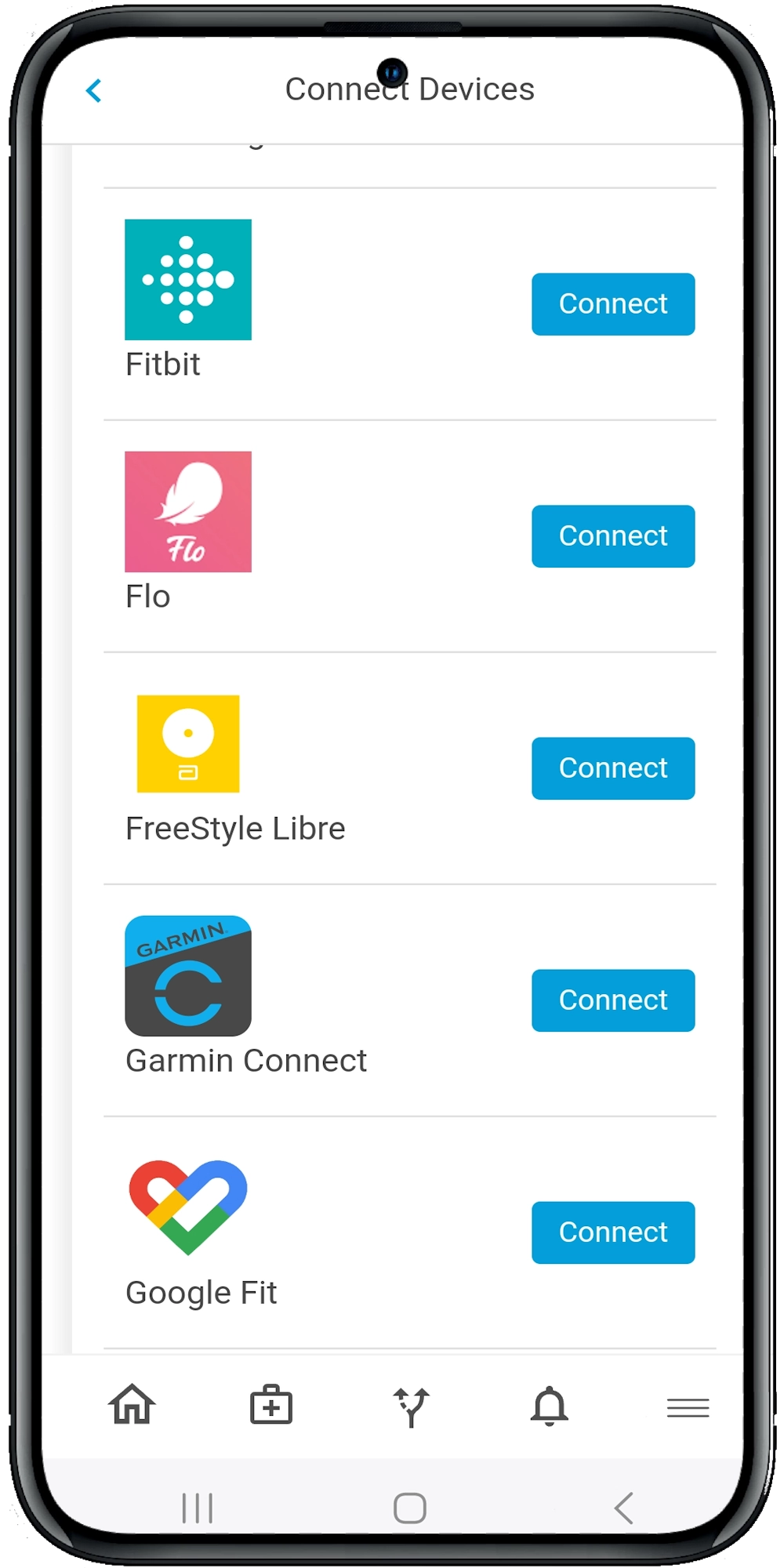
- Wearable Devices: AI can analyze data from wearable devices to monitor patients’ health in real-time. This is particularly useful for chronic conditions like diabetes or heart disease.
- Alerts and Notifications: If the AI detects any concerning trends, it can alert both the patient and the healthcare provider, ensuring timely intervention.
Enhancing Diagnostic Accuracy
Imaging Analysis
- Radiology: AI can analyze medical images faster and often more accurately than human radiologists. It can highlight areas of concern, allowing for quicker diagnosis and treatment.
- Pathology: Similarly, AI can assist pathologists in analyzing tissue samples, identifying abnormalities that might be missed by the human eye.
Predictive Diagnostics
- Risk Assessment: AI can analyze patient data to assess the risk of developing certain conditions, such as heart disease or cancer. This allows for early intervention and better patient outcomes.
- Genetic Analysis: By analyzing genetic information, AI can predict the likelihood of hereditary conditions, allowing for personalized preventative care plans.
Streamlining Communication
Inter-Departmental Communication
- Automated Reports: AI can generate and distribute reports automatically, ensuring that all relevant departments are kept in the loop.
- Real-Time Updates: AI can provide real-time updates on patient status, ensuring that everyone involved in a patient’s care is on the same page.
Patient Communication
- Automated Messaging: AI can send appointment reminders, follow-up messages, and even health tips, ensuring that patients stay engaged with their care.
- Feedback Collection: AI can collect and analyze patient feedback, providing insights into areas for improvement.
Reducing Operational Costs
Resource Allocation
- Efficient Use of Resources: AI can analyze data to ensure that resources, such as medical supplies and staff time, are used efficiently.
- Inventory Management: AI can predict when supplies will run low and automatically reorder them, reducing waste and ensuring that you never run out of essential items.
Energy Efficiency
- Smart Buildings: AI can manage energy use in your facility, adjusting heating, cooling, and lighting to save on utility bills.
- Predictive Maintenance: AI can predict when equipment is likely to fail and schedule maintenance before it becomes a problem, reducing downtime and repair costs.
Overcoming Challenges
Data Privacy
- Compliance: Ensure that any AI system you use complies with relevant data protection regulations, such as HIPAA.
- Encryption: Use encryption to protect patient data, both in transit and at rest.
Training and Adoption
- Staff Training: Ensure that all staff are adequately trained in using new AI systems. This might involve initial training sessions and ongoing support.
- Patient Education: Educate patients on how AI is being used in their care, addressing any concerns they might have about privacy or accuracy.
Cost of Implementation
- ROI Analysis: Conduct a thorough return on investment (ROI) analysis to ensure that the benefits of implementing AI outweigh the costs.
- Phased Implementation: Consider a phased implementation approach, starting with the most impactful areas and gradually expanding AI use.