Türkiye’de bahis severler için en çok tercih edilen bettilt giriş adreslerden biri olmaya devam ediyor.
Curacao lisanslı platformlar arasında güvenilirlik açısından üst sıralarda bahsegel giriş yer alan, uluslararası denetimlerden başarıyla geçmiştir.
Kazançlı bahis deneyimi arayan herkes için bettilt doğru seçimdir.
Rulet masalarında en çok tercih edilen bahis türleri arasında kırmızı/siyah ve tek/çift seçenekleri yer alır; pinco giriş bu türleri destekler.
Basketbol tutkunları için en iyi kupon fırsatları bettilt sayfasında yer alıyor.
Why Outcomes, Not Encounters, Are Now Driving Reimbursement in the Value-Based Care World
While new healthcare technologies, treatments and policies are making headlines on a regular basis, the real revolution is happening behind the scenes—at the financial core of how care gets delivered.
Value-based reimbursement (VBR) is reshaping everything we thought we knew about healthcare payments. It’s not just a funding model—it’s a mindset shift. Providers are no longer just treating symptoms; they’re expected to deliver measurable results, support patient experiences, and do it all with fewer resources.
Sound overwhelming? It doesn’t have to be. VBR is challenging, yes—but it’s also an opportunity for forward-thinking providers to lead the next era of care. Whether you’re a clinician, administrator, or care manager, understanding how VBR works—and how to make it work for you—is no longer optional. It’s essential. So how do you get ahead in a system built on value? Let’s break it down.
What Is Value-Based Reimbursement?
Value-based reimbursement (VBR) flips the traditional payment model on its head. Instead of paying providers for the number of services they deliver, VBR rewards them based on the quality of care and outcomes they achieve. That means a provider gets paid more when patients get healthier, not just when they come in more often.
VBR shifts the focus from volume to value—from procedures to results. The goal? To improve patient health, increase care efficiency, and lower overall costs. For providers, this isn’t just about a different way to get paid. It’s a different way to think about delivering care.
Types of Value-Based Reimbursement Models
Not all VBR models look the same. Here are some of the most common types:
- Pay-for-Performance (P4P). Providers earn incentives for meeting specific quality metrics like controlling blood pressure or reducing readmissions.
- Bundled Payments. A single payment is made for an entire episode of care (e.g., knee replacement), covering all services from start to finish.
- Shared Savings and Shared Risk. Providers keep a portion of the savings if they deliver care below expected cost benchmarks. In shared risk models, they may also share in losses.
- Global Budgets. Providers receive a fixed amount to manage the health of a defined population, encouraging preventive and coordinated care.
Each model brings different opportunities and challenges, but all push toward the same outcome: better care at lower cost.
Why VBR Matters More Than Ever
The healthcare landscape is shifting. Rising costs, workforce burnout, and aging populations are straining a system still built around transactions, not transformation.
VBR is gaining traction because:
- CMS and commercial payers are doubling down on alternative payment models
- Chronic diseases now drive most healthcare spending, yet are often poorly managed in fee-for-service settings
- Patients expect more personalized, efficient care
- Technology makes real-time outcomes tracking more possible than ever
In short, the old model is breaking down. VBR offers a smarter way forward.
Key Benefits of Value-Based Reimbursement for Providers
While transitioning to VBR requires effort, the payoff can be significant. Providers who embrace the shift can benefit from:
- Greater financial alignment with outcomes, not volume
- More coordinated care delivery and fewer duplicated services
- Stronger relationships with patients through continuous engagement
- Opportunities to innovate with digital tools and workflows
This isn’t just a new billing model. It’s a catalyst for redesigning care around what actually works.
Challenges Providers Face in VBR Environments
That said, it’s not all smooth sailing. Moving to a value-based model involves a learning curve. Common provider pain points include:
- Data silos that make it hard to track outcomes across systems
- Lack of standardized metrics, especially for behavioral and social health
- Limited resources for care coordination and chronic disease management
- Burnout from added documentation and new technology demands
These challenges are real—but they can be solved with the right support, especially from digital health platforms.
How Digital Health Platforms Support VBR Success
To thrive under VBR, providers need tools that go beyond traditional EHRs. That’s where platforms like Calcium come in.
Here’s how digital platforms support VBR:
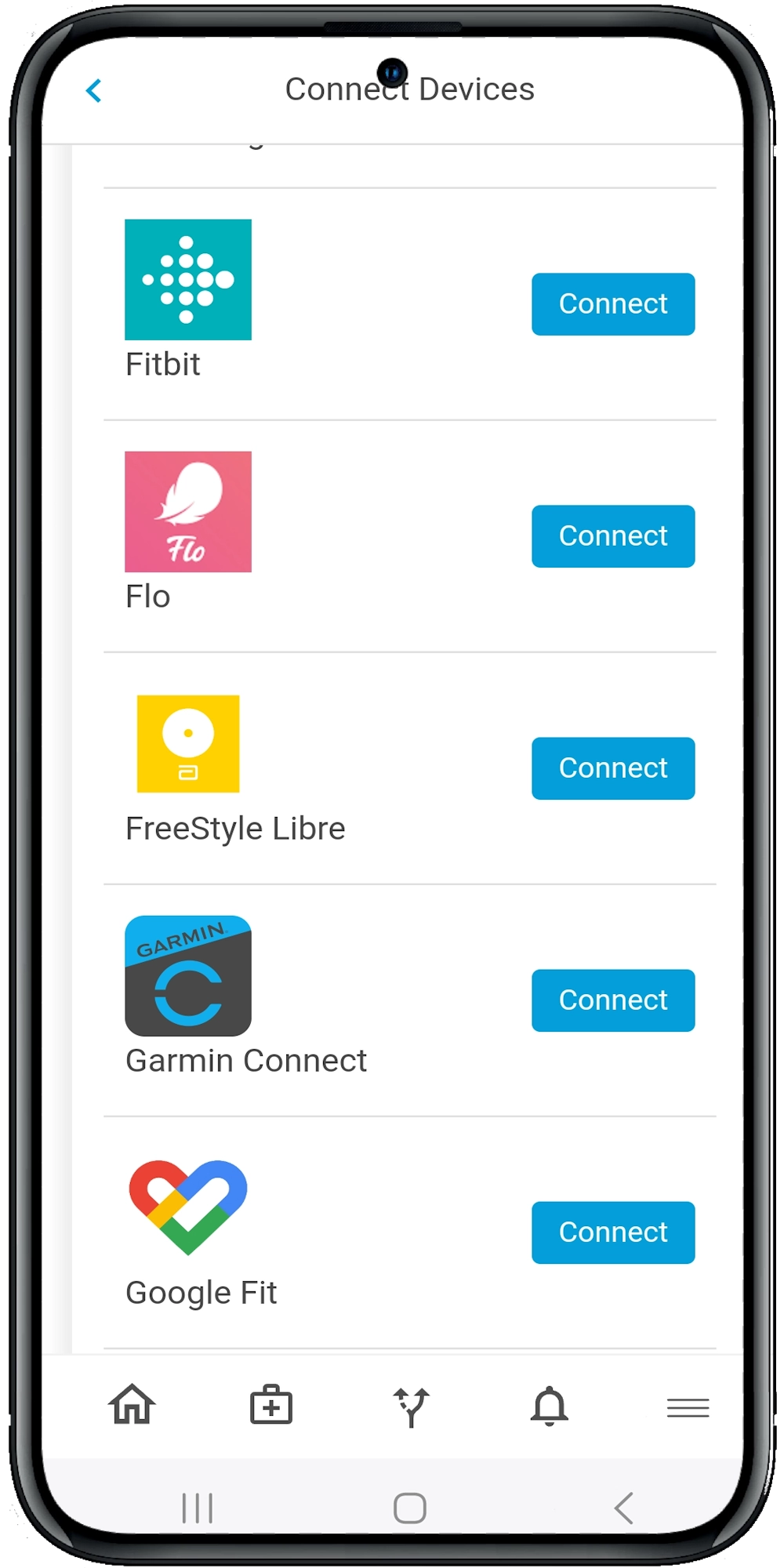
- Aggregate patient data from multiple sources (EHRs, devices, labs, and self-reports)
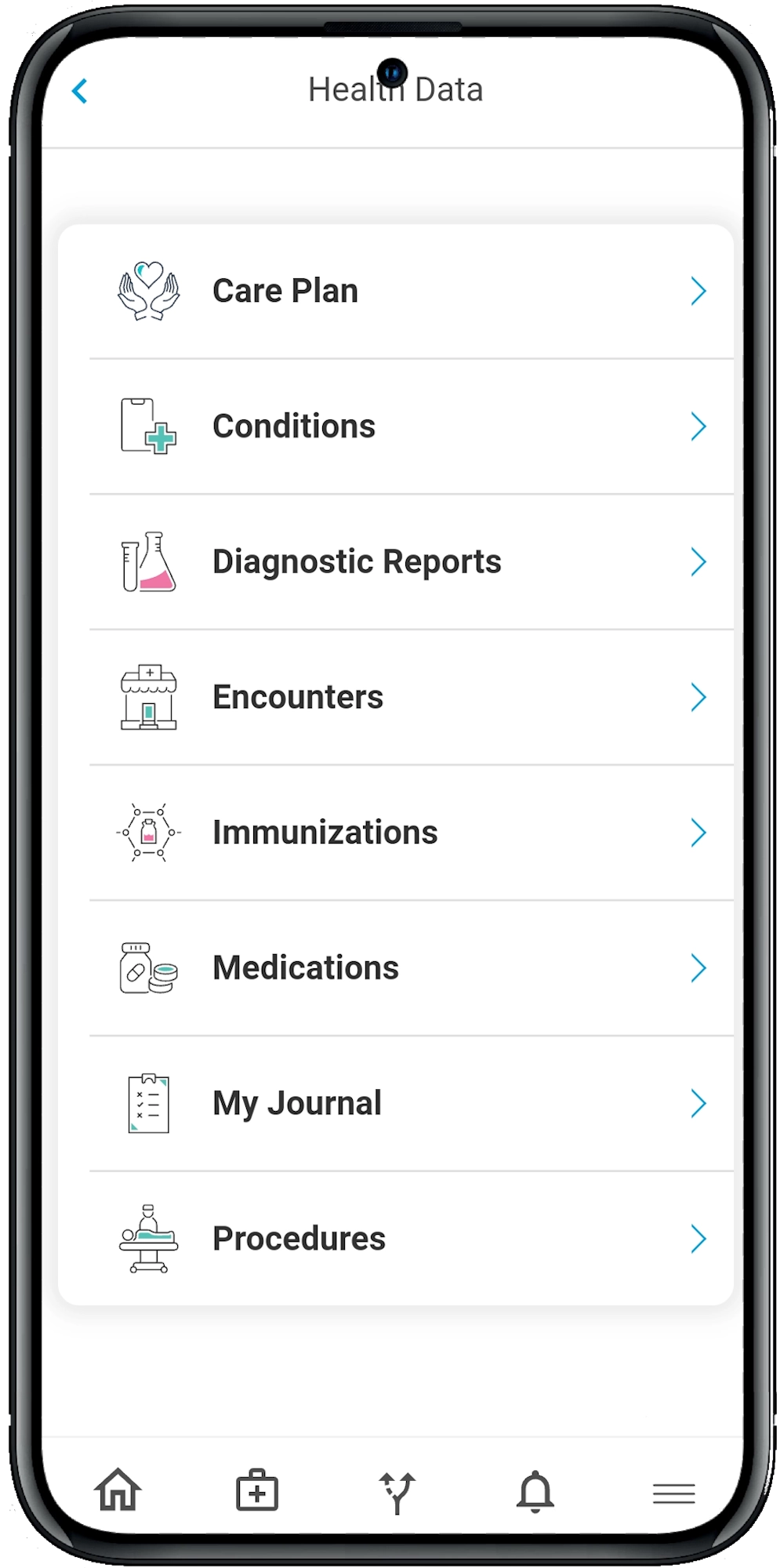
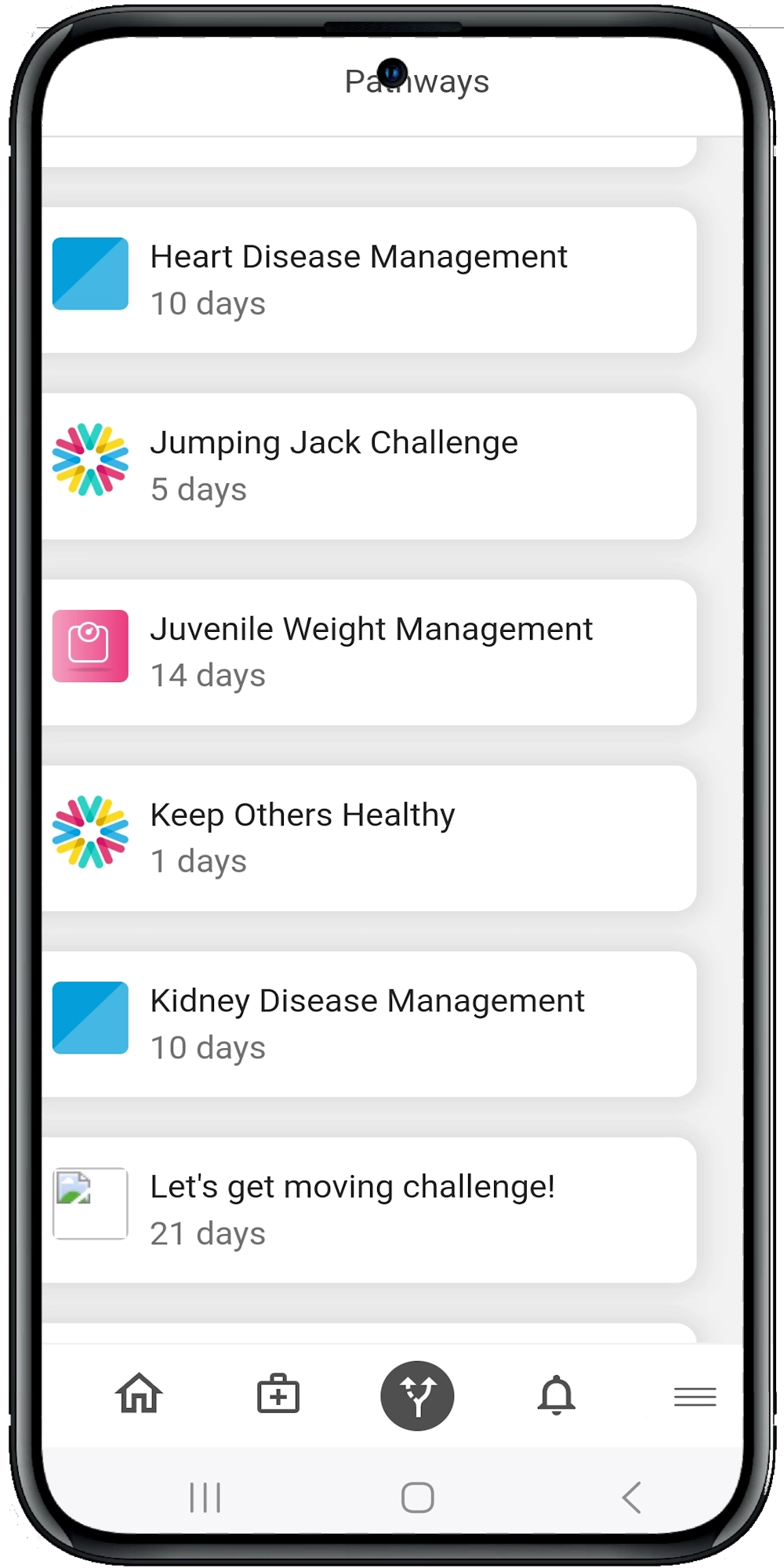
- Deliver personalized digital pathways that guide patients through chronic condition management, recovery, and preventive care
- Track patient-reported outcomes (PROMs) to support quality-based reimbursement contracts
- Enable two-way communication between care teams and patients, even between visits
- Surface real-time alerts and risk scores so providers can intervene earlier
This kind of support turns VBR from a policy requirement into a performance advantage.
Real-World Applications of Value-Based Reimbursement
Recent research provides compelling evidence that VBR is not just a trend—it’s an effective strategy for improving care:
- One study on value-based reimbursement in pain management found a direct correlation between digital patient engagement and improved pain scores, supporting the use of PROMs as a reimbursement metric.
- Another review of value-based payment for orphan drugs highlighted the importance of aligning payment with long-term outcomes, not just short-term treatment gains.
- Value-based models in personalized healthcare are increasingly looking to tailor reimbursement based on individual response to treatments, which requires platforms that can track those nuances in real time.
In all of these scenarios, the ability to measure outcomes and adapt care accordingly was essential.
What Providers Should Do to Get Started
If you’re not already in a VBR model, chances are you will be soon. Here’s how to prepare:
- Review current payer contracts to understand where value-based incentives already exist
- Start capturing patient-reported outcomes using digital tools
- Implement a care coordination strategy for your highest-risk populations
- Invest in a platform that helps monitor and manage value-based metrics
- Train your staff on VBR concepts and workflows
Even small steps can build momentum. The key is to start with a clear strategy and the right technology partner.
The Role of PROMs in Future Reimbursement Models
Patient-reported outcomes (PROMs) are emerging as a critical piece of the VBR puzzle. Instead of relying solely on lab results or claims data, PROMs capture the patient’s experience of care: pain levels, mental health status, functional improvements, and satisfaction.
Incorporating PROMs into reimbursement:
- Encourages a more holistic view of patient health
- Supports equity by including outcomes that matter across populations
- Helps tailor interventions to what patients value most
Platforms like Calcium make it easier to collect, analyze, and act on PROMs, helping providers strengthen their value proposition with payers.
Why Calcium Is Built for VBR Success
At every stage of the value-based care journey, Calcium offers support:
- Guided care pathways that match payer incentives and clinical protocols
- Behavioral and chronic health tools that personalize the care experience
- Real-time analytics to track progress and report outcomes
- Digital family care coordination for multi-member households
With these tools, providers don’t just adapt to value-based models—they excel in them.
The Wrap
VBR is rapidly gaining traction because it works. Providers who embrace this model now will be better positioned to deliver the kind of care that patients want, payers reward, and communities need. The future of healthcare is rooted in value—and with the right tools, you can be part of leading that change.
The future of healthcare isn’t about doing more—it’s about doing better.
Value-based reimbursement offers a path forward that rewards quality, outcomes, and patient satisfaction over sheer volume. But reaching that future takes more than policy changes—it takes innovation, coordination, and the right technology to support it all. Whether you’re trying to reduce readmissions, improve chronic disease outcomes, or better engage your patients between visits, your strategy needs to be built around actionable insights and real-world tools.
That’s where Calcium stands apart. Our digital health platform simplifies care coordination, enables predictive analytics, and personalizes the patient experience—making it easier for providers to succeed in value-based care environments.
Reference
- Garrison, L., & Towse, A. (2017). Value-Based Pricing and Reimbursement in Personalised Healthcare: Introduction to the Basic Health Economics. Journal of Personalized Medicine, 7(3), 10.https://doi.org/10.3390/jpm7030010
- Paula, A., Liu, H., Jones, P., & Carisi Polanczyk. (2023). Value-based Reimbursement as a Mechanism to Achieve Social and Financial Impact in the Healthcare System. Journal of Health Economics and Outcomes Research, 100–103. https://doi.org/10.36469/jheor.2023.89151
- Paulden, M., Stafinski, T., Menon, D., & McCabe, C. (2014). Value-Based Reimbursement Decisions for Orphan Drugs: A Scoping Review and Decision Framework. PharmacoEconomics, 33(3), 255–269. https://doi.org/10.1007/s40273-014-0235-x
- Eriksson, T., Tropp, H., Wiréhn, A.-B., & Levin, L.-Å. (2020). A pain relieving reimbursement program? Effects of a value-based reimbursement program on patient reported outcome measures. BMC Health Services Research, 20(1). https://doi.org/10.1186/s12913-020-05578-8