Türkiye’de bahis severler için en çok tercih edilen bettilt giriş adreslerden biri olmaya devam ediyor.
Curacao lisanslı platformlar arasında güvenilirlik açısından üst sıralarda bahsegel giriş yer alan, uluslararası denetimlerden başarıyla geçmiştir.
Kazançlı bahis deneyimi arayan herkes için bettilt doğru seçimdir.
Rulet masalarında en çok tercih edilen bahis türleri arasında kırmızı/siyah ve tek/çift seçenekleri yer alır; pinco giriş bu türleri destekler.
Basketbol tutkunları için en iyi kupon fırsatları bettilt sayfasında yer alıyor.
Fueling VBC Success with Smarter Ways to Connect Patients, Providers, and Real-Time Health Insights
“Using Digital Dashboards to Improve Care Coordination Across Value-Based Care Providers”
Care coordination sounds like a no-brainer in modern healthcare—yet it remains one of the biggest pain points for value-based care providers. Why? Because managing a patient’s journey across primary care, specialists, labs, hospitals, and home settings is anything but simple.
The stakes are high: missed follow-ups, medication errors, and delayed interventions can turn manageable conditions into costly complications. As value-based models demand better outcomes at lower costs, the pressure on providers is growing fast. But here’s the good news—technology is finally catching up.
Digital dashboards are emerging as the secret weapon in the fight against fragmented care. They give providers a clear, real-time view of patient health across every touchpoint. More importantly, they turn data into action. So how do these dashboards actually work? And what can they do for your organization’s care coordination strategy? Let’s explore how this game-changing tool is reshaping healthcare delivery in the age of accountability.
The Care Coordination Struggle in Value-Based Care
If you’re a provider in a value-based care (VBC) model, you know one thing is for sure: care coordination isn’t just a bonus—it’s the backbone. Whether you’re managing patients with multiple chronic conditions or overseeing post-surgical recovery, everything hinges on how well the care team shares information, acts on real-time data, and aligns around the same goals.
Unfortunately, most health systems still operate in fragmented silos. EHRs don’t talk to each other. Patients are handed discharge papers they barely understand. One specialist doesn’t know what the other prescribed last week. In value-based care, these gaps don’t just hurt outcomes—they hurt your bottom line.
Why Traditional Coordination Models Fall Short
A lot of coordination still relies on manual follow-ups, faxes, and delayed lab reports. It’s no wonder things fall through the cracks. According to a study on care coordination in primary care, practices that implemented structured coordination processes saw improved patient experiences and better outcomes . So, what’s holding others back?
Here’s what tends to break down in traditional care settings:
- Delayed Communication. Providers often don’t know what’s happening with a patient until something goes wrong.
- Redundant or Missed Services. Without access to the full patient picture, care teams may repeat tests or miss critical follow-ups.
- Overwhelmed Staff. Nurses and care managers spend hours chasing down records or patients instead of managing care proactively.
This is where digital dashboards come into play.
What Is a Digital Dashboard—and Why Does It Matter?
Think of a digital health dashboard like the cockpit of a modern jet. You wouldn’t want a pilot flying blind, right? Same goes for your care team. A digital dashboard pulls in all the patient’s health data—EHR records, vitals, medications, care pathways—and lays it out in one simple, easy-to-navigate screen.
But it’s more than just data aggregation. These dashboards are action hubs.
With the right tools, a provider can:
- Spot a red flag before it becomes an ER visit
- Track patient progress on care plans
- Prioritize high-risk patients with real-time alerts
- Communicate instantly with the care team or patient
- Review trends, lab results, and medication adherence in seconds
In value-based care, these insights aren’t just helpful—they’re essential.
How Calcium’s Dashboard Solves the Coordination Puzzle
The Calcium digital health platform was designed with these exact needs in mind. Built for both patients and providers, it creates a real-time feedback loop that improves outcomes, engagement, and system-wide collaboration.
Here’s how each part contributes to better coordination:
1. Calcium Core (Provider Dashboard)
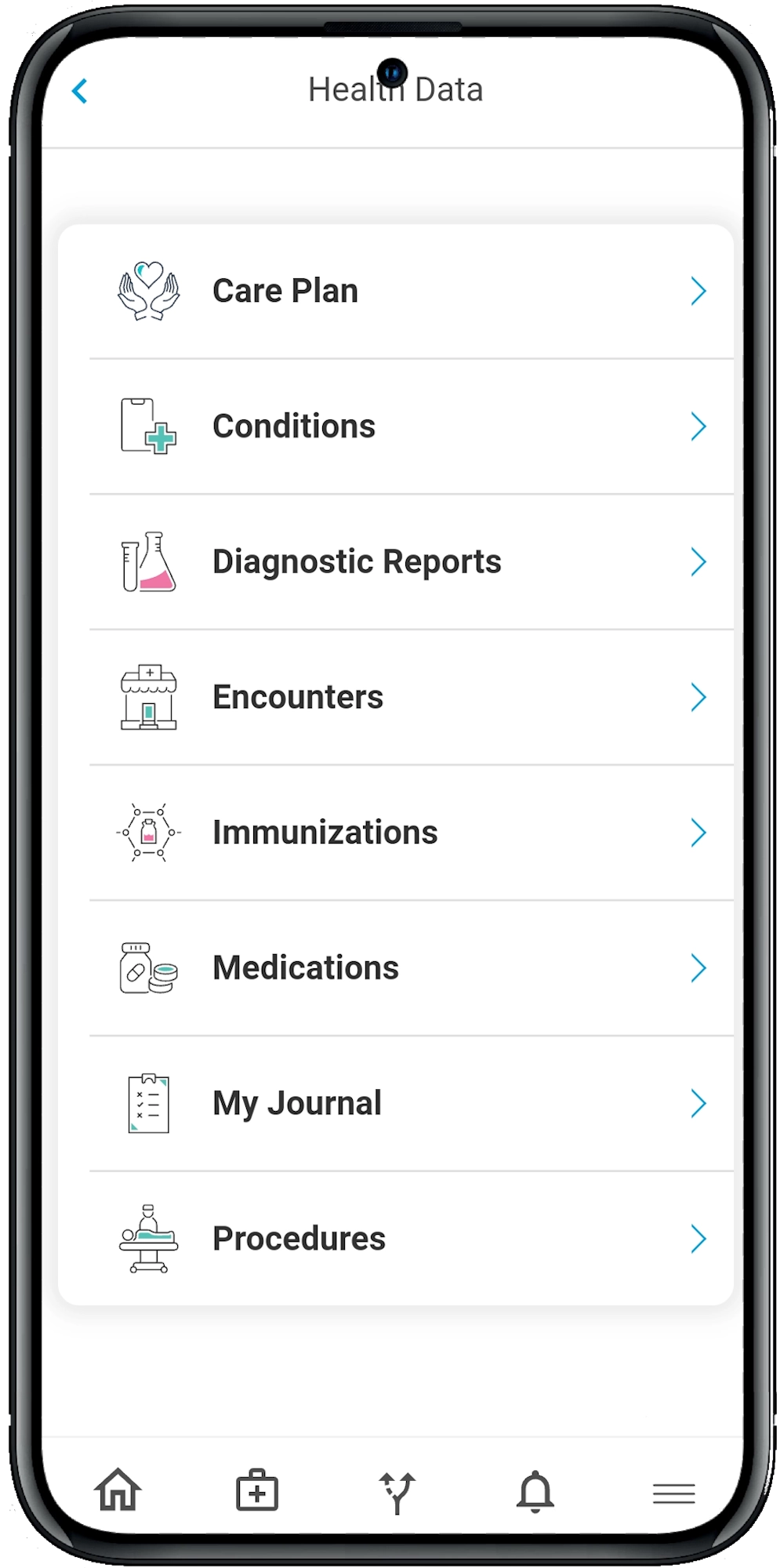
This is the command center. Providers get a 360-degree view of each patient’s health journey—from diagnoses and labs to step counts and mood scores. The dashboard integrates:
- EHR data from 95% of U.S. hospitals and clinics
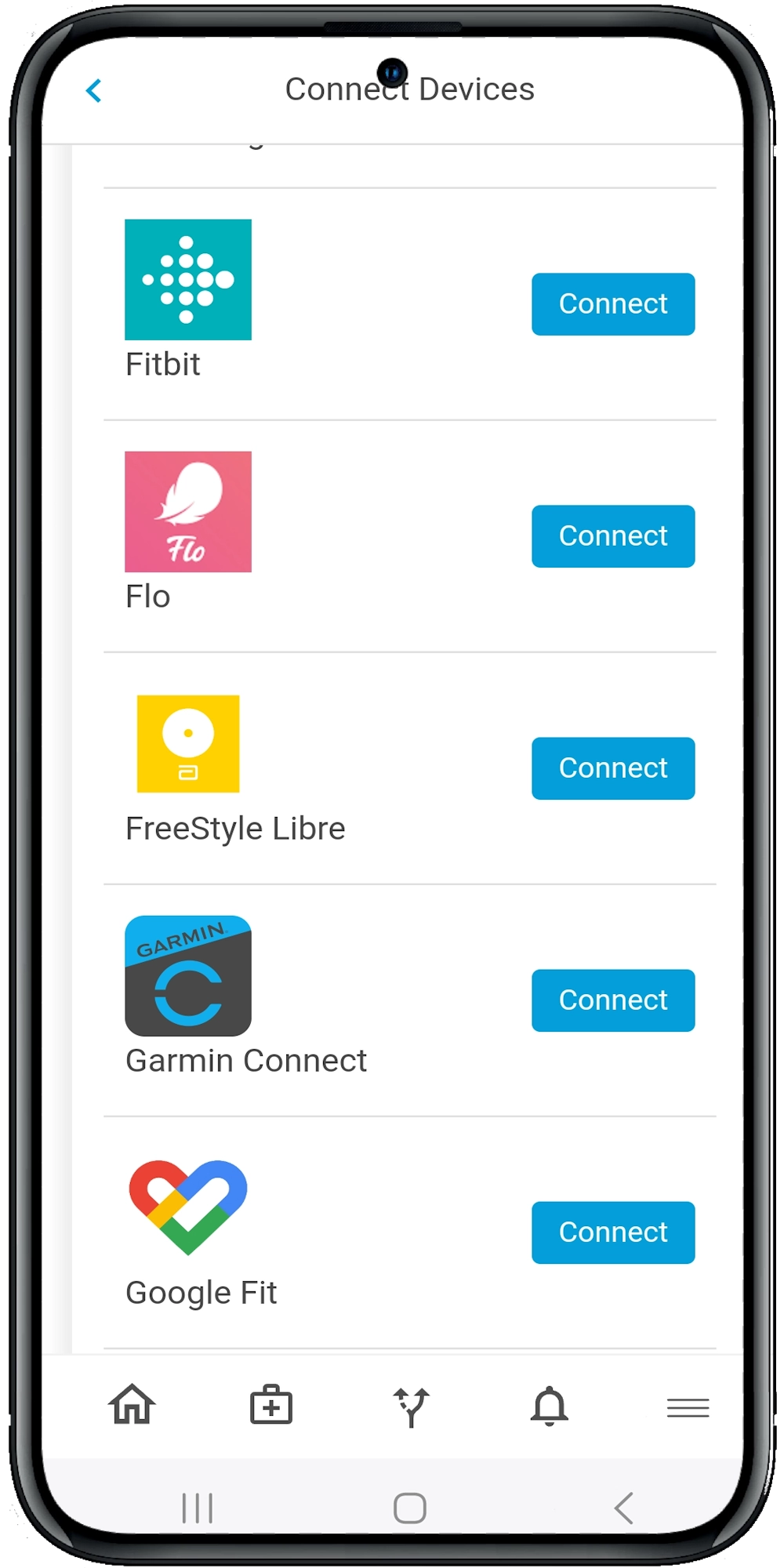
- Vital signs from connected devices like blood pressure cuffs and glucose monitors
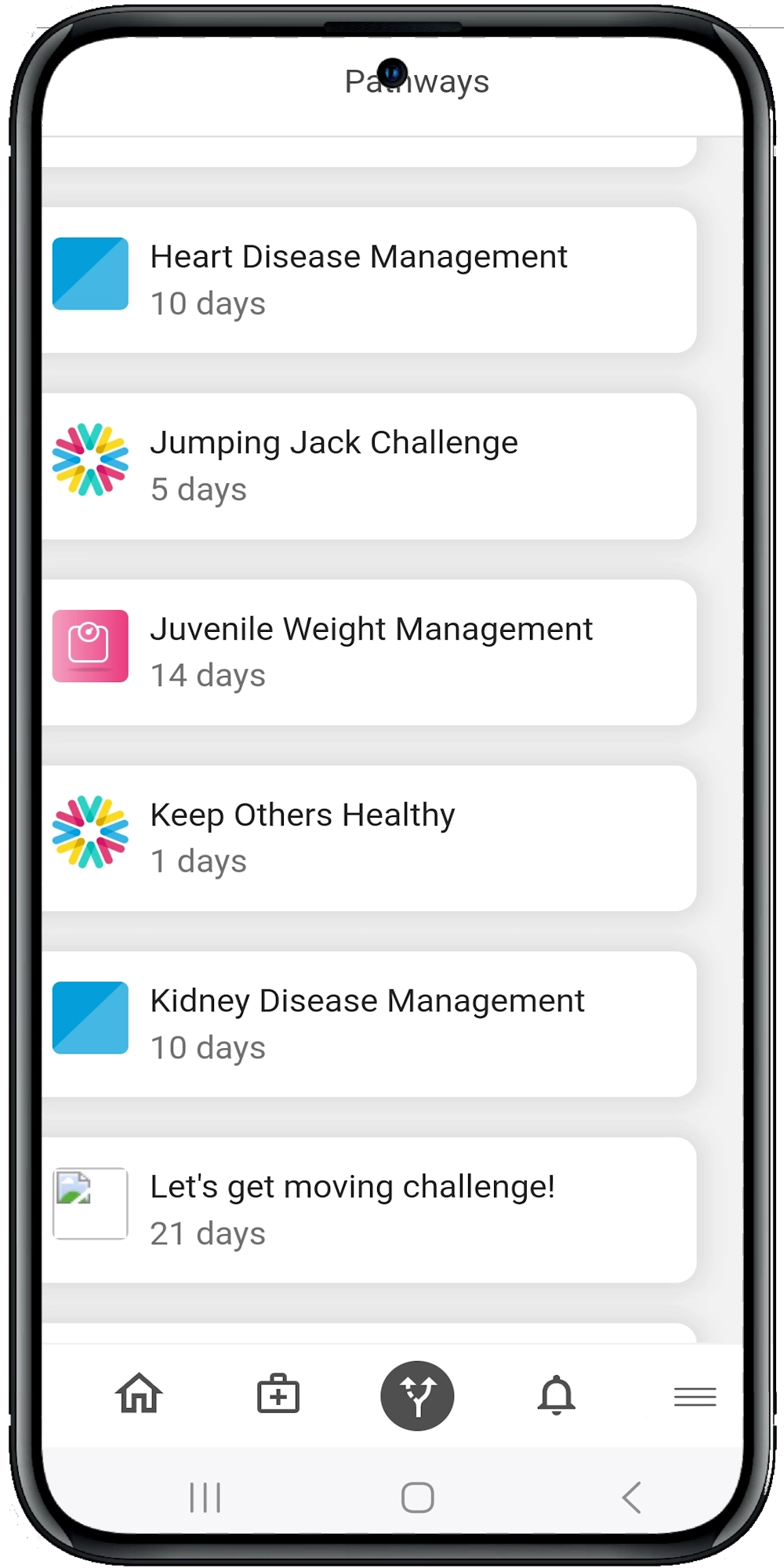
- Progress on digital care pathways assigned to each patient
- Patient-recorded symptoms or journal entries
- Real-time alerts for skipped meds or deteriorating vitals
It’s not just about watching the data—it’s about acting on it. Providers can sort patients by risk level, see who needs intervention, and communicate directly via secure chat.
2. Calcium Super App (For Patients)
On the patient side, the Super App makes health management personal and engaging. It offers:
- Medication reminders and vitals tracking
- Easy access to their full medical history and EHRs
- Interactive care pathways that guide them daily
- Integration with Apple Health, Google Fit, Dexcom, Omron, and dozens more
- Secure sharing of their data with family or providers
Instead of feeling like passive recipients, patients become active participants in their care. That engagement directly impacts outcomes, especially in chronic disease management.
3. AI Studio for Personalized Pathways
Here’s where it gets really smart. Calcium’s AI Studio lets providers create tailored care plans—called pathways—that walk patients through everything they need to do: meds, labs, diet, exercise, mental health check-ins.
It’s like giving each patient a 24/7 digital care coach.
And because pathways are integrated into the provider dashboard, you can track compliance, flag issues, and make adjustments in real-time.
Keys to Successful Dashboard Implementation
Of course, a dashboard is only as good as how you use it. Here are a few tips for getting the most from digital dashboards in VBC environments:
- Train staff early and make dashboard use part of the daily workflow
- Integrate the dashboard with your existing EHR and device ecosystem
- Use alerts and filters to surface what matters most, not overwhelm
- Engage patients early—show them the app, how to use it, and why it matters
- Measure success using readmission rates, pathway compliance, and patient feedback
Reference
- Wagner, E. H., Sandhu, N., Coleman, K., Phillips, K. E., & Sugarman, J. R. (2014). Improving Care Coordination in Primary Care. Medical Care, 52, S33–S38. https://doi.org/10.1097/mlr.0000000000000197
- DeBlois, D., & Millefoglie, M. (2015). Telehealth: Enhancing collaboration, improving care coordination. Nursing management, 46(6), 10–12. https://doi.org/10.1097/01.NUMA.0000465402.45956.99
- Cordasco, K. M., Hynes, D. M., Mattocks, K. M., Bastian, L. A., Bosworth, H. B., & Atkins, D. (2019). Improving Care Coordination for Veterans Within VA and Across Healthcare Systems. Journal of General Internal Medicine, 34(S1), 1–3. https://doi.org/10.1007/s11606-019-04999-4
- Elliott, M. N., Adams, J. L., Klein, D. J., Haviland, A. M., Beckett, M. K., Hays, R. D., Gaillot, S., Edwards, C. A., Dembosky, J. W., & Schneider, E. C. (2021). Patient-Reported Care Coordination is Associated with Better Performance on Clinical Care Measures. Journal of General Internal Medicine, 36(12). https://doi.org/10.1007/s11606-021-07122-8