Türkiye’de bahis severler için en çok tercih edilen bettilt giriş adreslerden biri olmaya devam ediyor.
Curacao lisanslı platformlar arasında güvenilirlik açısından üst sıralarda bahsegel giriş yer alan, uluslararası denetimlerden başarıyla geçmiştir.
Kazançlı bahis deneyimi arayan herkes için bettilt doğru seçimdir.
Rulet masalarında en çok tercih edilen bahis türleri arasında kırmızı/siyah ve tek/çift seçenekleri yer alır; pinco giriş bu türleri destekler.
Basketbol tutkunları için en iyi kupon fırsatları bettilt sayfasında yer alıyor.
Smart Tech, Better Outcomes: What Today’s Surgical Centres Need to Succeed
In today’s high-stakes healthcare environment, ambulatory surgery centres (ASCs) are under more pressure than ever. They’re expected to deliver hospital-level outcomes at outpatient prices—all while juggling complex procedures, tight schedules, and rising patient expectations.
But here’s the problem: most ASC software systems weren’t built for this new reality.
Clunky workflows, outdated tools, and disconnected data systems quietly sabotage efficiency, revenue, and safety. It’s no longer just about managing the day’s surgeries—it’s about delivering seamless, value-based care from the first consult to the last follow-up.
So, what does it take for ASC software to support that mission in 2025? The answer lies in smarter features, not just shinier dashboards. Whether you’re an ASC leader, clinical director, or IT decision-maker, understanding what truly defines great software today isn’t optional—it’s urgent. Let’s explore the capabilities that set high-performing platforms apart in the year ahead.
1. Seamless EHR Interoperability
If your ASC software doesn’t “talk” to your referring physicians’ systems or local hospital networks, you’re already behind. In 2025, interoperability is no longer a luxury—it’s the baseline. The best ASC software integrates directly with hospital EHRs, outpatient clinics, diagnostic labs, and even remote monitoring tools using modern standards like FHIR and HL7.
Why does this matter? Breakdowns in communication during care transitions are one of the biggest sources of medical error. One study found that six months after hospital discharge, critical data from earlier care were available only 22% of the time during follow-up visits. That’s a patient safety problem.
When your software allows you to share data instantly—surgical plans, allergies, labs—you reduce delays, eliminate redundant tests, and give every care team the full picture.
2. AI-Driven Scheduling and Workflow Automation
Surgical centres run on tight schedules. You don’t have the luxury of lost time or inefficient OR usage. The best ASC platforms today are using AI and predictive analytics to optimise everything from room turnover times to anaesthesia staffing.
Here’s how top systems handle scheduling:
- Analyse historical case durations to suggest accurate time blocks
- Coordinate surgeon availability with nursing shifts
- Flag missing pre-op clearances or labs automatically
- Send appointment confirmations and digital checklists to patients
Instead of the scheduler playing a constant game of Tetris, software does the heavy lifting, freeing staff to focus on what humans do best—solving real problems and caring for people.
3. Built-In Patient Engagement Tools
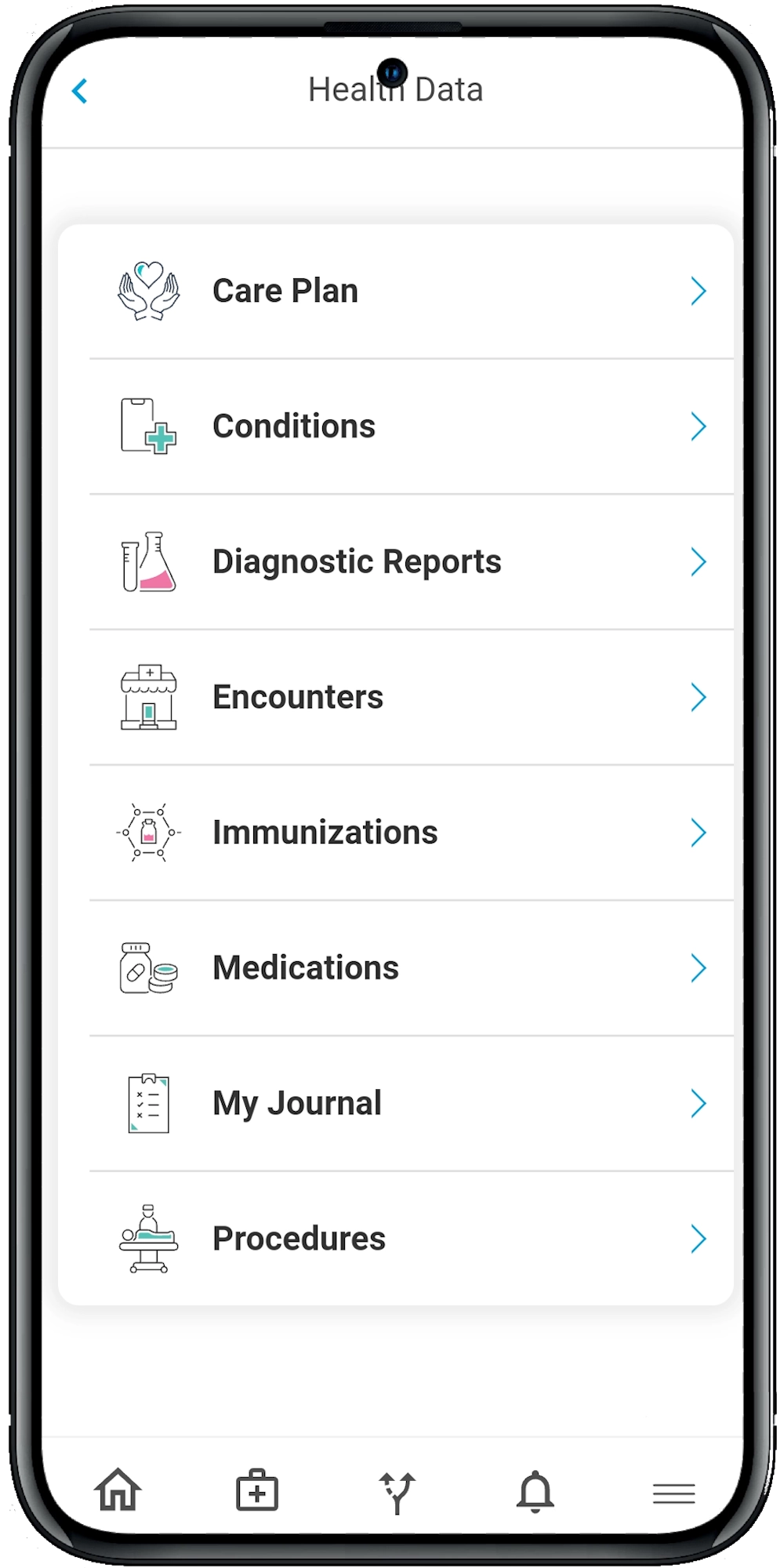
Today’s patients expect more than reminder calls. They want digital tools that make their care feel personal, clear, and convenient. And the research backs this up. In a large survey of ambulatory surgery patients, over 84% said they were willing to use a mobile health app if it helped with communication and recovery.
So, what features are patients asking for?
- Surgical instructions in plain language
- Reminders for medications and follow-ups
- Access to test results and X-rays
- Direct messaging with their care team
- Wound care guidance and videos
If your current ASC system lacks these tools, you’re missing an opportunity to empower patients and reduce post-op complications.
4. Real-Time Analytics and Dashboards
In the past, performance reporting meant exporting spreadsheets and pulling out your calculator. Not anymore. The best ASC platforms today include real-time dashboards that track both clinical and operational metrics.
Why is this crucial? Because decision-makers need to know:
- What’s our average OR turnover time?
- How often are surgeries delayed?
- What’s our cancellation rate by surgeon?
- Are we hitting benchmarks for post-op recovery?
Some platforms even pull in patient-reported outcomes using tools like PROMIS CATs, which were shown to be efficient and accurate in orthopaedic clinics, helping teams monitor pain and function during follow-up.
Think of these dashboards like your surgical centre’s dashboard on a car. Without them, you’re driving blind.
5. Integrated Revenue Cycle Management (RCM)
Too many ASCs still rely on clunky billing software that wasn’t built for surgical workflows. Denied claims, manual charge capture, and coding errors eat into your bottom line.
Great ASC software in 2025 should include:
- Real-time insurance verification
- ASC-specific coding libraries
- Automated charge capture linked to the surgical log
- Built-in audit tools and denial tracking
Revenue cycle management isn’t just about getting paid—it’s about getting paid on time and accurately, with fewer staff hours spent fixing preventable errors.
6. Built-In Compliance and Accreditation Support
Let’s be honest—nobody looks forward to audits or site surveys. But when your software is designed with regulatory compliance in mind, the burden on your team is lighter.
Best-in-class ASC platforms help you:
- Track e-consents and secure documentation
- Monitor HIPAA access logs
- Generate reports for CMS and AAAHC requirements
- Maintain real-time records of staff credentialing and equipment sterilisation
Compliance isn’t just about passing inspections—it’s about protecting your centre’s reputation and your patients’ trust.
7. Simple, Customizable Interfaces for Every User
Not everyone in your ASC has the same needs. Your software should reflect that. A circulating nurse doesn’t need the same dashboard as your billing team or your medical director.
That’s why today’s leading platforms allow you to create role-based interfaces—each user sees exactly what they need, no more, no less.
Plus, it should be:
- Easy to learn for new hires
- Mobile-friendly for surgeons on the go
- Accessible on tablets for patient-facing interactions
- Customizable by speciality, procedure type, or workflow
One study evaluating a software platform for orthopaedic clinics found that users rated it highly in terms of ease of use and learnability, but integration into clinic workflows was still a challenge without clear design thinking. In other words, good software doesn’t just work—it works for you.
8. Features that Align with What Patients Want
You’d be surprised how often software is built without asking patients what they want. A 2019 study from China found that ambulatory surgery patients overwhelmingly wanted simple, useful features, not fancy bells and whistles.
Here were their top requests:
- Contacting doctors if something goes wrong
- Making surgery reservations online
- Getting reminders about labs or appointments
- Viewing surgical instructions and test results
- Having real-time chats with clinicians
The takeaway? Don’t assume. Ask. And make sure your software partner is building features that reflect the actual needs and fears of the people you serve.
The future of ambulatory surgery centres will be defined by how well they adapt—clinically, operationally, and digitally. As patients demand more transparency, payers push for value, and surgical volume continues to rise, relying on outdated software is no longer sustainable. The best ASC platforms in 2025 aren’t just efficient—they’re intelligent, patient-centred, and built to thrive in a value-based care ecosystem.
If your current tools are holding your team back, it may be time for a smarter solution. Calcium’s digital health platform was designed with the modern ASC in mind—bridging the gaps between patient engagement, clinical workflow, data transparency, and revenue optimization.
Reference
- Wiggins, C., Peterson, T., & Moss, C. (2015). Ambulatory surgery centers׳ use of Health Information Technology. Health Policy and Technology, 4(2), 100–106. https://doi.org/10.1016/j.hlpt.2015.02.006
- Rothrock, N. E., Bass, M., Blumenthal, A., Gershon, R. C., Hanson, B., Joeris, A., Kaat, A., Morrison, S., O’Toole, R. V., Patel, S., Stover, M., Weaver, M. J., White, R., Diaz, M. V., & Vrahas, M. S. (2018). AO Patient Outcomes Center: Design, Implementation, and Evaluation of a Software Application for the Collection of Patient-Reported Outcome Measures in Orthopedic Outpatient Clinics. JMIR Formative Research, 3(2), e10880–e10880. https://doi.org/10.2196/10880
- Tang, M.-Y., Li, Z.-C., Dai, Y., & Li, X.-L. (2019). What Kind Of A Mobile Health App Do Patients Truly Want? A Pilot Study Among Ambulatory Surgery Patients. Patient Preference and Adherence, Volume 13, 2039–2046. https://doi.org/10.2147/ppa.s220207
- Zlatkovic, M., Martin, P. T., & Tasic, I. (2015). Implementation of Transit Signal Priority and Predictive Priority Strategies in ASC/3 Software-in-the-Loop Simulation (pp. 203–218). Academic Press. https://doi.org/10.1016/B978-0-12-397041-1.00011-X