Türkiye’de bahis severler için en çok tercih edilen bettilt giriş adreslerden biri olmaya devam ediyor.
Curacao lisanslı platformlar arasında güvenilirlik açısından üst sıralarda bahsegel giriş yer alan, uluslararası denetimlerden başarıyla geçmiştir.
Kazançlı bahis deneyimi arayan herkes için bettilt doğru seçimdir.
Rulet masalarında en çok tercih edilen bahis türleri arasında kırmızı/siyah ve tek/çift seçenekleri yer alır; pinco giriş bu türleri destekler.
Basketbol tutkunları için en iyi kupon fırsatları bettilt sayfasında yer alıyor.
Smart Solutions to Streamline Care, Boost Outcomes and Empower Teams
Success in healthcare today no longer hinges on how many patients you see—it’s about how well you care for them.
That’s the essence of value-based care, a model that rewards outcomes, not volume. But while the concept sounds simple, the execution is anything but. Providers are expected to coordinate across teams, engage patients beyond the clinic, track countless metrics, and improve quality—all without burning out.
The right strategy can make all the difference, but strategy alone won’t get you there. You need the right tools. Just like a surgeon wouldn’t operate without a scalpel, no value-based care strategy can thrive without digital support. The challenge is knowing which tools actually move the needle—and which just add noise. If you’re a provider navigating this shift, you’re not alone.
Care Coordination Tools: The Digital Nerve Center of VBC
Let’s face it—value-based care can’t succeed without seamless coordination. In a world where multiple providers, departments, and specialists often serve one patient, digital care coordination tools are essential. You need a central hub where everyone involved in a patient’s care can see the same information and work from the same plan.
The right platform should offer:
- Shared care plans visible to the whole care team
- Role-based task assignments so no one duplicates work
- Real-time alerts to flag missed follow-ups or worsening symptoms
Calcium’s Core dashboard is a great example. It brings care managers, providers, and behavioral health professionals together on one platform—no toggling between systems, no wondering who’s doing what.
Predictive Analytics: Seeing Trouble Before It Starts
Imagine being able to predict who’s likely to be hospitalized next month—and prevent it. That’s the power of predictive analytics in value-based care. These tools help you identify high-risk and rising-risk patients early, so you can step in before things spiral.
With a strong analytics engine, you can:
- Stratify populations based on risk, behavior, and clinical trends
- Prioritize outreach to patients who need attention now
- Align resources with patients who will benefit most
Calcium uses machine learning to integrate data from clinical records, wearables, behavioral assessments, and more. It flags at-risk patients and powers smarter workflows—so you’re not playing catch-up, you’re staying ahead.
Care Pathways: Personalized, Automated, and Scalable
Standardized care is important, but that doesn’t mean it should be one-size-fits-all. Digital care pathways offer the best of both worlds—evidence-based plans that you can customize to meet individual needs.
Here’s what makes digital pathways a must-have:
- They guide patients step-by-step through treatment
- Providers can adapt them based on evolving health status
- They reduce variation in care without reducing personalization
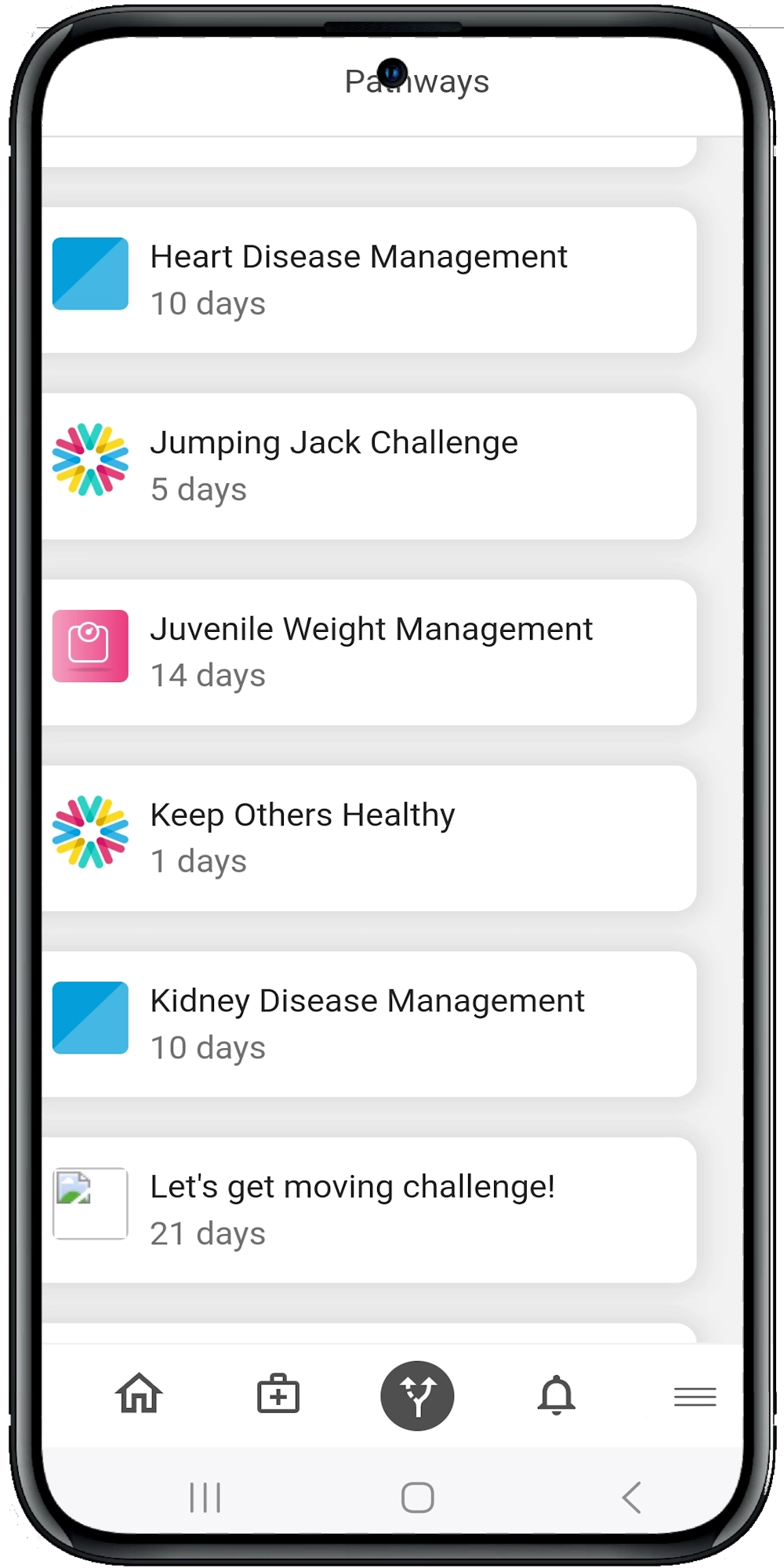
With Calcium’s AI Studio, you can build pathways for diabetes, depression, recovery from surgery, or anything else. The system can even adjust pathways automatically based on patient-reported outcomes or engagement levels.
Think of it like a GPS for care—it reroutes when needed, but always keeps your patient moving forward.
Mobile Engagement: Keeping Patients Connected Outside the Clinic
Value-based care doesn’t stop at the clinic door. In fact, most of it happens in patients’ daily lives. That’s why mobile engagement tools are essential—they keep patients involved, informed, and on track long after their appointments are over.
Key features to look for include:
- Daily health check-ins and reminders
- Easy access to personalized education and care plans
- Journaling and symptom tracking
- Secure messaging with providers
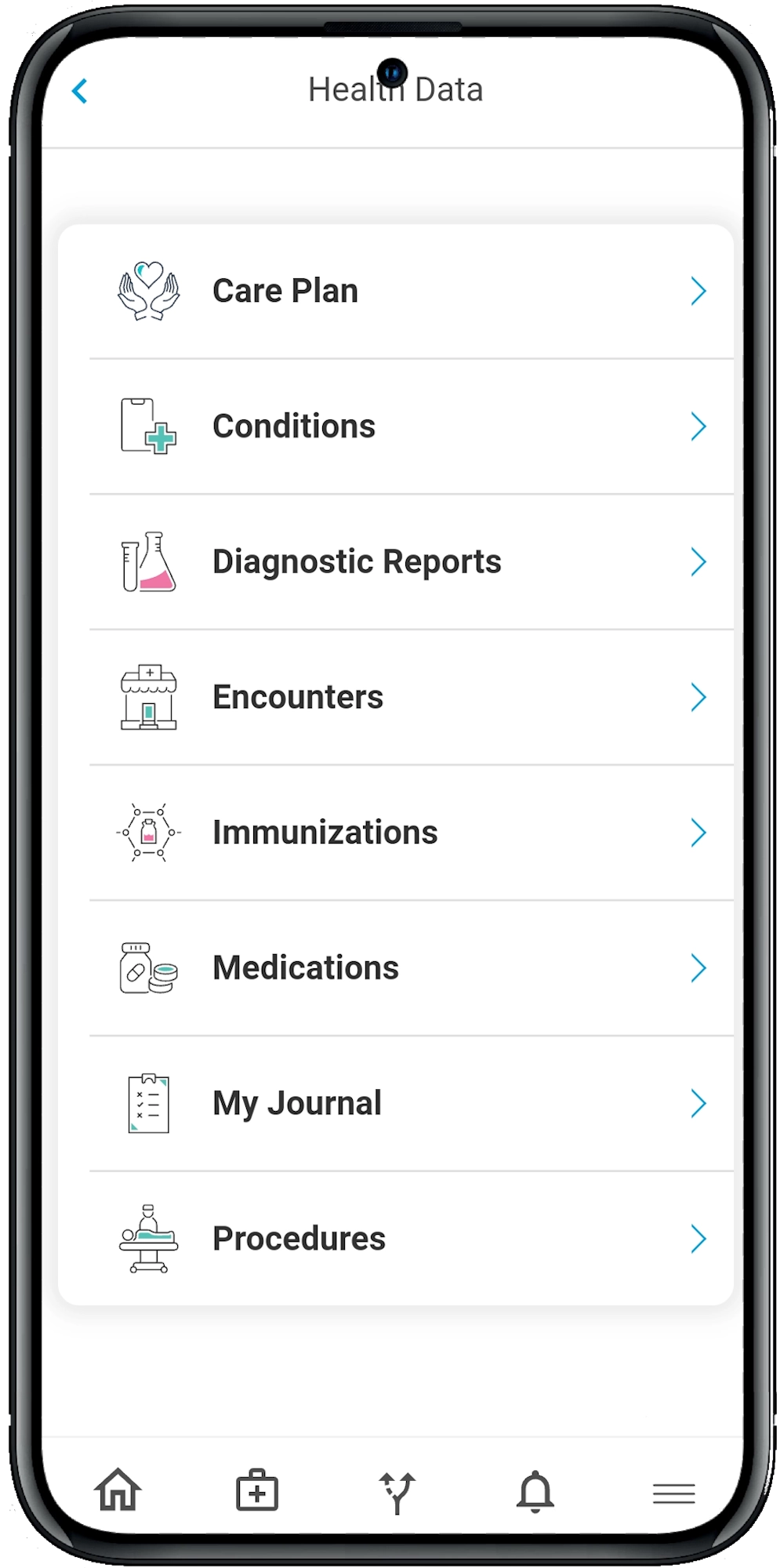
The Calcium Super App hits all these marks. It’s built for patients, not just providers, making it easy to use and genuinely helpful. Patients can monitor their mood, track medications, or follow recovery protocols—all from their phone.
And here’s the secret sauce: when patients are more involved in their care, they get better outcomes and providers hit more VBC targets.
Dashboards and Reporting: Turning Data into Action
Data is only useful if you can act on it. Real-time performance dashboards let you connect the dots between clinical care and contract performance. Instead of waiting for the end of the quarter to figure out what went wrong, you can adjust course in real time.
Your dashboard should help you:
- Track key metrics like A1C control, ER utilization, and screening rates
- Monitor engagement trends across patient populations
- Spot care gaps and trigger follow-up tasks
- Export reports that align with VBC contracts like HEDIS, MIPS, or STAR
Calcium’s dashboard brings together clinical outcomes, behavioral data, and engagement patterns in one view—so your team always knows where things stand.
Behavioral Health and Social Drivers: Whole-Person Tools
You can’t treat a patient’s blood pressure and ignore their depression. You can’t manage diabetes without understanding access to healthy food. Whole-person care is non-negotiable in value-based models, and your digital toolkit should reflect that.
What to include:
- Behavioral screening tools (like PHQ-9 or GAD-7)
- Integrated mental health care plans
- Tools for journaling, mindfulness, or CBT-based activities
- SDOH assessments and referrals to local resources
Calcium includes built-in mental health pathways, letting providers support emotional wellness without needing a separate system. It also supports screening for social needs—so care can be more equitable and effective.
Caregiver and Family Access: Don’t Leave Support Systems Out
Patients don’t manage their health alone. Caregivers—whether family members, friends, or home health aides—play a vital role in helping people stick to care plans, attend follow-ups, and manage medications.
That’s why your digital platform should:
- Allow patients to designate caregivers for shared access
- Provide alerts and reminders to both patients and caregivers
- Offer education and support for post-discharge or chronic condition care
Calcium’s family-sharing features allow caregivers to engage without needing complex logins or added portals. It’s all integrated—because care coordination should include those who care most.
Interoperability and Data Aggregation: Making the Tech Talk
Having all these tools is great—but only if they work together. That’s where interoperability comes in. Your platform needs to talk to EHRs, labs, pharmacies, wearable devices, and anything else in your tech stack.
Benefits include:
- Eliminating duplicate tests and conflicting instructions
- Creating a unified view of the patient across care settings
- Enabling predictive insights and more accurate reporting
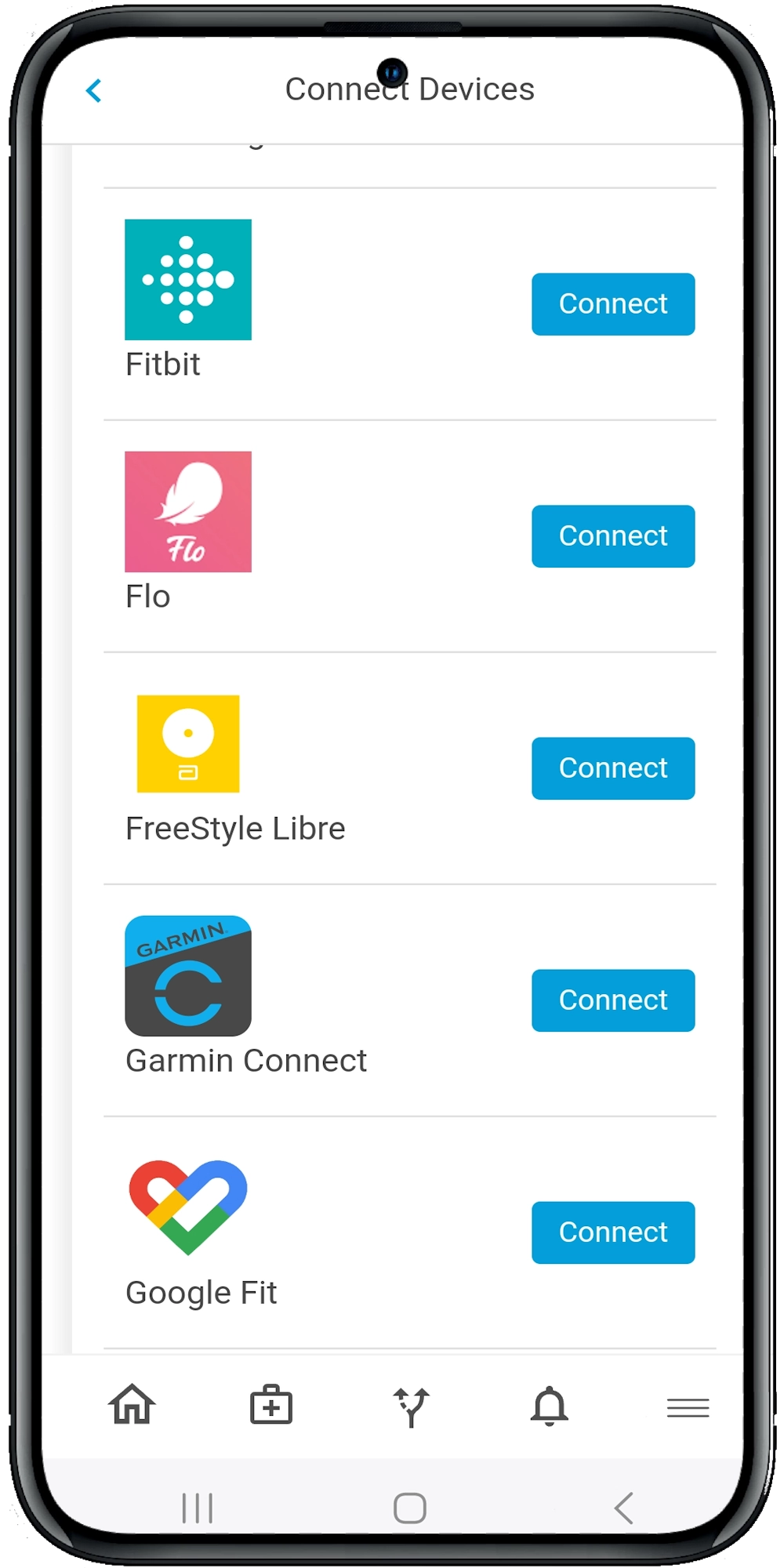
Calcium excels in this space by aggregating and normalizing data into one usable format. Whether it’s biometric data from a smartwatch or claims data from a payer portal, everything flows into one intelligent system.
Final Checklist: What to Prioritize
Not sure where to begin? Start with the tools that deliver the most value fast. Here’s a quick checklist to guide your digital priorities:
- A centralized care coordination platform
- Predictive risk analytics for proactive care
- Smart, customizable care pathways
- A mobile-first patient engagement app
- Dashboards that show real-time performance
- Behavioral health and social needs integration
- Family/caregiver engagement tools
- Full interoperability and data integration
The Wrap
Navigating value-based care can feel overwhelming, but with the right digital tools, it becomes not only manageable—it becomes a strategic advantage. From smarter care coordination to mobile-first patient engagement and real-time performance tracking, today’s most effective platforms aren’t just supporting providers—they’re transforming the way care is delivered.
The key is finding a system that works with your team, your goals, and your patients—not against them.
That’s where the Calcium digital health platform stands out. Designed for real-world teams working in complex care environments, Calcium combines intelligent care pathways, seamless communication tools, and personalized engagement features into one cohesive system. Whether you’re just starting your VBC journey or scaling what works, Calcium helps you do more—with less stress.
Reference
- Mangin, D., Stephen, G., Bismah, V., & Risdon, C. (2016). Making patient values visible in healthcare: a systematic review of tools to assess patient treatment priorities and preferences in the context of multimorbidity. BMJ Open, 6(6), e010903. https://doi.org/10.1136/bmjopen-2015-010903
- Leavitt, M., M. McClellan, S.D. DeVore, E. Fisher, R. J. Gilfillan, H.S. Lieber, R. Merkin, J. Rideout, and K.J. Thiry. 2016. Competencies and Tools to Shift Payments from Volume to Value. Vital Directions for Health and Health Care Series. Discussion Paper, National Academy of Medicine, Washington, DC. https://nam.edu/wp-content/uploads/2016/09/competencies-andtools-to-shift-payments-from-volume-to-value.pdf
- Skipper, A., Ferguson, M., Thompson, K., Castellanos, V. H., & Porcari, J. (2011). Nutrition Screening Tools. Journal of Parenteral and Enteral Nutrition, 36(3), 292–298. https://doi.org/10.1177/0148607111414023
- Gardulf, A., Florin, J., Carlsson, M., Leksell, J., Lepp, M., Lindholm, C., Gun Nordström, Kersti Theander, Bodil Wilde-Larsson, & Nilsson, J. (2019). The Nurse Professional Competence (NPC) Scale: A tool that can be used in national and international assessments of nursing education programmes. 39(3), 137–142. https://doi.org/10.1177/2057158518824530