Türkiye’de bahis severler için en çok tercih edilen bettilt giriş adreslerden biri olmaya devam ediyor.
Curacao lisanslı platformlar arasında güvenilirlik açısından üst sıralarda bahsegel giriş yer alan, uluslararası denetimlerden başarıyla geçmiştir.
Kazançlı bahis deneyimi arayan herkes için bettilt doğru seçimdir.
Rulet masalarında en çok tercih edilen bahis türleri arasında kırmızı/siyah ve tek/çift seçenekleri yer alır; pinco giriş bu türleri destekler.
Basketbol tutkunları için en iyi kupon fırsatları bettilt sayfasında yer alıyor.
Turning Uncertainty Into Action with Smarter Tools and a Patient-First Approach
Traditional fee-for-service rewarded quantity, not quality—and now, both providers and patients are paying the price. Rising costs, burned-out clinicians and inconsistent outcomes have exposed the cracks in the system.
The solution? A smarter, more strategic approach that puts patient outcomes at the center: value-based care.
But here’s the truth—transitioning to this model isn’t just a billing adjustment. It’s a leadership challenge, a technology shift, and a mindset makeover all at once. That’s why practices that wait too long to act risk falling behind. Those who lean in early, however, have the opportunity to lead. If you’re wondering how to move from intention to execution in your practice, you’re in the right place. This playbook is designed to help you turn disruption into direction—and change into momentum.
Understanding the Value-Based Care Mandate
Let’s be honest—value-based care (VBC) can sound like just another buzzword. But for providers across the country, it’s becoming the new reality. More than just a reimbursement shift, VBC is a fundamental transformation in how care is delivered, measured, and rewarded. Instead of getting paid for what you do, you’re paid for what works.
At its core, VBC is about rewarding quality over quantity. It incentivizes providers to prevent hospitalizations, manage chronic conditions proactively, and improve patient satisfaction. CMS and private payers alike are ramping up alternative payment models. If your organization hasn’t felt the pressure yet, it’s coming. Now is the time to plan your transition—or risk being left behind.
Common Barriers Practices Face During Transition
Shifting from fee-for-service to VBC isn’t just about adopting a new billing model. It’s a cultural and operational overhaul. Providers typically face several obstacles:
- Cultural resistance from staff who fear losing autonomy or productivity
- Disconnected systems that don’t talk to each other
- Low patient engagement, especially outside clinical visits
- Inconsistent payer expectations and unclear quality metrics
- Limited insight into SDOH, even though these impact outcomes
Each of these can stall progress or lead to VBC fatigue if not tackled head-on.
Core Strategies for Leading VBC Change
You don’t need to have it all figured out on day one. The key is to lead with purpose and prioritize the right moves. These strategies help pave the way:
1. Build a VBC-Ready Leadership Mindset
Change starts at the top. Leadership must champion the transition and communicate its importance clearly and consistently. Align your internal language around outcomes and quality—not volume.
Leadership should:
- Develop a shared vision that connects staff goals with patient health outcomes
- Rework compensation models to reward team-based care and metric achievement
- Set realistic, staged timelines that build confidence and reduce burnout
2. Redesign Clinical Workflows Around Outcomes
Care teams need workflows that support VBC goals without adding layers of complexity. That means embedding coordination into every patient interaction and extending care beyond the exam room.
Here’s how to rethink care delivery:
- Introduce longer, more meaningful visits for high-risk patients
- Use care navigators and social workers to close non-clinical gaps
- Add structured follow-ups via digital check-ins, not just phone calls
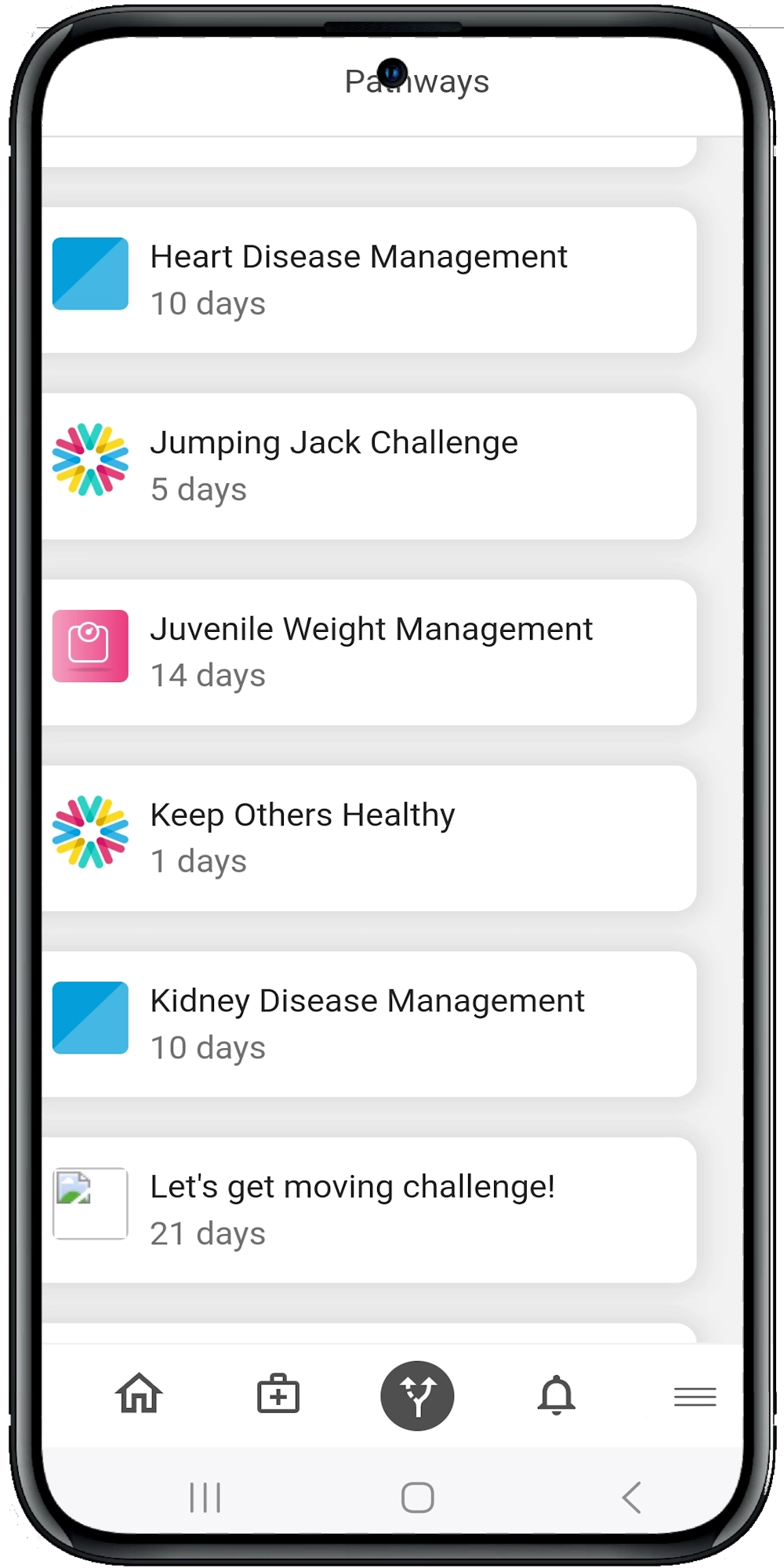
Digital tools like Calcium’s guided pathways allow practices to support patients with chronic conditions or post-op recovery in real time. They make continuity of care tangible and measurable.
3. Invest in Smart Technology and Data Tools
If you can’t measure it, you can’t improve it. Many practices fail in VBC because they lack the infrastructure to collect and interpret data.
To truly thrive, you need:
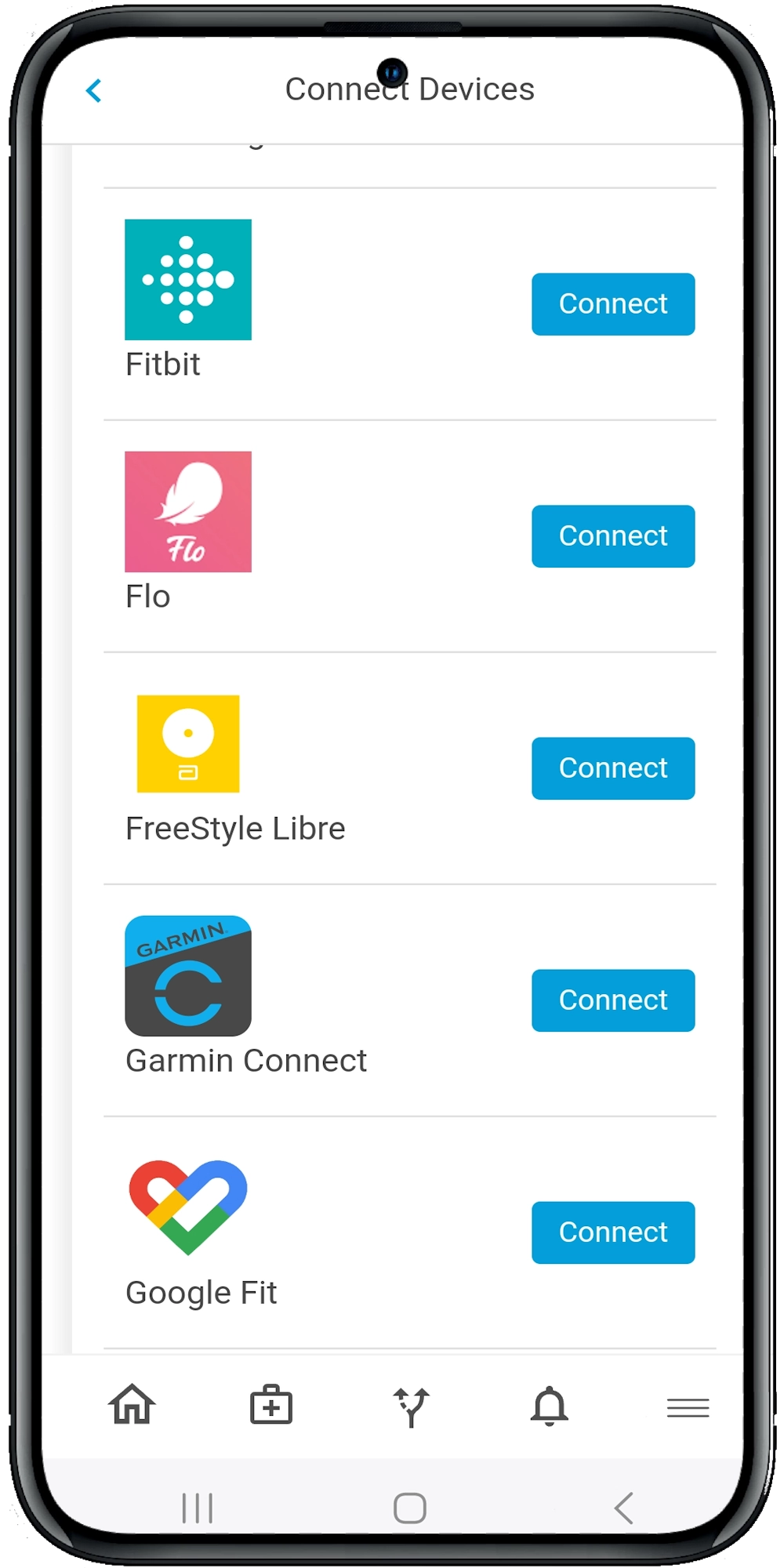
- Unified data platforms that aggregate EHRs, wearables, labs, and PROMs
- Predictive analytics to surface at-risk patients before emergencies occur
- Interactive dashboards that show performance against contract metrics
Calcium’s platform was built for this exact challenge. Its real-time engagement and data visualization tools help practices make smarter decisions—faster.
4. Engage and Educate Staff
No one wants another platform or metric to track. That’s why training must focus on how VBC tools reduce administrative friction and help staff deliver better care.
Effective staff engagement means:
- Ongoing education around value-based contracts and quality benchmarks
- Simplified workflows that keep clinicians at the top of their license
- Incentives that align with better outcomes, not just productivity
Turn staff into champions by showing how these tools make their day easier, not harder.
Engaging Patients in the Value-Based Model
VBC doesn’t work without patients actively participating. Yet many are unaware of their role in the process. Digital engagement bridges that gap.
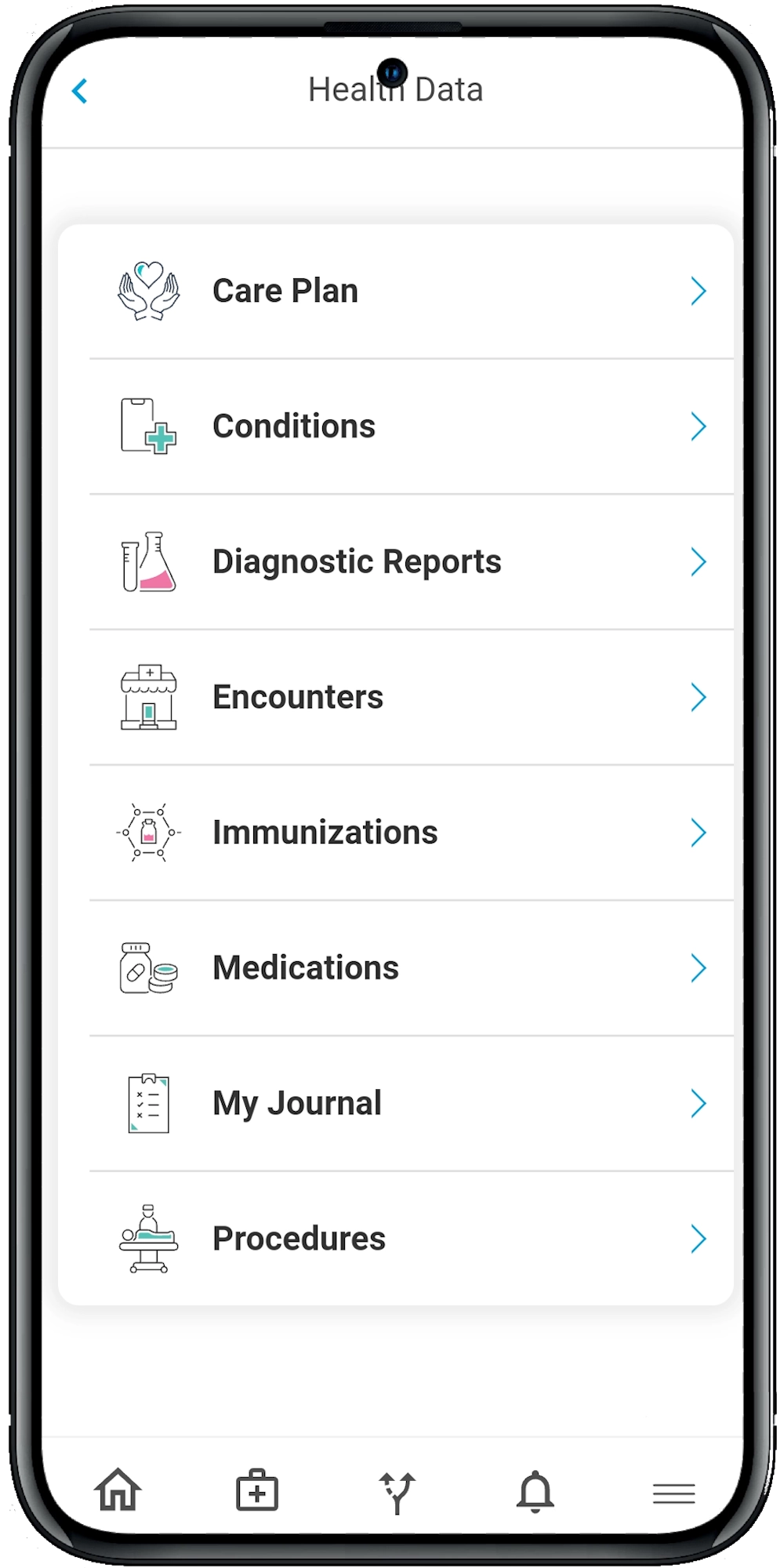
Platforms like Calcium’s Super App help patients:
- Receive timely, personalized health prompts
- Track mood, pain, and symptom changes in real time
- Communicate with care teams through secure messaging
The goal is to make patients feel empowered, not managed. That starts with transparency and ongoing feedback—two things digital platforms deliver consistently.
Metrics That Matter: How to Track and Measure Success
Payers don’t just want better care—they want proof. That’s why VBC contracts are tied to performance metrics. Providers must learn to navigate this new language of success.
Focus on these common categories:
- Preventive screenings and vaccination rates
- Chronic disease management (e.g., A1C control, BP stabilization)
- Utilization data like ER admissions and readmissions
- Patient-reported outcomes on physical, emotional, and functional health
Platforms like Calcium make these metrics visible and actionable, helping providers stay contract-compliant and patient-centered.
Final Checklist: Your VBC Readiness Snapshot
Before making the leap, assess your practice against these key questions:
- Have you secured leadership commitment and alignment?
- Are your clinical workflows built to support care continuity?
- Do your systems collect and surface the right data?
- Are you using patient engagement tools that extend beyond visits?
- Do you know what metrics your payers value most?
If you answered “no” to any of these, the good news is you can start today. With the right guidance and tools, the path to VBC success is within reach.
The Wrap
Value-based care isn’t just the future—it’s already here. The practices that succeed in this model are those willing to embrace transformation, rethink workflows, and empower their teams with the right tools. It’s not about making change for the sake of it. It’s about building a system that actually works—for patients, providers, and the bottom line.
If your practice is serious about delivering outcomes that matter, reducing unnecessary costs, and improving patient lives, then the time to act is now. With the Calcium digital platform, you don’t have to figure it out alone. From guided care pathways and predictive analytics to real-time performance tracking, Calcium gives you the infrastructure to thrive in a value-based world.
Reference
- Sarkar, P., Huffman, K. N., Williams, T., Galiano, R. D., & Teven, C. M. (2023). Plastic Surgery Compensation Models and Patient Outcomes. Plastic & Reconstructive Surgery Global Open, 11(9), e5251–e5251. https://doi.org/10.1097/gox.0000000000005251
- Smaha, R. W., He, W., Jiang, J. M., Wen, J., Jiang, Y.-F., Sheckelton, J. P., Titus, C. J., Wang, S. G., Chen, Y.-S., Teat, S. J., Aczel, A. A., Zhao, Y., Xu, G., Lynn, J. W., Jiang, H.-C., & Lee, Y. S. (2020). Materializing rival ground states in the barlowite family of kagome magnets: quantum spin liquid, spin ordered, and valence bond crystal states. Npj Quantum Materials, 5(1). https://doi.org/10.1038/s41535-020-0222-8
- Webb, Adele PhD, RN, FNAP, FAAN. Value-Based Care: Implications for nursing. Nursing 55(2):p 44-47, February 2025. https://doi.org/10.1097/nsg.0000000000000133