Türkiye’de bahis severler için en çok tercih edilen bettilt giriş adreslerden biri olmaya devam ediyor.
Curacao lisanslı platformlar arasında güvenilirlik açısından üst sıralarda bahsegel giriş yer alan, uluslararası denetimlerden başarıyla geçmiştir.
Kazançlı bahis deneyimi arayan herkes için bettilt doğru seçimdir.
Rulet masalarında en çok tercih edilen bahis türleri arasında kırmızı/siyah ve tek/çift seçenekleri yer alır; pinco giriş bu türleri destekler.
Basketbol tutkunları için en iyi kupon fırsatları bettilt sayfasında yer alıyor.
How Smarter Tools, Empowered Patients, and Real-Time Insights Are Transforming Everyday Care
The healthcare system is at a tipping point. Costs are skyrocketing, chronic conditions are on the rise, and patients are more overwhelmed than ever. Providers are under constant pressure to deliver better outcomes with fewer resources, all while navigating a maze of regulations and expectations. It’s no wonder so many feel stuck in survival mode.
But what if the answer isn’t just working harder—but working smarter? As the industry shifts from fee-for-service to value-based care (VBC), there’s an urgent need for smarter systems, connected tools, and empowered patients. Because let’s face it—doing things “the way we’ve always done them” just won’t cut it anymore.
If we want better results—for both patients and providers—it’s time to rethink how we deliver care, manage data, and drive engagement. The solution? It’s already here—and it’s digital, dynamic, and ready to transform outcomes. Let’s dive into what’s driving real results in the new age of value-based care.
Understanding the Heart of Value-Based Care (VBC)
Value-based care isn’t just a buzzword—it’s a complete shift in how we think about and deliver healthcare. Instead of paying for services regardless of results, VBC rewards providers for helping patients improve their health. In this model, quality matters more than quantity.
But achieving success in VBC isn’t as simple as checking a few boxes. Providers must not only improve outcomes but also reduce costs and enhance the patient experience. That’s a tall order, especially with today’s resource constraints. So where does the path to better outcomes begin? It starts with transforming how care is delivered—and that transformation runs through digital health.
Providers Are the Driving Force Behind VBC Success
If VBC is the destination, then providers are the engine. Their decisions shape everything: care coordination, early interventions, patient communication, and compliance. Providers influence not only what happens in the clinic, but what continues at home.
To truly thrive under VBC, providers need to:
- Coordinate care across multiple touchpoints
- Identify high-risk patients early
- Reduce preventable hospitalizations and ER visits
- Ensure patients follow treatment plans
- Promote preventive services like screenings and vaccinations
The good news? None of this has to be done alone. Digital tools can help bridge the gap between in-person visits and daily patient behavior.
Digital Health: The Secret Sauce of Smarter, Faster, Better Care
Let’s face it—no one can monitor every patient every day. But that’s exactly what VBC requires. That’s where digital health platforms, like Calcium, step in. These platforms turn one-time encounters into continuous care experiences.
How? By connecting the dots across data, devices and daily habits. Here are some of the digital tools that make this possible:
- Remote Patient Monitoring (RPM): Get real-time vitals like blood pressure, blood glucose or heart rate
- Automated Digital Pathways: Personalized care plans that guide patients 24/7
- EHR Integration: Seamlessly pull in medical records from hospitals, clinics and labs
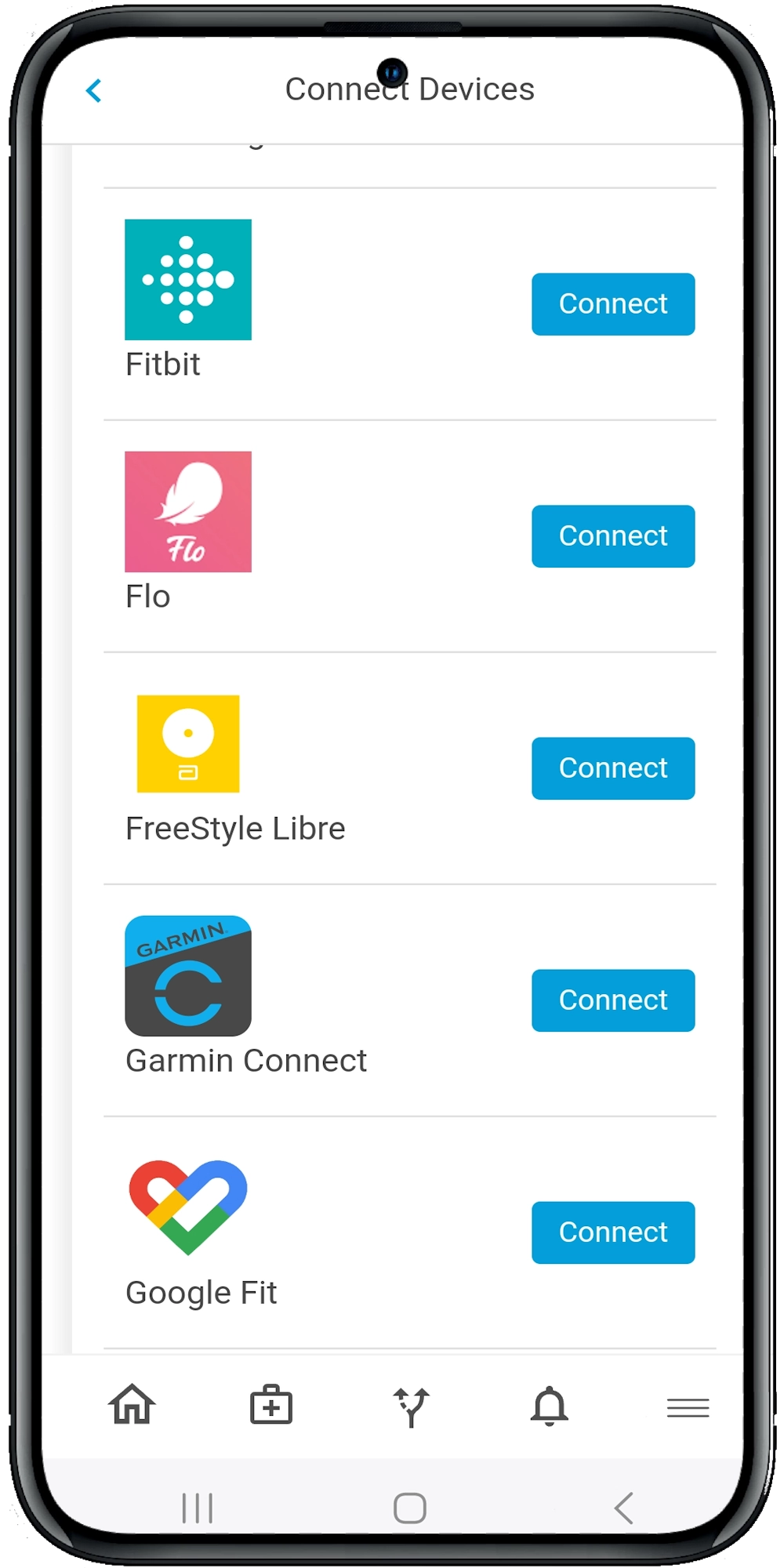
- Device & Wearable Syncing: Apple Watch, Fitbit, Omron, Dexcom—you name it
- Real-Time Alerts: Instant notifications if something’s off, like a missed med or an abnormal reading
These tools allow providers to be more proactive. Instead of waiting for a problem to show up in the exam room, they can get ahead of it. It’s like having a digital nurse on duty every minute of every day.
Patients: The Most Underrated Asset in VBC
Here’s a secret most people don’t talk about—patients are the single biggest variable in value-based outcomes. You can create the perfect treatment plan, but if the patient doesn’t follow it, outcomes won’t improve.
That’s why patient empowerment is a cornerstone of VBC success.
Platforms like the Calcium Super App do more than just track data—they help patients own their health journey. The app acts like a pocket-sized care team, guiding users every step of the way. Through tools like:
- Medication Reminders
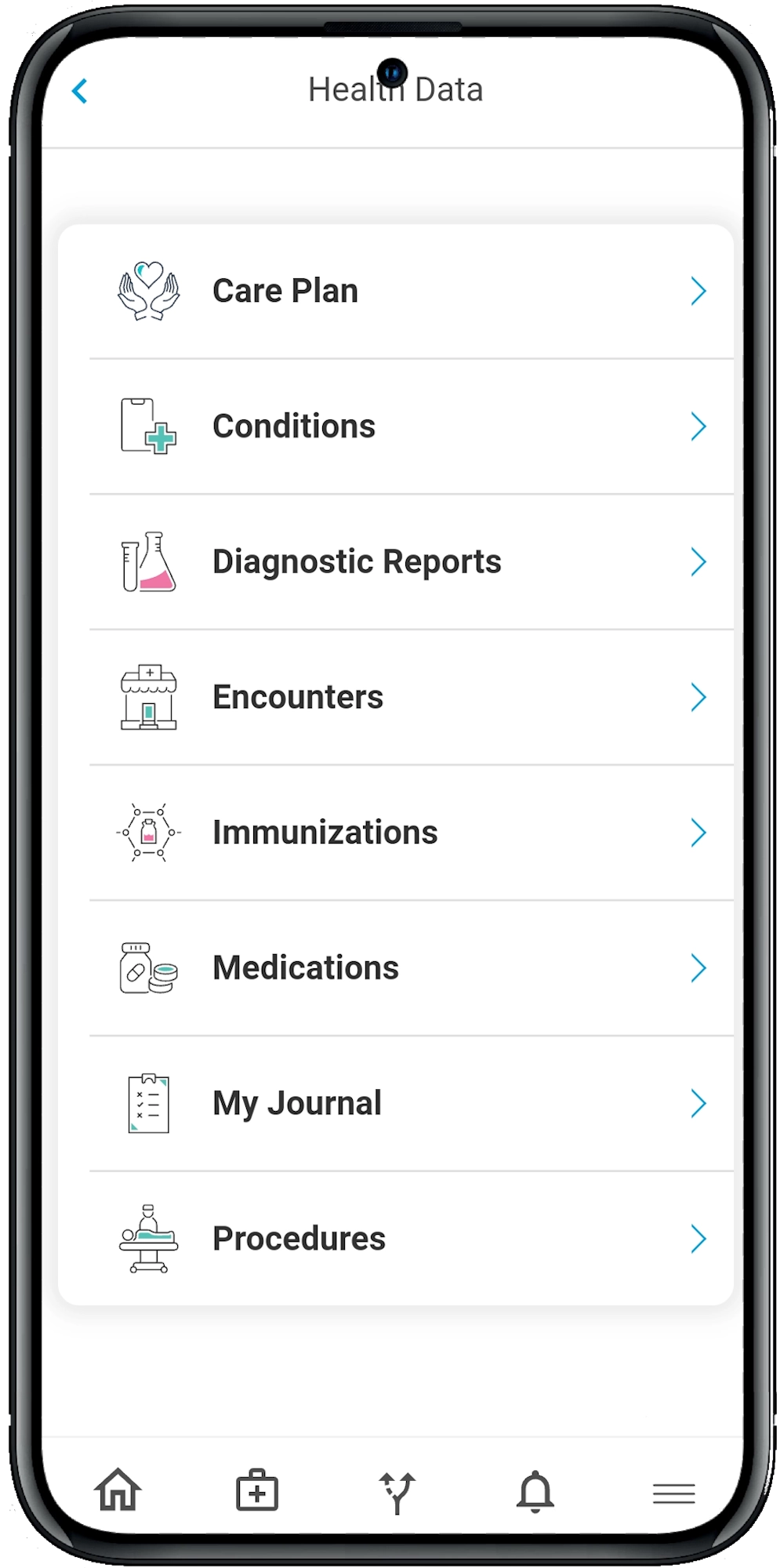
- Vitals Tracking and Health Journaling
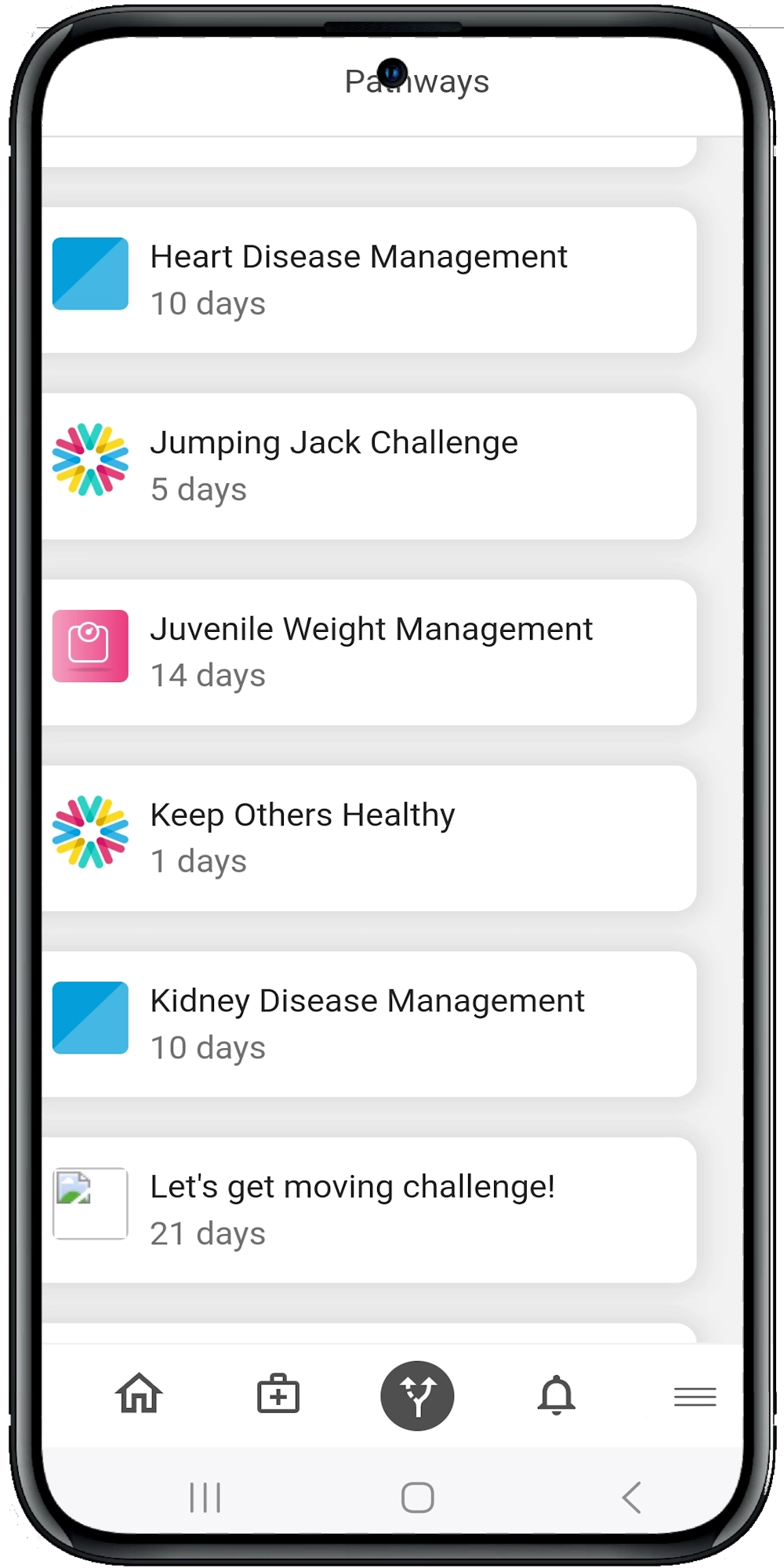
- Interactive Health Pathways for Chronic Care, Mental Health, Fitness and More
- Secure Data Sharing with Family and Providers
Patients become active participants in their care—not just passive recipients.
Want to reduce hospital readmissions? Empower patients to track their own symptoms and vitals.
Trying to improve diabetes outcomes? Give them real-time glucose tracking and a care plan that nudges them daily.
VBC doesn’t work if patients are left in the dark. They need clarity, support, and the right tech at their fingertips.
Smart Pathways: Where Personalization Meets Productivity
One-size-fits-all doesn’t work in healthcare. A 35-year-old marathon runner with asthma doesn’t need the same plan as a 72-year-old managing heart disease. That’s why AI-generated health pathways are game changers.
Through Calcium’s AI Studio, providers can generate personalized pathways for almost any health need—chronic condition management, pre-op prep, post-op recovery, preventive care, behavioral health and more.
Each pathway can include:
- Daily reminders for medications or exercises
- Personalized education (videos, articles)
- Symptom tracking and self-assessments
- Motivational messages and goal setting
- Progress tracking with feedback loops
Think of it as GPS for health. Patients don’t have to guess what to do next—it’s all laid out for them, and it adapts based on their input and progress.
This level of personalization boosts patient compliance, increases satisfaction and, most importantly, drives better health outcomes—all essential to VBC success.
Where It All Comes Together: Real Use Cases
Still wondering how this all plays out in the real world? Let’s walk through a few scenarios where digital tools supercharge VBC outcomes:
1. Chronic Disease Management
For conditions like diabetes or hypertension, digital pathways help patients track vitals, get reminders, log symptoms and adjust care plans—all in real time. Providers can see progress and intervene earlier, avoiding complications.
2. Behavioral Health Support
Managing depression, anxiety or addiction isn’t just about therapy sessions. Daily check-ins, guided journaling and symptom tracking create continuity between visits, improving outcomes and reducing relapses.
3. Surgical Recovery
From joint replacements to minor procedures, digital post-op pathways provide patients with pain management tips, wound care instructions, and symptom alerts—reducing ER visits and improving healing times.
4. Preventive Care and Wellness
VBC rewards prevention, and nothing drives preventive behaviors like consistent engagement. Whether it’s flu shots, annual screenings or fitness goals, digital apps can prompt, track and reward progress.
In each case, the provider plays quarterback while the app does the daily blocking and tackling.
Tackling the Barriers to VBC Adoption
Of course, this shift doesn’t happen overnight. Many healthcare organizations face hurdles in adopting tech-driven models. Some of the common barriers include:
- Workflow disruption fears
- Staff training challenges
- Uncertainty about ROI
- Data integration issues
- Patient tech literacy concerns
But these challenges aren’t insurmountable. Platforms like Calcium are designed with ease of use in mind—for both patients and providers. Integration with existing EHR systems, intuitive dashboards and customizable care pathways make adoption smoother.
And the payoff? Stronger outcomes, fewer hospitalizations, better compliance, higher satisfaction scores—and, ultimately, better financial performance under VBC contracts.
The Future Is Personal, Predictive and Proactive
We’re entering a new era in healthcare—where technology doesn’t replace the provider, but amplifies their impact. VBC demands more from the system, but it also offers the promise of healthier patients and smarter care.
With the right tools, providers can shift from reactive to proactive. Patients move from being passengers to drivers of their health. And the entire system becomes more connected, accountable and effective.
Value-based care isn’t just a healthcare trend—it’s a necessary evolution. To truly improve outcomes while reducing costs, we need more than policy changes. We need smarter tools, deeper engagement, and a system that puts both patients and providers in the driver’s seat.
That’s exactly where platforms like CalciumHealth come in. By combining personalized guidance, real-time data, and seamless care coordination, Calcium empowers everyone involved to do more—with less friction and better results. Whether you’re a provider aiming to boost VBC performance or a patient looking to take control of your health journey, the tools are here—and they’re ready to make a difference.
Reference
- Harrill, W. C., & Melon, D. E. (2021). A field guide to U.S. healthcare reform: The evolution to value‐based healthcare. Laryngoscope InvestigativeOtolaryngology, 6(3), 590–599. https://doi.org/10.1002/lio2.575
- Zanotto, B. S., Etges, A. P. B. da S., Marcolino, PT, M. A. Z., & Polanczyk, C. A. (2021). Value-Based Healthcare Initiatives in Practice. Journal of Healthcare Management, Publish Ahead of Print(5). https://doi.org/10.1097/jhm-d-20-00283
- Newcombe, D. (n.d.). Ethics of the Everyday: Using values transparency software to explore values based decision making in healthcare. Retrieved April 15, 2025, from https://openrepository.aut.ac.nz/server/api/core/bitstreams/cba87efa-408b-4508-a541-dfeff10ae335/content
- van Engen, V., Bonfrer, I., Ahaus, K., & Buljac-Samardzic, M. (2022). Value-Based Healthcare From the Perspective of the Healthcare Professional: A Systematic Literature Review. Frontiers in Public Health, 9(9). https://doi.org/10.3389/fpubh.2021.800702